How Often Do Trains Run from Trieste to Venice?
How often trains run from Trieste to Venice, which services cover the route, how to buy tickets, and what nobody can honestly promise about frequencies.
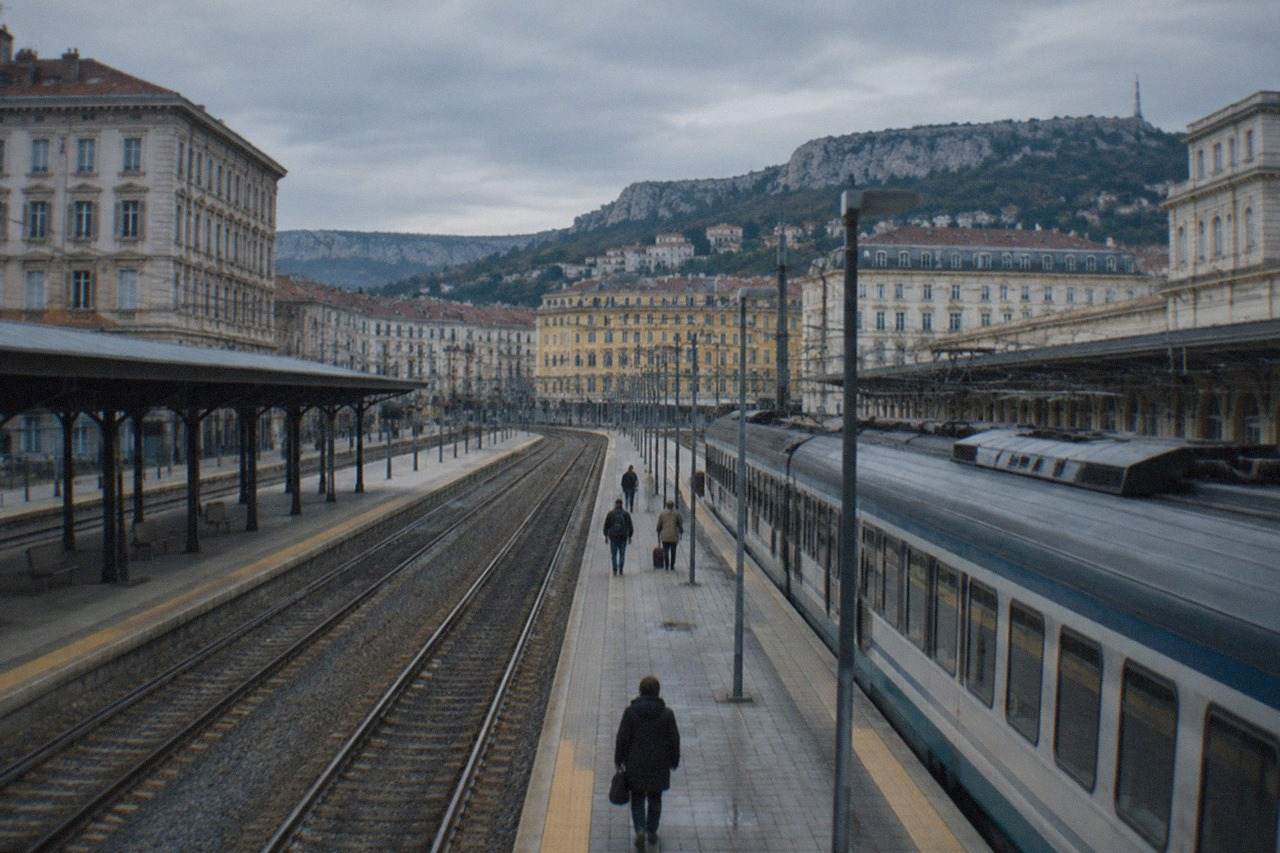
Trieste, the Adriatic port city in Friuli Venezia Giulia in the far northeast of Italy, sits at the end of its own rail line, and Venice is the natural big-city connection every visitor asks about first. The question people type is almost always the same: how often do trains run from Trieste to Venice? The honest core answer is that this site will not print a number of departures per hour or per day, because no official operator page in the research pack publishes a verified frequency for this exact route, and a timetable figure copied from memory is exactly the kind of thing that goes stale between the writing and the reading. What can be said with confidence is which categories of train serve the corridor, how the ticketing works, and where to check the live timetable before you commit to a plan.
How Often Do Trains Run from Trieste to Venice?
No single published frequency for this route can be verified, so this site prints no number of departures per day. The corridor is a regular main-line connection served by more than one category of train, with several departures spread across a normal day rather than one lonely morning service, and the count varies by weekday and season. Trenitalia's own site is the authoritative place to see today's departures.
That opening paragraph will disappoint readers who wanted a number, and it should. A large share of the travel web will happily tell you "trains run every hour" or "about a dozen a day" about routes they have never checked, and those claims quietly rot. The verified position is narrower and more useful: the corridor between Trieste and Venice is part of the ordinary regional and national network, not a seasonal tourist line, so it carries scheduled public services in both directions every day it is open. The airport's own service charter confirms that the region's stations are served by regional, Intercity and Frecciarossa high-speed trains, which tells you the route is treated as a serious connection, not a rural branch.
The practical consequence is a planning rule rather than a number. Assume you can get from Trieste to Venice and back in a single day, because the corridor supports it, and then confirm the specific departures on the operator's site or app for the exact date you intend to travel. Weekend and holiday schedules can differ from weekdays, and engineering works are a live reality on Italian rail: the transport research notes that Trenitalia is running maintenance on the Venezia-Trieste line with some bus replacements through October, which is precisely the kind of operational detail that changes a frequency answer completely on the weeks it applies. Checking is not a formality, it is the difference between a plan and a hope.
Which Train Services Run Between Trieste and Venice?
The corridor is served by more than one category of train, and the airport's own service charter lists regional, Intercity and Frecciarossa high-speed services alongside international trains reaching the region's stations. Frecciarossa is the high-speed option that makes Venice a practical day trip, regional trains are the slower, cheaper backbone that stops at more stations along the way, and the mix means the frequency question has different answers depending on which type you are willing to take.
The distinction matters because travellers conflate two different questions. "How often is there a train?" and "how often is there a fast train?" are not the same, and on this corridor the answer to the second is smaller than the answer to the first. A regional service and a high-speed service can both get you to Venice, but they differ in comfort, in price and in how many other towns they pause at on the way. If you will accept any train, your effective frequency is higher than if you only want the high-speed one.
| What the official sources confirm | Detail |
|---|---|
| Stations on the corridor | Trieste Centrale is the city's main station; Trieste Airport has its own station joined to the terminal by a covered walkway of roughly 400 m |
| Service categories listed by the airport's charter | Regional, Intercity, Frecciarossa high-speed, and international trains such as those to and from Villach and Ljubljana |
| Ticket purchase channels named by operators | Trenitalia's own site and the ticket machines at the stations |
| Published frequency for the Venice route | Not stated on any operator page in this site's research, so not printed here |
The airport row in that table is worth a second look, because it is the detail that surprises people. Trieste Airport, at Ronchi dei Legionari, is not a bus-ride away from the rail network, it is on it: the terminal and the station are connected by a covered pedestrian walkway with moving walkways, so a traveller landing there can walk to a train without stepping outside. If your Venice plan starts from the airport rather than the city, the corridor question changes shape, and the machine that sells you the ticket is in the same building you land in.
Where Does the Train to Venice Leave from in Trieste?
Trieste Centrale is the city's principal station and the departure point for Venice-bound trains, and it sits within the ordinary urban transport network, so a standard Trieste city ticket covers the bus ride to reach it. The station is not on the edge of town requiring a special transfer, it is part of the fabric of the city, and contactless bank cards can be tapped on board the urban buses to pay as you go.
Getting to the station is therefore not a second journey to plan in the way it is at some airports. Trieste's urban network is run by Trieste Trasporti, whose 2026 tariff sheet sets out the fares plainly, and the same tickets that take a visitor around the city's squares and seafront take them to the rail station. The contactless option deserves emphasis for anyone arriving without a local ticket app: the on-board readers accept Mastercard, Visa and American Express along with digital wallets, and the system applies the cheapest applicable fare, which removes the fear of overpaying through ignorance.
| Code | Ticket | Price | Validity |
|---|---|---|---|
| U01 | Urban single | €1.50 | 60 minutes |
| U02 | Urban single | €1.85 | 75 minutes |
| U24 | Day ticket | €3.35 | Full day |
| U10 | 10 rides | €13.50 | Carnet |
| U20 | 20 rides | €16.65 | Carnet |
One nuance from the same tariff sheet: single tickets run 60 or 75 minutes, extended to 240 minutes on Sundays and public holidays. That extension is a quiet gift to anyone whose train leaves on a weekend, since a single tap then covers a long, unhurried morning including the ride to the station. Season-pass prices appear in the same tariff document but did not extract cleanly in this site's research, so they are deliberately not quoted here.
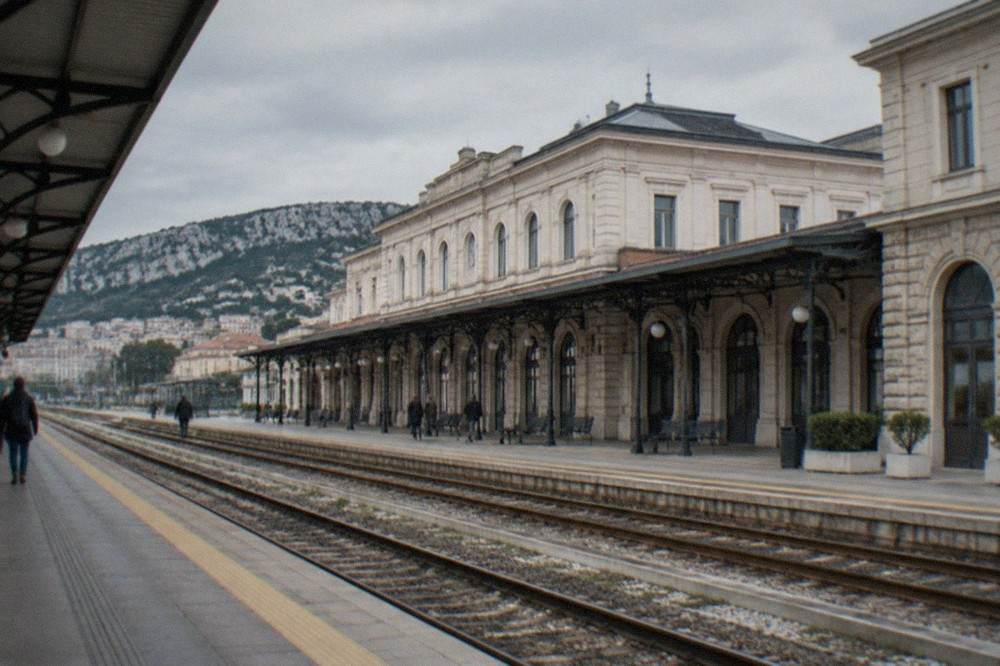
Do Delays and Weather Affect the Trieste to Venice Trains?
Weather rarely stops trains on this corridor outright, but the Adriatic coast has a wind climate that operators monitor: Trieste's station data shows a gust over 90 km/h on 17.6 days a year on average, and the monthly record gust exceeds 110 km/h in every single month of the year. High wind can slow services, so checking the forecast and the operator's live notices on the day matters more here than on a sheltered inland route.
Those wind figures come from ARPA FVG and OSMER's own station tables for Trieste molo Fratelli Bandiera, the regional network's waterfront station, measured over 1995-2024. They describe the air above the city rather than the state of the rails, but they are the honest background to any claim about travel reliability on this coast. What no official source publishes, and what this site will therefore never state, is a wind speed at which trains are cancelled, the Rive promenade is closed or ferries stop. No such threshold exists on any page checked, and inventing one would be worse than saying nothing.
Rain is the other seasonal factor, and the pattern is not what most visitors expect. Trieste's wettest month is November at 109.8 mm, with September second at 102.3 mm, while July at 53.8 mm is one of the driest months of the year. The rain here is an autumn problem, not a summer one.
| Month | Rain (mm) | Wet days | Days with gust over 90 km/h |
|---|---|---|---|
| June | 62.5 | 6.1 | 0.3 |
| July | 53.8 | 5.4 | 0.9 |
| September | 102.3 | 7.4 | 1.1 |
| October | 88.6 | 7.6 | 1.4 |
| November | 109.8 | 9.5 | 1.9 |
| Annual total | 867.1 | 86.1 | 17.6 |
The June row is the quiet headline in that table: the calmest month for wind on this coast is June, with an average of just 0.3 days a year carrying a gust over 90 km/h. A traveller deciding between a June trip and a November trip is choosing between the statistical calmest and the statistical wettest, and the timetable consequences, however small, lean the same way.
Can You Do Venice as a Day Trip by Train from Trieste?
Yes, Venice is a realistic day trip by train from Trieste, and the two cities are close enough that the question is about timetables rather than distance, but a day trip depends entirely on the day's actual departures in both directions. The route is served by high-speed trains as well as regional ones, which is what makes a comfortable there-and-back possible, and the planning step that decides it is checking the first and last departures of your chosen date on the operator's own site.
The mistake is treating the day trip as a fixed product with fixed hours. It is a corridor with a timetable that moves by season and by weekday, and the traveller who confirms the last train back is the one who eats dinner in Venice without anxiety. This site's longer piece on the question goes deeper: can you do a day trip from Trieste to Venice. If high-speed comfort is the deciding factor, there is a dedicated page on exactly that: high-speed train options from Trieste to Venice.
Travellers coming at the plan from the other direction, arriving in Italy through Venice and ending in Trieste, usually have a cruise or a flight in the mix, and the connection logistics are covered separately, including transfers from Venice to Trieste and the practical question of whether the Venice to Trieste train ride is scenic.
What If You Have Hours to Spare in Trieste Before the Train?
A departure gap in Trieste is not dead time, because the city's main sights cluster within a short walk of the station's urban bus links, and the seafront at Piazza Unità d'Italia is the obvious place to spend a spare morning or afternoon. An audio-guided bus tour, from $21.02 per person on the operator's live listing and rated 4.1 from 236 reviews over a 1 hour 15 minute loop, is the most efficient way to see the city between trains.
The bus tour earns its place here precisely because Trieste's attractions do not line up along one street. The seafront, the Città Vecchia, the castle hill and the Roman remains scatter across a city built on slopes, and a wheeled overview saves the legs for Venice later. For a visitor with a longer gap or a whole spare day, a private option is the stronger fit: the private guided tour of Trieste is priced from $194.89 per group of up to 10, rated 5 from 115 reviews, and runs about 2.5 hours, which pairs neatly with an afternoon departure.
And if the train plan is really about squeezing a second country into one holiday, the corridor is not the only good use of a Trieste base. The Postojna Cave and Predjama Castle day trip, from $146 per person and rated 4.7 from 139 reviews over a 5-hour run, goes the other way, into Slovenia's karst, and it is a reminder that Trieste's rail position opens doors in several directions at once. Trieste Travel Guide covers the city itself in depth for anyone building a longer stay around the timetable.
Common Questions About Trains from Trieste to Venice
How often do trains run from trieste to venice?
No verified official frequency figure exists for this exact route on any operator page in this site's research, so no number is printed here. The corridor is part of the ordinary regional and national network with regional, Intercity and Frecciarossa services, which means multiple departures spread across a normal day. Check Trenitalia's own site for the live timetable on your exact date, especially since engineering works with bus replacements have been listed on the Venezia-Trieste line through October.
Is there a high-speed train from Trieste to Venice?
Yes. Frecciarossa high-speed services serve the region's stations according to the airport's own service charter, alongside regional and Intercity trains, so the Venice trip can be done on high-speed stock rather than only on slow regional services. The dedicated page on high-speed options between the two cities covers the details.
Can you do a day trip from Trieste to Venice by train?
Yes, the corridor supports a there-and-back in one day, but the trip lives or dies on the day's actual first and last departures, which shift by season and weekday. Confirm both on the operator's site before committing, and treat the last train back as the single most important line of the timetable.
Where does the Venice train leave from in Trieste?
Trieste Centrale is the city's principal station. It sits within the ordinary urban bus network, so a standard Trieste city ticket, from €1.50 for a 60-minute single per the operator's 2026 tariff sheet, covers the ride to the station, and contactless bank cards can be tapped on board.
Do bora winds ever affect the trains?
Trieste's station data shows a gust over 90 km/h on 17.6 days a year on average, and the monthly record gust exceeds 110 km/h in every month of the year, so high wind is a real feature of this coast. No official source publishes a wind threshold at which trains are cancelled, so the honest advice is to check the operator's live notices and the forecast on the day rather than rely on a rule of thumb.
Is the train ride from Venice to Trieste scenic?
That question has its own page on this site, and the short version is that the route touches the Adriatic coast and the lagoon edge, with stretches worth a window seat. Whether the scenery justifies a slower regional train over a faster high-speed one is a matter of taste and available time on the day.
The frequency question deserves the deflation it gets here: nobody with a timetable in front of them needs a guide's guess, and anyone travelling on a specific date should have the operator's live page open, not a number copied from an article written months earlier. Trieste in Italy rewards that habit generally, because its transport edges, its wind and its borders all move with the seasons, and the traveller who checks twice is the one who boards on time.