What Is Trieste Famous For?
What Trieste in Italy is famous for: the coffee port, Piazza Unità d'Italia, Miramare Castle, the bora wind and the Barcolana regatta, explained with verified figures.
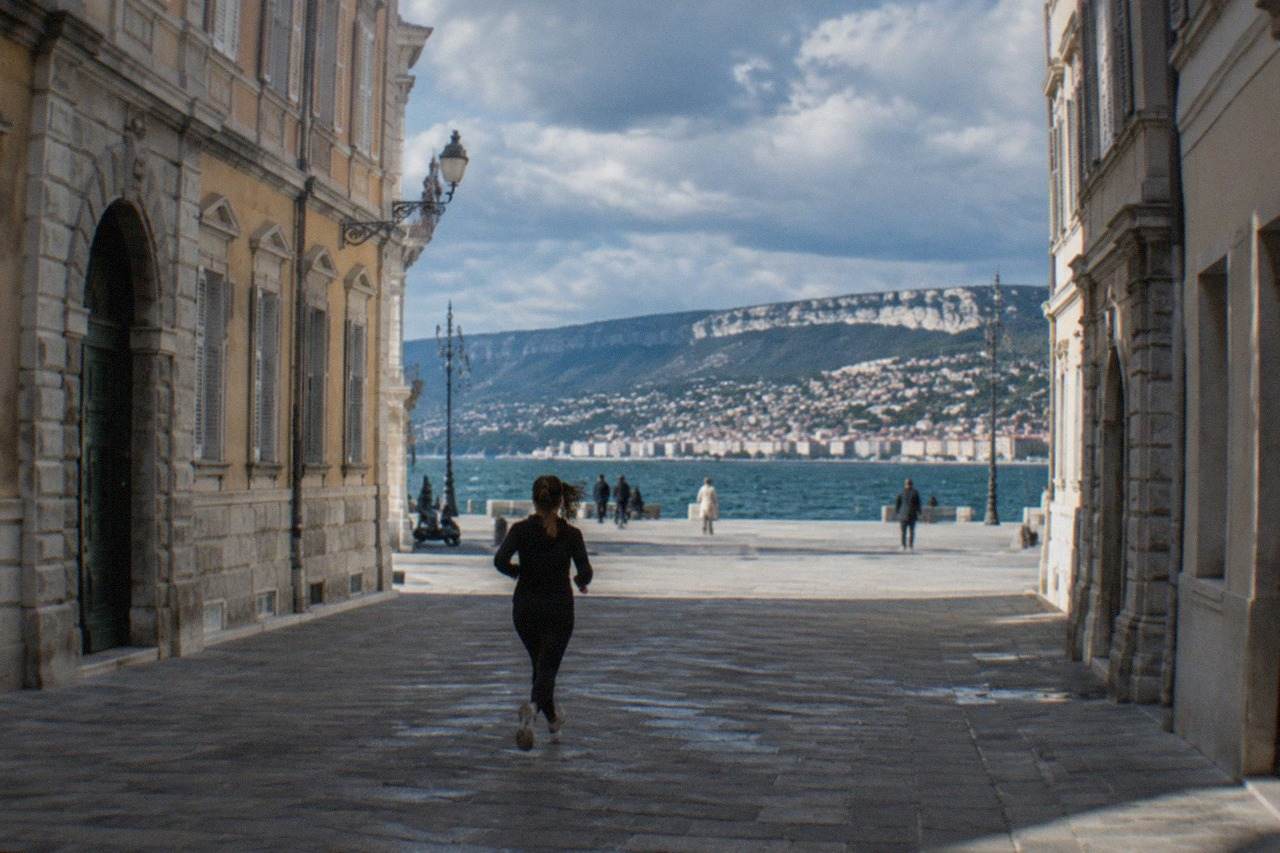
Trieste, the Adriatic port city in Friuli Venezia Giulia in the far northeast of Italy, is famous for a combination no other Italian city shares: it is Italy's historic coffee port, it has the grandest seafront square in Europe, it spent centuries as the Habsburg empire's only window on the sea, and it is the city the bora wind built. That is the short version. The longer version, with the verified numbers behind each claim, is below.
What Is Trieste Famous For?
Trieste in Italy is famous for five things above all: its coffee port heritage and roasting industry, Piazza Unità d'Italia, the largest seafront square in Europe, Miramare Castle on the gulf, the bora wind that funnels down from the Carso plateau, and the Barcolana regatta, the largest sailing race in the world. Its Habsburg past gives it a Central European look that stands out sharply among Italian cities.
Each of those deserves a paragraph of its own, and each one is the reason a particular kind of traveller ends up here. Coffee people come for the historic caffès and the roasting houses. Architecture people come for the Habsburg streets of the Borgo Teresiano. Sailors and wind watchers come in October for the Barcolana. The rest of this page works through them in order, with the figures that the official sources actually publish.
Why Is Trieste Famous for Coffee?
Trieste is famous for coffee because it has been a green-coffee port for the Habsburg empire and then for Italy, and it remains a working roasting centre: Illy has its headquarters in the city, and the historic caffès of the centre, some of them opened in the nineteenth century, still serve as the city's living rooms. No reliable per-person consumption figure exists, so treat any number you read with suspicion.
That last sentence matters. The claim that Triestini drink more coffee than anyone else in Italy, usually quoted as some kilograms per head, circulates everywhere and has no primary source behind it: not the Chamber of Commerce, not the port authority, not Illy. The coffee culture is real and visible without any number. The caffès in the centre are institutions, the roasting industry is a genuine pillar of the local economy, and the port still handles green coffee alongside its other cargoes. The city's coffee story is covered in detail on why Trieste is famous for coffee and in the wider guide to why Trieste is famous.
The coffee heritage bleeds into everything else. A guided walk that ends with a coffee in a historic bar is one of the standard ways to see the centre, and the food tours of the city fold the caffès into a route that also takes in the buffet kitchens serving jota and goulash, the Central European dishes that Trieste eats alongside its pasta. The mix is the point: this is an Italian city that eats Austro-Hungarian.
What Is There to See in Trieste, Italy?
The headline sights are Piazza Unità d'Italia, the seafront square that opens straight onto the gulf, Miramare Castle with its free park up the coast at Grignano, Castello di San Giusto on the hill above Città Vecchia, the Roman theatre, and the seafront itself, from Molo Audace to the Rive. The castle ticket is €17 for an adult including the temporary exhibition, while the park beside it is free all year.
Miramare deserves its fame. The Ministry of Culture's own visit page lists the castle at €17 for adults, €7 reduced for EU citizens aged 18 to 25 with the exhibition, open every day 9:00-19:00 with last admission at 18:30. The park is free year-round and keeps its own seasonal hours, longer in summer, shorter in winter. The distinction trips up a lot of visitors: the park costs nothing, the castle does not, and they do not keep identical hours.
In the centre, the stack of sights is compact. Castello di San Giusto is €7 full price, €5 reduced, and its ticket covers the walls, the castle museum, the Lapidario and the temporary exhibitions. The cathedral on the same hill is free to enter. The Roman theatre is visible from the street, and you look down into it rather than walking through it. Museo Revoltella, the modern art museum, is €8 and closes on Tuesdays. All of this sits within a walkable core, which is one of the quiet reasons the city works so well for short visits, a question covered in how many days in Trieste is enough.
| Trieste sight | Adult entry | What the ticket covers | Verified hours |
|---|---|---|---|
| Miramare Castle | €17 | Castle plus temporary exhibition | Daily 9:00-19:00, last entry 18:30 |
| Miramare Park | Free | Parkland and gardens | Seasonal, 8:00-19:00 April to September |
| Castello di San Giusto | €7 | Walls, castle museum, Lapidario, exhibitions | Daily 10:00-19:00 to 11 October |
| Cathedral of San Giusto | Free | Cathedral interior | Weekdays 8:00-18:30 |
| Museo Revoltella | €8 | Permanent collections | Daily 10:00-19:00, closed Tuesdays |
| Risiera di San Sabba | Free | National monument museum | Daily 9:00-19:00 to 11 October |
Should You See It with a Guide?
The city rewards context. The Habsburg layers, the border history and the coffee institutions do not explain themselves from a map, and a private guided walk is the efficient way to get them. The private guided tour of Trieste is a 2.5-hour walk with a local guide, Check availability on the operator's live listing.
What Is the Bora Wind?
The bora is a cold, dry north-easterly wind that pours down off the Carso plateau onto the gulf, and ARPA FVG's own station tables for Trieste molo Fratelli Bandiera record an all-time peak gust of 168.1 km/h in February 2012, an average of 17.6 days a year with a gust over 90 km/h, and a monthly record gust above 110 km/h in every single month of the year.
Those figures come from the regional agency's climate series, 1995 to 2024, at the waterfront station. They are the numbers to trust, and two popular ones are not: the 171 km/h figure from 1954 and the 188 km/h figure from 2010 that circulate in guides are not in the station table and should not be repeated. There is also no published wind threshold at which the seafront closes or ferries stop; operations scale with conditions, and no official cutoff exists. The rest of the planning pages sit on Trieste Travel Guide.
The bora is why the seafront has rope railings to hold in the wind, why the old town streets in places run at an angle to the gusts, and why October sailing here is a serious business. It is most frequent in the cool season, peaking around February, and rarest in June. Summer visitors mostly meet it as a pleasant breeze, and July is one of the driest months of the year, a fact that surprises people who assume an Adriatic port is a summer rain trap.
| Bora figure, Trieste waterfront station | Value |
|---|---|
| All-time peak gust in the series | 168.1 km/h, February 2012 |
| Average days a year with a gust over 90 km/h | 17.6 |
| Average days a year with a gust over 72 km/h | 49.0 |
| Peak month for strong gusts | February |
| Calmest month for wind | June |
| Monthly record gust, every month of the year | Above 110 km/h |
What Is the Barcolana Regatta?
The Barcolana is Trieste's October sailing regatta, run every year since 1969 on a 13-nautical-mile course in the gulf, and it holds the Guinness World Record as the largest sailing race in the world with 2,689 registered yachts in 2018. The 2026 edition, Barcolana 58, runs from 2 to 11 October, with the main race on Sunday 11 October starting at about 10:30.
The first edition in 1969 had 51 boats on the start line. The 2018 record of 2,689 made it officially the largest sailing race in the world, and the 2025 edition drew 1,865 boats, the highest since 2019. What makes it famous beyond the numbers is the format: pros and amateurs race the same course on the same day, and the finish sits off Piazza Unità d'Italia, so the whole city watches from the seafront. The race sits inside the windy shoulder of the year, which is the whole point of holding it where and when it is held.
What Else Is Trieste Known For?
Trieste is also known for the Opicina tram, a hybrid tram-funicular running since 2025 from piazza Dalmazia up to the Karst village of Opicina, for the osmize, the farmhouse wine cellars of the Carso that open seasonally and hang a frasca branch at the turning, and for its literary and Habsburg past, the city where James Joyce lived and wrote while the port boomed under Austrian rule.
The tram is a detail worth getting right because almost every older guide gets it wrong. It was reactivated on 1 February 2025 after a long suspension, it runs today, and its city terminus is piazza Dalmazia, not piazza Oberdan. A standard urban ticket covers it, and the current timetable on the operator's site carries a July 2026 date. The route climbs to Opicina on the plateau, where the climate changes and the vineyards of Vitovska, Malvasia and Terrano begin. Note that Prosecco, the village that gave the wine its name, sits on this side of the border, but Trieste itself is not in the Prosecco DOC.
The osmize are the other great Trieste institution that outsiders miss. They are farms on the Karst that open for limited periods to sell their own wine and home produce, signalled by a frasca, a leafy branch hung where you turn in. The long-established calendar of which osmiza is open on which day lives at osmize.com, and there is no municipal equivalent, so that is the reference to check before a visit. The custom is old, the name comes from the Slovene word for eight, and the opening days are set by each farm, not by a fixed rule.
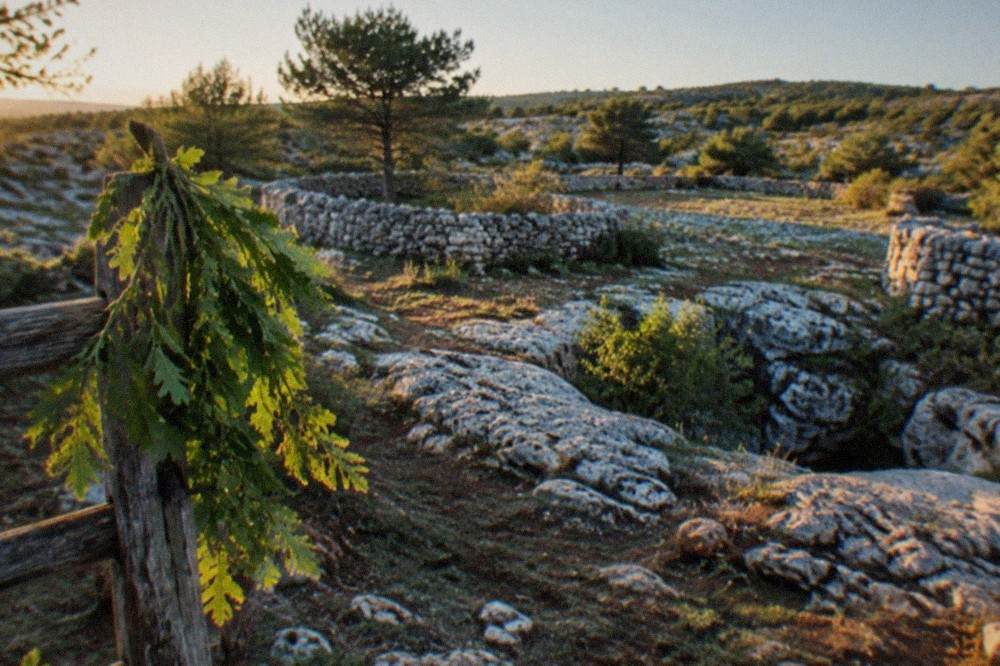
The literary past rounds it out. Joyce spent years in the city, and the historic caffès where writers and insurance clerks argued are still standing. The Habsburg commercial boom gave Trieste its grid of elegant streets, its insurance palaces and its Central European atmosphere, which is why so many visitors say it feels less like Italy and more like Vienna on the Adriatic. That border-city identity, Italian and Slovenian at once, is explored on is Trieste more Italian or Slovenian.
Common Questions About What Trieste Is Famous For
What is Trieste famous for?
Trieste in Italy is famous for its coffee port heritage, Piazza Unità d'Italia, Miramare Castle, the bora wind, the Barcolana regatta and its Habsburg-era architecture.
Why is Trieste famous for coffee?
Trieste has been a green-coffee port for centuries and remains a roasting centre with Illy headquartered in the city. Its historic caffès are civic institutions. No verified per-person consumption figure exists.
What is the most famous landmark in Trieste?
Piazza Unità d'Italia, the seafront square that opens directly onto the Adriatic gulf, is the city's signature landmark, with Miramare Castle up the coast at Grignano as the second.
Is the bora dangerous for visitors?
The bora is a strong, cold wind, not a hazard to a normal visit. ARPA's tables show an average of 17.6 days a year with a gust over 90 km/h, concentrated in the cool season, and June is the calmest month.
What is unusual to see in Trieste?
The Opicina tram-funicular from piazza Dalmazia, the osmize farmhouse cellars of the Carso, and the Roman theatre you view from the street are the unusual sights, covered in what is the unusual thing to see in Trieste.
Trieste Travel Guide covers each of these in depth, and the city rewards the depth: most of what makes it famous sits within a twenty-minute walk of the square.