How Do I Get from Venice to Trieste for a Cruise?
How to get from Venice to Trieste, Italy for a cruise: train and transfer options, where ships dock, what a Trieste Trasporti ticket costs, and what to do ashore.
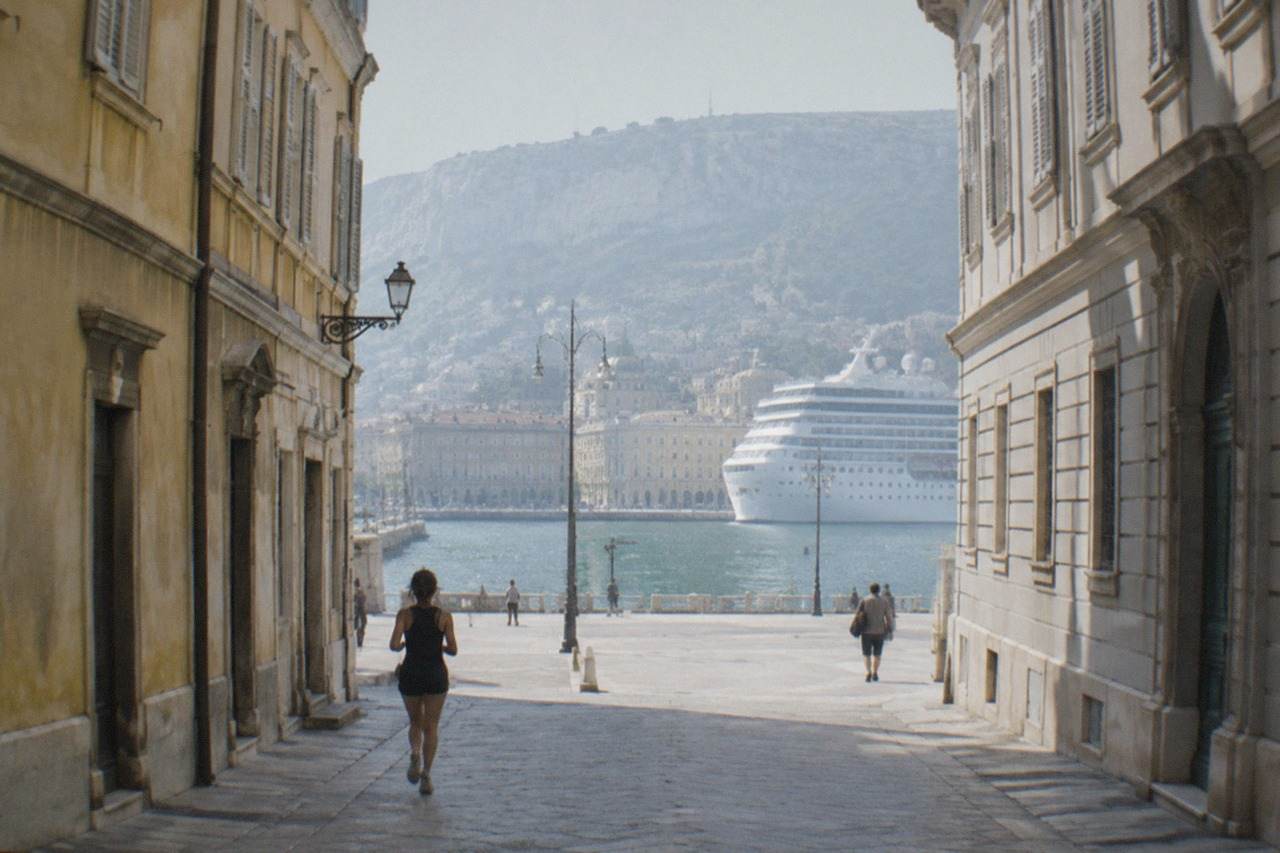
Trieste, the Adriatic port city in Friuli Venezia Giulia in northeast Italy, has become a real alternative to Venice as a cruise embarkation point, and the two cities sit close enough that a Venice-to-Trieste connection on sailing day is a routine, manageable trip rather than a logistical gamble. The route is served by direct regional and high-speed rail along the Venice-Trieste line, by private transfers, and by airport-linked options if your flight into Venice lands the same day. What trips people up is not the distance, it is the details: which Trieste station you arrive at, where the ship actually berths, and how much time to leave for the unknowns. This page lays out the verified facts, the fares that are published, and the things no operator will tell you until you are already standing on the quay.
How Do I Get from Venice to Trieste for a Cruise?
The practical answer is the direct train from Venice Santa Lucia or Venice Mestre to Trieste Centrale, booked for a departure early enough to arrive with several hours in hand before your ship's check-in closes, with a pre-booked private transfer as the fallback if the timetable does not fit your sailing time. Trieste Centrale is the city's main station, and the cruise terminal sits within the port area of the same city, so the last leg is short. The rail link along the Venice-Trieste line is the backbone of this journey, and Trenitalia sells the tickets; the exact journey time and fare for your date must be read from the operator's own planner rather than quoted from memory, because both vary by train category and by how far ahead you book. If your sailing is early and the first trains do not get you there in time, a pre-booked car transfer from Venice or from Venice Marco Polo airport is the standard alternative, and it is the one most embarkation-day passengers end up choosing.
The single most useful thing you can do is treat the train as a scheduled asset and the transfer as insurance. Check the day's timetable on the operator's site the night before, and if a strike notice, engineering works or a timetable change appears, you still have time to book a car. Our page on the best way to get from Venice to Trieste compares the options in more depth, and the high-speed train question covers which train categories actually run on this line.
What Should You Know About Arriving at Trieste Centrale?
Trieste Centrale is the main railway station, and from its forecourt the urban bus network, taxis and the waterfront are all part of the same compact city, so arrival is simpler than at most cruise ports. A single urban ticket costs EUR 1.50 for 60 minutes or EUR 1.85 for 75 minutes, a day ticket is EUR 3.35, and contactless bank cards can be tapped directly on board. Those fares come from Trieste Trasporti's own 2026 urban tariff sheet, dated 29 December 2025, and they are the numbers that actually apply when you step off the train. The 60 and 75 minute tickets are extended to 240 minutes on Sundays and public holidays, which matters because many cruises sail on a weekend. The same urban ticket also covers the Opicina tram if you find yourself with spare hours before boarding.
| Code | Ticket | 2026 price |
|---|---|---|
| U01 | Urban single, 60 minutes | EUR 1.50 |
| U02 | Urban single, 75 minutes | EUR 1.85 |
| U24 | Day ticket | EUR 3.35 |
| U10 | 10 rides | EUR 13.50 |
| U20 | 20 rides | EUR 16.65 |
Tickets can be bought before boarding or, on vehicles fitted with the "Eva" readers, by tapping a Mastercard, Visa, American Express or digital wallet, and the system applies the cheapest applicable fare automatically. For a one-off arrival with luggage, a taxi from the station forecourt is the other standard option, and the rank is at the station itself. If your plan is to walk off some nerves before check-in, whether Trieste is walkable from the cruise port is the question most passengers ask next, and the short answer is that the city is famously compact.
Where Do Cruise Ships Dock in Trieste, Italy?
Cruise ships berth in Trieste's port area, within the city itself rather than at a remote terminal miles out, so the transfer from Trieste Centrale to the ship is a short urban hop by taxi or bus rather than a cross-country expedition. Trieste is a working port with a historic waterfront, and the passenger facilities sit alongside the same quays the city has used for centuries of maritime trade. The precise berth for your sailing is assigned by the port and appears on your cruise line's documentation, so check your boarding pass or the line's app rather than assuming a fixed terminal. What is safe to plan on is that you are arriving into a city-scale port, not an industrial satellite, and that the historic centre, Piazza Unità d'Italia and the station are all on the same side of the water.
Passengers regularly ask whether they can simply walk in, and walking into Trieste from a cruise ship is covered in its own answer; the general pattern is that the port and the city sit close enough that arriving passengers reach the streets quickly. On embarkation day the flow is reversed, and the practical sequence is: train to Trieste Centrale, taxi or bus to the berth, check-in as your line's boarding window opens. Leave more margin than feels necessary. A missed train in Venice is recoverable; a closed gangway in Trieste is not.
How Much Time Should You Leave Between Venice and Trieste?
Build your Venice departure around the ship's check-in deadline, not the ship's sailing time: arrive in Trieste at least three to four hours before the latest boarding time printed by your cruise line, which usually means catching a train or transfer in the morning for an afternoon sailing. The reason is not the length of the journey, which the operator's planner will show you for your exact date, but the accumulation of small risks: a late train, a taxi queue at the station, a longer than expected walk to the berth, or a check-in line that moves slower than the brochure implies. Cruise lines close boarding well before departure, and that closing time, not the sailing time, is the number your whole day is built around.
A useful structure for the day is to treat the morning as pure logistics and the early afternoon as your first taste of the city. If you arrive with real time in hand, Trieste rewards it: the historic caffès, the seafront and the Roman theatre are all reachable on foot from the centre. The page on what to do in Trieste from a cruise ship lists the realistic options for a few spare hours, and the ranking of must-sees for a single day follows the same compact geography.
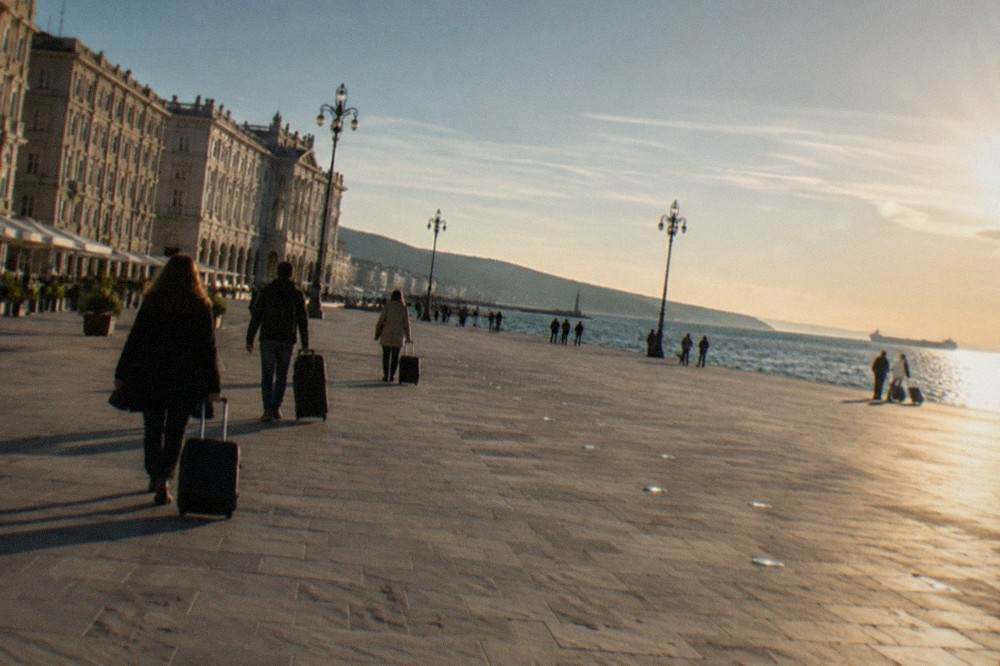
What Does a Night in Trieste Before the Cruise Cost?
Trieste's city tax on overnight stays runs from EUR 1.50 per person per night at campsites up to EUR 3.80 at five-star hotels, is charged for a maximum of five consecutive nights in the same property, and everyone under 18 is exempt, so a pre-cruise hotel night in the city carries a small, published, capped surcharge on top of the room rate. The rates come from the Comune di Trieste's own 2026 table, which applies the tax by accommodation category. Hotel room rates themselves vary constantly and are not something to quote from a guide; the tax is the fixed, verifiable part of the bill.
| Rate per person, per night | Accommodation category |
|---|---|
| EUR 3.80 | 5-star hotels and residenze turistico-alberghiere |
| EUR 3.30 | 4-star hotels, RTA, self-catering "case vacanza" |
| EUR 3.00 | 3-star hotels, RTA, "case vacanza" |
| EUR 2.30 | 2-star hotels, affittacamere, B&B Superior, hostels, agriturismi, short-let properties |
| EUR 2.00 | B&B Comfort |
| EUR 1.80 | 1-star hotels, B&B Standard |
| EUR 1.50 | Campsites and equipped motorhome areas |
Staying the night before in Trieste, rather than doing Venice-to-berth in one morning, is the single biggest stress reducer available on this route, and many passengers now build it in deliberately. The city's hotels sit within a short urban ride of the port, and the morning of embarkation becomes a ten-minute errand instead of a cross-region dash. The exemptions are worth knowing too: beside under-18s, they cover one companion per hospital inpatient, people with a certified disability of 80 percent or more, and one group leader per fifteen minors. The rest of the planning pages sit on Trieste Travel Guide.
What Can You Do Ashore in Trieste Before or After the Cruise?
Trieste packs its main sights into a walkable centre: the cathedral and castle hill of San Giusto, the seafront Piazza Unità d'Italia, the Canal Grande with its church of Sant'Antonio Taumaturgo, and the seafront itself, with entry to the cathedral free and the Castello di San Giusto at EUR 7.00 for an adult. Those admission figures are verified from the venues' own pages, and they make Trieste one of the cheaper cruise-port afternoons in the northern Adriatic. The Castello di San Giusto ticket covers the walls and bastions, the castle museum and the Lapidario Tergestino, and from 12 October the site closes on Mondays, so check the day of the week against your port call. Museo Revoltella, the modern art gallery, is EUR 8.00 and closes on Tuesdays.
| Sight | Entry | Hours to plan around |
|---|---|---|
| Cattedrale di San Giusto Martire | Free | Weekdays 8:00-18:30, Sundays and holidays 9:00-19:30 |
| Castello di San Giusto | EUR 7.00 adult, EUR 5.00 reduced | 1 April-11 October daily 10:00-19:00; from 12 October Tue-Sun 10:00-17:00, closed Monday |
| Museo Revoltella | EUR 8.00 adult, EUR 6.00 reduced | Daily 10:00-19:00, closed Tuesdays |
| Risiera di San Sabba | Free | 1 March-11 October daily 9:00-19:00; from 12 October daily 9:00-17:00 |
| Teatro Romano | Looked down into from the street | No routine individual entry |
If your time is short and you want the city decoded quickly, a private guide is the efficient route, and the options below are the ones that fit a cruise schedule. The flexible private walking tour with a local, two to six hours, is built for exactly this kind of day, and the food walks suit a port call that straddles lunchtime. Trieste's buffet culture, its jota soup and its coffee houses are the edible half of the city's identity, and a guided food walk is the fastest way through them.
For the return leg, or for anyone doing the trip in reverse, getting from Trieste to Venice and transferring from the cruise port back to Venice have their own pages, and the same margin rules apply: plan around the check-in deadline of whatever you are catching next, not around its departure time.
Common Questions About Getting from Venice to Trieste for a Cruise
How do I get from Venice to Trieste for a cruise?
Take the direct train from Venice to Trieste Centrale, booked early enough to arrive several hours before your ship's boarding closes, or a pre-booked private transfer if the timetable does not fit. Trieste Centrale sits in the same compact city as the port, so the final leg is a short taxi or bus ride.
Is there a high-speed train from Venice to Trieste?
High-speed services reach Trieste on the Venice-Trieste line, and the fastest category for your date is shown on the operator's planner. Journey time and fare vary by train and by booking window, so read both from the operator's site for your sailing day rather than from a guide.
Can you walk into Trieste from a cruise ship?
Trieste's passenger berths sit within the city itself, and arriving passengers reach the streets quickly rather than facing a long transfer. The exact arrangements depend on the berth and the port's arrangements on the day, but the city is famously compact and the historic centre is close.
How much is a bus or tram ticket in Trieste?
Per Trieste Trasporti's 2026 tariff sheet, a 60-minute urban single is EUR 1.50, a 75-minute single is EUR 1.85, and a day ticket is EUR 3.35. Contactless bank cards can be tapped on board, and singles extend to 240 minutes on Sundays and public holidays.
Should I stay in Trieste the night before the cruise?
It is the safest structure for the day: a hotel night in Trieste turns embarkation morning into a short urban trip instead of a cross-region dash. The city's tourist tax is capped at five nights and exempts everyone under 18, and the rates by hotel category are published by the Comune.
What can I see in Trieste with a few spare hours?
The cathedral on San Giusto hill is free, the Castello di San Giusto is EUR 7.00, and the seafront Piazza Unità d'Italia, the Canal Grande and the Roman theatre are all within a compact walk. Museo Revoltella is EUR 8.00 if modern art appeals, though it closes on Tuesdays.
The Venice-to-Trieste cruise connection works best when you treat it as two separate problems: a rail or road journey with a published timetable, and a port arrival with a hard boarding deadline. Solve the first with the operator's planner the night before, solve the second with generous margins, and Trieste, Italy will do the rest, including the coffee.