Is Trieste Cheap or Expensive?
Is Trieste cheap or expensive? A price-by-price answer for Trieste, Italy: attraction tickets, buses, coffee, food tours and the tourist tax, with the real 2026 figures.
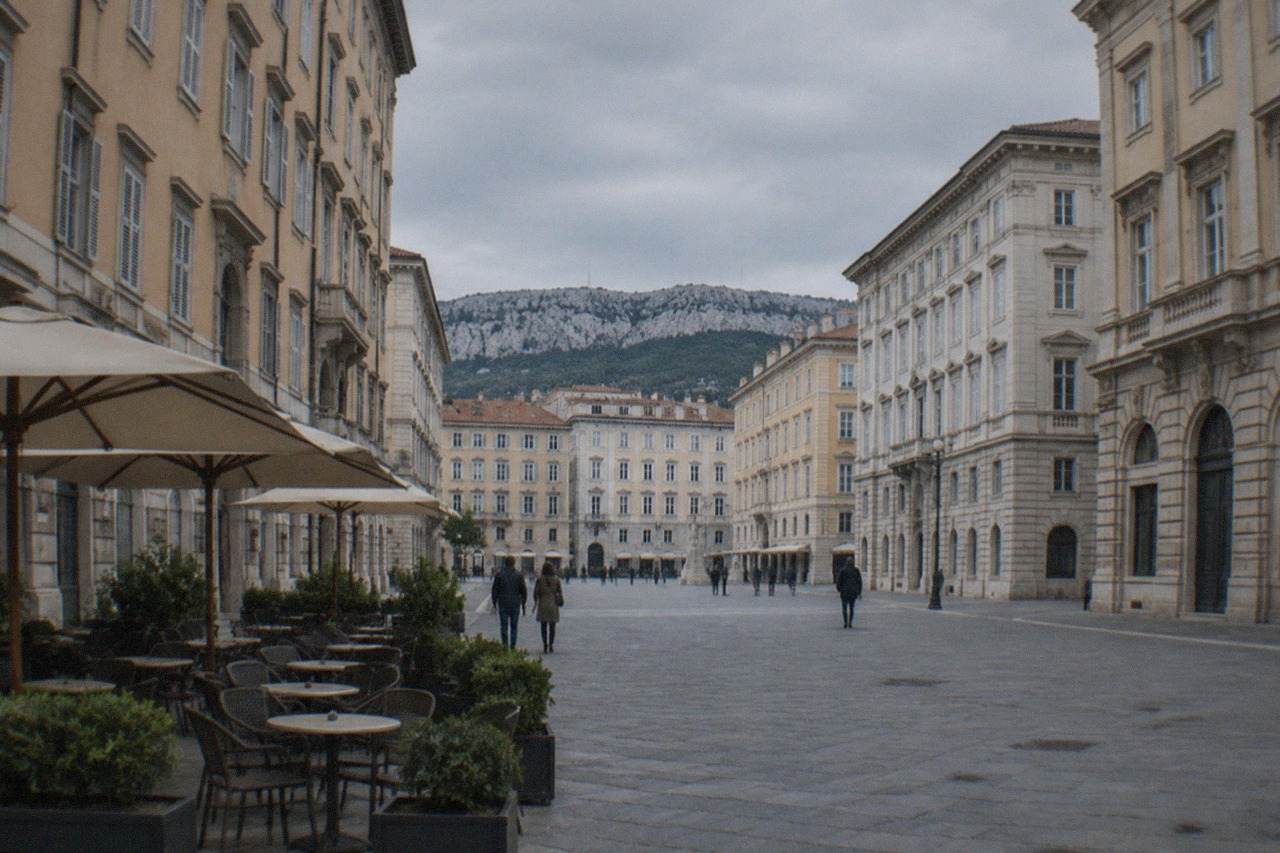
Trieste, the Adriatic port city in Friuli Venezia Giulia in the northeast corner of Italy, has a pricing personality that does not match either the postcard south or the tourist-saturated Veneto next door. It is a wealthy, working city with a student population, a coffee-port economy and a border with Slovenia a few streets from the centre, and that mix produces costs that are genuinely uneven: some things cost strikingly little, a few cost more than visitors expect, and one, the per-night tourist tax, was raised sharply for 2026. This page works through the real published figures, ticket by ticket, so you can budget a trip to Trieste without guessing.
Is Trieste Cheap or Expensive?
Trieste, Italy is middling by Italian standards: cheaper than Venice or the major northern cities for accommodation-adjacent costs, pricier than the south, and unusually generous on free sights. The cathedral, the Risiera di San Sabba, the Miramare park and the Roman theatre all cost nothing, a bus ticket is €1.50, and the two costs that bite are the €3.80-a-night top-band tourist tax and the €17 Miramare castle ticket. The honest summary is that a careful visitor can spend very little, while a visitor doing every paid museum and guided tour will notice the bills.
The city's wealth is real, and it shows in the price of sitting down. A historic caffè on Piazza Unità d'Italia charges for the view as well as the coffee, and the waterfront tables are priced accordingly. But the same city runs a dense, cheap public transport network, keeps a long list of civic sights free, and has a tradition of farmhouse wine outlets on the Carso, the osmize, where farmers sell their own wine and produce direct from the property at prices a city restaurant cannot match. The Trieste Travel Guide homepage covers what the city offers overall; this page is only about the money.
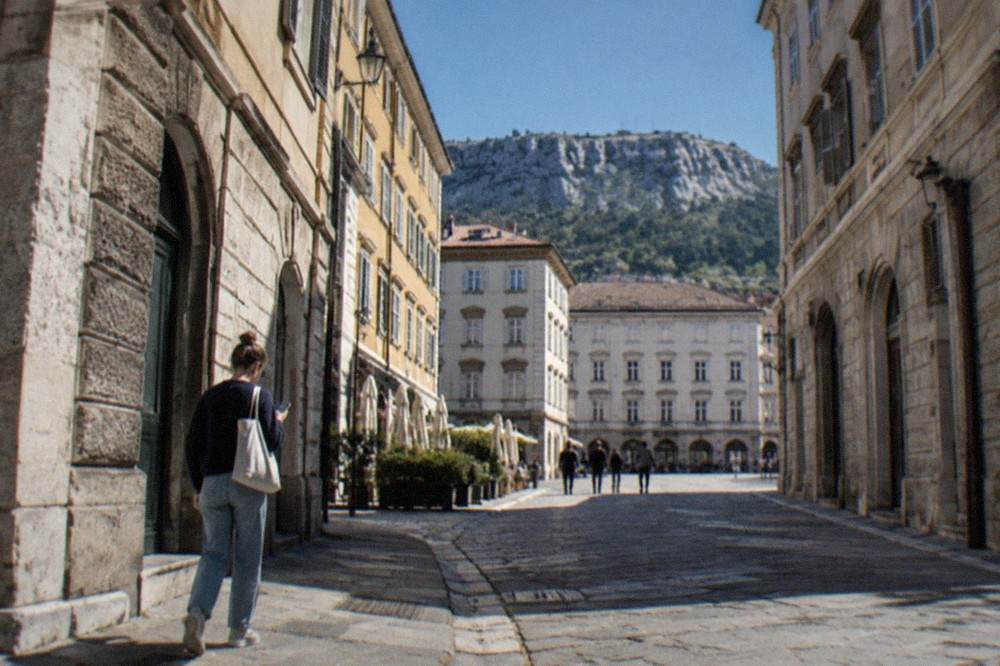
Where Trieste genuinely differs from the places tourists usually compare it with is the ratio of free to paid. The seafront itself, the Molo Audace, the Grand Canal, the Rive and the whole of Città Vecchia cost nothing to walk through, and the city is compact enough that walking replaces most transport. If you want a fuller sense of the free side, our piece on what Trieste is famous for lists the landmarks that carry no ticket at all.
What Do Trieste's Main Attractions Cost?
The headline attraction prices in Trieste, Italy are: Miramare castle €17 for an adult including the temporary exhibition, Castello di San Giusto €7, Museo Revoltella €8, Grotta Gigante €15 with a guide, and the cathedral, the Risiera di San Sabba and the Miramare park all free. State museums such as Miramare also run a first-Sunday-of-the-month free-entry scheme, and San Giusto and Revoltella are free on first Sundays too. A visitor doing the four paid highlights pays under €50 in total at the desk.
Those figures come from the venues' own published tariff pages, and they hold for 2026. Two details matter more than the headline numbers. First, Miramare's castle and its park are priced separately in effect: the park is free all year and keeps its own, shorter hours, so a budget visitor can have most of the Miramare experience for nothing. Second, Grotta Gigante is guided-only with compulsory booking, so there is no cheaper unguided option; children aged 6 to 18 pay €8, and a family with two or more children in that range pays €6 per child.
| Sight in Trieste | Adult price | Cheapest realistic option |
|---|---|---|
| Castello di Miramare, castle | €17.00 | Free first Sundays; the park is always free |
| Castello di San Giusto | €7.00 | Free first Sundays and on 3 November |
| Museo Revoltella | €8.00 | Free first Sundays; closed Tuesdays |
| Grotta Gigante, guided | €15.00 | Children 6-18 €8; booking compulsory |
| Cattedrale di San Giusto | Free | Bell tower price not published, check with the parish |
| Risiera di San Sabba | Free | No booking needed for individuals |
| Miramare park | Free | Open daily, hours vary by month |
The free-entry Sunday scheme deserves its own sentence of caution rather than a date: the ministry's first-Sunday format is the current standard, but the rules have changed more than once in recent years, so check the venue's own page for the month you are travelling rather than assuming. The same caution applies to the regional FVGcard pass, which covers Trieste sites including Grotta Gigante and Museo Revoltella: the card exists, but its price should be confirmed on the tourism board's own page before you budget around it.
Tours are where spending can climb quickly, and the spread is wide. A self-guided scavenger hunt of the city's highlights starts at $4.67 per person on the operator's live listing, which is close to the cost of a bus ticket, while a three-hour guided foodie walk starts at $71.08 per person, rated 4.91 from 264 reviews. In between sit the walking tours: a two-and-a-half-hour guided walk through the centre with a stop in a historic caffè starts at $50.44 per person, and the hop-on bus tour with audio guide starts at $19.49.
One of the three options above is not sold at all in the ordinary way. The Discover Trieste walk is a GuruWalk free, pay-what-you-want city walk, tip-based and led by a local guru, and it is listed on GuruWalk rather than being one of this site's products. It costs nothing up front; you tip the guru at the end. For a budget question, that makes it the single cheapest guided introduction to the city that exists, with the honest caveat that a free walk lives or dies on the individual guru running it that day.
How Much Does Getting Around Trieste Cost?
Getting around Trieste, Italy is cheap by any Italian standard: an urban single ticket is €1.50 for 60 minutes or €1.85 for 75 minutes, a day ticket is €3.35, and a 10-ride carnet is €13.50, all on Trieste Trasporti's published 2026 tariff. Contactless bank cards can be tapped directly on board, the system charges the cheapest applicable fare, and the Opicina tram, line 2, takes the same ordinary urban ticket. For most visitors the day ticket is the only transport purchase worth making.
The tram detail matters for value as well as for novelty. The tram de Opicina is a functioning urban line, running from piazza Dalmazia up to Opicina on the Carso, and it was reactivated on 1 February 2025 after a long stop. A standard urban ticket covers it, which makes it one of the most scenic rides in Italy for the price of a bus fare. The live service status is on the operator's own site, and that is the place to check it, because short maintenance suspensions happen.
| Trieste urban ticket (2026 tariff) | Price | Validity |
|---|---|---|
| Single, 60 minutes | €1.50 | 240 minutes on Sundays and holidays |
| Single, 75 minutes | €1.85 | 240 minutes on Sundays and holidays |
| Day ticket | €3.35 | One day, urban network |
| 10 rides | €13.50 | Carried, not time-limited |
| 20 rides | €16.65 | Carried, not time-limited |
The other transport cost is walking, which in Trieste is free and excellent. The centre is compact and flat along the waterfront, and the question of whether you need transport at all is a real one; our page on whether Trieste is a walkable city covers it. For the one-way stretch up to the Carso or out to Barcola, the bus and tram prices above are the whole story.
Which Costs in Trieste Catch Visitors Out?
The two costs that surprise people in Trieste, Italy are the tourist tax, which runs from €1.50 to €3.80 per person per night depending on the accommodation and is capped at five consecutive nights, and the price of sitting at a table in a historic caffè. Beyond those, the traps are few: coffee at the bar costs what a coffee costs anywhere in Italy, the osmize on the Carso undercut every restaurant, and the biggest avoidable bill is stacking paid tours onto one short stay. None of this makes the city expensive; it makes it uneven.
The tourist tax deserves the plain numbers, because it is per night, per person, and it is charged on top of the room rate. The Comune's own 2026 table lists €3.80 a night for five-star hotels, €3.30 for four-star, €3.00 for three-star, €2.30 for two-star, B&Bs in the superior band, hostels and short-let apartments, €2.00 for B&Bs in the comfort band, €1.80 for one-star and standard B&Bs, and €1.50 for campsites. Under-18s are exempt, and the tax stops after five consecutive nights in the same property. A couple in a three-star hotel pays €6.00 a night on top of the room, which on a three-night stay is €18 that no online room price shows.
Coffee is the city's signature and the pricing is gentler than the tax. Trieste's coffee culture is historic and real, a port city that roasts and ships coffee and drinks it standing at the bar or seated at marble tables, and the repeated claim that locals drink more of it than anyone in Italy has no primary source behind it, so this page will not print a number. What can be said is the practical one: at the bar a coffee costs what a coffee costs in Italy, and the same cup carried to a table on Piazza Unità d'Italia carries the table charge. Drink standing, pay standing prices.
| Cost type in Trieste | Typical 2026 figure | Budget workaround |
|---|---|---|
| Tourist tax, 3-star hotel | €3.00 per person per night | Capped at 5 nights; under-18s free |
| Tourist tax, short-let apartment | €2.30 per person per night | Same cap applies |
| Coffee at a bar counter | Italian bar price | Standing is the local habit anyway |
| Coffee at a waterfront table | Bar price plus table service | Walk one street back from the sea |
| Osmiza wine on the Carso | Farm-direct price | The frasca branch marks the open ones |
| Guided foodie walk, 3 hours | From $71.08 per person | A self-guided walk starts at $4.67 |
The osmize are the budget traveller's best-kept lever in this region. They are seasonal farm outlets on the Trieste Karst where producers sell their own wine and homemade food direct from the property, signposted by a frasca, a leafy branch hung at the turning, and the long-standing opening calendar with addresses and a map is maintained at osmize.com. The legal history behind the custom is widely repeated but not verified against a primary source, so what matters practically is the present mechanism: check the calendar, drive or bus up to the Carso, and eat and drink at farm prices with the family that made it. No city restaurant can follow that.
Common Questions About Trieste Prices
Is Trieste cheap or expensive?
Trieste, Italy is mid-range by Italian standards, with unusually generous free sights and cheap transport set against a high tourist tax and some premium attraction tickets. A budget visitor can see a great deal for almost nothing; a visitor stacking paid tours and castle tickets will spend like a northern-city tourist.
How much is the tourist tax in Trieste?
The 2026 table runs from €1.50 per person per night at campsites to €3.80 at five-star hotels, with €3.00 at three-star properties and €2.30 at short-let apartments. It is charged for a maximum of five consecutive nights in the same property, and everyone under 18 is exempt.
Is the Miramare castle ticket worth €17?
The €17 adult ticket includes the temporary exhibition, and the park beside it is free all year with its own hours. If the castle interior is not the priority, the park, the views and the seafront below it cost nothing, and state-museum free-entry Sundays can cover the castle itself.
What is the cheapest way to see Trieste on a budget?
Walk. The centre, the seafront and Città Vecchia are free to wander, the GuruWalk pay-what-you-want walk covers the highlights on tips alone, and a €3.35 day ticket handles anything beyond walking distance. The cathedral, the Risiera di San Sabba and the Miramare park are all free.
Are food tours in Trieste expensive?
A three-hour guided foodie walk starts at $71.08 per person on the operator's live listing, rated 4.91 from 264 reviews, which is in line with food tours in comparable Italian cities. The cheaper route to the same food is the buffet tradition in the city and the osmize on the Carso, where farm prices apply.
Does the Opicina tram cost extra?
No. The tram de Opicina is urban line 2, running from piazza Dalmazia to Opicina, and a standard Trieste urban ticket covers it, at €1.50 for a 60-minute single or €3.35 for a day ticket on the 2026 tariff. Check the operator's site for live service status before you plan a ride around it.
The short version of all of the above: Trieste, Italy rewards the visitor who walks, drinks at the bar, rides the ordinary bus and tram, and picks two paid sights rather than five. Plan a stay with our guide to how many days in Trieste is enough, and the pricing on this page will fit inside it without surprises.