Is Trieste Close to Milan?
Is Trieste close to Milan? The honest answer for the Adriatic city in Friuli Venezia Giulia, Italy: how far apart they really are, how to travel between them, and what is nearer to Trieste.
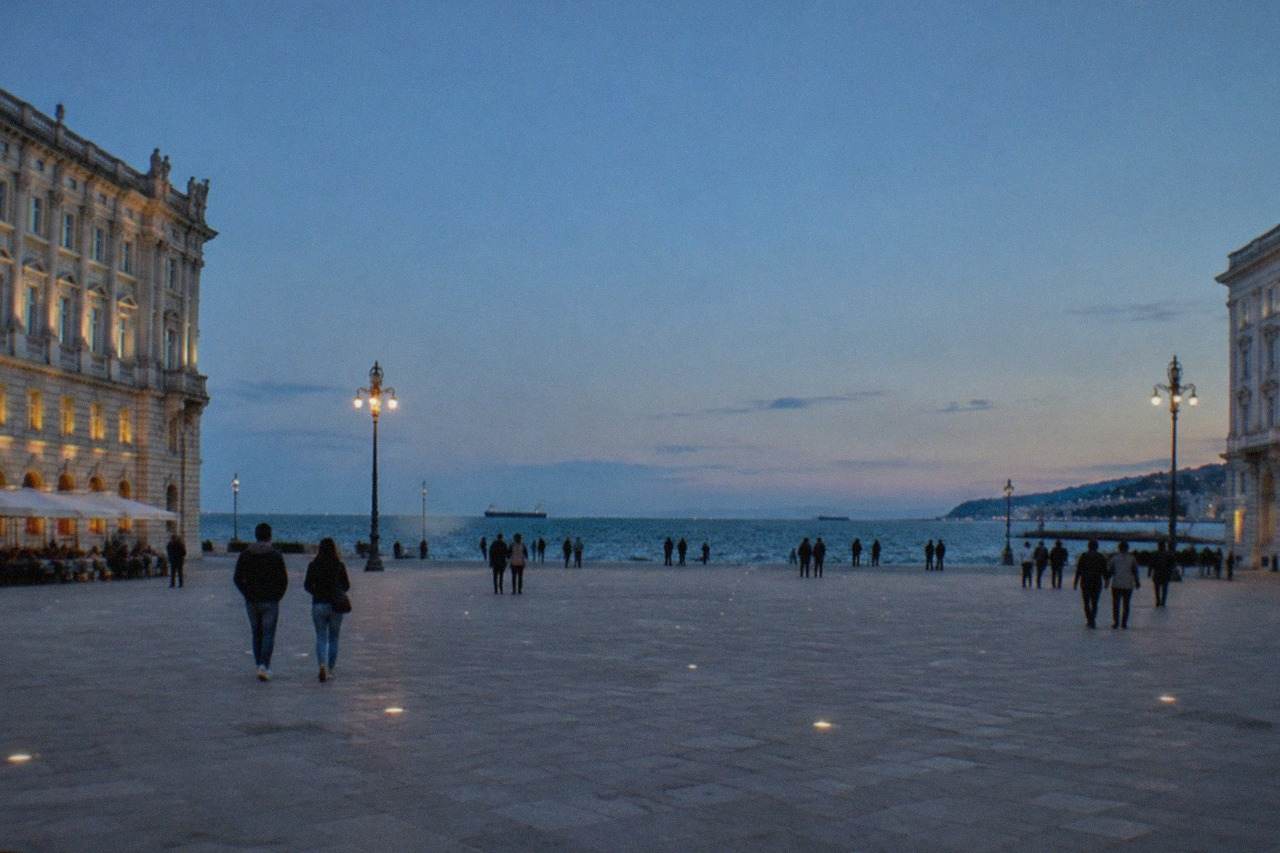
Trieste, the port city in Friuli Venezia Giulia on Italy's Adriatic coast, is in the far northeast of the country, and Milan is in the northwest. That single sentence is the whole answer, and it matters more here than on most Italian comparisons, because "northern Italy" makes the two sound like neighbours when they are anything but. Trieste sits on the Gulf of Trieste, a short hop from the Slovenian border, looking east across the Adriatic; Milan sits inland in Lombardy, facing the Alps and the plains beyond. A traveller based in Milan who wants Piazza Unità d'Italia, the caffè culture and the bora is crossing the width of the whole northern peninsula, not nipping to the next region.
Is Trieste Close to Milan?
No, Trieste is not close to Milan. Trieste is in the far northeast of Italy, in Friuli Venezia Giulia on the Adriatic Sea beside the Slovenian border, while Milan is in the northwest in Lombardy, at the opposite corner of the country's north. They are both "northern Italian" cities on paper, but Trieste is one of the last places you reach before Italy ends, and Milan is nowhere near it. Nobody treats the two as part of the same weekend.
The confusion usually comes from maps of "northern Italy" that flatten everything above Bologna into one block. On the ground, the north of the country is wide. Milan's orbit pulls toward Turin, the lakes and the Alpine crossings; Trieste's orbit pulls toward Venice, the Carso plateau, Slovenia and Croatia. The two cities do not share a coastline, a plain, an airport hub or a daily commuter pattern. Trieste is the capital of its own region, and that region, Friuli Venezia Giulia, borders Austria and Slovenia as well as the Adriatic, which tells you how far east it sits.
A useful way to feel the gap is to look at what each city is famous for being near. Milan is near Como, Bergamo and the Alpine foothills. Trieste is near Miramare Castle up the coast at Grignano, the Karst villages where the osmize open their cellars, and the Slovenian capital Ljubljana, which is a routine day trip from Trieste, not an exotic one. If your mental map puts Milan and Trieste in the same neighbourhood, the map is wrong; Trieste belongs with Venice, Udine and the Slovenian coast, and this site's own answer page on which city is closest to Trieste runs through those neighbours in detail.
| Trieste sight | Entry cost | Notes from the official pages |
|---|---|---|
| Miramare Castle | €17.00 adult, park free | Castle open daily 9:00-19:00, last admission 18:30 |
| Castello di San Giusto | €7.00 adult, €5.00 reduced | Ticket covers walls, museum and Lapidario Tergestino |
| Cattedrale di San Giusto | Free | Bell tower keeps separate seasonal hours |
| Museo Revoltella | €8.00 adult, €6.00 reduced | Daily 10:00-19:00, closed Tuesdays |
| Risiera di San Sabba | Free | Daily 9:00-19:00 until 11 October, then 9:00-17:00 |
| Grotta Gigante | €15.00 adult, €8.00 ages 6-18 | Guided tours only, booking compulsory |
That table is what Milan does not have on its doorstep: a Habsburg seafront castle, a Roman theatre you look down into from the street, and one of the largest show caves in Europe on the Karst behind the city. If the journey from Milan feels long, the table is the argument for making it anyway.
How Do You Travel Between Milan and Trieste, Italy?
You travel between Milan and Trieste by train, changing at Venice, or by car across the plain of northern Italy. The rail route runs down the Milan-Venice corridor and then along the Venice-Trieste line to the coast, and the operator's own journey planner is the only place to check current times, because they change with the timetable. There is no short hop and no direct geographic shortcut: the trip crosses the whole width of the north of Italy either way.
The standard pattern is a high-speed or Intercity train from Milan toward Venice, then a regional service onward to Trieste Centrale. Trenitalia's own infomobility pages have listed engineering works on the Venice-Trieste line with some bus replacements in recent timetables, which is exactly why this page will not print a journey time or a fare: both move, and the operator's planner has the live answer. Book through the operator, and if you are weighing the Venice leg specifically, this site has a dedicated answer on whether there is a high-speed train from Trieste to Venice, which is the segment most Milan-based travellers end up riding.
Driving is the other option, and it is a long, plain-crossing drive rather than a scenic one for most of the way. The practical advice is the same in both cases: treat Trieste as a destination worth at least a night, not a bolt-on. Trieste Centrale sits right by the centre, so once the long leg is done, the city itself is compact and walkable, and the self-guided and guided walking options cover it on foot without a car.
Once you are actually in the city, the distances collapse in your favour. Trieste's urban tickets tell the story: the 2026 tariff sheet on the operator's site lists a 60-minute single at €1.50, a 75-minute single at €1.85, a day ticket at €3.35, and 10-ride and 20-ride carnet options at €13.50 and €16.65, with contactless bank cards accepted on board. After hours on a train from Milan, that is the scale of city you have arrived in, and it is a relief.
What Is Actually Close to Trieste?
Venice is the closest major Italian city to Trieste, and beyond Italy the neighbours are Slovenia and Croatia: Ljubljana, Piran and the Istrian coast are all routine day trips from Trieste, while Milan is not. The border with Slovenia is minutes from the city, Croatia adopted the euro and joined Schengen on the same day, 1 January 2023, and the whole neighbourhood runs on one currency. Trieste's real region is the upper Adriatic, not Lombardy.
This is the part that surprises travellers who arrive via Milan and discover they have landed in a different world. Day trips from Trieste run to Ljubljana and Lake Bled, to Piran on the Slovenian coast, to Postojna Cave and the Lipica stud farm, and to the Carso plateau behind the city, where the osmize, the farm cellars marked by a frasca branch, sell their own wine in season. The operators' listings on this site show the range: a full-day Ljubljana and Lake Bled tour from $108.91 per person, a Piran and Slovenia coast tour from $114.64, and a Postojna Cave and Predjama Castle day from $137.57. The wider set of guides lives on Trieste Travel Guide.
| Day trip from Trieste | Operator listing price from | Rating on the listing | Duration |
|---|---|---|---|
| Ljubljana and Lake Bled | $108.91 per person | 4.69 from 544 reviews | 9 hours |
| Piran and Slovenia coast | $114.64 per person | 4.57 from 136 reviews | 6 hours |
| Postojna Cave and Predjama Castle | $137.57 per person | 4.76 from 543 reviews | 6 hours |
| Lipica stud farm and Škocjan Caves | $129.93 per person | 4.86 from 23 reviews | 6 hours |
Two practical notes from the verified facts. First, carry a passport or national ID card for any trip into Slovenia: Italy is running temporary border checks on its land border with Slovenia through 18 December 2026, per the European Commission's own register, so Schengen does not currently mean "no check" on this particular crossing. Second, do not change money anywhere on these routes: Italy, Slovenia and Croatia all use the euro, and Croatia joined the currency and the Schengen area on the same day in 2023. The day trips from Trieste guide covers the full menu, and the answer on whether Venice is close to Trieste deals with the one Italian neighbour most people ask about.
Is a Day Trip from Milan to Trieste Realistic?
No, a day trip from Milan to Trieste is not realistic, and no operator sells one, because the journey each way crosses the whole width of northern Italy. The sensible plan is to overnight in Trieste, and the city rewards it: two days is the working minimum for the seafront, the Città Vecchia, Miramare and one Karst or Slovenian excursion. Treat Trieste as the destination, and Milan as the place you started from.
The arithmetic of the day is unforgiving even before you look at a timetable: you would spend the largest share of the daylight on trains and arrive with a couple of hours of the evening left. Sites like the Risiera di San Sabba, the national monument in the city, close at 17:00 or 19:00 depending on season, and Grotta Gigante runs guided departures only at fixed hours from 9:00 to 16:00 with compulsory booking, so a late arrival simply misses things. The city's own answer pages on how many days you need in Trieste and what to do in Trieste for 3 days are built around the honest version of the trip.
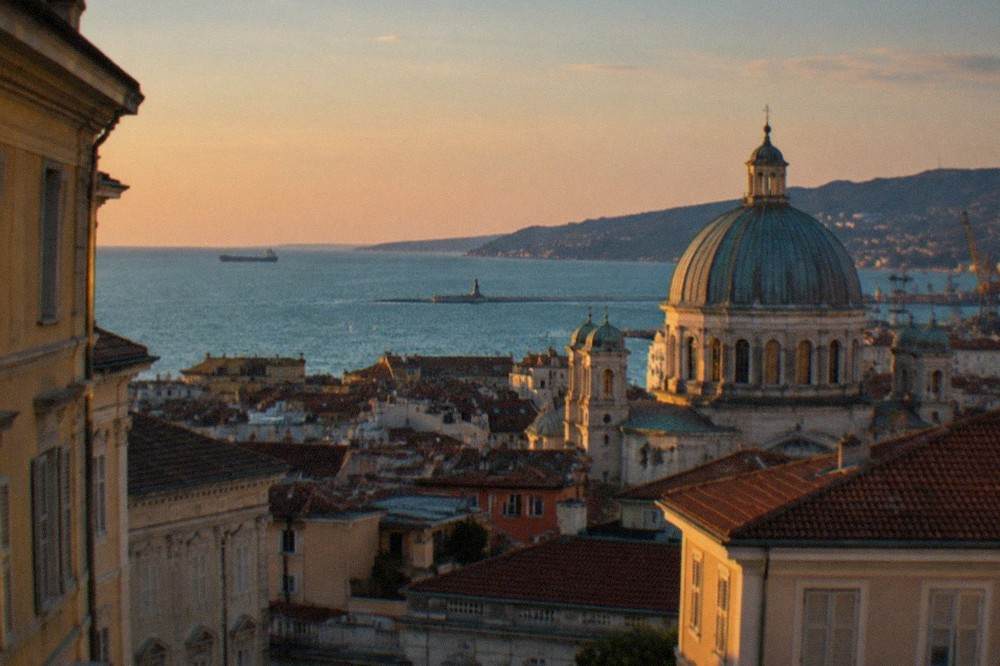
For the night you do stay, the city is unusually easy to plan. The opening paragraph of every Trieste itinerary starts at Piazza Unità d'Italia and the Molo Audace, works up through the Città Vecchia to San Giusto hill, and then branches out to Miramare or the Carso, and a private guide compresses all of that efficiently. The two-hour private walking tour of Trieste, from $206.36 per group of up to 10 and rated 4.9 from 98 reviews on the operator's live listing, is the version most first-time visitors pick, and there is Check availability on the listing if that fits your one full day in the city. If you would rather eat your way in, the three-hour food tour from $87.58 per person, rated 4.9 from 88 reviews, covers the buffet kitchens and the caffè stops that Trieste is genuinely famous for, and the city's food traditions, jota, goulash and the buffet plates, look more Central European than anything you would order in Milan.
Whichever way you structure the stay, the same rule holds: buy the tour that matches the hours you truly have, not the hours you wish you had. A two-hour private walk fits the afternoon of an arrival day; the castle ticket and the food walk each want a morning or an evening of their own. That is the whole difference between Trieste and a city you can dash through, and it is worth planning around.
Common Questions About Trieste and Milan
Is Trieste close to Milan?
No. Trieste is in the far northeast of Italy on the Adriatic, in Friuli Venezia Giulia, while Milan is in the northwest in Lombardy. They are both northern cities, but they sit at opposite corners of the north and are not neighbours.
Which Italian city is closest to Trieste?
Venice is the closest major Italian city to Trieste, and the rail line between them is the standard connection for the rest of Italy. Beyond Italy, Ljubljana in Slovenia and the Istrian coast are also routine day trips from the city.
Can you do a day trip from Milan to Trieste?
No. The journey each way crosses the whole width of northern Italy, so a day trip leaves almost no usable time in the city. Plan at least one overnight, and ideally two days.
Do Slovenia and Croatia use the euro from Trieste?
Yes. Slovenia has used the euro since 2007, and Croatia adopted the euro and joined Schengen on the same day, 1 January 2023. No money changing is needed on any trip out of Trieste, though Italy is running temporary border checks on the Slovenian land border through 18 December 2026.
Is Trieste worth the long trip from Milan?
Yes, as a destination in its own right. The seafront at Piazza Unità d'Italia, Miramare Castle, the Karst caves and the cross-border excursions to Slovenia are things Lombardy cannot offer, and the city rewards an overnight rather than a dash.
The short version: Trieste, Italy, is a long way from Milan, and that distance is the whole reason to go, because what waits at the other end, the Adriatic, the border country and the caffè tables, is a different Italy from the one Milan sits in.