Is Trieste in Italy Worth Visiting?
Is Trieste in Italy worth visiting? A straight answer on what the city offers, what it costs, and who it suits, with verified prices and opening hours.
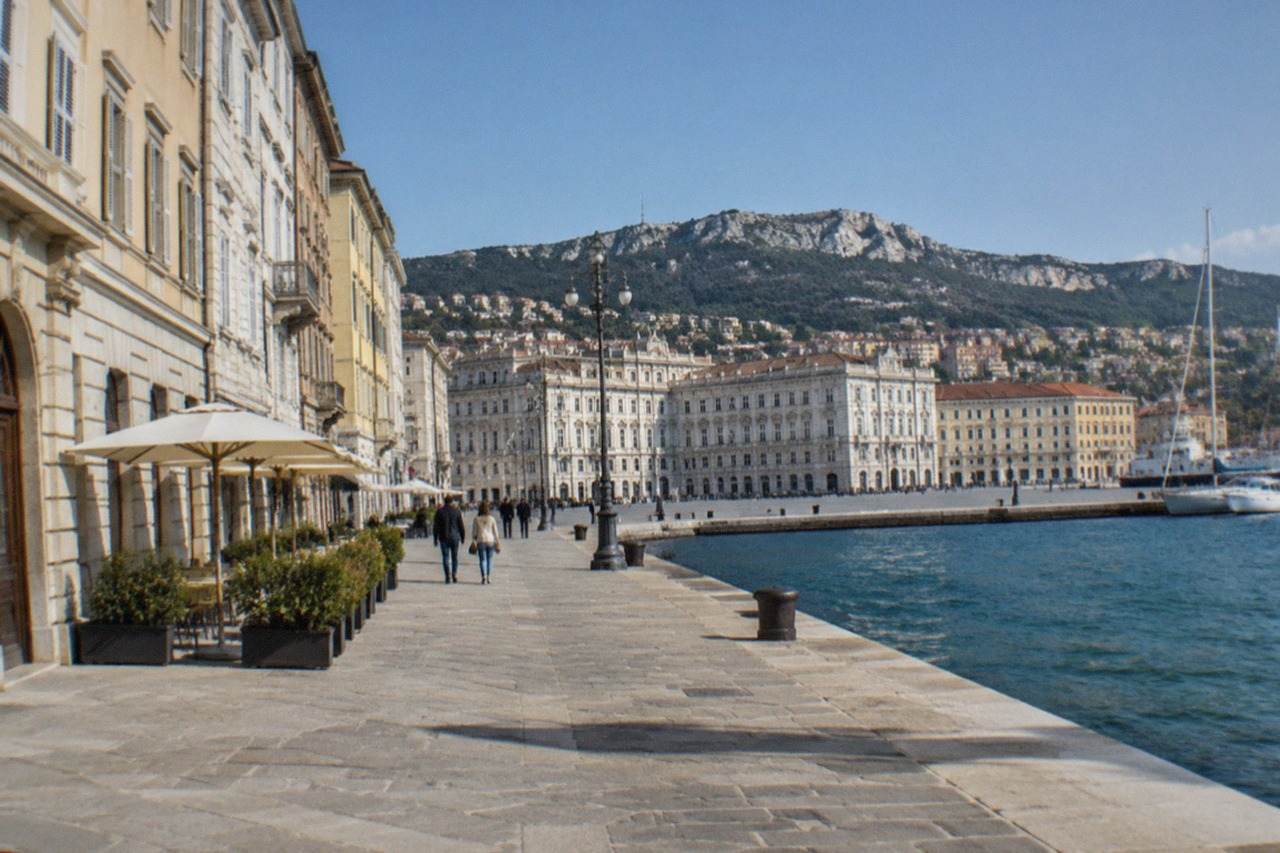
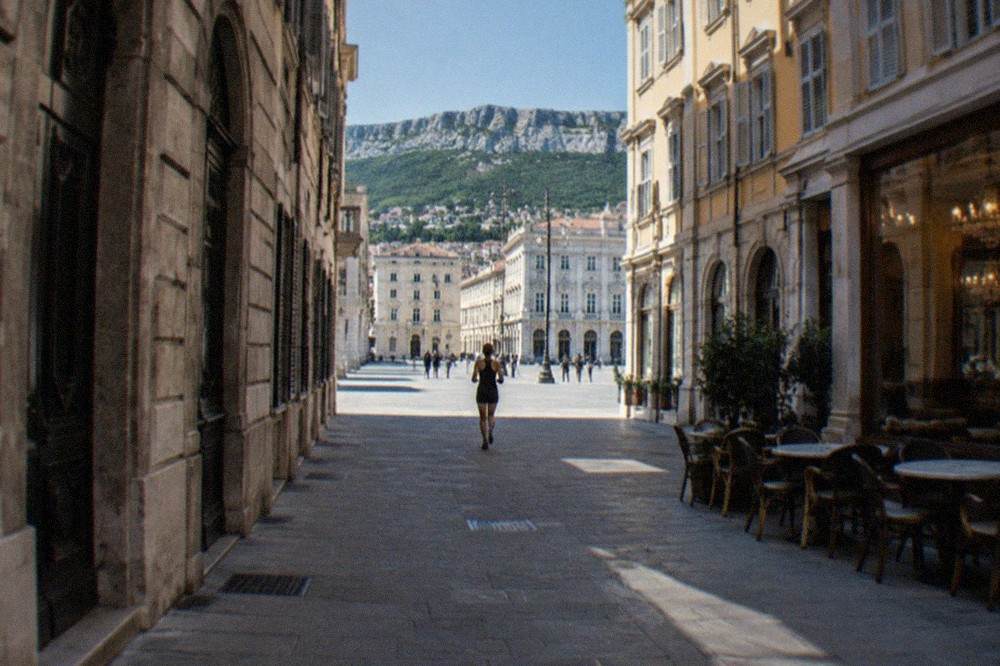
Trieste, the Adriatic port city in Friuli Venezia Giulia in the far northeast of Italy, sits closer to Ljubljana and Zagreb than to Milan, and that geography is exactly why it does not feel like anywhere else in the country. It was the Habsburg empire's great outlet to the sea, a free port stuffed with insurers, shipowners and Central European merchants, and the city they built is still standing: a vast seafront square, Piazza Unità d'Italia, a grid of neoclassical streets in the Borgo Teresiano, a hill topped by a castle and a Romanesque cathedral. The question people actually type is whether it justifies the journey, and the honest answer is that it depends on what you want from Italy.
Is Trieste in Italy Worth Visiting?
Yes, Trieste in Italy is worth visiting for most travellers, and it is genuinely different from the rest of the country. It offers a Habsburg-era seafront, a coffee culture rooted in its history as a port, Roman remains you view from the street, a free national monument, castles on the water and day trips into Slovenia and Croatia, all with far smaller crowds than Venice or Florence. It suits curious, unhurried visitors more than checklist tourists.
The case for Trieste rests on its density of things that are unusual rather than famous. The city's own tourism materials lean on the seafront and the historic cafés, and both deliver. Piazza Unità d'Italia opens straight onto the water with no road between the square and the sea, which is rare in Italy, and the Grand Canal a few streets north still has boats in it. The Roman theatre, the Teatro Romano, is something you look down into from the street rather than a site you queue for, and the Risiera di San Sabba, the national monument on the site of the only Nazi concentration camp in Italy, is free to enter and stays open daily.
The honest counterargument is that Trieste has no single masterpiece. There is no Uffizi, no arena, no leaning tower. What it has instead is atmosphere, a layer cake of Roman, Venetian, Habsburg and Italian identity that rewards walking slowly. If your Italian trip is built around two or three heavyweight sights a day, Trieste will feel thin. If you like cities where you spend the morning in a museum and the afternoon in a 19th-century café arguing about which coffee to order, it lands perfectly.
The city also answers the "is it just a lesser Venice?" question directly: it is not trying to be Venice, and the comparison misses what it is. The Trieste Travel Guide homepage covers the full sight list if you want the long version, and the deeper verdicts on trip length are in how many days in Trieste is enough and is it worth staying in Trieste.
What Makes Trieste Different from Other Italian Cities?
Trieste's difference is imperial and geographical: it was the Habsburg empire's main seaport, so its architecture, food and café culture are Central European with an Italian overlay, not the reverse. That legacy shows in Piazza Unità d'Italia, the Borgo Teresiano grid, buffet restaurants serving goulash and jota, and historic caffè where the coffee order has its own vocabulary.
The coffee culture is the clearest example. Trieste is a working coffee port with a major roasting industry headquartered in the city, and the historic cafés in the centre are institutions rather than photo stops. The per-head consumption figures you sometimes read online have no primary source behind them, so treat any "Trieste drinks more coffee than anywhere" statistic with suspicion, but the visible culture is real: the caffè are grand, old and used.
The food is the second marker. The local buffet tradition serves goulash, jota, a bean-and-sauerkraut soup, and pork dishes that would not look out of place in Vienna, alongside the Adriatic fish you expect from an Italian port. The signature dish of Trieste is a good place to start, and the wider food question is covered in what food is Trieste famous for.
The third marker is the border itself. Trieste is the Italian city where Slovene is co-official on street signs and the Karst plateau, the Carso, begins at the edge of town. That layered identity, part Italian, part Slovene, part Habsburg, is the reason the city reads differently from anywhere south of it, and it is why the language question comes up so often.
What Does It Cost to Visit Trieste?
Trieste is one of the cheaper Italian cities to sightsee in: the cathedral, the Risiera di San Sabba and the Roman theatre cost nothing, Castello di San Giusto is EUR 7.00, Museo Revoltella is EUR 8.00, Miramare Castle is EUR 17.00 and Grotta Gigante is EUR 15.00 with guided tours only. Urban transport singles run from EUR 1.50.
The verified admission prices, all from the venues' own pages, are set out below. Note what is not on the list: there is no Trieste-only museum card, the bell tower price at the cathedral is not published anywhere official, so never trust a figure for it, and the regional FVGcard exists but its prices could not be verified, so check its own page before relying on it.
| Sight | Adult price | Hours to know |
|---|---|---|
| Cattedrale di San Giusto Martire | Free | Weekdays 8:00-18:30, Sundays 9:00-19:30 |
| Castello di San Giusto | EUR 7.00 | Daily 10:00-19:00 to 11 October; then Tue-Sun, closed Monday |
| Museo Revoltella | EUR 8.00 | Daily 10:00-19:00, closed Tuesdays |
| Risiera di San Sabba | Free | Daily 9:00-19:00 to 11 October, then 9:00-17:00 |
| Castello di Miramare | EUR 17.00 | Daily 9:00-19:00; the park is free |
| Grotta Gigante | EUR 15.00 | Guided tours only, booking compulsory |
Two closures catch people out. Museo Revoltella shuts on Tuesdays, and Castello di San Giusto shuts on Mondays once the winter timetable starts on 12 October. Plan around them or you will walk to a locked door. The free-entry scheme on the first Sunday of the month applies at state sites including Miramare, but the rules have changed before, so confirm on the venue's own page rather than assuming.
Transport is cheap and simple. A 60-minute urban single is EUR 1.50, a 75-minute one is EUR 1.85, and a day ticket is EUR 3.35, and you can tap a contactless bank card on board. The Opicina tram, line 2, is part of the ordinary urban network, so a standard ticket covers it, and it has been running again since 1 February 2025 from its city terminus at piazza Dalmazia. Check the operator's live status before you ride, since maintenance stops happen.
Who Should Skip Trieste?
Skip Trieste if you want classic postcard Italy: it has no Renaissance heart, its beaches are concrete and rocky rather than sandy, the sea is only comfortably warm for swimming from roughly June into September, and November is its wettest month. Also skip it if you cannot spare an overnight, because the day trips and the café culture need time.
The beach question deserves a straight answer. Trieste's swimming is done from the Barcola seafront and rocky bathing establishments, not sandy beaches, and the sea temperature only reaches its warmest in July and August at around 25.9 C on the monthly averages. People do swim here, and locals do it year-round at the historic Lanterna bathing complex, but a beach-holiday traveller will be disappointed.
The weather matters more than most guides admit. The bora, the cold north-easterly wind, averages 17.6 days a year with gusts over 90 km/h at the waterfront station, and the monthly record gust exceeds 110 km/h in every single month of the year. Summer is the calm window and November is the wettest month at 109.8 mm of rain, so the shoulder seasons are a trade-off between crowds and weather, not a free win.
Is Trieste Worth the Detour from Venice?
Yes, Trieste is worth the detour from Venice if you have two or more days, because the two cities complement rather than compete: Venice is the Renaissance republic and Trieste the Habsburg port, and the train between them makes a combined trip easy. As a rushed day trip squeezed between Venice commitments, it underperforms.
The pairing works because Trieste answers a question Venice cannot: what the Adriatic looked like from the other empire. Venice is the Renaissance maritime republic, Trieste the imperial port that grew because Venice's lagoon could not serve the hinterland, and seeing both in one trip shows you the two halves of the northern Adriatic story.
For a first visit, the practical shape of the stay matters more than the sight list. The one-day plan and the three-day plan both start from Piazza Unità d'Italia and work outward to San Giusto hill, and the unusual sights worth building a second day around are listed in the unusual thing to see in Trieste.
A private guide is the single best spend on a short stay, because Trieste's story, Habsburg, Roman, contested, is not self-explanatory from the street. The private Trieste sightseeing tour runs about two and a half hours with your own guide, and it is the tour this page recommends first: Check availability.
Common Questions About Visiting Trieste
Is Trieste in Italy worth visiting?
Yes. Trieste rewards travellers who want a Central European city with Italian coffee culture, sea views, Habsburg architecture, free monuments and easy cross-border day trips, and it costs less to sightsee in than most Italian cities.
How many days does Trieste need?
Two days covers the centre, San Giusto hill, the seafront and a café afternoon properly. Three lets you add Miramare Castle and a Karst or Slovenia day trip without rushing.
Is Trieste expensive?
Sightseeing is cheap: several major sights are free and the paid castles and museums cost EUR 7.00 to EUR 17.00. Urban transport singles start at EUR 1.50. Accommodation is the main variable cost.
Can you visit Slovenia or Croatia from Trieste?
Yes, both are close and both use the euro, but Italy is running temporary border checks on the Slovenia land border through 18 December 2026, so carry a passport or national ID card.
What is the best month to visit Trieste?
June to September for warm sea and calmer wind, or the first half of October if you want to catch Barcolana, the world's largest sailing regatta, which runs 2-11 October 2026.