What Is the Nicest Part of Trieste?
The nicest part of Trieste, Italy, depends on what you want: the sea-facing Piazza Unità d'Italia, the lanes of Città Vecchia, the elegant Borgo Teresiano or the Barcola seafront. A local breakdown with real prices and hours.
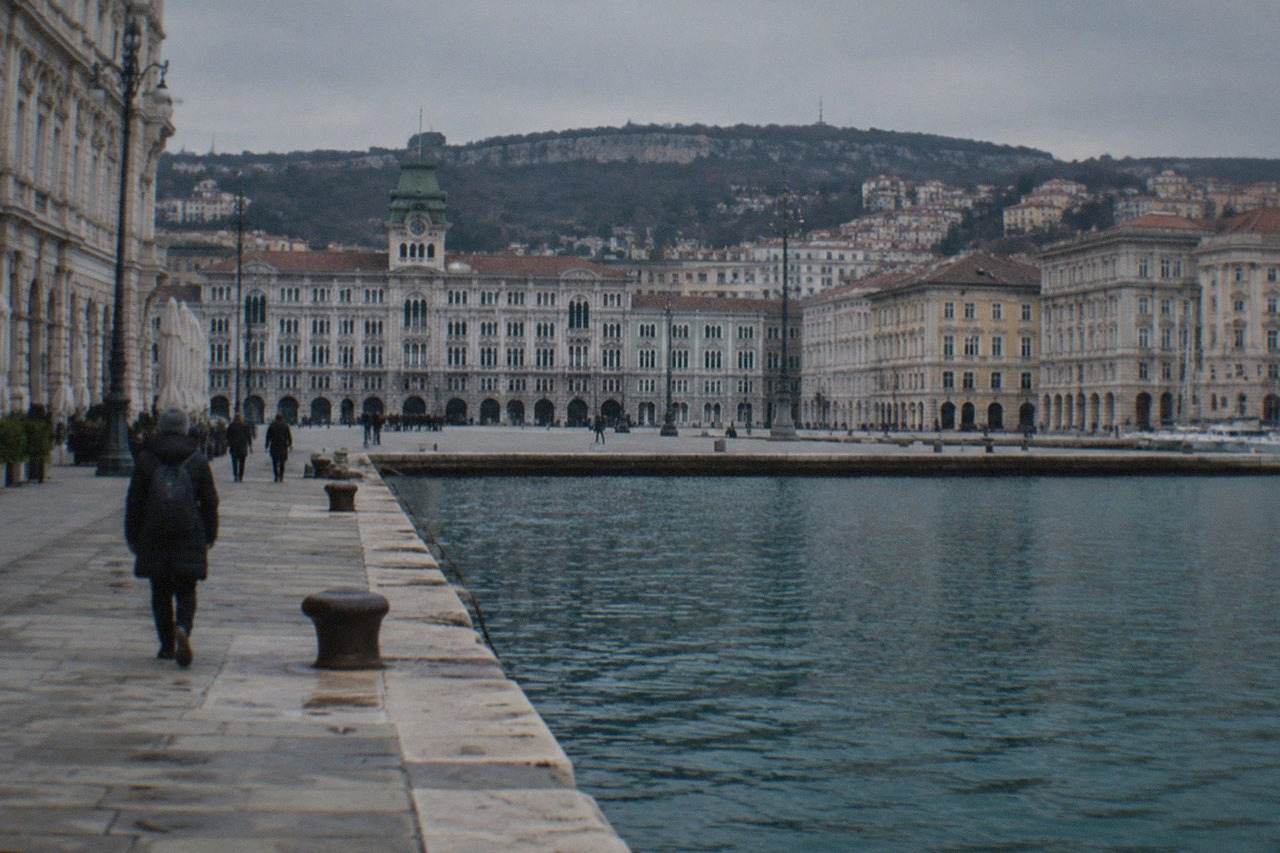
Trieste, the Adriatic port city in Friuli Venezia Giulia in the far northeast of Italy, is small enough that its "nicest part" is genuinely contestable: you can walk from the grand sea-facing square to the old-town lanes, the Habsburg-era grid and the castle coast without ever needing more than an ordinary urban bus ticket. That compactness is why the question has no single right answer, and why the honest reply sorts the city into quarters and asks what you are actually looking for. This page does that, using the venue sites' own published prices and hours rather than folklore.
What Is the Nicest Part of Trieste?
If "nicest" means the single most impressive spot, it is the waterfront around Piazza Unità d'Italia, the vast sea-facing square that opens straight onto the Adriatic; if it means the quarter with the most character, most visitors point to Città Vecchia, the old town on the hill above the harbour, whose lanes climb toward the Cathedral of San Giusto. The two sit a short walk apart, and together they are what most people mean when they call Trieste beautiful.
The square is the city's stage: three sides of grand Habsburg-era civic buildings, and the fourth side simply the sea, with the Molo Audace pier reaching out into the gulf. The old town above it is the opposite register, narrow and worn, stacked around the Roman theatre you look down into from the street and the cathedral whose entry is free. The parish publishes weekday hours of 8:00-18:30 and Sunday hours of 9:00-19:30, and asks that visitors avoid Mass times.
What surprises first-time visitors is how quickly the register changes. Cross the Grand Canal of Trieste into the Borgo Teresiano and you are in an elegant grid of neoclassical palazzos and historic caffè; ride a few stops along the coast and you are at Barcola, where the city swims off a concrete and pebble seafront under the pines. There is no bad answer, only different ones, and the rest of this page works through each candidate with the facts attached. For where to sleep rather than where to stroll, our piece on which part of Trieste to stay in takes the same quarters and judges them on practicalities.
Why Piazza Unità d'Italia and the Waterfront Feel Like the Showpiece
The seafront from Piazza Unità d'Italia along the Rive to the Molo Audace pier is the part of Trieste that photographs best and costs nothing to enjoy: the square is public space, the pier is public space, and the whole stretch works at any hour, which no other quarter in the city can claim. It is the one part every visitor sees, and the one most leave calling the nicest.
The square's civic buildings include the town hall and the palaces of the old insurance companies, and the open fourth side is the reason the square reads the way it does: the Adriatic is the architecture. The Molo Audace, a pier built on the old ship's landing point, reaches into the gulf and gives the classic view back toward the city. The Rive, the long waterfront promenade, runs on from there.
Two practical notes from the published record. The bora wind blows here: ARPA FVG's station tables for the molo Fratelli Bandiera record an all-time peak gust of 168.1 km/h in February 2012, and the monthly record gust exceeds 110 km/h in every single month of the year, so hold your hat. And the sea you are looking at is measured continuously: Trieste's Molo Sartorio gauge holds one of the longest sea-level records in the world, with monthly means from January 1875.
The square is also the natural starting point for every orientation walk, which is why the guided options cluster here. The two-hour private walking tour of the city centre, from $206.36 per group of up to 10 and rated 4.9 from 98 reviews, uses this stretch as its spine, as does the budget-friendly self-guided scavenger hunt version.
Città Vecchia: The Old Town Quarter Above the Harbour
Città Vecchia, Trieste's old town, is the quarter with the densest character: Roman remains you view from the street, the free-entry Cathedral of San Giusto, the Castello di San Giusto at €7 with its walls and museum, and a tangle of lanes that most visitors describe as the city at its most atmospheric. It is the part of Trieste that rewards aimless walking more than any other.
The hill carries a lot of history in a small footprint. The Roman theatre sits at its foot, visible from the street and not routinely enterable by individuals, with guided access for groups arranged on request. The cathedral above it is free to enter, though the parish publishes no bell-tower price and none should be repeated. The castle at the top charges €7 full and €5 reduced, a ticket that covers the walls and bastions, the Civico Museo del Castello-Armeria, the Lapidario Tergestino and temporary exhibitions.
Timing matters here more than anywhere else in the city, because the hill's two big sights keep different weekly rhythms. The venue's own site gives the castle's season as daily 10:00-19:00 from 1 April to 11 October, then Tuesday to Sunday 10:00-17:00 from 12 October, closed Mondays. The cathedral keeps its own hours, and the parish asks guides not to bring groups on Sundays during services. The first Sunday of the month is free at the castle.
| Sight on the hill | Entry cost | Published hours | Weekly closing |
|---|---|---|---|
| Castello di San Giusto | €7 full, €5 reduced | 1 Apr-11 Oct daily 10:00-19:00; from 12 Oct Tue-Sun 10:00-17:00 | Mondays from 12 Oct |
| Cattedrale di San Giusto Martire | Free | Weekdays 8:00-18:30; Sundays 9:00-19:30 | None, but avoid Mass times |
| Teatro Romano | Free, viewed from the street | Open access from the street | None stated |
The old town is also where Trieste's layered identity shows most plainly, a city that was Roman, then Venetian-tinged, then the Habsburgs' great port. If that history is what draws you, our longer answer on what Trieste is famous for unpacks it, and the question of whether the city feels more Italian or Slovene has its own page at is Trieste more Italian or Slovenian.
A private walk is the efficient way to absorb the hill, since the lanes do not signpost themselves.
Borgo Teresiano: The Elegant Grid and the Grand Canal
The Borgo Teresiano, the neoclassical quarter Maria Theresa's planners laid out around the Grand Canal of Trieste, is the part of the city that feels most Central European: palazzos, the Serbian Orthodox church of Sant'Antonio Taumaturgo at the canal's head, and the historic caffè that made Trieste a coffee city. If your idea of "nicest" is elegance rather than atmosphere, this is your quarter.
The quarter is Trieste's commercial heart from the eighteenth century onward, built when the free port made the city rich, and the architecture still says so. The canal, cut so sea-going ships could unload into the warehouses, now ends at a footbridge with the church facing you. Around the grid sit the caffè, including the historic establishments where the city's coffee culture was built, a culture this site covers in depth elsewhere. Other pages covering the same trip are gathered on Trieste Travel Guide.
The coffee claim needs one honesty note: the endlessly repeated figure for Trieste's per-head coffee consumption has no primary source behind it, not from the chamber of commerce, not from the roasters, so this site does not print one. The culture itself is real and observable, in the historic bars and in the named drinks the city contributed to Italian café vocabulary.
For a sit-down version of the quarter, the Historic Cafés Experience, a three-hour coffee-culture walk from $74.52 rated 4.9 from 19 reviews, works the caffè directly, while the food tours start from this grid too. The Trieste guided foodie walking tour, from $71.08 and rated 4.9 from 264 reviews, spends its three hours partly here.
Barcola and the Seafront: Where Trieste Actually Goes on a Sunny Day
Barcola, the long seafront promenade west of the centre, is the part of Trieste the city itself treats as its nicest: on warm days the whole population moves here, swimming off the rocks and the concrete solariums, cycling under the pines, and eating at the shoreline stalls. Visitors rate the squares; residents vote with their towels for Barcola.
The seafront is free, public and simple: a long curve of promenade with bathing platforms, the long straight lungomare, and the fish-and-chips style fry-ups the shoreline is known for. The sea in front of it is monitored: ARPA FVG's oceanographic bulletins track Gulf of Trieste water temperatures continuously from the molo Fratelli Bandiera station, with summer maxima around 25.9 C in July and August in the 1995-2024 series, and swimmable conditions generally June through early October.
The same tables explain when not to come: November is the wettest month at the molo, 109.8 mm on average across 9.5 wet days, while July is the second driest at 53.8 mm. The city's summer reputation is dry and bright, not rainy, and the sea stays warm into September, often warmer than June, because the water holds its heat through the lag.
| Month | Mean air temp C | Rain mm | Sea temp C | Wet days |
|---|---|---|---|---|
| June | 23.1 | 62.5 | 23.1 | 6.1 |
| July | 25.2 | 53.8 | 25.9 | 5.4 |
| August | 25.2 | 71.7 | 25.9 | 6.6 |
| September | 21.2 | 102.3 | 23.9 | 7.4 |
| November | 12.5 | 109.8 | 16.8 | 9.5 |
Barcola is also the front row for the Barcolana, the October regatta whose 2026 edition, Barcolana 58, runs 2-11 October with the main race on Sunday 11 October over 13 nautical miles of the gulf. The record entry stands at 2,689 boats in 2018. If your visit lands in that window, the seafront stops being the quiet option and becomes the centre of everything.
The Castle Coast: Miramare and the Nicest Stretch Outside the Centre
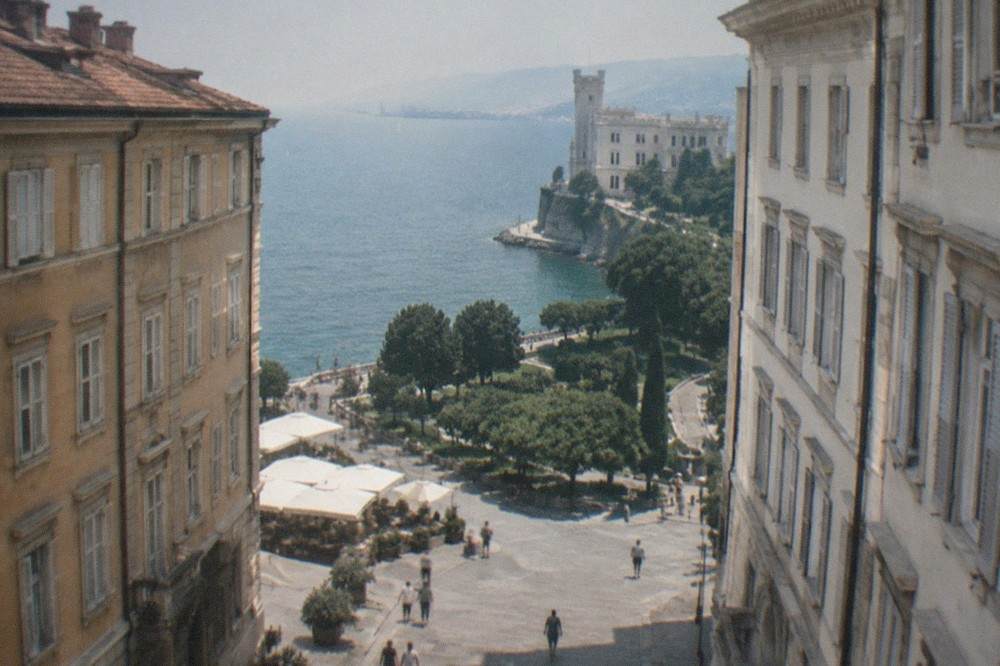
If the question allows the edge of the city, the castle coast at Grignano, where Miramare Castle sits above its free park on a promontory in the gulf, is arguably the nicest part of Trieste full stop: a €17 castle ticket, a park that costs nothing all year, and the most photographed waterfront in the region. It is the one candidate that is not walkable from the centre, and the one most worth the short ride.
The castle, built for Archduke Maximilian and Charlotte, is a state museum: the Ministry of Culture's visit page lists the adult ticket at €17 including the temporary exhibition, reduced to €7 for EU citizens 18-25, with the castle open every day 9:00-19:00 and last admission at 18:30. The park is free year-round, with hours that shift by month, 8:00-19:00 from April to September, closing earlier through the winter. The two keep different clocks, which catches visitors out.
Booking is optional but recommended, and the castle takes part in the ministry's first-Sunday-of-the-month free-entry scheme, though the rule has changed before, so confirm the date on the venue's own page rather than planning around an assumed one. The sea below the promontory is a protected marine area, and the shore path toward Barcola is one of the best short walks in the city.
For most visitors the practical choice is a ticket-and-audioguide product, from $20.64 rated 4.3 from 881 reviews, or a guided tour that bundles the castle with the city itself.
Common Questions About the Nicest Part of Trieste
What is the nicest part of Trieste?
The sea-facing Piazza Unità d'Italia and the waterfront are the most universally admired spot, while Città Vecchia, the old town on the hill above the harbour, is the quarter most often called the nicest for atmosphere. The Borgo Teresiano and the Barcola seafront are the other strong candidates.
Is the old town or the waterfront better for a first visit?
Both, in one walk: the square and the Molo Audace pier take an hour of strolling, and the old-town hill above, with the free cathedral and the €7 Castello di San Giusto, is directly behind it. The two quarters share a boundary rather than a commute.
Which part of Trieste is best to stay in?
The Borgo Teresiano and the streets behind Piazza Unità d'Italia put you walking distance from everything in the centre, while Barcola suits a summer-focused stay. The details, including how each quarter behaves at night, are in our where-to-stay breakdown.
Is Barcola worth visiting if I am not swimming?
Yes. The promenade, the pine-shaded cycle path and the fried-fish stalls make it the city's default evening stroll, and the Barcolana regatta in October turns the same seafront into the event's grandstand. Sea temperatures peak around 25.9 C in July and August per the ARPA series.
Can I see the nicest parts of Trieste without a tour?
Yes, the centre is compact and walkable, and a self-guided scavenger-hunt walk covers the highlights for a few dollars. A private guide, from $206.36 per group of up to 10, mostly buys the old town's unlabelled stories and the flexibility to set your own route.
Whichever quarter wins your personal vote, the honest summary is that Trieste, Italy is a city whose nicest parts are all within reach of one another: the square for spectacle, Città Vecchia for character, the Borgo Teresiano for elegance, Barcola for the sea, and the castle coast for the view that outclasses them all.