What Is the Oldest Cafe in Trieste?
Which caffè in Trieste, Italy is the oldest, why no verified founding date exists, and how to enjoy the historic coffee houses around Piazza Unità d'Italia.
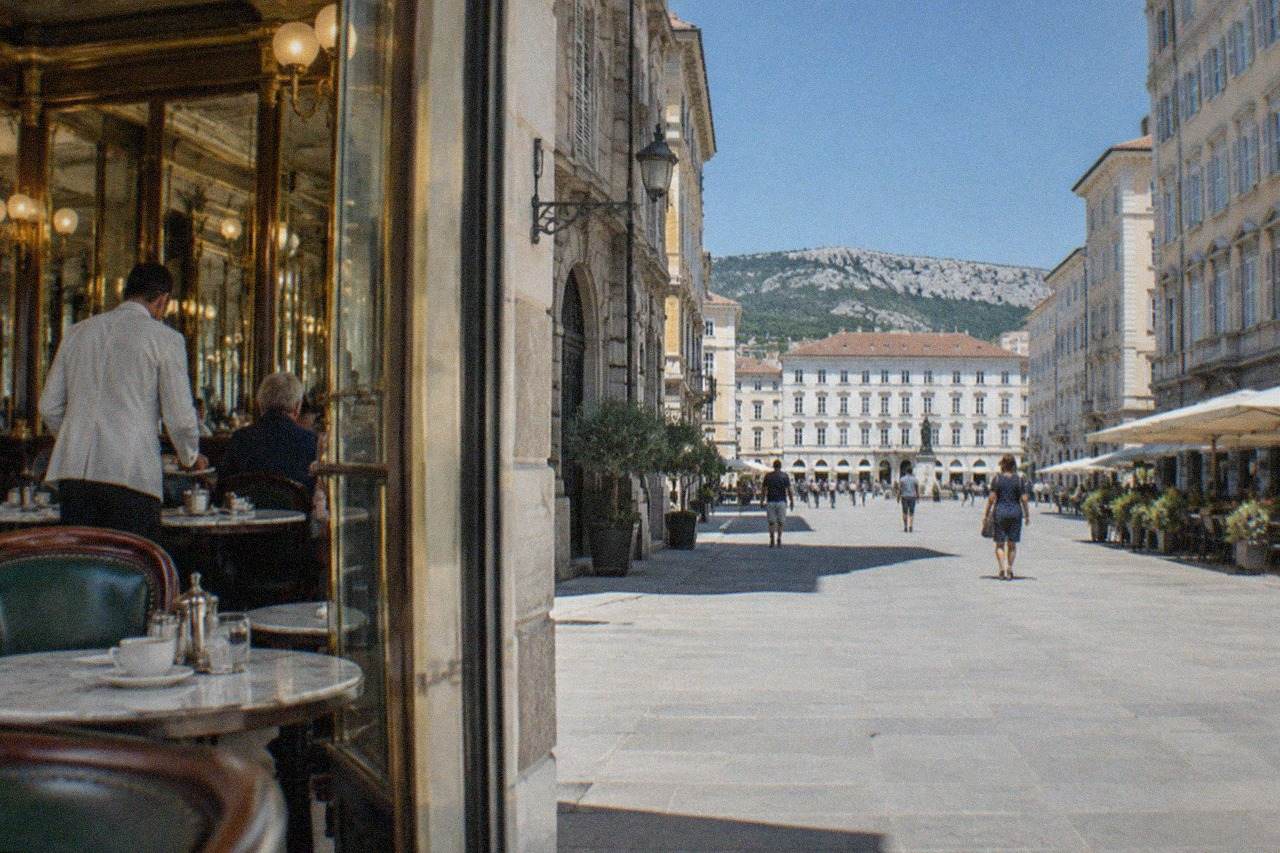
Trieste, the Adriatic port city in Friuli Venezia Giulia, Italy, is one of the great coffee cities of Europe, and almost every visitor eventually asks the same question in a doorway off Piazza Unità d'Italia: which of these gilded rooms has been pouring cups the longest? It is a fair question, and the city gives the impression that an answer should be printed somewhere, on a plaque, a menu, a wall. The reality is messier, and more interesting, than a plaque.
This page answers the question the only way this site will answer it: with what the verified sources actually say, and without a founding date that nobody can prove. Trieste's coffee story is real and deep; the founding-date story is where the mythology starts, and separating the two is what a good answer does. If you want the full background on the city, start with what Trieste is famous for and come back here for the caffè detail.
What Is the Oldest Cafe in Trieste?
No verified primary source confirms a founding date for any single caffè in Trieste, so this site does not print one, and any list that does is repeating an unverifiable claim. What is verifiable is the culture: Trieste is a historic coffee port and roasting centre, the home of a major international roaster, and a city whose caffè tradition is woven into daily life around Piazza Unità d'Italia and the Borgo Teresiano.
That is a deliberately careful answer, and it deserves an explanation. The founding dates you will see attached to Trieste's caffè, in guidebooks, on menus and in listicles, do not come from the sort of source this site treats as evidence: a parish record, an archive, a chamber of commerce document, the venue's own historical page. They circulate from article to article, each repeating the last, and nobody in the chain has shown the ledger. On this destination, this site has already caught the same pattern elsewhere: the famous claim that Trieste drinks more coffee per head than anywhere in Italy, with figures attached to two decimal places, has no primary source anywhere, not from the Chamber of Commerce, not from the port authority, not from the roasters themselves, not from official statistics. The claim is repeated everywhere and verified nowhere. The coffee culture is real. The numbers are folklore.
So how should you actually use this information as a visitor? Go to the caffè anyway. The ones that trade on their age, their mirrored walls, their marble and their white-jacketed waiters are worth your morning regardless of whether the year on the sign would survive an archivist's scrutiny. Ask the staff directly: they know the stories, the gaps in them, and which neighbouring room claims to be older, and they will tell you with the pride of people who have heard the argument their whole working lives. Treat every founding year you are quoted as a story rather than a citation, and you will enjoy the coffee more.
Can You Visit the Historic Caffè Without a Guide?
Yes, every historic caffè in Trieste is a working bar open to anyone who walks in, and you pay city prices for a coffee rather than a museum premium, though hours change and a table on a famous square costs more than a standing spot at the counter. Guided options exist for travellers who want the stories attached to the rooms, but they are a layer on top of an experience that is already free to enter.
The practical pattern is simple. You order at the counter, Italian style, for the cheapest coffee; you sit at a table for the waiter service and the surcharge that comes with it; you pay at the till. The caffè around the great squares are living rooms of the city, full of locals reading newspapers, and nobody expects you to buy more than a cup. This is also the honest way to answer the age question for yourself: sit in three of them on the same afternoon and compare not the dates but the rooms, the clientele and the pace. The coffee culture of Trieste is best understood with your elbows on marble.
If you would rather have a guide do the routing and the storytelling, several tours in this site's roster are built around exactly this. A guided walk with coffee in a historic bar is a listed experience from this city, and a longer dedicated coffee-culture walk is too, and their listings carry the current prices, ratings and durations.
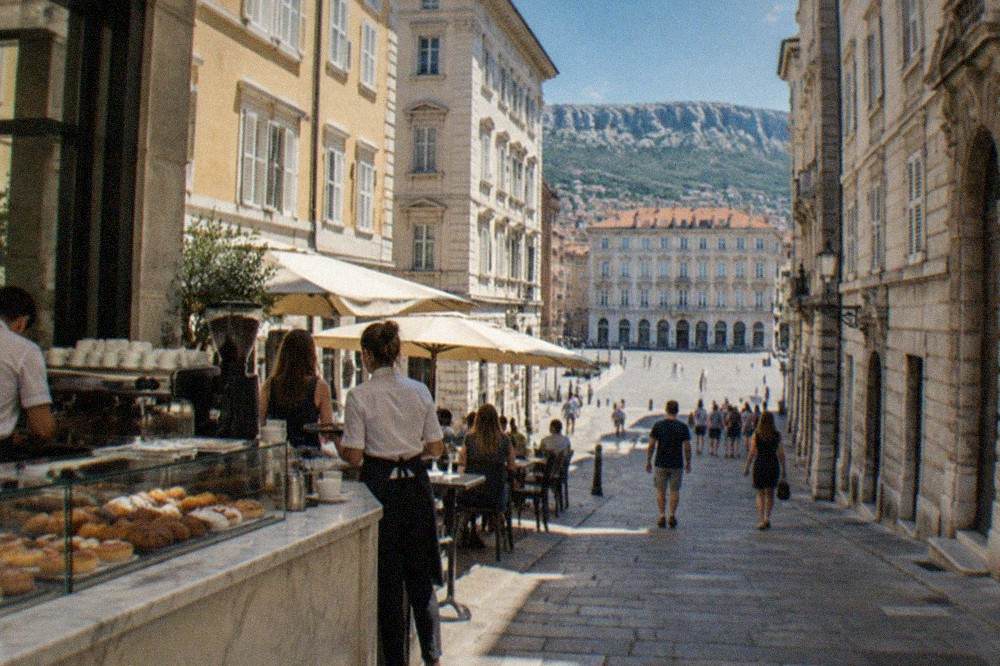
Here is what the verified listings for coffee and caffè experiences in Trieste actually contain, with the figures as the operators publish them:
| Tour (decision name) | From price | Rating | Reviews | Duration |
|---|---|---|---|---|
| Coffee Culture Walk, 3 Hours | $74.52 per person | 4.9 | 19 | 3 hours |
| Historic Cafe Walk, Sea Views | $50.44 per person | 4.6 | 24 | 2h 30m |
| Guided Walk, Coffee in Historic Bar | $68.79 per person | 4.97 | 106 | 2h 30m |
| Street Food Walk, 3 Hours | $71.08 per person | 4.91 | 264 | 3 hours |
The three-hour walks are the ones that spend real time inside the caffè rather than pointing at them from the square, and the food walks naturally end in the same rooms because that is where the city eats its sweets. All of them book through the operator's live listing, with current availability and the standard free-cancellation terms on the booking page.
For planning the rest of the day around your caffè crawl, the sibling page on how many days in Trieste is enough is the one to read, because the honest answer is that the caffè deserve a slow morning, not a checkpoint on a sprint.
Which Rooms Should You Actually See?
The caffè worth seeking out cluster around Piazza Unità d'Italia, the Borgo Teresiano grid behind it, and the theatre district, and the ones trading on age share marble counters, mirrored walls, newspaper racks and a waiter service unchanged in living memory, so you choose by atmosphere and location rather than by a verified date on the wall.
Walk it as a route rather than a ranking. Begin on the great square itself, where the caffè spill their tables out under the Habsburg-era facades and the sea opens at the end of the piazza. Move into the Borgo Teresiano, the eighteenth-century grid of straight streets named after merchants, where the older commercial caffè sit among the insurance offices and the bookshops. Finish up towards the theatre and the Jewish quarter streets, where the coffee houses have the strongest literary associations and the most fiercely local clientele. Every one of these rooms will tell you a story about its own age; none of them will show you a document, and now you know why. The wider set of guides lives on Trieste Travel Guide.
The literary layer is the part the guides love, and it is genuinely part of the rooms. Trieste's caffè served as office, postbox and newspaper room for the writers who lived in the city, and the tradition of the caffè as a second home is not a tourist invention: it is how the city still works, which is why the tables are full of people with newspapers rather than cameras. If that angle appeals, the page on the unusual things to see in Trieste covers the stranger corners of the same streets.
A private guide makes the difference between looking at a mirrored room and understanding what the mirror was for, and this one is the site's pick for exactly that job:
The listing carries the current per-group price, the guide's own introduction and the availability calendar, and you can check it directly: Check availability
Should You Book a Coffee Tour or Just Walk In?
Just walk in for the coffee itself, since every caffè serves anyone at city prices, but book a guided walk if you want the history, the literary stories and the routing done for you, because the caffè do not label their own past and a local guide is the fastest way to hear which claims are folklore.
The economics are straightforward and they are in the table above. A standing espresso at the counter of a historic caffè costs what an espresso costs in any Italian city; a table with waiter service costs more; a guided walk costs a tour price but comes with hours of storytelling and, usually, a sit-down coffee included as part of the route. Neither is wrong. Travellers on a short stop, especially those off a cruise ship with a handful of hours, should simply walk in; travellers with a full day and an appetite for the city's Central European atmosphere get more from the walks.
One planning note that matters more than any founding date: the caffè keep their own hours, and the hours, not the history, are what will shape your day. The famous rooms open early for the city's first coffee and some close by early evening, so if you are building a route, do it morning to mid-afternoon and let the evening belong to the wine bars and the osmize out on the Carso. For the food side of the city, what food Trieste is famous for is the companion page to this one.
If the guided route sounds like the right way to spend a morning, the private walk above is the one to secure first.
Why Does Trieste Have So Many Historic Caffè Anyway?
Trieste has so many historic caffè because it was a free port of the Austrian Empire and one of Europe's great coffee import gateways, so the beans arrived here first, the roasting industry grew around the harbour, and the merchants, insurers, writers and shipbrokers of a booming port city needed elegant rooms in which to do business, read newspapers and argue, which is exactly what a caffè is for.
The port made the coffee cheap and the empire made the rooms grand. When a city grows rich on shipping and insurance, the people doing the growing want somewhere to meet, and the Habsburg architectural taste that shaped Trieste's squares gave them marble, stucco, chandeliers and space. The caffè were the offices of that world: deals were struck at the tables, letters were held at the counter, foreign newspapers arrived with the ships and were read aloud. That is the verifiable story, and it is a better story than a founding year, because it explains the thing in front of you rather than pointing at a number nobody can check.
It also explains the city's peculiar coffee vocabulary. Trieste orders its coffee by names and rituals you will not hear in Rome or Naples, because the caffè culture here grew up alongside the port trade rather than being imported wholesale from elsewhere in Italy. Order in a Triestine caffè and you are using a small local dialect, and the waiters will gently correct you if you use the wrong word. This is part of what the guided coffee walks teach, and why travellers who care about it book one.
What Do the Guided Coffee Experiences Actually Include?
The roster's caffè-adjacent tours, with their published figures, break down like this:
| Experience | What the listing says it includes | From price | Duration |
|---|---|---|---|
| Coffee Culture Walk, 3 Hours | Discover Trieste's coffee culture on a walking tour | $74.52 per person | 3 hours |
| Guided Walk, Coffee in Historic Bar | City-centre walk ending with coffee in a historic bar | $68.79 per person | 2h 30m |
| Historic Cafe Walk, Sea Views | Squares, sea views and a historic cafè visit | $50.44 per person | 2h 30m |
| Prosecco Origins Tour, Tastings | Karst wine history with tastings, for contrast | $68.79 per person | 2h 30m |
The Prosecco row is there on purpose: the Carso behind the city has its own drinking culture, the Vitovska and Terrano of the plateau and the seasonal osmize farmhouses, and a day in Trieste can honestly hold both a morning caffè and an afternoon farmhouse table. The wine side is a separate story from the coffee side, and mixing them up is how the folkloric claims get started.
Common Questions About Trieste's Oldest Cafe
What Is the Oldest Cafe in Trieste?
No verified primary source confirms a founding date for any single caffè in Trieste, Italy, so this site does not print a name with a date attached. The historic caffè around Piazza Unità d'Italia and the Borgo Teresiano all trade on age, and the honest move is to visit them, ask the staff, and enjoy the rooms without treating any founding year on a menu as a documented fact.
Is There a Museum of Coffee in Trieste?
The verifiable coffee story in Trieste lives in the caffè themselves and in the port's roasting industry rather than in a single verified museum of coffee that this site's facts can confirm. The guided coffee-culture walks listed above are the practical way to get the history told to you in the rooms where it happened.
Do You Need a Reservation for a Historic Caffè in Trieste?
No, the historic caffè are working bars open to walk-in trade at city prices. You pay more for a table with waiter service than for a standing coffee at the counter, and the rooms are busiest in the morning and mid-afternoon, which is when they are also at their best.
Can You Do a Coffee Tour in Trieste?
Yes, the roster includes a dedicated three-hour coffee-culture walk from $74.52 per person, rated 4.9 from 19 reviews, plus shorter guided walks that finish with coffee in a historic bar. All of them book through the operator's live listing.
How Do You Order Coffee Like a Local in Trieste?
Trieste has its own coffee vocabulary, grown up alongside the port trade, and the waiters in the historic caffè will help you with it. Order at the counter for the cheapest coffee, take a table for the service, and let the staff teach you the local names rather than importing the ones from another city.
Is the Coffee Story in Trieste Connected to the Food?
Very much so: the caffè serve the city's pastries and its Central European cake tradition, and the guided food walks and the coffee walks visit the same rooms from different angles. The food side has its own page, and the two make a good pairing for a full day in the city.
The oldest-cafe question will keep being asked, because Trieste looks like a city that should have a clean answer, with its marble counters and its imperial squares. The truth is that the verifiable treasure here is not a founding year but a living culture, one where the coffee arrives through a port, gets drunk in rooms built for an empire, and is argued over every morning by people who would never accept a plaque settling the argument anyway. Go, sit down, order badly, get corrected, and you will have the real experience that the founding-date listicles are gesturing at.