Can You Visit Slovenia from Trieste?
Yes, you can visit Slovenia from Trieste, Italy: border rules, passport requirements, Lake Bled and Piran day trips, costs and transport options in one guide.
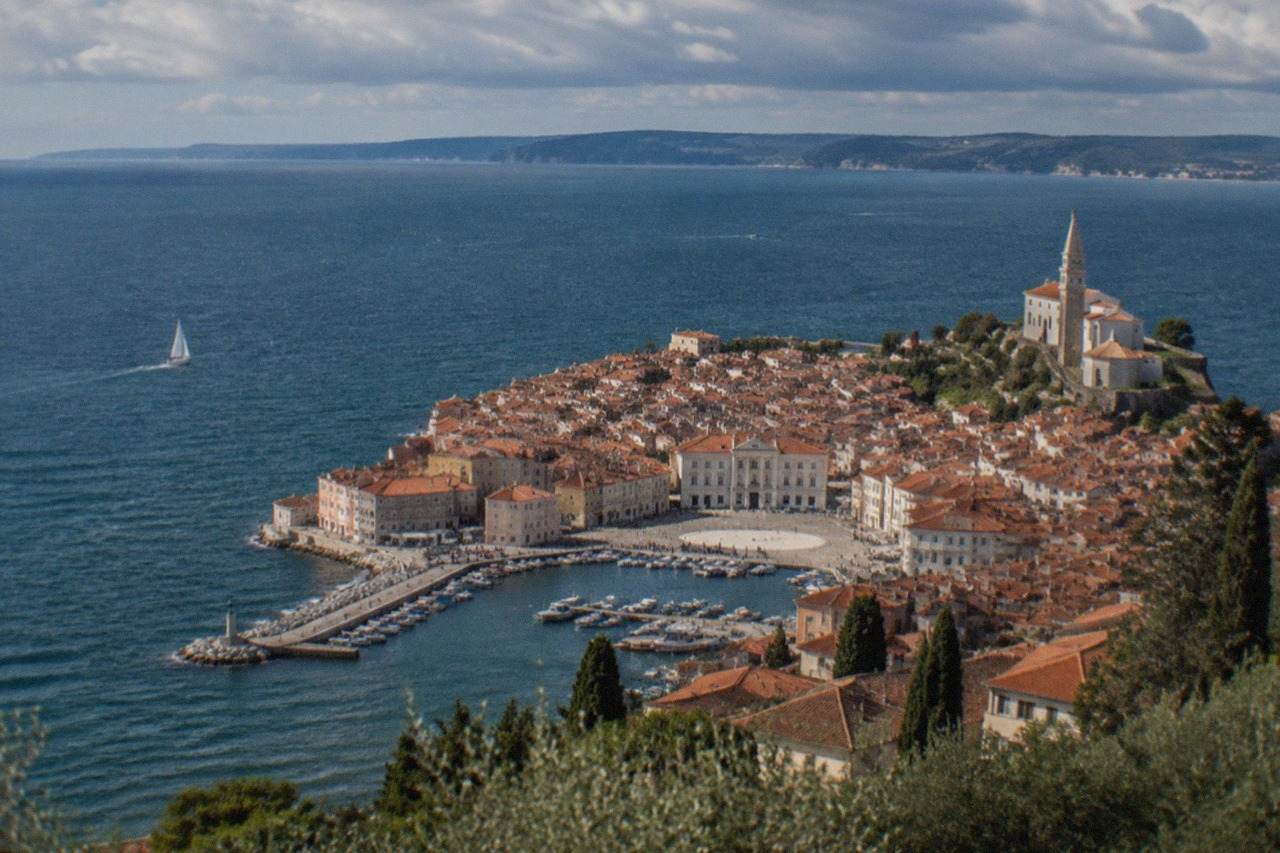
Yes, you can visit Slovenia from Trieste, Italy, and it is one of the easiest cross-border excursions in Europe. Trieste is an Adriatic port city in the Friuli Venezia Giulia region, and the Slovenian border is a short drive up the coast: the Slovenian town of Piran is the nearest seaside destination, while Ljubljana, Lake Bled, Postojna Cave and the Škocjan Caves are all established day-trip targets with dedicated tours departing from Trieste. Slovenia has been in the Schengen area since December 2007 and in the euro area since 1 January 2007, so there is no currency to change and no routine passport control. There is one dated exception, covered below, that anyone crossing this particular border in 2026 should know about.
The question of identity behind this border has a long history, and if you are curious about why a Slovenian-speaking minority lives inside Italy, and why the border sits where it does, read why Trieste is not part of Slovenia alongside this page.
Can You Visit Slovenia from Trieste?
Yes, Slovenia is reachable from Trieste, Italy, as a day trip, by tour, by coach or by car. Slovenia has been in the Schengen area since December 2007 and in the euro since 1 January 2007, so there is no currency to change and no routine passport control. The one caveat is dated: Italy is running temporary checks on its land borders with Slovenia from 19 June 2026 to 18 December 2026, so carry a passport or national ID card on any day trip.
Trieste's position is the reason this works so well. The city is the Italian seat of a cross-border region: Slovenian is a co-official language in parts of the province, and the border itself runs through countryside and coastline rather than mountains. Travel sellers reflect this. The tour roster for Trieste includes dedicated departures to Ljubljana, Lake Bled, Piran, the Slovenian coast, Postojna Cave, Predjama Castle, the Škocjan Caves and the Lipica stud farm, all sold as day trips with round-trip transport included. That is not a niche: the Lake Bled and Ljubljana products alone carry hundreds of recent reviews between them.
What surprises many first-time visitors is how much of "Trieste" is already Slovenian in texture. The coffee, the osmize farmhouse taverns on the Karst, the double place names on street signs: all of it reflects a city that has looked in both directions for centuries. If that hybrid identity interests you, whether Trieste is more Italian or Slovenian digs into it properly.
Which Slovenian Day Trips from Trieste Are the Most Popular?
The most-visited Slovenian day trips from Trieste are Ljubljana and Lake Bled, the Piran and Slovenian coast tour, and the Postojna Cave and Predjama Castle combination, each sold as a guided day trip with round-trip transport from the city. The listings run from $108.91 to $137.57 per person and from 5 to 9 hours, and every one of them handles the border crossing as part of the itinerary, so no separate planning is needed.
The table below pulls the headline figures straight from the live listings. Prices are per person and ratings are as the operators publish them.
| Day trip from Trieste | Duration | From price (per person) | Rating | Reviews |
|---|---|---|---|---|
| Ljubljana and Lake Bled, guided, Italian and English | 9 hours | $108.91 | 4.69 | 544 |
| Lake Bled and Ljubljana Tour | 7 hours | $137.57 | 4.51 | 277 |
| Piran and Slovenia Coast Tour | 6 hours | $114.64 | 4.57 | 136 |
| Slovenian Coast Tour with Food and Wine Tasting | 5h 30m | $137.57 | 4.98 | 50 |
| Postojna Cave & Predjama Castle | 6 hours | $137.57 | 4.76 | 543 |
The pattern in those numbers is worth reading. The longest trips go furthest: the 9-hour Ljubljana and Lake Bled itinerary is the only one that reaches the Julian Alps, and it is also the cheapest of the cross-border tours, from $108.91. The Piran and coast trips are shorter and more relaxed, built around Istrian towns rather than mountains. And the cave tours, Postojna and Škocjan, are the ones to book if weather is a concern, since the caves run regardless of the bora.
The coast option with food and wine tasting is the highest-rated of the group at 4.98 from 50 reviews, a small sample but a strong one. It pairs the Slovenian seaside with local tasting stops, which is a fair introduction to what the Slovenian side of the Karst and coast actually eats and drinks.
If a full day across the border feels like too much, a half-measure exists: spend the morning in Trieste itself and the afternoon over the line. Several Trieste-based tours and the city walk options in what to do in Trieste for 3 days can be combined with an independent afternoon trip, and the border is close enough that this is a realistic plan rather than an optimistic one.
Do You Need a Passport to Visit Slovenia from Trieste?
Carry a passport or a national ID card, yes. Slovenia and Italy are both in the Schengen area, so there is no routine border control, but Italy is running temporary internal checks on its land borders with Slovenia from 19 June 2026 to 18 December 2026, per the European Commission's own register. The checks are temporary and dated, not permanent, but during that window a day trip to Piran, Postojna, Škocjan, Lipica, Ljubljana or Bled can involve an ID check.
That is the whole of the practical advice, and it is the one point where generic "Schengen means no checks" articles about this region go wrong in 2026. The Commission's register is the authoritative source, and it currently lists the Italian measures on the Slovenia land border with an end date of 18 December 2026. Checks can be extended again, so the register, not a blog post, is what you should consult the week you travel.
On money, there is nothing to arrange. Slovenia adopted the euro on 1 January 2007, years before Croatia joined the currency on 1 January 2023, and Italy has been in the euro from the start. All three countries use the same notes and coins. Anyone who tells you to change money for a Slovenian day trip is working from an old guidebook, and the same applies to Croatia across the top of the Adriatic, a route covered separately in is there a ferry from Trieste to Croatia?.
One practical point on guided tours: a booked tour does not exempt anyone from the ID requirement. Tour operators crossing the border will remind passengers to bring documents, and the responsibility is yours either way. The reassurance worth having is the booking side rather than the border side: most cross-border day trips from Trieste can be cancelled or rescheduled through the operator's live listing, so a border window closing mid-trip is not a reason to skip booking ahead.
Can You Visit Ljubljana and Lake Bled from Trieste in One Day?
Yes, Ljubljana and Lake Bled fit in one day from Trieste, and it is the single most-booked Slovenian day trip from the city. The 7-hour guided version costs from $137.57 per person and is rated 4.51 from 277 reviews; the 9-hour version is from $108.91 and rated 4.69 from 544 reviews. Both include round-trip transport from Trieste and a guided city tour in Italian and English.
The two listings differ in shape more than in substance. The longer trip gives more time at Lake Bled itself, which is the part people come for: the lake, the island church and the castle above the water. The shorter one compresses the same two stops into a tighter day, which suits anyone who wants to be back in Trieste for dinner. A week of trip reports and the review counts both suggest the 9-hour version is the one most people end up preferring, because Bled rewards the extra hour. The full index of guides sits on Trieste Travel Guide.
The dedicated page for the 7-hour trip, the Lake Bled and Ljubljana day tour from Trieste, carries the full itinerary and current availability, and Check availability on the operator's live listing before locking the rest of your day around it.
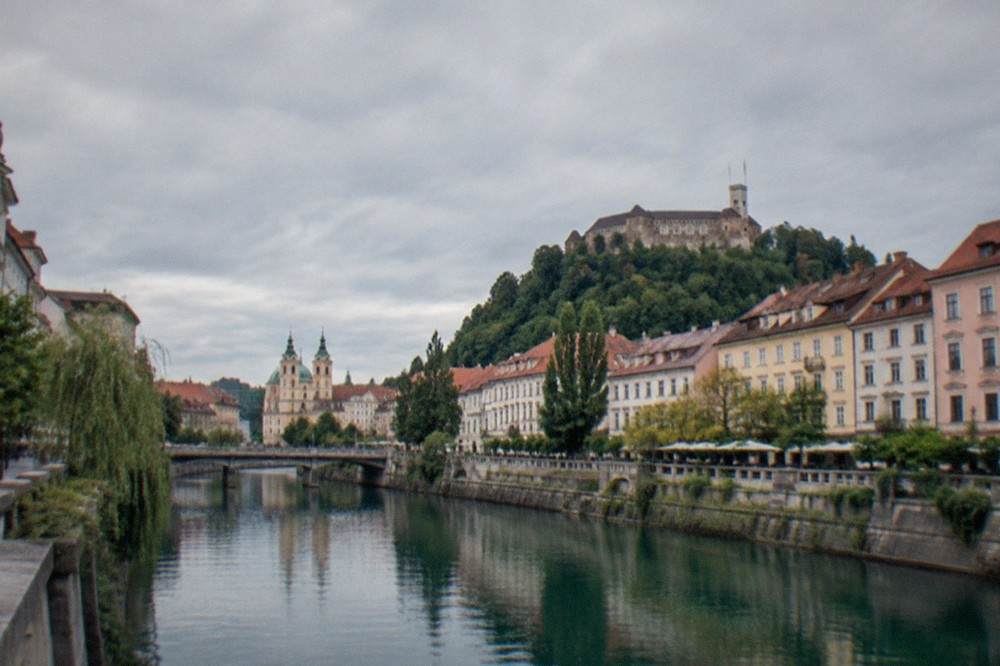
Two things to weigh before booking. First, the day is long by design: these are full-day itineraries, so a comfortable base in Trieste the night before matters more than it would for a half-day coast trip. Second, the alpine weather at Bled is not the seaside weather at Piran; if you are visiting in the cooler months, the coast tour is the safer choice for daylight and temperature, and Bled is at its best from late spring through early autumn.
Can You Visit Slovenia from Trieste Without a Car?
Yes, and a car is arguably unnecessary. Guided tours cover Ljubljana, Bled, Piran, Postojna, Predjama, Škocjan and Lipica from Trieste with transport included, and long-distance coach operators including Flixbus and the regional TPL FVG network run cross-border services from Trieste towards Ljubljana, Piran, Portorož and Rijeka. Cross-border timetables and fares are not published in a form this site can verify, so check the operator's own site for the current schedule.
The honest framing is that the coach option exists but is the one part of this page where numbers change often and nobody outside the operators can keep them current. The verified position: Flixbus and TPL FVG both operate cross-border routes from Trieste, departing from the city's coach stations. What is not verified is the frequency, the exact departure point for each route or the fare. Treat any specific timetable you read on a third-party page as out of date until the operator's own site confirms it.
The tour option has no such ambiguity, and that is why most visitors to Trieste do Slovenia this way. Everything above is bookable as a seat on a minibus or coach with a guide, which also settles the border question neatly: on a guided tour, the group crosses together and the operator manages timing around any checks.
One more no-car idea, for a rainy or windy day when the coast is uninviting: swap Slovenia for Trieste's own under-seen interior. The picks above include a self-guided scavenger-hunt walking tour of Trieste, from $4.67 per person, rated 4.6 from 28 reviews over 2 hours, which is a low-effort fallback if your Slovenia day gets rained off. November is the wettest month at the Trieste waterfront station, at 109.8 mm against July's 53.8 mm, so autumn visitors should hold a city fallback.
What Does It Cost to Visit Slovenia from Trieste?
A guided Slovenian day trip from Trieste costs from $108.91 to $137.57 per person depending on the itinerary, with the coast-and-tasting tour and the cave tours at the upper end and the 9-hour Ljubljana and Bled trip at the lower end. There is no currency cost and no visa cost for most European travellers: Slovenia uses the euro and is in Schengen. The remaining variables are food and any optional entries on site.
Budgeting the day looks like this, using the live listings' published starting prices:
| Item | Typical cost | Notes |
|---|---|---|
| 9-hour Ljubljana and Lake Bled guided tour | from $108.91 | Round-trip transport and guided city tour included |
| 7-hour Lake Bled and Ljubljana guided tour | from $137.57 | Transport and guiding included |
| 6-hour Piran and Slovenia Coast tour | from $114.64 | Panoramic coast itinerary |
| 5h 30m Slovenian coast tour with tastings | from $137.57 | Food and wine tasting included |
| 6-hour Postojna Cave and Predjama Castle | from $137.57 | Entry to both sites is arranged by the operator |
| Currency exchange for the border | $0 | Slovenia has used the euro since 1 January 2007 |
| Border formalities | An ID card or passport | Temporary Italian checks run to 18 December 2026 |
The one line in that table people try to add is a "hidden border fee", and there is none. The Schengen framework means no visa purchase for EU and many other nationals, and the euro means no exchange margin. What you pay beyond the tour price is lunch, which on the Slovenian coast is inexpensive by northern Italian standards, and any extras at Bled such as the boat to the island, which the tour listings price separately if at all.
For a full cost picture of the Italian side of the trip, including accommodation and the city itself, see is Trieste cheap or expensive. As a broad rule, if you are already paying to stay in Trieste, the marginal cost of a Slovenian day trip is the tour price plus lunch, and nothing structural beyond that.
Common Questions About Visiting Slovenia from Trieste
Can you visit Slovenia from Trieste?
Yes. Slovenia begins a short distance from Trieste, Italy, and guided day trips run to Ljubljana, Lake Bled, Piran, Postojna, Predjama, Škocjan and Lipica, with prices from $108.91 to $137.57 per person. Independent travel by coach or car is also possible. Slovenia uses the euro and is in Schengen, though Italy is running temporary checks on the land border until 18 December 2026, so carry ID.
Do I need a passport to go from Trieste to Slovenia?
Carry a passport or national ID card. Italy and Slovenia are both in the Schengen area, so routine checks are not the norm, but Italy is running temporary internal border controls on its land borders with Slovenia from 19 June 2026 to 18 December 2026. The requirement is dated, not permanent, and the European Commission's register has the current status.
Can you do Lake Bled as a day trip from Trieste?
Yes. Two guided tours cover it: a 9-hour Ljubljana and Lake Bled itinerary from $108.91 per person, rated 4.69 from 544 reviews, and a 7-hour version from $137.57, rated 4.51 from 277 reviews. Both include round-trip transport and a guided city tour in Italian and English.
Is there a border between Trieste and Slovenia?
Yes, a land border, but it is an internal Schengen border, so there are no routine passport controls in normal circumstances. The exception in 2026 is Italy's temporary checks on its land borders with Slovenia, running to 18 December 2026, which can mean an ID check on a day trip.
Which is the best Slovenian day trip from Trieste?
By review score, the Slovenian coast tour with food and wine tasting is the strongest performer, rated 4.98 from 50 reviews at $137.57 per person. By volume, the Postojna Cave and Predjama Castle trip and the 9-hour Ljubljana and Bled trip carry the largest review counts, at 543 and 544 reviews respectively.
Do you need to change money to visit Slovenia from Trieste?
No. Slovenia has used the euro since 1 January 2007, the same currency used in Trieste. Croatia, further along the coast, adopted the euro and joined Schengen on the same day, 1 January 2023, so the whole upper-Adriatic circuit is a single-currency trip.
The short version of all of this: yes, you can visit Slovenia from Trieste, easily and repeatedly, and many people do it as casually as a trip to the next town. Bring a passport or ID card because of the dated border checks, bring nothing else you would not take to an Italian café, and pick your trip by what you want from the day: mountains and a lake at Bled, seaside and seafood at Piran, or caves that do not care about the weather.