Is It Better to Stay in Venice or Trieste?
Trieste, Italy or Venice for your hotel base: an honest comparison of costs, crowds, day-trip reach and what each city is actually like to stay in overnight.
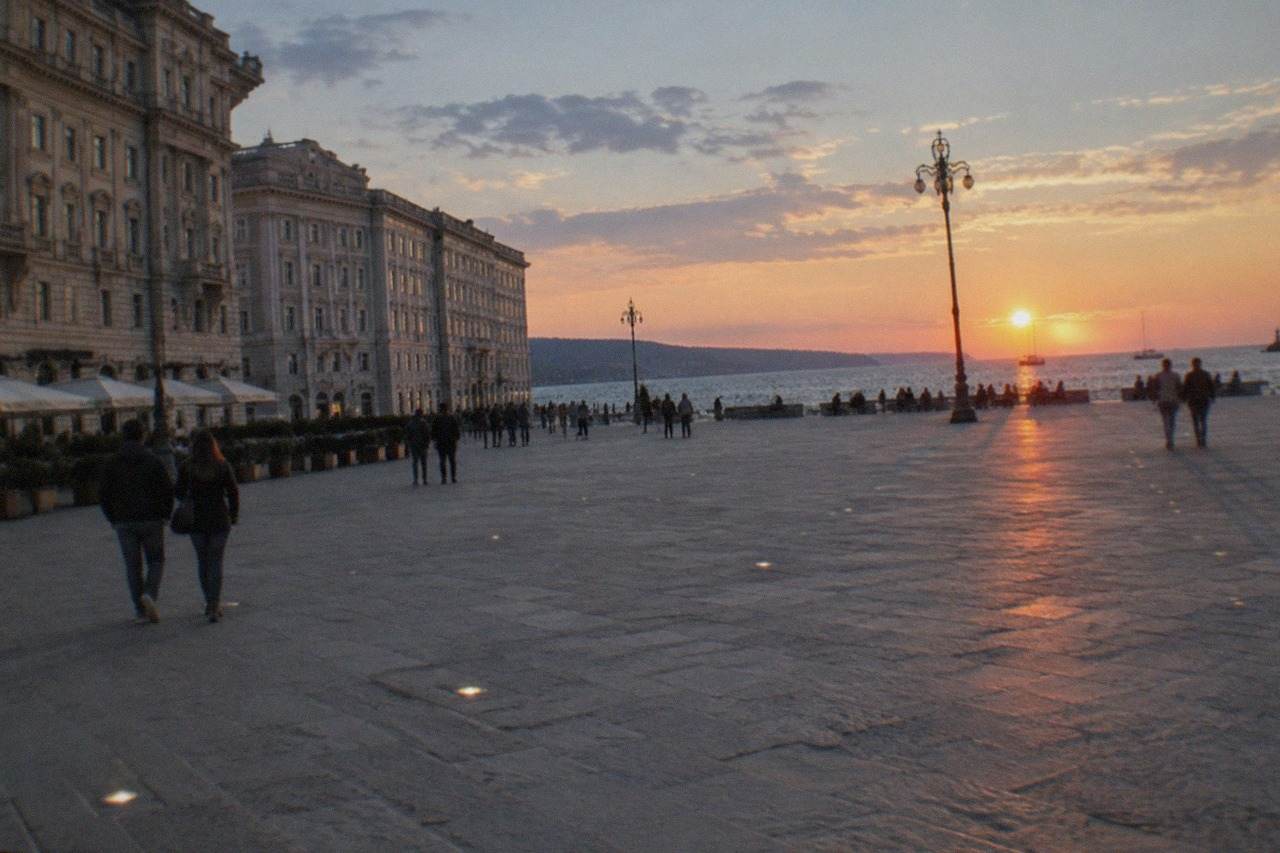
Trieste, the Adriatic port city in Friuli Venezia Giulia, Italy, sits at the top of a gulf that Venice sits at the bottom of, and travellers doing the northeast corner of the country keep asking the same question: which of the two deserves the hotel booking? The honest answer depends on what you want from a base, because the two cities could not be more different in pace, price structure and what lies within reach. This page compares them on the things that actually decide a stay: cost, atmosphere, food, transport and day-trip range.
Is It Better to Stay in Venice or Trieste?
Stay in Venice if the city itself is the destination and you want canals, crowds and once-in-a-lifetime scenery outside your door; stay in Trieste, Italy if you want a liveable city with sea views, Habsburg squares, cheaper entry prices, easier day trips to Slovenia, Croatia and the Carso, and far fewer tourists between you and ordinary life. Venice rewards two or three intense nights; Trieste rewards a slower base with room to breathe.
That is the shape of it, but the detail matters. Venice is a place you visit; Trieste is a place you stay. The Venetian visitor economy is built around people who arrive, saturate and leave, and everything from restaurant pricing to hotel location logic follows that. Trieste's economy is a port, a coffee trade and a university, and tourism is a side effect, which changes the whole feel of an overnight stay: caffè full of people reading newspapers, a seafront promenade that belongs to locals, and prices set for residents rather than for a captive market.
Neither choice is wrong, and the two are close enough that you can sleep in one and see the other on a day trip. The rest of this page breaks the decision into the factors that actually move it.
What Does a Night in Trieste, Italy Cost Compared with Venice?
Trieste's fixed costs are lower and more predictable: entry to its castle, museums and cathedral is free or a few euro, a 75-minute urban bus or tram ticket is EUR 1.85, and the city's tourist tax runs EUR 1.50-3.80 per person per night for a maximum of 5 consecutive nights, while Venice layers a city access fee, higher tourist-tax bands and hotel rates set by scarcity on top of every visit. Trieste is the cheaper base on every fixed cost that can be verified.
Room rates are the exception this site will not quote: they are date-specific on both cities and no verified source holds still long enough to publish one. But the fixed, published costs tell a clear story. Trieste's 2026 tourist-tax table, issued by the Comune, is shown below, and it is charged for at most five consecutive nights in the same property, with everyone under 18 exempt. Venice's structure is different and heavier, and the comparison table in this section uses only Trieste figures this site has verified at source.
| Accommodation category | Trieste tourist tax, per person per night |
|---|---|
| 5-star hotel | EUR 3.80 |
| 4-star hotel / self-catering case vacanza | EUR 3.30 |
| 3-star hotel | EUR 3.00 |
| 2-star hotel / affittacamere / B&B Superior / hostels / agriturismi / short-let properties | EUR 2.30 |
| B&B Comfort | EUR 2.00 |
| 1-star hotel / B&B Standard | EUR 1.80 |
| Campsites and motorhome areas | EUR 1.50 |
Entry prices point the same way. Miramare Castle, Trieste's grandest sight, charges EUR 17 for an adult including the temporary exhibition, and its huge park is free all year. San Giusto Castle is EUR 7, the Museo Revoltella is EUR 8, the cathedral is free, and the Risiera di San Sabba national monument is free. Getting around costs EUR 1.50 for a 60-minute urban ticket or EUR 3.35 for a day ticket, and that ticket is valid on the Opicina tram, which runs from piazza Dalmazia up to the Karst plateau.
| Trieste sight | Adult entry | Notes |
|---|---|---|
| Miramare Castle | EUR 17.00 | Includes temporary exhibition; park free year-round |
| Castello di San Giusto | EUR 7.00 | Covers walls, museum and Lapidario Tergestino |
| Museo Revoltella | EUR 8.00 | Closed Tuesdays |
| Cattedrale di San Giusto | Free | Bell tower hours vary by season, price not published by the parish |
| Risiera di San Sabba | Free | Daily, groups book March-May |
| Opicina tram | Urban ticket | Standard EUR 1.50-1.85 ticket valid, runs from piazza Dalmazia |
Venice's headline sights sit behind a different pricing logic, and the experience of the city itself, walking its calli and riding the vaporetto network, is what you are paying for there. If your budget is tight and your list is long, Trieste stretches it further; if the canals are the point, no price comparison will talk you out of Venice.
Where Should You Base Yourself in Trieste, Italy?
The Borgo Teresiano and the streets around Piazza Unità d'Italia put the seafront, the caffè and the old city within a short walk of each other, Città Vecchia gives character at slightly lower intensity, and Barcola suits travellers who want the sea and the promenade over central elegance. Venice's equivalent choice is between the San Marco core at a premium and quieter sestieri with more walking.
Trieste is compact enough that almost any central base works. The grid of the Borgo Teresiano, laid out under the Habsburgs, is where most hotels stand, and from there the Grand Canal, Piazza Unità d'Italia and the Molo Audace are all close at hand. Città Vecchia, the old town climbing toward San Giusto, is denser and more atmospheric. The question of which neighbourhood suits you is covered in detail on where to stay in Trieste and the best area to stay in Trieste, and the broader verdict on the city as an overnight base is in is Trieste a good place to stay?.
One Trieste-specific factor deserves weight: the bora. The city's own weather station tables show gusts over 90 km/h on an average of 17.6 days a year, concentrated in the cool season, and the seafront is where that wind is felt hardest. A hotel a street or two back from the Rive is a real quality-of-life choice between November and March, and in summer the same seafront is the calmest, most pleasant part of the city, with sea temperatures averaging 25.9 C in both July and August. There is more on this in the site's month-by-month coverage of the best time to visit Trieste.
Can You Day Trip Between Venice and Trieste?
Yes, and this is the strongest argument for sleeping in Trieste: the two cities are linked by a direct rail line, so you can base in Trieste and spend a day in Venice, or base in Venice and reach Trieste, while Trieste alone puts Slovenia, Croatia and the Carso caves within day-trip range, options Venice simply does not have. Venice's day trips are other lagoon and mainland towns; Trieste's are three countries.
The rail link makes the pairing practical, and the day-trip logistics in both directions are covered in detail on can you do a day trip from Trieste to Venice?. This site does not publish a journey time or fare it has not verified at source, so check the operator's own planner before committing, but the line exists, runs daily and makes the two-city trip a realistic plan.
The asymmetry comes from geography. From a Trieste base you can reach Ljubljana, Lake Bled, Piran, Postojna Cave, the Lipica stud farm and the Škocjan Caves on organised day tours, and the city's own Karst plateau holds Grotta Gigante and the osmize, the farmhouse wine outlets signposted by a leafy frasca branch, listed on the osmize.com calendar. Venice's hinterland is different and not worse, but it is one country, not three.
Two border facts matter for the Trieste side. Croatia joined the Schengen area and adopted the euro on the same day, 1 January 2023, so no currency change is needed anywhere on these trips. But Italy is running temporary border checks on its land border with Slovenia, listed by the European Commission's register through 18 December 2026, so carry a passport or national ID card and check the current status before travelling.
Which City Suits You Better: Venice or Trieste?
Choose Venice for scenery, spectacle and a short, intense visit where the city is the entire trip; choose Trieste for a relaxed base with sea, serious caffè culture, Habsburg architecture, lower verified costs and three-country day trips, especially if you are staying more than two or three nights. Venice is the stronger single experience; Trieste is the stronger stay.
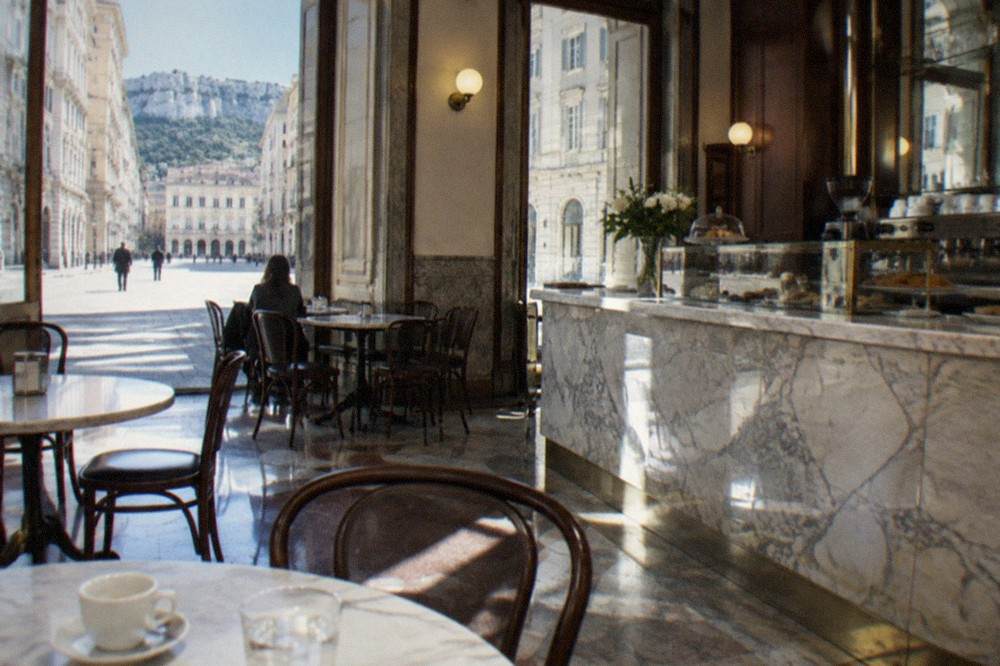
The food and drink case for Trieste is real. The city is a historic coffee port with a roasting industry and a caffè tradition that runs through its grand central institutions, and its cuisine mixes Italian, Austrian and Slovene influences, jota and goulash alongside pasta. The much-repeated claim about how much coffee the city drinks per head has no verifiable primary source, so this site does not print it, but the caffè themselves are observable fact.
There is also the crowd question. Venice's visitor numbers shape every hour of a stay there; Trieste receives a fraction of that pressure and its centre still functions as an ordinary Italian city, which means your evenings are spent where residents spend theirs. For some travellers that is the whole argument. The fuller head-to-head is in is Trieste better than Venice?.
If you do pick the Trieste side, a guided walk is a good way to test the city against your expectations before you commit to it as a base. The Experience Trieste walk, a leisurely group tour rated 5 from 113 reviews, covers the centre with a local guide, and there is more on the free and paid options in the site's guide to free walking tours in Trieste. You can also Check availability on the operator's live listing. Whichever city you choose for the bed, the pairing works best as a two-stop trip: this Trieste Travel Guide exists because the Trieste half of that trip is the half most people arrive underprepared for.
Common Questions About Staying in Venice or Trieste
Is it better to stay in Venice or Trieste?
Stay in Venice if the canals are the trip; stay in Trieste, Italy if you want a cheaper, calmer base with sea views and day trips to Slovenia, Croatia and the Karst caves. Venice is the stronger single experience, Trieste the stronger and more relaxed place to actually live for a few nights.
Is Trieste cheaper than Venice for a hotel stay?
On every fixed cost that can be verified, yes. Trieste's tourist tax runs EUR 1.50-3.80 per person per night for a maximum of 5 consecutive nights, its castle and museum entries are free or a few euro, and a 75-minute urban ticket is EUR 1.85. Room rates are date-specific in both cities and this site does not quote them.
Can you visit Venice as a day trip from Trieste?
Yes. The two cities are linked by a direct rail line with daily services, so a day trip in either direction is practical. Check the operator's own planner for current times and fares, since this site only publishes figures verified at source.
Do I need a passport to day trip from Trieste to Slovenia or Croatia?
Carry one. Italy is running temporary checks on its land border with Slovenia, listed by the European Commission's register through 18 December 2026. Croatia and Slovenia both use the euro, so no currency change is needed, but ID is.
What is the best area to stay in Trieste?
The Borgo Teresiano around Piazza Unità d'Italia is the most convenient central base, Città Vecchia offers the most atmosphere, and Barcola suits travellers who want the sea and the promenade. In the bora season, a street or two back from the seafront is a wise choice.
How many nights should I stay in Trieste?
Two nights covers the centre, Miramare and one Karst cave; three or four lets you add a Slovenian or Croatian day trip without rushing. The site's itinerary pages break down one, two and three-day plans in detail.