Is Trieste an Expensive City?
Is Trieste an expensive city? An honest, figure-by-figure answer for the Italian port city: museum tickets, transport fares, tourist tax and tours, all from official 2026 sources.
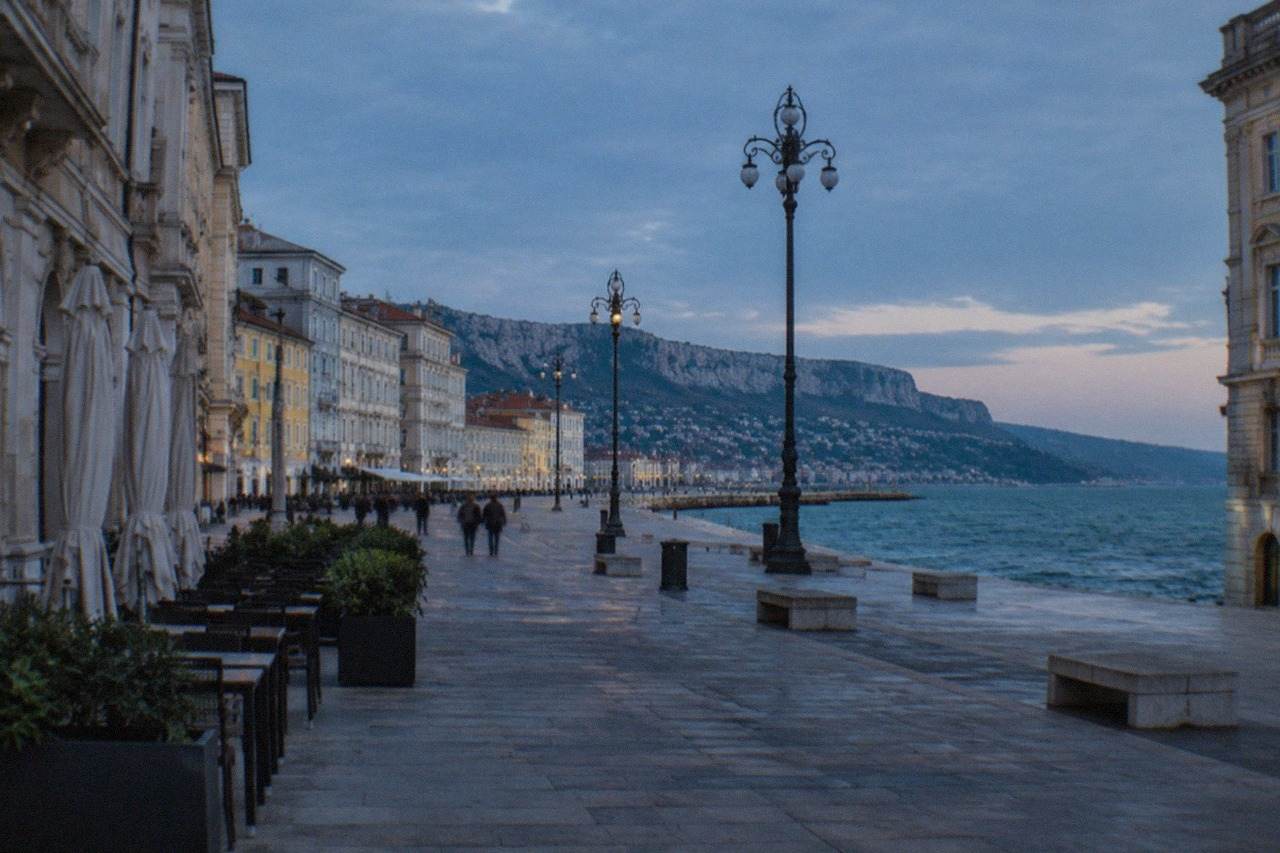
Trieste, the Adriatic port city in Friuli Venezia Giulia in the northeast corner of Italy, has a reputation that precedes it: Habsburg palaces, an insurance-and-shipping economy, and a historic caffè culture that suggests Vienna-by-the-sea prices. The reputation and the visitor's wallet are two different things. The honest answer is that Trieste is mid-priced by Italian city-break standards, cheaper than Venice or Florence on almost every line of a daily budget, and noticeably kind to anyone who leans on the city's free layer, which is unusually thick: a free seafront, a free castle park, a free Risiera di San Sabba, a free cathedral and a first-Sunday-of-the-month scheme at the state museums. This page works through the real 2026 figures, from the official tariff sheets and venue pages, so the question can be answered with numbers rather than adjectives. It is part of the cost coverage on Trieste Travel Guide, alongside our longer comparison of whether Trieste is cheap or expensive overall.
Is Trieste an Expensive City?
No, Trieste in Italy is not an expensive city by the standards of Italy's major tourist destinations. Its flagship museums charge 7 to 17 euro, the urban bus single costs 1.50 euro, the day ticket 3.35 euro, several of its most significant sites are free to enter, and the 2026 tourist tax runs 1.50 to 3.80 euro per night depending on the accommodation. It sits well below Venice or Florence on a like-for-like city break.
That is the headline, and the rest of this page shows the receipts. The city's wealth is real, but it is institutional wealth, insurance companies and port logistics, not a tourist economy tuned to extract maximum spend per visitor. Trieste simply does not have the visitor pressure of Venice or Rome, and prices reflect that. Where it can feel expensive is dining: the historic caffès and the seafood places along the Rive trade on atmosphere, and a table in the right room costs what the room is worth. The city's famous food is not the cheap end of the budget, but the buffet tradition, jota and goulash served standing or at bare tables, is.
One structural point worth knowing before the line items: Trieste's single biggest sight, the seafront itself, costs nothing. The Rive, Molo Audace, Piazza Unità d'Italia and the Barcola seafront are all free, all day. A visitor whose day is built around walking the water can spend almost nothing and miss nothing essential. That is not true in Venice, where the essential sight, the city, comes with a hotel premium attached.
What Do Trieste's Museums and Monuments Cost?
The headline ticket prices in Trieste, Italy for 2026 are: Miramare Castle 17 euro including the temporary exhibition, Castello di San Giusto 7 euro, Museo Revoltella 8 euro, Grotta Gigante 15 euro, and the Risiera di San Sabba, the cathedral and Miramare's park all free. A full day of paid sights runs roughly 30 to 40 euro per person at the desk, before any tour or transport.
The venue pages publish these figures directly, and they are worth reading in detail because the free layer is bigger than most visitors expect. Miramare's park is free all year while the castle itself charges; the castle ticket includes the temporary exhibition, and EU citizens aged 18 to 25 pay 7 euro with the exhibition or 2 euro for the castle alone. Castello di San Giusto's 7 euro ticket is broad, covering the walls and bastions, the castle museum-armoury, the Lapidario Tergestino and temporary exhibitions at the Bastione Fiorito. Museo Revoltella charges 8 euro and closes on Tuesdays. Grotta Gigante, up on the Carso at Sgonico, is 15 euro for adults, guided visits only, with compulsory booking.
| Site | Adult ticket 2026 | Notes from the venue page |
|---|---|---|
| Miramare Castle | €17.00 | Includes temporary exhibition; EU 18-25 pay €7.00 with it, €2.00 without; park free all year |
| Castello di San Giusto | €7.00 | Covers walls, museum-armoury, Lapidario Tergestino, exhibitions; reduced €5.00 |
| Museo Revoltella | €8.00 | Reduced €6.00; closed Tuesdays |
| Grotta Gigante | €15.00 | Guided only, booking compulsory; children 6-18 €8.00; closed Mondays September to February |
| Risiera di San Sabba | Free | National monument, free entry, no booking for individuals |
| Cattedrale di San Giusto | Free | Bell tower hours seasonal; no verified tower price published |
| Miramare Park | Free | Open daily, seasonal hours |
Two free-entry mechanisms stack on top of that table. The ministry's first-Sunday-of-the-month scheme runs through 2026 and Miramare participates, so the castle itself is free on those days; the scheme has changed more than once in recent years, so confirm the month's date on the venue's own event page rather than assuming. San Giusto and Revoltella are additionally free on 3 November, the patron saint's day. A visitor who plans around those dates can strip most of the paid column out of the budget entirely, and the unusual things to see in Trieste include several, the Roman theatre you look down into from the street, the free Risiera, the free seafront, that never touch a ticket desk at all.
How Much Do Tours and Activities Cost in Trieste?
Trieste's guided tours in 2026 start lower than in most Italian cities: a 2.5-hour guided walk through the historic centre with a caffè stop is listed from 50.44 US dollars per person, self-guided audio walks from 4.67 to 7.59 dollars, a three-hour food tour from 71.08 dollars, and the big cross-border day trips, Postojna Cave or Lipica and Škocjan, from 129.93 to 137.57 dollars.
The walking-tour band is the value sweet spot. The entry-level guided walk, the one this page recommends, covers the heart of the city, elegant squares, sea views and a Central European atmosphere, and ends with the experience its listing promises in a historic caffè, which is a small economy in itself since coffee in the right room is one of the city's pricier small pleasures. At the other end of the scale, the cross-border day trips cost real money, but they replace a rental car, a border crossing and two separate ticket desks, which is the trade you are making. The Lipica and Škocjan Caves day from Trieste is listed from $129.93 per person, rated 4.86 from 23 reviews, over six hours; the Postojna Cave and Predjama Castle day is from $137.57, rated 4.76 from 543 reviews.
| Tour | Listed from | Rating | Duration |
|---|---|---|---|
| Guided walk, historic centre and caffè experience | $50.44 per person | 4.62 from 24 reviews | 2h 30m |
| Self-guided scavenger-hunt walk | $4.67 per person | 4.6 from 28 reviews | 2 hours |
| Self-guided audio and written walk by a local | $7.59 per person | 4.5 from 105 reviews | about 2.5 hours |
| Guided foodie walking tour | $71.08 per person | 4.91 from 264 reviews | 3 hours |
| Miramare Castle entry with audio app | $20.64 per person | 4.35 from 881 reviews | at your own pace |
| Lipica Stud Farm and Škocjan Caves day trip | $129.93 per person | 4.86 from 23 reviews | 6 hours |
| Postojna Cave and Predjama Castle day trip | $137.57 per person | 4.76 from 543 reviews | 6 hours |
There is also a genuinely free tier. GuruWalk runs a pay-what-you-want city walk in Trieste, tip-based, led by a local guru, rated 4.86 from 50 reviews, and a second GuruWalk free tour of the Old Port's industrial archeology, rated 5 from 4 reviews. Those are not this site's products, which is exactly why the platform and the format are named plainly: they cost nothing up front and you tip the guru at the end. For a budget visitor, that plus the free sights plus a 3.35 euro day ticket is a complete, near-zero day. For anyone deciding between a paid walk and going alone, the operator's live listing carries the current price and the free-cancellation terms, and the same walk is available to Check availability on the date you actually want.
What About Transport and the Tourist Tax?
Getting around Trieste, Italy is cheap: the 2026 urban single is 1.50 euro for 60 minutes or 1.85 euro for 75, the day ticket is 3.35 euro, and contactless bank cards can be tapped directly on board. The tourist tax, charged per person per night for a maximum of five nights, runs from 1.50 euro at campsites to 3.80 euro at five-star hotels, with 3-star hotels at 3.00 euro.
The tariff sheet, "Tariffe 2026, servizio urbano di Trieste", published by the city's transport operator, is the source for the fares, and it makes Trieste one of the cheaper Italian cities to move around. Singles are valid 60 or 75 minutes, extended to 240 minutes on Sundays and public holidays, which means a weekend visitor's bus day effectively has no time pressure. The Opicina tram, urban line 2, runs on the same ordinary ticket: it is running, reactivated in February 2025, and its city terminus is piazza Dalmazia, so the most scenic ride in the region costs the price of a bus. Check the operator's live service page before you travel, since maintenance windows are announced there.
The tourist tax is the line item visitors forget to budget, and Trieste's 2026 table is published by the Comune. The structure matters more than the headline: it is per person, per night, capped at five consecutive nights in the same property, and everyone under 18 is exempt. A couple spending four nights in a 3-star hotel pays 24 euro total, not per room but combined, which is a rounding error on an Italian city break.
| Cost item | 2026 figure | Source detail |
|---|---|---|
| Urban single, 60 minutes | €1.50 | 240 minutes validity on Sundays and holidays |
| Urban single, 75 minutes | €1.85 | Same extended Sunday validity |
| Urban day ticket | €3.35 | Valid all network, including the Opicina tram |
| Tourist tax, 5-star hotel | €3.80 per person per night | Max 5 consecutive nights |
| Tourist tax, 3-star hotel | €3.00 per person per night | Under-18s exempt |
| Tourist tax, B&B Standard or 1-star | €1.80 per person per night | Campsites €1.50 |
| Contactless on board | Tap and go | Mastercard, Visa, Amex and wallets; cheapest fare applied |
Where Does Trieste Feel Expensive, and Where Does It Not?
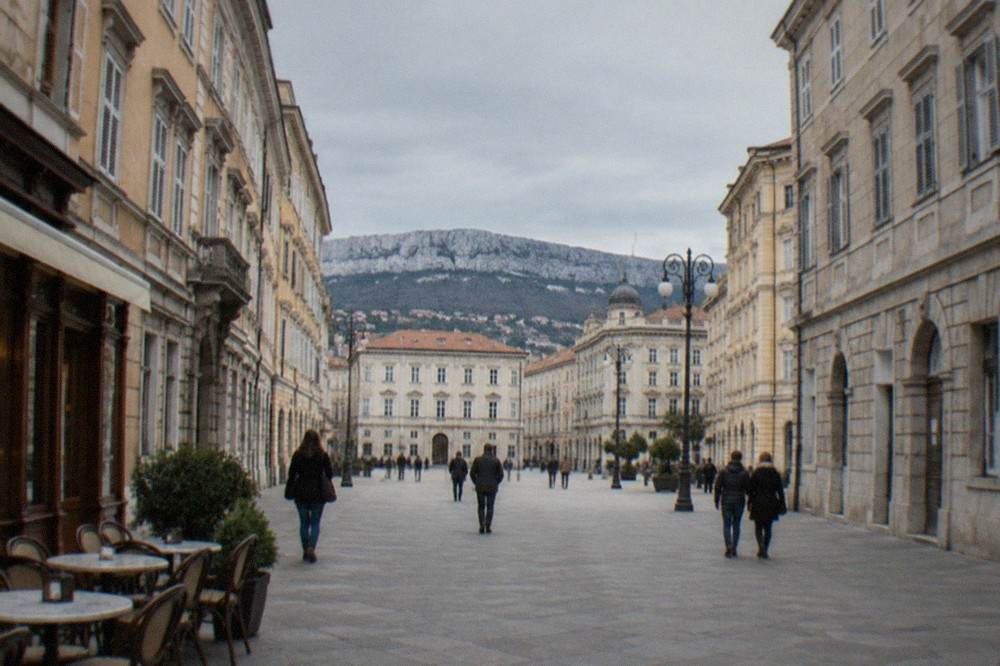
Trieste feels expensive mainly at the table: its historic caffès and seafront restaurants trade on atmosphere and price accordingly, and coffee in a grand room is a premium product. It does not feel expensive in museums, transport, entry fees or tax, where the 2026 figures sit at or below the Italian provincial-city norm, and its free layer, seafront, parks, cathedral and national monument, is unusually generous for a city of this wealth.
The caffè culture is the honest place to put the caveat. Trieste is a historic coffee port and roasting centre, the home of Illy, and the grand caffès in the centre are institutions; the listing for the historic-cafès walking tour, three hours from 74.52 dollars, sells the culture itself as the product, which tells you the rooms are the attraction. Nobody should arrive expecting bar prices equal to a standing bar on a side street. The counterbalance is the buffet tradition, the signature dishes like jota and goulash served in simple rooms at working-city prices, which is the local way to eat well without the grand-room premium.
Accommodation is the one budget line this page cannot quote, because room rates are date-specific and were not verifiable in the official sources used here; the tourist-tax table above at least tells you the nightly surcharge with certainty. What can be said is structural: Trieste is not a city that sells out, it does not have Venice's visitor pressure, and the question of how many days you need in Trieste is usually answered with two or three, which shortens every accommodation line in the budget. A shorter stay in a mid-priced city often beats a longer stay in a cheap one.
The cross-border angle cuts costs too. Slovenia and Croatia both use the euro, so a day trip to Piran or Ljubljana involves no currency exchange and no money-changing margin, and Italy's temporary border checks with Slovenia, running through 18 December 2026, are a document question rather than a cost question: carry a passport or national ID card. The day-trip tours quoted above bundle everything, but independent travel across the border is cheap by design, and the ferry question to Croatia is worth checking separately if you are headed that way.
How Does a Trieste Budget Compare with Other Italian Cities?
A two-day Trieste budget, built from the 2026 figures above, prices out at roughly 15 to 22 euro per person in paid sights, under 7 euro in urban transport, and 3 to 8 euro per night in tourist tax, before food and beds. The same line items in Venice or Florence cost more at every step, and Trieste's free layer removes entire categories that those cities charge for.
The comparison is not subtle. Venice charges for the privilege of its geography through accommodation; Florence charges museum prices that make Trieste's 7 and 8 euro tickets look like a different country. Trieste's paid sights are provincial-city priced while its free sights, the seafront, the Risiera, the cathedral, the Roman theatre viewed from the street, the Miramare park, are national-capital quality. The arithmetic that matters for a short visit: the one-day Trieste plan can be walked almost entirely for free, with one castle ticket as the only mandatory spend, and a three-day version simply adds Grotta Gigante and Miramare without the budget bending.
For anyone weighing the whole question of whether the city deserves the money at all, the honest framing is that Trieste is a city where the expensive things are optional and the essential things are mostly free. That is the definition of a mid-priced destination that behaves like a cheap one for anyone who plans even slightly.
Common Questions About the Cost of Visiting Trieste
Is Trieste an expensive city?
No. Trieste, Italy is mid-priced by Italian city standards: museum tickets run 7 to 17 euro, the urban day transport ticket is 3.35 euro, the tourist tax is 1.50 to 3.80 euro per night, and several of its major sights, the seafront, the Risiera di San Sabba, the cathedral and the Miramare park, are free. It is cheaper than Venice or Florence on like-for-like spending.
How much is the tourist tax in Trieste?
For 2026 the Comune's table runs from 1.50 euro per person per night at campsites to 3.80 euro at five-star hotels, with 3.30 euro at four-star, 3.00 euro at three-star and 1.80 euro at one-star and B&B Standard properties. It is charged for a maximum of five consecutive nights in the same property and everyone under 18 is exempt.
What does public transport cost in Trieste?
The 2026 urban tariff sheet lists a 60-minute single at 1.50 euro, a 75-minute single at 1.85 euro, a day ticket at 3.35 euro and a 10-ride carnet at 13.50 euro. Contactless bank cards can be tapped on board and the cheapest applicable fare is applied. The Opicina tram runs on the same ordinary ticket.
Are Trieste's museums free on Sundays?
State museums including Miramare take part in the ministry's first-Sunday-of-the-month free-entry scheme through 2026, and civic sites such as Castello di San Giusto and Museo Revoltella are free on the first Sunday of the month and on 3 November. The scheme's details have changed before, so confirm the month's date on the venue's own page.
Is food expensive in Trieste?
It splits into two tiers. The historic caffès and seafront restaurants price their rooms as well as their food, so coffee in a grand caffè is a premium purchase. The buffet tradition, jota, goulash and simple plates served in plain rooms, is the local alternative and is priced for the people who live and work in the city.
Is a day trip from Trieste to Slovenia or Croatia expensive?
Not by design. Slovenia and Croatia both use the euro, so there is no exchange margin, and organised day tours are priced in the tour table above, with the Piran coast tours and the Postojna and Lipica cave days all listed there. Carry a passport or national ID card, because Italy is running temporary border checks on the Slovenia land border through 18 December 2026.