Is Trieste Good for a Beach Holiday?
Is Trieste good for a beach holiday? An honest answer for Trieste, Italy: sea temperatures, the bora wind, the city's concrete and pebble shores, and when the Adriatic is actually warm enough to swim.
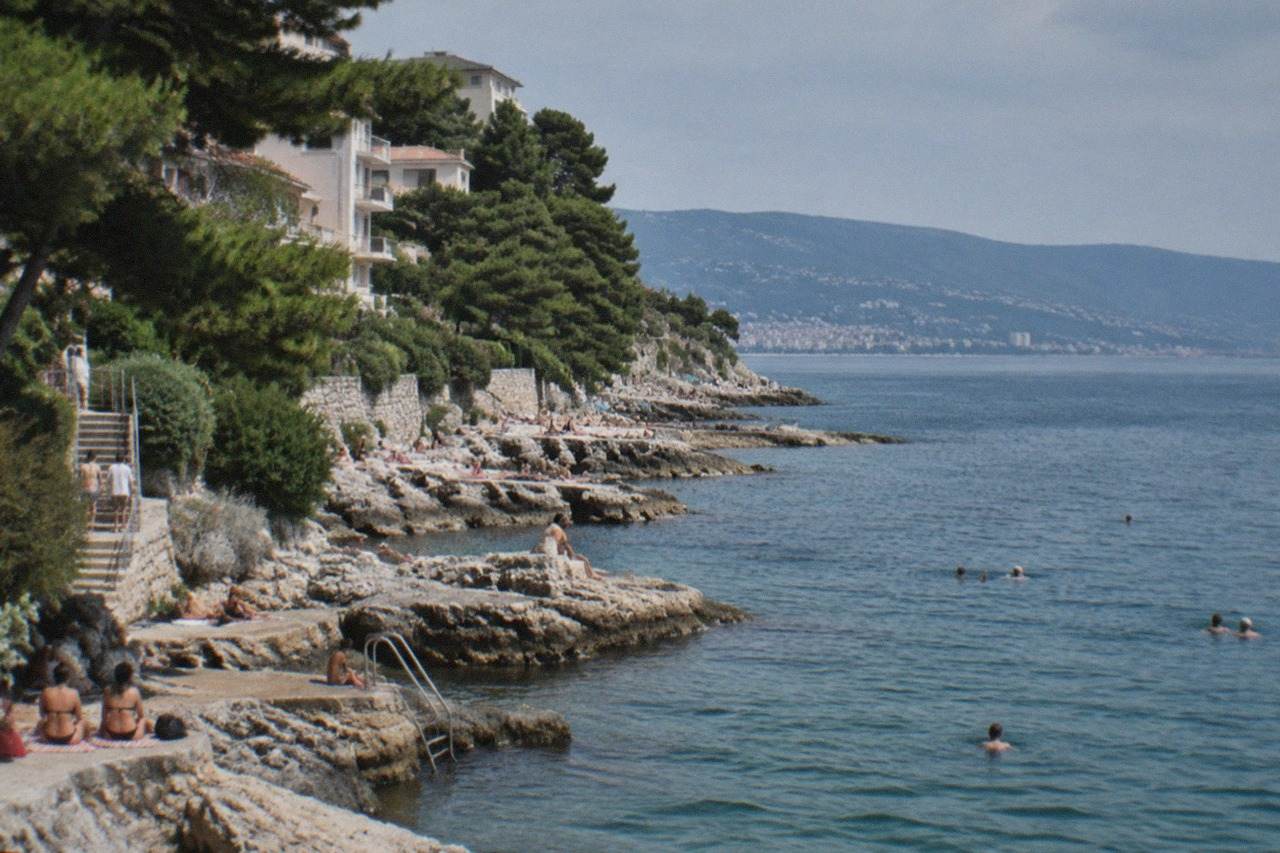
Trieste, the Adriatic port city in Friuli Venezia Giulia in the north-east of Italy, gets asked this question more often than you might expect, and the honest answer is more interesting than a simple yes or no. The city is not a resort: its waterfront is a working harbour, its "beaches" are mostly concrete platforms, pebble shores and rocky ledges, and the sea in front of the city sits in a narrow gulf rather than an open bay. And yet people swim here all summer, the August sea is warmer than most visitors expect, and the coastline a short way out of town, at Barcola, Sistiana and up towards Duino, is genuinely beautiful. Whether that adds up to a beach holiday depends on what you want from the phrase, so this page breaks it down with the actual numbers.
Is Trieste Good for a Beach Holiday?
Yes, but as a city break with swimming attached rather than a lie-on-the-sand resort trip. Trieste, Italy, has no sandy city beach, and its shore is concrete, pebble and rock, but the Adriatic gulf warms to 25.9 C in August and stays at 23.9 C in September, the seafront at Barcola fills with swimmers and sunbathers all summer, and the limestone coast towards Sistiana and Duino is striking. Come for the caffès and Habsburg streets, and treat the sea as a daily bonus.
That framing matters because the two halves of a Trieste holiday reinforce each other in a way few Italian cities manage. The same gulf that keeps the summer air moderate also gives the city its whole identity: the Rive seafront, Molo Audace, the Barcola lungomare, the sailing culture that culminates in the Barcolana regatta every October. A beach holiday here is a swimming-and-city holiday, and the visitors who enjoy it most are the ones who accept that on day one.
There is also a practical reason the question gets asked at all. Trieste sits at the top of the Adriatic, and the sea in front of it behaves differently from the Mediterranean stereotype: ARPA's station tables for the molo Fratelli Bandiera show a real seasonal swing, from a February mean of 10.5 C to an August peak of 25.9 C. That is a bigger swing than most Italian coastal cities, and it means the timing of your trip matters more here than in, say, Sicily.
When Is the Sea Warm Enough to Swim in Trieste?
ARPA's monthly tables for Trieste show the sea at 17.9 C in May, 23.1 C in June, 25.9 C in July and again 25.9 C in August, then 23.9 C in September and 20.3 C in October, so mid-June through September is the comfortable swimming window. The gulf also holds its heat: September's water is warmer than June's despite the shorter days, because the sea lags behind the air. October is swimmable at the start of the month but marginal by the end.
Here are the actual monthly figures from the station tables, alongside the rain and wind numbers that decide whether a beach day is pleasant or not. Note that the sea-temperature series is a different source from the land figures: it comes from ocean reanalysis rather than the waterfront station itself, and ARPA presents them separately.
| Month | Mean sea temp | Mean high air temp | Rain mm | Days with a gust over 72 km/h |
|---|---|---|---|---|
| May | 17.9 C | 21.7 C | 75.0 | 2.7 |
| June | 23.1 C | 25.8 C | 62.5 | 2.2 |
| July | 25.9 C | 28.2 C | 53.8 | 3.3 |
| August | 25.9 C | 28.1 C | 71.7 | 2.9 |
| September | 23.9 C | 23.9 C | 102.3 | 3.5 |
| October | 20.3 C | 19.6 C | 88.6 | 4.0 |
Two things in that table surprise people. July is the second-driest month of the entire year at the molo, at 53.8 mm, wetter only than the autumn shoulder, and June is the calmest month for wind in the whole station series. The lazy assumption that a northern Adriatic city is rainy and grey in high summer is simply not what the data shows: the wettest month in Trieste is November, at 109.8 mm, when nobody is swimming anyway.
The other surprise is September. Because the sea retains heat, the water in early September is often more comfortable than in mid-June at the same air temperature, and the crowds thin after the first week. If your beach criteria are "warm water and a city still fully open", early September is arguably the best single slot for a Trieste trip, and it pairs naturally with a longer stay, since three days is enough for the city itself but a beach week uses them differently.
What Are Trieste's Beaches Actually Like?
Trieste's own shore is concrete and rock, not sand: the city's swimming happens at Barcola, the seafront promenade north of the centre where people lay towels on the paved platforms and ledges, and at the Bagno Marino La Lanterna at Pedocin, the historic bathing establishment on the city side of the harbour. The water is clear, the setting is gulf-and-hills rather than dunes, and the sandy alternatives are a drive up the coast towards Sistiana and beyond.
Barcola is the heart of it. The lungomare that runs from the city out along the gulf is where Trieste swims, sunbathes and gathers for sunset, and on summer days the flat rocks and paved shelves are packed with locals rather than tourists, which tells you the sea is genuinely used rather than photographed. The water drops off quickly, it is clean, and the view back towards the city and the hills of the Carso is part of the experience. Pedocin, meanwhile, is a piece of Trieste's social history: a pay-a-nominal-fee bathing establishment with separate men's and women's sections that has been in continuous use for over a century, and it is the most local swimming spot in the city.
The one thing to accept is the surface underfoot. If your beach holiday needs sandcastles, Trieste city will disappoint you, and you should plan around it: the coast at Sistiana, up the gulf towards Duino, is the closest stretch with a more conventional beach character, and there is a genuinely secluded option covered in our piece on the secret beach near Trieste. The compensating advantage is that Trieste's shore is never private or resort-owned: the seafront is public, free to walk and swim along, and the same gulf you swim in is the one you look at from Piazza Unità d'Italia at dinner.
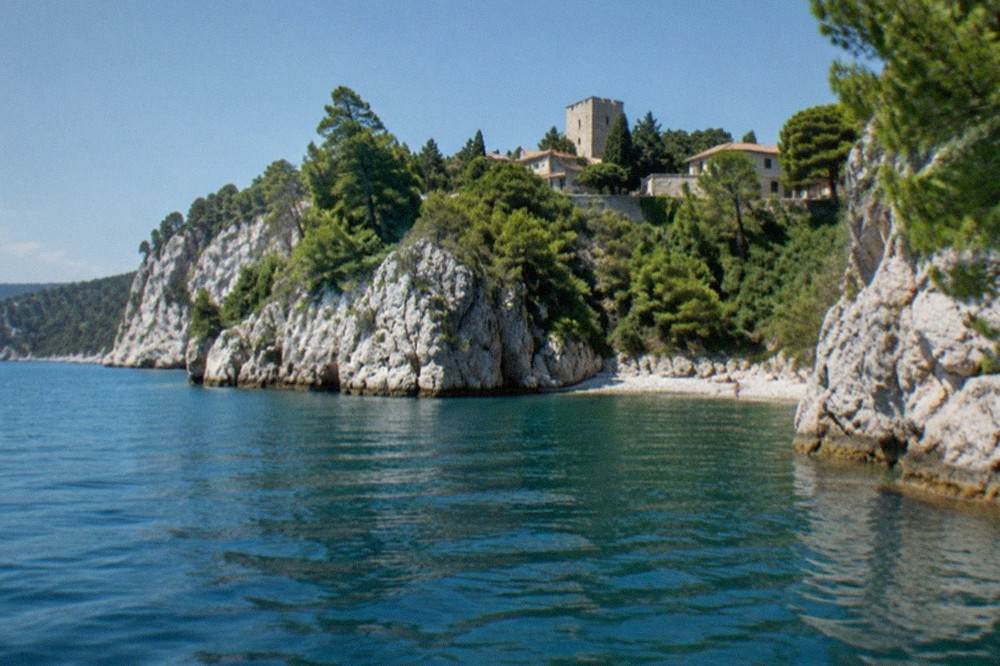
The best way to understand what this coast is, if you have never seen limestone falling into the Adriatic, is from the water itself. A guided kayak trip along the Duino coast paddles the exact shoreline a Trieste beach holiday is built around, beneath the castles, with a small group and a guide: Check availability.
Does the Bora Wind Ruin a Trieste Beach Trip?
The bora, the cold north-easterly that funnels down the gulf, is a real winter and shoulder-season factor in Trieste, but ARPA's station tables show June is the calmest wind month of the year and summer averages only two to three days a month with a gust over 72 km/h. In July and August a strong bora day is the exception, not the rule. No official wind threshold exists at which Trieste's seafront closes or swimming is banned, because none has been published.
The wind is the reason Trieste's seafront has ropes strung along the Rive in winter, and it is the reason October's Barcolana regatta exists at all: the autumn is when the wind and the sailing culture collide. But for a summer beach visitor the numbers are on your side. The station series, 1995 to 2024, averages 49 days a year with a gust over 72 km/h and 17.6 days over 90 km/h, and those days are concentrated from November through March, peaking in February. The all-time peak gust in the series is 168.1 km/h, recorded in February 2012, and the monthly record exceeds 110 km/h in every single month of the year, so a freak windy day is never impossible, but June, July and August are the three calmest slots on the calendar.
What no source will give you, and you should be suspicious of any page that does, is a wind speed at which the beach "closes". No such published cutoff exists from the city, the port authority or the meteo agency: strong episodes disrupt ferries and waterfront activity in proportion to their strength, and the authorities respond in real time rather than to a fixed number. The practical advice is simply to check the marine forecast on the day, and to remember that a bora day is usually also a brilliantly clear day, with the gulf scoured clean and the coastline of Slovenia visible across the water.
Can You Combine a Trieste Beach Stay with Coastal Day Trips?
Yes, and this is where Trieste punches above its weight as a beach base: the Slovenian coast at Piran and Portorož and the Croatian coast further down Istria are easy day trips from the city, all using the euro and all inside Schengen, though Italy's temporary border checks with Slovenia, running through 18 December 2026, mean you should carry a passport or national ID card. Trieste's own gulf, the Slovenian shore and the Istrian beaches together give you three coastlines in one trip.
The border facts matter here because they are widely misstated. Croatia adopted the euro and joined Schengen on the same day, 1 January 2023, and Slovenia has been in both since 2007, so there is no currency to change and no routine passport control on any of these routes. The one live exception is the one at Trieste's own doorstep: Italy is running temporary internal border checks on its land border with Slovenia, currently listed through 18 December 2026, which is why the standard advice for a Piran or Portorož day trip is to bring ID and treat the crossing as quick but not guaranteed invisible. If your beach-holiday imagination includes island ferries rather than coastal drives, the practical options are covered in our answer on the ferry from Trieste to Croatia.
For planning, the honest comparison is between staying put and moving along the coast, and the trade-offs look like this:
| Option | What the water is like | What you give up |
|---|---|---|
| Swim in Trieste city (Barcola, Pedocin) | 25.9 C in August, clear, drops off quickly, concrete and rock underfoot | Sand, and resort facilities |
| Day trip to the Slovenian coast (Piran, Portorož) | Same gulf system, small historic beach town, more conventional beach character | Half your day to travel; bring ID for the border checks |
| Base in Trieste, tour the coast by boat or kayak | The limestone cliffs and castles of the Duino shore, seen from the water | Nothing, if you like your beaches scenic rather than soft |
That third row is the one most visitors miss. The stretch of coast between Trieste and Duino is the most dramatic shoreline within reach of the city, and the organised trips that cover it, by kayak or by small-group coastal tour with food and wine, turn "Trieste has no sandy beach" from a complaint into a reason to go: the beach here is a cliff, and the cliff is worth seeing at water level.
Common Questions About Beach Holidays in Trieste
Is Trieste good for a beach holiday?
As a swimming-and-city break, yes: the sea reaches 25.9 C in August, Barcola and Pedocin are in daily local use all summer, and the coast towards Sistiana and Duino is striking. As a classic sandy resort trip, no: the city's own shore is concrete, pebble and rock, and the sandy alternatives involve travelling out of town.
Is the sea in Trieste clean enough to swim in?
Yes, in the normal sense of a working European port city with monitored urban bathing sites. Locals swim from Barcola and Pedocin daily through the summer, which is the most practical indicator there is, and the water drops off quickly to depth. The gulf is a real swimming gulf, not a decorative one.
Which month has the warmest sea in Trieste?
July and August tie at the top of ARPA's monthly table, both at a mean of 25.9 C. September, at 23.9 C, is warmer than June, at 23.1 C, because the sea retains heat after the air has started cooling, which makes early September a quietly excellent swimming window.
Does it rain a lot in Trieste in summer?
No. July is the second-driest month of the whole year at the molo station, at 53.8 mm, and June is the calmest month for wind. The wet months are November, at 109.8 mm, and September, at 102.3 mm, and the September figure is worth knowing if you are chasing that warm late-season water.
Do I need a passport to swim on the Slovenian coast from Trieste?
You need a passport or a national ID card, yes, but not for currency or Schengen reasons: Slovenia uses the euro and is in Schengen. The reason is that Italy is running temporary border checks on its land border with Slovenia, listed by the European Commission's register through 18 December 2026, so carry ID and check the current status before you travel.
The short version: Trieste, Italy, will not give you a beach holiday in the postcard sense, and it will give you something the postcard resorts cannot, warm clean water in a real city, a free public seafront, a coastline of cliffs and castles an hour in either direction, and an August sea as warm as the Mediterranean's. If that trade sounds good, plan it around the swimming window and read more of what Trieste Travel Guide has on the coast before you book.