Where Is the Flixbus Stop in Trieste?
Where long-distance coaches including Flixbus stop in Trieste, Italy, how the autostazione connects to trains, trams and city buses, and what a 2026 urban ticket costs.
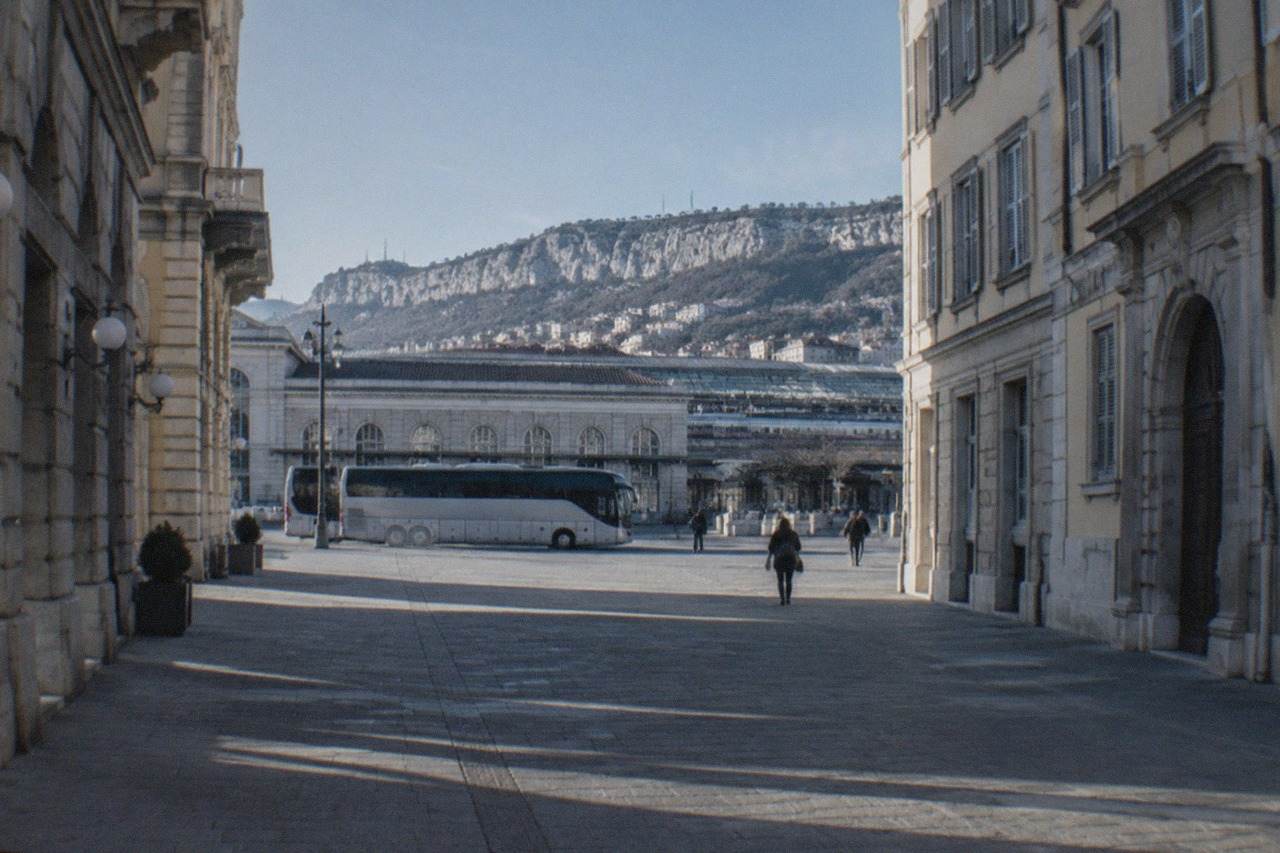
Trieste, Italy, the Adriatic port city in Friuli Venezia Giulia, is a regular stop on the long-distance coach network that links it with cities across Italy and with Slovenia and Croatia across the border. That raises the practical question every arriving passenger has: where exactly does the coach put you down, and what do you do next? The short version is that long-distance coaches, Flixbus among them, use Trieste's coach hub at the autostazione, the city's dedicated bus station, and that from there the whole urban network, the railway station and the Opicina tram are all within easy reach. What follows is the detail: what the stop is, what it connects to, what tickets cost in 2026, and what the border rules are if your coach continues into Slovenia or Croatia.
Where Is the Flixbus Stop in Trieste?
Long-distance coaches arriving in Trieste, Italy stop at the city's autostazione, the dedicated coach station that serves Trieste's long-distance bus network, rather than at a curbside stop scattered around the centre. The operator's own listing and ticket show the exact stop name and address for your specific departure, and that listing is the authoritative source, because stops can change between seasons and between routes. The autostazione is the hub Trieste's cross-border and intercity coaches are confirmed to use.
The important habit is to read your ticket before travel. A booking confirmation names the stop, and that name is what the driver and the departure board will use. Trieste's coach operation is confirmed to run from the city's coach stations and from the intermodal hub at the airport, so a ticket can legitimately show more than one possible Trieste point depending on the route: the city autostazione for most services, or the airport's polo intermodale for airport-based departures. The operator's live listing states which one applies to your journey, and it is the only source worth trusting on the day.
This is Trieste, not a city with a single dedicated "Flixbus terminal" of its own. The coach operator is a carrier among several at the autostazione, sharing the facility with regional TPL FVG services and other long-distance companies. Treat the stop as a shared transport node rather than a branded one, and the arrival makes sense: you step off into a working interchange, with the railway network and the urban bus network both serving the same broad area of the city.
From the autostazione the rest of Trieste opens up quickly. The city is compact and famously walkable, and readers planning their time around the arrival can compare notes on is Trieste a walkable city before deciding whether to bother with a bus at all. For most visitors the honest answer is that the centre, from Piazza Unità d'Italia through Città Vecchia to the Grand Canal, is best covered on foot, and the bus or tram matters mainly for the outer districts, the seafront at Barcola and the hill villages of the Carso.
If your first afternoon is short, a guided introduction is an efficient use of it. A local-led walk can orient you before you strike out alone, and the Trieste city walk with coffee in a historic bar is a popular option that pairs the landmarks with the city's caffè culture.
How Do You Get from the Coach Stop Into Central Trieste?
The coach hub sits in the same transport corridor as Trieste Centrale, the city's main railway station, so the practical connection from a long-distance coach into the centre is either a short walk or a ride on the urban bus network, whose tickets cost EUR 1.50 for 60 minutes or EUR 1.85 for 75 minutes on the 2026 tariff sheet. A day ticket costs EUR 3.35. Contactless bank cards can be tapped directly on board, and the system applies the cheapest applicable fare.
The 2026 urban fares, published on Trieste Trasporti's tariff sheet dated 29 December 2025, are worth knowing before you arrive:
| Code | Ticket | 2026 price |
|---|---|---|
| U01 | Urban single, 60 minutes | EUR 1.50 |
| U02 | Urban single, 75 minutes | EUR 1.85 |
| U24 | Day ticket | EUR 3.35 |
| U10 | 10 rides | EUR 13.50 |
| U20 | 20 rides | EUR 16.65 |
Two details on that table save people money. First, single tickets run 60 or 75 minutes and are extended to 240 minutes on Sundays and public holidays, so a weekend arrival buys far more travel than the nominal duration suggests. Second, the contactless option means you can board any urban bus without visiting a ticket machine first: tap a Mastercard, Visa or American Express card or a digital wallet on the "Eva" reader on board and the fare is charged at the cheapest applicable rate. Visitors who dislike fiddling with ticket machines on arrival should find that a relief.
The same urban ticket also covers a piece of Trieste transport that most competing guides get wrong. The Opicina tram, urban line 2, is running: it was reactivated on 1 February 2025 after the long stop that followed the August 2016 collision, and Trieste Trasporti's line-2 page carries a current timetable dated 20 July 2026. Its city terminus is piazza Dalmazia, not piazza Oberdan, and the published route runs from piazza Dalmazia through piazza Casali, Sant'Anastasio, via Romagna, Vetta Scorcola, Cologna, Conconello and the Obelisco to Opicina, about 5.175 km in total. A standard urban ticket is valid on it, and contactless cards can be tapped on board. Do not let an older guide send you to the wrong square, and check the operator's live status page rather than any printed claim about service on the day you travel.
For the orientation itself, a guided walk remains the fastest way to turn a transport hub arrival into a sense of the city. The guided-walking category is the deepest in Trieste's tour roster, and the related option below is the one this site points arrivals at first.
Should You Book a Tour Before You Arrive?
Booking a guided walk or a castle ticket before your coach arrives is sensible in Trieste, Italy, because the two most time-sensitive visits, Miramare Castle and Grotta Gigante, both involve timed or compulsory-booking entry, and a prebooked tour removes the risk of arriving to find the slot you wanted gone. Free cancellation terms are standard on the operator's live listings, so an early booking costs you nothing if plans change.
The reassurance worth having: the listings this site links to can be cancelled, and payment terms are shown on the operator's page before you commit. Nothing here needs to be decided at a ticket window on the day.
Can You Continue from Trieste by Coach to Slovenia or Croatia?
Yes. Cross-border coaches from Trieste, Italy run to Ljubljana, Piran and Portorož in Slovenia and to Rijeka and Pula in Croatia, and all three countries use the euro, so there is no currency to change. But Italy is running temporary border checks on its land border with Slovenia through 18 December 2026, so carry a passport or national ID card even on a Schengen day trip, and check the operator's site for current timetables rather than relying on printed schedules.
The border picture is where confident guides go wrong, so here is the verified version. Croatia joined the Schengen area and adopted the euro on the same day, 1 January 2023. Slovenia has been in Schengen since December 2007 and in the euro area since 1 January 2007. Italy, Slovenia and Croatia therefore all use the euro and all sit inside Schengen, which kills the money-changing advice that still circulates on older pages. The live exception is at Trieste's own doorstep: the European Commission's register of temporary internal border controls lists Italy as running checks on its land borders with Slovenia from 19 June 2026 to 18 December 2026. That is a dated, temporary measure, and the register, not a travel forum, is the record of it. The rest of the planning pages sit on Trieste Travel Guide.
| Country | Currency | Schengen status | ID for a Trieste day trip |
|---|---|---|---|
| Italy | Euro | Member | Domestic travel, no border check |
| Slovenia | Euro | Member since December 2007 | Passport or national ID card advised |
| Croatia | Euro since 1 January 2023 | Member since 1 January 2023 | Passport or national ID card advised |
Coach frequencies and fares to those destinations were not verified on the operators' own pages, so this site will not print a timetable or a price. What is confirmed is that the services exist, that they depart from Trieste's city coach stations and the airport's intermodal hub, and that the operator's site is where the current schedule lives. If a cross-border coach is the spine of your trip, the day-trip pages in the site's guides section cover the individual destinations in depth, and what to do in Trieste in one day covers the city end of the plan.
What Should You Do in Trieste After Stepping Off the Coach?
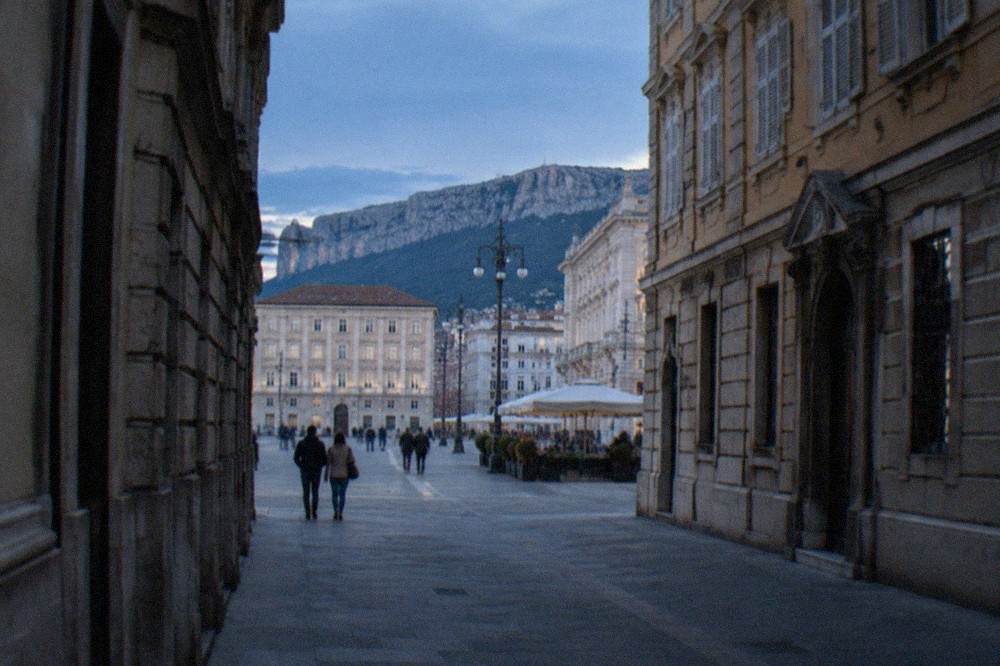
The practical arrival plan in Trieste, Italy is simple: confirm your stop on the ticket, walk or ride the urban network toward the centre, and spend the first hours on the waterfront around Piazza Unità d'Italia, Molo Audace and Città Vecchia, which sit close together and need no transport at all. Save Miramare Castle and the Carso for a second day, since both involve travel outward from the centre and timed entry.
The centre rewards the unhurried approach. Piazza Unità d'Italia opens straight onto the sea, the Molo Audace pier reaches out from it, and the streets behind climb toward the cathedral on the hill of San Giusto. First-time visitors weighing the city against better-known neighbours can read is Trieste in Italy worth visiting and what is Trieste famous for for the fuller case, but the short answer is that the Habsburg-era seafront, the coffee houses and the borderland cuisine justify the coach fare on their own.
For the second-day excursions, the tour roster has the logistics handled. The three options below are the ones this site most often matches to visitors who arrived by long-distance coach and want the outward legs taken care of.
Common Questions About the Trieste Coach Stop
Where Is the Flixbus Stop in Trieste?
Long-distance coaches including Flixbus use Trieste's autostazione, the city's coach station, with some services using the intermodal hub at the airport. The exact stop for your journey is printed on your ticket and shown on the operator's live listing, and that is the source to check before departure.
Is the Coach Stop Far from Trieste's Train Station?
The coach hub and Trieste Centrale sit in the same transport corridor of the city, so arriving passengers connect between long-distance coaches and the railway network without crossing town. Do not rely on a walking time printed on a third-party page; the ticket and the operator's listing carry the addresses, and the city map does the rest.
Do I Need a Separate Ticket for City Buses After Arriving?
Yes. A long-distance coach ticket covers only the coach journey. Urban transport in Trieste runs on Trieste Trasporti's own fares, from EUR 1.50 for a 60-minute single to EUR 3.35 for a day ticket on the 2026 tariff sheet, and contactless cards can be tapped on board without buying in advance.
Can I Take the Opicina Tram from the Coach Stop Area?
The Opicina tram, urban line 2, is running and a standard urban ticket is valid on it, but its city terminus is piazza Dalmazia, not piazza Oberdan as older guides claim. The line was reactivated on 1 February 2025, and the operator's live status page is the place to confirm service on the day.
Do I Need My Passport for a Coach Trip to Slovenia or Croatia?
Carry a passport or national ID card. Italy is running temporary border checks on its land border with Slovenia through 18 December 2026 per the European Commission's register, so even a Schengen day trip from Trieste can meet a check. All three countries use the euro, so there is no currency to change.
Are There Luggage Facilities at the Trieste Coach Stop?
This site has not verified left-luggage provision at the autostazione, so no claim is made here. The operator's listing and the station's own service information are the reliable sources, and many visitors instead plan a straight check-in or use the walkable centre, which needs no bags-free hours to enjoy. For the first hours ashore, what to do in Trieste for 3 days has a route that starts at the seafront.
Arriving by long-distance coach is one of the easier ways into Trieste, Italy: the stop lands you inside a compact, walkable city whose trams, buses and trains all accept the same cheap urban ticket, and whose borders, in the euro and in Schengen, are quieter than the guidebook folklore suggests.