Grotta Gigante in Trieste, Italy: Tickets, Guided Tours and What to Expect
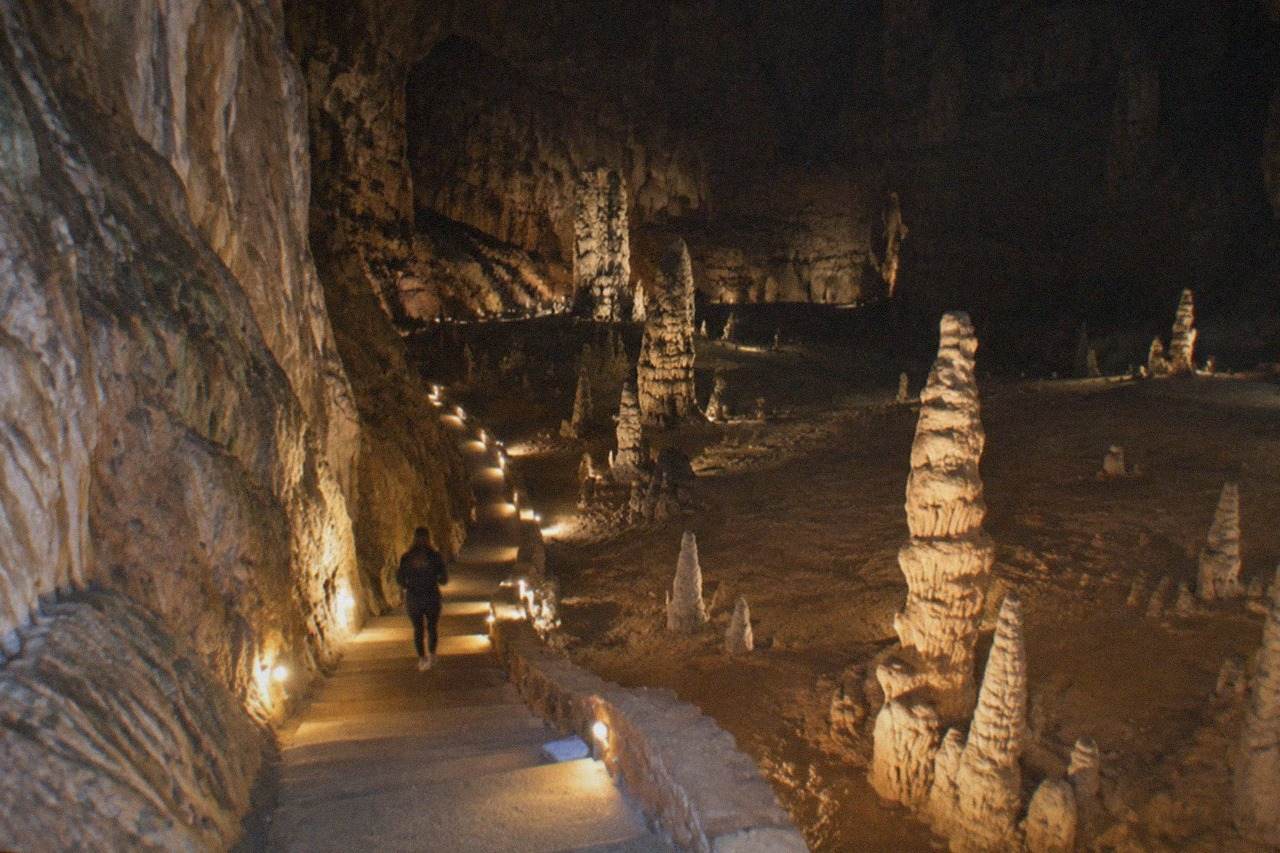
Grotta Gigante is one of the largest show caves in the world, carved into the limestone of the Carso plateau above Trieste in northern Italy, and it can only be visited on a guided tour with a compulsory booking.
Short answer
Grotta Gigante lies at Sgonico on the Carso above Trieste, Italy. Adult tickets cost EUR 15.00, children 6 to 18 pay EUR 8.00 and under 6s enter free. Visits are guided only, with departures at 9:00, 10:00, 11:00, 12:00, 14:00, 15:00 and 16:00, and booking is compulsory. From September to February the cave is closed on Mondays.
Grotta Gigante, the giant cave of Sgonico, sits on the limestone Carso plateau a short drive above Trieste, the Adriatic port city in Friuli Venezia Giulia, northern Italy. It is one of the largest tourist caves on the planet, a single cavern so vast that early surveyors measured it with instruments rather than pacing, and it remains a working scientific site as well as a show cave. The venue's own price list and schedules pages govern everything below: visits are guided only, booking is compulsory, and there is no turn-up-and-wander option of any kind.
What Is Grotta Gigante Near Trieste, Italy?
Grotta Gigante is a huge limestone show cave at Borgo Grotta Gigante, Sgonico, on the Carso plateau behind Trieste in Italy, visited exclusively on guided tours with compulsory booking. The venue's price list charges adults EUR 15.00, reduced EUR 12.00, children aged 6 to 18 EUR 8.00, and under 6s go free. Tours run at fixed departure times seven times a day, and the cave is closed on Mondays from September to February.
The cave belongs to the karst landscape that gives the whole region its name. Water has dissolved the limestone of the Carso over millions of years, leaving a plateau riddled with sinkholes, underground rivers and caverns of every size. Grotta Gigante is the one that was fitted for visitors: a lit path descends into the main chamber, and a guide leads every group down and back up. The venue also runs a museum on the site, and several of the packaged tours sold through the operator's live listing bundle the museum entry with the cave visit.
What you will not find is a self-guided option. The official pages are explicit that guided tours are the only way in, that booking ahead is compulsory, and that the telephone number for reservations is +39 040 327312. The same pages state the seasonal rhythm: from September to February the cave opens Tuesday to Sunday, and from March to August it opens every day, with closures on 25 December and 1 January. Anything you read elsewhere about turn-up tickets or wandering in alone describes a different cave, or a different decade.
Three widely repeated claims do not appear on the venue's own pages and should be treated with caution: the number of steps on the path, the cave's supposedly constant temperature, and the Guinness-record wording attached to the chamber's size. The site's own material simply does not print them. The cavern is enormous by any measure, but this article sticks to figures the venue itself publishes.
How Much Do Grotta Gigante Tickets Cost?
An adult ticket to Grotta Gigante costs EUR 15.00 on the venue's price list. The reduced rate is EUR 12.00 for visitors over 65, university students up to 26, journalists and CAI or SSI members. Children aged 6 to 18 pay EUR 8.00, under 6s are free, and families with two or more children aged 6 to 18 pay EUR 6.00 per child. Groups of 15 or more pay EUR 12.00 each.
| Ticket | Price |
|---|---|
| Adult | EUR 15.00 |
| Reduced (over 65, students to 26, journalists, CAI/SSI members) | EUR 12.00 |
| Children 6 to 18 | EUR 8.00 |
| Children under 6 | Free |
| Family rate, per child (two or more children aged 6-18) | EUR 6.00 |
| Groups of 15 or more, per person | EUR 12.00 |
| Over-65, CAI or student groups, per person | EUR 10.00 |
| Schools, per pupil | EUR 6.00 |
| Private tour supplement, per group | EUR 50.00 |
The group column deserves a second look, because it is where the savings are. A private tour costs the full price of every ticket plus a flat EUR 50.00 supplement for the group, which makes sense for a family or a group of friends who want the guide to themselves. School parties pay EUR 6.00 per pupil, the cheapest rate on the sheet. The regional FVG Card also appears on the venue's own pages as giving free entry, including one child under 12, though this site does not quote the card's own price because it could not be verified at source.
Booking is the part people get wrong. Because every visit is guided and the departure slots are fixed, a full slot means no entry, and the venue asks for reservations by phone at +39 040 327312 or by email at info@grottagigante.it. If you would rather not handle the call in Italian, a packaged option solves it: the guided tour with museum entry sold through the operator's live listing, from $17.20 per person and rated 4.78 from 151 reviews over a one-hour visit, includes the reservation for you.
What Are the Opening Hours and Tour Departure Times?
Guided tours depart at 9:00, 10:00, 11:00, 12:00, 14:00, 15:00 and 16:00, seven fixed slots a day, and each visit is guided only. From March to August the cave opens every day. From September to February it opens Tuesday to Sunday and is closed on Mondays. The cave is also closed on 25 December and 1 January, and booking is compulsory for every departure.
| Period | Days open | Departure times |
|---|---|---|
| March to August | Every day | 9:00, 10:00, 11:00, 12:00, 14:00, 15:00, 16:00 |
| September to February | Tuesday to Sunday (closed Monday) | 9:00, 10:00, 11:00, 12:00, 14:00, 15:00, 16:00 |
| 25 December | Closed | None |
| 1 January | Closed | None |
The Monday closure in the cooler half of the year catches out a remarkable number of visitors, because the Carso is exactly the kind of place people slot into a quiet weekday. Plan around it: a Monday between September and February is better spent on the Rilke Trail above Duino Castle or in the city at San Giusto Castle and hill, both of which keep different weekly rhythms.
The noon slot is the one that tends to fill first in high season, according to the venue's own booking guidance, so if you are set on a particular departure, reserve it rather than assuming a place will be waiting. The gap between 12:00 and 14:00 is the guides' own break, which is why there is no 13:00 tour.
Because the visit is a guided hour, the tour products built around the cave keep the same shape. The standard guided tour with museum entry runs about one hour; the packaged day trips that add the cave to a wider Carso itinerary run considerably longer, and those are covered further down this page.
Do You Need to Book a Grotta Gigante Tour in Advance?
Yes, booking is compulsory for every visit to Grotta Gigante, because the venue runs guided tours only at fixed departure times and admits no self-guiding visitors at all. Reservations go through the venue directly at +39 040 327312 or info@grottagigante.it, or through a packaged tour listing that includes the museum. Turning up without a reservation risks finding your chosen departure slot already full.
The practical question is which route suits you. Booking direct costs the published ticket price and nothing else, but it puts you in an Italian-language booking conversation and leaves you to organise your own transport to Sgonico. A packaged listing does the reservation for you, adds the museum entry, and on several products adds transport from Trieste as well. For a traveller without a car, that second part matters more than the first: the cave is not on a walkable route from the centre, and the tram and bus options are covered in the transport section below.
One reassurance worth having in writing: most packaged listings for the cave carry free cancellation up to a day or so before the visit, so booking ahead does not lock you into a weather forecast you have not seen yet. Check the terms on the listing itself before relying on it, because the operator's live listing is the only place the current conditions are stated.
What Will You Actually See Inside the Cave?
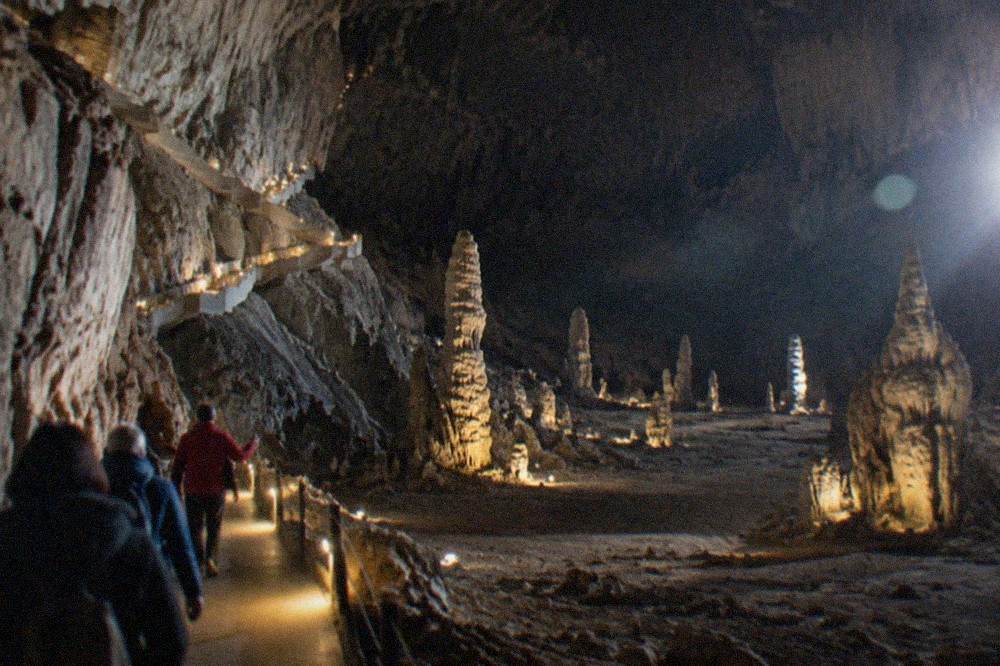
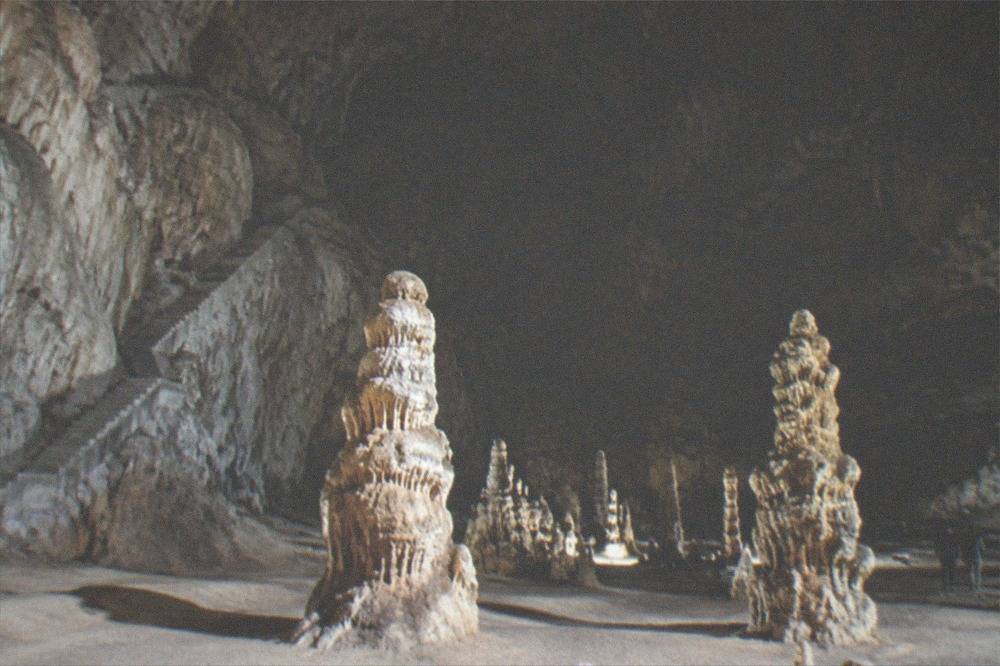
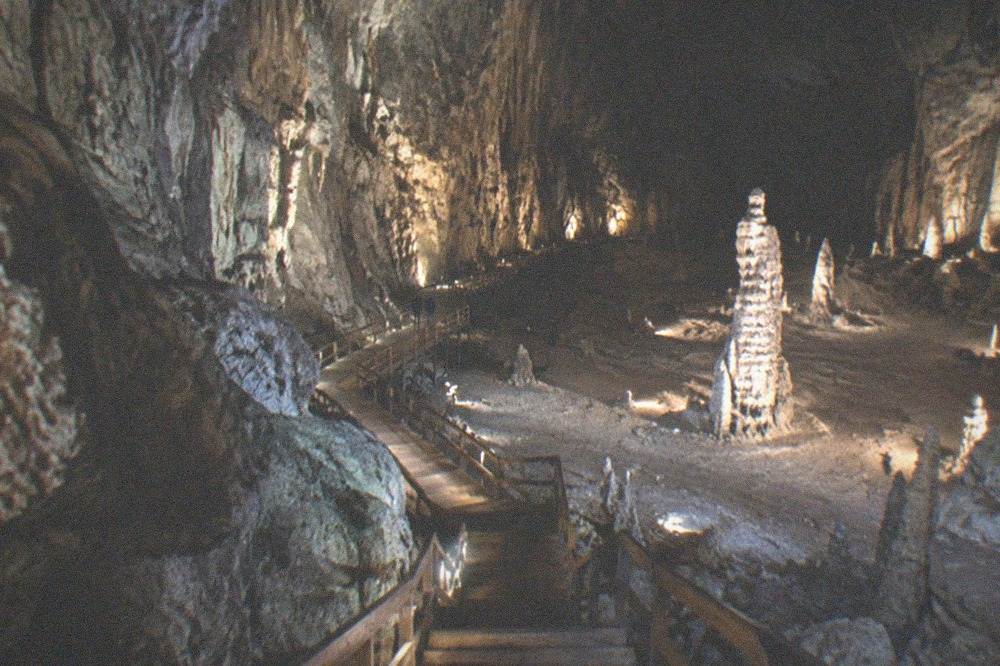
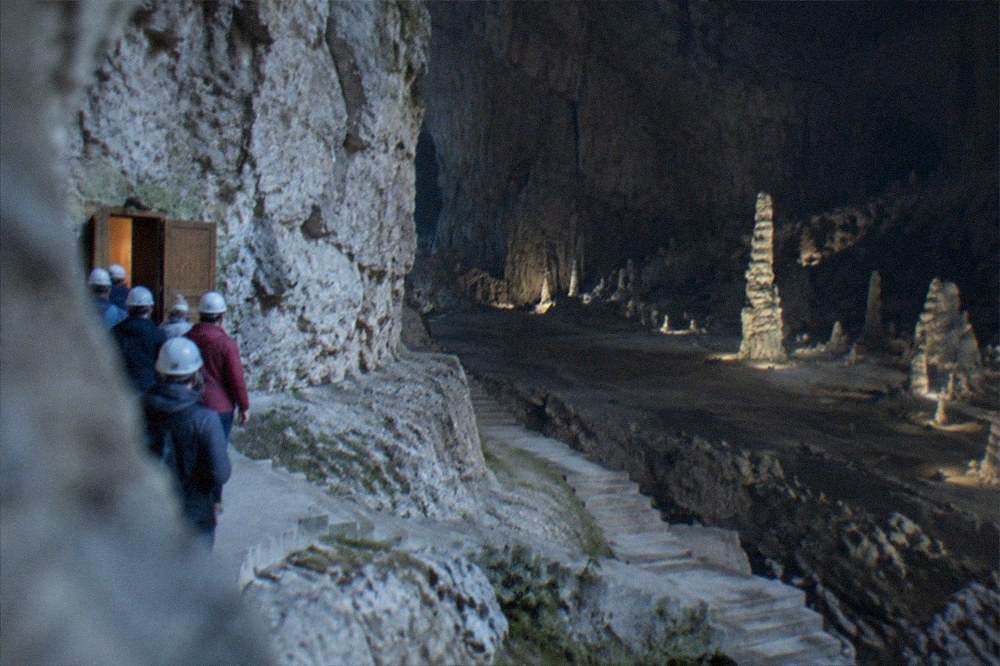
You will see a single cavern of extraordinary dimensions, reached by a lit path that descends into the main chamber, with stalagmites, flowstone and rimstone pools along the route, all explained by a guide over roughly one hour. The visit is a guided loop with no branching galleries, and the same guide leads the group down and back up. The venue also runs a museum on the surface, included in several packaged tours.
The chamber itself is the draw. The early surveyors of the cave were faced with a room so wide that ordinary tape measures were useless, and the solution they adopted, instruments set up on the cavern floor, is part of the site's scientific history. Speleologists still work in and around the cave system, and the site doubles as a research station, which is one reason the visit stays firmly on the lit path with a guide. Other pages covering the same trip are gathered on Trieste Travel Guide.
The formations are classic Carso limestone. Stalagmites rise from the floor in tiers, flowstone sheets drape the walls, and the lighting is arranged to show the scale of the room rather than to colour it artificially. The path is steep in sections, which is the honest thing to flag: this is a walk down into a hole in a plateau and back out of it, not a stroll. Wear shoes with grip, and take a layer, because cave air feels cool against a summer afternoon on the plateau even without quoting a temperature figure this site cannot verify.
The museum on the surface covers the geology of the Carso and the history of the cave's exploration and survey. It is modest by city-museum standards, but it is the part of the visit that puts the cavern in context, and the packaged tour that bundles cave and museum together is the cheapest way to see both on one ticket. For a contrast with Trieste's city museums, the Museo Revoltella and the Civic Museum of Natural History make good companions, the latter covering the karst landscape above ground.
How Do You Get to Grotta Gigante from Trieste?
The cave sits at Borgo Grotta Gigante, Sgonico, on the Carso plateau above Trieste, and there is no single verified door-to-door journey time this site can print. The practical routes are a car up onto the plateau, a packaged tour with transport included, or public transport part of the way followed by the last stretch on foot or by taxi. Check the operator's own route planner for the live connection rather than a cached timetable.
What can be stated with certainty is the tram situation, because almost every competing guide gets it wrong. The tram de Opicina, urban line 2, is running: it was reactivated on 1 February 2025 after the long stop that followed the August 2016 collision, and Trieste Trasporti's own line-2 page carries a current timetable, piazza Dalmazia to Opicina, dated 20 July 2026. Its city terminus is piazza Dalmazia, not piazza Oberdan, and the published route runs piazza Dalmazia, piazza Casali, Sant'Anastasio, via Romagna, Vetta Scorcola, Cologna, Conconello, Obelisco, Opicina, about 5.175 km. It is part of the ordinary urban network, so a standard Trieste urban ticket is valid and contactless cards can be tapped on board. Do not let any older source tell you the tram is closed.
| Code | Ticket | Price |
|---|---|---|
| U01 | Urban single, 60 minutes | EUR 1.50 |
| U02 | Urban single, 75 minutes | EUR 1.85 |
| U24 | Day ticket | EUR 3.35 |
| U10 | 10 rides | EUR 13.50 |
| U20 | 20 rides | EUR 16.65 |
Those fares come from the tariff sheet dated 29 December 2025, and singles are extended to 240 minutes on Sundays and public holidays. The same urban ticket covers the tram. What the tariff sheet does not settle is the connection from any tram stop to the cave itself, so treat the last stretch as a planning item: the venue's own directions page and the operator's route planner are the live sources, and a packaged tour with transport sidesteps the question entirely.
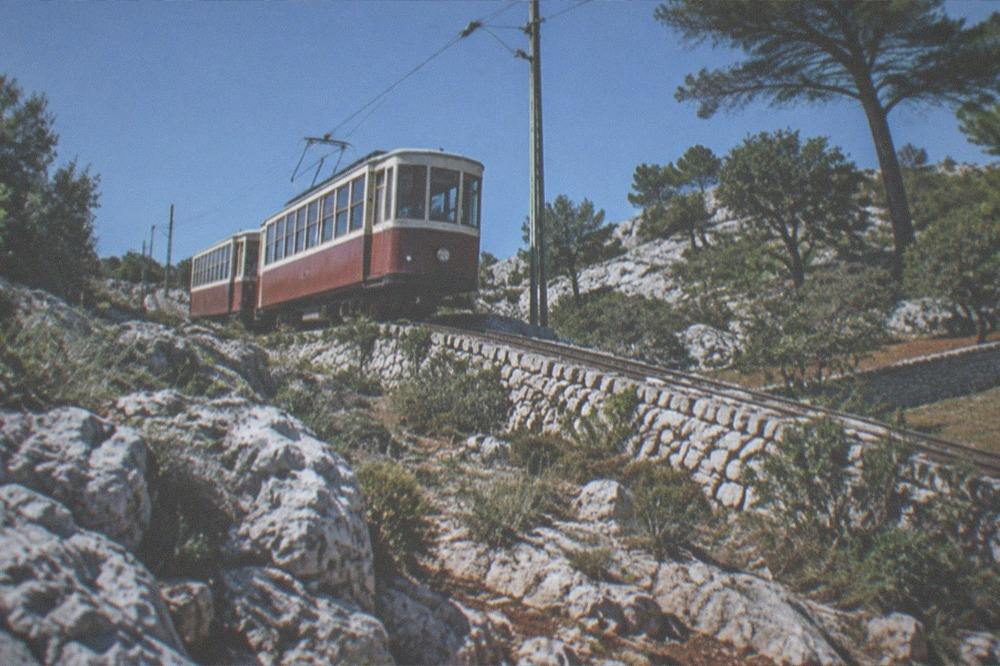
The tram ride is worth taking even if you reach the cave another way. The line climbs the escarpment with the Gulf of Trieste falling away behind it, and the Opicina tram and obelisk page on this site covers the route and the viewpoint at the top in detail. Combining a tram ascent with a cave visit is one of the best full days the plateau offers.
How Does Grotta Gigante Compare with the Other Karst Caves?
Grotta Gigante is the closest big cave to Trieste and the cheapest of the three headline karst visits, at EUR 15.00 for an adult. Postojna Cave in Slovenia, reached on packaged tours from around $137.57 per person, is the largest and most theatrical system. The Škocjan Caves, a UNESCO-listed site usually combined with the Lipica stud farm from around $129.93 per person, offer a dramatic river canyon underground rather than a single vast chamber.
| Cave | Country | Adult entry | Packaged tour from Trieste | Tour rating |
|---|---|---|---|---|
| Grotta Gigante, Sgonico | Italy | EUR 15.00 | From $17.20 with museum entry | 4.78 from 151 reviews |
| Postojna Cave | Slovenia | On the venue's own pages | From $137.57 with Predjama Castle | 4.76 from 543 reviews |
| Škocjan Caves | Slovenia | On the venue's own pages | From $129.93 with Lipica stud farm | 4.86 from 23 reviews |
The honest framing is that these are three different experiences rather than three versions of one. Grotta Gigante is the local one: a single colossal chamber, a short guided hour, a museum, and no border to cross. Postojna is a full production, with a cave railway and long galleries, and the packaged day trip from Trieste adds Predjama Castle, the cave castle built into a cliff face. Škocjan is the wildest of the three, a UNESCO natural and cultural site where the guided route crosses above an underground river gorge.
If caves are the whole point of your trip, the Postojna and Predjama pairing is the strongest single day out: the listing describes Postojna as the best-known cave in the world and Predjama as the only preserved cave castle in Europe, and the tour runs about six hours with transport from Trieste included. Check availability on the operator's live listing for the current departure days.
Can You Combine the Cave with Other Trieste Sights?
Yes, and the cave pairs naturally with the Carso plateau above Trieste rather than with the city centre. The strongest combinations are the Opicina tram ride up the escarpment, the Rilke Trail and Duino Castle on the coast side of the plateau, and an osmiza stop for farm wine and food, signposted by a frasca branch at the turning. In the city itself, San Giusto Castle, the Revoltella and Miramare each keep their own hours and prices.
| Trieste sight | Adult entry | Hours to check before you go |
|---|---|---|
| Grotta Gigante, Sgonico | EUR 15.00 | Tuesday-Sunday September to February, daily March to August |
| Castello di San Giusto | EUR 7.00 | Daily 10:00-19:00 to 11 October, then Tuesday-Sunday 10:00-17:00 |
| Museo Revoltella | EUR 8.00 | Daily 10:00-19:00, closed Tuesdays |
| Castello di Miramare | EUR 17.00 | Every day 9:00-19:00, park free |
| Risiera di San Sabba | Free | Daily 9:00-19:00 to 11 October, then 9:00-17:00 |
| Cattedrale di San Giusto | Free | Weekdays 8:00-18:30, Sundays 9:00-19:30 |
A plateau day works like this: take the tram up from piazza Dalmazia, spend the middle of the day at the cave on a reserved departure, and come back down through the Carso villages. The osmize are the wildcard. An osmiza is a farm on the Carso selling its own wine and simple home produce direct from the property for a limited period, under a Habsburg-era right; the name comes from the Slovene word osem, eight, for the eight days originally allowed. Today the open days are notified to the local authority rather than fixed, the calendar changes constantly, and the de facto listing of which farm is open when lives at osmize.com. An open osmiza is signposted by a frasca, a leafy branch hung at the turning, so keep an eye out on the road between the cave and the city.
The wine question has a trap in it that this site will not let you fall into. Prosecco is a village on the Carso above Trieste and also a wine, and the two must never stand for each other: Trieste is not in the Prosecco DOC, and the village is not where the sparkling wine comes from. The Carso's own wines are Vitovska, Malvasia and Terrano, and those are what an osmiza pours.
What Should You Wear and Bring to Grotta Gigante?
Wear closed shoes with grip and bring a light layer for the underground hour, because the path down into the cavern is steep in sections and cave air feels cool against a summer day on the plateau. Bring your booking confirmation for the reserved departure, and arrive early enough at the entrance building to check in before the slot leaves. Photography is on the guide's terms, so ask at check-in rather than assuming.
The steep path is the one physical fact about the visit that needs no verification beyond the venue's own description of a descent into the chamber and a climb back out. Small children manage it, but it is not a pram-friendly route, and the family ticket rate exists precisely because the cave is a popular outing for local families. The under-6 free entry makes the arithmetic easy for parents deciding whether the youngest member of the party will manage the walk.
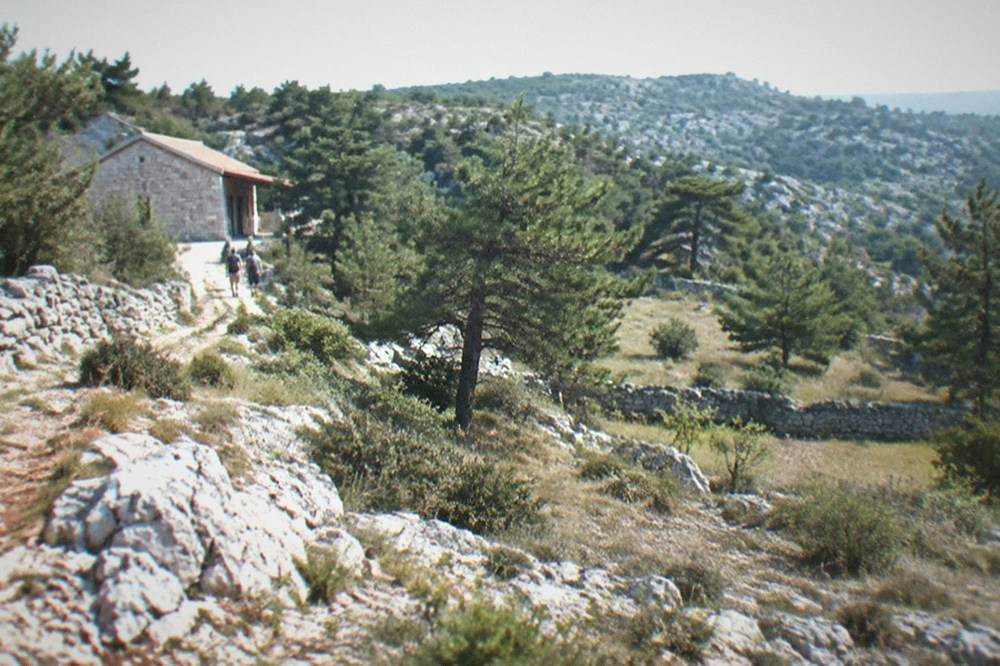
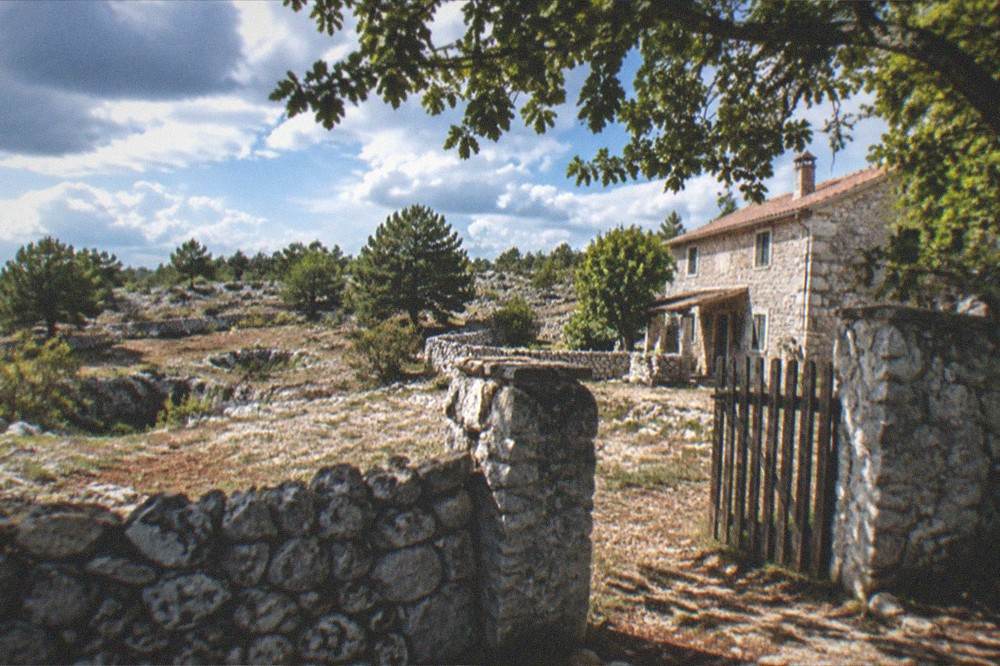
For the surface part of the day, the Carso plateau is exposed: sun in summer, a cutting wind when the bora blows, and very little shade anywhere on the limestone. The bora is Trieste's famous east-north-east wind, gusting past 100 km/h on strong days, and ARPA's station tables for the molo Fratelli Bandiera record an all-time peak gust of 168.1 km/h in February 2012. There is no published wind threshold at which anything in the city closes, so do not believe any source that quotes one; just check the forecast and take a windproof layer between roughly November and March.
If a cave hour leaves you wanting a fuller excursion, the Ljubljana and Lake Bled day trip from Trieste runs about nine hours with round-trip transport and a guided tour in Italian and English, from $108.91 per person and rated 4.69 from 544 reviews. Slovenia uses the euro and sits in Schengen, but carry a passport or national ID card, because Italy is running temporary checks on the land border with Slovenia through 18 December 2026.
Common Questions About Grotta Gigante
How much does Grotta Gigante cost?
The venue's price list charges adults EUR 15.00, reduced EUR 12.00 for visitors over 65, university students to 26, journalists and CAI or SSI members, children 6 to 18 EUR 8.00, and under 6s free. Families with two or more children aged 6 to 18 pay EUR 6.00 per child, and groups of 15 or more pay EUR 12.00 each.
Do you need to book Grotta Gigante in advance?
Yes. Booking is compulsory for every visit because the cave is guided only, with fixed departures at 9:00, 10:00, 11:00, 12:00, 14:00, 15:00 and 16:00. Reserve at +39 040 327312 or info@grottagigante.it, or book a packaged tour that includes the reservation and museum entry.
Is Grotta Gigante open on Mondays?
From September to February the cave is closed on Mondays and opens Tuesday to Sunday. From March to August it opens every day. It is also closed on 25 December and 1 January.
Can you visit Grotta Gigante without a guide?
No. The venue's own pages state that visits are guided only and booking is compulsory. There is no self-guided option and no wandering route inside the cavern.
How long does a Grotta Gigante tour last?
The guided visit lasts about one hour, which is the duration the packaged tour with museum entry also lists. Allow extra time for the museum on the surface if your ticket includes it.
How do you get from Trieste to Grotta Gigante?
The cave sits at Borgo Grotta Gigante, Sgonico, on the Carso plateau above Trieste. Options are a car up onto the plateau, public transport with a final stretch to arrange, or a packaged tour with transport included. The Opicina tram, running from piazza Dalmazia since 1 February 2025, climbs the escarpment on the ordinary urban ticket and makes a fine start to a plateau day.
Whatever route you choose, reserve the departure first and build the day around it: the cave keeps a strict timetable, the plateau around it rewards the hours on either side, and the descent into one of the world's largest show caves is the kind of hour that justifies the climb back out.