Civic Museum of Natural History, Trieste, Italy: What to See and How to Plan a Visit
The Civic Museum of Natural History is one of Trieste's quieter cultural institutions, and this guide sets it in the context of the city's wider museum scene, with verified prices, opening patterns and planning data for Trieste, Italy.
Short answer
The Civic Museum of Natural History in Trieste, Italy, is a natural history collection housed in the city's museum quarter. Check the museum's own page for current hours and admission before you go, because this guide does not print an unverified price. Pair it with the Revoltella, San Giusto and Miramare using the verified figures below.
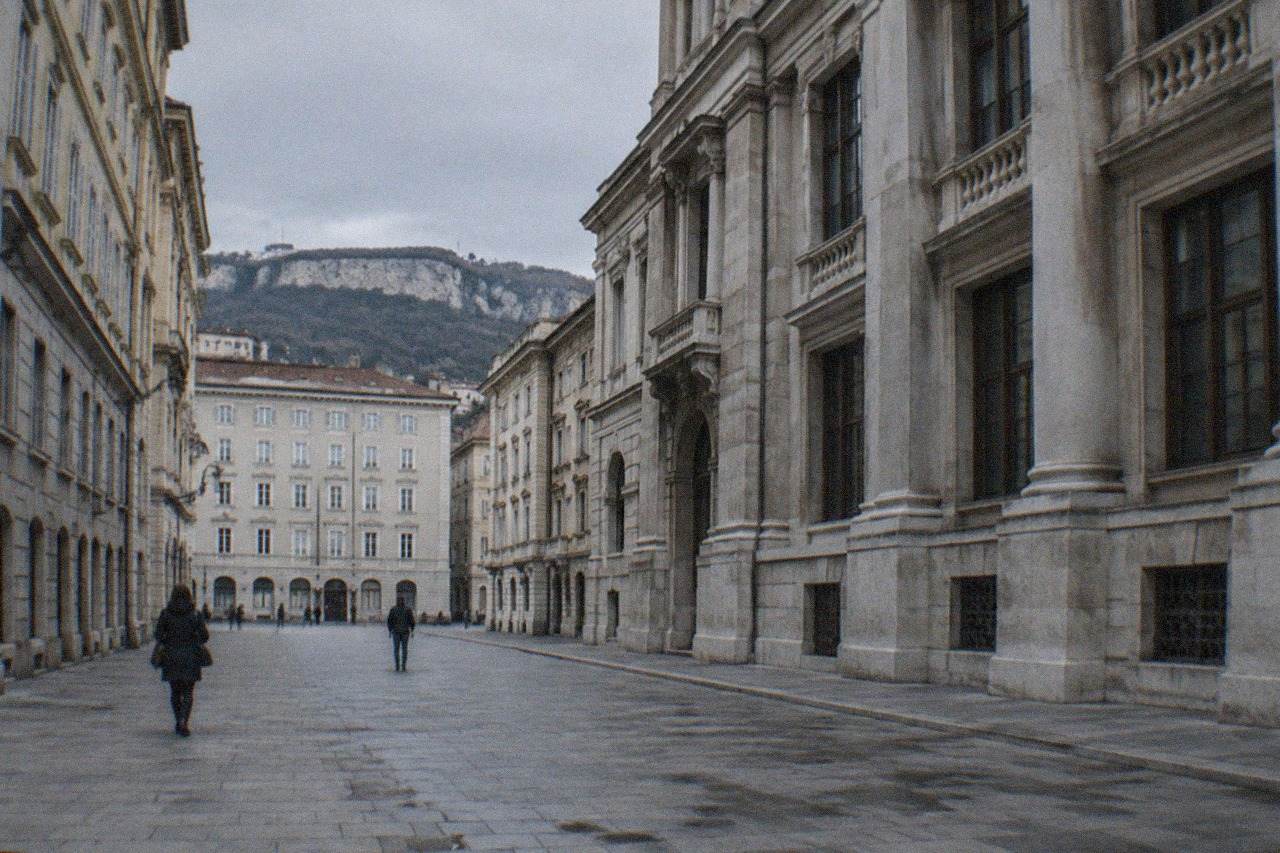
Trieste, Italy, keeps its natural history collection in the Civic Museum of Natural History, a civic institution that sits inside a city better known for its Habsburg squares, its coffee houses and its seafront. That imbalance is exactly why the museum interests planners: it belongs to a cluster of Trieste museums that can fill a full day, and it gives a scientific counterweight to a city whose story is usually told through empires, ports and literature. This guide sets the museum in its context, explains what kind of collection it holds, and gives you the verified planning data, prices, transport fares and climate figures, that a museum day in Trieste actually needs.
One honesty note before anything else. The verified facts pack for this page contains confirmed prices and hours for the Revoltella, San Giusto, Miramare, the Risiera di San Sabba, the Cathedral of San Giusto and Grotta Gigante, but no confirmed admission price or opening hours for the Civic Museum of Natural History itself. Rather than invent a figure, this guide tells you where the verified numbers exist and where they do not, and points you at the museum's own published page for the two details that change most often. Everything with a number in it below comes from a verified source attached to that exact subject.
What Is the Civic Museum of Natural History in Trieste?
The Civic Museum of Natural History in Trieste, Italy, is the city's civic collection documenting the natural world of the region: its minerals, fossils, plants and animals, housed in a museum quarter that also holds the Revoltella modern art gallery and the Museo Sartorio. It is a traditional natural history institution rather than an interactive science centre, and it exists to preserve and exhibit the natural heritage of Friuli Venezia Giulia and the Adriatic that Trieste sits on.
That last point matters more here than in most cities. Trieste sits at the foot of the Carso, the limestone karst plateau that rises directly behind the city, and on a gulf whose sea temperature, wind and tide have been measured longer than almost anywhere else in the Mediterranean. A natural history museum in this position has a genuinely distinctive subject: caves, karst geology, bora winds and the marine life of the northern Adriatic. The plateau's most famous cavity, Grotta Gigante, has its own guide on this site at Grotta Gigante, and the karst itself is covered in the Carso plateau guide's neighbouring pages.
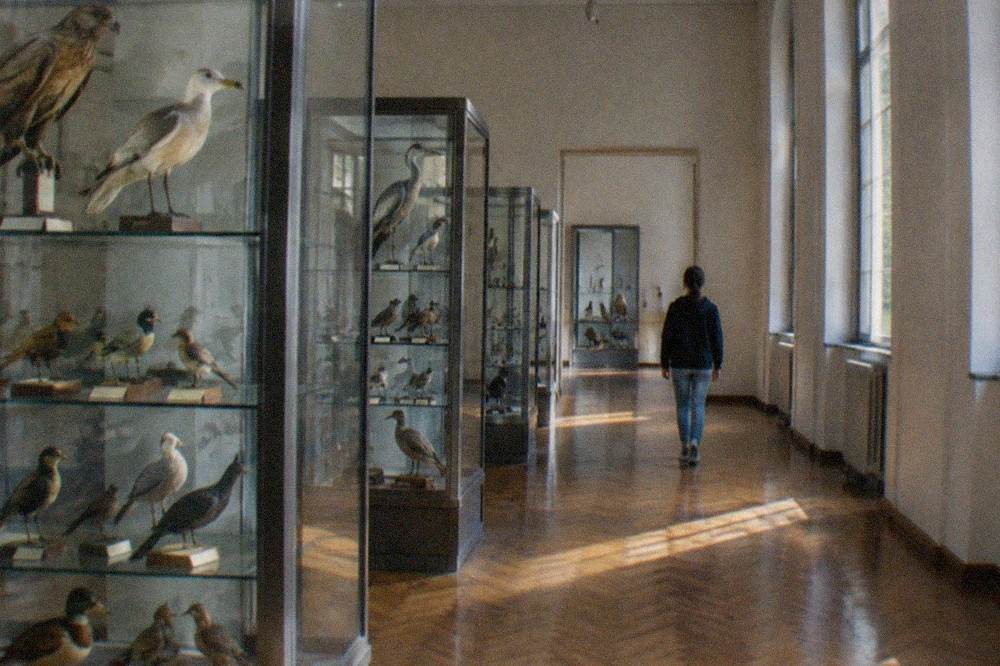
Because the museum's own hours and admission are not in the verified pack, treat both as things to confirm on the museum's published page before you set out. What can be said with confidence is structural: Trieste's civic museums are run by the municipal culture system, whose portal is the Comune's own culture site, and a museum quarter means you can walk between several institutions in a single afternoon without transport.
Which Trieste Museums Should You Combine with a Natural History Visit?
The best pairings for a Trieste museum day are the Museo Revoltella for modern art, the Castello di San Giusto and its civic museum, the Museo Sartorio for decorative arts, and Castello di Miramare up the coast. The Revoltella charges EUR 8.00 for adults and is closed Tuesdays, San Giusto charges EUR 7.00 and closes Mondays from 12 October, and Miramare charges EUR 17.00 with its park free, so a two-museum day is realistic and a three-museum day is a full schedule.
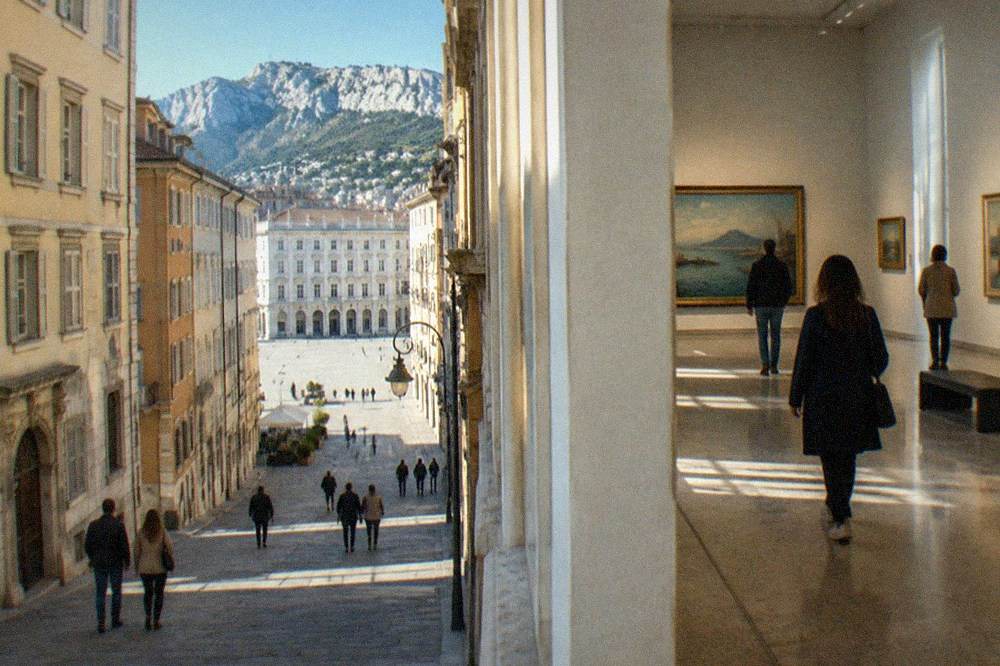
The museum quarter logic is simple. The Revoltella sits on the Rive, the seafront that runs from the city centre, and the Civic Museum of Natural History is within the same civic-museum family. The Revoltella Museum and the Museo Sartorio together cover the art side of that family, and the natural history museum covers the science side. If your time is short, the choice is between art and nature, and the answer depends on whether you have already booked a cave tour.
There is one planning trap worth naming: Trieste's museums do not share a closing day. The Revoltella closes on Tuesdays, the Castello di San Giusto closes on Mondays from 12 October, and Grotta Gigante runs Tuesday to Sunday from September to February and daily from March to August. There is no Trieste-only museum card, so each ticket is bought separately, and the regional FVGcard exists but its prices could not be verified from this machine, so this guide does not quote one. The full price comparison sits in the table further down.
If you would rather have a guide structure the walking between these institutions, there are two low-cost self-guided options and one strong guided walk worth considering.
The audio-and-written-guide walk in that band is the cheapest way to cover the museum quarter's streets at your own pace, and the Grotta Gigante tour is the natural extension of a natural history theme into the karst itself.
How Much Do Trieste Museums Cost Compared with Each Other?
Admission across Trieste's verified cultural sites runs from free to EUR 17.00: the Cathedral of San Giusto and the Risiera di San Sabba cost nothing, the Castello di San Giusto charges EUR 7.00, the Museo Revoltella EUR 8.00, Grotta Gigante EUR 15.00 with a guided tour compulsory, and Castello di Miramare EUR 17.00 including its temporary exhibition. No Trieste-only museum card exists, so these are individual tickets, and the free first Sunday of the month applies at participating sites.
The table below carries only figures the verified pack attaches to that exact venue. The Civic Museum of Natural History's own admission is not in the pack, which is why it appears without a price rather than with a guess.
| Venue in Trieste | Adult admission | Closing pattern | Last entry |
|---|---|---|---|
| Museo Revoltella | EUR 8.00 (reduced EUR 6.00) | Closed Tuesdays | 18:00 |
| Castello di San Giusto | EUR 7.00 (reduced EUR 5.00) | Closed Mondays from 12 October | 18:30 to 11 Oct, then 16:30 |
| Castello di Miramare | EUR 17.00, includes exhibition; park free | Open daily 9:00-19:00 | 18:30 |
| Grotta Gigante, Sgonico | EUR 15.00, guided tour only | Tue-Sun Sep-Feb, daily Mar-Aug | Tours at fixed hours |
| Risiera di San Sabba | Free | Open daily | 18:30 to 11 Oct, then 16:30 |
| Cattedrale di San Giusto | Free | Open daily around Mass times | Not applicable |
| Civic Museum of Natural History | Check the museum's own page | Check the museum's own page | Check the museum's own page |
Two of these deserve a second look. The Risiera di San Sabba, the national monument at the city's southern edge, is free and asks individuals not to book, though groups must reserve a slot between 1 March and 31 May. And the Cathedral of San Giusto's bell tower has no published price at all: the parish prints hours but no ticket figure, so never trust a number for it from anywhere else. The San Giusto castle and hill guide and the Trieste Cathedral guide carry the full detail for both.
The free first Sunday of the month scheme runs through 2026 at participating state sites, and Miramare takes part. The scheme's rules have changed more than once in recent years, so confirm the specific month on the venue's own event page rather than treating the first Sunday as a standing guarantee.
When Is the Best Time to Visit Trieste for a Museum Day?
The best months for a museum-focused trip to Trieste are the shoulder seasons, October to November and March to April, when the sea is cooling, the bora wind season is active and indoor culture is the rational choice. November is the city's wettest month at 109.8 mm of rain, July is the second driest at 53.8 mm, and the bora blows hardest in winter, so summer days are better spent at Barcola or the seafront and museum days are better saved for autumn and winter.
That climate data comes from ARPA FVG's own station tables for the molo Fratelli Bandiera, the waterfront station, measured over the 1995-2024 series. It contradicts the Mediterranean stereotype in a way that is genuinely useful for planning: Trieste is not a dry southern Italian summer city, it is a wet, windy northern Adriatic city where November beats every other month for rainfall and the wind blows hard enough in every single month of the year for a gust over 110 km/h to have been recorded.
| Month in Trieste | Mean high C | Rain mm | Wet days | Days with gust over 90 km/h |
|---|---|---|---|---|
| January | 9.2 | 52.8 | 6.6 | 2.4 |
| February | 9.8 | 59.7 | 6.6 | 2.9 |
| March | 13.0 | 52.8 | 6.1 | 2.1 |
| April | 16.8 | 60.7 | 8.0 | 0.7 |
| May | 21.7 | 75.0 | 8.5 | 0.7 |
| June | 25.8 | 62.5 | 6.1 | 0.3 |
| July | 28.2 | 53.8 | 5.4 | 0.9 |
| August | 28.1 | 71.7 | 6.6 | 0.9 |
| September | 23.9 | 102.3 | 7.4 | 1.1 |
| October | 19.6 | 88.6 | 7.6 | 1.4 |
| November | 14.7 | 109.8 | 9.5 | 1.9 |
| December | 10.7 | 77.4 | 7.7 | 2.3 |
The wind column is the one that surprises people. June is the calmest month in the series, and July has more days with a gust over 90 km/h than April, May or June do. The bora blows from the east-north-east, and no official wind threshold exists at which the Rive close or ferries stop, so never plan around a published cutoff: there isn't one. What you can plan around is the pattern, and the Trieste weather month by month guide and the bora wind guide carry it in full.
How Do You Get Around Trieste Between Museums?
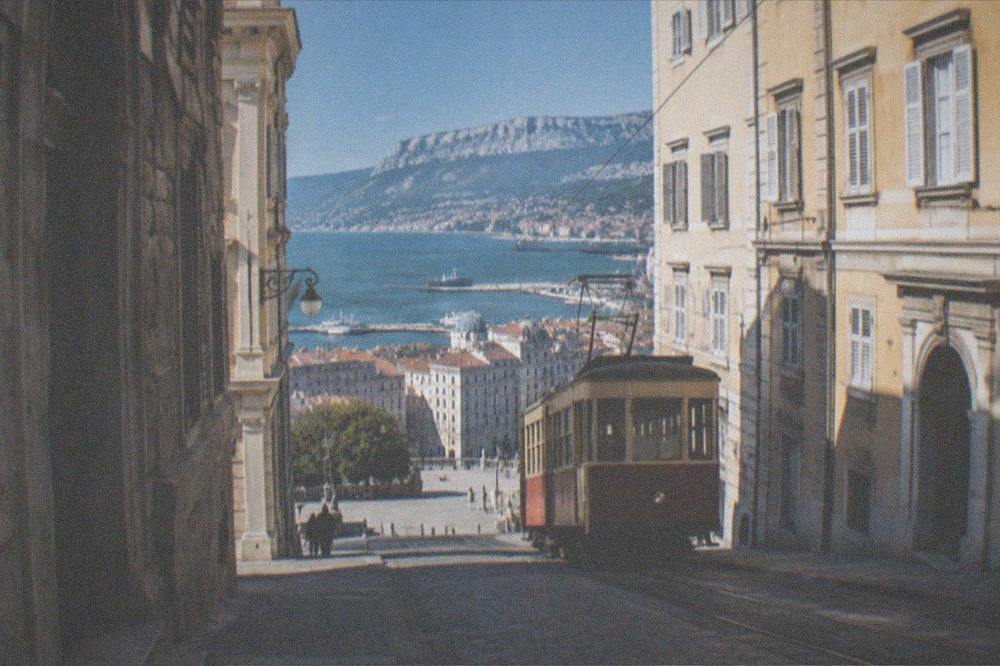
A single urban ticket in Trieste costs EUR 1.50 for 60 minutes or EUR 1.85 for 75 minutes, a day ticket is EUR 3.35, and you can tap a contactless bank card directly on board, where the system charges the cheapest applicable fare. Tickets run 240 minutes on Sundays and public holidays, and the Opicina tram, line 2, is part of the ordinary urban network, running from piazza Dalmazia since its reactivation on 1 February 2025.
For a museum day the practical reading is this: the museum quarter, the old town and the seafront are walkable, and the fares only matter if you extend the day up the hill or out to Barcola. The full 2026 tariff sheet from Trieste Trasporti is the authority on everything below.
| Ticket | Price | Validity |
|---|---|---|
| Urban single U01 | EUR 1.50 | 60 minutes |
| Urban single U02 | EUR 1.85 | 75 minutes |
| Day ticket U24 | EUR 3.35 | Full day |
| 10 rides U10 | EUR 13.50 | 10 urban journeys |
| 20 rides U20 | EUR 16.65 | 20 urban journeys |
The Opicina tram deserves its own sentence because almost every guide gets it wrong. The tram was reactivated on 1 February 2025 after the long stop that followed the August 2016 collision, and its city terminus is piazza Dalmazia, not piazza Oberdan. The published timetable runs piazza Dalmazia to Opicina over about 5.175 km. Check the operator's own homepage for live status before you ride, because short maintenance suspensions happen and are announced there. The Opicina tram and obelisk guide covers the line in detail.
Which Guided Tours Pair Well with the Civic Museum of Natural History?
The strongest pairing for a natural history day is the Grotta Gigante guided tour at Sgonico, from $17.20 per person and rated 4.78 from 151 reviews over one hour, because it takes the museum's karst subject directly into the cave itself. For the city side, the Trieste walk with a coffee stop in a historic bar, from $68.79 and rated 4.97 from 106 reviews, and the self-guided audio walk from $7.59 give you the museum quarter's streets with the science left to the museum.
The Grotta Gigante tour is the one to book ahead: the cave is guided-only with compulsory booking, and from September to February it runs Tuesday to Sunday, so a Monday arrival in winter finds it shut. The listing includes museum entry alongside the guided descent.
For the walk side, the self-guided audio option is the budget pick: it costs from $7.59 per person, is rated 4.5 from 105 reviews, and leaves you free to spend as long as you want inside each museum.
And if you want one guided walk that ties the whole city together, the historic-bar walk covers the centre and ends with Trieste's coffee culture, which is itself a kind of living museum. You can read more about the city's caffè tradition in the Trieste coffee culture guide.
Check availability on the operator's live listing if that walk fits your dates, and see the free walking tours in Trieste guide for the GuruWalk pay-what-you-want alternative, which is free and tip based.
What Else Should You Know Before a Museum Day in Trieste?
Plan around three things: Trieste's museums close on different weekdays, the city's tourist tax is charged per night up to a maximum of five consecutive nights, and any excursion beyond the city, into Slovenia or the karst, needs an ID document because Italy is running temporary border checks on its Slovenian land border through 18 December 2026. Croatia and Slovenia both use the euro, so no currency change is needed anywhere on a Trieste-centred trip.
The tourist tax table is worth having, because it applies to every night of your stay and is not always included in quoted room rates. These are the Comune di Trieste's own 2026 figures, per person per night.
| Accommodation type | Tourist tax per person per night |
|---|---|
| 5-star hotel | EUR 3.80 |
| 4-star hotel and self-catering case vacanza | EUR 3.30 |
| 3-star hotel | EUR 3.00 |
| 2-star hotel, B&B Superior, affittacamere | EUR 2.30 |
| Hostels, agriturismi, short-let properties | EUR 2.30 |
| B&B Comfort | EUR 2.00 |
| 1-star hotel, B&B Standard | EUR 1.80 |
| Campsites and motorhome areas | EUR 1.50 |
Everyone under 18 is exempt, as are people with a certified disability of 80% or more and one companion per hospital inpatient. The charge stops after five consecutive nights in the same property.
For the border point, write it into your plans rather than your worries: the checks are temporary, dated to 18 December 2026 in the European Commission's own register, and they mean a passport or national ID card belongs in your pocket for a Piran or Ljubljana day trip, not a currency exchange. The day trips from Trieste guide covers the cross-border options, and the museums of Trieste overview places the natural history museum inside the full civic museum family. For the broader frame of the city itself, start with Trieste Travel Guide and its short history of Trieste.
Common Questions About the Civic Museum of Natural History in Trieste
Is the Civic Museum of Natural History in Trieste, Italy, worth visiting?
For travellers with an interest in the karst, the Adriatic or natural history generally, yes: it is the city's scientific collection in a museum quarter that is otherwise devoted to art and history. Confirm current hours on the museum's own page before going, since no verified schedule is published in the sources behind this guide.
How much does the Civic Museum of Natural History in Trieste cost?
No verified admission price for this museum exists in the official sources behind this guide, so it is not printed here. The verified Trieste prices nearby are EUR 8.00 at the Revoltella, EUR 7.00 at the Castello di San Giusto and free entry at the Risiera di San Sabba and the Cathedral of San Giusto.
Which Trieste museums are free?
The Risiera di San Sabba is free, the Cattedrale di San Giusto is free to enter, and Castello di Miramare's park is free all year while the castle itself charges EUR 17.00. Participating state sites, including Miramare, are free on the first Sunday of the month under the ministry scheme, but confirm the specific month on the venue's page.
What is the best month to visit Trieste for museums?
October and November. November is the wettest month at 109.8 mm and October averages 7.6 wet days, so indoor culture fits the weather, and the summer months are better spent on the seafront, where sea temperatures peak in August at a mean of 25.9 C.
Is there a museum pass for Trieste?
No Trieste-only museum card exists. The regional FVGcard covers Trieste sites including Grotta Gigante and the Museo Revoltella, but its prices could not be verified from this machine, so this guide does not quote them. Check the regional tourism authority's own page for current card prices.
Can you combine the museum with Grotta Gigante?
Yes, and it is the most natural pairing in the city, since the museum documents the karst and the cave is the karst's most famous feature. The Grotta Gigante guided tour runs from $17.20 per person, is guided-only with compulsory booking, and operates Tuesday to Sunday from September to February and daily from March to August.
The Civic Museum of Natural History will never be the reason you cross a continent for Trieste, but it is a genuinely fitting piece of a city whose science, from the karst above it to the sea-level record it has kept since the nineteenth century, is as real as its coffee. Plan the museum day around the verified prices and closing days above, confirm the museum's own hours on its published page, and let the bora decide whether the afternoon belongs indoors.