Museums of Trieste, Italy: Every Ticket, Hour and Free Day
Trieste, Italy's Adriatic port city in Friuli Venezia Giulia, packs a Habsburg castle, a modern-art gallery, a national monument and a natural-history collection into a walkable centre. Here is what each museum costs, when it is open and which day it shuts.
Short answer
The headline museums of Trieste are the Revoltella modern-art gallery at EUR 8.00, Castello di San Giusto at EUR 7.00, Miramare Castle at EUR 17.00 with a free park, and the Risiera di San Sabba national monument, which is free. The Revoltella closes Tuesdays, San Giusto closes Mondays from 12 October, and state sites are free on the first Sunday of the month.
Trieste, the Adriatic port city in Friuli Venezia Giulia in the far north-east of Italy, keeps its museums closer together than almost any comparable Italian city: the Revoltella gallery, the natural history museum, the civic museums on the San Giusto hill and the seafront monuments all sit within the same compact grid of Habsburg-era streets. This guide sets out what each one costs, when it opens, which day it closes and which days are free, using the venue's own published figures rather than the rounded numbers that circulate on second-hand travel pages. It also covers the sites just outside the centre, Miramare and Grotta Gigante, because most museum plans for Trieste include at least one of them.
One warning before the detail. There is no Trieste-only museum pass. A regional card, the FVGcard, exists and covers several of the sites in this guide, but its current prices could not be verified against a primary source at the time of writing, so this page does not quote them. If a pass matters to your plan, check the regional tourism site directly before buying anything.
What Are the Main Museums in Trieste, Italy?
The core set is the Civico Museo Revoltella modern-art gallery at EUR 8.00 for adults, Castello di San Giusto with its castle museum and lapidarium at EUR 7.00, the free Risiera di San Sabba national monument, the free-entry cathedral complex on the same hill, and the Civic Museum of Natural History. Outside the centre sit Miramare Castle at EUR 17.00 with a park that is always free, and the guided-only Grotta Gigante cave at EUR 15.00.
That spread is unusual for a city of Trieste's size. Most mid-sized Italian towns offer a civic museum or two and a diocesan collection; Trieste runs a modern-art gallery in a 19th-century banker's palace, a castle museum inside a Habsburg fortress, a natural history museum with a celebrated dinosaur room, and a national monument commemorating the only Nazi concentration camp with a crematorium on Italian soil. The Museo Sartorio rounds out the civic group with a preserved 18th-century house and its decorative-arts collections.
The practical consequence is that a museum day in Trieste needs a little planning around closing days rather than around distances. The Revoltella shuts on Tuesdays. San Giusto's castle museum shuts on Mondays once the winter timetable starts on 12 October. Everything else in the core set runs daily, with seasonal hour changes in spring and autumn. The table below is the short version; the sections that follow give each venue its own detail.
| Museum | Adult ticket | Closing day | Summer hours |
|---|---|---|---|
| Civico Museo Revoltella | EUR 8.00 | Tuesday | Daily 10:00-19:00 |
| Castello di San Giusto | EUR 7.00 | Monday (from 12 Oct) | Daily 10:00-19:00 |
| Risiera di San Sabba | Free | None (shut 25 Dec, 1 Jan) | Daily 9:00-19:00 |
| Cattedrale di San Giusto | Free | None | Weekdays 8:00-18:30 |
| Castello di Miramare | EUR 17.00 | None | Daily 9:00-19:00 |
| Grotta Gigante | EUR 15.00 | Monday (Sep-Feb) | Daily, guided only |
A private guide is one way to absorb the museum quarter in a single morning, and the roster's own Best of Trieste private walking tour covers the modern and ancient landmarks between the galleries. Check availability if you want the context rather than just the rooms.
How Much Do Trieste Museum Tickets Cost in 2026?
Adult admission runs from free to EUR 17.00: the Risiera di San Sabba and the cathedral cost nothing, Castello di San Giusto charges EUR 7.00 with a EUR 5.00 reduced rate, the Revoltella charges EUR 8.00 with EUR 6.00 reduced, Grotta Gigante charges EUR 15.00 with EUR 12.00 reduced and EUR 8.00 for children aged 6 to 18, and Miramare Castle charges EUR 17.00 including its temporary exhibition. School and university groups pay EUR 1.00 at San Giusto.
Those are the venue's own published figures, not rounded estimates, and they are worth checking on the day because a couple of them carry conditions. Miramare's EUR 17.00 ticket includes the temporary exhibition; EU citizens aged 18 to 25 pay EUR 7.00 with the exhibition or EUR 2.00 for the castle alone. At Grotta Gigante the reduced EUR 12.00 rate covers visitors over 65, students up to 26, journalists and CAI or SSI members, and a family with two or more children aged 6 to 18 pays EUR 6.00 per child. Groups of 15 or more at the cave pay EUR 12.00 each, and schools pay EUR 6.00 per pupil.
| Venue | Adult | Reduced | Children | Notes |
|---|---|---|---|---|
| Castello di Miramare | EUR 17.00 | EUR 7.00 (EU 18-25) | Not listed | Includes temporary exhibition; park free |
| Grotta Gigante | EUR 15.00 | EUR 12.00 | EUR 8.00 (6-18) | Under 6 free; EUR 6.00 per child for families |
| Civico Museo Revoltella | EUR 8.00 | EUR 6.00 | Not listed | Permanent collections only |
| Castello di San Giusto | EUR 7.00 | EUR 5.00 | Not listed | Groups EUR 1.00 |
| Risiera di San Sabba | Free | Free | Free | Groups book in March-May |
| Cattedrale di San Giusto | Free | Free | Free | Bell tower price not published |
Two figures are deliberately absent from that table. The bell tower at the cathedral has no published price on the parish's own site, so this guide does not print one; if you want to climb it, expect to ask on the spot. And the FVGcard's 48-hour and weekly prices, which would let a heavy museum-goer cover several of these sites at once, could not be verified from a primary source, so they stay out. The free things to do in Trieste guide covers the no-cost end of the city in more detail.
When Are Trieste Museums Open, and Which Day Is Each One Closed?
The Revoltella is the only core museum with a fixed weekly closing day, shutting Tuesdays, while San Giusto's castle museum runs daily 10:00-19:00 from 1 April to 11 October and then drops to Tuesday-Sunday 10:00-17:00 from 12 October. The Risiera runs daily 9:00-19:00 to 11 October and 9:00-17:00 after. Miramare opens every day 9:00-19:00 with last admission at 18:30.
Grotta Gigante runs daily from March to August but Tuesday to Sunday from September to February.
The pattern to notice is the mid-October switch. Several Trieste venues change hours on 12 October, moving to shorter winter openings and, in San Giusto's case, adding a Monday closure. If your trip straddles that date, the same museum can have two different schedules on consecutive days. The last-entry times matter too: the Revoltella stops admitting at 18:00 despite a 19:00 close, and San Giusto stops at 18:30 in summer and 16:30 in winter.
| Museum | Last entry | Winter change | Free days |
|---|---|---|---|
| Civico Museo Revoltella | 18:00 | Hours unchanged, still closed Tuesdays | First Sunday monthly, 3 Nov |
| Castello di San Giusto | 18:30 summer, 16:30 winter | Closed Monday from 12 Oct | First Sunday monthly, 3 Nov |
| Risiera di San Sabba | 18:30 summer, 16:30 winter | Hours shorten from 12 Oct | Always free |
| Castello di Miramare | 18:30 | Hours unchanged | First Sunday monthly |
| Grotta Gigante | Tour slots only | Closed Mondays Sep-Feb | FVG Card holders |
| Cattedrale di San Giusto | None stated | Bell tower by arrangement in winter | Always free |
Grotta Gigante's schedule deserves its own note because it is not a museum you can wander into. Tours depart at fixed hours, 9:00, 10:00, 11:00, 12:00, 14:00, 15:00 and 16:00, booking is compulsory, and the cave shuts on 25 December and 1 January. The cave sits in the Karst village of Borgo Grotta Gigante near Sgonico, and the unusual things to do in Trieste guide places it among the city's stranger outings.
What Is the Civico Museo Revoltella, and Is It Worth the Ticket?
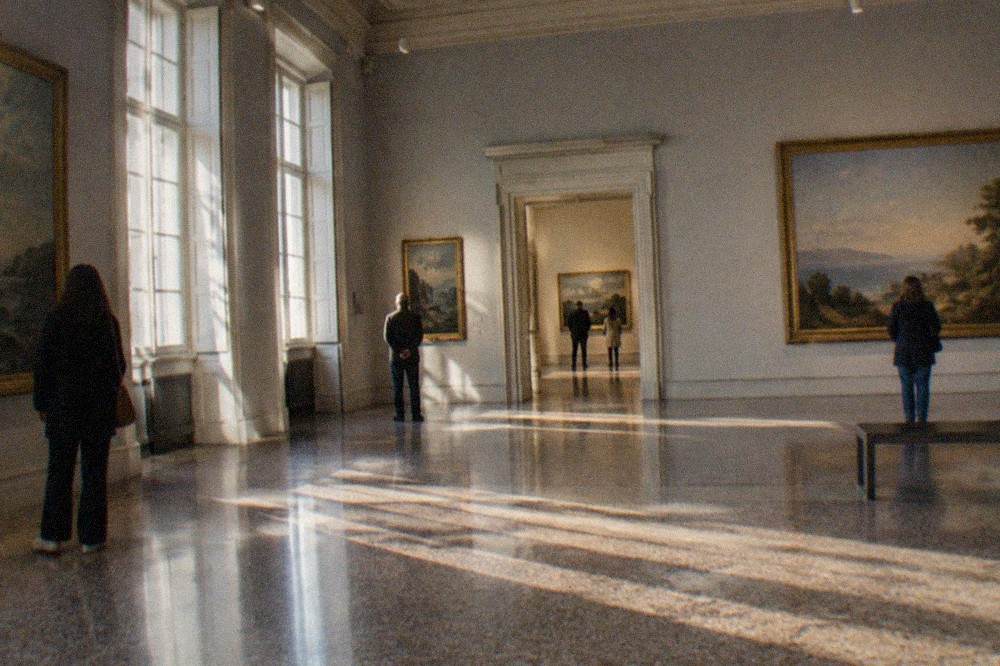
The Revoltella is Trieste's museum of modern art, founded in the 19th century around the collection and palace of the banker Pasquale Revoltella, and today it holds the city's main modern and contemporary holdings across the original palace and a later extension. An adult ticket costs EUR 8.00, reduced EUR 6.00, covering the permanent collections, and the museum opens daily 10:00-19:00 except Tuesdays, with last entry at 18:00. It sits on the waterfront a short walk from Piazza Unità d'Italia.
The collection's strength is Italian art from the 19th and 20th centuries, and the building itself is half the reason to go: Revoltella's palace survives as a sequence of furnished rooms hung with the paintings he collected, and the modern extension next door carries the story forward. The ticket covers the permanent collections; temporary exhibitions are priced separately, so check what is on when you plan the visit.
Practically, the Revoltella is the easiest museum in Trieste to fit into a city day. It is on the seafront stretch of the centre, it opens into the evening, and the Tuesday closure is the only real trap. Pair it with a walk along the waterfront or a coffee stop in one of the historic caffès, a ritual the Trieste coffee culture guide explains in full.
What Do You See at Castello Di San Giusto and the Cathedral Hill?
The San Giusto ticket at EUR 7.00 covers the castle walls and bastions, the Civico Museo del Castello with its armoury, the Lapidario Tergestino stone collection and temporary exhibitions at the Bastione Fiorito, while the cathedral next door is free to enter, open weekdays 8:00-18:30 and Sundays 9:00-19:30. The castle runs daily 10:00-19:00 from 1 April to 11 October, then Tuesday-Sunday 10:00-17:00.
Free entry applies on the first Sunday of the month and on 3 November, the patron saint's day. The hill is Trieste's original settlement, and the castle that the Habsburgs built on it now does duty as the city's history museum. The walk along the bastions gives the classic view over the port and the rooftops, with the victory lighthouse visible down the coast. Inside, the armoury and the castle museum fill the residential wings, and the Lapidario Tergestino gathers Roman stonework from the city's ancient Tergeste underneath.
The cathedral complex is a separate visit and a free one. The basilica of San Giusto Martire stitches together earlier churches on the site, its mismatched facade is one of the city's most photographed structures, and the interior holds mosaics and a 14th-century chapel. The bell tower alongside it opens on a shorter seasonal schedule, April to September daily 9:00-17:30, March and October 9:00-12:00 and 14:30-17:00, and winter by arrangement; no ticket price for the tower is published, so ask rather than assume.
Two etiquette notes from the parish itself: it asks that guides not bring groups on Sundays during services, and preferably not between Masses. A quiet solo visit midweek is the smooth option.
What Is the Risiera Di San Sabba, and Why Is It Free?
The Risiera di San Sabba is a national monument and civic museum on the site of the only Nazi concentration camp with a crematorium on Italian soil, now a memorial and documentation centre, and entry is free for everyone, daily 9:00-19:00 from 1 March to 11 October and 9:00-17:00 from 12 October. It closes only on 25 December and 1 January, with early closure at 14:00 on 24 and 31 December.
Individuals do not need to book; groups must reserve a slot from 1 March to 31 May. The compound was a rice-husking plant before the German occupation turned it into a detention and transit camp, and after the war it was preserved as a memorial rather than rebuilt. The civic museum inside documents the camp's history and the wider occupation of the city. It is a sombre site, and it draws school groups from across the region, which is why the spring booking rule for groups exists.
It is a short bus or tram ride from the centre rather than a walk, and most visitors combine it with the Opicina tram line or the old port district. Allow a slower pace than the art museums; the material deserves it, and the site is larger than the exterior suggests.
Which Trieste Museums Are Free, and When?
Free entry in Trieste comes in three forms: permanently free sites, which are the Risiera di San Sabba, the cathedral of San Giusto, the Roman theatre viewed from the street and Miramare's park; free days, which are the first Sunday of every month at participating state sites including Miramare, San Giusto and the Revoltella; and free concessions, such as under-6s at Grotta Gigante and EU 18-25-year-olds paying EUR 2.00 for Miramare's castle without the exhibition.
The first-Sunday scheme runs through 2026, but the ministry's rules have changed before, so confirm on the venue's page for the month you visit. The scheme is the one worth building a budget trip around: Miramare's castle is free on those days, and the park is free anyway, which makes a Miramare Sunday essentially a zero-cost outing once you have reached it. San Giusto joins the scheme, as does the Revoltella among the civic museums, and 3 November, the patron saint's day, is free at both hill museums.
| Site | Normally | Free when |
|---|---|---|
| Risiera di San Sabba | Free | Always |
| Cattedrale di San Giusto | Free | Always |
| Miramare park | Free | Always, year-round hours |
| Miramare castle | EUR 17.00 | First Sunday of the month |
| Castello di San Giusto | EUR 7.00 | First Sunday, 3 November |
| Civico Museo Revoltella | EUR 8.00 | First Sunday, 3 November |
| Grotta Gigante | EUR 15.00 | Under 6; FVG Card holders |
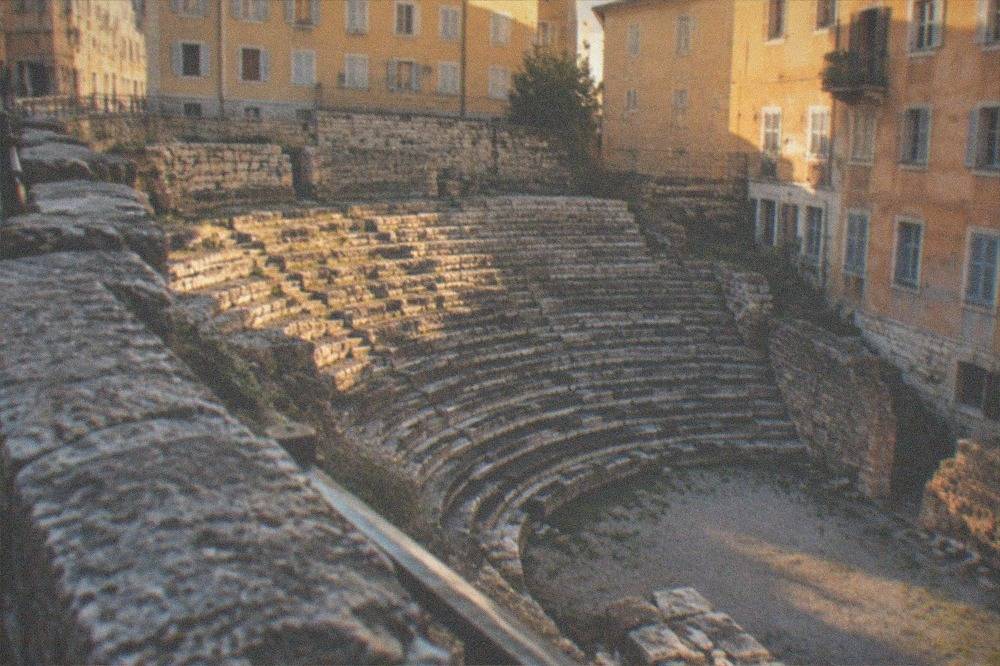
The Roman theatre needs a clarification that many pages get wrong. It is not a ticketed museum and not routinely enterable by individuals; you look down into it from the street, for free, and guided access for groups and schools runs through the heritage authority on request. Plan it as a five-minute viewpoint between the cathedral hill and the centre, not as a venue.
Is Miramare Castle a Museum, and How Do Its Tickets Work?
Miramare is both a museum and a monument: the castle's state museum shows the furnished apartments of Archduke Maximilian and his wife Charlotte, and an adult ticket costs EUR 17.00 including the temporary exhibition, with EU citizens aged 18 to 25 paying EUR 7.00 with the exhibition or EUR 2.00 for the castle alone. The castle opens every day 9:00-19:00 with last admission 18:30, and the surrounding park is free all year, opening 8:00-19:00 from April to September.
The distinction between castle and park trips up a lot of visitors, because they keep different hours and different prices. The park is free and its hours shift by month: 8:00-16:00 in January, 8:00-18:00 from 1 to 14 October, 8:00-17:00 for the second half of October, and shorter days in November and December. The castle's hours do not shift the same way, so a late-afternoon park walk can outlast the castle's last admission. Check both schedules for your date.
Several ticketed products cover the castle, including a skip-the-line entry with an audio app and a private tour of the apartments, and the castle also participates in the ministry's first-Sunday free-entry scheme, which the venue announces on its own pages month by month.
What About the Smaller Civic Museums: Sartorio and Natural History?
The Museo Sartorio is Trieste's preserved 18th-century house museum, showing the furnished rooms, decorative arts and collections of one of the city's merchant families, and the Civic Museum of Natural History holds the regional zoological and geological collections including its well-known fossil and dinosaur material. Both belong to the civic museum network alongside the Revoltella and the castle museums, and both sit in or near the city centre within a short walk of the other core venues.
The Sartorio is the quiet counterpart to the Revoltella: where the gallery is a modern-art institution in a palace, the Sartorio keeps the domestic side of the same mercantile Trieste, with period interiors, applied arts and a collection built by the family that lived there. It is a small site, and visitors who enjoyed the furnished rooms of Miramare tend to enjoy it for the same reason at city scale.
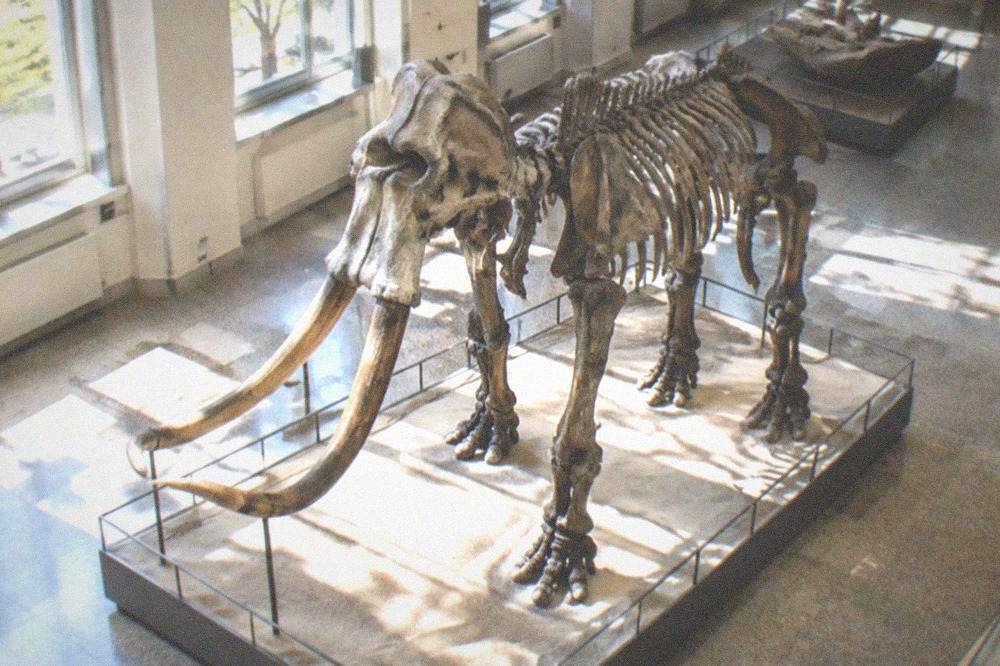
The natural history museum, meanwhile, is the one families should not skip. Its dinosaur room is the single biggest draw among the civic museums for children, and the rest of the building covers the fauna, flora and geology of Friuli Venezia Giulia and the Karst. The natural history museum guide covers the practicalities.
Can You See Trieste's Museums in One Day?
One full day covers the Revoltella, the San Giusto hill complex and either the Risiera or the Sartorio, because the core venues sit within the same walkable centre, but Miramare and Grotta Gigante each need a half-day of their own outside the city. A realistic plan is the Revoltella in the morning, the cathedral and castle on the hill after lunch, and the Risiera in the late afternoon, leaving the out-of-town sites for a second day.
Check the closing day before you commit: on a Tuesday the Revoltella drops out, and from 12 October Mondays remove the castle museum. The sequencing matters less than the calendar. Trieste's museum cluster is compact enough that walking between venues costs minutes, not hours, so the real constraints are opening hours and the mid-afternoon closure of ticket desks. Starting at the Revoltella when it opens at 10:00, moving up to the hill by early afternoon and finishing at the Risiera before its last entry is a comfortable fit for most visitors.
For orientation, the city's own itinerary pages build full days around these venues, and a guided alternative is the roster's city walk with a coffee stop in a historic bar, which folds the museum quarter into a broader introduction to the city. If you are staying several days, the where to stay in Trieste guide helps you pick a base within walking distance of the core venues.
What Is the Best Time of Year for a Trieste Museum Trip?
Spring and autumn are the best seasons for a museum-focused trip to Trieste, because both keep the full summer opening hours while avoiding the July and August heat, and the shoulder months carry fewer cruise-day crowds around the waterfront museums. Winter works too, since every core museum stays open, but the mid-October timetable change shortens hours at San Giusto and the Risiera, and Grotta Gigante closes on Mondays from September to February.
November is the wettest month at 109.8 mm of rain, so it rewards an indoor-heavy plan. The climate data backs the shoulder-season case: ARPA's station tables for the Trieste waterfront put July as the second-driest month at 53.8 mm, so summer is not the washout some expect, but it is also the season when the city's mean high touches 28.2 C and the museum rooms compete with the sea. October averages 19.6 C and September 23.9 C, both with long daylight, and both keep the summer schedules until 11 October.
The counter-argument is the Barcolana regatta, which fills the city in early October: the 2026 edition runs 2-11 October with the race on Sunday 11 October, and the seafront is busy in a way that affects the museums nearest the water. If your museum trip lands on those dates, book anything ticketed in advance and expect the waterfront galleries to be livelier than usual. The best time to visit Trieste and weather month by month guides carry the full breakdown, and the bora wind guide explains the one weather factor that can genuinely reshape a day here.
How Do You Get to Trieste's Out-Of-Town Museums?
Miramare sits on the coast road out of the city and is served by the urban bus network, while Grotta Gigante lies in the Karst village of Borgo Grotta Gigante near Sgonico, reachable by the Opicina tram and a connecting bus or by car, and both are covered by the standard Trieste urban ticket at EUR 1.50 for 60 minutes or EUR 1.85 for 75 minutes. A day ticket at EUR 3.35 covers unlimited urban rides and suits a two-museum day.
The fare table is worth knowing because the out-of-town sites are inside the urban network rather than requiring a separate operator. Trieste Trasporti's 2026 tariff sheet lists the 60-minute single at EUR 1.50, the 75-minute single at EUR 1.85, the day ticket at EUR 3.35 and the 10-ride carnet at EUR 13.50, and contactless bank cards can be tapped on board with the system charging the cheapest applicable fare. Singles extend to 240 minutes on Sundays and public holidays.
| Ticket | Price | Validity |
|---|---|---|
| Urban single U01 | EUR 1.50 | 60 minutes |
| Urban single U02 | EUR 1.85 | 75 minutes |
| Day ticket U24 | EUR 3.35 | Whole day |
| 10 rides U10 | EUR 13.50 | 10 journeys |
| 20 rides U20 | EUR 16.65 | 20 journeys |
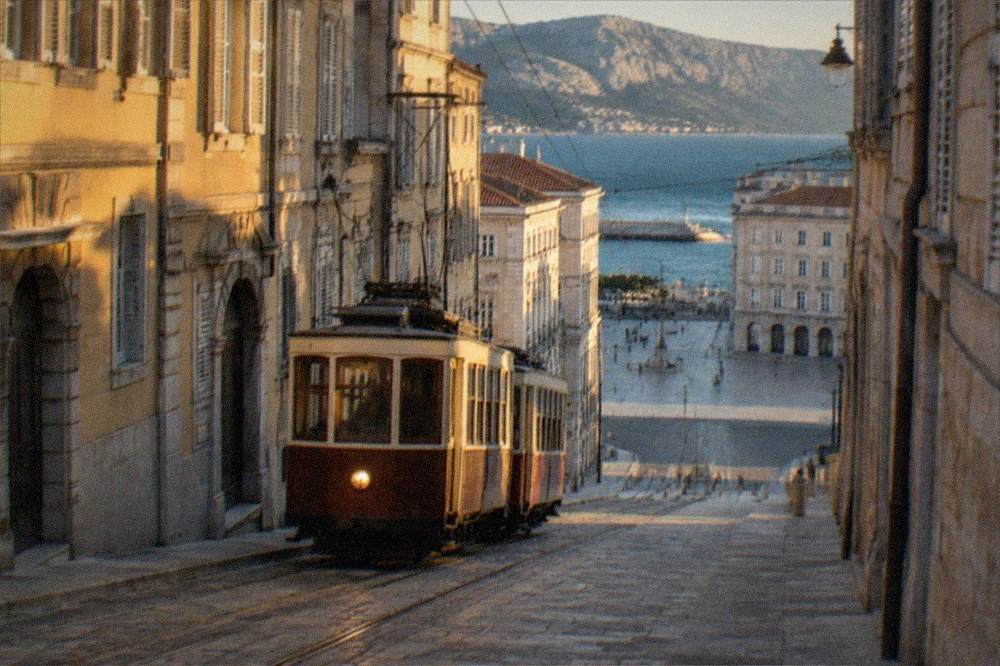
The tram's city terminus is piazza Dalmazia, not piazza Oberdan, a detail many older pages still get wrong. The tram was reactivated on 1 February 2025 and runs on a current timetable, so treat any page describing it as suspended or bus-replaced as out of date.
Should You Book Trieste Museum Tickets in Advance?
Only two venues genuinely require advance action: Grotta Gigante, where booking is compulsory for every visit, and the Risiera di San Sabba, where groups must reserve a slot between 1 March and 31 May. Everything else in Trieste, including Miramare, San Giusto and the Revoltella, offers optional online booking, which is worth using on Barcolana weekend in early October or on a first-Sunday free day, but is unnecessary on an ordinary weekday outside peak season.
The distinction between compulsory and recommended booking is where most Trieste museum advice goes wrong. The cave is guided-only with fixed departure hours, so turning up without a reservation means being turned away; the venue's own pages state this plainly and give a phone number and email for booking. At the other end of the scale, the Revoltella and the castle museums are quiet enough on most days that a walk-up ticket takes minutes.
A self-guided option splits the difference for visitors who want structure without a schedule. The roster's audio-and-written walking tour covers the museum quarter's streets and landmarks at your own pace, and it pairs well with a slow museum day that leaves room for the osmize of the Carso, the farmhouse taverns that open their doors in the hills above the city.
How Do Trieste's Museums Compare with Other Italian Cities?
Trieste's museum offer is smaller in count than Milan's or Turin's but denser per square kilometre, with the core venues walkable in a single morning and ticket prices at the low end of the Italian range, EUR 7.00 to EUR 8.00 against EUR 15.00 or more in the biggest cities. Its distinctive strength is not quantity but range: a Habsburg castle, a modern-art palace, a national memorial and a Roman theatre sit in the same compact centre, and the free tier is unusually generous.
The free tier, the Risiera, the cathedral and Miramare's park, costs nothing at all, which is rarer than it sounds among Italian museum cities. The short history of Trieste explains why the offer looks like this: the city's Habsburg past left it with institutions a comparably sized Italian town rarely has, from the opera house to the civic galleries, and the Teatro Lirico Giuseppe Verdi belongs in any culture-heavy itinerary alongside the museums themselves.
For visitors weighing Trieste against Venice, the honest trade is this: Venice wins on sheer volume of art, Trieste wins on crowds, price and the ease of seeing five venues in a day without a vaporetto. Elsewhere on Trieste Travel Guide the what to eat in Trieste pages round out a culture-heavy plan with the city's buffet and seafood traditions.
Common Questions About Museums in Trieste, Italy
What are the main museums in Trieste, Italy?
The Civico Museo Revoltella for modern art, Castello di San Giusto with its castle museum and Lapidario Tergestino, the Museo Sartorio house museum, the Civic Museum of Natural History and the Risiera di San Sabba memorial, plus Miramare Castle and Grotta Gigante outside the centre.
How much do Trieste museum tickets cost?
Adult tickets run from free to EUR 17.00: the Risiera and the cathedral are free, San Giusto costs EUR 7.00, the Revoltella EUR 8.00, Grotta Gigante EUR 15.00 and Miramare EUR 17.00 including its temporary exhibition.
Which Trieste museums are closed on Mondays?
Castello di San Giusto's museum is closed on Mondays once the winter timetable starts on 12 October, and Grotta Gigante is closed on Mondays from September to February. The Revoltella closes on Tuesdays instead, and the Risiera and Miramare have no weekly closing day.
Are Trieste museums free on Sundays?
Participating state sites, including Miramare Castle, Castello di San Giusto and the Revoltella, are free on the first Sunday of each month under the ministry's scheme, which runs through 2026. The Risiera di San Sabba and the cathedral are free every day, and 3 November is free at both hill museums.
Is there a museum pass for Trieste?
There is no Trieste-only museum card. The regional FVGcard covers several Trieste sites including Grotta Gigante and the Revoltella, but its current prices could not be verified from a primary source, so check the regional tourism site before buying.
Can you visit the Roman theatre in Trieste?
You look down into the Roman theatre from the street, for free; it is not routinely enterable by individuals. Guided access for groups and schools can be arranged through the heritage authority on request.
Do you need to book Grotta Gigante in advance?
Yes. Grotta Gigante is guided-only with compulsory booking, tours depart at fixed hours from 9:00 to 16:00, and there is no walk-in option. Book by phone or email through the venue's own site.
Whether you spend one dense day on the Revoltella and the San Giusto hill or spread the week out to Miramare and the cave, the museums of Trieste, Italy reward a plan built around closing days and the first-Sunday scheme rather than around distances, and the figures above are the venue's own published numbers to build that plan on.