Osmize of the Carso: Farmhouse Wine Tables Near Trieste, Italy
The osmize are the Carso's farmhouse wine outlets above Trieste, Italy: farms selling their own wine for a few notified weeks a year, signposted by a hanging branch.
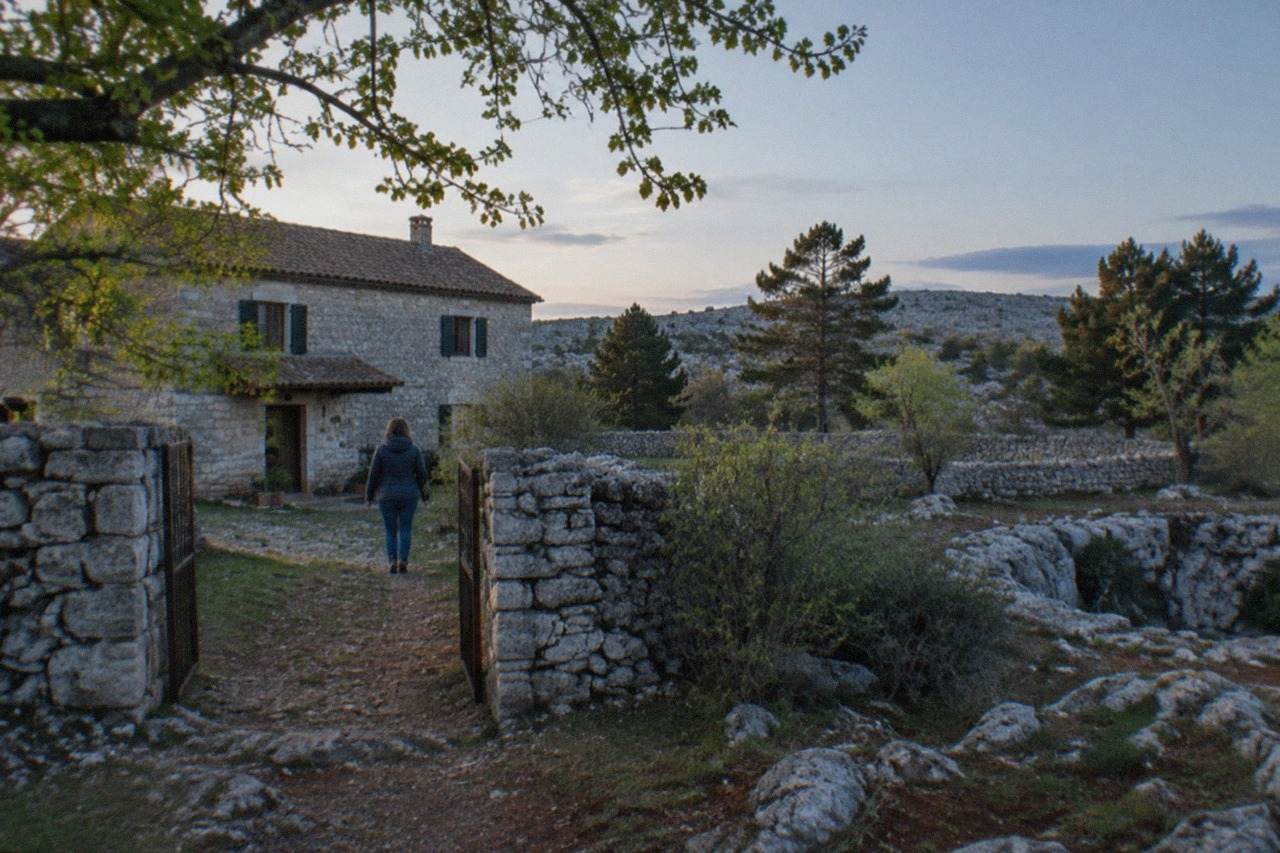
Short answer
An osmiza is a farm on the Trieste Karst that opens its cellar door for a limited, self-declared period to sell its own wine and simple home produce direct, signposted by a frasca, a leafy branch hung at the turning. The live calendar is at osmize.com.
High above Trieste, the Adriatic port city in Friuli Venezia Giulia, Italy, the limestone plateau locals call the Carso begins, and on that plateau sits one of the region's most quietly distinctive traditions: the osmiza. This guide from Trieste Travel Guide explains what an osmiza is, how the frasca sign and the volunteer-run calendar work, which wines to expect, and how to build a day around one.
What Is an Osmiza on the Trieste Carso?
An osmiza is a farm on the Karst plateau above Trieste, in the far northeast of Italy, that sells its own wine and simple home produce directly from the property for a limited period each year, under a tradition of Habsburg-era origin. The name comes from the Slovene word osem, meaning eight, for the eight days the farms were originally allowed to trade. Today each farm decides its own opening days and notifies the local authority, so the calendar shifts constantly and no printed list stays true for long.
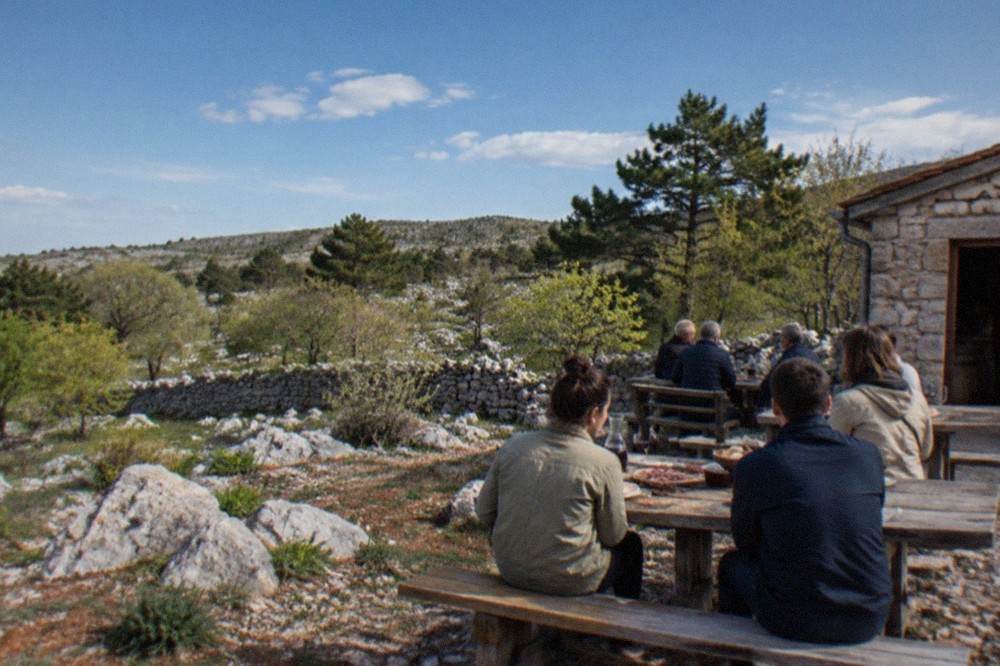
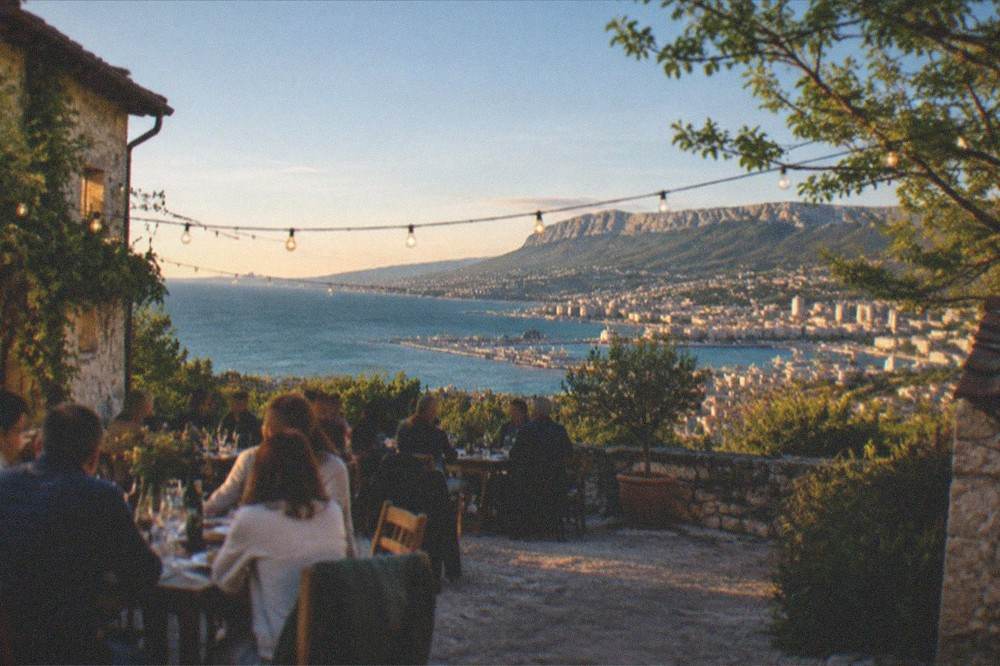
What that means in practice is a farmhouse table, not a restaurant. You arrive, you take a seat where you find one, often at shared wooden tables in a cellar or a courtyard, and you order from whatever the farm has made that year. The produce is the farm's own: wine by the glass or the bottle, and alongside it the things a Karst smallholding makes, such as salumi, cheeses and eggs. Nobody pretends it is a menu. It is a farm's larder, opened to the public for a window the farm itself chooses.
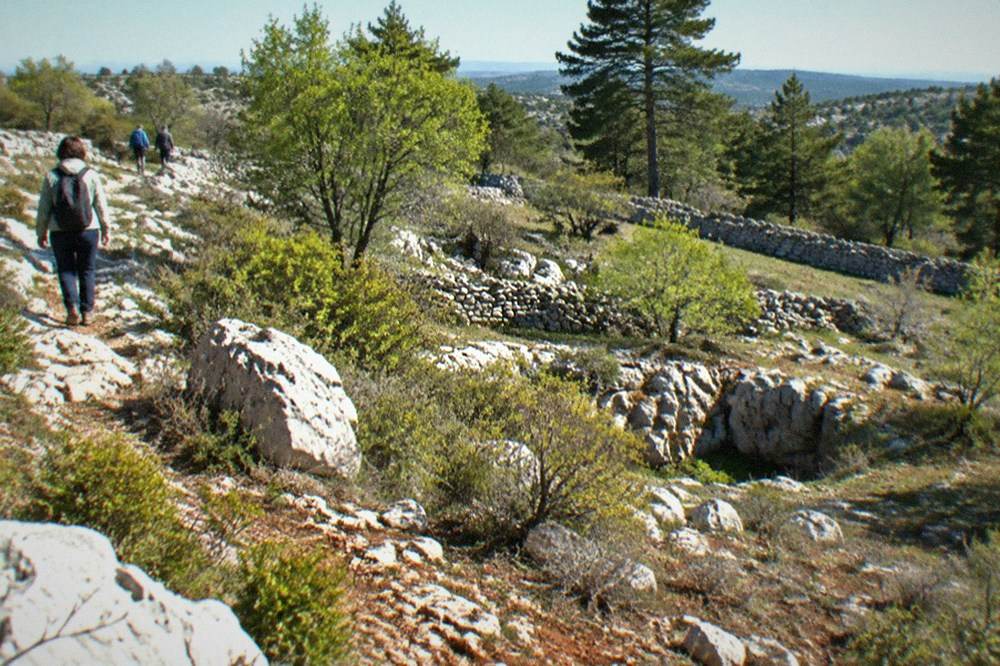
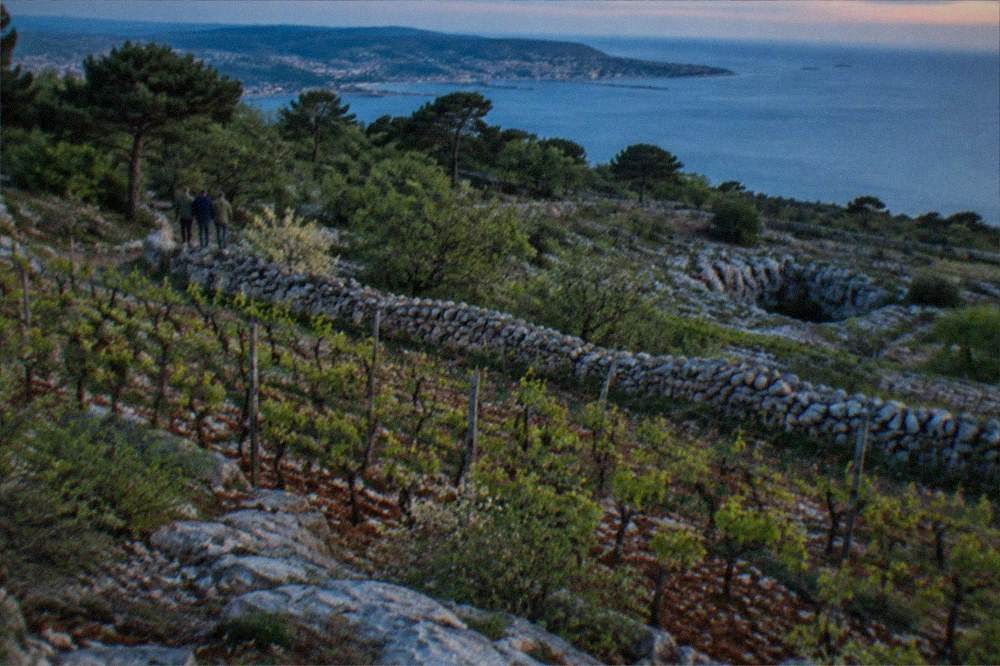
The tradition belongs to the Slovene-speaking farming families who have worked this plateau for centuries, on both sides of what is today the Italian-Slovenian border. The Carso plateau above Trieste is dry, stony country, windy and thin-soiled, and vitovska vines and terrano have been its crops of choice precisely because they tolerate what the plateau hands out. The osmiza grew out of the economics of that land: a farm with a few hectares of vines has no route to a supermarket shelf, but it can open its own door.
It is worth being precise about what an osmiza is not, because the word gets blurred. It is not an agriturismo, which is a licensed farm restaurant with a full kitchen and fixed hours. It is not an enoteca, a wine bar or shop in town. And it is not a festival, though on a spring Sunday a busy osmiza courtyard can feel like one. The essence is the direct transaction: the person pouring the wine has a stake in the ground it grew from.
How Do You Find an Open Osmiza Near Trieste?
You do not rely on a printed list, because each farm sets and notifies its own opening days and the picture changes week to week. The de facto live calendar is osmize.com, a long-established volunteer-run site listing which osmize are open on which days, with addresses and a map. The physical sign is the frasca: a leafy branch, often ivy or evergreen, hung at the turning to a farm that is currently open, sometimes with a red arrow pointing the way.
The frasca is the older of the two systems and the more charming, and it still works exactly as advertised. You drive or cycle the plateau roads above Trieste and Sgonico and Opicina, and a branch hung at a junction tells you a cellar is open that day. Regulars read the frasca the way sailors read a flag. Visitors should treat it as a bonus rather than a plan, because the plateau is bigger than it looks from the city and a branch you never pass does you no good.
The calendar at osmize.com is what makes the tradition usable for a visitor. It is not an official government site, and there is no municipal equivalent, which is exactly why it has become the reference: it lists the open days as the farms declare them, updates in near real time, and maps the addresses. Check it the day before you go and again on the morning itself, because a farm that planned to open can decide its stock or its weather says otherwise.
Two practical rules follow from all this. First, never trust a blog post, a guidebook or any article, including anything you read months before a trip, that names a specific osmiza as open on a specific date: the only current truth is the calendar and the branch. Second, have a plan B, because the same plateau that hosts the osmize also hosts free things to do around Trieste, viewpoints, walking paths and villages that do not close on a whim.
If the calendar shows nothing open on your day, the fall-back is the city's own wine culture, which draws from the same plateau. A guided tasting in the centre introduces the same grapes you would have met in a cellar, and a food walk covers the city's buffet and street-food tradition, while a Lipica and Škocjan day trip crosses the same landscape on the Slovenian side.
What Do You Drink and Eat at an Osmiza?
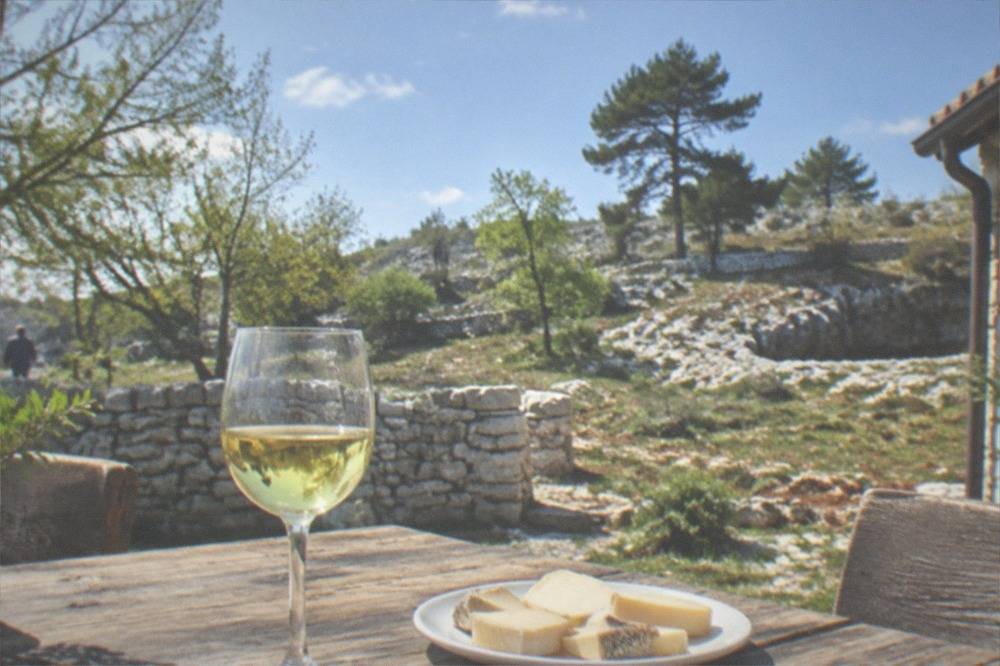
You drink the Carso's own wines, above all Vitovska, Malvasia and Terrano, served by the glass or bottle from the farm's own production, alongside simple home produce such as cured meats, cheeses and eggs. You will not find a restaurant menu or a cocktail list. The wine is the point of the institution, the food is what the farm makes, and the whole arrangement exists so the producer sells direct to the drinker.
Start with the whites. Vitovska is the plateau's signature grape, a native variety that makes a mineral, stony white that tastes like the limestone it grows in, increasingly sought after by natural-wine drinkers. Malvasia, in its Carso form, gives fuller, aromatic whites. For red, the local answer is Terrano, a variety that thrives on the iron-red soil over limestone the locals call terra rossa and produces a fresh, purple-fruited red served cool. These three are the Carso's own, and they are what an osmiza exists to pour.
Here the biggest trap in Trieste wine writing needs a name: Prosecco. Prosecco is a village on the Carso above Trieste, and Prosecco is also a sparkling wine, and the two are not the same thing and never stand in for each other. Trieste is not in the Prosecco DOC. The sparkling wine comes from the DOC hills much further west, around Valdobbiadene and Conegliano. The village above Trieste gave the wine its name centuries ago, and a visit to the village is a history outing, not a tasting of the local pour. The wines of Friuli Venezia Giulia are the proper frame for what is in your glass on the plateau.
The food is deliberately simple, and that is the tradition rather than a shortcoming. Expect platters of the Karst's cured pork, local cheeses, bread, maybe eggs and whatever preserves the farm makes. You pay for what you take, often by weight or by the item, and you often clear your own table. It is closer to a family kitchen with the door open than to a business, and the prices reflect the absence of a middleman.
If you want to meet these wines with a translator before you drive up, the city-centre wine tasting with food pairings runs one hour, is listed from $56.18 per person and rated 4.61 from 22 reviews, and covers the flavours of the Friuli Alps with wine, olive oil and delicacies. Check availability
| Tour | Focus | From (per person) | Rating | Reviews | Length |
|---|---|---|---|---|---|
| Trieste City Center: Wine Tasting with Food Pairings | Friuli wines, olive oil, delicacies | $56.18 | 4.61 | 22 | 1 hour |
| Trieste: 2.5-Hour Prosecco Origins Tour and Tastings | The village of Prosecco and its history | $68.79 | 4.93 | 227 | 2h 30m |
| Trieste: History of Prosecco and the Karst Region | Full-day Karst and Prosecco village | $145.22 | 4.48 | 23 | 7 hours |
| Prosecco Origins Wine Experience | Wine experience in the village | $70.07 | 5 | 91 | 2 to 3 hours |
The Prosecco village tours in that table are history and landscape outings, which is exactly how the operators describe them: the village is where the name began, not where the DOC bottles come from. The Karst full-day option is the closest thing to an organised osmiza-adjacent experience, crossing the plateau the farms sit on.
How Do You Get to the Carso from Trieste Without a Car?
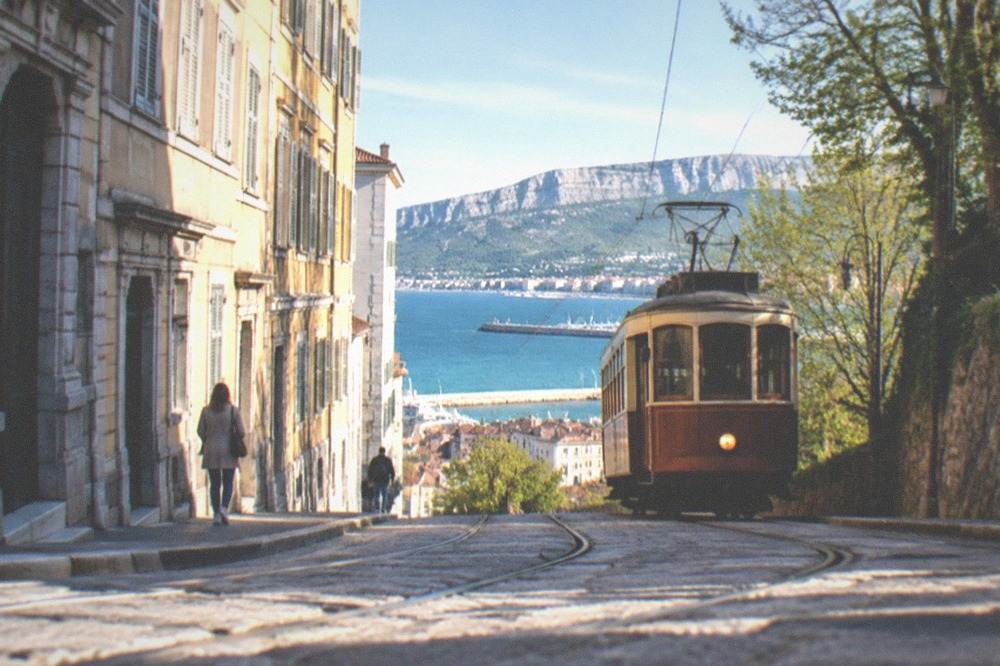
The plateau is reachable on Trieste's ordinary urban network, including the tram de Opicina, which is running: it was reactivated on 1 February 2025 and its city terminus is piazza Dalmazia, not piazza Oberdan, with a current timetable dated 20 July 2026. A standard Trieste urban ticket is valid on it and contactless bank cards can be tapped on board. Otherwise local buses serve the plateau villages, and many visitors simply drive, since the farms are scattered.
The tram deserves the correction because almost every competing guide gets it wrong. The line was suspended after the August 2016 collision and returned to service on 1 February 2025, and Trieste Trasporti's own line-2 page carries the current timetable, piazza Dalmazia to Opicina, dated 20 July 2026. The published route runs piazza Dalmazia, piazza Casali, Sant'Anastasio, via Romagna, Vetta Scorcola, Cologna, Conconello, the Obelisco and Opicina, about 5.175 km in all. It is not a heritage toy: it is urban line 2, and the ordinary tickets below cover it. Do not state a frequency or a journey time from memory, and check the operator's live status page before you travel, because short maintenance suspensions happen and are announced there first.
| Ticket | Validity | Price |
|---|---|---|
| Urban single (U01) | 60 minutes | €1.50 |
| Urban single (U02) | 75 minutes | €1.85 |
| Day ticket (U24) | One day | €3.35 |
| 10 rides (U10) | Ten urban journeys | €13.50 |
| 20 rides (U20) | Twenty urban journeys | €16.65 |
Those fares come from Trieste Trasporti's 2026 urban tariff sheet, and singles extend to 240 minutes on Sundays and public holidays. For an osmiza day the day ticket is the natural choice if you are hopping between the city, the tram and a village. One honest caveat: an osmiza is a farmhouse, often down a lane the buses do not serve, so the tram or a bus gets you to the plateau and the frasca and the calendar tell you where to walk or cycle from there. Check the address on the calendar against the map before committing.
If you are crossing onto the Slovenian side of the plateau, where osmize also exist, carry a passport or national ID card. All three countries around the Gulf of Trieste, Italy, Slovenia and Croatia, use the euro and all three are in Schengen, but Italy is running temporary border checks on its land border with Slovenia through 18 December 2026, so a spot check is possible on the road. Plan the rest of your arrival with the Trieste airport guide or the train station and rail connections guide.
Which Tours Pair Well with an Osmiza Day?
The strongest pairings are the Carso's own organised experiences: a guided foodie walk in Trieste from $71.08 per person rated 4.91 from 264 reviews, the Lipica stud farm and Škocjan Caves day trip from $129.93 rated 4.86 from 23 reviews, and the Grotta Gigante guided tour with museum entry from $17.20 rated 4.78 from 151 reviews. Each covers ground the osmize assume you already know, from the city's buffet tradition to the plateau's caves and the white horses just across the border.
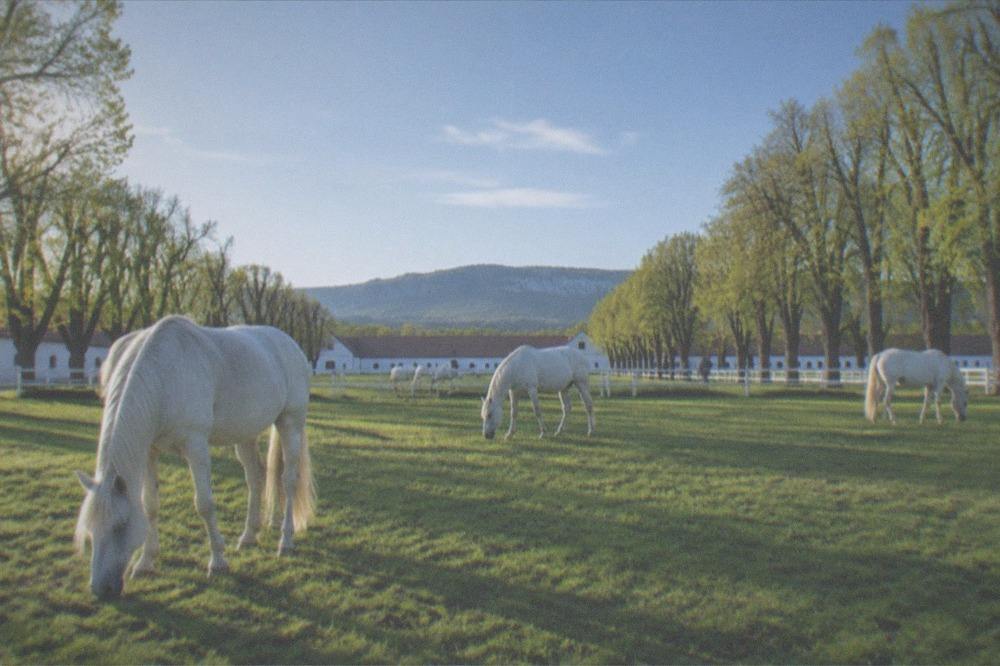
The reasoning is simple. An osmiza is a one-hour-or-all-afternoon stop in a scattered landscape, and the plateau's headline sights sit on the same roads. Grotta Gigante, the giant cave at Borgo Grotta Gigante near Sgonico, is guided-only with compulsory booking, adult entry €15, and it is closed on Mondays from September to February, so check the schedule before you bolt it onto a cellar afternoon. Lipica, the historic stud farm of the white Lipizzaner horses, and the UNESCO-listed Škocjan Caves sit just over the border in Slovenia, on the same limestone the vines grow in.
| Tour | What it covers | From (per person) | Rating | Reviews | Length |
|---|---|---|---|---|---|
| Trieste: Guided Foodie Walking Tour | Guided street-food walk | $71.08 | 4.91 | 264 | 3 hours |
| Trieste: Unique Food Tour with Local Flavors and Tastings | City food walk, local flavors | $85.98 | 4.74 | 123 | 3 hours |
| Trieste: Unique Food Tour (premium option) | Premium food tour | $87.58 | 4.9 | 88 | 3 hours |
| Lipica Stud Farm and Škocjan Caves from Trieste | White horses, UNESCO caves | $129.93 | 4.86 | 23 | 6 hours |
The food walks earn their place because Trieste's eating tradition is its own animal, a mix of Mediterranean and Central European influences that a visitor will not decode from a menu alone, and the city's food culture is the right background reading. The guided foodie walk, listed from $71.08 and rated 4.91 from 264 reviews, is the highest-reviewed of the three and covers the best of the city's street food in three hours.
| Carso-area tour | Type | From (per person) | Rating | Reviews | Length |
|---|---|---|---|---|---|
| Sgonico (Trieste): Grotta Gigante Guided Tour & Museum Entry | Cave, museum | $17.20 | 4.78 | 151 | 1 hour |
| Lipica Stud Farm and Škocjan Caves from Trieste | Day trip, Slovenia | $129.93 | 4.86 | 23 | 6 hours |
| Trieste: History of Prosecco and the Karst Region | Karst day trip | $145.22 | 4.48 | 23 | 7 hours |
| Trieste E-Bike Tour: Old Town, Miramare Castle and Gelato | Active, coast and castles | $174.26 | 5 | 2 | 6 hours |
The Lipica pairing is the deepest one: the stud farm sits on the Karst's Slovenian side, surrounded by the same terrano soil, and the Škocjan Caves are among the largest limestone caverns in the world. It is a six-hour day trip from Trieste, listed from $129.93 per person, and it converts a plateau drive into a full itinerary that ends, if the calendar cooperates, at an open frasca on the way home.
When Is the Best Season for Osmize Near Trieste?
Openings are concentrated in spring and autumn, with the weeks around Easter the traditional peak and autumn a strong second window, though each farm chooses its own days and the only current truth is the live calendar. Spring brings the plateau into leaf and the first warm terraces; autumn brings the new wine and the harvest. Summer openings exist but are thinner, and winter ones are rare, in part because the bora wind blows hardest from November to March.
The seasonal logic is agricultural. A farm opens when it has stock worth selling and weather worth sitting in, which is why the calendar thickens after the harvest and again around the spring holidays. The weather numbers from ARPA FVG's own station tables for Trieste molo Fratelli Bandiera back the instinct up: spring on the coast is mild and comparatively dry, while autumn is the wetter shoulder, with November the wettest month at 109.8 mm and September second at 102.3 mm.
| Month | Mean high C | Rain mm | Wet days | Days with a gust over 72 km/h |
|---|---|---|---|---|
| March | 13.0 | 52.8 | 6.1 | 4.9 |
| April | 16.8 | 60.7 | 8.0 | 3.5 |
| May | 21.7 | 75.0 | 8.5 | 2.7 |
| September | 23.9 | 102.3 | 7.4 | 3.5 |
| October | 19.6 | 88.6 | 7.6 | 4.0 |
| November | 14.7 | 109.8 | 9.5 | 5.2 |
The wind column matters more on the plateau than the rain column. The bora, the cold north-easterly that funnels down off the Karst, averages 17.6 days a year with a gust over 90 km/h at the waterfront station, and its peak gust on record there is 168.1 km/h from February 2012. An open courtyard on the plateau in a bora is not where you want to be holding a glass of Vitovska, which is one more reason the farms favour the calmer months. The full picture is in the guide to the bora wind and the month-by-month weather guide.
None of this is a schedule, and it must not be read as one. The concentration in spring and autumn is the pattern the farms have always followed, but a given farm opens when it opens, and the best time to visit Trieste depends on far more than the osmize. Check the calendar for your exact dates, and if it shows an opening in a month this table makes look unlikely, believe the calendar.
What Should You Know Before You Go to an Osmiza?
Go expecting a farm, not a service: bring cash, go with time and no schedule, order what the farm has rather than what you hoped for, and treat the shared table as the point rather than the inconvenience. Book nothing, because an osmiza takes no bookings and has no cover charge, but check the osmize.com calendar and the frasca on the day, and be ready for the possibility that the farm runs out or closes early.
The etiquette is unstated but consistent. You often share a table with strangers, and conversation is part of the transaction. You may be handed a carafe rather than a list. Payment is sometimes on trust, tallied at the end from what is left on the table. None of this is rudeness; it is a farmhouse doing what farmhouses do. Arrive with small notes, because not every cellar takes cards, and do not arrive at an osmiza expecting a vegetarian menu, a high chair or a cocktail, though families are generally welcome in the way they are welcome anywhere rural.
Dress for the plateau, not the sea. The Carso sits above the city and it is windier and a few degrees cooler than the waterfront, and the ground is limestone and clay, so the shoes you wore on the seafront at the Rive will tell on you after a lane or two. If the bora is blowing, the courtyard will be empty and the cellar will be full, which is itself a useful signal.
| Item on a Carso day | Typical figure | Source |
|---|---|---|
| Urban single ticket to the plateau | €1.50 | Trieste Trasporti 2026 tariff sheet |
| Urban day ticket | €3.35 | Trieste Trasporti 2026 tariff sheet |
| Grotta Gigante adult entry | €15.00 | Venue price list |
| City-centre wine tasting tour | from $56.18 | Operator's live listing |
| Guided foodie walking tour | from $71.08 | Operator's live listing |
| Lipica and Škocjan day trip | from $129.93 | Operator's live listing |
The table is a planning frame, not a bill: tasting fees and tour prices are as listed at the time of writing and the venue and operator pages are the live truth. The one line you should not budget from memory is the osmiza itself, because every farm prices its own wine and its own produce, and the honest answer is that a glass and a platter at a farmhouse table costs less than the equivalent in the city, with the exact figure depending on the farm, the year and how long you stay.
Whichever way you build the day, the osmiza is the part of Trieste that cannot be pre-booked, pre-planned or packaged, and that is precisely its value. The city below, with its Habsburg squares and its coffee houses, can be scheduled to the minute. The plateau above runs on branches, calendars and a farmer's judgement, and the best you can do is arrive when the frasca says so.
Common Questions About the Osmiza on the Trieste Carso
What is an osmiza?
An osmiza is a farm on the Karst plateau above Trieste, Italy, that opens for a limited, self-declared period each year to sell its own wine and simple home produce, such as cured meats, cheeses and eggs, directly from the property. The name comes from the Slovene osem, eight, for the eight days originally allowed. Today each farm notifies its own opening days, and the live calendar is at osmize.com.
How do I know if an osmiza is open?
Two ways: the frasca, a leafy branch hung at the turning to a farm that is open that day, and the volunteer-run osmize.com calendar, which lists open days with addresses and a map as the farms declare them. Because each farm sets its own days, no printed list stays current, so check the calendar on the morning you go.
What wine do they serve at an osmiza?
The Carso's own wines: Vitovska, a mineral white from the native plateau grape; Malvasia in its Carso form; and Terrano, a fresh red grown on the iron-red soil over limestone. The farm serves its own production by the glass or bottle. Prosecco is a separate matter: the village of Prosecco sits on the Carso above Trieste, but Trieste is not in the Prosecco DOC and the sparkling wine comes from the DOC hills further west.
Do I need a reservation for an osmiza?
No. Osmize take no bookings and charge no cover; you arrive, you sit, often at shared tables, and you pay for what you take. The things to bring are cash, since not every cellar takes cards, and flexibility, since a farm can run out or close early on its own judgement.
When do the osmize open during the year?
Openings concentrate in spring, around the Easter period, and again in autumn after the harvest, with thinner activity in summer and rare winter openings, partly because the bora wind blows hardest from November to March. Each farm chooses its own days, so the osmize.com calendar for your exact dates is the only reliable answer.
Can I reach an osmiza by public transport from Trieste?
Partly. The tram de Opicina, urban line 2, is running again since 1 February 2025 from its piazza Dalmazia terminus, and buses serve the plateau villages, with a €1.50 urban single or a €3.35 day ticket covering the network. But the farmhouses themselves often sit down lanes the buses do not serve, so many visitors drive, cycle or walk the last stretch from the village.