Free Things to Do in Trieste, Italy: Parks, Landmarks and Free Museum Days
Trieste, Italy, gives away an unusual amount of itself for free: the seafront, the cathedral, a national monument, a castle park and one Sunday a month at the state museums.
Short answer
The best free things to do in Trieste are Piazza Unità d'Italia and the Rive seafront, the free Cattedrale di San Giusto, the Risiera di San Sabba national monument, the Miramare park, the first-Sunday free entry at state museums, and the tip-based GuruWalk city walks.
Trieste, Italy, is one of those rare Italian cities where the best of it costs nothing. The seafront is the show: Piazza Unità d'Italia opens straight onto the water, the Rive stretch along the gulf, and the Molo Audace jetty is a free walk out over the sea. The cathedral is free, the Risiera di San Sabba national monument is free, the Miramare park is free all year, and the state museums throw open their doors on the first Sunday of every month. Even the walking tours can cost nothing up front: GuruWalk runs a pay-what-you-want city walk here. This guide lists what is genuinely free, what only looks free, and the few paid extras worth the money, with every price and hour taken from the venues' own published pages.
What Are the Best Free Things to Do in Trieste, Italy?
The best free things to do in Trieste are Piazza Unità d'Italia and the Rive seafront, the free Cattedrale di San Giusto, the Risiera di San Sabba national monument, the free Miramare park, the Teatro Romano viewed from the street, and free entry at state museums on the first Sunday of each month. The seafront walks at Barcola and the Molo Audace jetty cost nothing, and GuruWalk runs a free, tip-based city walk. Add the free first Sundays at Miramare and the civic museums, and a visitor with no ticket budget can fill two full days in this city without paying for a single attraction.
That list is not a consolation prize. Trieste's identity is a port city built around its gulf, and the things that define it, the square, the sea, the wind, the coffee houses, are either free or close to it. The paid attractions, the castles and the caves, are excellent, but they sit around the edges of the city rather than at its centre.
A word on what this page is not. It is not a list of "free" things that turn out to cost money once you arrive. Every free claim below is checked against the venue's own published page, and where a price exists it is printed exactly as the venue prints it. Where the pack could not verify a figure, this page says so rather than guessing.
If you are planning a whole low-budget day rather than picking individual stops, the free-day itinerary on a free day in Trieste strings these stops into one walkable route, and the overview of why Trieste is famous explains what you are actually looking at.
Which Trieste Landmarks Can You See for Free?
Piazza Unità d'Italia, the Rive, the Molo Audace jetty, the Cattedrale di San Giusto, the Risiera di San Sabba, the Teatro Romano from the street, the Arco di Riccardo, the Canal Grande banks and the Barcola seafront are all free to see, with no ticket, no booking and no opening charge of any kind. The cathedral is open weekdays 8:00-18:30 and Sundays 9:00-19:30, and the Risiera is open daily with free entry. Between them they cover Roman Trieste, medieval Trieste, Habsburg Trieste and the port city's darkest 20th-century chapter, which is more history per free euro than most Italian cities manage.
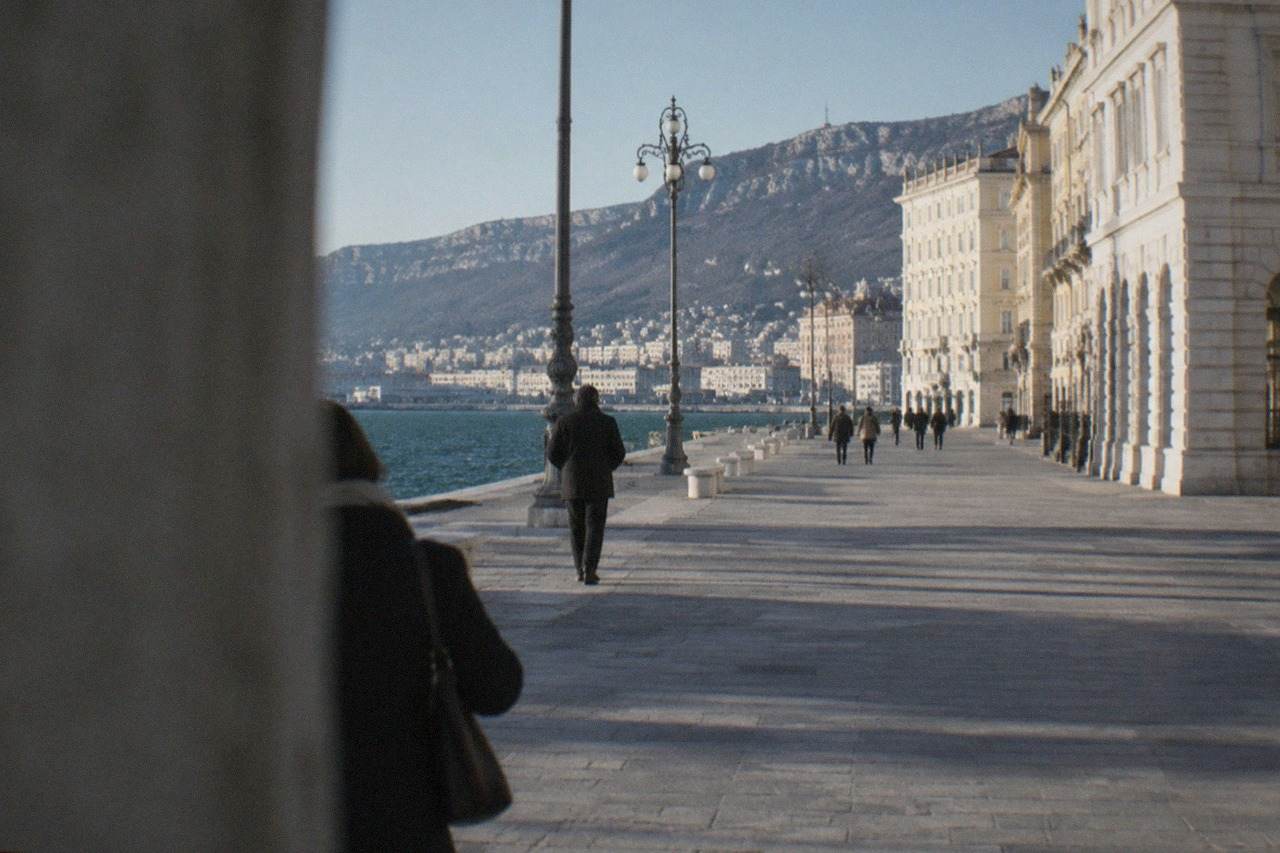
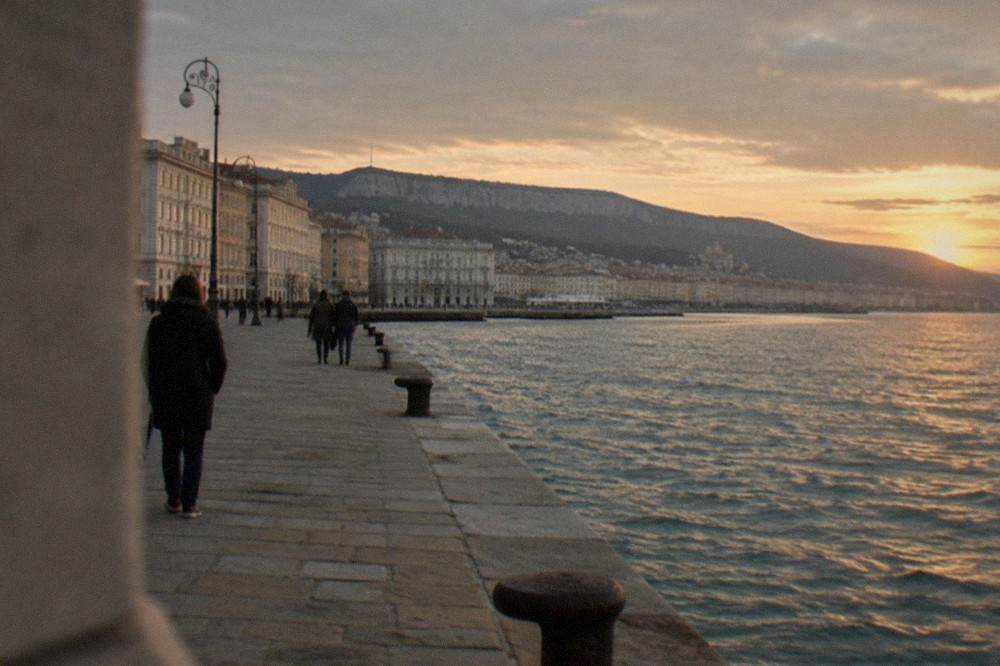
Start on the water. Piazza Unità d'Italia is the largest seafront square in Italy and it is, quite literally, a public piazza: you walk on, you look at the sea, you pay nothing. The Molo Audace, the old pier named for the first ship to sail from the port after the First World War, is a flat walk out over the gulf and the single best free viewpoint in the city at sunset. The Rive, the long waterfront promenade, connect the two and run on towards Barcola.
Up the hill, the Cattedrale di San Giusto Martire is free to enter, and the parish is explicit about it. The five centuries of its mosaics, the Romanesque facade and the view over the rooftops from the forecourt cost nothing. The bell tower next door does charge, but the parish publishes no price for it, so this page prints none either. The Teatro Romano, the Roman theatre at the foot of the hill, is looked down into from the street: it is free, visible at any hour, and not routinely enterable by individuals, so plan to view it rather than visit it. The Arco di Riccardo, the Roman arch in the Città Vecchia, stands on a public street.
The Risiera di San Sabba, the only Nazi extermination camp in Italy, is a national monument with free entry, open daily 9:00-19:00 from 1 March to 11 October and 9:00-17:00 from 12 October. It is a sobering hour and it costs nothing. Groups must book a slot from 1 March to 31 May; individuals never do.
| Landmark | What it is | Entry cost | Hours to know |
|---|---|---|---|
| Piazza Unità d'Italia | Seafront square on the gulf | Free | Public space, always open |
| Molo Audace | Stone jetty over the water | Free | Public space, always open |
| Cattedrale di San Giusto Martire | Cathedral with mosaics | Free | Weekdays 8:00-18:30, Sundays 9:00-19:30 |
| Risiera di San Sabba | National monument, former camp | Free | Daily 9:00-19:00 (1 Mar-11 Oct), 9:00-17:00 from 12 Oct |
| Teatro Romano | Roman theatre | Free, viewed from street | Visible at any hour |
| Arco di Riccardo | Roman arch | Free | Public street, always visible |
| Canal Grande banks | Canal-side walk with church facade | Free | Public space, always open |
| Barcola seafront | Long seafront promenade | Free | Public space, always open |
One caution: the cathedral's parish asks that visitors not come during Sunday Mass, and preferably not between Masses at all. Time a cathedral visit for a weekday morning and you will have it nearly to yourself, for free.
If you would rather have the stories behind these landmarks than just the views, the self-guided audio walk is the cheapest paid option in the city, and the GuruWalk city walk is free up front. Both are covered in detail further down.
When Are Trieste Museums Free to Enter?
State and civic museums in Trieste are free on the first Sunday of every month under the ministry's recurring scheme, and Miramare Castle is one of the participating venues, so the castle itself is free on those days while its park is free every day of the year. Castello di San Giusto is free on first Sundays and on 3 November, the patron saint's day, and Museo Revoltella is free on first Sundays too. The scheme has changed its details more than once in recent years, so the safe pattern is to check the venue's own page for the specific month rather than assume, but the first-Sunday format is the current standard through 2026.
This is the single biggest money-saver in the city, and most visitors never hear about it. Miramare's adult castle ticket is EUR 17.00, which makes a family visit a real expense; on a first Sunday that same visit is free. The park, to be clear, never costs anything at all, "L'ingresso al Parco è libero tutto l'anno" is the venue's own wording, and it keeps its own hours by month: 8:00-19:00 from April to September, 8:00-16:00 in January, with the shoulder months in between.
| Museum or monument | Normal adult price | Free first Sundays | Other free days |
|---|---|---|---|
| Castello di Miramare (castle) | EUR 17.00 | Yes | Park free every day |
| Castello di San Giusto | EUR 7.00 | Yes | 3 November, patron saint's day |
| Museo Revoltella | EUR 8.00 | Yes | 3 November |
| Risiera di San Sabba | Free always | Not applicable | Not applicable |
| Cattedrale di San Giusto Martire | Free always | Not applicable | Not applicable |
| Grotta Gigante | EUR 15.00 | No free day published | FVG Card holders enter free |
Note what is not on that list: Grotta Gigante publishes no free day, and it is guided-only with compulsory booking, so it cannot be improvised. The regional FVGcard does cover it, but this page does not quote FVGcard prices because they could not be verified from the operator's own pages. There is no Trieste-only museum card; if a seller offers you one, it is not an official product.
Can You Visit the Miramare Castle Park Without Paying?
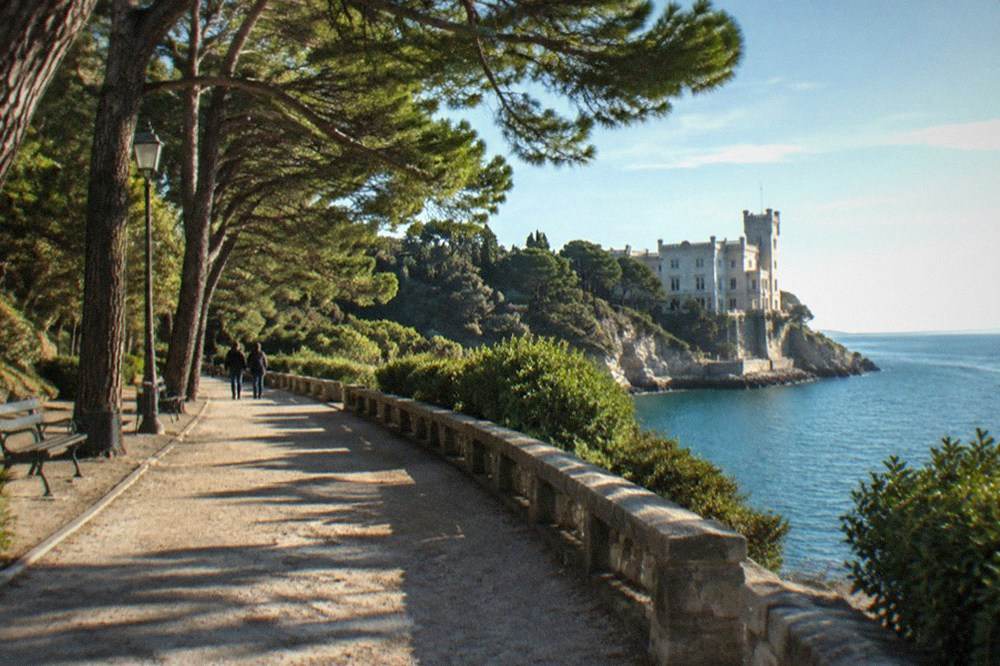
Yes, the Miramare park is free to enter every day of the year, with no ticket and no booking, and its hours run by month: 8:00-19:00 from April to September, 8:00-18:00 from 1 to 14 October, 8:00-17:00 from 15 to 31 October, 8:00-18:00 in March, 8:00-17:00 in February, 8:00-16:00 in January, November and December. Only the castle itself charges, at EUR 17.00 for an adult. The park is a genuine destination in its own right, with the sea-facing grounds of the archduke's residence open to anyone who walks in.
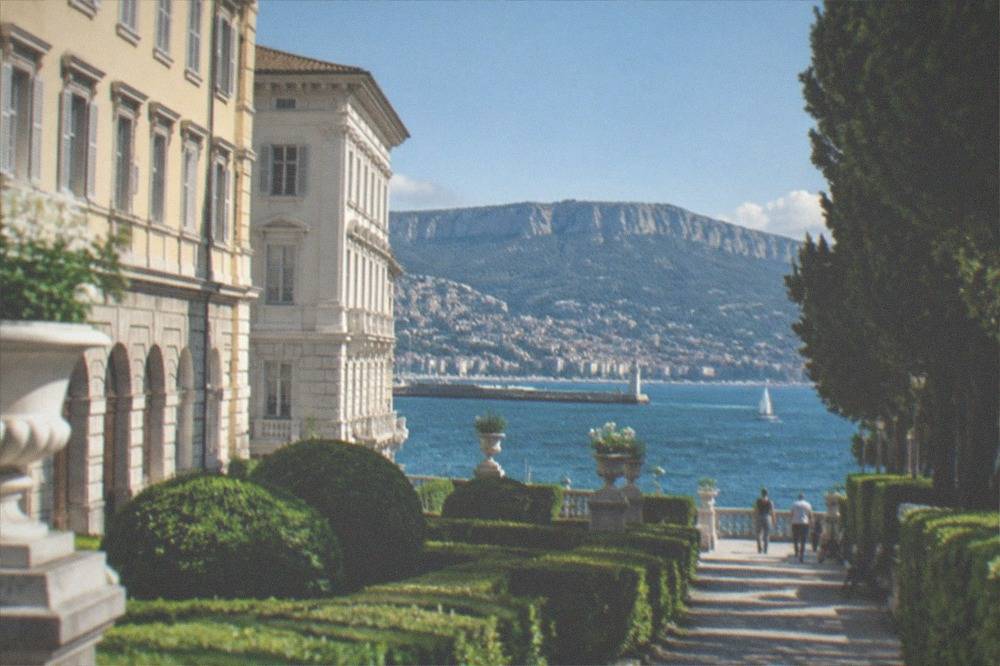
This is the fact most visitors get backwards. They assume the whole Miramare site is ticketed and plan a quick photo from outside. In reality the park is one of the great free green spaces on the Adriatic: formal avenues, a seaside position on the headland, and the castle rising above it, all accessible without paying anything. The venue's own visit page states the park entry is free all year.
If you do want the castle interior, the numbers are these: EUR 17.00 adult, which includes the temporary exhibition; EUR 7.00 reduced for EU citizens aged 18-25 with the exhibition, or EUR 2.00 for castle only. The castle is open every day 9:00-19:00 with last admission at 18:30. A cheaper route to the interior is the entry-ticket product on the operator's live listing, which bundles the castle, the park and the current exhibition. On a first Sunday of the month, of course, the castle is free under the ministry scheme and you need nothing but a queue-avoiding early start.
The wider Miramare story, the archduke, the marine protected area off the headland and how to get there, is covered in the dedicated castle guide, and the seafront route from the city out to Barcola and beyond is the natural free way to approach it, as described in Trieste's beaches and swimming spots.
What Free Walking Tours Run in Trieste?
Trieste has a free, pay-what-you-want city walk on GuruWalk, a free tip-based Old Port industrial-archaeology walk also on GuruWalk, and a self-guided audio-and-written walk by a local that costs from $7.59 per person. The GuruWalk walks are genuinely free up front and you tip the guru at the end; the self-guided option costs a few dollars and lets you walk at your own pace with no schedule. Between the three, a visitor can have a guided introduction to the city for anything from nothing to the price of a caffè.
The GuruWalk model matters here because these are not this site's tours and the honesty requirement is to name the platform. GuruWalk's Trieste city walk, "Discover Trieste on a walking tour", is run by a local guru, is rated 4.86 from 50 reviews on the listing, and is free and tip based: you book a spot, you walk, and you pay what you think the walk was worth at the end. Never print a price for it, because there is not one. There is also a GuruWalk free walk through the Old Port, the industrial-archaeology route through a district only opened to the public in recent years, rated 5 from 4 reviews, same tip-based model.
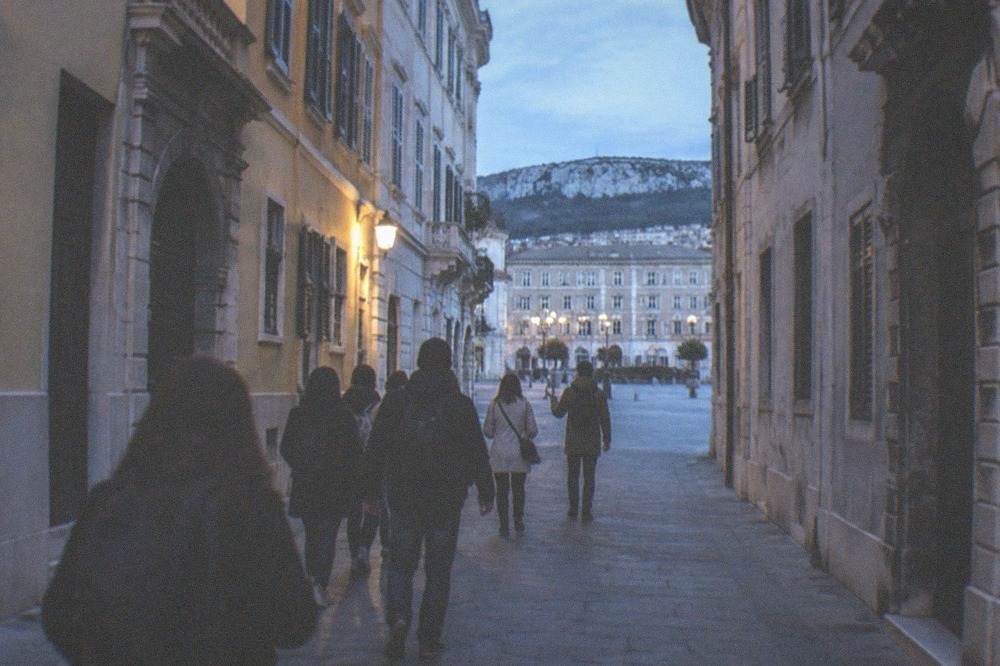
The paid-but-cheap option is the self-guided walk with audio and written guides by a local: from $7.59 per person, rated 4.5 from 105 reviews, with no fixed schedule and no group to keep up with. It suits visitors who want the stories but not the timetable, and it is this page's related pick: Check availability.
| Walk | Type | Up-front cost | Rating on the listing |
|---|---|---|---|
| Discover Trieste on a walking tour (GuruWalk) | Guru-led, pay what you want | Free, tip based | 4.86 from 50 reviews |
| Old Port industrial archaeology walk (GuruWalk) | Guru-led, pay what you want | Free, tip based | 5 from 4 reviews |
| Audio and written guide walk by a local | Self-guided | From $7.59 per person | 4.5 from 105 reviews |
| Scavenger hunt self-guided walk | Self-guided game | From $4.67 per person | 4.6 from 28 reviews |
The fuller comparison of every guided and free walk in the city, including the private guides and what they charge, is in free walking tours in Trieste.
Which Free Views and Seafront Walks Does Trieste Offer?
The free views in Trieste are the Molo Audace jetty, the Rive promenade, the forecourt of San Giusto hill looking over the rooftops and the gulf, the Barcola seafront, and the Faro della Vittoria lighthouse seen from the seafront path, and none of them charges a cent. The Rive and Barcola together form one continuous free walk along the water, and the hillside above Città Vecchia gives the classic elevated panorama for nothing. The only viewpoints that charge are inside the paid castles, and the free ones are, honestly, the better ones.
The bora is the thing to know before you plan any of this. Trieste's famous north-easterly wind averages 17.6 days a year with gusts over 90 km/h at the waterfront station, and the monthly record gust exceeds 110 km/h in every single month of the year, including July. The seafront walks are free but they are not always gentle: on a bora day the Rive are where the wind is at its rawest, and the smart free move is to walk them with the wind behind you, from the city towards Barcola rather than into it. The full story of the wind, its numbers and its season is in the bora wind guide.
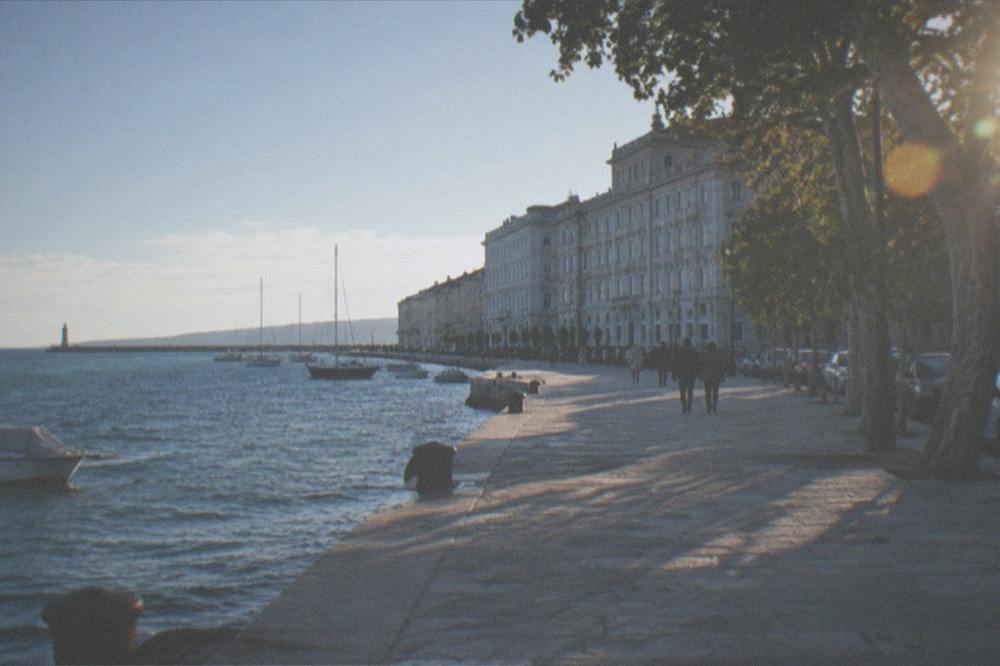
The Barcola seafront deserves its own mention. It is where the city swims, sunbathes and eats summer evenings, it is completely public, and it lines up along the same stretch that the free seafront path continues towards Miramare. The swimming culture there, including the free historic bathing spot at Pedocin, is covered in the beaches guide; the walk itself costs nothing and needs no planning beyond a bottle of water.
| Free viewpoint | What you see | Best time | Cost |
|---|---|---|---|
| Molo Audace | The gulf, the city front, sunset over the water | Evening | Free |
| Rive promenade | Piazza Unità d'Italia from the water side, the port | Morning light | Free |
| San Giusto hill forecourt | Rooftops, the gulf, the cathedral close | Late afternoon | Free |
| Barcola seafront | The long gulf curve, bathers, the Miramare headland | Summer evenings | Free |
| Faro della Vittoria from the path | The lighthouse on the headland | Any daylight hour | Free |
One thing this page will not do is tell you a walking time or a distance between any of these. The pack does not give one, and invented minutes are how travel guides mislead people. What is safe to say is that the seafront is continuous, flat and signposted, and that the hill involves steps.
Where Can You Eat and Drink Cheaply Around Trieste's Free Sights?
Trieste is not a cheap city by Italian standards, but the free-sight circuit pairs well with its low-cost food culture: a caffè standing at the bar, the buffet-style eateries serving jota and goulash, and the osmize on the Carso selling their own wine by the glass straight from the farmhouse. None of these is free, but all of them are the inexpensive half of a day built around free sights, and the coffee culture in particular is the city's signature cheap pleasure. The food guide covers the dishes and the coffee guide covers the caffè; what matters here is the pairing.
The caffè is the obvious one. Trieste's coffee-house culture is historic and central to the city's identity, and a standing caffè at the bar is one of the least expensive experiences in any Italian city. This page prints no per-head coffee-consumption figure and no "twice the Italian average" claim, because no primary source for that statistic exists anywhere, which is exactly the kind of thing a confident guide invents. The culture is real and needs no number. The full story is in Trieste's coffee culture.
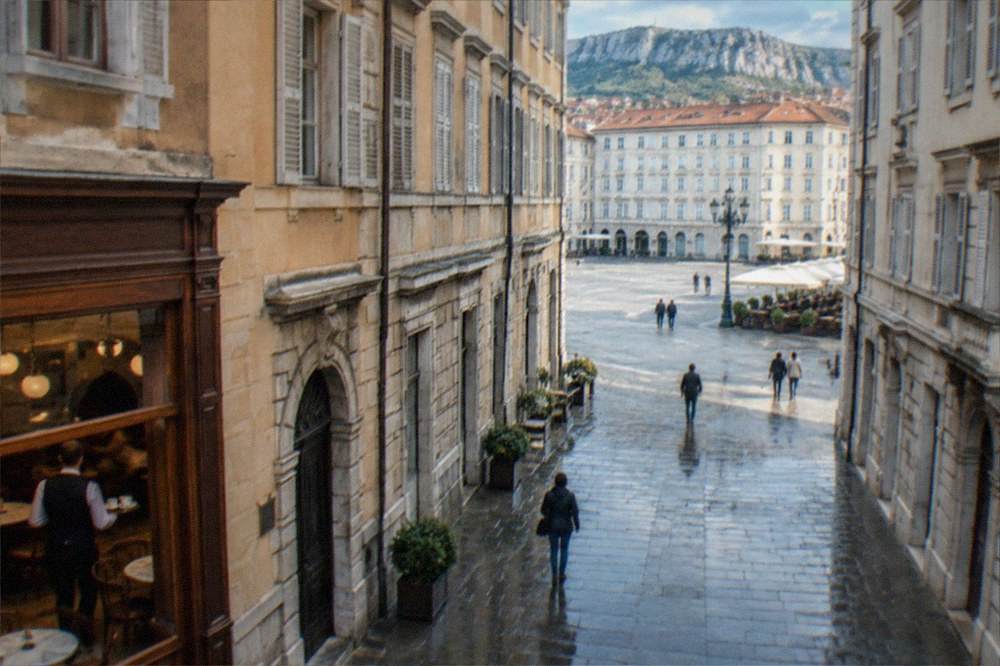
The osmize are the other half of the inexpensive Trieste. These are Karst farms that open their cellars for limited periods to sell their own wine and home produce direct, signposted by a frasca, a leafy branch, hung at the turning. They are not free, but a glass of Vitovska and a plate of salumi at a farmhouse table is one of the region's great value meals, and the seasonal calendar of which osmiza is open on which day is published at osmize.com. The custom, the frasca and how to find them are covered in the osmize of the Carso. Note that the Carso's own wines are Vitovska, Malvasia and Terrano; Trieste is not in the Prosecco DOC, and the village of Prosecco up the coast gave the wine its name without being where the DOC sits today.
| Low-cost food stop | What it is | Rough character | Where to read more |
|---|---|---|---|
| Historic caffè, standing at the bar | The city's signature coffee ritual | Inexpensive, fast | Coffee culture guide |
| Buffet-style eatery | Jota, goulash, pork dishes, Central European cooking | Modest prices, filling | What to eat guide |
| Osmiza on the Carso | Farm wine and home produce, seasonal | Pay by the glass and plate | Osmize guide |
| Street food on a food tour | Guided tastings, from $71.08 per person | Paid, but all-inclusive | Operator listing |
For the dishes themselves, jota and the buffet tradition, the full guide is what to eat in Trieste, and the restaurant shortlist is in the best restaurants in Trieste.
What Free Things to Do in Trieste Work in Bad Weather?
Trieste's best bad-weather free options are the Cattedrale di San Giusto, the Risiera di San Sabba, the Teatro Romano seen from the Città Vecchia streets, the free first-Sunday museum days, and the caffè, while the city's rainiest month is November at 109.8 mm and its summer is genuinely dry, July being the second-driest month at 53.8 mm. The practical point is that Trieste's wet season is autumn, not summer, and a November visit needs indoor free options while a July visit barely does.
The numbers come from the regional met agency's own station tables for the waterfront, a 30-year series: November is the wettest month at 109.8 mm, September is second at 102.3 mm, and July, at 53.8 mm, is the second driest. The old line about rainy summers on the Adriatic is simply wrong for this city. If you are choosing when to come on a budget, the free-outdoor season is long, and the month-by-month detail is in Trieste weather month by month and the best time to visit Trieste.
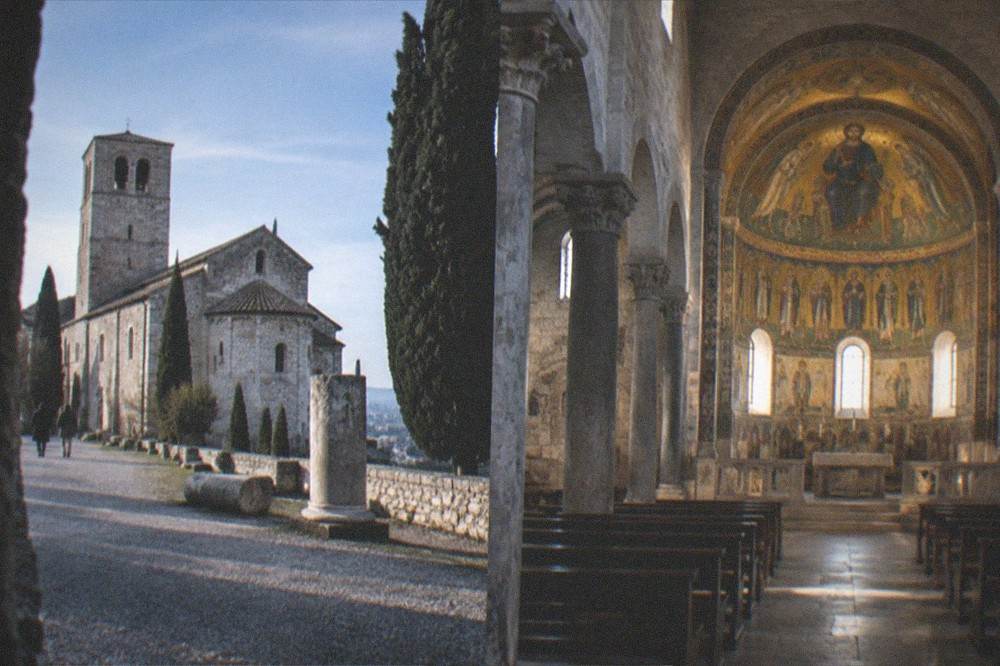
The indoor free circuit is shorter than the outdoor one but real. The cathedral is free, covered and open all day on weekdays. The Risiera di San Sabba is free, indoors in its exhibition spaces, and open daily. The Teatro Romano is, in any weather, something you see from the street. And the first-Sunday scheme turns any of the paying museums free on the right day of the month, which is the single best rainy-day plan a visitor can make in this city.
The Barcolana deserves its own word under "free". The regatta itself is a spectator event: the whole gulf fills with sails and the seafront is free public ground. The record edition was 2018, with 2,689 registered yachts, and the 2026 edition runs 2-11 October with the race on Sunday the 11th. If you can time a low-budget visit to that week, the spectacle costs nothing, and the full event guide is the Barcolana regatta.
Common Questions About Free Things to Do in Trieste, Italy
Is Piazza Unità d'Italia free to visit?
Yes. It is a public square, open at all hours, and it is the largest seafront square in Italy. No ticket, gate or fee exists anywhere on it.
Is Miramare Castle free?
The castle is not free: an adult ticket is EUR 17.00. The park is free every day of the year, and on the first Sunday of each month the castle itself joins the ministry's free-entry scheme.
Is the Trieste cathedral free to enter?
Yes, entry to the Cattedrale di San Giusto Martire is free, open weekdays 8:00-18:30 and Sundays 9:00-19:30. The bell tower charges, but the parish publishes no price for it.
Are there free walking tours in Trieste?
Yes. GuruWalk runs a pay-what-you-want city walk led by a local guru, and a second free, tip-based walk through the Old Port. Both are free up front and you tip at the end.
When are Trieste museums free?
On the first Sunday of every month under the ministry's recurring scheme, which Miramare, San Giusto Castle and Museo Revoltella all join. San Giusto and Revoltella are also free on 3 November, the patron saint's day.
What is the best free thing to do in Trieste at sunset?
Walk out onto the Molo Audace jetty, which is a public pier over the gulf, or take the seafront path towards Barcola. Both are free, flat and open at all hours.
The short version of all of this: Trieste, Italy, is unusually generous. Two of its three biggest sights, the square and the seafront, were never ticketed to begin with, the cathedral and the national monument are free by policy, the park at Miramare is free by the venue's own statement, and one Sunday a month the state museums open their doors for nothing. Add a tip-based walk with a local guru, and the only things you genuinely have to pay for in this city are the ones you decide are worth it. For everything else, start on the Trieste Travel Guide homepage and work outward.