Museo Sartorio in Trieste, Italy: The Seafront Villa Museum Explained
Museo Sartorio is Trieste's villa museum on the seafront in Italy's north-eastern corner, a house of period rooms and civic collections that most visitors walk straight past on their way between the station and Piazza Unità d'Italia.
Short answer
Museo Sartorio is a civic museum in Trieste, Italy, housed in a historic seafront villa near the city centre. It holds the city's period-interior collections and forms part of a dense museum quarter that includes the Revoltella gallery and the Civic Museum of Natural History, all within a short walk of the waterfront.
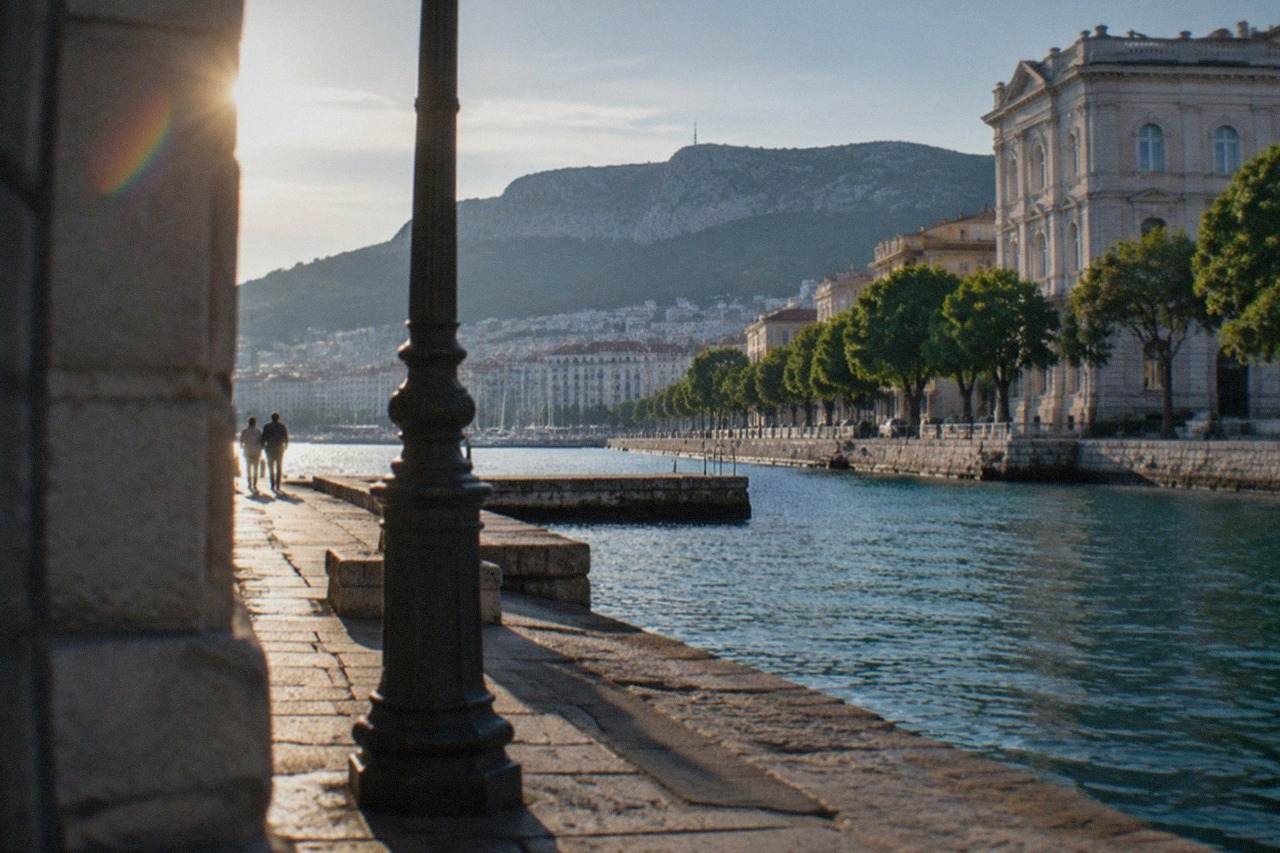
Museo Sartorio stands on the seafront of Trieste, the Adriatic port city in Friuli Venezia Giulia in the far north-east of Italy, and it is the quietest of the city's big-name museums. The villa sits on the Rive, the long waterfront road that links the station area to the historic centre, which puts it within easy reach of Piazza Unità d'Italia and the Grand Canal. Most itineraries in this city lean on coffee, Habsburg squares and the castles, and the museums of Trieste tend to get whatever time is left over. That is a mistake in a city whose civic museum network is unusually dense for its size.
This Trieste Travel Guide article lays out what the museum is, where it sits, what a museum day in Trieste costs at the prices the venues themselves publish, and how the villa fits into a route that can take in the Revoltella Museum, the Civic Museum of Natural History and the hill of San Giusto in a single day. Where a figure for the Sartorio itself could not be verified from an official source, this guide says so and points you at the venue rather than inventing a number, because an invented price in a planning guide is worse than no price at all.
What Is Museo Sartorio in Trieste, Italy?
Museo Sartorio is a civic museum of Trieste, Italy, housed in a historic villa on the city's seafront, and it preserves the furnished interiors and decorative collections of a Triestine merchant family home rather than a conventional gallery. It belongs to the same civic museum family as the Revoltella modern-art gallery and the Civic Museum of Natural History, and its setting on the Rive makes it one of the few Italian house museums you can reach on foot from a cruise berth.
The character of the place comes from what it is not. The Revoltella, a few minutes along the waterfront, is a modern and contemporary art gallery with a permanent collection and rotating exhibitions. The Civic Museum of Natural History is a scientific collection. The Sartorio is a house: rooms kept as they were lived in, with furniture, textiles, paintings and the applied arts of the Central European world Trieste belonged to when it was the main port of the Habsburg empire. That is the frame for everything inside it, and it is why the museum reads less like a stop on a checklist and more like a walk through the domestic side of the city's history.
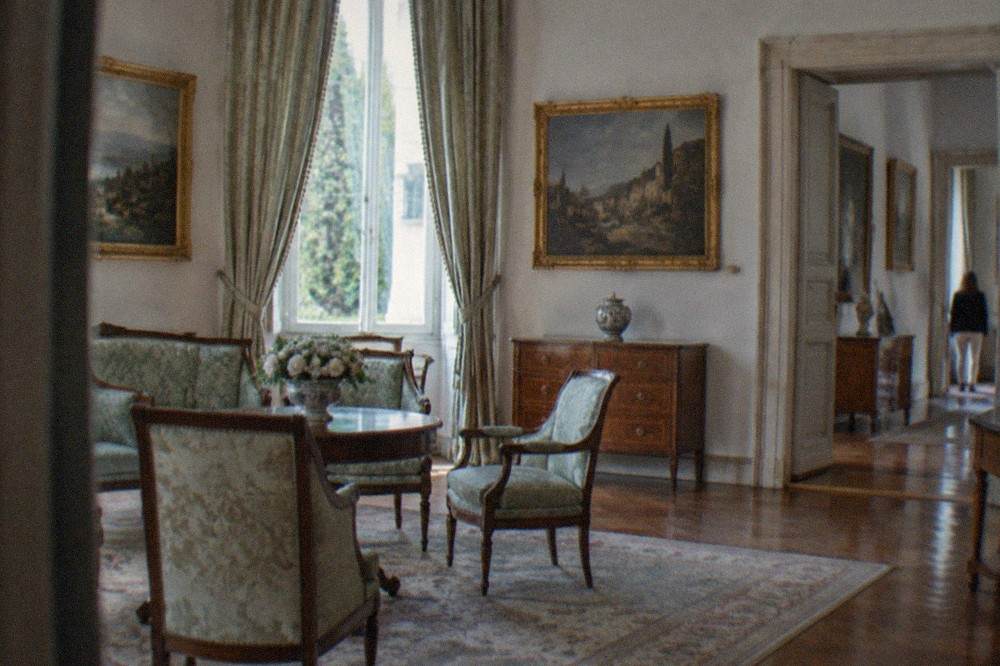
The city's story explains the collection. Trieste grew rich as the empire's outlet to the sea, and the families who built the Borgo Teresiano and the villas along the waterfront furnished their houses from Vienna, Venice and beyond. A house museum like this one is where that material survives. The city's history is written in its streets, but the interiors are the part you cannot see from the pavement, which is the honest case for going in.
For practical details, current opening days, and admission, the museum's own pages and the city's culture portal are the authoritative sources, and this guide deliberately does not print an entry price or a timetable for the Sartorio that those sources do not supply in verifiable form. Everything numeric below is attached to the venue it was verified for.
Where Is Museo Sartorio and How Do You Reach It from Central Trieste?
Museo Sartorio sits on the Trieste seafront in Italy, on the Rive between the city centre and the sea, a short walk from Piazza Unità d'Italia and the Grand Canal and served by the same urban bus network whose single ticket costs EUR 1.50 for 60 minutes or EUR 1.85 for 75 minutes. A standard urban ticket is valid across the network, and contactless bank cards can be tapped on board.
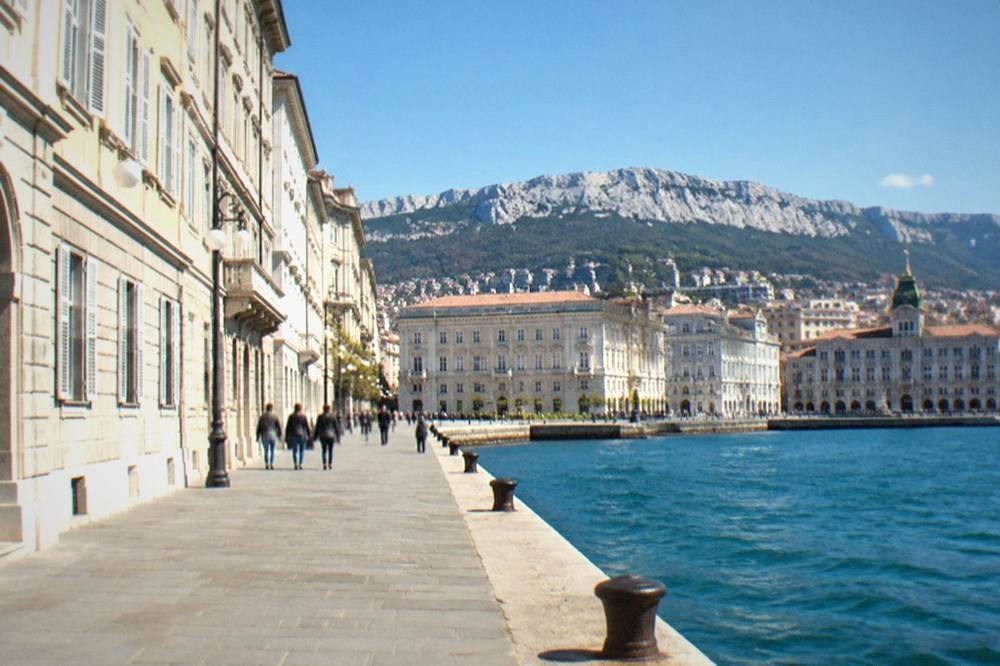
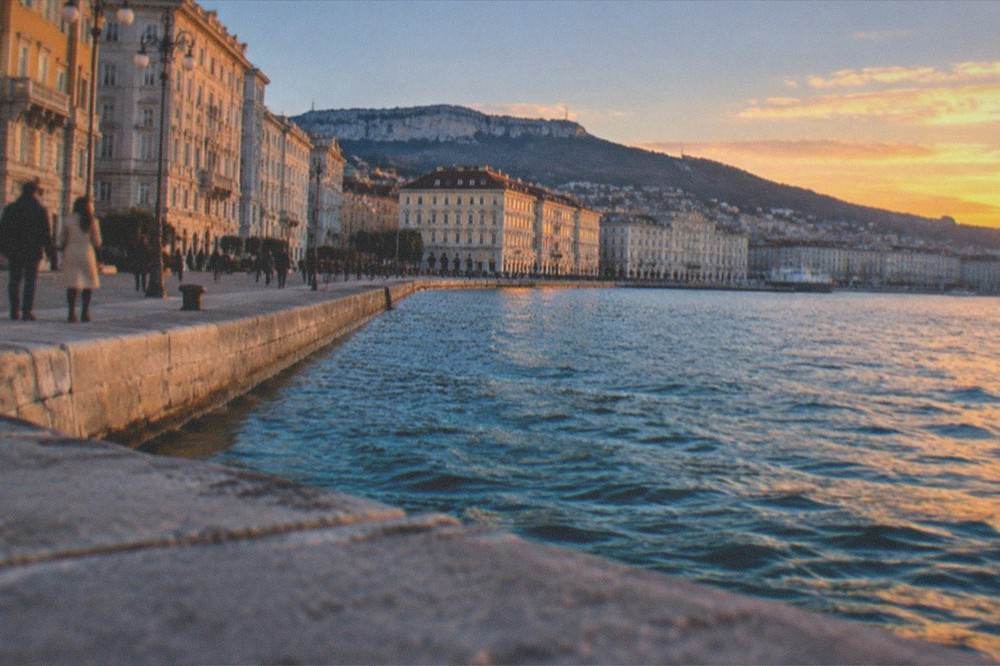
The villa's position is its best asset. The Rive is the flat, straight seafront spine of the city: from the cruise terminal and the Molo Audace pier, the route into town passes the museum quarter before it reaches the great square. Anyone walking from the station to the centre will pass within a block or two of the Sartorio, the Revoltella and the natural history museum without ever needing transport. This is one of the reasons Trieste is repeatedly described as a compact, walkable city: the museum quarter, the old town and the hill of San Giusto stack into a corridor a few streets wide.
If you do use the buses, the urban tariff sheet from Trieste's own transport operator sets the prices, and they are worth knowing before you tap:
| Code | Ticket | Price |
|---|---|---|
| U01 | Urban single, 60 minutes | EUR 1.50 |
| U02 | Urban single, 75 minutes | EUR 1.85 |
| U24 | Day ticket | EUR 3.35 |
| U10 | 10 rides | EUR 13.50 |
| U20 | 20 rides | EUR 16.65 |
Single tickets run 60 or 75 minutes, extended to 240 minutes on Sundays and public holidays, and the on-board readers accept Mastercard, Visa and American Express as well as digital wallets, applying the cheapest applicable fare. For a museum day that stays inside the centre you will likely never tap at all, but the day ticket at EUR 3.35 covers a detour to Barcola or up to the victory lighthouse, Faro della Vittoria, if the weather turns fair.
A reasonable museum loop starts at the Sartorio on the Rive, moves to the Revoltella, then cuts inland past the Roman theatre, which you look down into from the street, and climbs to the cathedral of San Giusto and the castle on the hill. A local guide can run that loop with the stories attached:
Whichever of those you choose, the corridor itself stays flat and short, which is why the museum quarter rewards even a half-hearted plan: three collections, one seafront, no transport and no climbing until you decide you want the hill.
What Does Museo Sartorio Cost, and When Are Trieste's Museums Open?
For Museo Sartorio itself, no admission price or timetable could be verified from an official source at research time, so check the venue's own page before you go. The verified prices around it are the Revoltella at EUR 8.00 adult and EUR 6.00 reduced, Castello di San Giusto at EUR 7.00 and EUR 5.00, Miramare Castle at EUR 17.00 with its park free, and the Risiera di San Sabba free. The Revoltella closes Tuesdays; San Giusto closes Mondays from 12 October.
That spread of closing days is the single most useful thing to know when planning. A visitor who assumes Italian museums all close on Monday will be caught out by the Revoltella, which shuts on Tuesdays, daily 10:00-19:00 with last entry at 18:00. Castello di San Giusto runs daily 10:00-19:00 from 1 April to 11 October, then switches to Tuesday-Sunday 10:00-17:00 from 12 October, closed Mondays, last entry 16:30. Getting the days wrong is the difference between a museum morning and an unplanned walk.
The venues' own pages publish the figures for the sites you are most likely to combine with the Sartorio:
| Museum or site | Adult entry | Reduced | Opening pattern (verified) |
|---|---|---|---|
| Museo Revoltella | EUR 8.00 | EUR 6.00 | Daily 10:00-19:00, closed Tuesdays |
| Castello di San Giusto | EUR 7.00 | EUR 5.00 | Daily to 11 Oct; Tue-Sun from 12 Oct, closed Monday |
| Castello di Miramare | EUR 17.00 | EUR 7.00 (EU 18-25) | Daily 9:00-19:00; park free all year |
| Risiera di San Sabba | Free | Free | Daily 9:00-19:00 to 11 Oct; 9:00-17:00 after |
| Grotta Gigante | EUR 15.00 | EUR 12.00 | Guided only, booking compulsory |
| Cattedrale di San Giusto | Free | Free | Weekdays 8:00-18:30; Sundays 9:00-19:30 |
There is no Trieste-only museum card. A regional pass exists, the FVGcard, covering sites that include Grotta Gigante and the Revoltella, but its prices could not be verified at research time and this guide will not quote them; check the regional tourism authority's own page if a multi-site pass interests you. The free-entry levers that are verified are listed further down.
If a self-guided visit with a guide in your pocket suits you better than a fixed tour time, a local-made audio and written walking guide covers the same seafront-and-old-town corridor:
That option leaves the day entirely in your hands, which suits the museum quarter's short distances: you can start, stop and reroute without ever losing the seafront as your reference line.
A guided morning followed by a free-form afternoon is the shape most first visits settle into, and the cancellation terms on the operator's live listing make it a low-risk thing to book ahead.
Which Other Trieste Museums Pair Best with Museo Sartorio?
The natural pairing with Museo Sartorio is the Museo Revoltella, Trieste's modern-art gallery, which stands a short distance along the same seafront at EUR 8.00 adult entry, open daily 10:00-19:00 except Tuesdays; together with the Civic Museum of Natural History they form a museum quarter you can cover on foot in one morning, before an afternoon on the hill of San Giusto at the castle and cathedral.
The Revoltella is the obvious companion piece because the contrast is the point. One building preserves the nineteenth-century domestic world, the other tracks what came after it. The natural history museum rounds out the quarter for families. None of the three involves a climb, which matters if you are saving the hill of San Giusto for later: the castle and hill of San Giusto sit above the old town, and the walk up passes the Arco di Riccardo and the Roman theatre on the way.
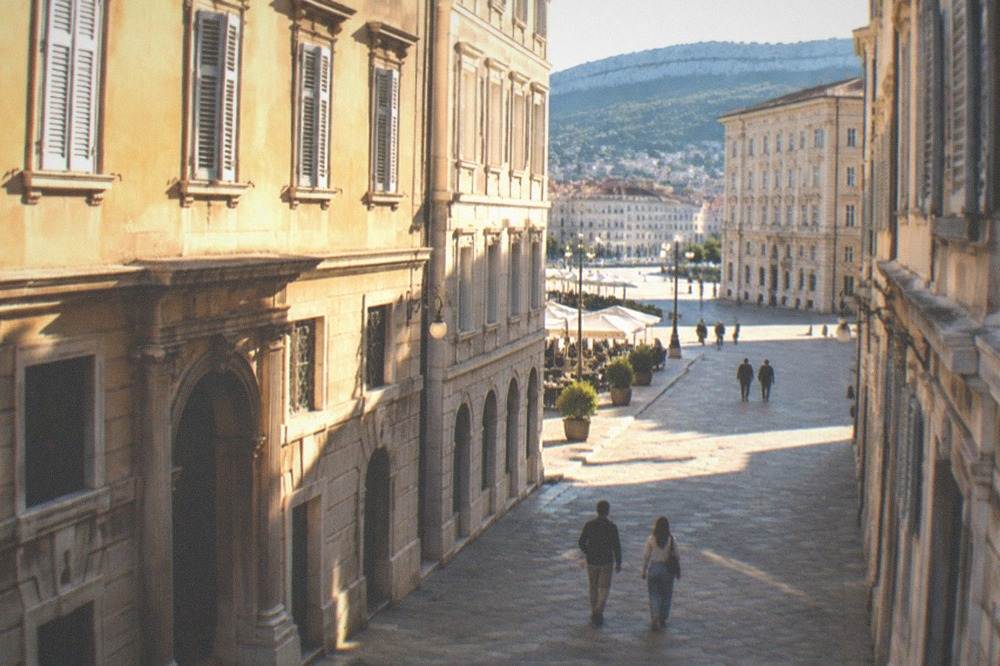
Beyond the centre, the two headline half-day options are Miramare up the coast and Grotta Gigante out on the Karst. Miramare's castle ticket is EUR 17.00 including the temporary exhibition, with the park free, and the venue takes part in the ministry's first-Sunday free-entry scheme. Grotta Gigante is EUR 15.00, guided tours only with compulsory booking, running Tuesday-Sunday from September to February and daily from March to August, with departures at 9:00, 10:00, 11:00, 12:00, 14:00, 15:00 and 16:00. Both are covered in depth on their own pages, Miramare Castle and Grotta Gigante.
The free and reduced days that are verified:
| Site | Free-entry rule (verified) | Notes |
|---|---|---|
| Castello di San Giusto | First Sunday of the month | Also free on 3 November, the patron saint's day |
| Museo Revoltella | First Sunday of the month | Also free on the patron saint's day |
| Miramare Castle | First Sunday of the month (state scheme) | Park is free every day of the year |
| Risiera di San Sabba | Free every day | National monument, no booking for individuals |
| Cattedrale di San Giusto | Free every day | Bell tower hours seasonal; no published tower price |
The ministry's first-Sunday scheme has changed shape more than once in recent years, so confirm the specific month on the venue's own page before promising yourself a free visit, and never treat any single free date as standing policy.
Is a Trieste Museum Day Better in the Morning or the Afternoon?
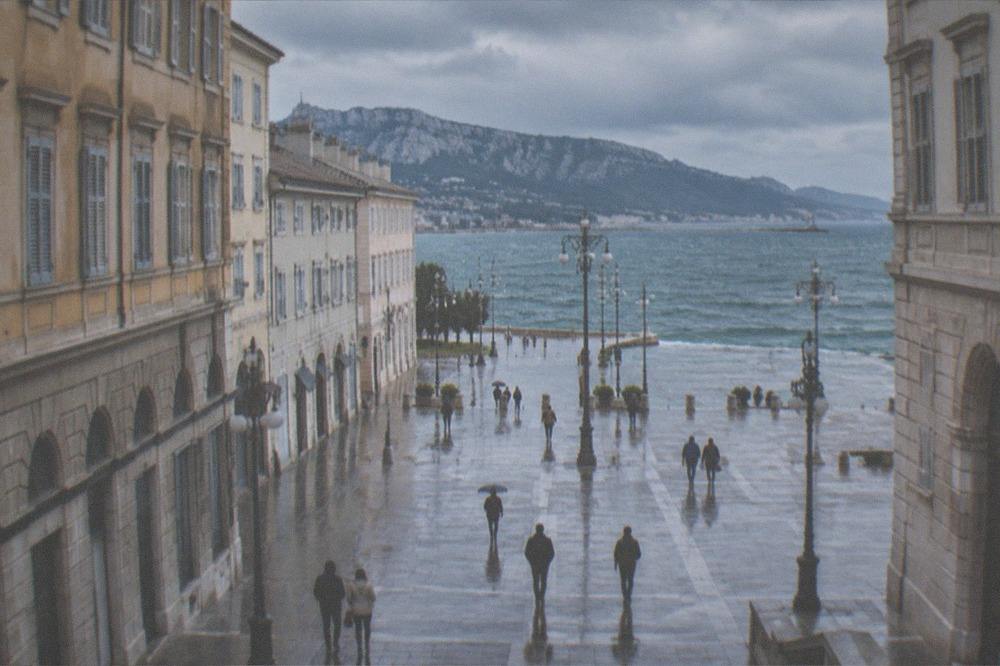
A Trieste museum day works best museumed in the morning and walked in the afternoon, because the city's climate tables show July and August averaging 28.2 and 28.1 degrees Celsius as mean highs with 7.2 and 8.5 days over 30 degrees respectively, while the seafront and the hill of San Giusto are far more pleasant before the afternoon heat, and November, the wettest month at 109.8 mm of rain, is the month when indoor plans earn their keep.
The numbers come from the regional weather agency's own station tables for the Trieste waterfront, a 1995-2024 series, and they overturn the lazy assumption that this is a rainy northern city. July is the second-driest month of the year at 53.8 mm. The wet months are the autumn ones: September takes 102.3 mm and November 109.8 mm, making them the natural museum seasons.
| Month | Mean high C | Rain mm | Wet days | Verdict for museum planning |
|---|---|---|---|---|
| March | 13.0 | 52.8 | 6.1 | Comfortable; mix indoor and outdoor freely |
| July | 28.2 | 53.8 | 5.4 | Museums in the morning, seafront after 17:00 |
| September | 23.9 | 102.3 | 7.4 | Second-wettest month; keep a museum in reserve |
| October | 19.6 | 88.6 | 7.6 | Barcolana month; breezy, good walking weather |
| November | 14.7 | 109.8 | 9.5 | Wettest month; the museum quarter earns its keep |
The wind matters here too. The bora blows from the east-north-east and the same station series records 17.6 days a year with a gust over 90 km/h, concentrated in the cool season. A strong bora day is a day the museums look considerably more attractive than the Rive, and no published wind threshold closes the seafront, so treat it as comfort advice rather than a rule.
How Much Does a Museum Day in Trieste Cost in Total?
A full museum day in Trieste can be done for the price of one castle ticket, because the Risiera di San Sabba is free, the cathedral is free, the Roman theatre is viewed from the street, and Miramare's park is free year-round.
A paying itinerary pairing the Revoltella at EUR 8.00 with San Giusto Castle at EUR 7.00 runs to EUR 15.00 per adult in tickets, plus a day bus ticket at EUR 3.35 only if you leave the centre, plus the city's tourist tax on your accommodation.
The tourist tax is the line item most visitors have never heard of, and Trieste's own rate table publishes it by accommodation category. It is charged per person, per night, for a maximum of five consecutive nights in the same property, and everyone under 18 is exempt.
| Accommodation category | Tourist tax per person, per night |
|---|---|
| 5-star hotel | EUR 3.80 |
| 4-star hotel or self-catering | EUR 3.30 |
| 3-star hotel or self-catering | EUR 3.00 |
| 2-star hotel, B&B Superior, affittacamere | EUR 2.30 |
| Hostels, agriturismi, short lets under the national scheme | EUR 2.30 |
| B&B Comfort | EUR 2.00 |
| 1-star hotel or B&B Standard | EUR 1.80 |
| Campsites and motorhome areas | EUR 1.50 |
For a sense of how the paid options stack up if you would rather have a guide than a queue of individual tickets, here is the verified tour roster for the city-centre corridor, with prices and ratings exactly as the operators' listings publish them:
| Tour | Type | From price | Rating | Duration |
|---|---|---|---|---|
| Private Walking Tour with a Local | Guided walk | $56.05 per person | 4.6 from 94 reviews | 2 to 6 hours |
| Best of Trieste Private Walking Tour | Guided walk | $217.82 per group up to 10 | 4.9 from 31 reviews | 2 hours |
| Historic Cafés Experience | Coffee walk | $74.52 per person | 4.9 from 19 reviews | 3 hours |
| Scavenger Hunt Self-Guided Walk | Self-guided | $4.67 per person | 4.6 from 28 reviews | 2 hours |
A private walk with a local is the most flexible of these, and the related tour on this page is exactly that one:
The per-person pricing on that listing scales with group size, so a party of four or five often pays less per head than the headline figure suggests, and the hours are flexible enough to wrap around any museum's closing day.
Can You Reach Museo Sartorio Without a Car, and What About Day Trips?
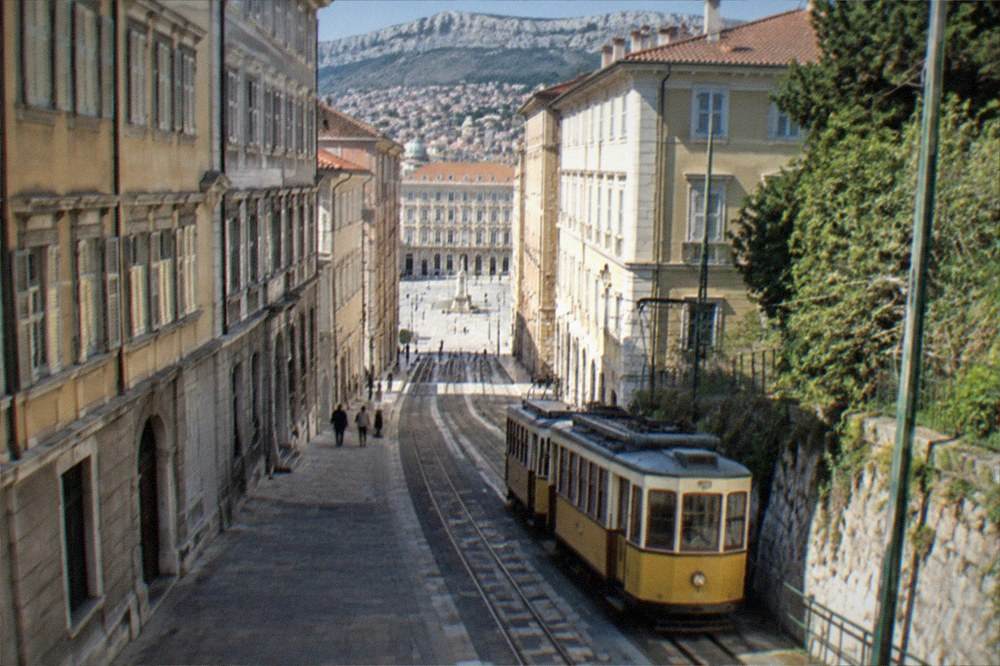
Museo Sartorio needs no car at all: it sits on the flat seafront of central Trieste within walking distance of the station, the cruise terminal and the old town, and the same walkable core connects to the Opicina tram, which runs from piazza Dalmazia, not piazza Oberdan, on a standard urban ticket, while the airport has its own railway station linked to the terminal by a covered walkway served by regional and high-speed trains.
The tram detail is worth dwelling on because almost every older guide gets it wrong. The Opicina tram was reactivated on 1 February 2025 after its long suspension, and its city terminus is piazza Dalmazia. A standard urban ticket is valid and contactless cards can be tapped on board. The current status of any given day is on the operator's own site, which is the only place to check it. The full story, including the obelisk and tram route, has its own page.
For day trips, the borders are the point. Slovenia and Croatia both use the euro, and Croatia joined Schengen and adopted the euro on the same day, 1 January 2023, so there is no money to change for Piran, Ljubljana or Rovinj. One live exception applies: Italy is running temporary border checks on its land border with Slovenia through 18 December 2026, so carry a passport or national ID card for any Slovenia trip and check the current status before you travel. The caves are the classic museum-free counterweight to a city day: Postojna and Predjama Castle run from $137.57 per person rated 4.76 from 543 reviews on the operator's listing, and the Lipica and Škocjan combination from $129.93 rated 4.86 from 23 reviews.
If your museum day ends early and the evening is free, the food tour option in the centre is a strong closer: the local-flavours walking tour runs 3 hours from $85.98 per person, rated 4.74 from 123 reviews on its live listing.
Either way, the border formalities are minimal and the euro works on both sides, so the day-trip decision is really about how much cave versus how much coast you want, not about paperwork.
Should Museo Sartorio Make Your Trieste Itinerary?
Museo Sartorio deserves a place on a Trieste itinerary of two days or more, because it is the one museum in the city that shows how its merchant families actually lived, it sits on a walking route you will use anyway, and it costs you little time; on a strict one-day visit it is the first thing to drop in favour of the hill of San Giusto, the seafront and Miramare, but on a slower trip it is the interior counterpart to everything the streets tell you.
The practical case is simple. The museum quarter is on the flat, it pairs naturally with the Revoltella, and the verified prices around it are modest by Italian standards. The planning case is equally simple: check the venue's own page for the Sartorio's current days and admission, map the Tuesday and Monday closures around it, and keep a first Sunday in mind if free entry matters to your budget.
If you would rather fold the museum quarter into a guided whole than plan it yourself, these are the three city-centre options that pair best with a Sartorio visit:
All three stay inside the walkable core, so none of them competes with the villa for your time: they frame it instead, whether that is a private guide who knows the families who lived on the Rive, an audio companion for your own pace, or a food walk to close the day.
Common Questions About Trieste Museums and Museo Sartorio
What is Museo Sartorio in Trieste, Italy?
It is a civic house museum on the Trieste seafront, preserving furnished period interiors and decorative-art collections from the city's Central European past. It belongs to the same civic museum network as the Revoltella gallery and the Civic Museum of Natural History, and it stands on the Rive within walking distance of Piazza Unità d'Italia.
How much does it cost to visit the museums in Trieste?
Adult prices are EUR 8.00 at the Museo Revoltella, EUR 7.00 at Castello di San Giusto, EUR 17.00 at Miramare Castle including the exhibition, and EUR 15.00 at Grotta Gigante, while the Risiera di San Sabba and the cathedral of San Giusto are free. No verified admission figure for Museo Sartorio itself was available at research time, so check the venue's own page. There is no Trieste-only museum card.
Which day are Trieste museums closed?
There is no single closing day. The Revoltella is closed on Tuesdays, San Giusto Castle is closed on Mondays from 12 October, and Grotta Gigante runs Tuesday to Sunday from September to February and daily from March to August. Confirm the Sartorio's own days on the venue's page before you plan around it.
Can you visit Trieste's museums for free?
Yes, on several levers. The Risiera di San Sabba and the cathedral are free every day, Miramare's park is free year-round, and the participating state and civic sites, including Miramare Castle, San Giusto and the Revoltella, are free on the first Sunday of the month under the ministry scheme. San Giusto is also free on 3 November, the patron saint's day.
How long should you allow for a museum day in Trieste?
The seafront museum quarter, the Sartorio, the Revoltella and the natural history museum, fits comfortably into a morning, and an afternoon on the hill of San Giusto at the castle and cathedral completes the day. Add a half day each for Miramare or Grotta Gigante if you want the headline sites beyond the centre.
Is Trieste a good city for museums compared with other Italian cities?
It is unusually good for its size, because the civic network is dense and walkable and the state sites, Miramare above all, are of national standing. The city's identity as a Habsburg port also gives its collections a Central European character that most Italian city museums do not have.
Whether you go alone, with an audio guide in your pocket, or with a local walking you through the stories, the villa on the Rive is the quiet half of a museum city that most visitors never quite discover.