Teatro Lirico Giuseppe Verdi in Trieste Italy: Opera Tickets Museums and What to See Nearby
The Teatro Lirico Giuseppe Verdi is Trieste's opera house in Italy, and the streets around it hold one of the densest clusters of museums and historic sights on the Adriatic. This page lays out what the venue is, what the current prices and hours are for every major museum within walking reach, and how to build a day that ends at the theatre.
Short answer
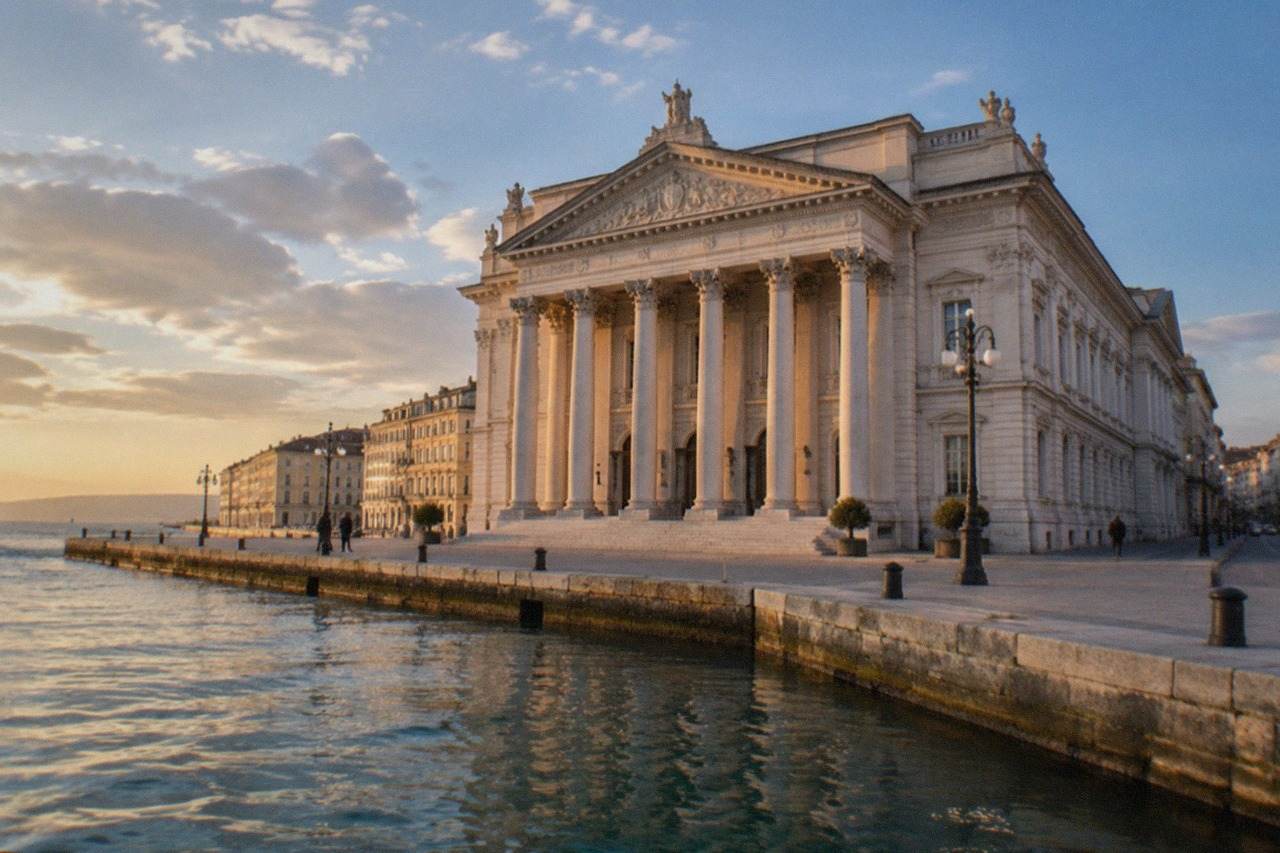
The Teatro Lirico Giuseppe Verdi is the opera house of Trieste, Italy, a city in Friuli Venezia Giulia on the Adriatic. It sits in the historic centre, minutes from Piazza Unità d'Italia, the Cathedral of San Giusto, the Museo Revoltella and the Roman theatre. Museum entry ranges from free (Risiera di San Sabba, the cathedral) to EUR 8.00 at the Revoltella and EUR 17.00 at Miramare.
The Teatro Lirico Giuseppe Verdi is the opera house of Trieste, the Adriatic port city in the Friuli Venezia Giulia region of north-east Italy, and it stands at the centre of a compact historic quarter where a visitor can move from a Roman theatre to a Habsburg-era museum to a sea-facing square without ever needing a bus. That density is the reason this page exists. Most guides to the theatre stop at the facade; what travellers actually need is the practical frame: what the current admission prices are for the museums within walking reach, which days each one closes, and how to arrange a day that finishes with a performance or, on a visit without opera tickets, with the theatre district at night.
This guide is written desk-side, from official venue pages and verified tariff sheets rather than memory. Where a figure could not be confirmed on a primary source it is simply not printed, and where a price or an hour is stated it comes from the venue's own published material. Trieste is a city that search engines routinely confuse with a bathyscaphe, a San Francisco cafe chain and a basketball club, so every fact here is anchored to the city in Italy, on the gulf that bears its name.
What Is the Teatro Lirico Giuseppe Verdi in Trieste Italy?
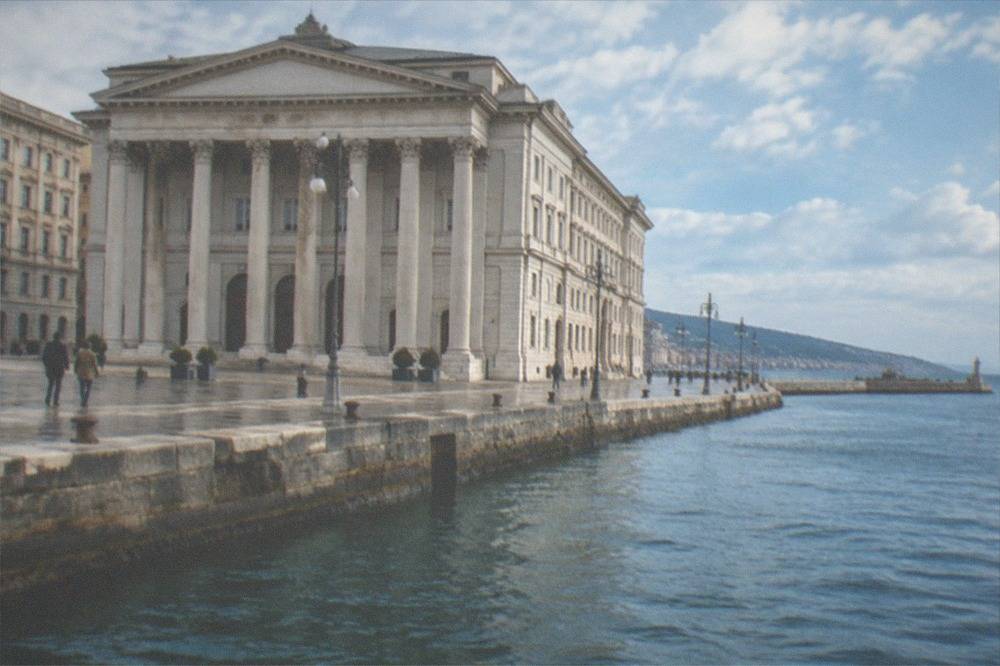
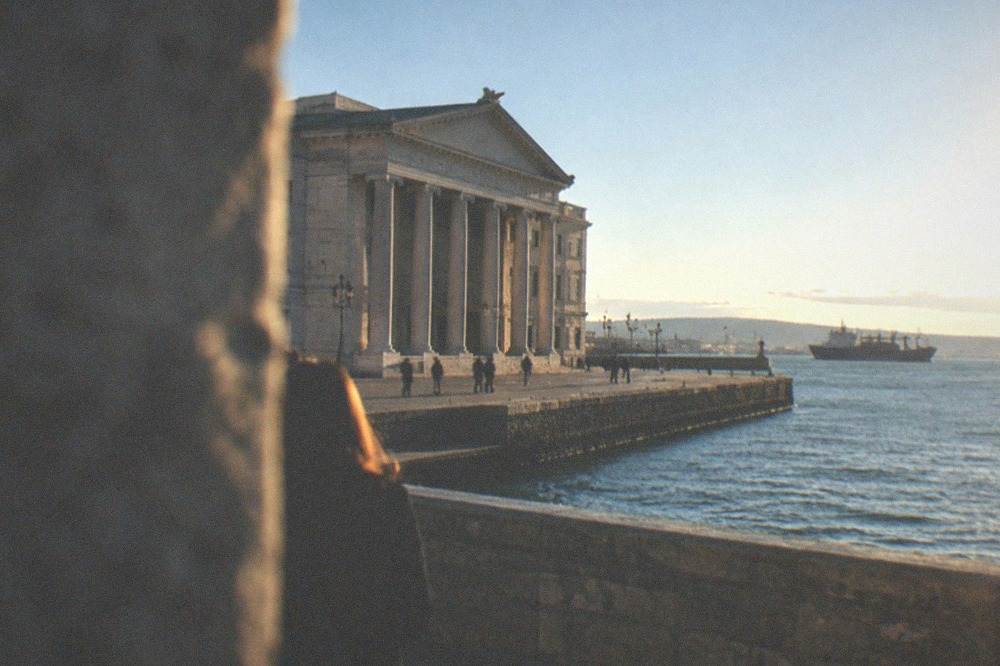
The Teatro Lirico Giuseppe Verdi is the principal opera and lyric theatre of Trieste, Italy, named after the composer Giuseppe Verdi, and it operates in the heart of the city's historic centre a short distance from Piazza Unità d'Italia and the seafront. It is the anchor of Trieste's small but dense cultural quarter, surrounded within walking reach by the Museo Revoltella, the Roman theatre, the Cathedral of San Giusto and the Arco di Riccardo.
The theatre carries Verdi's name, and the city's operatic life is bound up with the Central European character that still shapes Trieste's streets. This was the Habsburg empire's great Mediterranean port, a place where Italian, Slovene, German and Greek merchants built banks, insurance houses and churches within a few blocks of one another, and the performing-arts institutions grew out of that mercantile wealth. The architecture of the surrounding Borgo Teresiano district, with its grid of streets laid out under Maria Theresa, gives the theatre quarter a feel closer to Vienna or Prague than to the medieval hill towns most people picture when they think of Italy.
What surprises first-time visitors is how little of Trieste's cultural offer sits behind a paywall. The seafront itself, the Molo Audace pier, the Grand Canal and the sweeping Rive promenade cost nothing, and several of the museums nearest the theatre are free as well. The result is that a day built around the theatre district can be expensive or nearly free, depending on choices, and the tables further down this page give the exact figures for both paths.
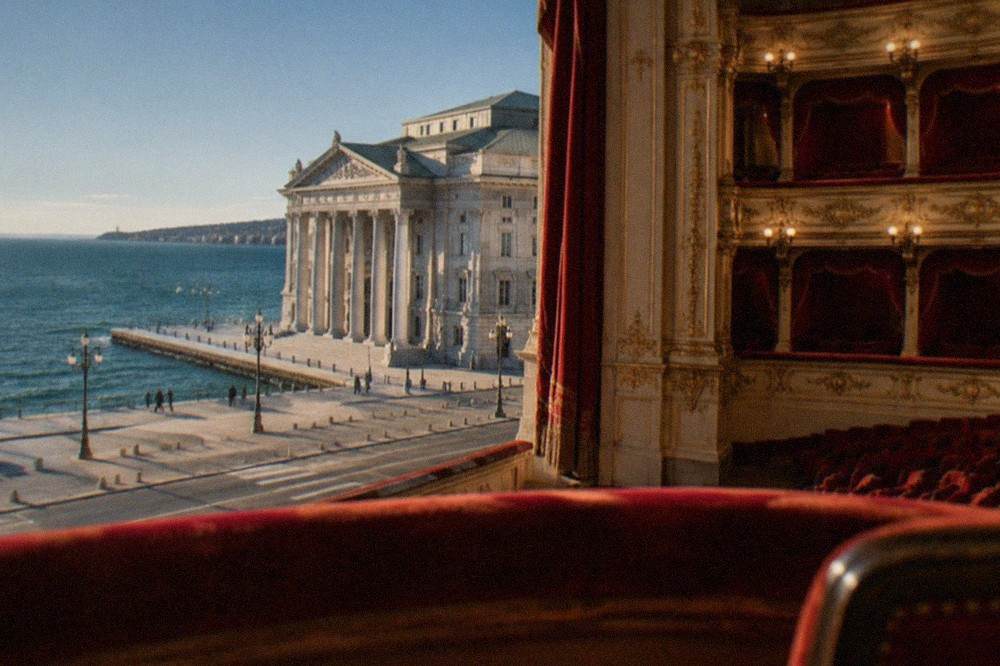
For orientation, the theatre sits in the flat city centre that Triestines call the Borgo Teresiano and the adjacent Città Vecchia, the old town that climbs the hill of San Giusto. The whole cultural quarter is walkable; the city's compactness is one of its main selling points, and the map and orientation guide on our sister page covers the wider museum roster for travellers planning more than one culture day. If your visit is theatre-first, everything described below can be reached on foot from the Piazza Unità d'Italia area without planning a single transit leg.
Which Trieste Museums and Sights Sit Within Walking Reach of the Theatre?
Five major museums and monuments sit within a short walk of the Teatro Lirico Giuseppe Verdi: the Museo Revoltella, the modern-art gallery at EUR 8.00 for adults; the Roman theatre, viewed free from the street; the Cathedral of San Giusto, free to enter; Castello di San Giusto at EUR 7.00; and the Risiera di San Sabba national monument, which is free. The Arco di Riccardo and Piazza Unità d'Italia complete the cluster at no cost at all.
The Museo Revoltella is the closest thing the theatre district has to a flagship gallery, a modern-art museum with a permanent collection and separate temporary exhibitions, closed on Tuesdays. Its full hours and prices appear in the tables below. From the Revoltella the walk to the Roman theatre is through the old town's narrow streets, and the theatre itself is looked at from above: the ministry's own page for the monument treats it as a street-level view, and the site does not sell individual entry, so the correct expectation is a free look down into the Roman seating from the railing.
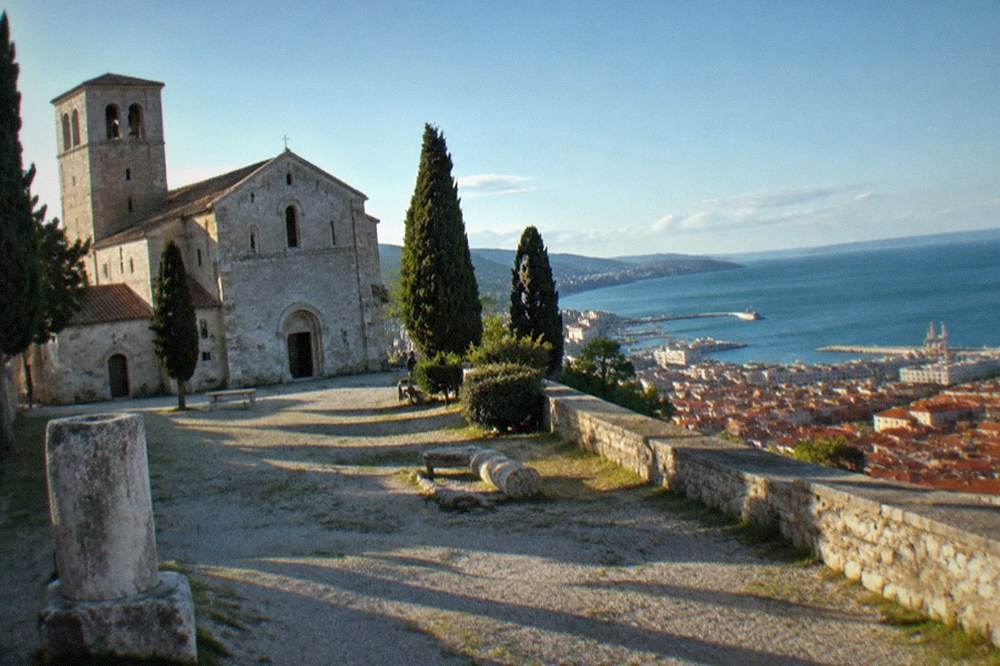
Up the hill, the Cathedral of San Giusto and the Castello di San Giusto share the summit. The cathedral is free to enter, weekdays 8:00-18:30 and Sundays 9:00-19:30, and the parish publishes no price for the bell tower, so this page prints none. The castle ticket, EUR 7.00 full and EUR 5.00 reduced, covers the walls and bastions, the armoury museum, the Lapidario Tergestino and temporary exhibitions, which makes it the best-value paid sight in the cluster. The San Giusto castle and hill page and the cathedral page carry full detail on both.
The Risiera di San Sabba is the outlier, a short ride or a longer walk south of the centre, and it is the city's most sobering monument: a former rice-processing complex used as a concentration-camp facility, now a national monument and civic museum with free entry, open daily 9:00-19:00 through 11 October and 9:00-17:00 from 12 October. Groups must book a slot between 1 March and 31 May; individuals do not. It belongs on any serious culture itinerary, and the Risiera di San Sabba page covers the history in full.
For the classic theatre-evening walk, the sequence most visitors enjoy runs from the Roman theatre up to the cathedral, down through the Arco di Riccardo, and out to Piazza Unità d'Italia as the floodlights come on, with the sea on one side and the cafe tables on the other. That route costs nothing at all and ends a few minutes from the theatre door.
How Much Do Trieste Museums Cost?
Adult admission in Trieste runs from free to EUR 17.00: the Cathedral of San Giusto, the Risiera di San Sabba, the Roman theatre viewing point and Miramare's park all cost nothing; Castello di San Giusto is EUR 7.00 full and EUR 5.00 reduced; the Museo Revoltella is EUR 8.00 full and EUR 6.00 reduced; Grotta Gigante is EUR 15.00 with guided tour only; and Miramare Castle is EUR 17.00 including its temporary exhibition. There is no Trieste-only museum card.
These figures come from the venues' own published tariff and hours pages, checked for the current season, and they are printed exactly as published, without rounding or conversion. The full price structure:
| Venue | Adult | Reduced | Notes from the venue's own page |
|---|---|---|---|
| Cattedrale di San Giusto | Free | Free | Bell tower price not published by the parish; none is printed here |
| Risiera di San Sabba | Free | Free | National monument; groups book 1 March-31 May |
| Teatro Romano | Free | Free | Viewed from the street; no individual entry sold |
| Castello di San Giusto | EUR 7.00 | EUR 5.00 | Includes walls, armoury museum, Lapidario, exhibitions; school groups EUR 1.00 |
| Museo Revoltella | EUR 8.00 | EUR 6.00 | Permanent collection; schools EUR 1.00; closed Tuesdays |
| Grotta Gigante | EUR 15.00 | EUR 12.00 | Guided tours only, booking compulsory; children 6-18 EUR 8.00 |
| Castello di Miramare | EUR 17.00 | EUR 7.00 (EU 18-25) | Includes temporary exhibition; park free year-round |
Two structural points are worth more than any single price. First, the free tier is genuinely strong: a visitor can see the cathedral, the Roman theatre, the Risiera, the seafront and Miramare's park without a ticket, which is why Trieste works well for budget-conscious travellers. Second, the paid tier is cheap by the standards of Rome or Florence; the most expensive castle ticket in the region, Miramare at EUR 17.00, includes the current exhibition.
The regional FVGcard does exist and covers several Trieste sites, including Grotta Gigante and the Museo Revoltella, but its prices could not be verified from a primary source at the time of writing, so this page quotes none. Check the regional tourism site before buying. There is no Trieste-only museum pass.
For free-entry days, the ministry's first-Sunday-of-the-month scheme runs at participating state museums, and Miramare takes part, with the castle free on those days and the park free anyway. The scheme's rules have changed more than once in recent years, so confirm the specific date on the venue's own event page rather than relying on a standing rule. Civic sites such as San Giusto castle and the Revoltella also publish free first Sundays, and 3 November, the patron saint's day, is free at the castle.
When Are Trieste's Museums Open, and Which Days Are They Closed?
Opening hours in Trieste split into a summer season and a winter season on 11-12 October: San Giusto castle runs daily 10:00-19:00 to 11 October then Tuesday-Sunday 10:00-17:00 closed Mondays; the Revoltella runs daily 10:00-19:00 but is closed Tuesdays; the Risiera runs daily 9:00-19:00 to 11 October then 9:00-17:00; and Grotta Gigante runs daily March-August but only Tuesday-Sunday September-February.
The closing-day pattern is the trap. Two of the major sights close early in the week, but on different days, and a visitor who plans a Monday-Tuesday visit can find both the castle and the gallery shut if the season is wrong. The full pattern:
| Venue | Season | Hours | Closed |
|---|---|---|---|
| Castello di San Giusto | 1 April-11 October | Daily 10:00-19:00, last entry 18:30 | None in summer season |
| Castello di San Giusto | From 12 October | Tue-Sun 10:00-17:00, last entry 16:30 | Mondays |
| Museo Revoltella | All year | Daily 10:00-19:00, last entry 18:00 | Tuesdays |
| Risiera di San Sabba | 1 March-11 October | Daily 9:00-19:00, last entry 18:30 | 25 Dec, 1 Jan only |
| Risiera di San Sabba | From 12 October | Daily 9:00-17:00, last entry 16:30 | 25 Dec, 1 Jan only |
| Grotta Gigante | March-August | Daily, tours 9:00-16:00 on the hour | 25 Dec, 1 Jan |
| Grotta Gigante | September-February | Tue-Sun, tours on the hour | Mondays, 25 Dec, 1 Jan |
| Cattedrale di San Giusto | Weekdays | 8:00-18:30 | Open daily |
| Cattedrale di San Giusto | Sundays and holidays | 9:00-19:30 | Open daily |
The practical takeaway for a theatre-centred visit: check the day of the week before you lock the itinerary, because the two hilltop sights and the modern-art gallery each rest on a different weekday depending on season. Grotta Gigante adds its own constraint, since visits are guided-only with compulsory booking, by phone or email through the venue's own page, and the family rate is EUR 6.00 per child when two or more children aged 6-18 are in the party. The wider set of guides lives on Trieste Travel Guide.
A note on the cathedral, which is a working parish as well as a monument: the parish asks that guided groups not visit on Sundays during services, and preferably not between Masses. Individual visitors should simply be quiet, and entry remains free. The bell tower keeps seasonal hours, daily 9:00-17:30 from April through September and split morning and afternoon slots in March and October, with winter visits by arrangement on the number the parish publishes; no tower price is printed anywhere official, so none appears here.
How Do You Build a Day Around the Theatre in Trieste?
A realistic theatre day in Trieste spends the morning on the San Giusto hill, where the free cathedral and the EUR 7.00 castle cover the city's oldest layer, the early afternoon at the Museo Revoltella or the Risiera di San Sabba, and the golden hour on Piazza Unità d'Italia and the Molo Audace, all reached on foot from the theatre district, with the whole sightseeing budget for two people coming in under EUR 30.00 at full-price tickets.
The hill first. The walk up through the old town passes the Roman theatre and the Arco di Riccardo, both free, and delivers you at the cathedral and castle compound with the best view over the port and the gulf. The castle's walls and bastions are the viewing platform; the Lapidario Tergestino, included in the same ticket, holds the Roman stonework recovered around the city. Give the hill the morning, before the sun is high and before the castle's last-entry cutoff, which is 18:30 in the summer season and 16:30 from 12 October.
The afternoon splits by interest. Art lovers go to the Revoltella, closed Tuesdays, where the permanent collection fills a palazzo built for a banker whose money helped shape the modern city. Visitors who want the heavier history take the short trip to the Risiera di San Sabba, free and open daily, and give it the time it deserves; it is not a sight to rush. Families and cavers head instead to the Grotta Gigante page's subject, the giant cave at Sgonico on the Karst, guided-only with compulsory booking and EUR 15.00 for adults, reachable by the Opicina tram line for those who want the ride as well as the cave.
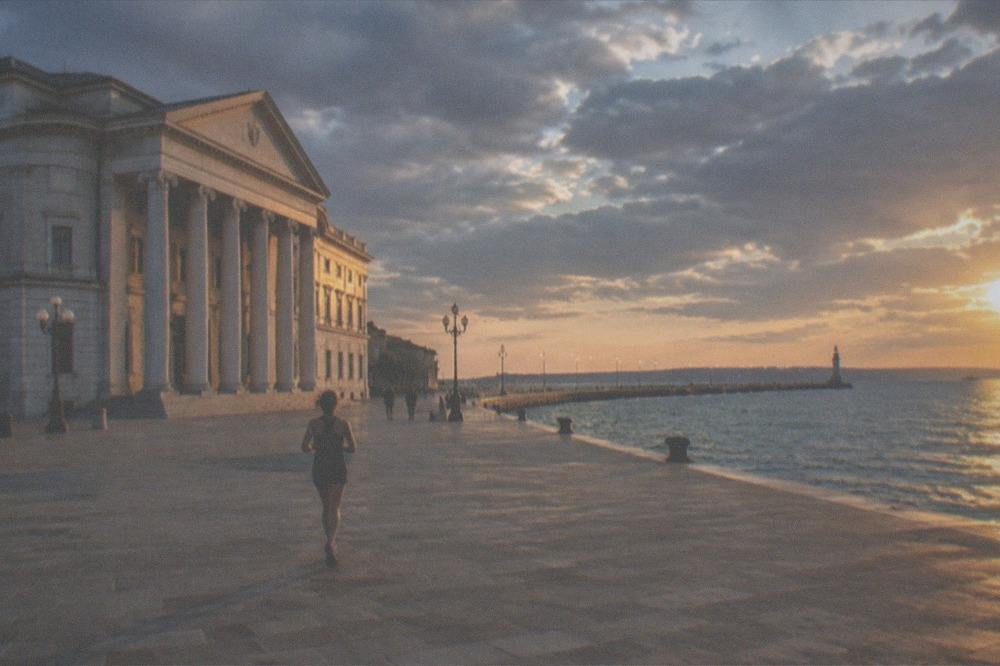
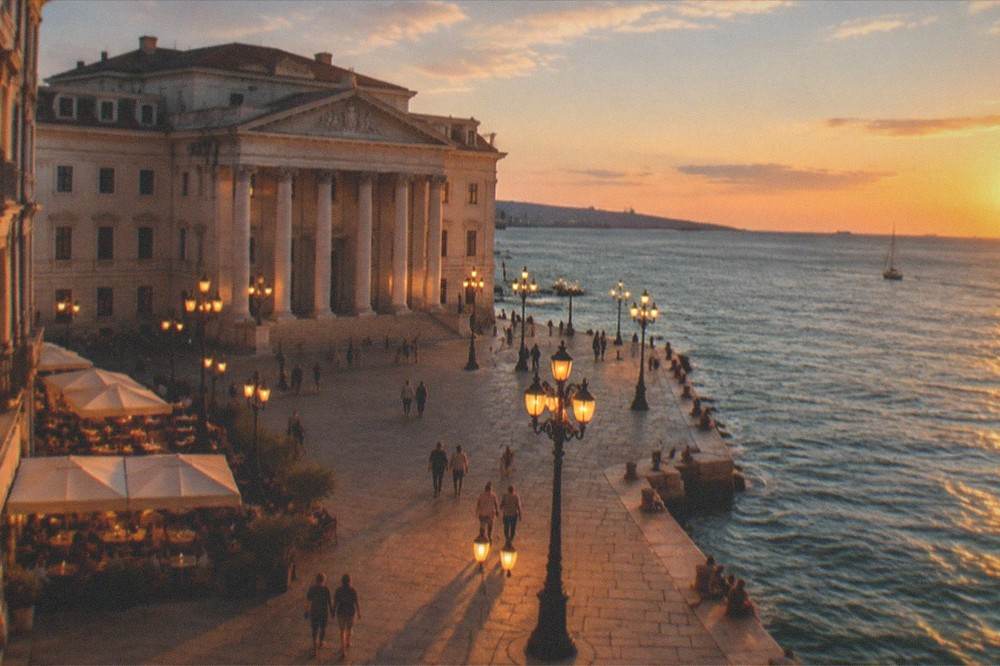
The evening belongs to the centre. Piazza Unità d'Italia, the largest sea-facing square in Italy, sits a few minutes from the theatre, and the Molo Audace pier extends from it into the gulf, free and open and at its best as the light goes. A pre-performance drink in one of the square's historic cafes is the local move, and the coffee culture here is a genuine institution: Trieste was the Habsburg empire's coffee port, the roasting industry grew around the docks, and the historic cafes of the centre still run on a local ordering vocabulary all their own. The famous claim that the city drinks several times the Italian average has no primary source behind it, so this page repeats no number; the culture is real and observable without it.
For the theatre itself, book performance tickets through the theatre's own channels before travel, and treat the box office hours as changeable by season; the programme is published in advance and the venue's own site is the authority. On a visit without opera tickets, the district around the theatre in the evening, the lit square, the canal, the cafe tables, is the performance.
A guided walk is the efficient way to compress all of this into a few hours, and the city's roster includes several strong options. A private best-of landmarks walk covers the modern and ancient sights in two hours with a local guide, priced per group, and the operator's live listing shows current dates and availability.
For travellers who prefer structure over self-direction, the comparison below uses the roster's own published figures:
| Tour | Type | Duration | From price | Rating |
|---|---|---|---|---|
| Discover Trieste on a walking tour (GuruWalk) | Free, tip-based city walk | Flexible | Free, tip based | 4.86 from 50 reviews |
| Trieste Historic Cafés Experience | Coffee culture walk | 3 hours | $74.52 per person | 4.9 from 19 reviews |
| Best of Trieste: Private Walking Tour | Private landmarks walk | 2 hours | $217.82 per group up to 10 | 4.94 from 31 reviews |
| Trieste: City Hidden Gems Private Walking Tour | Private local guide | 2h 30m | $143.30 per person | 4.96 from 62 reviews |
| Trieste: Guided Foodie Walking Tour | Street food walk | 3 hours | $71.08 per person | 4.91 from 264 reviews |
The free walk deserves a special note because the honesty rules are different: it is a GuruWalk pay-what-you-want tour run by an individual local guru, it is genuinely free with tips at the visitor's discretion, and it must be booked through that platform rather than treated as this site's product. Never print a price for it; there isn't one.
What and Where Should You Eat Before a Performance in Trieste?
Trieste's own kitchen is a Central European-Adriatic hybrid, and the pre-theatre move is the city's historic buffet tradition, where jota (barley-bean-sauerkraut soup), goulash and pork dishes are served standing or at simple tables, followed by a coffee in a historic cafe; the guided food walks that cover this ground run about 3 hours and from $71.08 per person on the operator's live listings, with the premium version at $87.58.
The buffet is the institution to know. These are not buffets in the hotel sense; they are old tavern-style eateries serving the port's working-class menu, heavy on soups, cured pork and boiled meats, and the dedicated buffet guide covers the dishes and the etiquette in full. A bowl of jota and a glass of local wine is a fast, cheap, deeply local pre-theatre meal, and the buffets cluster in the centre within the theatre's walking radius.
The fuller option is a guided food walk, and Trieste's roster has two strong versions of the same three-hour route, one at $71.08 rated 4.91 from 264 reviews and a premium variant at $87.58 rated 4.9 from 88 reviews, both walking the historic centre with tastings of local specialities. The listing describes the cuisine as reflecting the mix of Mediterranean and Central European influences, which is exactly the story the buffets tell on their own. Check availability on the operator's live listing for current dates.
For a hands-on alternative, a small-group pasta and tiramisu class with a home cook runs 3 hours from $157.65 per person, rated 4.4 from 40 reviews, and makes a good afternoon for families with children old enough to cook; it is listed as a crowd-pleaser lesson rather than a regional-kitchen seminar, so pair it with the buffet walk if the local dishes are the reason you came.
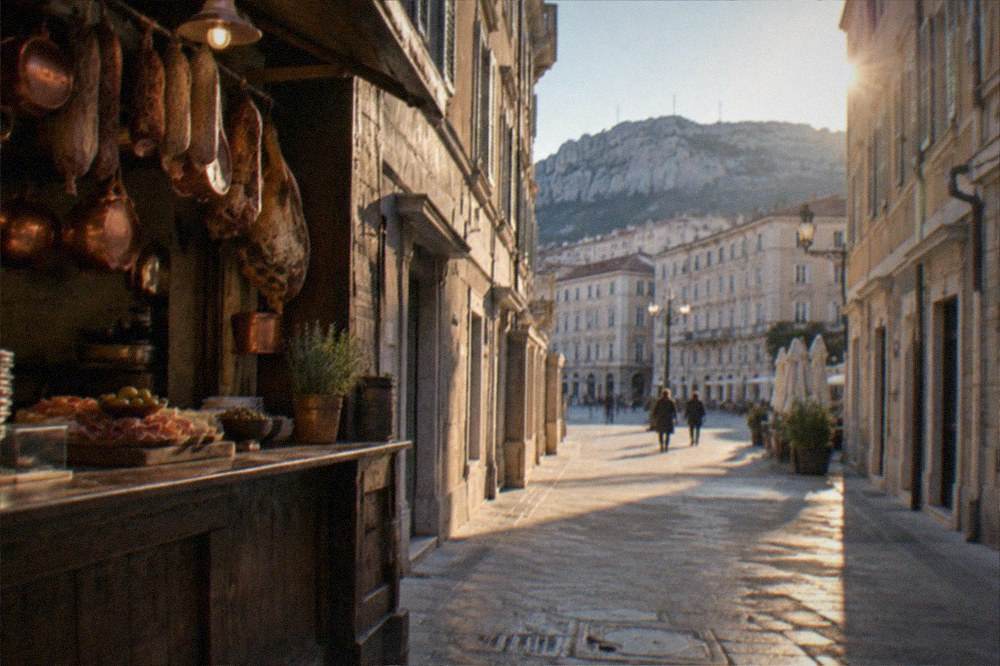
Coffee closes the evening. The historic cafes around the theatre district, several of them wood-panelled institutions with their own house blends, operate as much as public living rooms as businesses, and the local vocabulary for ordering, which distinguishes at least a half-dozen variants by cup, glass and milk, is part of the experience. The coffee culture page covers the ordering terms, and a guided historic-cafes experience runs 3 hours from $74.52 per person for visitors who want the stories with the cups.
What Else Should You Know Before Visiting Trieste for the Theatre?
Trieste sits on the border of Slovenia and close to Croatia, all three countries use the euro and all three are in Schengen, but Italy is running temporary border checks on its land border with Slovenia from 19 June 2026 to 18 December 2026, so carry a passport or national ID card for any cross-border day trip, and the city's weather is at its wettest in November, with 109.8 mm on average, and at its driest around July.
The border point matters because the theatre district is barely half an hour's drive from Slovenia, and day trips to Piran, Ljubljana or the Karst caves are standard add-ons. Croatia adopted the euro and joined Schengen on the same day, 1 January 2023, so no currency change is involved anywhere in the region. But "Schengen" does not currently mean "no checks" on this particular border: the European Commission's own register lists Italy's temporary controls on the land borders with Slovenia through 18 December 2026, so an ID card belongs in your pocket even for a short hop to Muggia or the coast.
The weather shapes the season too. The city's climate tables, from the regional met agency's own waterfront station, show November as the wettest month at 109.8 mm and July among the driest at 53.8 mm, which is the opposite of the rainy-port stereotype. The bora, the cold north-easterly wind the city is famous for, gusts over 90 km/h on 17.6 days a year on average, and the monthly record gust exceeds 110 km/h in every single month, so a windproof layer belongs in the bag year-round.
For a longer stay, the Revoltella Museum and Miramare Castle pages carry the deep detail on those two venues, and the museums of Trieste overview places every collection in the city on one list. The James Joyce's Trieste page covers the Irish writer's years in the city's cafes and schools, a literary layer that sits oddly and pleasantly beside the opera house.
Getting around the theatre district needs no planning at all, but the wider city runs on an urban network whose fares are published on the operator's own tariff sheet: a 60-minute single at EUR 1.50, a 75-minute single at EUR 1.85, a day ticket at EUR 3.35, and contactless bank cards can be tapped directly on board. Season-pass prices appear on the same sheet but are not reprinted here.
Common Questions About the Teatro Lirico Giuseppe Verdi in Trieste
What is the Teatro Lirico Giuseppe Verdi?
It is the principal opera and lyric theatre of Trieste, Italy, in the Friuli Venezia Giulia region, named after the composer Giuseppe Verdi. It stands in the historic centre close to Piazza Unità d'Italia, and its district holds the densest cluster of museums and monuments in the city.
Which museums are near the Teatro Lirico Giuseppe Verdi in Trieste?
The Museo Revoltella, the Roman theatre, the Cathedral of San Giusto, Castello di San Giusto, the Arco di Riccardo and the Risiera di San Sabba are all within reach of the theatre district, and the first five are walkable in a single loop from Piazza Unità d'Italia.
How much do Trieste museums cost?
Current adult prices: the cathedral, the Risiera di San Sabba and the Roman theatre viewing point are free; Castello di San Giusto is EUR 7.00; the Museo Revoltella is EUR 8.00; Grotta Gigante is EUR 15.00 with a compulsory guided tour; and Miramare Castle is EUR 17.00 including the temporary exhibition, with its park free year-round.
When are Trieste's museums closed?
In the current season, the Museo Revoltella closes on Tuesdays, Castello di San Giusto closes on Mondays from 12 October, and Grotta Gigante closes on Mondays from September to February. The Risiera di San Sabba closes only on 25 December and 1 January. Check each venue's own page before a Monday or Tuesday visit.
Do I need a museum card in Trieste?
There is no Trieste-only museum card. The regional FVGcard exists and covers several Trieste sites, but its prices could not be verified from a primary source at the time of writing, so this site quotes none; check the regional tourism site before buying. The free tier of the city's sights is strong enough that many visitors need no card at all.
Is Trieste worth visiting for a theatre trip?
Yes, and the theatre is only the anchor. The same walkable district delivers a free seafront square, a free cathedral, a Roman theatre, a EUR 7.00 castle with the city's best view, a modern-art museum and one of Italy's most distinctive food cultures, with Slovenia and its caves an easy add-on across the border.
Trieste rewards the traveller who treats the theatre not as a single evening but as the centre of a walkable cultural quarter, and with the verified prices and hours above, that quarter can be planned to the euro and to the hour.