Muggia: The Italian Border Town on Trieste's Bay, Italy
Muggia is the last town in Italy before the Slovenian border, a fishing-harbour borough of Trieste wrapped around its own small bay. Here is how to get there, what a visit costs, and what to look at once you arrive.
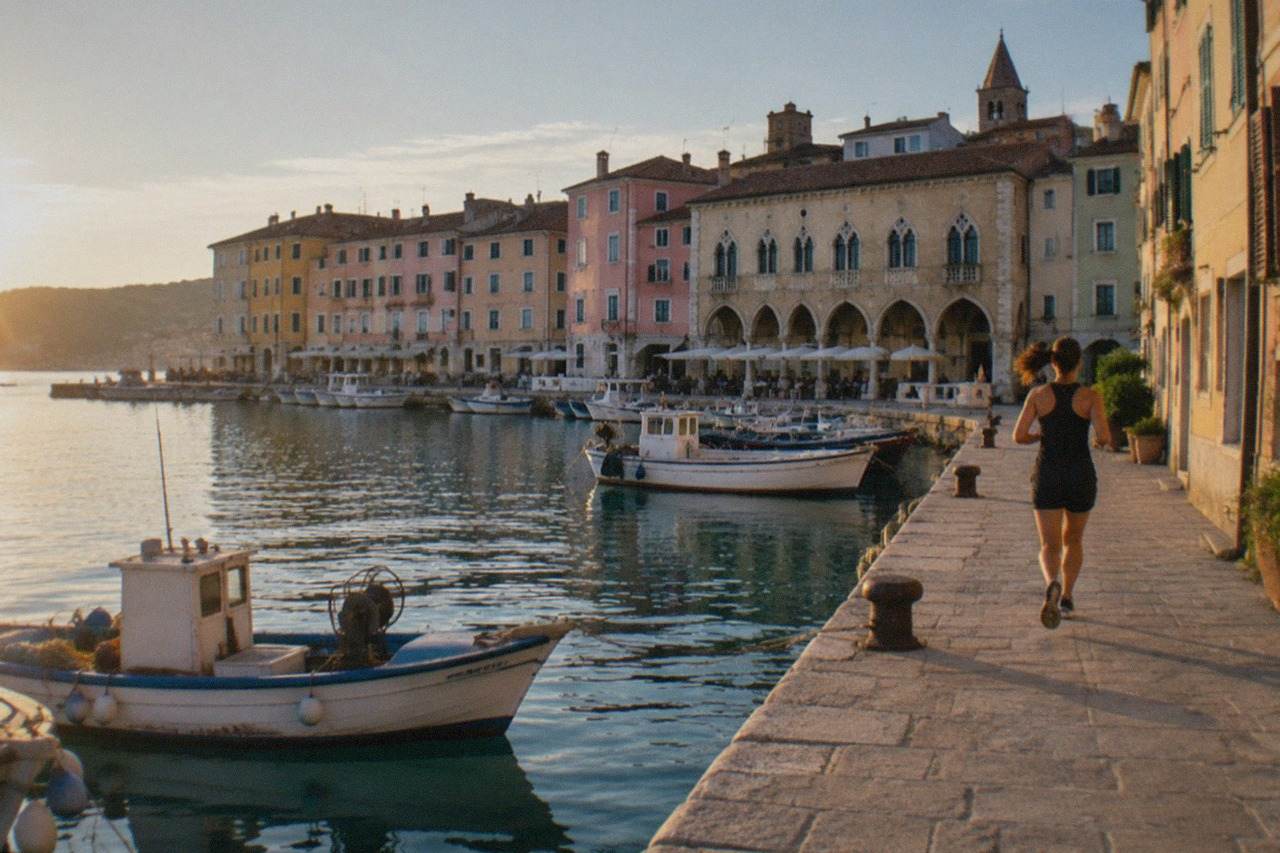
Short answer
Muggia sits on the Bay of Trieste just south of the city, reachable by urban bus with a standard Trieste ticket (EUR 1.50 for 60 minutes) or by seasonal ferry. The walled old town, the Duomo and the harbour can fill a relaxed half day.
Muggia is the southernmost comune of Trieste, Italy, a harbour town pressed against the Slovenian border on the east side of the Bay of Trieste, and it is one of the few places in Europe where you can stand in Italy, see Slovenia across the water, and be back in the city centre of Trieste the same afternoon. The 2026 tariff sheet for Trieste's urban network prices the trip there at EUR 1.50, which tells you the essential thing: this is not a distant excursion, it is a borough of the city with its own walls, its own dialect and its own bay. This page, from Trieste Travel Guide, covers how to get from Trieste to Muggia, what the transport really costs, what to see when you arrive, and how the border shapes a visit.
Where Is Muggia, and Why Do Trieste Visitors Go?
Muggia is the last town in Italy before Slovenia, sitting on its own small bay on the eastern shore of the Bay of Trieste, a few kilometres south of the city centre. It belongs to the province of Trieste, it is reachable on the ordinary urban bus network with a standard city ticket, and it is the point where the Italian coastline, which runs almost unbroken from Venice, finally stops at an international border. People go for three reasons: the walled old town with its Venetian-Gothic town hall, the working fishing harbour, and the odd pleasure of a border town where the next village along the shore is in another country. The bay it wraps around is the same water you look at from the Rive, Trieste's seafront, seen from the other side.
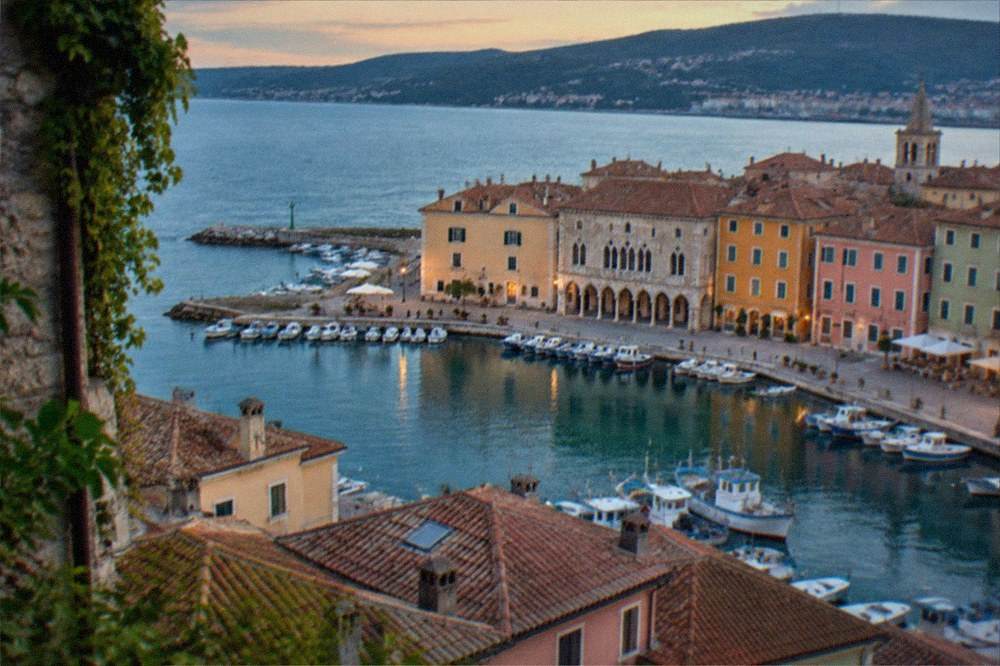
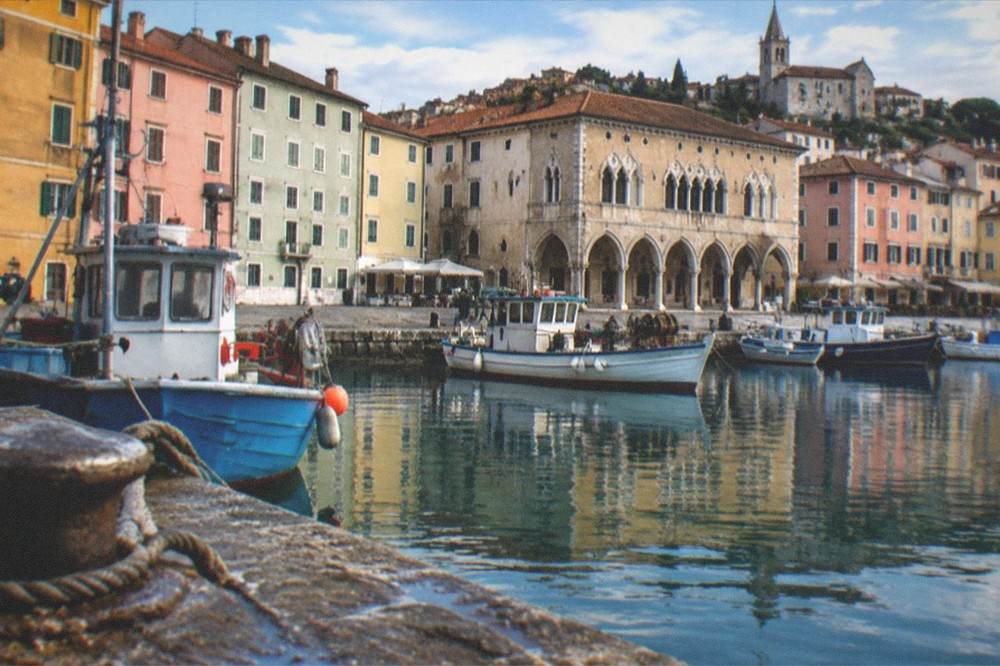
The town is small enough that you will not need a plan in the way you do for Città Vecchia, Trieste's old town. The historic core climbs a short hill from the water behind the harbour, enclosed by the remains of its medieval walls, and the whole thing can be walked at a stroll. The commune's own tourist material presents Muggia as a "Venetian" town, and the architecture explains why: the town hall on the main square carries a winged lion, a legacy of the long period when the Republic of Venice governed this coast. That makes it a visual counterpoint to the Habsburg streets of central Trieste, which is a genuine reason to spend half a day here rather than only on the city's grand squares.
The border matters to the character of the place. Slovenia begins at the edge of the comune, and the villages on the far side are a continuation of the same landscape, the same language mix and the same coastline. Our Servola and Muggia Bay area guide covers the industrial and shoreline geography of the whole southern rim of the gulf, if you want the wider picture before visiting.
How Do You Get from Trieste to Muggia?
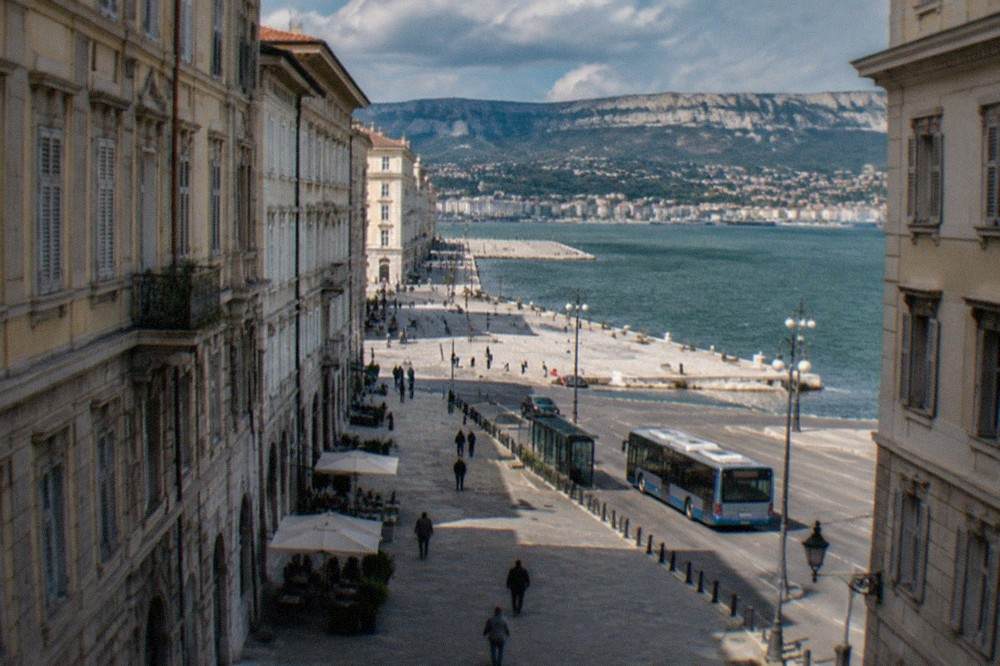
You get from Trieste to Muggia by urban bus on Trieste Trasporti's network, and a standard urban ticket covers it: EUR 1.50 for a 60-minute single, EUR 1.85 for 75 minutes, or EUR 3.35 for a day ticket, per the 2026 tariff sheet dated 29 December 2025. Contactless bank cards and digital wallets can be tapped on board on the "Eva" readers, and the system applies the cheapest applicable fare automatically. The bus ride is part of the ordinary city network, not a special tourist service, so there is no separate ticket to hunt for and no need to buy anything in advance. If you are planning wider movement around the city the same day, the day ticket at EUR 3.35 is the obvious choice, and the 10-ride carnet at EUR 13.50 suits a longer stay.
| Ticket | Code | 2026 price | Validity |
|---|---|---|---|
| Urban single | U01 | EUR 1.50 | 60 minutes |
| Urban single | U02 | EUR 1.85 | 75 minutes |
| Day ticket | U24 | EUR 3.35 | Full day |
| 10 rides | U10 | EUR 13.50 | 10 journeys |
| 20 rides | U20 | EUR 16.65 | 20 journeys |
Two details from the tariff sheet are worth more than they look. First, single tickets are extended to 240 minutes on Sundays and public holidays, which turns a cheap ticket into a genuinely useful one for a slow Sunday visit. Second, the same urban tickets cover the whole network, including the Opicina tram on line 2, which was reactivated on 1 February 2025 and runs from piazza Dalmazia up to Opicina; if you are building a day that combines Muggia with the Karst, one day ticket can in principle cover both, though check the operator's live timetable rather than any fixed schedule printed here, because service notices change.
There is also a seasonal ferry connection across the gulf between Trieste and Muggia, and the sea route is the more memorable way to arrive: you leave the Rive seafront and watch the whole city open up from the water. The operator's own site is the place to confirm sailing days and times before you commit, because the service is seasonal and weather-dependent, and the bora can stop it. One caution that applies to the whole coast: never trust a fixed "ferry every hour" claim from a blog. ARPA's station tables for the molo record 17.6 days a year on average with a gust over 90 km/h, and on those days small-craft services simply do not run.
If you would rather not manage buses and borders yourself, a coastal excursion from the city is the low-friction option. The Piran and panoramic Slovenian coast tour runs as a small-group half day from Trieste, rated 4.9 from 82 reviews on the operator's live listing, and it is the natural fit for this page: it covers the same stretch of shore that Muggia looks at, continuing past the border to Piran. Check availability
What Is There to See in Muggia Old Town?
The core sights of Muggia are all inside a compact walled quarter above the harbour: the Duomo of Saints John and Paul on the main square, the Venetian-Gothic town hall with its winged lion and loggia, the surviving medieval walls and towers, and the working fishing port at the bottom of the hill. None of it needs a ticket or a booking, and the whole set fits comfortably into a couple of hours at walking pace, which is why Muggia works so well as a half-day pairing with a morning in Trieste itself, following the shape of our one day in Trieste itinerary.
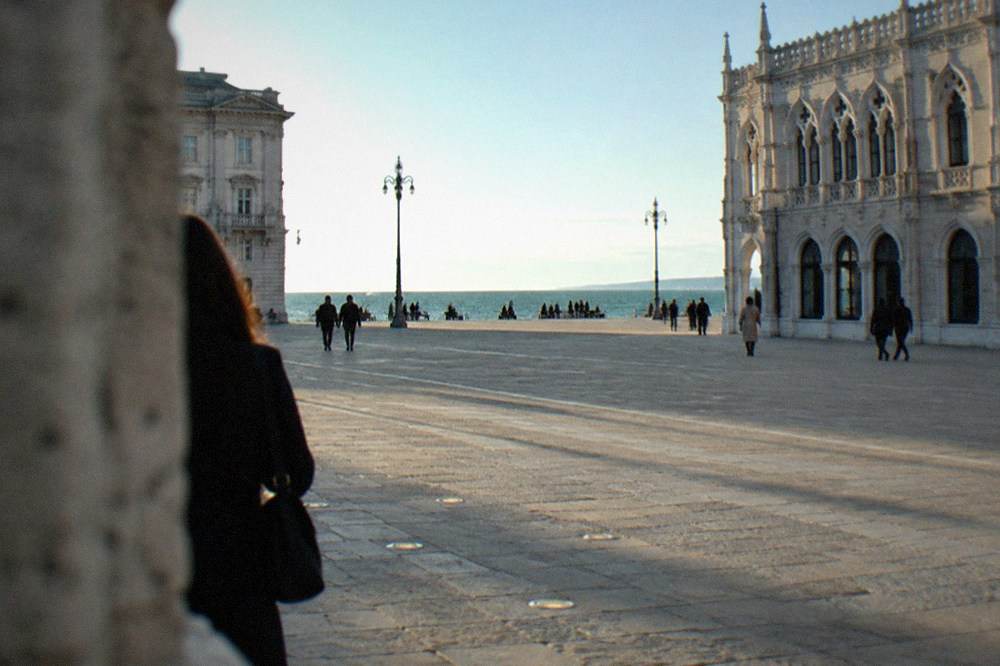
The Duomo, dedicated to Saints John and Paul, is the town's landmark, and its facade with its rose window is the image most photographs of Muggia are built around. The parish's own material describes the building's Venetian-Gothic character, which is exactly what distinguishes it from anything in central Trieste: where the city's churches lean Habsburg and Central European, this one leans maritime and lagoon. The main square in front of it is small, shaded and lined with bars, and it is the natural place to sit for the local version of the Triestine ritual of a caffè. Trieste's coffee culture is real and documented, the city being a historic coffee port and roasting centre, but no per-head consumption figure has a primary source anywhere, so none is printed here.
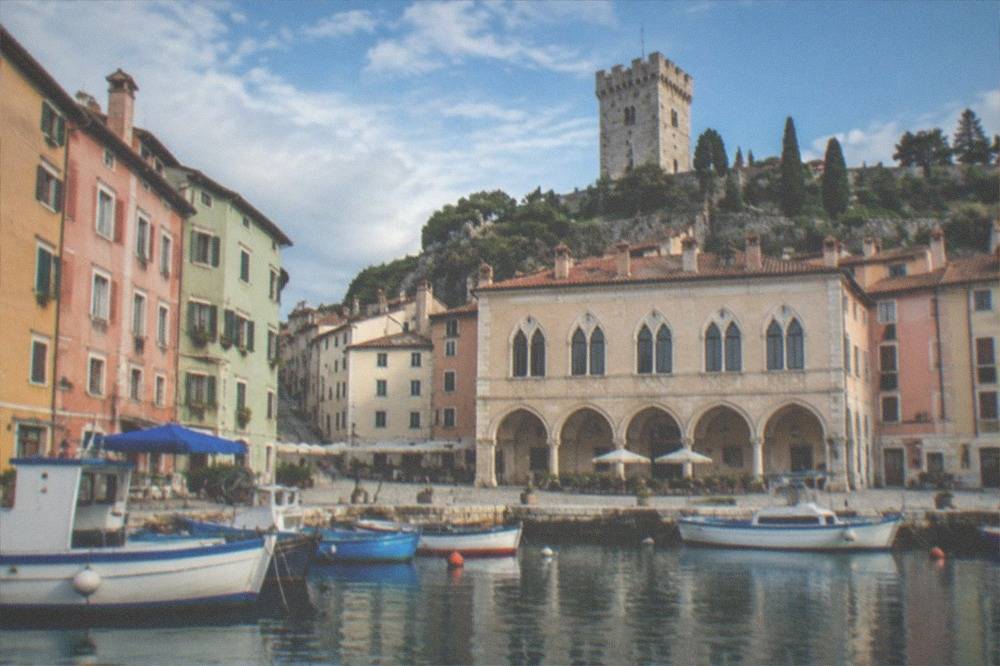
The walls are the second act. Muggia was a fortified town, and stretches of the medieval circuit survive, reachable by lanes that climb behind the Duomo; the view from the upper town takes in the whole of Muggia Bay with the Slovenian shore beyond it. Down at the water, the harbour is still a working one, fishing boats included, and the contrast with the yacht-and-sail character of Barcola to the north is part of the point. If you want to extend the walk, the shoreline path and the border area are covered in detail in our dedicated Trieste to Muggia day-trip guide.
| Sight in Muggia | What it is | Ticket needed |
|---|---|---|
| Duomo of Saints John and Paul | Venetian-Gothic parish church on the main square | No |
| Town hall (Palazzo del Comune) | Gothic public building with a winged-lion relief | No, view from the square |
| Medieval walls and towers | Surviving circuit above the old town | No |
| Fishing harbour | Working port at the foot of the old town | No |
| Muggia Bay waterfront | Shoreline walk with views across to Slovenia | No |
What Does the Slovenian Border Mean for a Muggia Visit?
Muggia itself is in Italy, so you need nothing but your ordinary urban ticket to visit it, but the Slovenian border is at the edge of town, and Italy is running temporary checks on that land border from 19 June 2026 to 18 December 2026 per the European Commission's own register. Carry a passport or national ID card if there is any chance you will cross, because Schengen does not currently mean "no check" on this particular border. All three countries on this coast, Italy, Slovenia and Croatia, use the euro, so there is no currency to change anywhere along the shore. Croatia joined Schengen and adopted the euro on the same day, 1 January 2023, which is a fact many older guides still get wrong in one direction or the other.
| Border fact | Status in 2026 |
|---|---|
| Currency in Italy, Slovenia, Croatia | All three use the euro |
| Schengen membership | All three are in Schengen |
| Italy-Slovenia land border | Temporary checks, 19 June to 18 December 2026 |
| Croatia's Schengen and euro date | Both on 1 January 2023 |
| Slovenia's euro date | 1 January 2007 |
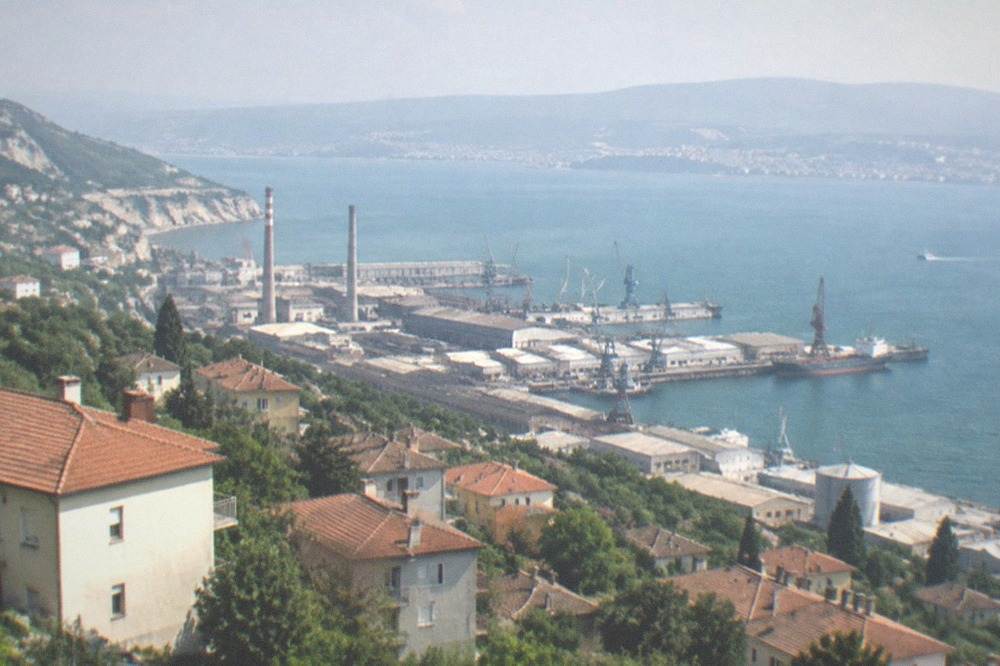
The practical reading of all this for a Muggia trip is simple. Staying inside Muggia, you will never notice the border except as scenery. Walking or driving past the town's southern edge puts you in Slovenia within minutes, and the temporary checks mean a document check is possible even for a stroll across the line. Write the dates as temporary and dated, which is what the Commission's register does; do not treat either the checks or their absence as a permanent condition, and check the current status before you travel.
The border is also why the cross-border coast has become a single tourist corridor. From Muggia the shore continues through Slovenian villages to Piran and Portorož, and from there down the Istrian coast into Croatia, all in euro, all in Schengen, all on one continuous shoreline. That continuity is exactly what the coastal excursions from Trieste sell: the small-group Piran and panoramic Slovenian coast tour, from $125.13 per person, rated 4.9 from 82 reviews, is built around it. The fuller version, with food and wine, is the Slovenian Coast Tour with Food and Wine Tasting, from $137.57 per person, rated 4.98 from 50 reviews on the operator's listing.
When Is the Best Time to Visit Muggia?
The best months for Muggia are May, June and September, when the Trieste waterfront station averages mean highs of 21.7, 25.8 and 23.9 degrees respectively and rainfall stays moderate, and July and August are the warmest at about 28 degrees mean high. November is the wettest month at 109.8 mm and should be avoided by anyone planning an outdoor day, while July, at 53.8 mm, is one of the driest months of the whole year, contrary to the rainy-summer stereotype this coast sometimes carries.
| Month | Mean high C | Rain mm | Sea C | Days gust over 90 km/h |
|---|---|---|---|---|
| May | 21.7 | 75.0 | 17.9 | 0.7 |
| June | 25.8 | 62.5 | 23.1 | 0.3 |
| July | 28.2 | 53.8 | 25.9 | 0.9 |
| August | 28.1 | 71.7 | 25.9 | 0.9 |
| September | 23.9 | 102.3 | 23.9 | 1.1 |
| October | 19.6 | 88.6 | 20.3 | 1.4 |
| November | 14.7 | 109.8 | 16.8 | 1.9 |
Those figures come from ARPA FVG's OSMER station tables for Trieste molo Fratelli Bandiera, the waterfront station a short stretch up the same bay, and they are the best available proxy for Muggia's climate. Two readings matter for planning. The sea reaches 25.9 C in July and August and stays at 23.9 C into September, warmer than June despite similar air temperatures, because the water holds its summer heat; September swims are genuinely warmer than June ones. And the wind column is the one to respect: the calmest month of the year is June, with 0.3 days of gusts over 90 km/h, while the monthly record gust exceeds 110 km/h in every single month, so a bora day can arrive at any time of year.
The bora deserves a paragraph because it shapes this coast more than any guidebook weather icon does. ARPA's tables put the all-time peak gust in the series at 168.1 km/h, recorded in February 2012 at the molo station, and the wind blows from the east-north-east, funnelling down the gulf. No official threshold exists at which ferries stop or seafronts close, so never plan around a number: on a strong-bora day the harbour at Muggia is dramatic from behind glass, and the ferry, if you were counting on it, is the first thing to check.
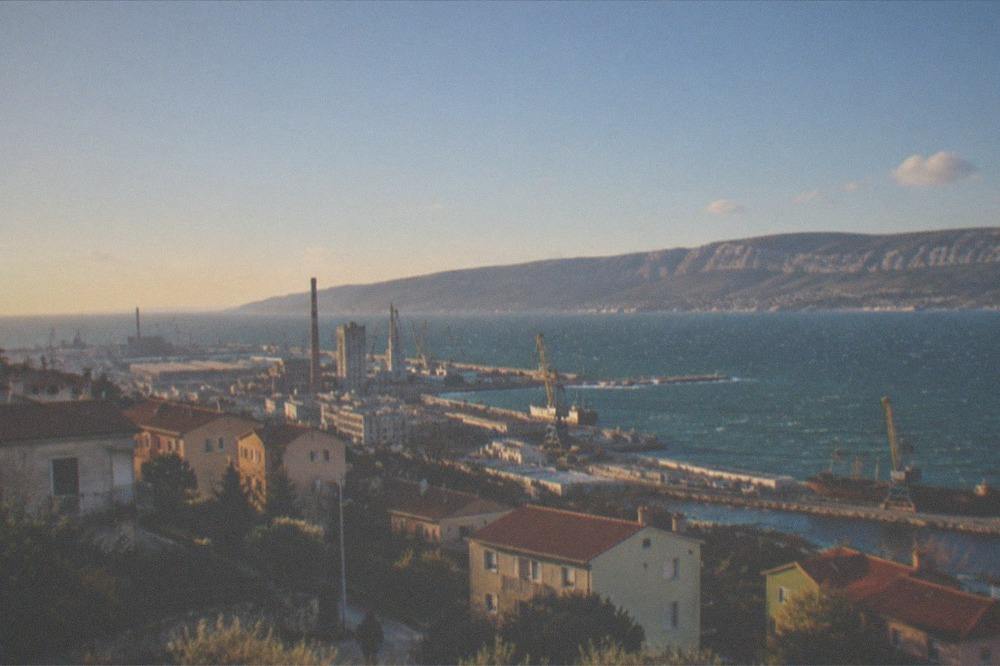
Can Muggia Be a Half-Day Trip from Trieste?
Yes, and a half day is the right length: the old town, walls, Duomo and harbour of Muggia fit into two to three hours at a stroll, the urban bus fare each way is EUR 1.50, and the whole excursion slots naturally into the afternoon of a day that spends the morning on Trieste's own sights, which is exactly how our two days in Trieste itinerary uses the southern shore. The town's compactness is its convenience. There is no queue-bearing attraction, no timed entry, no booking ahead, so you can decide on the morning itself, tap a contactless card on the bus, and go.
Pairing ideas, all using transport and tickets already covered above:
| Pairing | Morning in Trieste | Afternoon at Muggia |
|---|---|---|
| History pair | San Giusto Castle and hill | Walls, Duomo and town hall |
| Seafront pair | The Rive and Piazza Unità d'Italia | Harbour walk and bay views |
| Slow day pair | Coffee in a historic caffè | Main square, lunch, a stroll to the water |
| Two-day plan | Day one city centre | Day two south, per the two-day itinerary |
If your time in the city is a single day, Muggia is a stretch but not an impossible one, and the honest advice is in our one day in Trieste itinerary: spend the day on the city itself and save Muggia for a return trip. Cruise passengers with an afternoon free can weigh it against the options in our one day ashore guide, keeping in mind that the bus back is ordinary urban transport, not a guaranteed shuttle, and the operator's live timetable is the only reliable source for the last departures of the day.
For visitors who want the coast but would rather someone else handle the logistics, the guided options stack up clearly. The panoramic bus tour of Trieste itself, from $21.02 per person with an audio guide, rated 4.1 from 236 reviews, is a city orientation rather than a Muggia trip, but it is the cheapest way to get your bearings before striking south. The full-day Ljubljana and Lake Bled tour, from $108.91 per person and rated 4.69 from 544 reviews, is the opposite trade: it skips Muggia entirely and spends the day across the border in Slovenia, which suits travellers who want the big-hitter day trip instead of the quiet border town.
Common Questions About Muggia Near Trieste, Italy
How do I get from Trieste to Muggia?
Take the urban bus on Trieste Trasporti's network; a standard urban single costs EUR 1.50 for 60 minutes, EUR 1.85 for 75 minutes, or EUR 3.35 for a day ticket, per the 2026 tariff sheet. Contactless cards can be tapped on board. A seasonal ferry also links the Trieste waterfront with Muggia; confirm sailing days with the operator before relying on it.
Do I need a passport to visit Muggia from Trieste?
No, Muggia is in Italy, so no border is crossed to visit the town itself. Carry a passport or national ID card anyway if you might continue past the edge of town, because Italy is running temporary checks on its land border with Slovenia from 19 June 2026 to 18 December 2026.
Is Muggia worth visiting?
For a half day, yes: the walled old town, the Venetian-Gothic Duomo and town hall, and the working fishing harbour are compact, free to wander and unlike anything in central Trieste. It is best treated as a relaxed afternoon rather than a full-day destination.
Can you walk from Trieste to Muggia?
The route exists along the southern shore of the bay, but no verified walking time or distance is published for it, and part of the shoreline is shared with port and industrial land at Servola. The bus or the seasonal ferry are the practical options; see our Servola and Muggia Bay guide for the geography.
What is the best month to visit Muggia?
May, June and September combine mild temperatures with moderate rain, and the sea is warmest in July, August and September at 23.9 to 25.9 C per ARPA's station tables. Avoid November, the wettest month at 109.8 mm, if your plans are outdoors.
Is there a ferry from Trieste to Muggia?
A seasonal ferry service operates across the bay, and the sea approach gives the best view of the city from the water. Sailing days and times are weather-dependent and change seasonally, so check the operator's live listings before you plan around a specific departure.
Muggia is the quiet half of Trieste's coastline: the same water, the same tickets, the same bora, and a border you can see from the walls, all for the price of an urban bus fare.