Two Days in Trieste, Italy: A 48-Hour Itinerary That Works
Two days is the right amount of time for Trieste, Italy: one day for the Habsburg centre and the hill, one for Miramare Castle and the Karst. Here is how to split it, with prices and hours taken from the venues' own pages.
Short answer
Spend day one on Trieste's waterfront and hill, Piazza Unità d'Italia, the Grand Canal, Città Vecchia and Castello di San Giusto, and day two out at Miramare Castle with the Karst or the Muggia bay. The 2-hour private walking tour orients you on morning one; a €3.35 day ticket covers the buses and the Opicina tram.
Trieste, Italy, is a port city on the Adriatic in Friuli Venezia Giulia that rewards exactly two days: long enough for the Habsburg centre, the cathedral hill and the castle on the sea, short enough that you never feel you are rushing a city built for slow coffee. The itinerary below splits the 48 hours so that day one stays entirely on foot inside the old centre and day two heads out along the coast, which is the shape most visitors' time and energy actually allow.
Everything priced here comes from the venues' own pages and the Trieste Trasporti tariff sheet dated 29 December 2025. Where a figure is not published, like the price of the cathedral bell tower, this page says so instead of guessing, because a two-day plan built on a wrong number collapses at the first ticket desk.
Is Two Days in Trieste Enough to See the City?
Two days is enough for Trieste's core with one out-of-town excursion: day one covers Piazza Unità d'Italia, the Grand Canal, Città Vecchia, Castello di San Giusto and the seafront, and day two covers Miramare Castle plus either the Karst or the coast toward Muggia. Two days will not cover Ljubljana, Piran or Postojna as well; those are full-day trips each and belong to a longer stay. The practical split is therefore one city day and one castle-and-coast day, with evenings left for the caffè culture the city is actually organized around.
The reason the split works is geography. Trieste's centre is compact and flat along the water, with the San Giusto hill as the single climb, so a full day there does not need transport at all beyond the walk from your hotel. Everything on day two sits along the same coastal corridor, Miramare up the coast at Grignano, the Karst above it, so one bus or one tram ride resolves the whole excursion. If you are still deciding between one, two and three days, the answer on how many days is enough in Trieste breaks the trade-off in more detail.
What Should Day One in Trieste Look Like?
Day one is the centre: start on Piazza Unità d'Italia in the morning, work along the Grand Canal and through Città Vecchia before lunch, take the San Giusto hill and its castle in the afternoon, and finish along the seafront at Molo Audace and the Le Rive for sunset. Every stop except lunch and the castle is free, and the only ticket you need all day is the €7.00 for Castello di San Giusto. It is a walking day from end to end, which is why it pays to spend the first two hours with a guide who can also carry you past the doorways that have no sign.
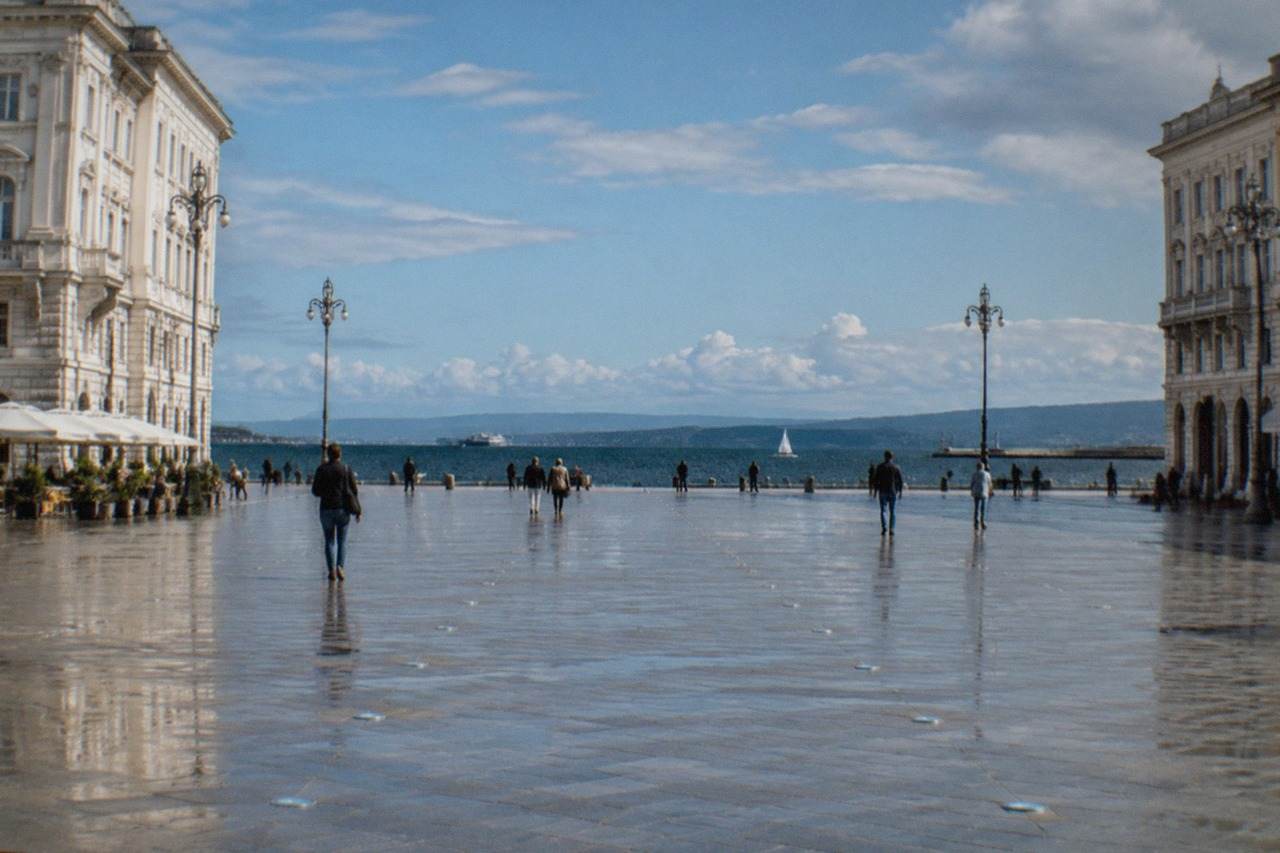
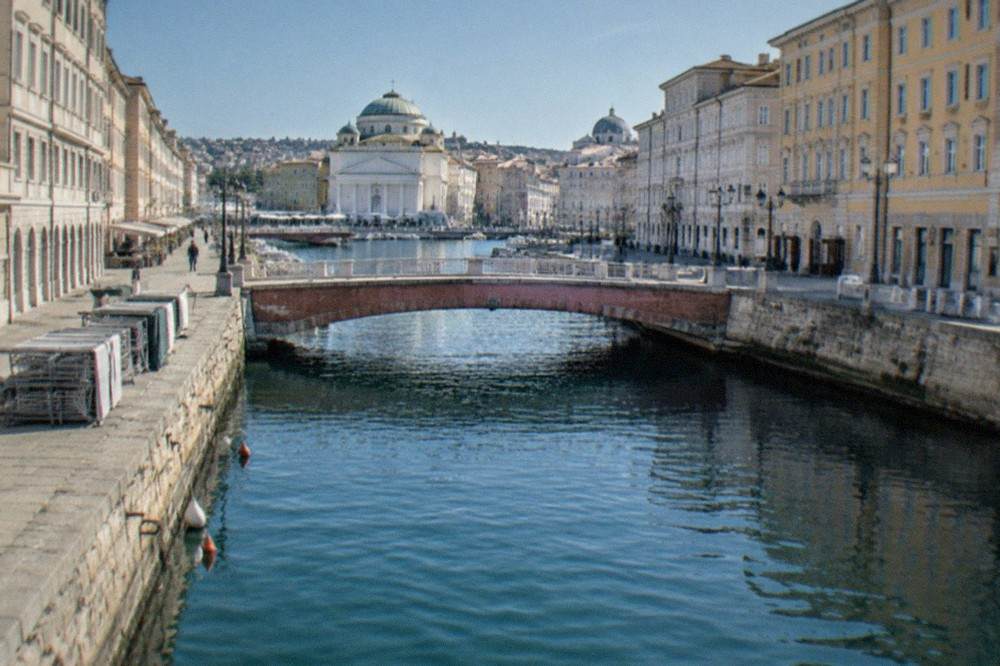
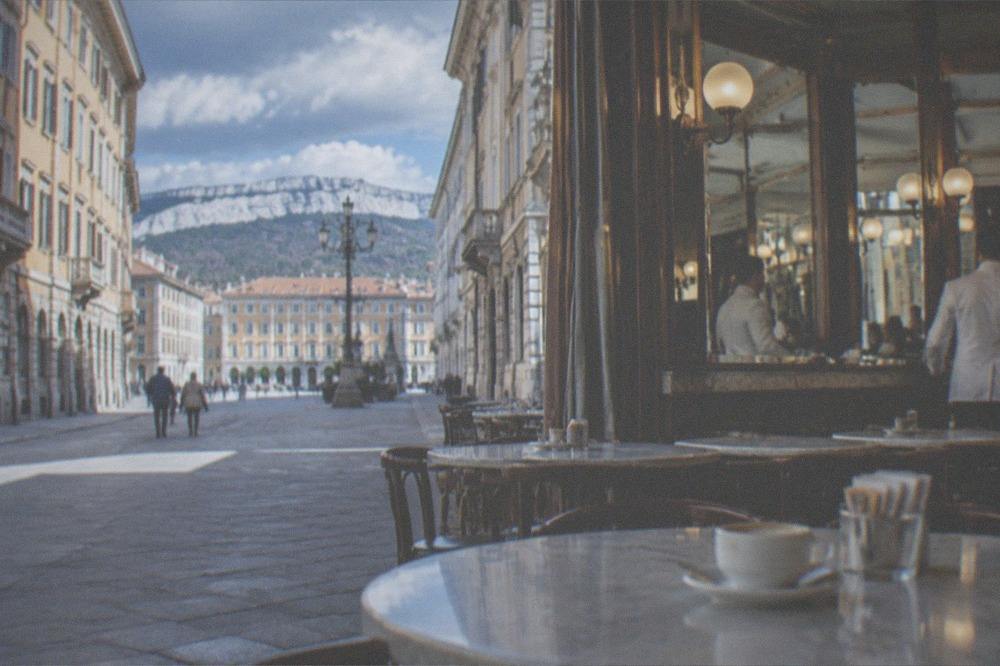
Begin on the sea-level square of Piazza Unità d'Italia, the largest seafront piazza in Italy and the hinge of Habsburg Trieste. The square is free and always open, and the buildings around it, the Prefecture, the town hall, the Lloyd palace, say more about what this city was, the port of an empire, than any museum plaque. From there the Grand Canal is a short stroll north, the Serbian Orthodox church and the Sant'Antonio church facing each other across the water, and behind it the grid of the Borgo Teresiano opens up with the caffè strip of via del Corso and the historic via dei Portici nearby.
Cross into Città Vecchia, the old town, for the late morning. The Roman theatre sits at its foot on via del Teatro Romano, and the only honest way to describe it is the way the ministry's own page implies: you look down into it from the street, and it is not routinely enterable by individuals, so plan a street-level viewing rather than a visit. Lunch in this district is the simplest good decision of the day, a buffet counter serving jota and goulash rather than a pizzeria, and the one-day Trieste itinerary lists the stops compressed if your second day is short.
If you would rather turn lunch into the event itself, the guided foodie walking tour is the city's most-reviewed eating product: $71.08 per person, rated 4.91 from 264 reviews, running 3 hours through the buffet counters and the street food of the centre. It eats most of an afternoon, so on a strict two-day schedule it belongs to day one only if you are happy to trade the castle hill for it, or to a longer stay.
The private walk below is the most useful purchase of day one for a first-time visitor: at $206.36 for a group of up to ten it is priced per group, it runs two hours, and it is rated 4.90 from 98 reviews on the operator's listing, which is the cheapest way to convert a stranger's city into one you can navigate solo for the rest of your stay. Book it for the first morning, not the second, because everything it teaches is day-one material.
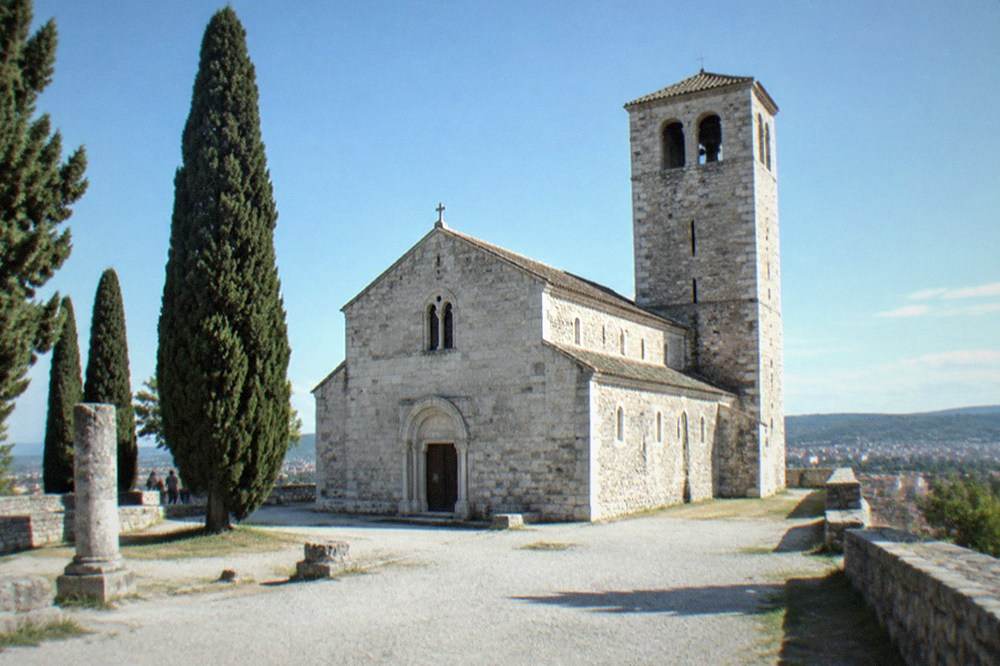
The afternoon is the hill. Castello di San Giusto charges adult €7.00, reduced €5.00, school and university groups €1.00, and the ticket covers the walls and bastions, the Civico Museo del Castello di San Giusto-Armeria, the Lapidario Tergestino and temporary exhibitions at the Bastione Fiorito, which is a generous bundle for the money. Hours matter here: from 1 April to 11 October the castle is daily 10:00-19:00 with last entry 18:30, but from 12 October it drops to Tuesday to Sunday 10:00-17:00, last entry 16:30, closed Mondays. Next door the Cattedrale di San Giusto Martire is free, weekdays 8:00-18:30 and Sundays and holidays 9:00-19:30, though the parish asks visitors not to come during Sunday Masses; the bell tower's price is not published anywhere official, so budget nothing for it until you can ask at the desk.
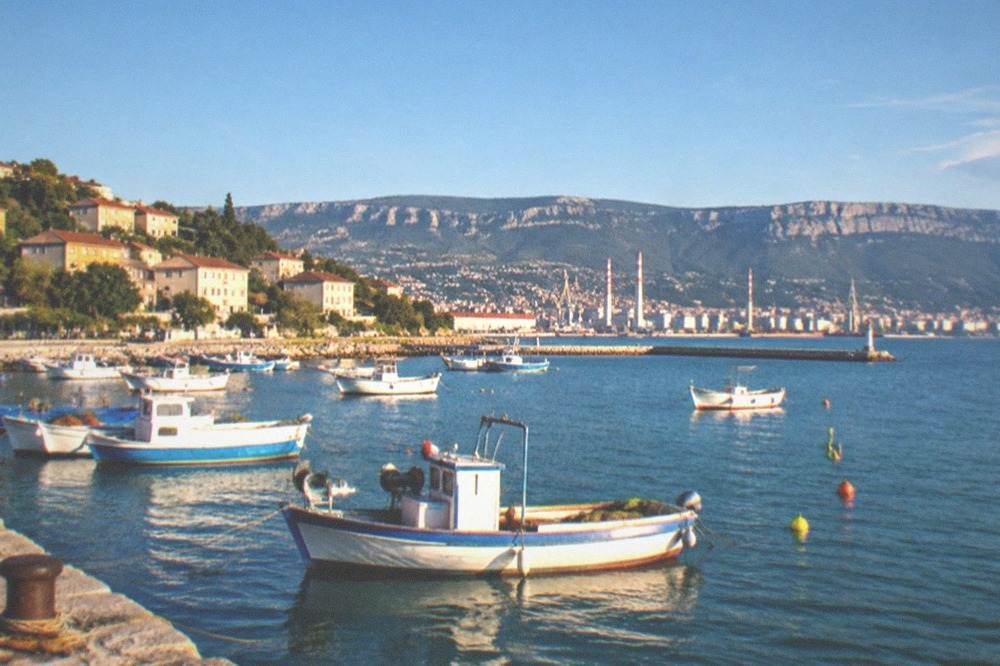
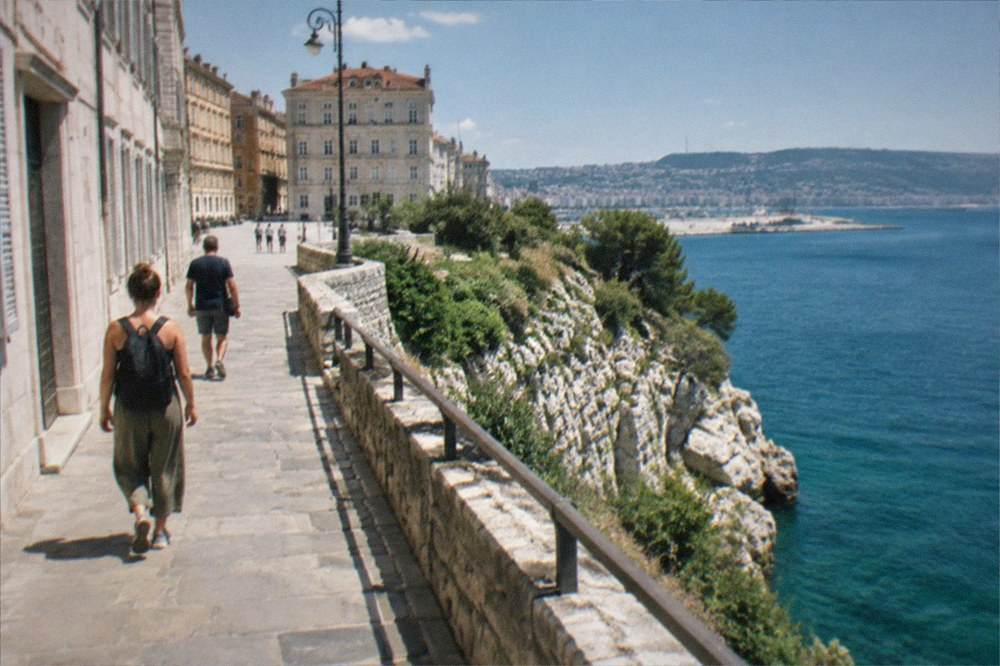
End the day along the water: down through the Arco di Riccardo, out to Molo Audace, the pier that puts you a few hundred metres out into the gulf with the city behind you, and along the Le Rive toward the Victory Lighthouse. Sunset from the pier is the free finale that costs nothing and needs no booking, and it is the moment the two-day trip starts to feel longer than 48 hours.
| Day one block | Where | What it costs | Hours that matter |
|---|---|---|---|
| Morning | Piazza Unità d'Italia and Grand Canal | Free | Always open |
| Late morning | Città Vecchia and Roman theatre | Free, street viewing only | Street access any time |
| Lunch | Old town buffet | Pay per dish | Midday service |
| Afternoon | Castello di San Giusto | €7.00 adult, €5.00 reduced | 1 Apr-11 Oct daily 10:00-19:00; from 12 Oct Tue-Sun 10:00-17:00, closed Monday |
| Afternoon | Cathedral of San Giusto | Free | Weekdays 8:00-18:30, Sun 9:00-19:30 |
| Evening | Molo Audace and Le Rive | Free | Always open |
For travellers who cannot or would rather not spend day one entirely on foot, the bus alternative is genuinely useful rather than a concession. The audio-guide bus tour runs $19.49 per person for 1.5 hours and is rated 4.34 from 2,638 reviews, an enormous sample that says exactly what it is: a reliable, cheap orientation with no walking, not a deep dive. Take it as a supplement to the hill walk, not a replacement, and keep it in mind for a morning when the legs vote against the climb.
What Should Day Two in Trieste Be: Miramare, the Karst or the Coast?
Day two belongs to Miramare Castle and the coast: the castle is €17.00 for adults, its park is free all year, and it is open daily 9:00-19:00 with the ticket office closing at 18:30, which makes it the one major Trieste sight with no weekly closing day. Add Grotta Gigante in the afternoon at €15.00, guided tours only with compulsory booking, and day two becomes the excursion day the compact day one earned. The alternative pairing, Miramare in the morning and the Muggia bay or the Barcola seafront in the afternoon, suits families and swimmers better than cavers.
Start early at Miramare Castle, because the arithmetic of the €17.00 adult ticket includes the temporary exhibition, and the reduced €7.00 for EU citizens aged 18-25 covers it too, while the €2.00 reduced is castle only. The park is the free part most visitors underrate: it is open daily, with hours that shift by month, 8:00-19:00 from April to September, 8:00-18:00 in March, 8:00-17:00 from 15 to 31 October, 8:00-18:00 from 1 to 14 October and 8:00-16:00 in November, December and January. The castle has no closing day, but the park's clock is the one that catches people out on an autumn afternoon.
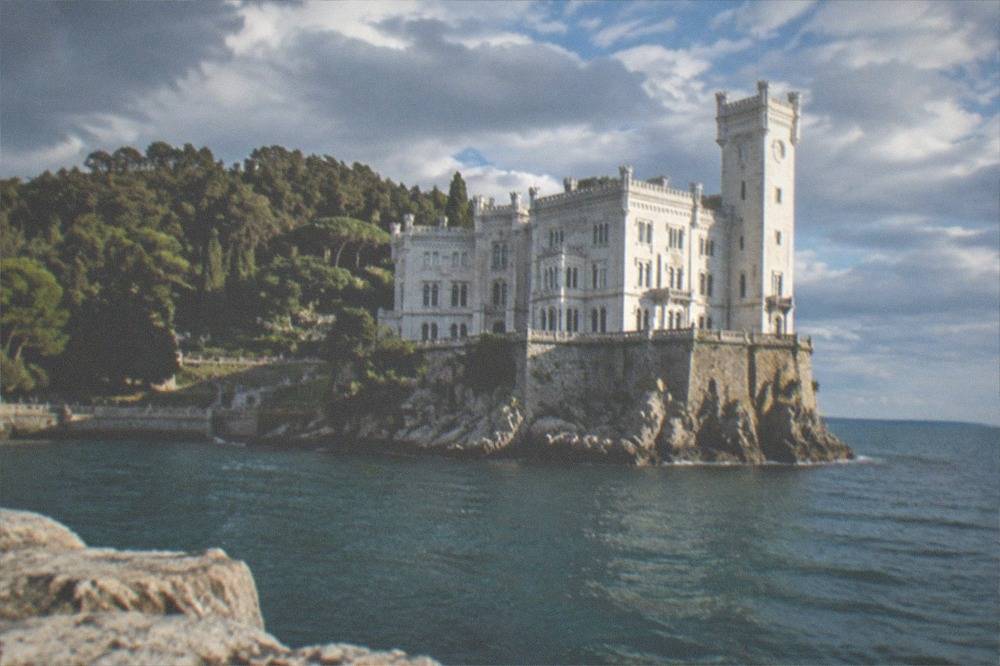
The castle is also the stop where a guided product adds the most on day two. The private castle-and-park tour at $93.42 per group runs two hours and is rated 5 from 62 reviews, and it opens the former apartments of Archduke Maximilian and his wife Charlotte in a way the entry ticket does not; the entry-ticket-with-audio-app product at $20.64 per person, rated 4.35 from 881 reviews, is the self-guided equivalent if you would rather move at your own pace.
Afternoon is where the two-day itineraries genuinely diverge. The caving option is Grotta Gigante, up on the Karst at Sgonico: €15.00 adult, €12.00 reduced for over-65s, students to 26, journalists and CAI/SSI members, €8.00 for children 6-18 with a family rate of €6.00 per child when two or more children are in the party, and under-6s free. It is guided-only with compulsory booking, tours depart at 9:00, 10:00, 11:00, 12:00, 14:00, 15:00 and 16:00, and the calendar is seasonal: daily from March to August, Tuesday to Sunday from September to February, closed 25 December and 1 January. The step count and the cave's constant temperature are not printed on the venue's own pages, so this page will not print them either; treat both as "ask when booking."
The gentle option is the coast south: the Barcola seafront for a swim or a long walk, or Muggia at the head of its bay. Neither needs a ticket, and both are ordinary urban bus rides on the same fares listed below. Families should look at the Trieste with kids family itinerary before choosing, because the caving option and the swimming option suit very different ages.
| Day two block | Where | What it costs | Booking or hours |
|---|---|---|---|
| Morning | Miramare Castle | €17.00 adult, €7.00 reduced 18-25 with exhibition, €2.00 castle only | Daily 9:00-19:00, ticket office to 18:30 |
| Morning | Miramare park | Free | April-Sept 8:00-19:00; Nov-Jan 8:00-16:00 |
| Afternoon, option A | Grotta Gigante | €15.00 adult, €12.00 reduced, €8.00 child 6-18 | Compulsory booking; tours 9:00-16:00; Tue-Sun Sept-Feb |
| Afternoon, option B | Barcola seafront or Muggia | Free | Always open |
| Evening | Return to the centre for dinner | Pay per dish | Evening service |
One more day-two decision belongs to the sober-minded: the Risiera di San Sabba, the national monument and civic museum inside the former rice-husking complex used as a concentration camp under Nazi occupation. Entry is free, it runs daily 9:00-19:00 from 1 March to 11 October with last entry 18:30 and 9:00-17:00, last entry 16:30, from 12 October, and it is closed only 25 December and 1 January. It is not a light stop and it is not a filler stop, but two days in this city with no acknowledgment of that history is a thinner two days. The Risiera di San Sabba page carries the full detail.
What Does a Two-Day Trip to Trieste Actually Cost?
The hard costs are low for Italy: the three paid sights on this itinerary are Castello di San Giusto at €7.00, Miramare at €17.00 and Grotta Gigante at €15.00, and a day transport ticket is €3.35, so every gate across the two days is itemised rather than bundled. Adding a guided product changes the picture: the private 2-hour walking tour is $206.36 but per group of up to ten, while the bus tour's $19.49 is flat per person.
The table below is the honest ledger. Accommodation is deliberately excluded because this page does not quote hotel rates, and food varies with whether you eat standing at a buffet counter or seated in a trattoria; the city's tourist tax, published by the Comune, runs €1.50 per person per night at campsites up to €3.80 at five-star hotels, charged for a maximum of five consecutive nights in the same property, and everyone under 18 is exempt.
| Line item | Per adult | Source |
|---|---|---|
| Castello di San Giusto | €7.00 | Castle's own tariff |
| Miramare Castle with exhibition | €17.00 | Ministry's castle page |
| Grotta Gigante guided tour | €15.00 | Venue price list |
| Transport, one day ticket (U24) | €3.35 | Trieste Trasporti 2026 tariff sheet |
| Tourist tax, 3-star | €3.00 per person per night | Comune table, capped at 5 nights |
Transport deserves its own line because the 2026 tariff sheet is precise. Singles cost €1.50 for 60 minutes (code U01) and €1.85 for 75 minutes (U02), a day ticket is €3.35 (U24), and carnet buyers get 10 rides for €13.50 (U10) or 20 for €16.65 (U20). Singles are extended to 240 minutes on Sundays and public holidays, contactless bank cards and wallets can be tapped on board on the Eva readers, the system applies the cheapest applicable fare, and the same urban ticket covers the Opicina tram. For two days the day ticket is the obvious buy unless you walk everything on day one as this itinerary suggests.
If the budget has room for exactly one guided product across the two days, put it on the first morning: everything the private walking tour teaches, the layout of the Borgo Teresiano grid, which arcade leads where, why the canal is where it is, keeps paying off through day two as well. Free cancellation terms and pay-later options are on the operator's live listing, so booking early costs you nothing if the plan shifts.
| Ticket | Code | 2026 price | Validity |
|---|---|---|---|
| Urban single | U01 | €1.50 | 60 minutes |
| Urban single | U02 | €1.85 | 75 minutes |
| Day ticket | U24 | €3.35 | One day |
| 10 rides | U10 | €13.50 | Carnet |
| 20 rides | U20 | €16.65 | Carnet |
Which Hours, Free Days and Closing Days Can Break a Two-Day Plan?
The closing days are the trap: Museo Revoltella is closed Tuesdays, Castello di San Giusto is closed Mondays from 12 October, and Grotta Gigante runs Tuesday to Sunday only from September to February, so a two-day trip landing on the wrong weekday can lose a sight entirely. The free days are the counterweight: San Giusto is free on the first Sunday of each month and on 3 November, the patron saint's day, and Miramare joins the ministry's free first-Sunday scheme while its park stays free every day. Plan the sequence around the calendar, not around desire.
Revoltella is the one people miss: it is a modern-art museum on the waterfront, €8.00 adult, €6.00 reduced, daily 10:00-19:00 with last entry 18:00, and closed on Tuesdays, which is a strange day for an Italian museum and exactly why it catches two-day visitors who assume everything shuts on Monday. San Giusto's Monday closure only applies in the winter timetable from 12 October; in the summer window, 1 April to 11 October, it is daily. Grotta Gigante's seasonal calendar is the mirror image, daily in the March-August months and Tuesday-Sunday the rest of the year, so a Monday in November cannot include it at all.
| Sight | 2026 price | Open | Closed |
|---|---|---|---|
| Castello di San Giusto | €7.00 / €5.00 | 1 Apr-11 Oct daily 10:00-19:00; from 12 Oct Tue-Sun 10:00-17:00 | Mondays from 12 Oct |
| Cathedral of San Giusto | Free | Weekdays 8:00-18:30, Sun 9:00-19:30 | Bell tower price not published |
| Museo Revoltella | €8.00 / €6.00 | Daily 10:00-19:00 | Tuesdays |
| Miramare Castle | €17.00 | Daily 9:00-19:00 | None stated |
| Miramare park | Free | April-Sept 8:00-19:00; Nov-Jan 8:00-16:00 | None, daily |
| Grotta Gigante | €15.00 | Mar-Aug daily; Sep-Feb Tue-Sun, tours 9:00-16:00 | 25 Dec, 1 Jan |
| Risiera di San Sabba | Free | 1 Mar-11 Oct daily 9:00-19:00; from 12 Oct 9:00-17:00 | 25 Dec, 1 Jan |
There is no Trieste-only museum card, so do not build a two-day budget around one. The regional FVGcard exists and covers Grotta Gigante and Revoltella among other sites, but its prices could not be verified from the official source, and this page does not print unverified prices; check the regional tourism site before assuming it saves money on a two-day visit, because one-time-use-per-facility rules bite hardest on short trips.
The free first-Sunday scheme deserves one careful paragraph: it is running through 2026 at participating state museums, and Miramare is listed among them, but the rules have changed more than once in recent years and the specific month's date must be confirmed on the venue's own event page before you promise yourself a free castle. Saying "first Sunday" without checking is how a plan fails at the gate. On a two-day trip that starts on a first Sunday, it is genuinely worth reordering the itinerary to put Miramare on that day, since the park is free anyway and the castle is the single most expensive sight on the list.
What If the Weather Turns During Your Two Days in Trieste?
Trieste's wettest month is November at 109.8 mm, with September second at 102.3 mm, while July, at 53.8 mm, is the second driest month of the year, so rain risk is a season question, not a coin flip. The bora is the other variable: the ARPA station series averages 17.6 days a year with a gust over 90 km/h, peaks at 168.1 km/h from February 2012, and no official threshold exists for ferry or seafront closures. Plan indoor backups for the shoulder months and check the forecast, not a rule of thumb.
The indoor layer for a wet day is thicker than most visitors expect: Revoltella for modern art, the civic museums on the hill already inside your San Giusto ticket, the historic caffè that are destinations in themselves, and the covered arcades of via dei Portici. The rainy day in Trieste itinerary sequences them properly. Wind is different from rain here: the bora blows from the east-north-east, it is strongest and most frequent in the cool season, and the city is built for it, ropes on the waterfront in the old prints and all. What no official source publishes is a number at which anything is cancelled, so the honest instruction is to watch the forecast and expect the seafront to be bracing rather than closed.
Summer two-day trips invert the risk entirely. The sea reaches its warmest means around 25.9 C in July and August on the long series, which makes Barcola and the bathing establishments the day-two alternative that competes honestly with Grotta Gigante. Couples will find the balance between castle morning and seafront afternoon laid out in the romantic two-day route for Trieste, which is this same skeleton with the pace halved and the tables exchanged for wine.
Should You Add the Opicina Tram to a Two-Day Trieste Trip?
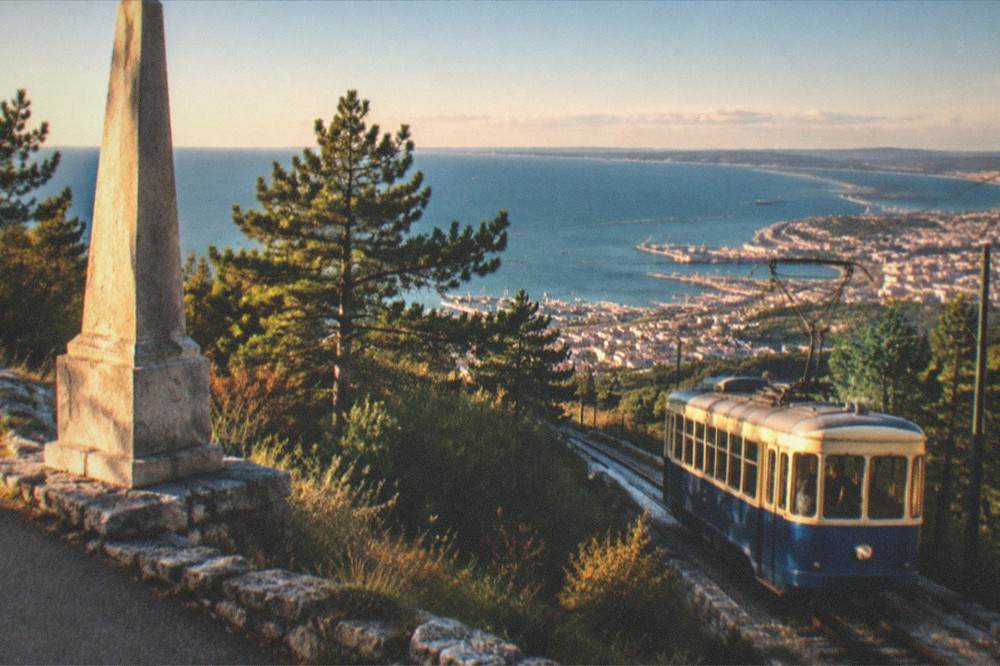
The Opicina tram is running and is worth the ride if day two runs long: it was reactivated on 1 February 2025 after the long stop that followed the August 2016 collision, it covers about 5.175 km between piazza Dalmazia and the Opicina station, and it is part of the ordinary urban network, so the €3.35 day ticket already covers it. The two details that matter, the 2025 reactivation and the piazza Dalmazia terminus, are the two most-missed facts in published Trieste coverage, and a wrong terminus in your notes can cost an hour.
Check the live status on the operator's site before you commit an afternoon to it, because short maintenance suspensions do happen and the operator's homepage is where they are announced, not in any guide that was written months ago. The ride is the last funicular-tram hybrid of its kind operating on this route, it climbs to the Obelisco and the Karst edge, and it pairs naturally with the Grotta Gigante option on day two, since both end on the plateau. For a third day, the three days in Trieste itinerary gives the tram and the Karst the room they deserve.
Common Questions About Two Days in Trieste
Is two days in Trieste enough?
Two days covers the centre, San Giusto hill, Miramare Castle and one of the Karst or the coast properly. It does not cover Slovenia or Croatia day trips, which each take a full day; the Ljubljana and Lake Bled products in the roster run 7 to 9 hours from departure to return.
What is the best order for the two days in Trieste, Italy?
Do the city centre on day one, all on foot, and save Miramare and the coast for day two. Miramare is open daily 9:00-19:00 with no weekly closing day, so it is the safe day-two anchor, while the centre's sights are dense enough to absorb any weather on day one.
How much do the sights cost for two days in Trieste?
The gate prices are €7.00 at Castello di San Giusto, €17.00 at Miramare and €15.00 at Grotta Gigante, with a €3.35 day ticket covering buses and the Opicina tram. The square, the cathedral, the canal, the old town, the seafront, the Risiera di San Sabba and the Miramare park are all free.
Which day of the week is worst for a two-day Trieste trip?
Tuesday, because Museo Revoltella is closed on Tuesdays. From 12 October, Monday is also bad for Castello di San Giusto, which is closed Mondays in the winter timetable, and Grotta Gigante runs Tuesday to Sunday only from September to February, so a Monday-Tuesday pair in winter loses the most.
Do you need to book anything in advance for two days in Trieste?
Grotta Gigante, yes: it is guided-only with compulsory booking, by phone or email on the contacts the venue publishes. Miramare recommends online booking but does not require it, and San Giusto offers optional booking. The private walking tours should be booked ahead because a single guide's two hours are the scarcest item on the list.
Can you do a day trip to Slovenia on one of the two days?
You can, but it consumes the whole day, 7 hours minimum for the Ljubljana and Lake Bled products, so you would be choosing it instead of Miramare and the Karst, not alongside them. Slovenia uses the euro and is in Schengen, but Italy is running temporary border checks on the land border with Slovenia through 18 December 2026, so carry a passport or national ID card.
Two days in Trieste, Italy, is the length this city was built for: one day among the Habsburg squares and the caffè that Trieste Travel Guide covers in detail elsewhere, one on the water and the limestone, and a budget of itemised gate prices rather than bundles. Take the walking tour on the first morning, let the hill and the castle absorb the first afternoon, give Miramare your second morning before the tour buses do, and keep the evening free, because in Trieste the evening coffee is not a habit, it is the point.