Three Days in Trieste, Italy: The Perfect Itinerary
Three days is enough to see Trieste's grand squares and seafront, take the tram up to the Carso, visit Miramare Castle and still cross a border for lunch, and this itinerary shows you how.
Short answer
Spend day one on Piazza Unità d'Italia, the Città Vecchia and San Giusto hill, day two on Miramare Castle and the Barcola seafront, and day three on the Opicina tram, the Carso plateau and Grotta Gigante, with verified prices and hours for every stop.
Trieste, the Adriatic port city in the far northeast of Italy, rewards exactly the kind of visit that three days allows: one day for the historic centre, one for the coast and its most famous castle, and one for the limestone plateau that rises behind the city. This itinerary is built on prices and opening hours taken from the official tariff sheets and venue pages, so you can plan with numbers that are actually current rather than inherited from an older guidebook. The city sits closer to Ljubljana than to Venice, faces Slovenia across a border you can walk to, and keeps a Central European character that surprises visitors expecting a typical Italian seaside town. This page is part of Trieste Travel Guide, the site's full set of itineraries, sight pages and practical answers.
Three days is also the point at which Trieste stops being a long weekend and becomes a base. You can add a morning on the Carso plateau, a cave visit, or a cross-border excursion to Slovenia, without rushing any of the city's own sights. If you are still deciding how long you need, the question of how many days in Trieste is enough has its own answer page, and there is a shorter two days in Trieste itinerary if your schedule is tighter.
What Does Three Days in Trieste Look Like at a Glance?
Three days in Trieste divides cleanly into three themes: day one covers the historic centre from Piazza Unità d'Italia through the Città Vecchia to San Giusto hill, day two goes up the coast to Miramare Castle and the Barcola seafront, and day three takes the Opicina tram onto the Carso plateau with Grotta Gigante as the anchor visit. Each day is walkable or a single transit ride from the centre, and the two biggest paid sights, Miramare and Grotta Gigante, sit on different days so neither crowds the other.
The split is deliberate. Trieste's centre is compact and flat along the seafront, so the first day needs no transport at all beyond your own feet. The second day follows the coast north, and the third climbs behind the city, which is where the landscape changes completely, from Habsburg waterfront to bare limestone and vineyards. The table below is the skeleton of the whole plan, and every price in it comes from the official sources listed further down the page.
| Day | Theme | Morning | Afternoon | Evening |
|---|---|---|---|---|
| 1 | Historic centre | Piazza Unità d'Italia and Molo Audace | Città Vecchia, Roman theatre, San Giusto hill | Aperitivo on the Rive |
| 2 | Coast and castle | Miramare Castle and park | Barcola seafront and the Lanterna beach | Dinner in the Cavana district |
| 3 | Carso and caves | Opicina tram to Villa Opicina | Grotta Gigante guided tour | Osmiza or a trattoria on the plateau |
A first visit of this length also leaves room for the things Trieste is genuinely famous for, the coffee houses above all. Trieste's coffee culture, covered in its own guide on this site, is the institution the city is best known for, and a mid-morning stop in one of the historic caffè belongs in all three days, not just one.
How Should You Spend Day One in Trieste's Historic Centre?
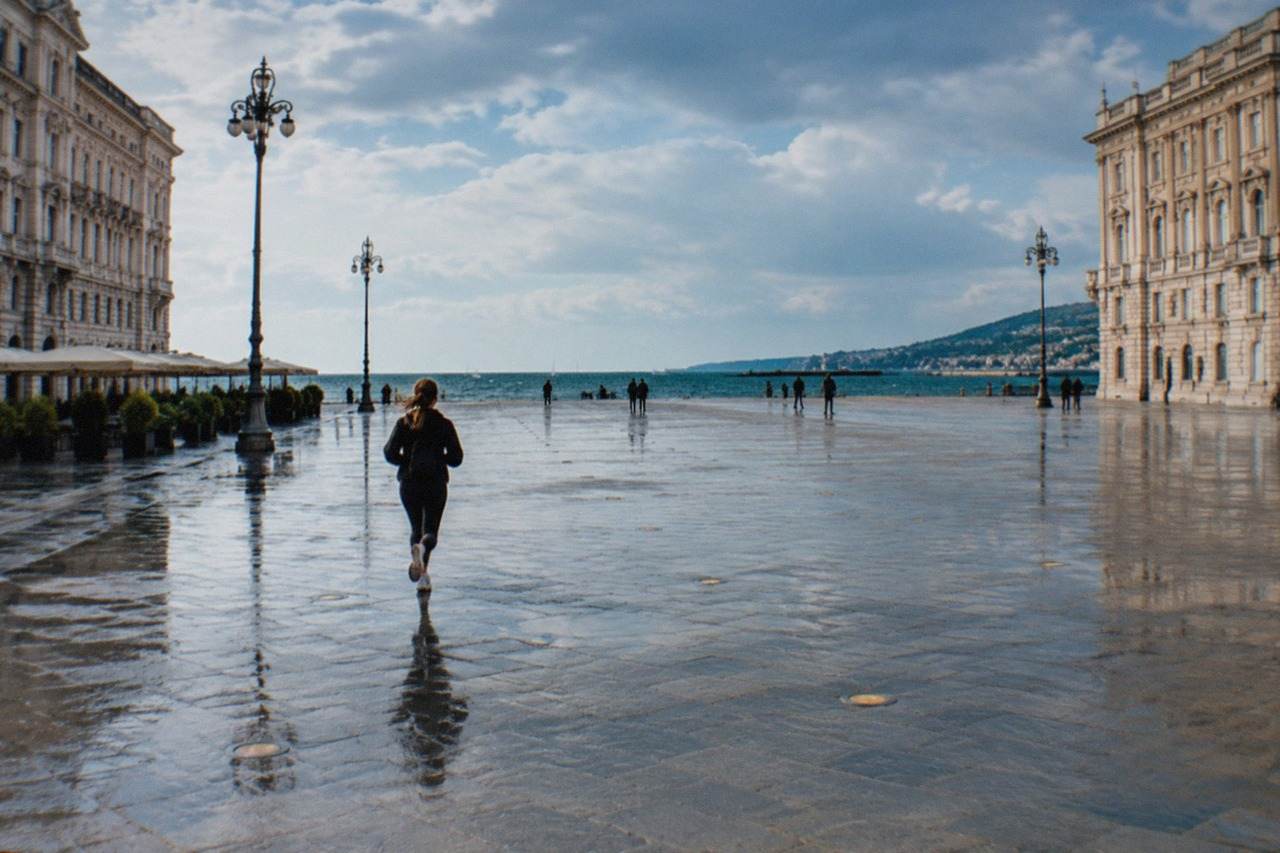
Start day one on Piazza Unità d'Italia, the largest seafront square in Italy, walk out along Molo Audace for the view back at the city, then climb through the Città Vecchia to the Roman theatre and up to the Cathedral and Castello di San Giusto on the hill, all of which is free except the castle, whose adult ticket is EUR 7.00. Finish on the Rive, the waterfront promenade, as the light goes down.
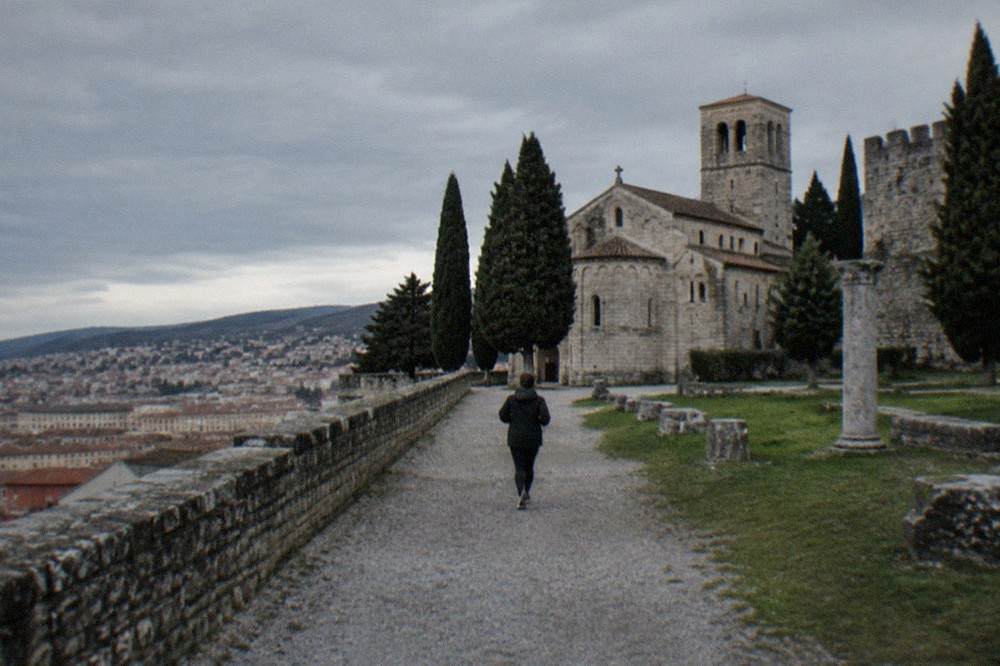
The centre of Trieste is unusually generous with free sights. The cathedral of San Giusto Martire is free to enter, open weekdays 8:00-18:30 and Sundays and holidays 9:00-19:30, though the parish asks that visits avoid Mass times. The Roman theatre is looked down into from the street, free, and not routinely enterable by individuals, so treat it as a viewpoint rather than a venue. The Castello di San Giusto is the one paid stop of the day: EUR 7.00 adult, EUR 5.00 reduced, and the ticket covers the walls and bastions, the castle museum and armoury, the Lapidario Tergestino and temporary exhibitions. From 1 April to 11 October it opens daily 10:00-19:00 with last entry at 18:30; from 12 October it runs Tuesday to Sunday 10:00-17:00 and closes on Mondays.
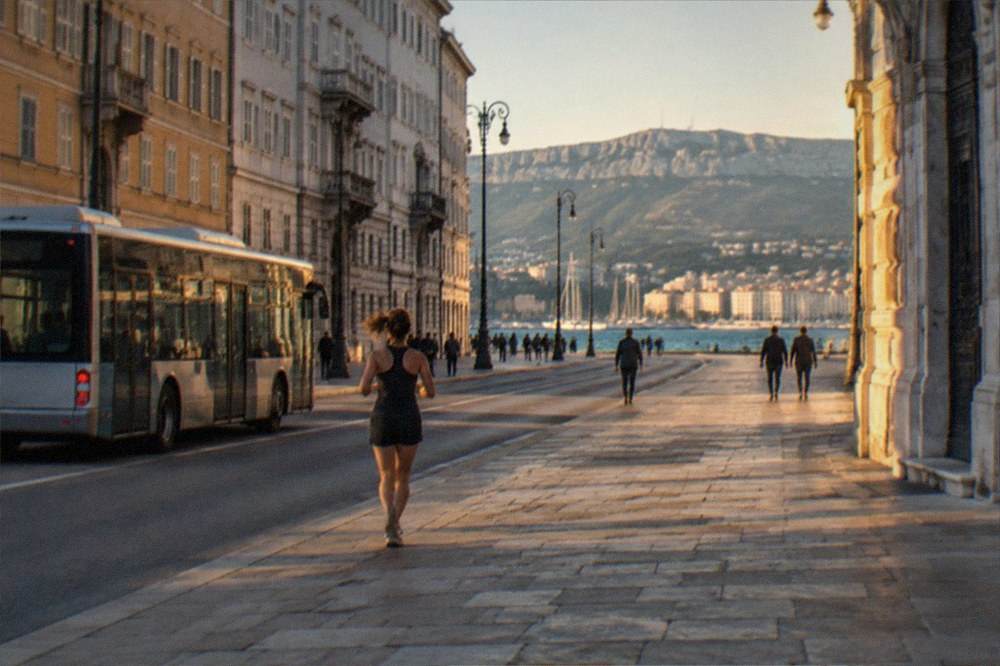
The morning belongs to the waterfront. Piazza Unità d'Italia opens straight onto the sea on one side, which is the single most photographed fact about the city, and the Piazza Unità d'Italia guide covers its buildings and history. Molo Audace, the stone pier a few minutes north, gives the view back at the square that most visitors miss. From there the Città Vecchia climbs inland, a grid of narrow streets that was the whole city before the Habsburgs rebuilt the waterfront, and the Città Vecchia old town guide maps it properly.
Afternoon is the hill. The route up through the Città Vecchia to San Giusto passes the Roman theatre, the Arco di Riccardo and the Serbian Orthodox church of Saint Spyridon, all of which have their own pages if you want depth. Once you are on the hill the cathedral, the castle and the panoramic terrace over the city sit within a couple of minutes of each other, and the San Giusto castle and hill guide explains what the ticket includes. Come down the other side into the Borgo Teresiano, the Habsburg-era grid around the Canal Grande, and you are back at the water in time for an aperitivo.
How Should You Spend Day Two at Miramare Castle and the Coast?
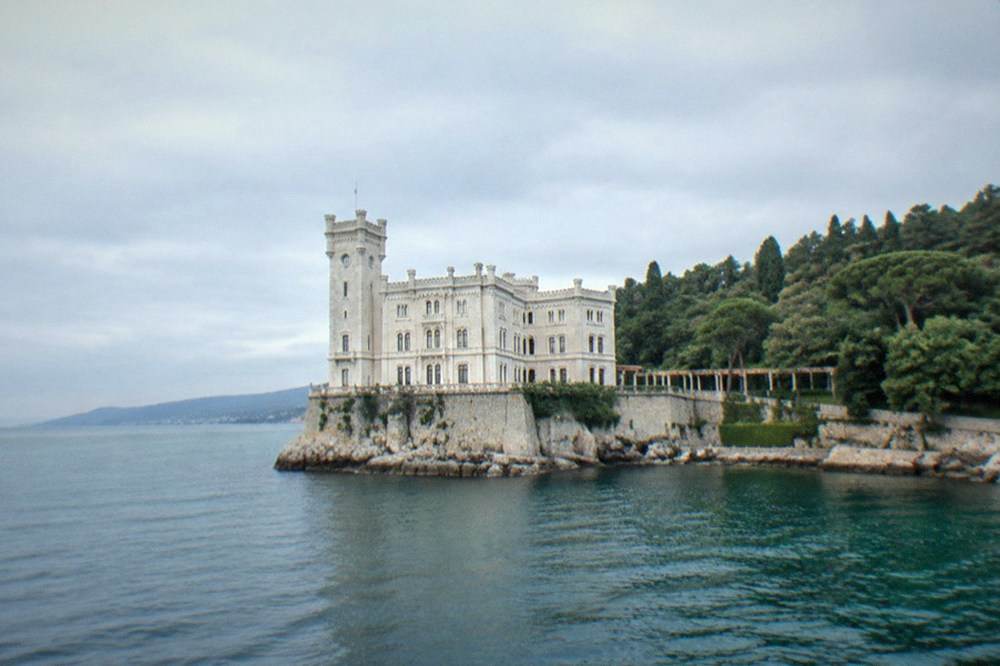
Day two goes north along the coast: Miramare Castle, the white seaside residence built for Archduke Maximilian, costs EUR 17.00 for an adult ticket that includes the temporary exhibition, while its huge park is free all year, and the day continues down the coast at Barcola, the seafront village where the city swims, before returning to the Cavana district for dinner.
Miramare is the sight most visitors come to Trieste for, and the numbers are verified. The castle ticket is EUR 17.00 for adults, with a reduced EUR 7.00 for EU citizens aged 18-25 that includes the exhibition, or EUR 2.00 for castle only. The castle opens every day 9:00-19:00 with the ticket office closing at 18:30. The park is free all year, with hours that shift by month: April to September 8:00-19:00, then shorter windows through the winter months. The Miramare Castle guide covers the apartments, the park and how to get there.
The castle also takes part in the ministry's first-Sunday-of-the-month free-entry scheme, so if one of your three days falls on a first Sunday, the castle itself is free on that day, though the rule has changed more than once in recent years and the venue's own page for that month is the place to confirm it. The park, being free anyway, is the fallback if the castle queue is long.
| Sight | Adult ticket | Hours | Closed |
|---|---|---|---|
| Castello di Miramare (castle) | EUR 17.00 | Daily 9:00-19:00, last entry 18:30 | No weekly closing day |
| Miramare park | Free | April-September 8:00-19:00, shorter in winter | Open daily |
| Castello di San Giusto | EUR 7.00 | 1 Apr-11 Oct daily 10:00-19:00; from 12 Oct Tue-Sun 10:00-17:00 | Mondays from 12 October |
| Cattedrale di San Giusto | Free | Weekdays 8:00-18:30, Sun 9:00-19:30 | Never, avoid Mass times |
| Museo Revoltella | EUR 8.00 | Daily 10:00-19:00, last entry 18:00 | Tuesdays |
| Risiera di San Sabba | Free | 1 Mar-11 Oct daily 9:00-19:00; from 12 Oct daily 9:00-17:00 | 25 Dec, 1 Jan |
| Grotta Gigante | EUR 15.00 | Tours at 9:00, 10:00, 11:00, 12:00, 14:00, 15:00, 16:00 | Mon Sep-Feb, 25 Dec, 1 Jan |
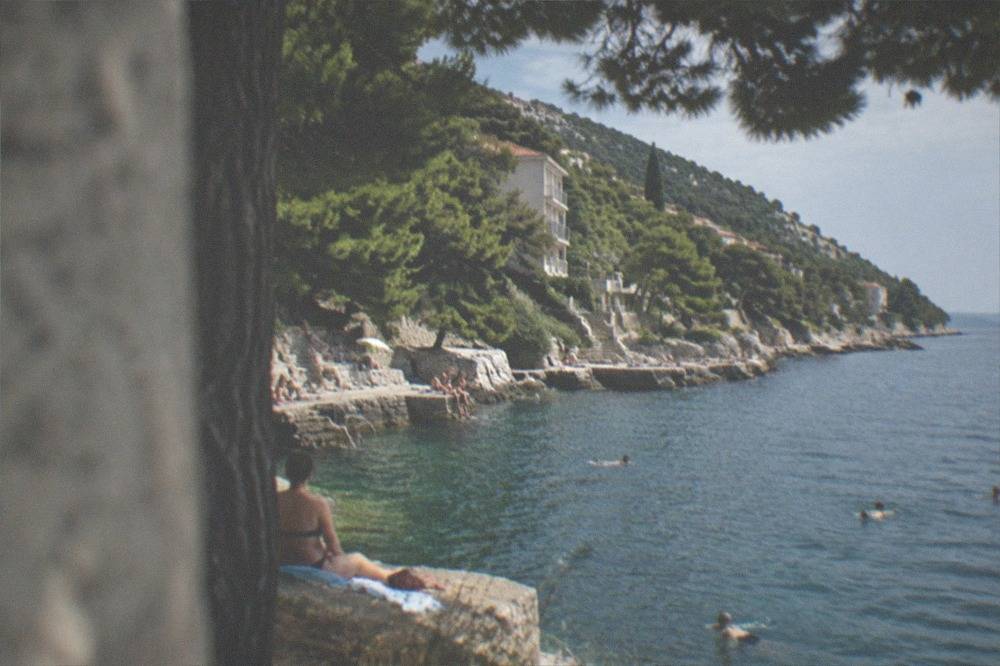
The afternoon belongs to the water. Barcola is the seafront stretch where Trieste actually swims, a line of rocky beaches and pine shade north of the centre, and the Barcola seafront guide covers the beaches and the long waterfront walk. If the weather turns, the Museo Revoltella, the city's modern art museum at EUR 8.00 adult, is the best single indoor stop, open daily 10:00-19:00 except Tuesdays. The Risiera di San Sabba, the national monument at the former rice-huskery that became a Nazi camp, is free to enter and is one of the most serious hours you can spend in the city; its own page on this site explains the history.
How Should You Spend Day Three on the Carso and at Grotta Gigante?
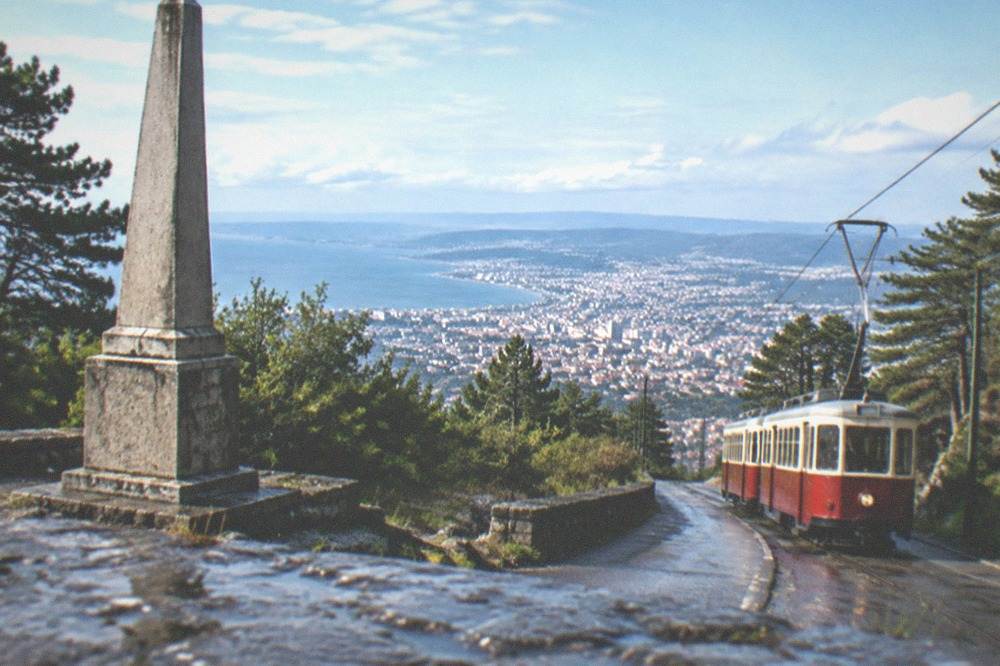
Day three takes the Opicina tram, Trieste's hybrid tram-funicular reactivated on 1 February 2025, from its city terminus at piazza Dalmazia up to Villa Opicina on the Carso plateau, then visits Grotta Gigante, the giant cave at Sgonico, where the EUR 15.00 adult ticket is for a guided tour only with compulsory booking, running seven times a day from 9:00 to 16:00.
The tram is the ride and the destination in one. It is urban line 2, a standard Trieste urban ticket covers it, and contactless bank cards can be tapped on board the Eva readers. The published route runs from piazza Dalmazia up through Vetta Scorcola and Conconello to the Obelisco and Opicina, a distance of about 5.175 km, and the current timetable is dated 20 July 2026. The Opicina tram and Obelisk guide covers the history, including the long closure after the 2016 accident and the 2025 reactivation.
Grotta Gigante needs planning because it is guided-only and booking is compulsory. The price list gives EUR 15.00 adult, EUR 12.00 reduced for over-65s, students to 26, journalists and CAI or SSI members, EUR 8.00 for children 6-18, and free entry for under-6s, with a family rate of EUR 6.00 per child when two or more children are in the party. Tours depart at 9:00, 10:00, 11:00, 12:00, 14:00, 15:00 and 16:00. From September to February the cave opens Tuesday to Sunday; from March to August it opens every day. It is closed on 25 December and 1 January. The Grotta Gigante guide covers what the tour includes and how to book.
The plateau itself is the third character of the day. The Carso is bare limestone, wind-shaped trees and small villages, and its farms open seasonally as osmize, cellar doors selling their own wine and home produce, signposted by a frasca, a leafy branch, hung at the turning. The opening calendar lives at osmize.com, the long-standing volunteer-run listing with addresses and a map. The osmize of the Carso guide covers the custom, and the region's own wines are Vitovska, Malvasia and Terrano rather than anything from the Prosecco DOC.
| Grotta Gigante ticket | Price | Notes |
|---|---|---|
| Adult | EUR 15.00 | Guided tour only |
| Reduced | EUR 12.00 | Over 65, students to 26, journalists, CAI/SSI |
| Children 6-18 | EUR 8.00 | |
| Family rate | EUR 6.00 per child | Two or more children aged 6-18 |
| Under 6 | Free | |
| Groups from 15 | EUR 12.00 each | Over-65 and student groups EUR 10.00 |
What Should You Eat and Drink Across Three Days in Trieste?
Across three days in Trieste, plan for the buffet restaurants serving jota and goulash, the city's Central European stews, for lunch, an osmiza on the Carso for local wine and home-cured produce on day three, and at least one long stop in a historic caffè, because the coffee house is the institution the city is most famous for, and none of it needs a booking beyond the cave and a popular dinner table.
Trieste's food is the most misunderstood thing about it. This is not a pasta-and-pizza city first; it is a buffet city, where the buffet triestino serves boiled pork, sauerkraut and goulash in the Austro-Hungarian line, and jota, the sauerkraut and bean soup, is the signature dish. The what to eat in Trieste guide covers the full range, from the buffets to the seafood, and the city's restaurant scene has its own in-depth page if you want to plan actual meals.
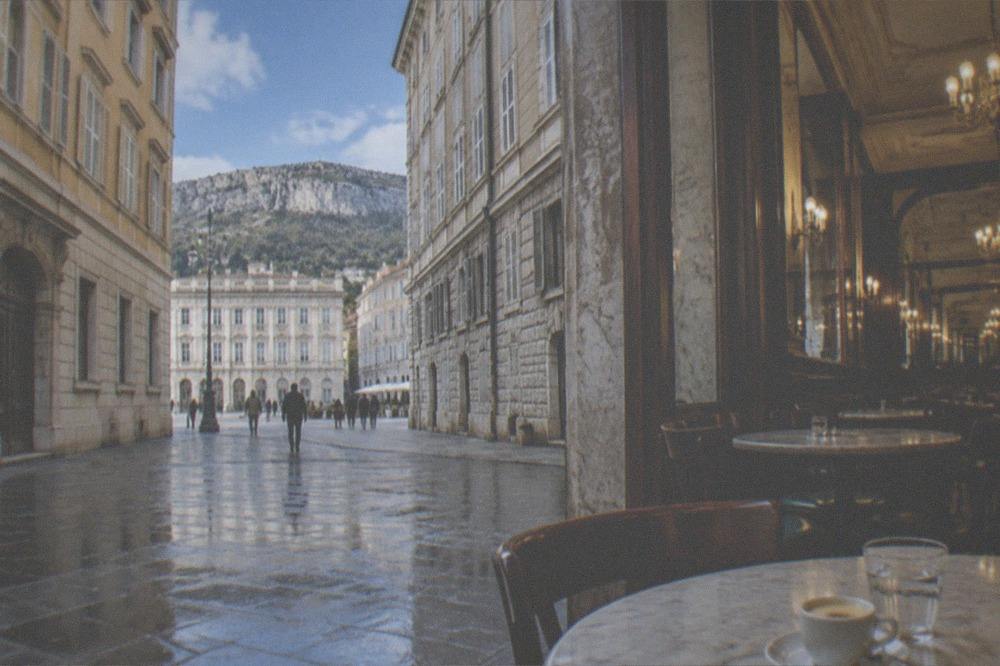
The coffee house deserves its own slot each day. Trieste is a historic coffee port and a roasting centre, home to one of Italy's best-known coffee companies, and the historic caffè of the centre are working rooms where the city actually sits, not museum pieces. Order at the counter or the table, but order like a local: un caffè here means an espresso, and the local variations, including the capo in b, have their own names. No reliable per-head consumption figure exists for the city's coffee habit despite how often one is quoted, so enjoy the culture without repeating a number nobody can source.
| Meal | Where | What to order | Budget note |
|---|---|---|---|
| Day 1 lunch | Buffet in the Città Vecchia or Borgo Teresiano | Jota, goulash, boiled pork with mustard | Counter service keeps it cheap |
| Day 1 evening | Cavana district | Seafood or a pizzeria | Book ahead at weekends |
| Day 2 lunch | Barcola or Grignano | Fish near the water | Seafront tables cost more |
| Day 2 evening | Historic caffè for a final coffee | Un caffè or a capo in b | Standing at the bar is cheapest |
| Day 3 lunch | Osmiza on the Carso | House wine, salumi, cheese, eggs | Cash and honesty-box style, check the calendar at osmize.com |
| Day 3 evening | Trattoria in Sgonico or back in town | Terrano wine and plateau cooking | Book if returning late from the cave |
How Do You Get Around Trieste During Three Days?
Trieste's urban transport runs on a simple tariff: a single ticket valid 60 minutes costs EUR 1.50, a 75-minute single EUR 1.85, a day ticket EUR 3.35, and contactless bank cards can be tapped directly on board, where the system charges the cheapest applicable fare, so for a three-day visit built around walking plus one tram ride and one coastal trip, a day ticket or tap-to-ride is all you need.
The full tariff sheet, dated 29 December 2025, also lists 10 rides at EUR 13.50 and 20 rides at EUR 16.65, but for three days the choice is between tapping a card and buying the EUR 3.35 day ticket on the days you leave the centre. Singles run 60 or 75 minutes and are extended to 240 minutes on Sundays and public holidays, which makes a Sunday the cheapest day to move around. The same urban ticket covers the Opicina tram, so day three needs no separate fare.
| Ticket | Code | Price | Validity |
|---|---|---|---|
| Urban single | U01 | EUR 1.50 | 60 minutes |
| Urban single | U02 | EUR 1.85 | 75 minutes |
| Day ticket | U24 | EUR 3.35 | One day |
| 10 rides | U10 | EUR 13.50 | Carnet |
| 20 rides | U20 | EUR 16.65 | Carnet |
Singles are extended to 240 minutes on Sundays and public holidays, and the contactless readers on board accept Mastercard, Visa and American Express as well as digital wallets. Day one of this itinerary needs no ticket at all, day two needs one coastal ride each way unless you walk the seafront, and day three needs a single for the tram. The site's getting-around guide covers the buses and taxis in full.
If your three days include a cross-border excursion, the border facts matter and most guides get them wrong. Croatia joined the Schengen area and adopted the euro on the same day, 1 January 2023, and Slovenia has been in both for years, so Italy, Slovenia and Croatia all use the euro and no currency change is needed. However, Italy is running temporary border checks on its land border with Slovenia, currently listed through 18 December 2026, so carry a passport or national ID card for any day trip into Slovenia. The day trips from Trieste guide lists the options.
What Does Three Days in Trieste Cost?
A three-day Trieste visit costs roughly EUR 22.00 to EUR 40.00 per person in sightseeing entry fees at current verified prices, depending on how many of the paid sights you take, plus EUR 3.35 per day at most for urban transport, plus a tourist tax of EUR 1.50 to EUR 3.80 per person per night depending on your accommodation category, charged for a maximum of five consecutive nights in the same property.
The sightseeing arithmetic is straightforward because the big-ticket items are few. The main paid set is Miramare at EUR 17.00, San Giusto castle at EUR 7.00, Grotta Gigante at EUR 15.00 and Museo Revoltella at EUR 8.00, and most visitors skip at least one of the four. The cathedral, the Risiera di San Sabba, the Roman theatre viewpoint and the Miramare park are all free, and Miramare's castle is free on first Sundays under the ministry scheme. There is no Trieste-only museum card; the regional FVGcard exists and covers Grotta Gigante and Museo Revoltella among other sites, but its prices could not be verified from official sources at the time of writing, so check the regional tourism site before buying rather than trusting a figure quoted here.
| Cost item | Price | Notes |
|---|---|---|
| Miramare Castle | EUR 17.00 | Includes temporary exhibition |
| Castello di San Giusto | EUR 7.00 | Walls, museum, Lapidario, exhibitions |
| Grotta Gigante | EUR 15.00 | Guided tour, booking compulsory |
| Museo Revoltella | EUR 8.00 | Permanent collections |
| Urban day ticket | EUR 3.35 | Covers the Opicina tram |
| Tourist tax, 5-star hotel | EUR 3.80 per night | Per person, max 5 nights |
| Tourist tax, 3-star hotel | EUR 3.00 per night | Per person, max 5 nights |
| Tourist tax, B&B or 2-star | EUR 1.80 to EUR 2.30 per night | Per person, max 5 nights |
The tourist tax rates come from the Comune di Trieste's own current rate table. Everyone under 18 is exempt, as are people with a certified disability of 80 percent or more and one companion per hospital inpatient, among other categories. Budget travellers have a dedicated page on this site, and the full cost picture, including how the city compares with the rest of Italy, is covered in the site's guide to what a trip here costs.
When Is the Best Time of Year for a Three-Day Trieste Trip?
The best months for a three-day Trieste itinerary are April to June and September to October, when the sea is warming or still warm, the cave and castle are on their long summer hours, and the Barcolana regatta fills the Gulf in the second week of October, though November is the wettest month at 109.8 mm of rain and July, at 53.8 mm, is one of the driest, which inverts the rainy-summer stereotype most visitors bring to the Adriatic.
The climate figures come from ARPA FVG's own station tables for Trieste molo Fratelli Bandiera, the 1995-2024 series. The sea reaches 25.9 C on average in July and August and stays swimmable into September at 23.9 C, while February drops to 10.5 C. The bora, the cold north-easterly wind the city is famous for, blows hardest in the cool season, with February averaging 6 days a year with gusts over 72 km/h, and June the calmest month. The all-time peak gust in the series is 168.1 km/h, recorded in February 2012.
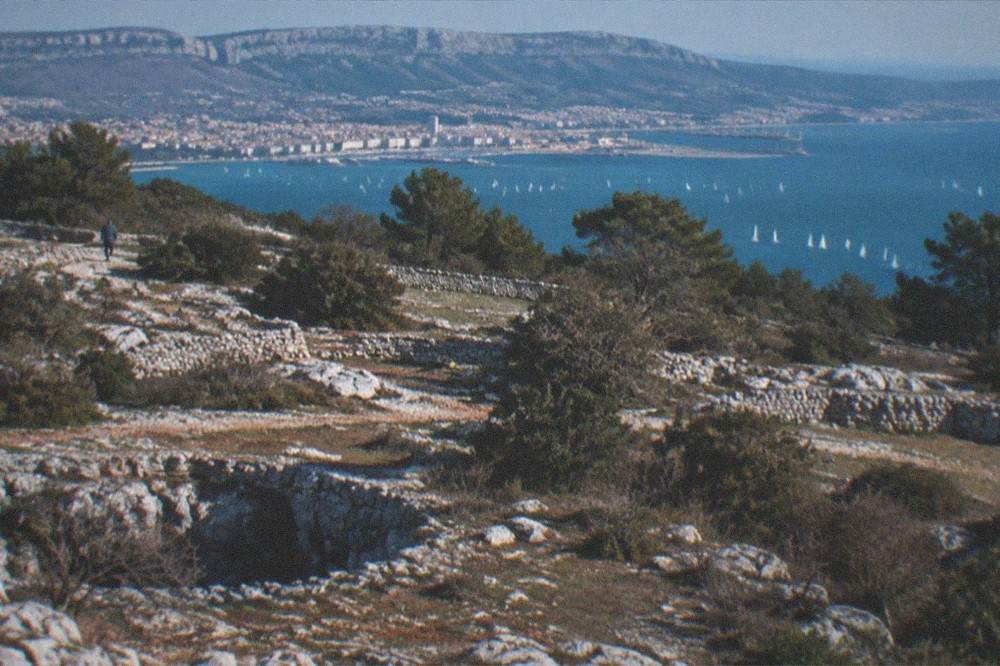
October deserves a special mention because of Barcolana. The 2026 edition, Barcolana 58, runs 2-11 October, with the main regatta on Sunday 11 October starting around 10:30 over a 13-nautical-mile course in the Gulf. The record entry stands at 2,689 boats in 2018, which the organisers describe as a Guinness World Record for the largest sailing race in the world. If your three days overlap the regatta weekend, book everything early, and read the site's Barcolana regatta guide first. For the full month-by-month picture, see the site's weather and best-time-to-visit guides.
Can You Add a Day Trip to Slovenia or Croatia Within Three Days?
Yes, but only by trading one of the three days above, and the trade is worth it if you have already seen the city: Ljubljana and Lake Bled, Piran on the Slovenian coast, and Postojna Cave with Predjama Castle are all realistic same-day returns from Trieste, all in euro and Schengen countries, though you should carry a passport or national ID card because Italy is running temporary checks on the Slovenian land border through 18 December 2026.
The most popular swaps are the Slovenian ones. A full-day guided tour to Ljubljana and Lake Bled runs about 7 to 9 hours depending on the operator, and a coastal day to Piran runs about 6 hours, both departing from Trieste. Postojna Cave and Predjama Castle, just across the border in Slovenia, run about 5 to 6 hours as a half-day or day trip. The site's dedicated pages on Trieste to Ljubljana, Trieste to Piran and Trieste to Postojna Cave cover each one in detail, and the day-trips hub lists the full range including Croatian options.
If you would rather not give up a city day, the compromise is to fold one border crossing into day three itself: the Obelisco stop on the tram line sits practically on the Slovenian border, and the Carso villages beyond it are a short hop. For a fuller alternative to this whole page, the what to do in Trieste for 3 days answer page covers the same question in shorter form, and how many days do you need in Trieste addresses the planning question directly.
Common Questions About Three Days in Trieste
Is three days enough for Trieste?
Three days is enough to see the historic centre, Miramare Castle and the Carso plateau with Grotta Gigante, which is the core of what the city offers, and it leaves room for one slow morning in a caffè or one half-day excursion. Visitors who want to add Ljubljana, Lake Bled or the Istrian coast should add a fourth day rather than trade one of the three.
What is the best order for three days in Trieste?
Do the historic centre first, because it needs no transport and orients you to the city, then Miramare and the coast on day two, then the Opicina tram and Grotta Gigante on day three. Grotta Gigante requires a booked guided tour at a fixed departure time, so it anchors day three more firmly than any other stop anchors its day.
How much do the main sights cost in Trieste?
Miramare Castle is EUR 17.00, Castello di San Giusto is EUR 7.00, Grotta Gigante is EUR 15.00 and Museo Revoltella is EUR 8.00, while the cathedral, the Risiera di San Sabba, the Roman theatre viewpoint and the Miramare park are free. There is no Trieste-only museum card; the regional FVGcard exists but its prices should be checked on the regional tourism site before buying.
Do you need a car for three days in Trieste?
No. The centre is walkable, the coast to Miramare and Barcola is served by urban transport, and the Opicina tram is itself part of the attraction, all covered by a EUR 3.35 day ticket or a contactless tap on board. A car only helps for visiting multiple osmize or Carso villages in one afternoon, and even then the tram plus local buses cover the main line.
Can you visit Slovenia on a three-day Trieste trip?
Yes, either as a full-day swap for one of the three days or as a short hop from the Obelisco stop on the tram line, which sits near the border. Slovenia uses the euro and is in Schengen, but Italy is running temporary border checks on that land border through 18 December 2026, so carry a passport or national ID card.
What is the rainiest time to do this itinerary?
November is the wettest month at 109.8 mm of rain on average, with September second at 102.3 mm, while July at 53.8 mm is one of the driest months, according to ARPA FVG's station tables. The indoor fallbacks, Museo Revoltella and the coffee houses, close the gap on a wet day, and the site's rainy-day itinerary page has a full plan.
Three days in Trieste, Italy, is the length at which the city stops being a stopover and starts being the destination: one day of Habsburg squares and Roman stones, one of castle and sea, and one of wind, limestone and wine, all connected by a tram line that is itself a reason to come, and all of it priced and scheduled from the official sources so the plan survives contact with the ticket office.