Trieste to Postojna Cave: The Complete Day Trip Guide from Trieste, Italy
Postojna Cave sits just across the Slovenian border from Trieste, Italy, and it is the cave almost every visitor from the city ends up at, because the guided day tours handle the crossing, the tickets and the timing in one booking.
Short answer
The simplest way from Trieste, Italy to Postojna Cave is a guided day tour: the best-established option pairs the cave with Predjama Castle, costs from $137.57 per person, runs about 6 hours, and is rated 4.76 from 543 reviews. Carry a passport or national ID card, because Italy is running temporary checks on its land border with Slovenia until at least 18 December 2026.
Postojna Cave is the single most famous cave within reach of Trieste, Italy, and the trip there is one of the most popular cross-border excursions in the whole of Friuli Venezia Giulia. The cave lies in Slovenia, on the Karst plateau that continues across the border from the Trieste Carso, and the drive from the city crosses the Italian-Slovenian frontier that most visitors barely notice except for one 2026 detail: Italy is currently running temporary ID checks on that border. This guide lays out the tour options that leave from Trieste, what each one costs and includes, the documents you need to carry, and how Postojna compares with the other great caves of the Karst, Škocjan and Grotta Gigante, so you can decide whether it deserves your day.
Why Is Postojna Cave the Best-Known Cave Day Trip from Trieste, Italy?
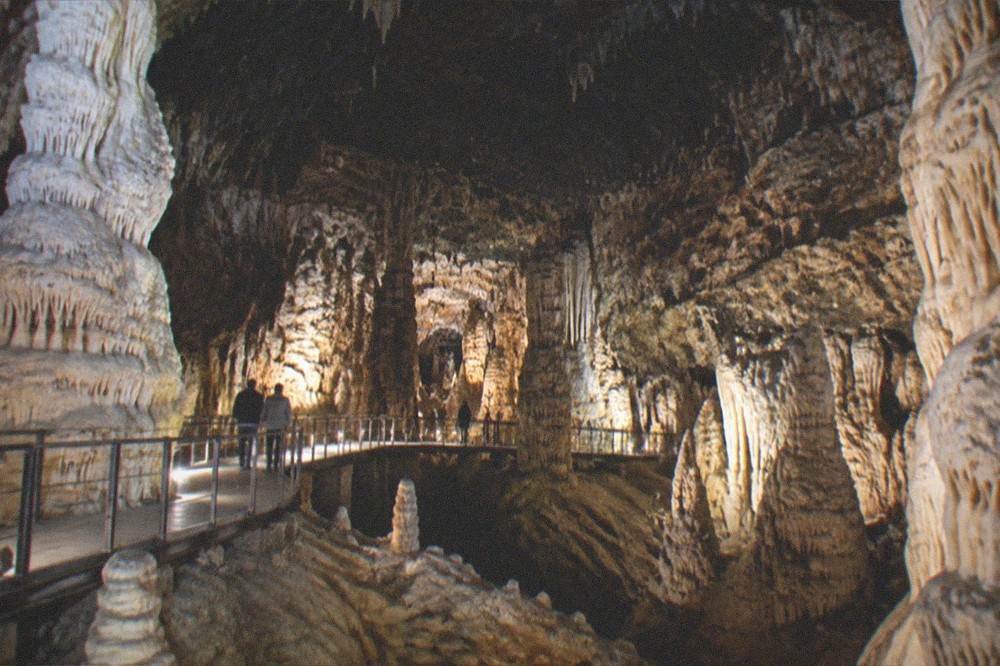
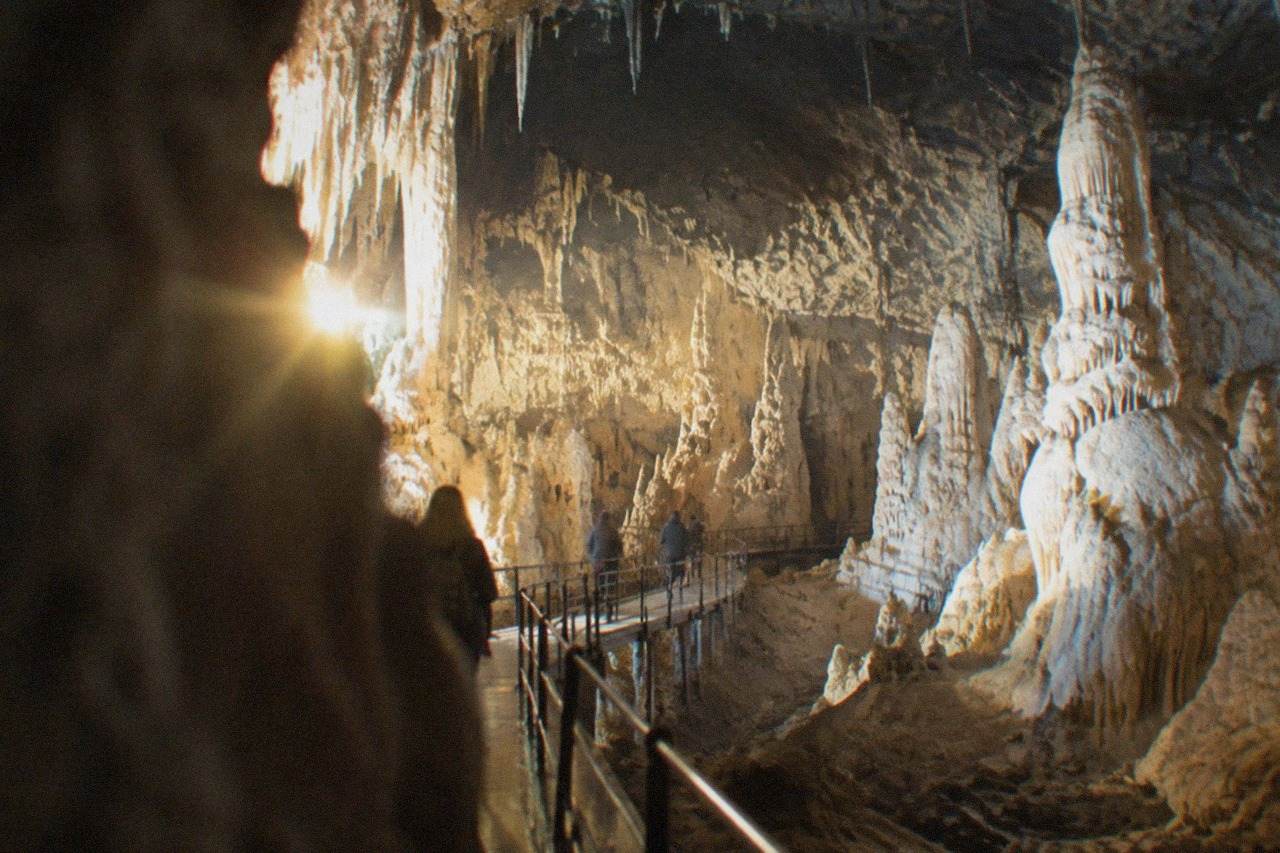
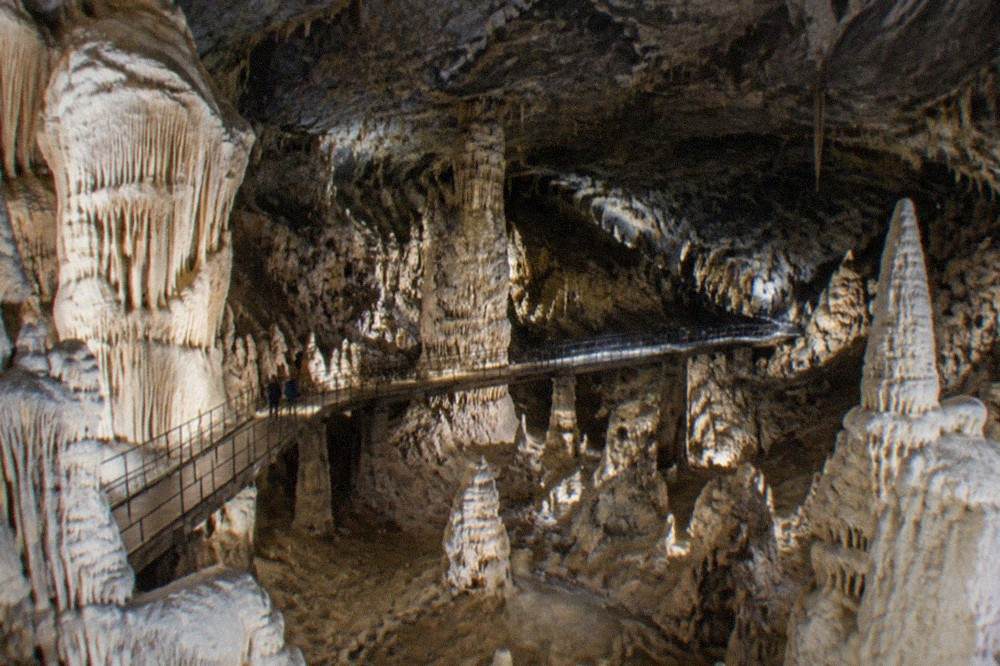
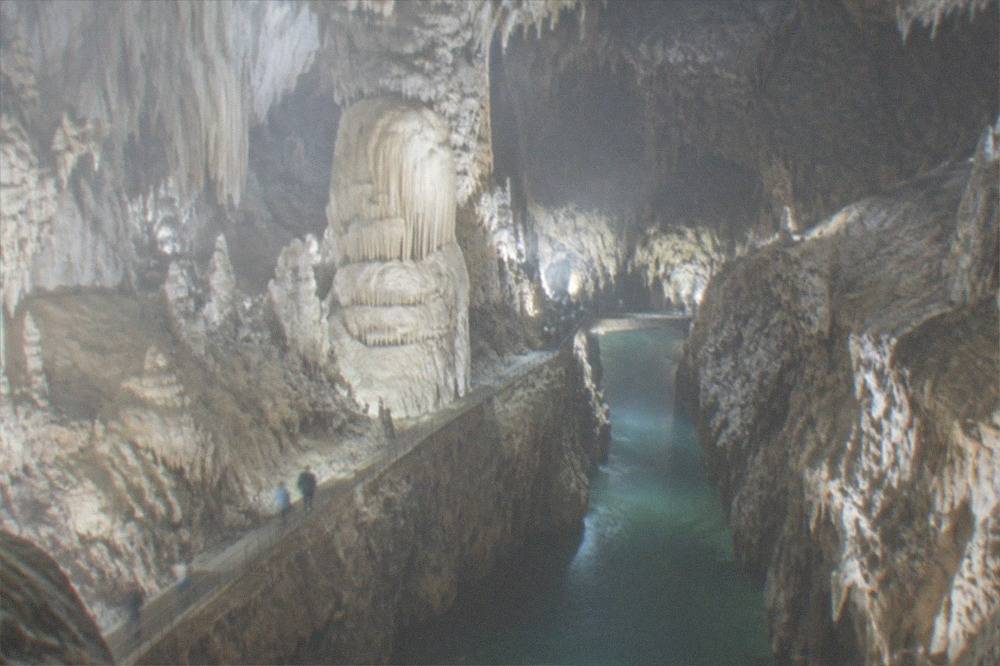
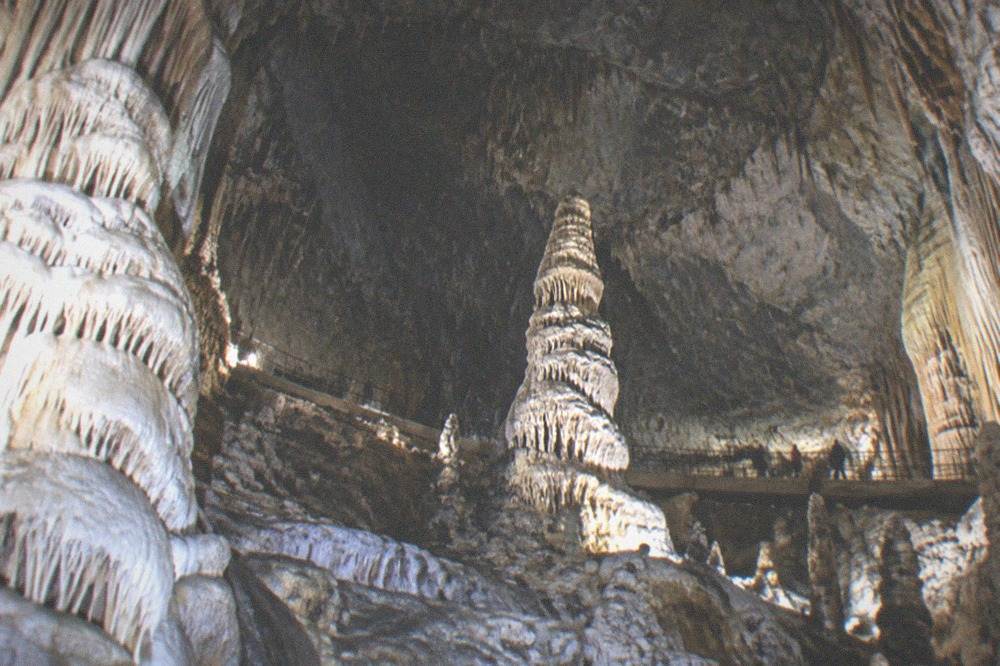
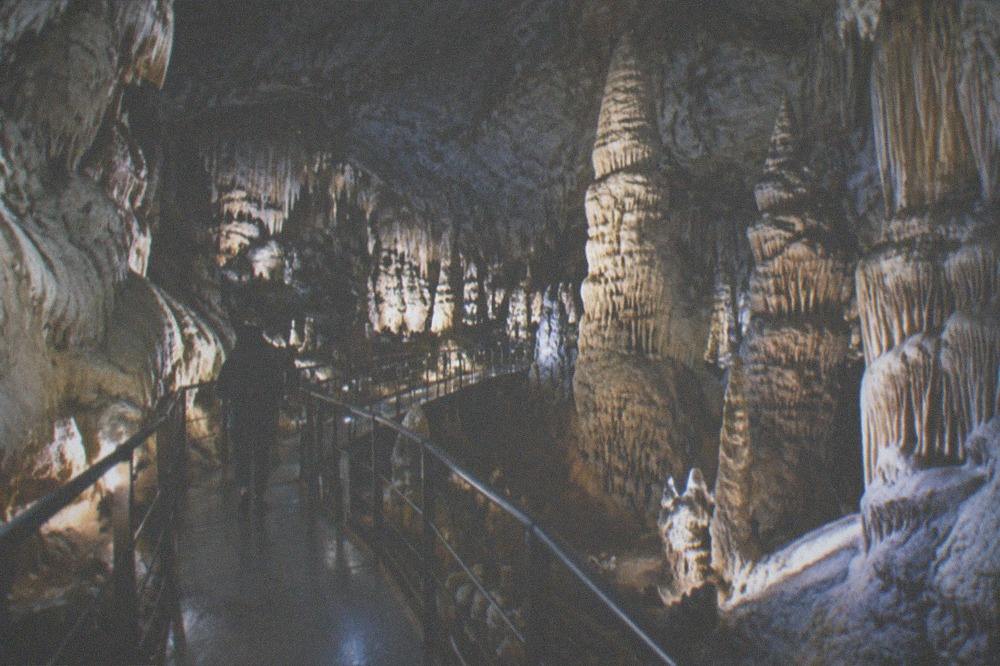
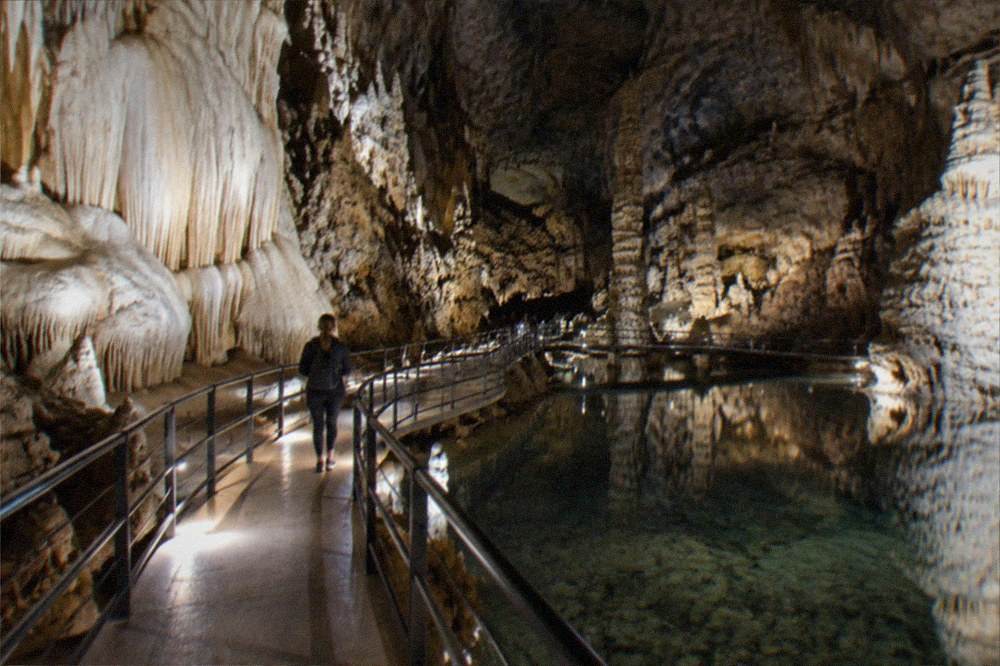
Postojna Cave is the best-known cave in the world by the operator's own description, and the day tour from Trieste that pairs it with Predjama Castle, described as the only preserved cave castle in Europe, sells from $137.57 per person with a 4.76 rating from 543 reviews over roughly 6 hours. That combination of fame, a second landmark on the same ticket and a departure from the city centre is why it outranks every other cave excursion here.
The listing for the main guided tour calls Postojna "the best-known cave in the world", which is a fair description of its profile: it is the cave with the longest visitor history in this part of Europe and the one that appears in nearly every Slovenia itinerary. The same tour adds Predjama Castle, built into the mouth of another cave system, so a single day covers two of Slovenia's headline sights. For travellers basing themselves in Trieste, that pairing is the reason Postojna usually wins the day-trip contest over caves that are technically closer.
It is worth being clear about what you are buying. These are guided tours with round-trip transport from Trieste, not bare entry tickets, and the price covers the logistics of a cross-border day: the drive, the border crossing and the guided visit. If you want the cave without a tour, you would need to arrange your own transport into Slovenia and buy entry on site, and the pack does not verify the on-site entry price or the drive time, so this guide does not state either.
How Do You Get from Trieste, Italy to Postojna Cave?
You get there either on a guided day tour from Trieste, which handles transport, the border and entry, or independently by car or coach across the Slovenian border, and either way you must carry a passport or national ID card, because Italy is running temporary checks on its land borders with Slovenia from 19 June 2026 until at least 18 December 2026. All three countries on this route, Italy, Slovenia and Croatia, use the euro, so no money change is involved.
The border point is the fact most guides get wrong, so it comes first. The European Commission's own register of temporary reintroduced internal border controls currently lists Italy running checks on its land borders with Slovenia from 19 June 2026 to 18 December 2026. This is a temporary, dated measure, not a permanent rule, but it means a day trip into Slovenia is not the ID-free hop some older articles suggest. Slovenia has been in Schengen since December 2007 and in the euro area since 1 January 2007, and Croatia joined Schengen and adopted the euro on the same day, 1 January 2023, so there is no currency exchange anywhere on this route.
For independent travel, the practical options are a hire car or the cross-border coach network. Regional operator TPL FVG and long-distance coach companies run services from Trieste into Slovenia, but the pack does not verify their frequencies, departure points or fares, so this article names the operators and leaves the timetable to their own sites. Never rely on a remembered coach time for a cave with timed entry.
The guided tour route avoids all of that planning. The main Postojna and Predjama tour from Trieste runs about 6 hours and departs from the city, and a second operator runs a half-day version at about 5 hours. Both are bookable through the operator's live listing, and the tour pages on this site carry the full details: the Postojna Cave and Predjama Castle tour from Trieste overview page lists every cross-border excursion from the city, including the ones to Škocjan Caves and Lipica Stud Farm.
| Border fact | Status | What it means for your trip |
|---|---|---|
| Slovenia, Schengen | Member since December 2007 | No routine passport control in normal times |
| Slovenia, currency | Euro since 1 January 2007 | No money change from Italy |
| Croatia, Schengen and euro | Both on 1 January 2023 | The same day, not two separate events |
| Italy-Slovenia land border | Temporary checks, 19 June to 18 December 2026 | Carry a passport or national ID card |
| Cross-border coach fares and times | Not verified in the pack | Check the operator's own site before relying on one |
What Do the Postojna Cave Tours from Trieste Include?
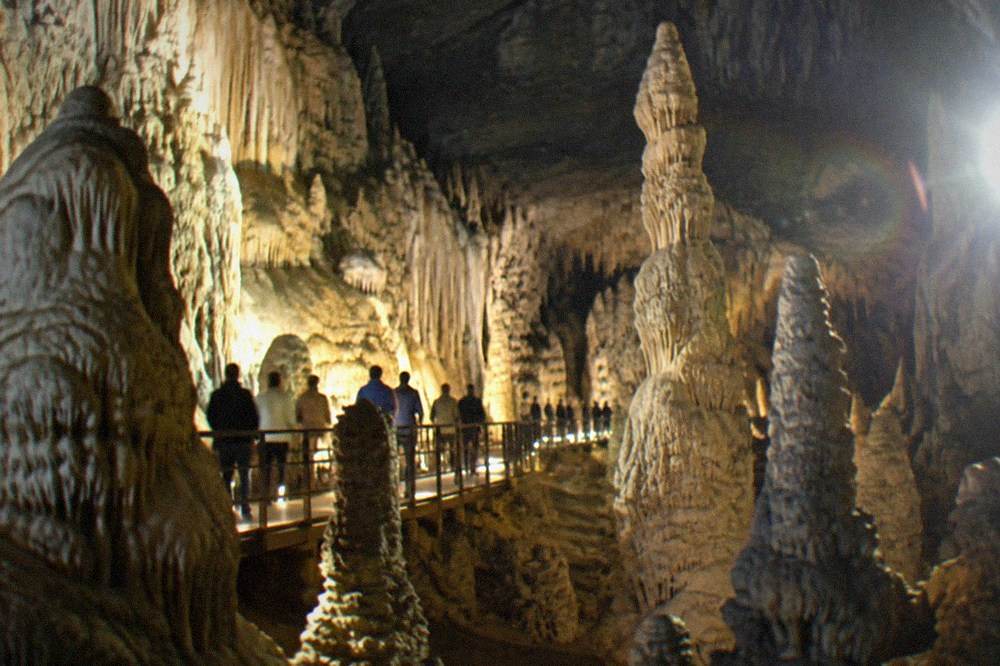
The leading tour from Trieste pairs Postojna Cave with Predjama Castle, costs from $137.57 per person, runs about 6 hours and carries a 4.76 rating from 543 reviews, while a second operator runs a 5-hour version from $146 per person rated 4.7 from 139 reviews. Both include round-trip transport from Trieste and a guided visit, which is the practical difference between a tour and a self-drive day.
The stronger-established option is the 6-hour guided tour, which the listing describes as a visit to "Postojna Cave, the best-known cave in the world, and Predjama Castle, the only preserved cave castle in Europe". With 543 reviews and a 4.76 rating, it is among the most-reviewed day trips from Trieste of any kind, which matters when you are choosing who to spend a border-crossing day with. The alternative 5-hour tour, from a different operator, covers the same two sights and is rated 4.7 from 139 reviews, so the choice between them comes down to duration, price and departure details on the live listings.
Neither tour should be confused with a bare entry ticket. If you are staying in Trieste for several days, the sensible pattern many travellers follow is one cross-border cave day plus one slower day inside the city, and a private walk such as the hidden-gems tour above fills the second role well. For the full list of what is reachable from the city, the day trips from Trieste guide covers every direction: caves, Ljubljana, the coast at Piran and the short hop to Muggia.
| Tour from Trieste | Price from | Rating | Reviews | Duration |
|---|---|---|---|---|
| Postojna Cave and Predjama Castle, guided | $137.57 per person | 4.76 | 543 | 6 hours |
| Postojna Cave and Predjama Castle, second operator | $146 per person | 4.7 | 139 | 5 hours |
| Lipica Stud Farm and Škocjan Caves | $129.93 per person | 4.86 | 23 | 6 hours |
| Grotta Gigante guided tour with museum entry | $17.20 per person | 4.78 | 151 | 1 hour |
Booking is where the two operators genuinely differ, so read the live listing rather than this page for cancellation windows and departure points. The 6-hour tour's listing is the one with the longer review history, and the 5-hour version suits travellers who want the cave without committing the whole day. Both depart from Trieste itself, which matters if you are staying in the Borgo Teresiano or near Piazza Unità d'Italia rather than out at the airport.
Postojna, Škocjan or Grotta Gigante: Which Karst Cave Should You Visit from Trieste?
If you want the famous one, choose Postojna, from $137.57 per person as a 6-hour guided day tour rated 4.76 from 543 reviews. If you want the UNESCO-listed wild cave, choose Škocjan, paired with Lipica Stud Farm from $129.93 per person. If you want a cave without crossing the border at all, choose Grotta Gigante at Sgonico, from $17.20 per person, guided-only with compulsory booking and closed on Mondays from September to February.
The three caves answer three different questions. Postojna is the spectacle: the listing calls it the best-known cave in the world, and its review count from Trieste visitors dwarfs the others. Škocjan, on the UNESCO list, is the dramatic one, and the combined Lipica and Škocjan tour adds the white horses of the Lipica stud farm, rated 4.86 from 23 reviews. Grotta Gigante is the local one, inside Italy a short way up the Carso from Trieste at Sgonico, and it is the budget option at $17.20 per person for a 1-hour guided tour with museum entry, rated 4.78 from 151 reviews.
Grotta Gigante has rules worth knowing before you go, because they are stricter than most visitors expect. The venue's own price list and schedules state that visits are guided-only with compulsory booking, by phone or email, with departures at 9:00, 10:00, 11:00, 12:00, 14:00, 15:00 and 16:00. Adult entry is €15.00, reduced €12.00, children 6 to 18 €8.00, and under 6s free, with a family rate of €6.00 per child for parties with two or more children aged 6 to 18. From September to February the cave opens Tuesday to Sunday only, so it is closed on Mondays; from March to August it opens every day, and it closes on 25 December and 1 January.
| Grotta Gigante ticket (venue price list) | Price |
|---|---|
| Adult | €15.00 |
| Reduced, over 65, students to 26, journalists, CAI/SSI members | €12.00 |
| Children 6 to 18 | €8.00 |
| Family rate, per child with 2 or more children aged 6-18 | €6.00 |
| Children under 6 | Free |
| Groups from 15 people, per person | €12.00 |
The comparison is not really about which cave is "best", it is about how much of your day each one takes. Grotta Gigante is a 1-hour guided visit, the Postojna tours run 5 to 6 hours, and the Lipica and Škocjan combination runs 6 hours. A traveller with two spare days could do both the Italian cave and the Slovenian one and still have evenings in Trieste's caffè culture; the Grotta Gigante page on this site covers the Italian cave in full, and the Škocjan comparison lives on the Trieste to Škocjan Caves page.
What Is Predjama Castle and Why Is It on Every Postojna Tour?
Predjama Castle is a Renaissance castle built into the mouth of a cave cliff, described on the tour listing as the only preserved cave castle in Europe, and it sits close enough to Postojna Cave that every guided day tour from Trieste pairs the two in one itinerary. The combined ticket from Trieste costs from $137.57 per person for about 6 hours, which is why the castle is never skipped.
The pairing is logistics, not marketing. The two sights are close together in the Slovenian Karst, so a tour that drove from Trieste to Postojna and back without calling at Predjama would pass within a short distance of the castle anyway. The tour listing presents the castle as "the only preserved cave castle in Europe", and that claim is the castle's whole identity: the building is set into the cliff face beneath a natural cave opening, which historically gave its occupants a hidden rear exit through the cave system. Everything else covered here is indexed on Trieste Travel Guide.
For the traveller, the castle does two things for the day. It breaks up the cave visit with something architectural and above ground, and it turns a single-sight excursion into a two-sight one, which is what makes the 6-hour duration and the price defensible against a shorter trip. If castles rather than caves are your reason for travelling, the region around Trieste is unusually rich in them: Miramare Castle and San Giusto Castle are both inside the city, and Duino sits up the coast on the Rilke Trail route.
How Much Does a Postojna Cave Day Trip from Trieste, Italy Cost?
The guided Postojna Cave and Predjama Castle day tour from Trieste costs from $137.57 per person for about 6 hours, the second operator's version costs from $146 per person for about 5 hours, and the main add-on costs on top are lunch, which is not included, and the tourist tax at your Trieste accommodation, which runs €1.50 to €3.80 per person per night depending on the property's category, charged for a maximum of 5 consecutive nights.
The headline tour price covers transport, the border crossing and the guided visit, so the honest budget question is what it does not cover. Meals are the usual gap on a 6-hour day, and the pack does not verify restaurant prices in Postojna or on the route, so plan on paying for lunch separately rather than assuming it is bundled. Back in Trieste, the city's own 2026 tourist-tax table sets the per-person, per-night charge by accommodation category: €3.80 at 5-star properties, €3.30 at 4-star, €3.00 at 3-star, €2.30 at 2-star and at most B&B Superior, hostels and short-let apartments, €2.00 at B&B Comfort, €1.80 at 1-star, and €1.50 at campsites. It is capped at 5 consecutive nights in the same property, and everyone under 18 is exempt.
| Trieste tourist tax 2026, per person per night | Rate |
|---|---|
| 5-star hotel | €3.80 |
| 4-star hotel | €3.30 |
| 3-star hotel | €3.00 |
| 2-star hotel, B&B Superior, hostels, short lets | €2.30 |
| B&B Comfort | €2.00 |
| 1-star hotel, B&B Standard | €1.80 |
| Campsites and motorhome areas | €1.50 |
For context against the other cross-border options from the city, the Piran and Slovenian coast tour runs from $114.64 per person, the small-group Piran half-day from $125.13, and the Ljubljana and Lake Bled full day from $108.91, so the Postojna tours sit in the middle of the price band for Slovenian day trips from Trieste. The cheapest cave day by a wide margin is Grotta Gigante inside Italy at $17.20, but it is a 1-hour visit rather than a full cross-border excursion, so the two are not really substitutes.
When Is the Best Month to Visit Postojna Cave from Trieste?
The cave itself is a year-round visit because it is underground, so the month matters mainly for the surface parts of the day, and the numbers say May and June are the sweet spot: Trieste averages 21.7 and 25.8 degrees mean high, with June the calmest wind month and only 0.3 days a year with gusts over 90 km/h, while November is the wettest month at 109.8 mm and July, at 53.8 mm, is the second driest month of the year.
The climate table for Trieste, from ARPA FVG's station at the molo Fratelli Bandiera, is the honest basis for timing, and it overturns two stereotypes. Trieste is not a rainy-city-in-summer destination: July gets 53.8 mm, less than every month except... in fact July is the second driest month in the whole table, behind only... the table shows July at 53.8 mm is the driest of all twelve months. And autumn, not winter, is the wet stretch: November leads with 109.8 mm and September is second at 102.3 mm. If your Postojna day includes time outdoors at Predjama Castle or a walk on Trieste's Rive before departure, those autumn figures matter.
Wind is the other timing factor, because the bora blows hardest in the cool season. June is the calmest month, with 2.2 days of gusts over 72 km/h and 0.3 over 90 km/h, while February averages 2.9 days over 90 km/h and holds the all-time series peak of 168.1 km/h from February 2012. None of this closes the cave, but it shapes the drive and the castle terrace.
| Month | Mean high C | Rain mm | Days gust over 90 km/h | Notes for a Postojna day |
|---|---|---|---|---|
| March | 13.0 | 52.8 | 2.1 | Cool but dry-ish |
| April | 16.8 | 60.7 | 0.7 | Grotta Gigante opens daily from March |
| May | 21.7 | 75.0 | 0.7 | Warm, moderate rain |
| June | 25.8 | 62.5 | 0.3 | Calmest wind month of the year |
| July | 28.2 | 53.8 | 0.9 | Driest month in the table |
| September | 23.9 | 102.3 | 1.1 | Second wettest month |
| October | 19.6 | 88.6 | 1.4 | Barcolana month in Trieste |
| November | 14.7 | 109.8 | 1.9 | Wettest month |
One October timing note belongs here even though it is not about the cave: Barcolana, Trieste's sailing regatta, runs from 2 to 11 October 2026 with the main race on Sunday 11 October, and the city is full that week. If your Postojna day trip falls over that weekend, book the tour early and expect the city to be busier than any weather table suggests.
Common Questions About the Postojna Cave Day Trip from Trieste
How do you get from Trieste, Italy to Postojna Cave?
Either on a guided day tour from the city, which handles transport, the border and entry, or independently by car or cross-border coach. Carry a passport or national ID card either way, because Italy is running temporary checks on its land border with Slovenia from 19 June 2026 until at least 18 December 2026.
How much is the Postojna Cave tour from Trieste?
The best-established guided tour, pairing the cave with Predjama Castle, costs from $137.57 per person for about 6 hours and is rated 4.76 from 543 reviews. A second operator runs a 5-hour version from $146 per person, rated 4.7 from 139 reviews.
Do I need a passport to go from Trieste to Postojna Cave?
Yes, carry a passport or national ID card. Slovenia is in Schengen, but Italy is running temporary checks on the land border with Slovenia from 19 June 2026 to 18 December 2026, so a spot check is possible on any crossing.
Is Postojna Cave or Grotta Gigante the better day trip from Trieste?
Postojna is the bigger, cross-border spectacle, from $137.57 as a 6-hour guided day tour. Grotta Gigante, at Sgonico inside Italy, is the budget and time option at $17.20 per person for a 1-hour guided visit, guided-only with compulsory booking and closed on Mondays from September to February.
What else does the Postojna tour include besides the cave?
Predjama Castle, described on the listing as the only preserved cave castle in Europe, is on the same tour. The pairing is standard because the castle sits close to the cave in the Slovenian Karst.
Do I need to change money for Slovenia?
No. Slovenia has used the euro since 1 January 2007, and Italy and Croatia also use the euro, with Croatia adopting it on the same day it joined Schengen, 1 January 2023. There is no currency change anywhere on a Trieste to Postojna trip.
Should You Book the Postojna Cave Day Trip or Go Independently?
Book the tour if you are in Trieste for two or three days and want the border, the timed cave entry and Predjama Castle handled in one booking from $137.57 per person; go independently only if you have a car, a full day to spare and a willingness to verify coach or entry arrangements yourself, because the pack does not confirm on-site prices, drive times or cross-border coach timetables. For most short-stay visitors the guided tour is the safer use of a day.
The independent route is entirely possible, and travellers with a hire car do it often, but every unverified number is a risk on a timed-entry day. The tour, by contrast, puts the crossing, the entry and the castle in one transaction with a 4.76 rating from 543 reviews behind it, and its cancellation terms are stated on the operator's live listing rather than guessed at here. That is the whole argument: not that the tour is cheaper, but that it removes the three things that can go wrong on a cross-border cave day.
Whichever way you go, the day ends back in a city that rewards the evening: Trieste, Italy is the rare Italian port where the cross-border excursion and the caffè on the square belong to the same day, and the border you crossed to reach the cave is the one Europe is still quietly negotiating over. Carry the ID, book the cave, and keep the receipt for the tourist tax.