Trieste to Lipica Stud Farm: The White Horses Day Trip from Trieste, Italy
Lipica, the stud farm that has bred white Lipizzaner horses since the Habsburg era, sits just across the Slovenian border from Trieste, Italy, and it is one of the easiest cross-border day trips the city offers.
Short answer
Lipica lies in Slovenia just across the border from Trieste, Italy. The simplest way to visit is the combined Lipica Stud Farm and Škocjan Caves tour from Trieste, from $129.93 per person for about 6 hours. Carry a passport or national ID card: Italy is running temporary checks on its land border with Slovenia until at least 18 December 2026.
Lipica is the village in Slovenia where the white Lipizzaner horse was first bred, and it sits on the Karst plateau just across the border from Trieste, Italy, close enough that a day trip needs no flight, no overnight and no currency exchange. The stud farm has been working since the Habsburg era, when the imperial court wanted a reliable supply of riding and carriage horses near its Adriatic port, and the estate still runs as a breeding farm, a museum and a visitor attraction today. This page covers how to get there from Trieste, what the border rules are right now, what the farm itself offers, and how the combined Lipica and Škocjan Caves tour stacks up against going independently.
Where Is Lipica and Why Does It Sit So Close to Trieste, Italy?
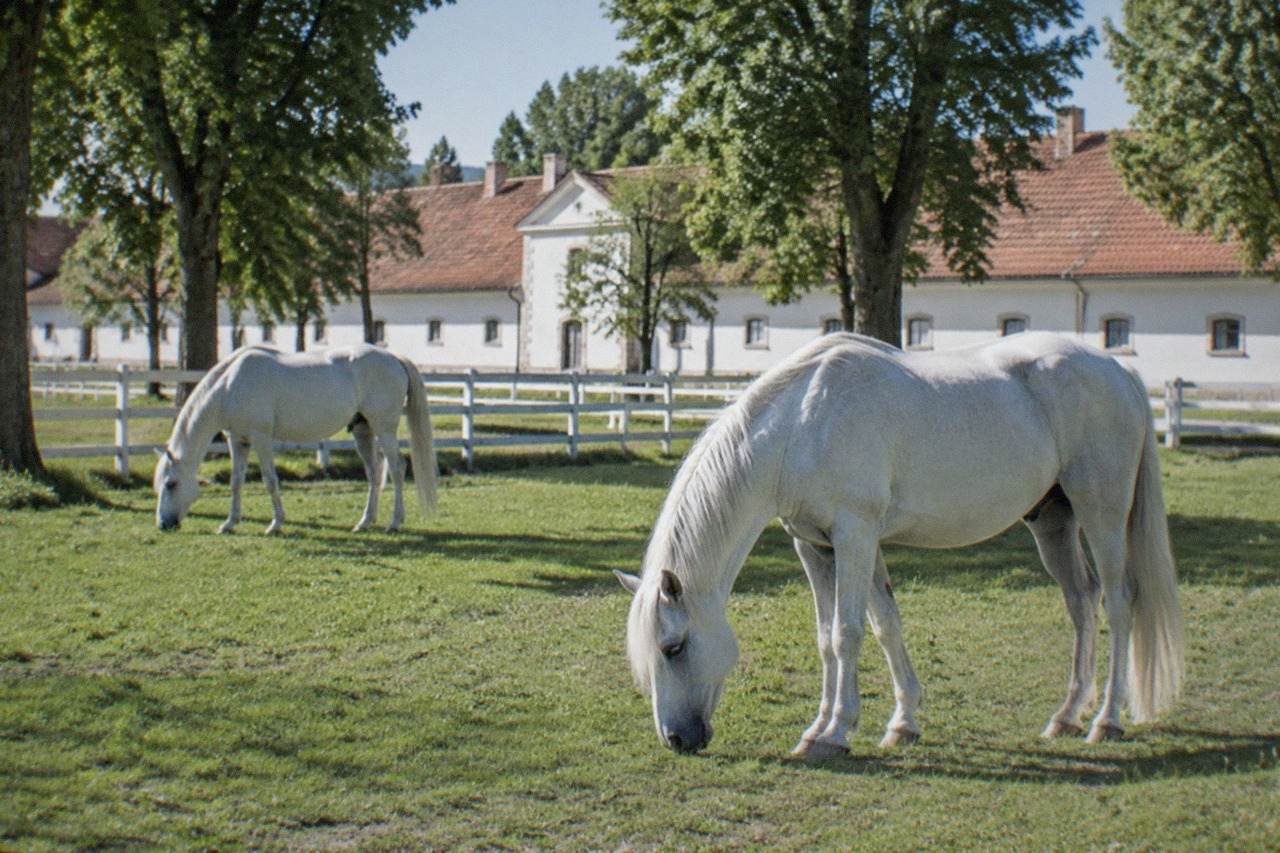
Lipica lies in Slovenia, on the Karst plateau immediately across the border from Trieste, Italy, and the two have been tied together since the stud farm was founded to serve the Habsburg Empire's Adriatic port. Trieste is the nearest sizeable city, which is why nearly every practical way of visiting Lipica starts there. The farm breeds the white Lipizzaner horses that gave the Vienna Spanish Riding School its name, and the estate's museum, stables and park are open to visitors.
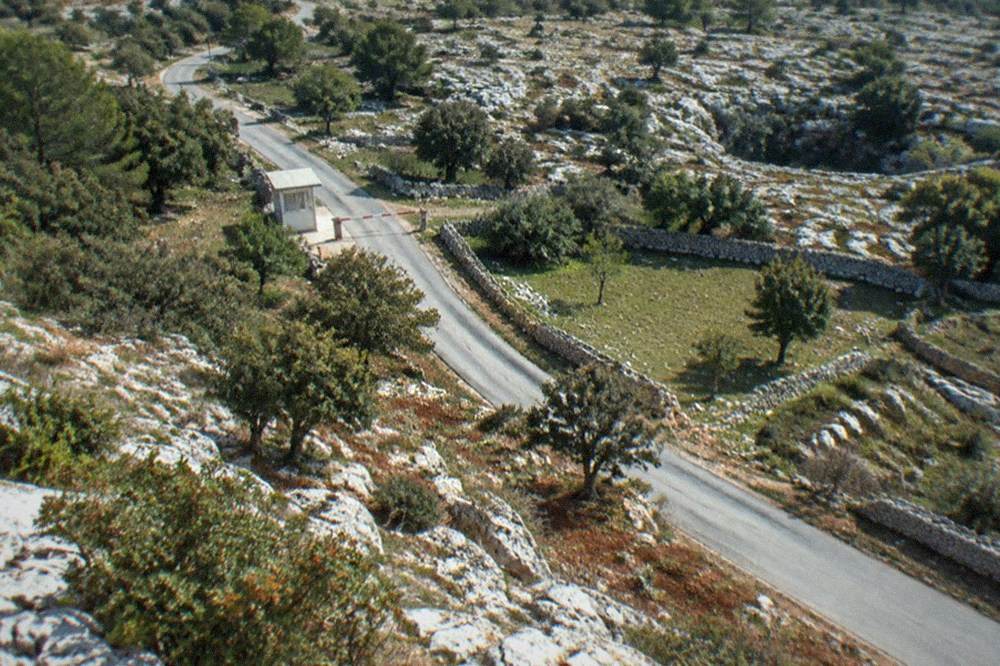
The tie is historical as much as geographic. Trieste was the Empire's great Adriatic outlet, and the Karst limestone plateau behind it, straddling what is now the Italian-Slovenian border, was imperial horse country. Lipica's name lives on in the breed itself: Lipizzaner means, literally, a horse from Lipica. When the borders were redrawn in the twentieth century the farm ended up on the Slovenian side, but Trieste remained the natural gateway, and today the estate is one of the most popular cross-border excursions from the city.
That border is now an internal Schengen border, which matters for how you travel. Slovenia has been in the Schengen area since December 2007 and in the euro area since 1 January 2007, so there is no currency change and, in normal conditions, no routine passport control. There is a live exception at the moment, covered in the border section below, which is why this page keeps repeating one piece of advice: carry ID.
If you are planning several excursions out of the city, our overview of day trips from Trieste ranks the options by travel effort, and the Karst features heavily: Grotta Gigante on the Italian side of the same plateau is close enough to Lipica in character that some visitors pair the two in one week.
What Documents Do You Need to Cross from Trieste to Lipica in 2026?
Carry a passport or a national ID card for a day trip from Trieste, Italy to Lipica, because Italy is running temporary checks on its land borders with Slovenia from 19 June 2026 to 18 December 2026, per the European Commission's register of reintroduced internal border controls. In normal Schengen conditions no routine check happens, but this border has active temporary controls right now, so a document check is possible in either direction.
Two facts about the region's borders get written backwards constantly, so they are worth stating plainly. First, Croatia adopted the euro and joined the Schengen area on the same day, 1 January 2023: both happened, on that date, and any guide telling you Croatia has one but not the other is out of date. Second, Slovenia has been in both systems for nearly two decades. All three countries you might touch on a Trieste-based holiday, Italy, Slovenia and Croatia, use the euro, so there is no money to change anywhere on this route.
The temporary checks are the one thing that has changed. The Commission's own register lists Italy's controls on the land borders with Slovenia as running to 18 December 2026, and the register is the authoritative source for whether they have been extended again. Write that date on your planning sheet as "check before you go", not as a permanent rule. Slovenia, for its part, lifted its temporary controls with Croatia and Hungary in June 2026, so the Slovenia-Croatia crossing is currently the calmer one.
What this means in practice is simple. Your Italian euro works in Lipica, your phone roams as at home, and you will not fill in any paperwork, but the ID card or passport stays in your pocket rather than the hotel safe. The same advice applies to every Slovenian destination from Trieste, including Piran on the coast and the Škocjan Caves, which the standard Lipica tour combines into one day.
| Border fact | Status | Since / until |
|---|---|---|
| Slovenia in the euro area | Yes | 1 January 2007 |
| Slovenia in Schengen | Yes | December 2007 |
| Croatia in the euro area | Yes | 1 January 2023 |
| Croatia in Schengen | Yes | 1 January 2023 |
| Italy-Slovenia land border checks | Temporary, both directions possible | 19 June 2026 to 18 December 2026 |
| Currency needed in Lipica | Euro only | No exchange needed |
The tour option that removes the driving and the border logistics entirely is the combined Lipica and Škocjan Caves excursion, which picks up in Trieste and returns the same day:
The listing puts it at from $129.93 per person for roughly 6 hours, rated 4.9 from 23 reviews at the time of writing, and it is the only product in the roster that reaches Lipica at all, so if the farm is the point of the trip, this is the tour to check first.
What Do You Actually See at the Lipica Stud Farm?
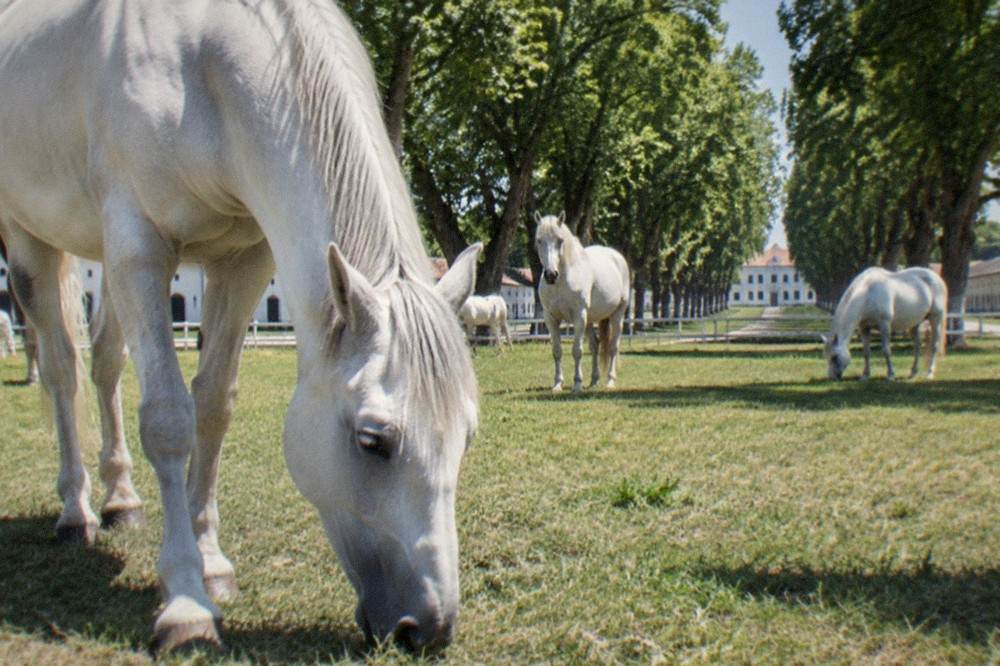
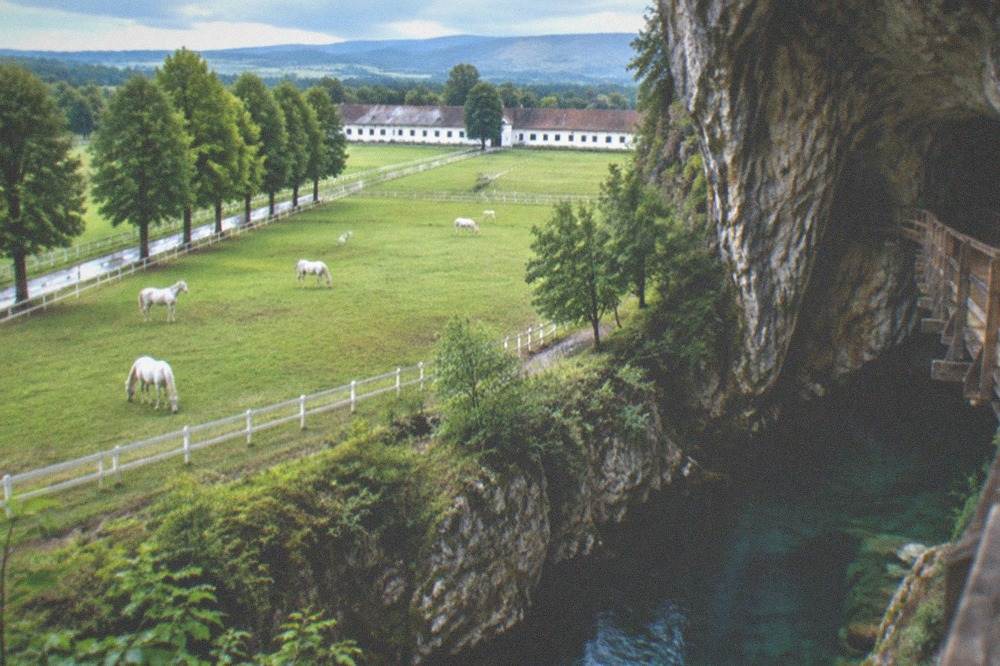
The Lipica Stud Farm shows visitors its breeding herd of white Lipizzaner horses, the historic stables, a museum on the breed's history, and a classical riding programme in the estate's covered arena, all set in a landscaped park of avenues and paddocks on the Karst plateau. The farm has bred Lipizzaners since its Habsburg founding, and the horses, born dark and turning white with age, are the whole point of the visit.
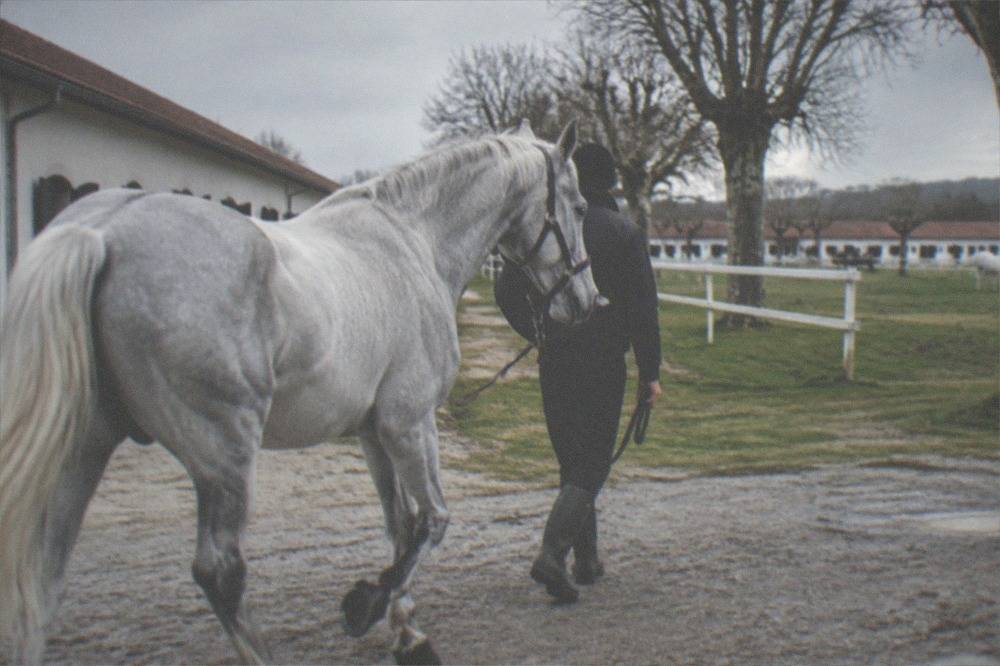
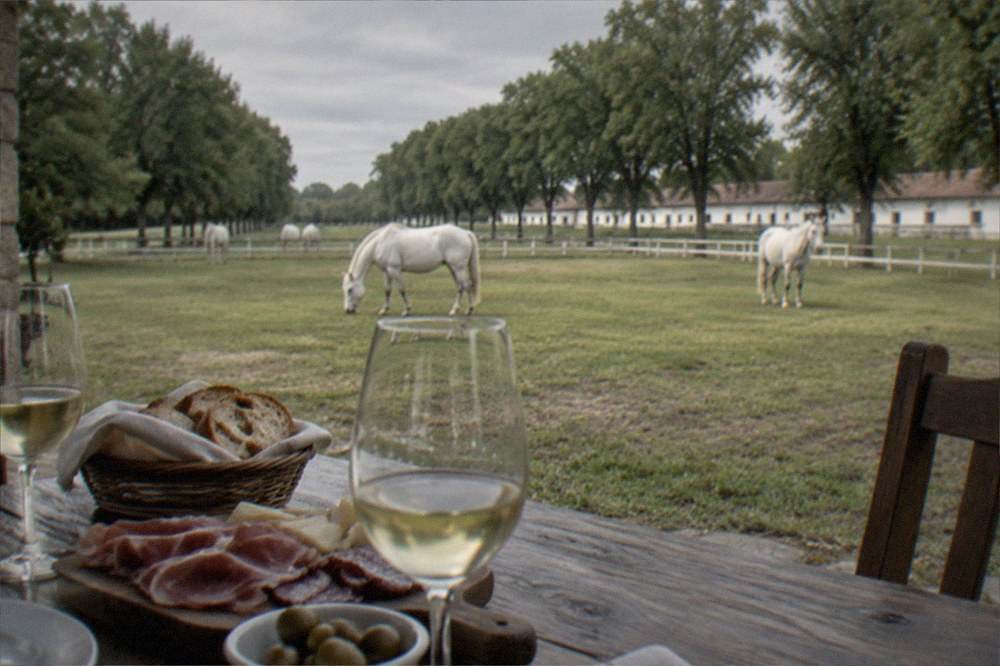
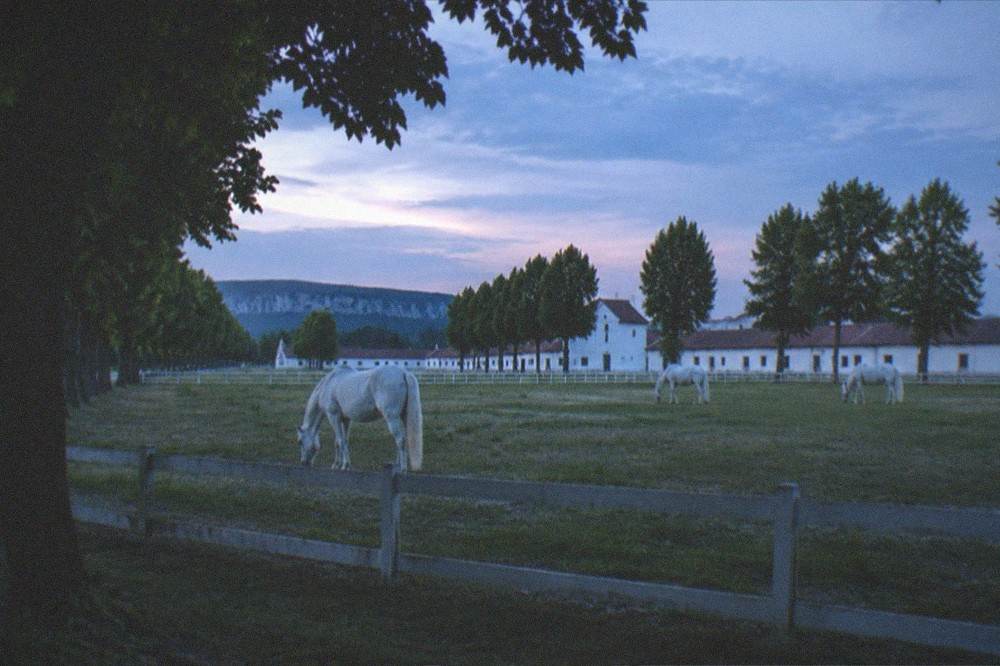
The estate experience is built around the horses themselves. The museum walks through the breed's story, from the imperial stud that gave the horses their name to the modern breeding programme, and the stables and paddocks let you see the herd at grass. Lipizzaners are famously born dark, bay or grey, and whiten over their first years, so a paddock holds a mix of shades that surprises visitors expecting an all-white field. The riding programme, classical dressage in the tradition the breed was made for, runs in scheduled performances rather than all day, so the farm's own calendar is the thing to check before you set a date.
The park around the estate is part of the appeal. Avenues of mature trees, white estate buildings, and the flat Karst landscape make it a walking visit as much as a horse visit, and the same limestone plateau continues across the border into Italy, where the Carso Karst plateau is one of Trieste's own excursion areas. The two sides of the plateau share wine traditions too: the Carso's own wines are Vitovska, Malvasia and Terrano, and none of them is Prosecco, despite the existence of a Carso village called Prosecco that has nothing to do with the sparkling wine.
| What Lipica offers | What it is | Good to know |
|---|---|---|
| Breeding herd | Lipizzaner horses at grass in paddocks | Born dark, whiten with age |
| Museum | Breed and estate history | Part of the standard visit |
| Classical riding programme | Dressage performances in the arena | Scheduled, check the farm's calendar |
| Park and avenues | Landscaped estate grounds | Free-flowing, walkable |
| Location | Karst plateau, Slovenia | Across the border from Trieste, Italy |
One honest caveat: the farm's own ticket options, performance schedule and opening calendar are published on the estate's site and change by season, so this page does not print them. What the pack does give is the tour price, which is the figure that matters for planning.
How Does the Lipica and Škocjan Caves Tour from Trieste Work?
The combined tour runs from Trieste, Italy to Lipica and the Škocjan Caves in one day, from $129.93 per person for about 6 hours, rated 4.9 from 23 reviews, with round-trip transport and guided visits at both stops. It is the only verified product in our roster that reaches the stud farm, and it bundles the two Karst highlights that sit closest together on the Slovenian side of the border.
The pairing is not arbitrary. Lipica and the Škocjan Caves are both on the Slovenian Karst within a short drive of each other, and the caves, a UNESCO-listed natural site with a huge canyon carved by the Reka river, are the single most dramatic sight on the plateau. Doing both independently means two sets of tickets, two sets of opening hours and a border crossing each way; doing them on one tour means the operator handles the driving and the timing, and you spend the day looking at horses and underground rivers instead of a map.
The listing describes the day as the world of the white horses followed by the Škocjan Caves, which the tour's own description places on UNESCO's list of natural and cultural heritage. Reviews at the time of writing put it at 4.9 from 23 reviews, a small but strong sample, and the from-price of $129.93 per person covers the transport and guiding. Check the operator's live listing for what the entry fees include, because cave and farm admissions can be separate from the tour price.
| Tour fact | Figure | Source |
|---|---|---|
| Tour | Lipica Stud Farm and Škocjan Caves from Trieste | Operator listing |
| From price | $129.93 per person | Operator listing |
| Rating | 4.9 from 23 reviews | Operator listing |
| Duration | About 6 hours | Operator listing |
| Stops | Lipica estate, Škocjan Caves | Operator listing |
| Border | Italy to Slovenia and back | Carry ID, see border section |
For comparison, if caves are your priority rather than horses, the dedicated Postojna Cave day trip is the bigger-name alternative on the Slovenian Karst, and our Škocjan Caves guide covers that site in depth.
Can You Visit Lipica from Trieste Without a Tour?
Yes, you can reach Lipica from Trieste, Italy without a tour, by driving yourself across the border on the Karst plateau roads, and the same euro currency and Schengen rules apply; the trade-off is that you handle the border, the parking and the farm's own booking schedule yourself. The pack does not verify a public transport route, a driving time or a distance for this journey, so check a route planner rather than trusting a number from a guide.
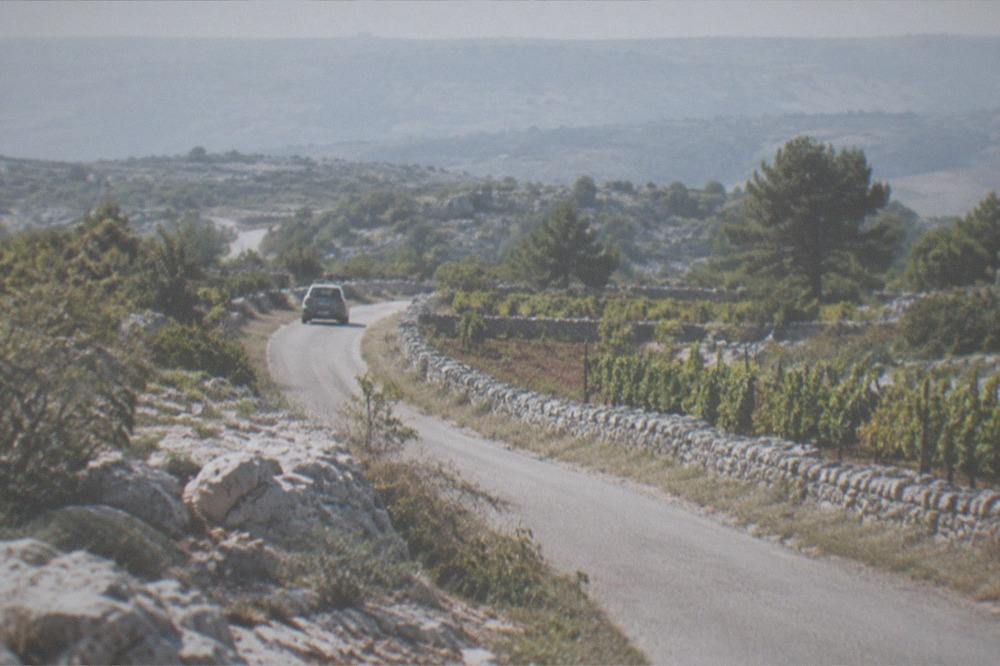
Self-driving is the realistic independent option. The Karst plateau is a lattice of small roads, and the border crossings between Trieste's hinterland and Slovenia are local road crossings rather than motorway chokepoints, which in practice means the temporary checks, where they happen, are brief. What this page will not do is print a driving time or a distance, because the verified pack does not attach a figure to the Trieste-Lipica journey, and an invented "about 45 minutes" is exactly the kind of confident number that dates badly.
Public transport to Lipica specifically was not verified either. Cross-border coaches from Trieste to Slovenian destinations exist, with operators serving Ljubljana and the coast, but frequencies, departure points and fares were not verified on the operators' own pages, so this page names the operators and stops there. If you want a car-free day at the farm, the combined tour is the verified way to do it; if you want car-free Slovenia more generally, the Ljubljana day trip and the coastal run to Piran have the better-served routes.
| Way of visiting | Verified? | Notes |
|---|---|---|
| Combined Lipica and Škocjan tour | Yes, from $129.93 per person | Only rostered tour reaching Lipica |
| Self-drive across the border | Route exists, no verified time or distance | Use a route planner |
| Public transport to Lipica | Not verified | No timetable or fare confirmed |
| Cross-border coach to Slovenia | Operators exist, details unverified | Do not trust a printed timetable |
What Else Can You Pair with Lipica on the Karst?
The Karst plateau around Lipica and Trieste, Italy offers the Škocjan Caves on the Slovenian side and Grotta Gigante on the Italian side, plus the seasonal osmize farm taverns, and the combined Lipica and Škocjan tour is the one that puts two of them in a single day. The plateau's food and wine culture, its own Vitovska, Malvasia and Terrano wines, and its limestone landscape are the connective tissue between the sights.
Start with the caves, because they are the natural pairing. Škocjan's canyon is the Slovenian Karst's headline underground sight, while Grotta Gigante, on the Italian side at Sgonico, is one of the largest tourist caves anywhere; it is guided-only with compulsory booking, adult entry €15 per the venue's own price list, and it closes on Mondays from September to February. Doing Grotta Gigante from Trieste on one day and the Lipica and Škocjan tour on another covers both sides of the plateau without ever needing two border crossings in a day.
Then there are the osmize. An osmiza is a Carso farm selling its own wine and simple home produce direct from the property for a limited period, under a custom that traces to the Habsburg era; the name comes from the Slovene word osem, eight, for the eight days originally allowed. Today each farm decides its own open days, so no guide can honestly print which osmiza is open when: the live calendar at osmize.com is the reference, and an open osmiza is signposted by a frasca, a leafy branch hung at the turning. If you are driving back from Lipica across the Italian Carso, watching for a frasca is the traditional way to end the day.
| Karst pairing | Side of border | What it is |
|---|---|---|
| Škocjan Caves | Slovenia | UNESCO-listed cave canyon, on the Lipica tour |
| Grotta Gigante | Italy, Sgonico | Guided-only cave, €15 adult, booking compulsory |
| Osmize farm taverns | Both, seasonal | Own-wine farms, calendar at osmize.com |
| Carso wines | Both | Vitovska, Malvasia, Terrano; not Prosecco |
| Lipizzaner heritage | Slovenia | The stud farm itself |
Wine deserves one careful sentence. The Carso's own wines are Vitovska, Malvasia and Terrano, and Trieste is not in the Prosecco DOC; the village called Prosecco on the Karst above the city gave the wine a name historically but is not where the sparkling wine comes from today. If a wine day rather than a horse day is what you want, Trieste Travel Guide has a full page on Friuli Venezia Giulia wine country.
How Much Does a Lipica Day Trip from Trieste Cost?
The verified cost of the tour route is from $129.93 per person for the combined Lipica and Škocjan Caves day trip from Trieste, Italy, while the independent route's costs, fuel, parking, farm admission and cave tickets, are not verified in the pack and must be checked with each venue. The only other verified figure on the plateau is Grotta Gigante's €15 adult ticket on the Italian side, for comparison.
Honest budgeting here means separating what is verified from what is not. The tour price is verified because it is the operator's own listing figure. The farm's admission prices, the Škocjan Caves' tickets, fuel and parking are not in the pack, and a guide that prints them anyway is guessing. What can be said is structural: the tour price bundles transport and guiding, so the independent route has to beat it on the cost of a hire car day plus admissions before it comes out cheaper, and for a solo traveller it rarely will.
For context on what else a Trieste day-trip budget buys, the roster's other cross-border tours run from $108.91 for the Ljubljana and Lake Bled full day to $146 for the half-day Postojna and Predjama combination, and the city's own food walk, the guided foodie tour, is from $71.08 per person. Those figures are all from the operators' listings and are the honest comparison set for a day out of Trieste.
| Day trip from Trieste | From price | Duration | Rating |
|---|---|---|---|
| Lipica and Škocjan Caves | $129.93 per person | About 6 hours | 4.9 from 23 reviews |
| Ljubljana and Lake Bled | $108.91 per person | 9 hours | 4.7 from 544 reviews |
| Postojna Cave and Predjama Castle | $146 per person | 5 hours | 4.7 from 139 reviews |
| Piran and Slovenia coast | $114.64 per person | 6 hours | 4.6 from 136 reviews |
| Grotta Gigante entry (self-visit) | €15 adult | 1 hour guided | Venue price list |
If horses and caves are booked, the rest of a Trieste week fills out fast: the Miramare Castle entry ticket is from $29.19 per person on the roster's ticket-only option, and a pasta and tiramisu class with a local home cook runs from $157.65 per person for 3 hours.
What Should You Know Before You Go?
Take a passport or national ID card, book the tour or the farm ahead, and plan around the Karst's seasonal rhythm rather than a fixed calendar: the Lipica estate's performance schedule, the osmize openings and the cave hours all shift through the year, and the temporary border checks on the Italy-Slovenia land border run to 18 December 2026. The euro is the only currency you need, and no money exchange exists anywhere on this route.
A few practical notes that do not fit anywhere else. The Karst plateau is exposed: the same bora wind that blows through Trieste in the cool season, from east-north-east, sweeps the plateau too, and ARPA's station tables for the Trieste waterfront average 17.6 days a year with a gust over 90 km/h, concentrated in November to March. A Lipica day in February and a Lipica day in June are different experiences, and the layering advice is the same for both sides of the border. Summer visits are the calm ones; the plateau's windiest months are the winter ones.
Timing matters for the crowds too, in a way specific to this route. October brings the Barcolana regatta to the Gulf of Trieste, 2-11 October 2026 for the 58th edition, and the city's hotels fill around it; a Lipica day trip mid-Barcolana weekend is doable but the beds in Trieste are the constraint, not the border. Shoulder months, spring and early autumn, are the sweet spot for the plateau's wine taverns as well, because that is when the osmize calendar is at its busiest.
Common Questions About the Lipica Day Trip from Trieste
Common Questions About the Lipica Stud Farm Day Trip from Trieste
Is Lipica in Slovenia or Italy?
Lipica is in Slovenia, on the Karst plateau just across the border from Trieste, Italy. The stud farm has bred Lipizzaner horses since the Habsburg era, and Trieste, the nearest sizeable city, is the natural starting point for a visit.
Do I need a passport to go from Trieste to Lipica?
Carry a passport or national ID card. The border is an internal Schengen border and normally has no routine checks, but Italy is running temporary checks on its land borders with Slovenia from 19 June 2026 to 18 December 2026, so a document check is possible in either direction.
How long does the Lipica tour from Trieste take?
The combined Lipica Stud Farm and Škocjan Caves tour runs about 6 hours door to door, from $129.93 per person, per the operator's listing. It covers the stud farm and the UNESCO-listed caves in one cross-border day.
Can you see the Lipizzaner horses at Lipica?
Yes. The estate's paddocks hold the breeding herd, and the horses are the core of the visit; Lipizzaners are born dark and whiten with age. Classical riding performances also run on a scheduled calendar, so check the estate's own site for dates before you book.
Can I combine Lipica with the Škocjan Caves in one day?
Yes, and the combined tour from Trieste is built exactly for that: the two sites sit close together on the Slovenian Karst, and the operator handles the driving, the border and the timing for about 6 hours, from $129.93 per person.
What money do I need in Lipica?
Euros only. Slovenia has used the euro since 1 January 2007, and Italy and Croatia use it too, so there is no currency exchange anywhere on a Trieste-based trip to Lipica.
The white horses of Lipica are a short border crossing away from Trieste, Italy, and they are the closest thing the region has to a living piece of Habsburg history you can stand next to. Pick your month, pack the ID, and let either the combined tour or the plateau's own back roads do the rest.