Is Trieste Good for Food?
Is Trieste good for food? Yes: the Italian port city of Trieste has a distinct Central European and Adriatic cuisine, historic caffès, osmize farm taverns on the Carso and food tours from $56.
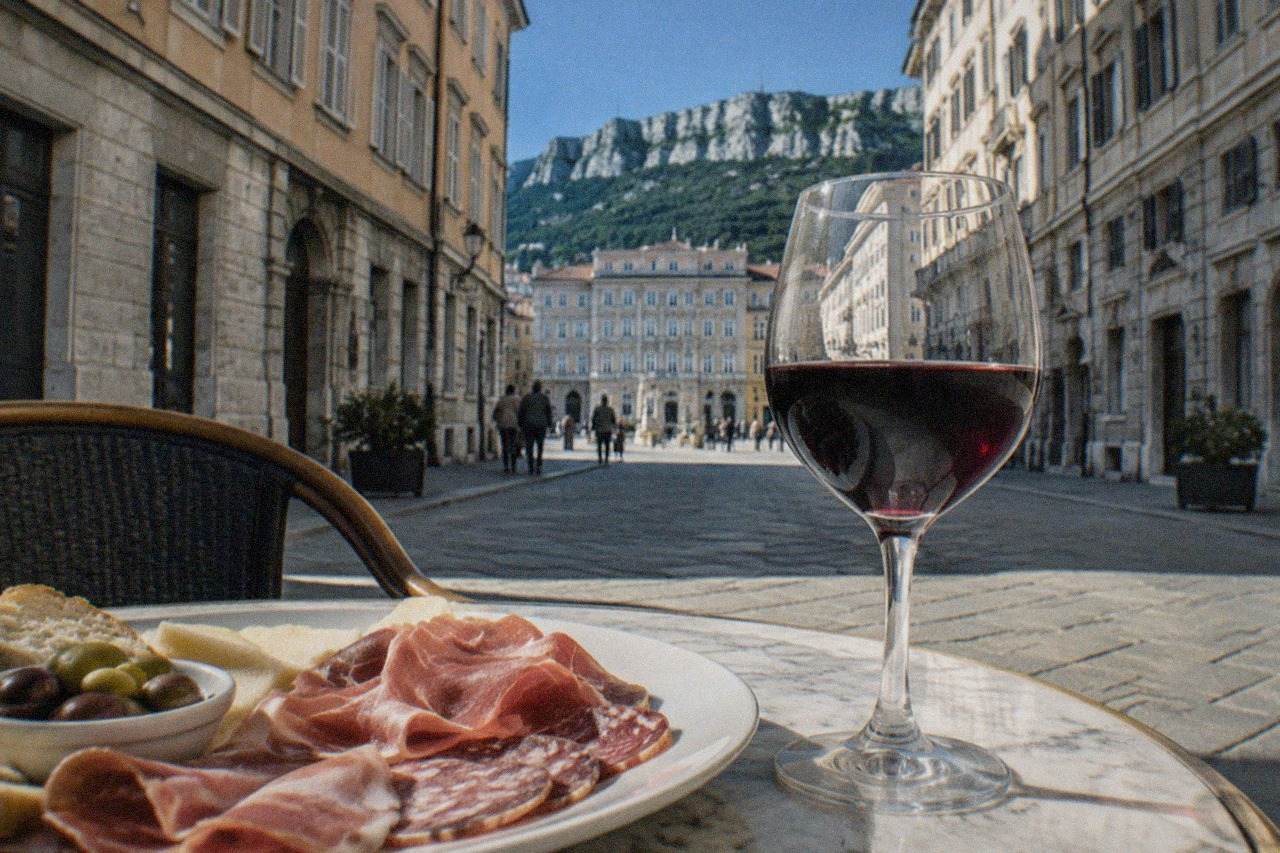
Trieste, the Adriatic port city in Friuli Venezia Giulia in northeast Italy, is genuinely good for food, and for a reason that surprises most first-time visitors: it does not eat like a typical Italian city. Its centuries as the Habsburg empire's outlet to the sea left behind a cuisine that mixes Adriatic fish, Central European stews and pastries, Slavic farmhouse traditions on the Carso plateau and a coffee culture rooted in the port's historic role in the green-coffee trade. The result is a food identity you cannot taste anywhere else in Italy, which is exactly why the question deserves a proper answer.
Is Trieste Good for Food?
Yes, Trieste is very good for food. The city's kitchens serve a cuisine found nowhere else in Italy: hearty Central European dishes like jota soup and goulash alongside Adriatic seafood, buffet-style trattorias, historic Habsburg caffès, and seasonal osmize farm taverns on the Carso selling their own wine. Food tours run from $56 per person and are among the highest-rated activities in the city.
The honest summary is that Trieste rewards eating more than almost any other Italian city of its size. The food is not a refined, chef-driven scene; it is a working port city's food, built on cheap, filling dishes that were made to feed sailors, dockworkers and customs clerks. The buffet, a Triestine institution, serves boiled pork, sauerkraut and sausages from steam tables at working-class prices. The trattorias of Città Vecchia plate Adriatic fish. The caffès under the arcades of the Borgo Teresiano serve coffee the way Vienna taught the city to. If your idea of a food holiday is tasting things you cannot get at home, Trieste delivers.
What the city is not is a destination for people who want Tuscan or Roman food. There is little of the pasta-and-tomato canon here. The signature dishes are instead the ones covered in our guide to what to eat in Trieste, and the single most famous one, jota, is a bean-and-sauerkraut soup that has more in common with a Central European winter kitchen than with anything south of the Apennines.
What Makes Trieste's Food Different from the Rest of Italy?
Trieste's food is different because the city spent over five centuries inside the Habsburg empire, and its cuisine absorbed Central European, Slavic and Adriatic influences that the rest of Italy never did. The result is boiled meats and sauerkraut in buffet taverns, Austro-Hungarian pastries in the caffès, and the wines of the Carso, Vitovska, Malvasia and Terrano, instead of the pasta-and-tomato cooking of central and southern Italy.
The buffet is the clearest example. It is a Triestine original: a tavern where boiled pork, cotechino, sauerkraut, mustard and horseradish are served quickly and cheaply, a lunch format built for the port's workers. Nothing in Rome or Naples works like it. The caffès are the other half of the inheritance: Trieste's historic coffee houses, with their marble tables and newspaper racks, are the direct descendants of the Viennese café tradition, and they survive here in greater concentration than in most Italian cities, a legacy of the port's role in the green-coffee trade that is still visible today.
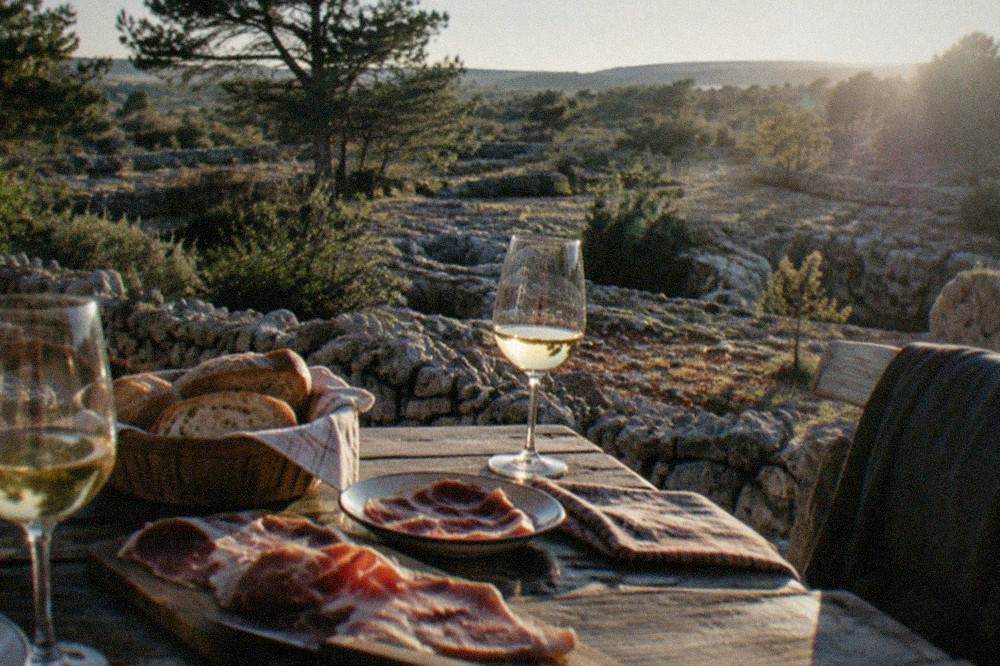
Then there is the Carso. The limestone plateau above the city is dotted with osmize, farmhouse taverns where growers sell their own wine and home-cured produce direct from the property for limited periods each year. An open osmiza is signposted by a frasca, a leafy branch hung at the turning, and the de facto opening calendar lives at osmize.com, which lists which farms are open on which days. The wines poured there are the Carso's own, Vitovska, Malvasia and Terrano, not Prosecco, a distinction worth remembering since the village of Prosecco sits in the hills above Trieste but Trieste itself is not in the Prosecco DOC.
The most efficient way to taste all of this in a few hours is a guided food walk. The Trieste guided foodie walking tour runs 3 hours, costs from $71.08 per person and carries a 4.9 rating from 264 reviews, one of the strongest review bases of any tour in the city. It moves through the centre tasting the street food and buffet classics. Check availability
Where Should You Eat in Trieste?
Eat in three places: the buffet taverns and trattorias of Città Vecchia for boiled pork, jota and Adriatic fish; the historic caffès of the Borgo Teresiano for coffee, pastries and the local aperitivo; and the osmize of the Carso above the city for farm wine and cured meats. A food tour from $71.08 or a cooking class from $166.23 per person will get you into the first two with a guide who explains what you are eating.
Città Vecchia, the old town behind Piazza Unità d'Italia, is where the buffets and trattorias cluster, and it is the part of the city where the Habsburg kitchen survives most intact. The Borgo Teresiano, the grid of streets built under Empress Maria Theresa, holds the caffès and the smarter restaurants. The Carso, reachable by car or on a tour, holds the osmize, which are seasonal: the calendar at osmize.com shows which farms are open before you plan the drive up. The wider set of guides lives on Trieste Travel Guide.
If you would rather learn to cook the food than just eat it, the private cooking class with a local cook runs 3 hours from $166.23 per person, and there is a small-group pasta and tiramisù class from $157.65 per person rated 4.4 from 40 reviews. The premium food tour, a 3-hour walk rated 4.9 from 88 reviews, costs from $87.58 per person.
| Experience | Type | From price | Duration | Rating |
|---|---|---|---|---|
| Trieste guided foodie walking tour | food walk | $71.08 per person | 3 hours | 4.9 from 264 reviews |
| Unique food tour, local flavours | food walk | $85.98 per person | 3 hours | 4.7 from 123 reviews |
| Premium food tour | food walk | $87.58 per person | 3 hours | 4.9 from 88 reviews |
| Private cooking class at a local's home | cooking class | $166.23 per person | 3 hours | 3.9 from 6 reviews |
| Small-group pasta and tiramisù class | cooking class | $157.65 per person | 3 hours | 4.4 from 40 reviews |
The table above is the full in-city eating-experience set from this site's roster, and the spread tells its own story: the walking tours cost roughly half the classes and carry the deepest review bases. For most visitors the foodie walk is the better first night in the city, and the cooking class is the choice for a rainy afternoon or a second visit.
Is Trieste Good for Coffee and Wine?
Yes, on both counts. Trieste is one of Italy's great coffee cities, with Habsburg-era caffès, a port that still handles green coffee, and a local ordering vocabulary all its own, though the famous claim that locals drink several times the Italian average has no verifiable source. For wine, the Carso above the city produces Vitovska, Malvasia and Terrano, and the osmize pour them at the farm gate.
The coffee culture is real and observable: the caffès, the roasting industry headquartered in the city, and the port's coffee trade. What is not real, or at least not verifiable, is the number everyone quotes. No primary source, not the Chamber of Commerce, the port authority, the roasters or official statistics, publishes a per-head consumption figure for Trieste. This site does not print one, and any guide that does is repeating an unsourced claim. What you can safely say is that Trieste has more historic caffès per square metre than most Italian cities and that coffee is ordered here with a vocabulary, the different names for the same cup depending on the cup and the milk, that visitors have to learn.
The wine story is just as distinctive. The Carso's terraces grow Vitovska and Malvasia as whites and Terrano as the red, and the osmize sell them at source. Back in the centre, a 1-hour wine tasting with food pairings costs from $56.18 per person, and the Prosecco Origins tour, which visits the village that gave the sparkling wine its name, runs 2.5 hours from $68.79 per person with a 4.9 rating from 227 reviews. The coffee-house walk, a 3-hour tour of the historic caffès, costs from $74.52 per person.
How Much Does Eating in Trieste Cost?
Eating in Trieste costs less than in the big-name Italian tourist cities. A guided food tour runs from $71.08 per person, a cooking class from $157.65, and a 1-hour wine tasting from $56.18. The buffet taverns are the budget backbone of the city, serving boiled pork and sauerkraut at working-class prices, while the historic caffès charge café prices comparable with any Italian city.
Trieste is not a cheap city in absolute terms, but the food value is strong. The buffets exist to feed locals, not tourists, and prices reflect that. The full cost picture, including accommodation and transport, is covered in our answer on whether Trieste is cheap or expensive. For food specifically, the realistic pattern is a cheap buffet lunch, a caffè stop in the afternoon and a trattoria dinner, with the splurge options being the tours and classes in the table below.
| Experience | Area | From price | Duration | Rating |
|---|---|---|---|---|
| Slovenian coast tour with food and wine tasting | Piran and coast | $137.57 per person | 5h 30m | 4.98 from 50 reviews |
| Piran and Slovenia coast tour | Piran and coast | $114.64 per person | 6 hours | 4.57 from 136 reviews |
| Prosecco Origins tour and tastings | Prosecco village | $68.79 per person | 2h 30m | 4.93 from 227 reviews |
| City-centre wine tasting with food pairings | Trieste centre | $56.18 per person | 1 hour | 4.61 from 22 reviews |
| Historic cafés experience | Trieste centre | $74.52 per person | 3 hours | 4.91 from 19 reviews |
The cross-border option deserves a mention because it is so easy here. The Slovenian coast is a short drive away, all three countries around the Gulf use the euro, and a food-and-wine day across the border such as the Piran and Slovenia coast tour runs from $114.64 per person. Carry a passport or national ID card for any trip into Slovenia, because Italy is running temporary border checks on that land border through 18 December 2026.
Common Questions About Food in Trieste
Is Trieste good for food?
Yes. Trieste has a distinctive Habsburg-meets-Adriatic cuisine, historic caffès, buffet taverns serving boiled pork and sauerkraut, and seasonal osmize farm taverns on the Carso. Food tours run from $71.08 per person and are among the highest-rated activities in the city.
What is the signature dish of Trieste?
Jota, a soup of beans, sauerkraut and pork, is the dish most identified with Trieste. The fuller list, including goulash and the buffet classics, is in our answer to what the signature dish of Trieste is.
What food is Trieste known for?
Boiled pork and sauerkraut from the buffet taverns, jota soup, Adriatic seafood, Austro-Hungarian pastries in the historic caffès, and the Carso's own wines, Vitovska, Malvasia and Terrano. See what food Trieste is known for for the full rundown.
Is Trieste's coffee culture really the biggest in Italy?
The culture is real: historic caffès, a roasting industry and the port's coffee trade. But the famous claim that Triestini drink several times the Italian average has no verifiable primary source, so this site does not print a figure.
Can you visit an osmiza from Trieste?
Yes. Osmize are farmhouse taverns on the Carso that open seasonally and hang a frasca, a leafy branch, at the turning when they are open. The de facto opening calendar, with addresses and a map, lives at osmize.com; check it before you drive up.
Trieste, Italy, is a food city that most of the international food-media machine has never properly covered, and that is its strength: the buffets, the caffès and the osmize are still working institutions rather than set pieces. Eat across all three and the answer to the question becomes obvious within a day.