What Do Italians Call Trieste?
Italians call the city Trieste, the same name English uses. What that means in practice, why the word gets confused online, and the accented local names to get right in Trieste, Italy.
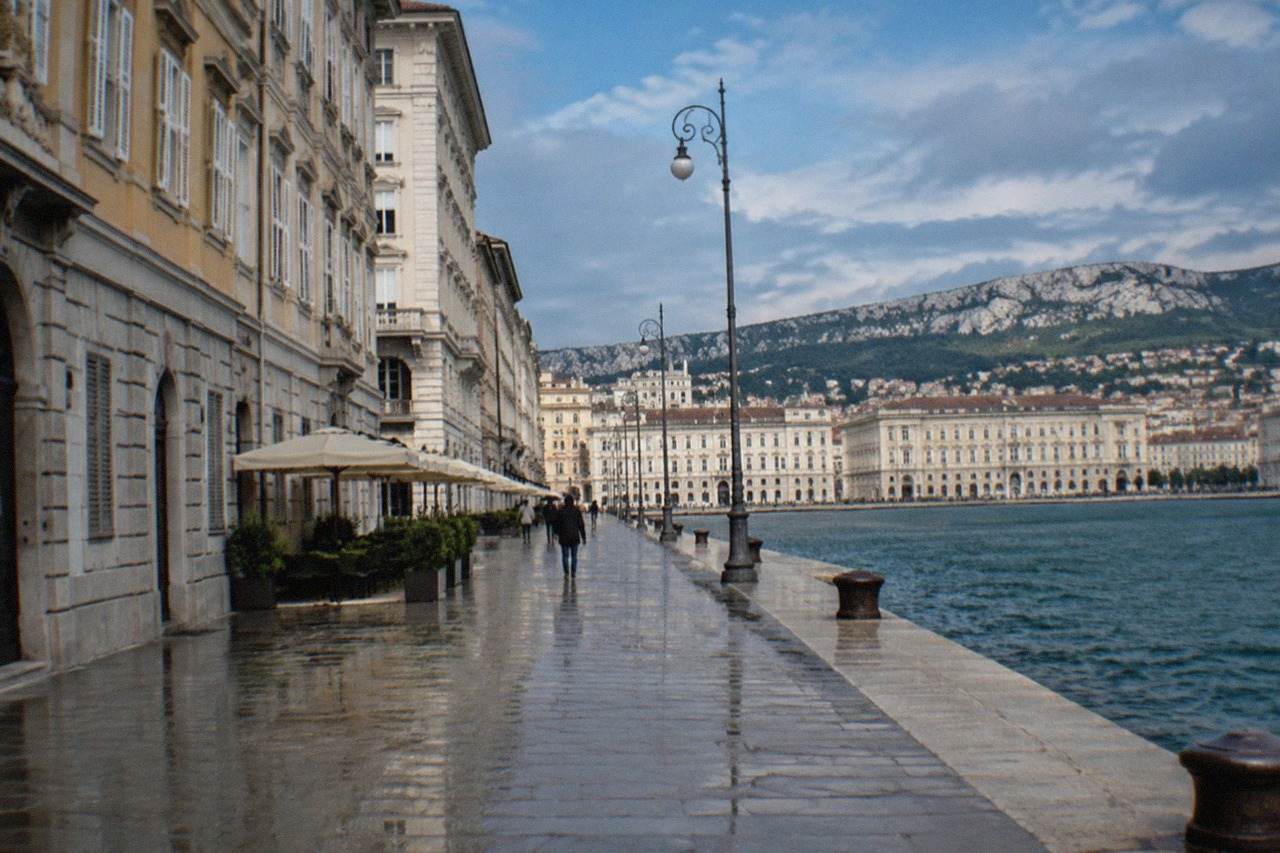
Trieste, the Adriatic port city in the Friuli Venezia Giulia region of northeast Italy, has one of the few great European city names that survived every border change without being renamed by anyone. Italians call the city Trieste, in exactly the same spelling English uses. There is no Italian translation of the name, no colloquial substitute in everyday speech, and no rival form on a train ticket or a road sign. That makes the question of what Italians call the city unusually clean to answer, and unusually messy once you leave the city itself and go looking for the word online, where Trieste also names a deep-sea vessel, a coffee chain on another continent and several things in between.
What Do Italians Call Trieste?
Italians call the city Trieste, exactly the name used in English. Trieste is the city's own Italian name, the capital of the Friuli Venezia Giulia region on the Adriatic in the northeast of Italy, and no separate Italian word for it exists. An Italian writing the city on a ticket, saying it in conversation or typing it into a journey planner uses the same five letters English uses, spelled identically, with the stress falling where the Italian language puts it.
The interesting part is not a hidden alternative name, because there is none to find. It is what the shared name reveals. Trieste has been governed from Vienna, occupied, contested and re-assigned across the last century, and through all of it the name on the map never changed hands in the way so many border cities did. The street-level names inside the city carry the same continuity: Piazza Unità d'Italia, the great square open to the sea, Città Vecchia, the old town climbing to the hill, Borgo Teresiano, the grid of streets laid out in the Habsburg era. The city that Italians name when they name Trieste is a specific one, an Italian port with a Central European accent, and everything in this article is about that city in Italy.
For a reader planning a visit, the practical takeaway is simple. Every search, every booking, every printed ticket you make for this destination uses the word Trieste, in Italian and in English alike. What changes between the two languages is not the name of the city but the names inside it, which carry Italian spellings, Italian accents and Italian grammar that English text often mangles. Those inner names, and the online noise around the outer one, are where the real answers to this question live.
Do Italians Ever Use Another Name for the City?
No. In everyday Italian speech and in every official context, the city is Trieste and nothing else. What Italians do instead of renaming it is narrow to a piece of it: Città Vecchia for the old town, Borgo Teresiano for the historic grid by the station, Barcola for the seafront walk, il Carso for the plateau above the city. The name of the city itself is never varied, shortened or swapped for a nickname in normal use.
Districts and landmarks are where the local vocabulary concentrates, and those are the names worth learning before a trip. Città Vecchia is the medieval core on the hill below the Cathedral of San Giusto. Borgo Teresiano is the elegant district named for the Habsburg empress under whose reign the new town was planned, home to the Canale Grande and the Serbian Orthodox church of Saint Spyridon. Barcola is the seafront village road north of the centre where the city swims. Il Carso, with the definite article attached as Italian custom does, is the limestone plateau that rises immediately behind the city and that locals treat almost as an extension of the town, the wine country of Vitovska, Malvasia and Terrano and the farms of the osmize.
One subtlety that the shared name hides: Italian institutions embed the word everywhere. Trieste Trasporti runs the buses and the Opicina tram, the tram line that TPL FVG's own page records as reactivated on 1 February 2025 with its city terminus at piazza Dalmazia. The University of Trieste, the port, the airport at Ronchi dei Legionari that the airport's own site styles Trieste Airport: the name travels as a fixed label across every institution, the way Italians use it themselves.
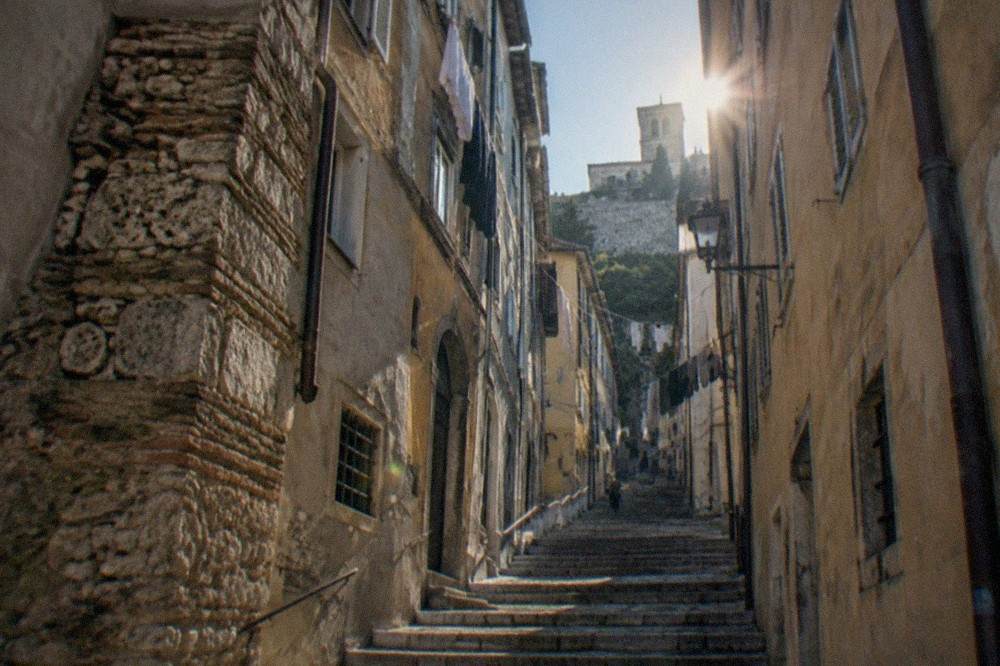
So when an Italian talks about the city at any length, the conversation quickly moves from the name Trieste to the names inside Trieste, and that is the register a visitor should aim for. Saying the city is one syllable-cluster of shared vocabulary; knowing that the seafront is the Rive, that the canal district holds Sant'Antonio Taumaturgo, that the old port opened to the public in recent years is the Porto Vecchio, is what marks you as someone who has done the reading. A local guide is the fastest way into that vocabulary, and the hidden-gems walks of the city are built exactly around the corners those names point to.
Why Does the Word Trieste Get So Confused Online?
The word Trieste names far more than the Italian city, and the other users of the word often outrank it in search results. The best known collision is the bathyscaphe Trieste, the deep-sea vessel associated in every adjacent answer with the USS Thresher and the Mariana Trench. There is also a well known cafe chain trading on the name in San Francisco, an actress, a basketball club and an Italian navy ship. None of them is the city in Friuli Venezia Giulia.
This is worth stating plainly because it is the one destination where a careless search genuinely misroutes people. Ask an AI assistant or a search engine something about Trieste and coffee, and you can land on a cafe in California rather than the historic coffee houses of an Italian port. The city's own claim to the word is the strongest in substance and the weakest in search: the real Trieste is where Illy has its headquarters and where the coffee-house tradition of the Habsburg world survives in the caffè storici, but the search term is contested ground. The practical rule is to always keep Italy, or Friuli Venezia Giulia, or Piazza Unità d'Italia somewhere in your query when you mean the city.
The city itself is unbothered by all this, because Italians never experience the collision. Inside Italy the word defaults to the city, the regional capital, and the bathyscaphe and the cafe chain are footnote entities that need explaining. The confusion is an artefact of the international internet, not of the Italian language. If you want the sense of the place rather than the noise around its name, the overview of what Trieste in Italy is famous for keeps the focus on the city itself.
What Names Should You Get Right in Trieste, Italy?
The names to get right are the accented Italian ones inside the city, not the name of the city itself. Write Piazza Unità d'Italia with the accent on Unità, Città Vecchia with the accent on Città, caffè with the grave accent, and keep the particles lowercase inside a proper name: d'Italia, di San Giusto, del Carso, della Vittoria. Italian spelling is canonical here, and the accents and lowercase particles are the difference between a name written correctly and a name written almost correctly.
This is not pedantry aimed at visitors; it is how the names actually work in Italian, and every sign, menu and museum label in the city writes them this way. The square is Piazza Unità d'Italia, Italy's largest seafront square, named for the unification of Italy. The old town is Città Vecchia, two words with one accent. The coffee house is a caffè storico, with the accent, and the wine bars of the plateau are reached through il Carso. The lighthouse on the hill above the city is the Faro della Vittoria, with della lowercase. Getting these right is the closest thing an English speaker has to answering the question the way an Italian would.
| What you might see | The correct Italian form | Why it matters |
|---|---|---|
| Piazza Unita d'Italia | Piazza Unità d'Italia | The accent on Unità is part of the name; the particle d' stays lowercase |
| Citta Vecchia | Città Vecchia | The old town's name carries an accented à |
| caffe trieste | caffè | The Italian word for a coffee house takes a grave accent |
| San Giusto hill | Colle di San Giusto | The cathedral, castle and hill share the name of the patron saint |
| The Karst | il Carso | Italian uses the definite article for the plateau above the city |
| Victory Lighthouse | Faro della Vittoria | The particle della stays lowercase inside the name |
The hill of San Giusto gathers several of these names in one climb. The Cattedrale di San Giusto Martire is free to enter, open weekdays 8:00-18:30 and Sundays and holidays 9:00-19:30 on the parish's published hours. Next to it, Castello di San Giusto charges €7 full price and €5 reduced, covering the walls, the Civico Museo del Castello di San Giusto-Armeria and the Lapidario Tergestino, whose own name keeps the city's Roman-era designation alive in modern Italian. Below the hill the Roman theatre sits in the street fabric of the old town: you look down into it from the street, as the ministry's own page for the monument presents it, and entry is not something to promise yourself.
| Sight in Trieste, Italy | Adult price | Hours to know |
|---|---|---|
| Castello di Miramare (castle) | €17 | Every day 9:00-19:00, last admission 18:30 |
| Miramare park | Free | April to September 8:00-19:00, hours shift by month |
| Castello di San Giusto | €7 | 1 April to 11 October daily 10:00-19:00; from 12 October Tue-Sun 10:00-17:00 |
| Museo Revoltella | €8 | Daily 10:00-19:00, closed Tuesdays |
| Cattedrale di San Giusto Martire | Free | Weekdays 8:00-18:30, Sundays and holidays 9:00-19:30 |
| Risiera di San Sabba | Free | 1 March to 11 October daily 9:00-19:00 |
A private guide turns these names from a spelling exercise into a route. The city's hidden-gems walks, run by local guides in small private groups, are built for exactly this: the vocabulary of the city, its districts and its accented names, delivered by someone who uses them every day. You can check dates and availability for the Trieste hidden gems private walking tour on its listing page, and see current times directly with the operator.
Common Questions About What Italians Call Trieste, Italy
The names of this city come up again and again in planning questions, and most of them have a short, clean answer.
Each of these three covers a different slice of the city the name points to: a private walk through the corners a first-time visitor misses, an entry ticket to Miramare's castle and park on the coast at Grignano, and a food walk through the buffets and caffè of the centre. Checking availability with the operator is the only reliable way to confirm times, because listings carry their own live schedules.
What Do Italians Call Trieste?
Italians call the city Trieste, exactly the name used in English. There is no separate Italian name, no common nickname and no translation: the same five letters serve both languages. What differs is the set of accented names inside the city, from Piazza Unità d'Italia to Città Vecchia.
Is Trieste an Italian name or a borrowed one?
Trieste is the city's own name, used in Italian and in English alike, and it has been the name of the city through every change of border around it. The full story of what the name itself means is covered on our page about what Trieste means in Italian.
Do people in Trieste speak Italian?
Yes, Italian is the language of the city's signs, institutions and daily life in Friuli Venezia Giulia. The city sits on the border with Slovenia and its history is Central European, which shows in the cuisine and the coffee houses, but the name of the city on every Italian sign is simply Trieste.
What do Italians call the old town of Trieste?
Città Vecchia, with the accent, is the Italian name for the old town on the hill, the district that climbs from the Canale Grande side up to the Cathedral and Castle of San Giusto. Locals narrow the name further by landmark rather than renaming the district.
How do Italians say Trieste?
Italians say the name as an Italian word, with the rhythm the language gives it, spelled exactly as it is written. The spoken form is the subject of its own page on how Italians say Trieste, which takes the pronunciation apart in detail.
Why do searches for Trieste show a submarine and a cafe?
Because the word Trieste also names a famous bathyscaphe linked in the record books with the Mariana Trench, a cafe chain in San Francisco, an actress, a basketball club and an Italian navy ship. None of these is the city. Adding Italy or Friuli Venezia Giulia to your search keeps you on the city's results.
Is Trieste in Italy or somewhere else?
Trieste is in Italy, in the northeast corner of the country, the capital of the Friuli Venezia Giulia region, on the Adriatic between the Slovenian border and the Carso plateau. The question of whether it leans Italian or Slovene in character has its own answer on our page about whether Trieste is more Italian or Slovenian.
What is the most famous thing in Trieste called?
The most famous single place-name in the city is Piazza Unità d'Italia, the seafront square that opens straight onto the Adriatic, followed by Miramare Castle up the coast and the Canale Grande in the Borgo Teresiano. Our page on what Trieste is famous for covers the full list.
The short answer to this whole page is the one an Italian would give you without pausing: the city is Trieste, in Italy, and it is called that in both languages. The longer answer is that inside the city the names are accented, the particles are lowercase, the districts carry Habsburg and Roman echoes, and the word itself is shared with a bathyscaphe and a cafe chain that have nothing to do with a seafront square in Friuli Venezia Giulia. For more on how the city works for a visitor, see our one-day Trieste itinerary, the question of how many days you need in Trieste, and the planning resources across Trieste Travel Guide.