What Is the Best Time of Year to Visit Trieste?
The best time of year to visit Trieste, Italy, month by month: ARPA station-table weather, the bora wind, sea temperatures, Barcolana and quiet-season trade-offs.
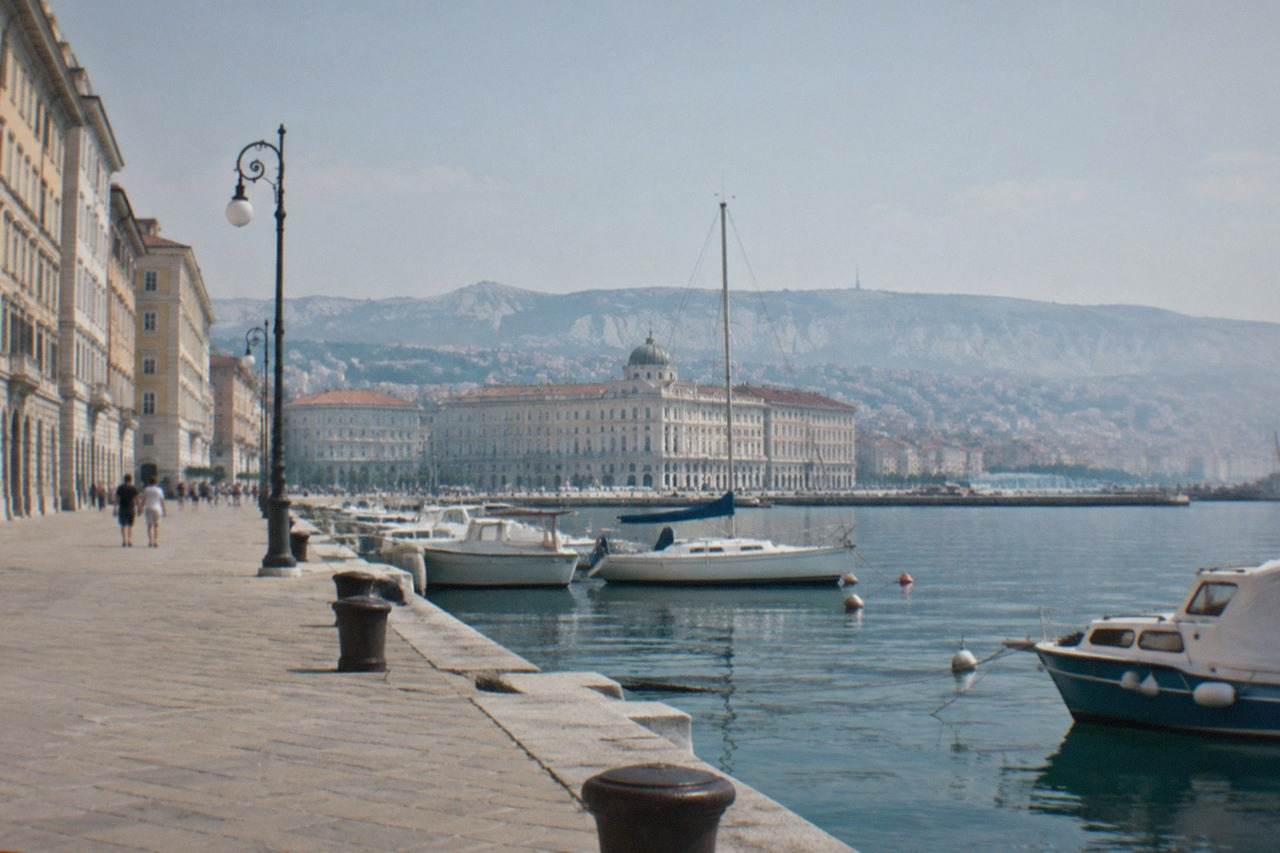
Trieste, the Adriatic port city in Friuli Venezia Giulia in the far northeast of Italy, rewards timing more than most Italian destinations: its weather has a windy season, its rain falls in autumn rather than summer, and its biggest event fills the city in the second week of October. The short answer is late spring, but the honest answer depends on whether you are coming for the seafront, the caves or the sailing.
What Is the Best Time of Year to Visit Trieste?
The best time of year to visit Trieste, Italy, is late April through June, when daytime highs run from about 17 C to 26 C, rain stays near the annual norms, and June is statistically the calmest month for the bora wind. September is the strongest alternative: the sea is at its warmest of the whole year at 23.9 C on average, and the crowds thin before October's Barcolana week fills the city.
Two things shape that recommendation, and both come from the weather agency's own numbers rather than from travel-brokerage folklore. The first is that Trieste's rain is an autumn problem, not a summer one: November is the wettest month at 109.8 mm and September is second at 102.3 mm, while July, at 53.8 mm, is the second driest month of the year. The second is the bora, the cold east-north-easterly that funnels down off the Carso plateau, which blows hardest in the cool season and quietens almost completely in June. Get those two variables right and almost any month works, as the month-by-month breakdown on Trieste Travel Guide explains in more depth.
What Is the Trieste Weather Like Month by Month?
Trieste's climate, measured at the molo Fratelli Bandiera station between 1995 and 2024, averages 15.9 C over the year with 867.1 mm of rain across 86.1 wet days. Summer highs sit at 28 C in July and August, winter highs near 9-10 C, and the sea warms from 10.5 C in February to 25.9 C in August. Every figure below is from ARPA FVG's published station normals.
The table that matters most for choosing a month is this one. Note the wet days column: it climbs through September and peaks in November at 9.5, then falls away again by spring. Summer looks dry by comparison with what most people expect of a northern Adriatic port.
| Month | Mean high C | Mean low C | Rain mm | Wet days | Sea C | Days gust over 90 km/h |
|---|---|---|---|---|---|---|
| January | 9.2 | 5.0 | 52.8 | 6.6 | 11.6 | 2.4 |
| February | 9.8 | 5.2 | 59.7 | 6.6 | 10.5 | 2.9 |
| March | 13.0 | 7.9 | 52.8 | 6.1 | 11.6 | 2.1 |
| April | 16.8 | 11.4 | 60.7 | 8.0 | 14.0 | 0.7 |
| May | 21.7 | 16.1 | 75.0 | 8.5 | 17.9 | 0.7 |
| June | 25.8 | 20.2 | 62.5 | 6.1 | 23.1 | 0.3 |
| July | 28.2 | 22.4 | 53.8 | 5.4 | 25.9 | 0.9 |
| August | 28.1 | 22.3 | 71.7 | 6.6 | 25.9 | 0.9 |
| September | 23.9 | 18.4 | 102.3 | 7.4 | 23.9 | 1.1 |
| October | 19.6 | 14.8 | 88.6 | 7.6 | 20.3 | 1.4 |
| November | 14.7 | 10.3 | 109.8 | 9.5 | 16.8 | 1.9 |
| December | 10.7 | 6.4 | 77.4 | 7.7 | 13.6 | 2.3 |
Read the sea column with the rain column together and a pattern appears: the water stays warm long after the air cools, because the sea holds its summer heat. September's sea at 23.9 C is warmer than June's at 23.1 C even though the air is five degrees cooler, which is why the local swimming season runs well into autumn. The deeper month-by-month discussion, including what the rain does to specific plans, is in the site's guide to the best months to visit Trieste.
When Is Trieste Quietest and Cheapest?
The quietest months in Trieste are November through March, excluding the Christmas market period, when the tourist tax still applies but hotel demand and crowd levels drop with the temperature. Winter highs sit near 9-11 C, the bora blows hardest, and several attractions shorten their hours from 12 October, so the trade is real: fewer people and lower pressure on bookings in exchange for cold wind and earlier closing times.
The seasonal hours shifts are worth knowing before you book a winter trip. Castello di San Giusto runs daily 10:00-19:00 from 1 April to 11 October, then drops to Tuesday-Sunday 10:00-17:00 with a Monday closure from 12 October. Grotta Gigante, the giant cave up on the Carso, is open every day from March to August but Tuesday to Sunday only from September to February, and it is guided-only with compulsory booking in every season. Miramare Castle keeps longer hours, 9:00-19:00 every day with last admission at 18:30, and its park is free year-round with its own seasonal timetable, 8:00-19:00 from April to September.
| Season | Typical feel | What you trade |
|---|---|---|
| Late April-June | Warm, calm, green | Busiest with school groups in May |
| July-August | Hottest, sea at 25.9 C | Peak Italian holiday demand |
| September | Warm sea, thinning crowds | Second-wettest month at 102.3 mm |
| October | Barcolana week, mild air | City fills 2-11 October 2026 |
| November-March | Quiet, cold, windy | Shorter attraction hours, bora season |
There is a free lever in the quiet months too: the ministry's first-Sunday-of-the-month scheme gives free entry at participating state museums, and Miramare takes part, though the details of the scheme have changed before, so check the venue's own page rather than assuming. If you are working out how long to stay in the shoulder season, when daylight is shorter and indoor plans matter more, the site's piece on how many days in Trieste is enough is the companion read.
What About the Bora Wind and the Sea?
The bora, Trieste's cold north-easterly wind, averages 49 days a year with a gust over 72 km/h and 17.6 days with a gust over 90 km/h, and it blows hardest from November to March. June is the calmest month at 0.3 days over 90 km/h, and July, at 0.9, actually has more strong-wind days than April, May or June, so summer is not the wind-free season people assume.
The station record makes one thing inescapable: the monthly record gust exceeds 110 km/h in every single month of the year, and the all-time peak in the series is 168.1 km/h, measured in February 2012 at the molo Fratelli Bandiera. That does not mean the wind ruins a summer trip, it means the bora is a year-round possibility that peaks in winter. No official threshold exists at which the seafront closes or ferries stop; those decisions are made live by the authorities as conditions develop, so treat any specific cutoff figure you read elsewhere with suspicion.
For swimmers the sea is the better guide. The water crosses 20 C from July and stays there through September, peaking at 25.9 C in August, and ARPA's long series shows the gulf warming over recent decades. June is the month that combines the calmest air with sea temperatures already at 23.1 C, which is why it tops most local recommendations. For what the wind does to the city itself, and why the seafront has handrails to hold on to, see what Trieste is famous for.
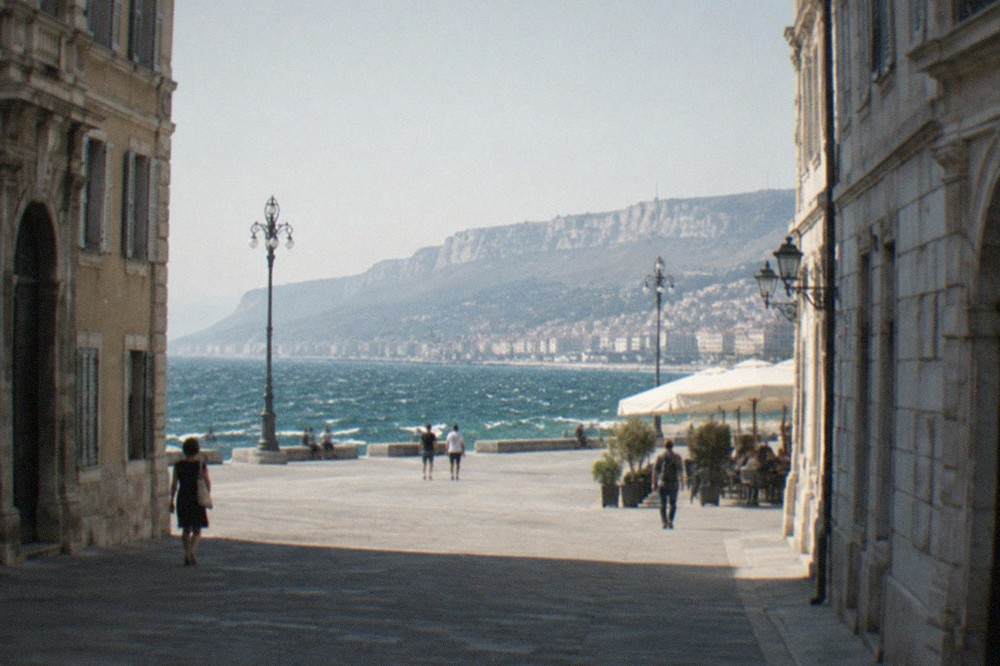
If you would rather have a local frame the timing for you, the Hidden Gems private walking tour, from $143.30 per person and rated 4.96 from 62 reviews on the operator's listing, runs year-round in whatever weather the day brings: Check availability.
When Are Trieste's Big Events?
Trieste's headline event is Barcolana, the sailing regatta that runs 2-11 October 2026 with the main race on Sunday 11 October at 10:30 over 13 nautical miles in the Gulf of Trieste. The record entry is 2,689 boats, set in 2018, which the organisers credit as a world record for the largest sailing race. Spring and autumn also bring the osmize, the Karst farmhouses selling their own wine, signposted by a frasca branch.
Barcolana is the one week when the timing question inverts: the city is busy, accommodation is under pressure, and October averages 1.4 days a year with gusts over 90 km/h, sitting inside the windy shoulder season, which is part of the event's whole point. If sailing is why you are coming, that is your month. If it is not, the days either side of the regatta still give you mild air at 19.6 C average highs and a sea at 20.3 C.
The osmize work the other way round. These are farm outlets on the Carso where growers sell their own wine and simple home produce direct from the property for limited periods, and an open one is signposted by a frasca, a leafy branch hung at the turning. The openings concentrate in spring and autumn, and the de facto calendar, with addresses and a map, is maintained at osmize.com. Pair an autumn opening with the wine country and you have the season the region's own growers would pick.
Common Questions About the Best Time to Visit Trieste
What is the best time of year to visit Trieste?
Late April to June is the best window: warm air, light winds and the calmest month of the year for the bora. September is the best alternative, with the warmest sea of the season at 23.9 C on average and thinner crowds, though it is the second-wettest month at 102.3 mm.
Is Trieste rainy in summer?
No. July is the second driest month of the year at 53.8 mm, behind January and March at 52.8 mm. The rain in Trieste falls in autumn: September takes 102.3 mm and November 109.8 mm, making it the wettest month.
When is the bora wind worst in Trieste?
The bora blows hardest from November to March, with February averaging 2.9 days a year with gusts over 90 km/h. The all-time peak gust in the station record is 168.1 km/h, measured in February 2012. June is the calmest month.
When can you swim in Trieste?
The sea reaches 25.9 C in August and stays at 23.9 C through September, so the comfortable swimming window runs roughly June to early October. ARPA's oceanographic bulletins track the monthly means for the Gulf of Trieste if you want current readings.
Is October a good month to visit Trieste?
October is a good month if you plan around Barcolana, which runs 2-11 October 2026 with the main race on 11 October. Average highs are 19.6 C and the sea is 20.3 C, but the city fills during regatta week, so book ahead or pick the weeks either side.
What is the cheapest time to visit Trieste?
November to March, outside the Christmas market period, is the quietest and cheapest window, with the trade-off of winter hours at several attractions: San Giusto Castle closes on Mondays from 12 October and Grotta Gigante runs Tuesday to Sunday only from September to February.
Whatever month you land on, the planning pieces that follow the calendar are already written: how to spend three days in Trieste and whether the city is cheap or expensive both change with the season you choose.