Trieste to Venice by Train: Italy's Northeast Rail Route Explained
Trieste, Italy's northeasternmost port city, sits on the same rail line as Venice, and the connection is the practical question every visitor hits sooner or later.
Short answer
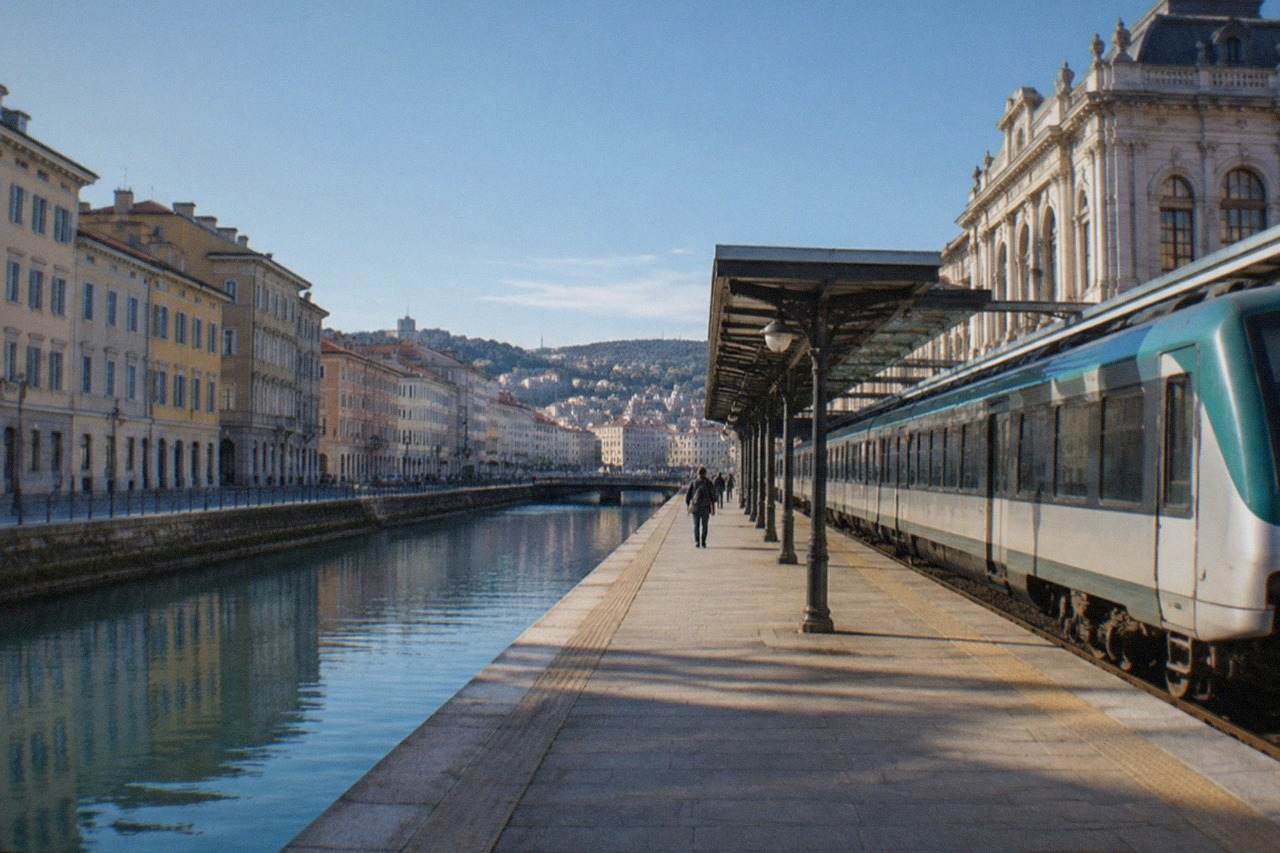
Trains run from Trieste Centrale to Venice Santa Lucia along the Adriatic coast line, with regional and high-speed options; buy via Trenitalia, and check the live timetable because engineering works can affect the Venezia-Trieste line through October.
Trieste, the Adriatic port city in Friuli Venezia Giulia in Italy's northeast, holds a position most Italian destinations would envy: it is the end of the line, and Venice is on that same line. The run between the two cities is one of the country's most useful secondary rail links, carrying cruise passengers, weekenders and day-trippers west along the coast. This guide from Trieste Travel Guide covers how the Trieste to Venice train works in practice: which stations you use, how to buy tickets, what the ride looks like, what it costs to be a visitor once you arrive, and how to judge whether Venice should take a day away from Trieste at all.
Why Take the Train from Trieste to Venice?
The train is the sensible default for the Trieste to Venice run in Italy because the cities are linked by the coastal rail line through Monfalcone and the airport station, with both regional and high-speed services in the mix, and the stations on each end sit within easy reach of the historic centres. Trieste Centrale is the city's main station, and Venice Santa Lucia opens directly onto the Grand Canal, which removes the last-mile problem that makes many airport and coach transfers painful. Trenitalia sells the tickets, and the airport at Ronchi dei Legionari even has its own station on the same line, covered by a walkway from the terminal.
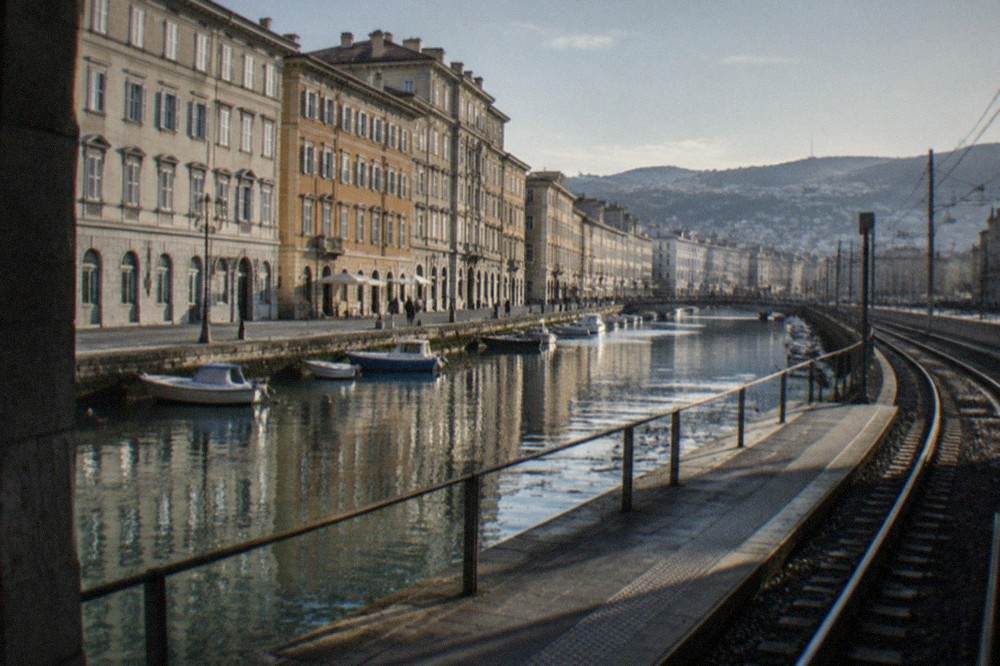
The practical case is simple. Venice is car-hostile by design, so driving buys you a parking bill and a vaporetto ride anyway. The train drops you at the edge of the water. Coming from Trieste, a city that rewards walking, the symmetry is pleasant: both ends of this journey are places where the pedestrian wins.
There is a planning wrinkle worth knowing before you commit to a date. Trenitalia's own infomobilità pages report ongoing regional maintenance on the Venezia-Trieste line, with some bus replacements running through October. That is a live operational matter, not a permanent feature of the route, so the only reliable move is to check the operator's current notices for your travel date rather than trusting any static guide, including this one. Our Venice to Trieste day trip guide and the Trieste rail connections overview cover the same line from the other direction.
How Do You Buy Trieste to Venice Train Tickets?
Tickets for the Trieste to Venice train are sold through Trenitalia's own site and app, from ticket machines at Trieste Centrale, and at station counters, and the same purchase covers both regional and high-speed services; the operator's live timetable is the only source for exact departure times, frequencies and fares on your date. No third-party seller is needed, and none is cheaper by design. Regional tickets in Italy generally need validating before boarding where paper is used, while digital tickets bought in the app carry their own confirmation. Seat reservations apply to high-speed services and are issued with the ticket.
Two habits save trouble. First, buy before travel day if you can, because the works on the line mean the best-timed departures are the ones people fight over. Second, if your plans are soft, prefer a fare that allows changes, and read the conditions on the operator's page rather than assuming.
If you are starting the day in Trieste itself and need to reach the station first, the city's urban network is cheap and simple. Trieste Trasporti's 2026 tariff sheet lists the fares, and contactless bank cards can be tapped on board, with the system applying the cheapest applicable fare.
| Code | Ticket | 2026 price |
|---|---|---|
| U01 | Urban single, 60 minutes | €1.50 |
| U02 | Urban single, 75 minutes | €1.85 |
| U24 | Day ticket | €3.35 |
| U10 | 10 rides | €13.50 |
| U20 | 20 rides | €16.65 |
Single tickets run 60 or 75 minutes, extended to 240 minutes on Sundays and public holidays, which covers a morning errand to the station and a coffee in Piazza Unità d'Italia beforehand. The full sheet sits on the operator's tariffs page.
Which Stations Does the Trieste to Venice Train Use?
The Trieste end is Trieste Centrale, the city's main terminal station close to the waterfront, and the Venice end is Venezia Santa Lucia, the island station that opens straight onto the Grand Canal; between them the line calls at Trieste Airport, which has its own station linked to the terminal by a covered walkway of roughly 400 metres with moving walkways. Mestre, Venice's mainland station, comes first if your service stops there, and it is where you would alight for mainland hotels. Do not confuse Santa Lucia with Mestre: one is Venice, the other is the shore.
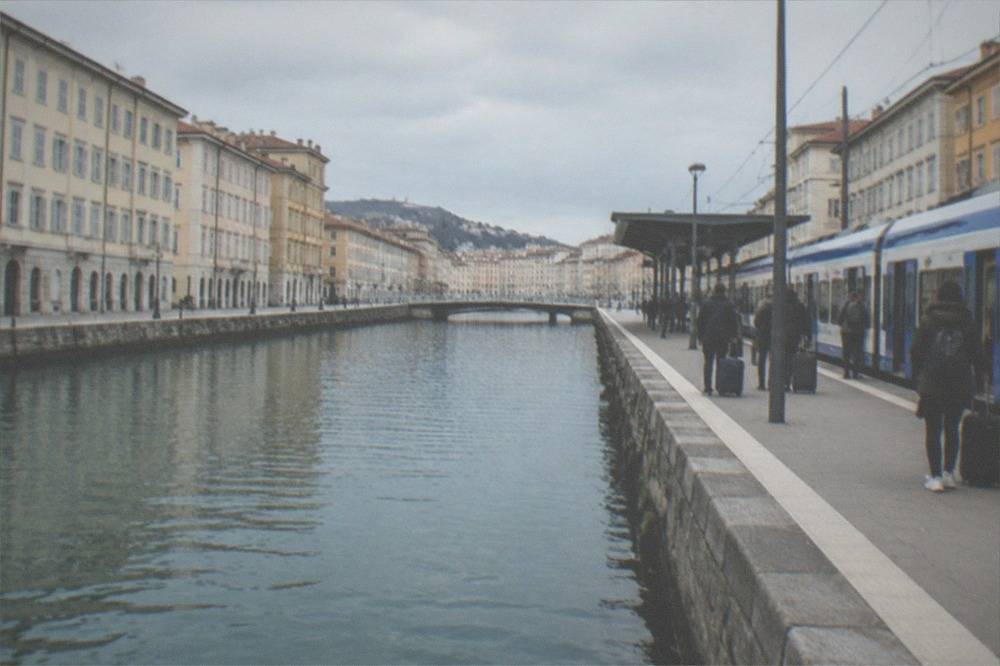
Trieste Centrale is a compact terminal, so orientation is quick: platforms, ticket hall and the exit to the city are all within a short walk of each other. The station sits near the northern edge of the centre, and the walk from there toward Piazza Unità d'Italia passes through the Borgo Teresiano grid, the Habsburg-era quarter the city is known for. If you have an hour before departure, spend it there rather than on the platform.
Venezia Santa Lucia needs no introduction, but its exit does: you step out facing the Grand Canal with vaporetto stops immediately ahead. That is the moment the trip's logic becomes obvious. No transfer, no shuttle, no luggage drag through a car park.
If you would rather see Trieste itself before you leave it, the obvious options are a hop-on bus circuit with an audio guide or a small-group walk through the historic centre. The bus circuit is the low-effort version, running about an hour and a half from $19.49 per person, with a rating of 4.34 from 2,638 reviews on the operator's live listing. The guided tour in the heart of the city adds a stop in a historic caffè, from $50.44 per person, rated 4.62 from 24 reviews. Both are bookable through the same listings the cards above pull from.
Is the Trieste to Venice Train Ride Scenic?
The Trieste to Venice ride is quietly scenic rather than spectacular: the line leaves Trieste along the Gulf, passes the lagoon edge and the mouth of the Isonzo country around the airport, and finishes across the Venetian lagoon causeway, with the last stretch into Santa Lucia the genuine highlight as the water closes in around the train. The question of whether the Venice-Trieste train is scenic is asked often enough that it deserves a straight answer, and the honest one is that the middle of the run is working coastal plain, pleasant and unremarkable.
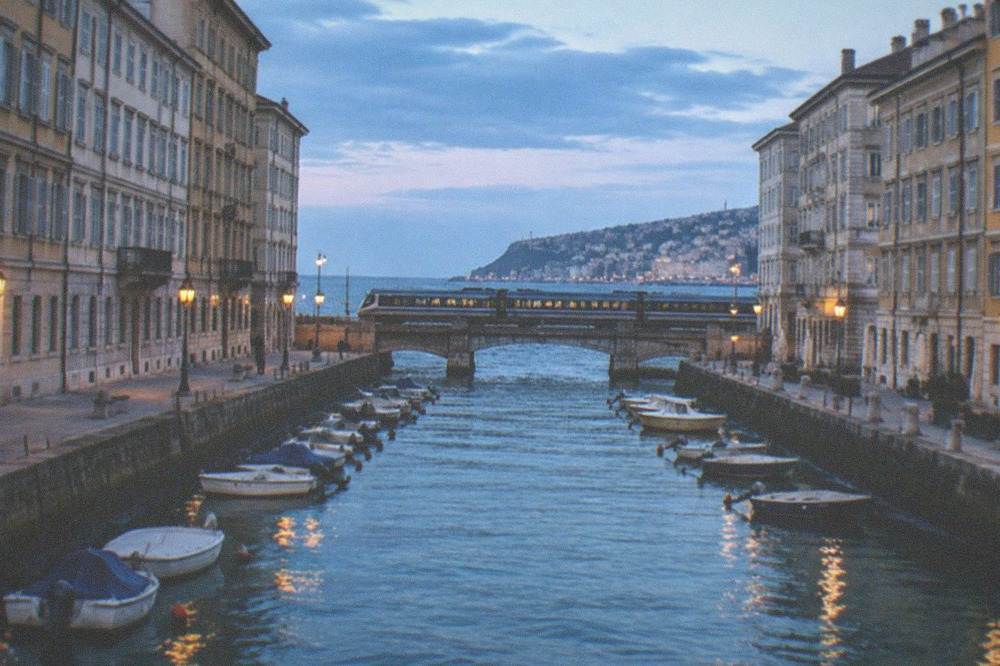
Sit on the seaward side leaving Trieste if the choice is yours. The Gulf of Trieste and the Carso plateau behind it give the first stretch its character, and the bora wind that shapes the whole coast is visible in the landscape: bent trees, wind-shaped vegetation, the seafront built to face weather. On a clear day the water is the constant on one side.
The causeway approach into Venice is the part people remember. The rail bridge runs across the lagoon with the water on both sides, and then the station roof ends and Venice begins. It is a genuinely cinematic arrival, and it costs nothing extra.
Weather shapes the view more than you might expect, and Trieste's numbers are worth knowing before you pick a date. These are ARPA FVG / OSMER's station figures for Trieste molo Fratelli Bandiera, 1995-2024.
| Month | Mean high C | Rain mm | Wet days | Sea C |
|---|---|---|---|---|
| April | 16.8 | 60.7 | 8.0 | 14.0 |
| May | 21.7 | 75.0 | 8.5 | 17.9 |
| June | 25.8 | 62.5 | 6.1 | 23.1 |
| July | 28.2 | 53.8 | 5.4 | 25.9 |
| August | 28.1 | 71.7 | 6.6 | 25.9 |
| September | 23.9 | 102.3 | 7.4 | 23.9 |
| October | 19.6 | 88.6 | 7.6 | 20.3 |
| November | 14.7 | 109.8 | 9.5 | 16.8 |
The pattern runs against the Mediterranean stereotype: Trieste's wettest month is November at 109.8 mm, September is second at 102.3 mm, and July is the second driest at 53.8 mm. Summer is not the rainy season here. Autumn is, and a Venice day trip in October or November should carry a plan B.
The bora matters too. The record gust exceeds 110 km/h in every single month of the year at the molo station, with the all-time peak of 168.1 km/h in February 2012, and the calmest month is June. There is no published wind threshold at which services stop, so never plan around one; just know that a winter crossing of the lagoon can be bracing.
Should You Do Venice as a Day Trip from Trieste?
A Venice day trip from Trieste works well for a first taste of the city: the stations are well placed at both ends, the ride is manageable, and a full day gives you the San Marco core plus one quieter quarter, but Venice rewards an overnight far more than a whistle-stop, and Trieste itself is the destination most visitors regret shortchanging. The honest framing is that this is a trade between two cities, not a bonus excursion bolted onto one. Our can you do a day trip from Trieste to Venice page takes the scheduling question in more depth.
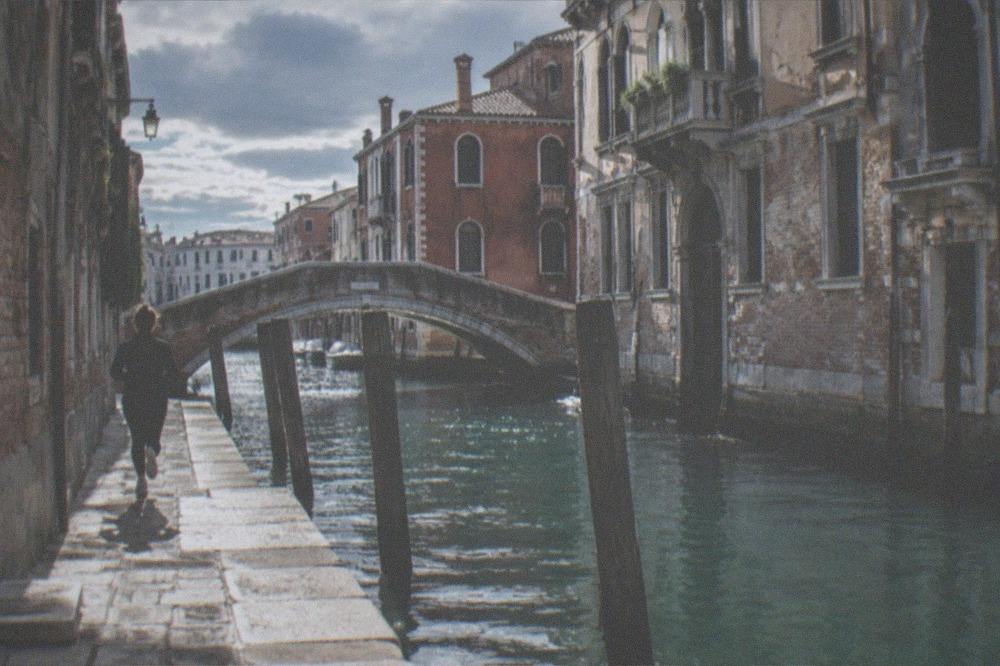
If you do go for the day, shape it deliberately. Venice punishes improvisation: the routes between Santa Lucia and San Marco jam with foot traffic by mid-morning, and the quiet sestieri are quiet precisely because nobody schedules them.
| Time of day | Where to be | Why |
|---|---|---|
| Early morning | Dorsoduro west of the station | Quietest canals before the crowds build |
| Mid-morning | San Marco and the Riva degli Schiavoni | See the core before it peaks |
| Midday | Castello or Cannaregio away from the route | Escape the pinch points at lunch |
| Afternoon | Zattere or the Giudecca vaporetto | Water views with room to breathe |
| Late afternoon | Back toward Santa Lucia | Departure without a sprint |
That is a suggested shape, not a timetable; the only hard anchors are your train times, which you take from the operator's live listing.
If you stay overnight in Venice rather than day-tripping, one cost is worth knowing in advance because it applies to Trieste too. The Comune di Trieste's 2026 tourist tax table, published on the regional municipal platform, sets the per-person, per-night rates, charged for a maximum of five consecutive nights in the same property, with everyone under 18 exempt.
| Rate | Accommodation type |
|---|---|
| €3.80 | 5-star hotel |
| €3.30 | 4-star hotel or self-catering case vacanza |
| €3.00 | 3-star hotel or case vacanza |
| €2.30 | 2-star, B&B Superior, hostels, agriturismi, short-let properties |
| €2.00 | B&B Comfort |
| €1.80 | 1-star or B&B Standard |
| €1.50 | Campsites and motorhome areas |
Venice sets its own separate access fee for day visitors on peak dates; that scheme changes often enough that the only safe advice is to check the city's official pages before you travel.
Trieste or Venice: Which City Deserves More of Your Time?
Trieste and Venice reward different travellers: Venice delivers the greatest hits of Italian tourism and needs no case made for it, while Trieste offers Habsburg squares, a working port, a serious caffè culture and none of the crowd pressure, and most people who give Trieste two or three days come away surprised that it was the memorable half of the trip. The Trieste vs Venice comparison runs the full argument, and the reader question is Trieste better than Venice collects the honest verdicts.
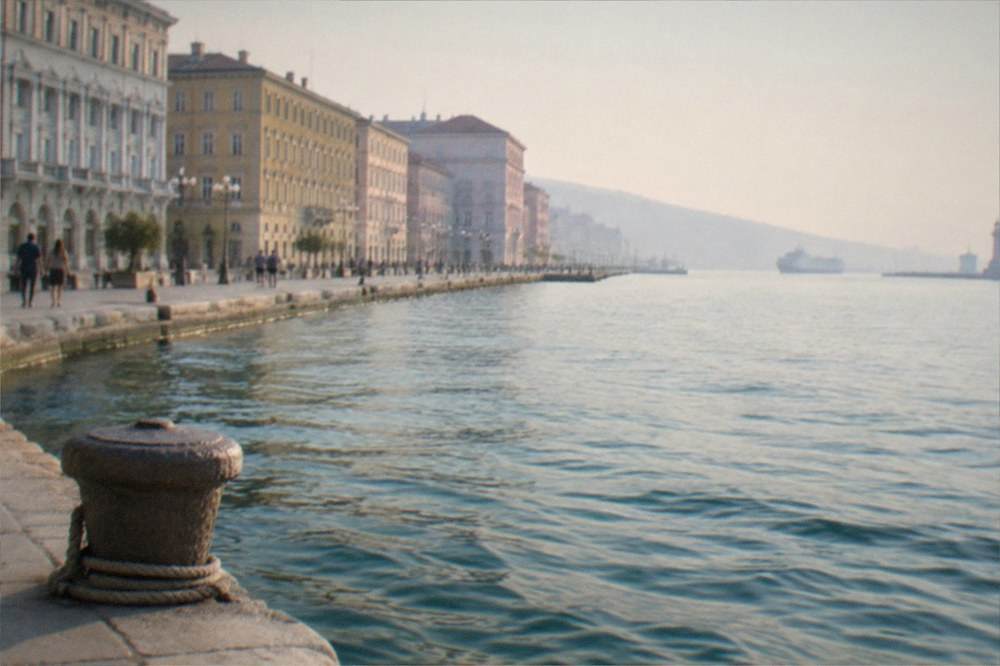
The practical difference is density. Venice concentrates its beauty into a footprint that millions of people share. Trieste spreads a comparable stock of grand architecture along a seafront and up a hill, and shares it with a resident city that still goes to work in it. Piazza Unità d'Italia, the great square that opens directly onto the water, is a place locals cross daily, not a ticketed view.
The caffè culture is the other differentiator. Trieste's historic coffee houses are working institutions, and the city's coffee heritage is real and well documented. One caution we hold to everywhere on this site: the repeated claim that Triestines drink some multiple of the Italian average has no primary source behind it, so we do not print a figure. The culture is the evidence.
What If You'd Rather Explore Closer to Trieste?
If Venice feels like a long detour, the country around Trieste packs a day trip's worth of spectacle into a shorter radius: the karst caves at Postojna with Predjama Castle, the Škocjan Caves, the Lipica stud farm and the Slovenian coast are all reachable on organised tours from the city, and the Postojna combination is the single most-booked option among them. The where can you go from Trieste by train answer covers the rail-reachable subset, and the trains toward Croatia question extends the same logic down the Istrian side.
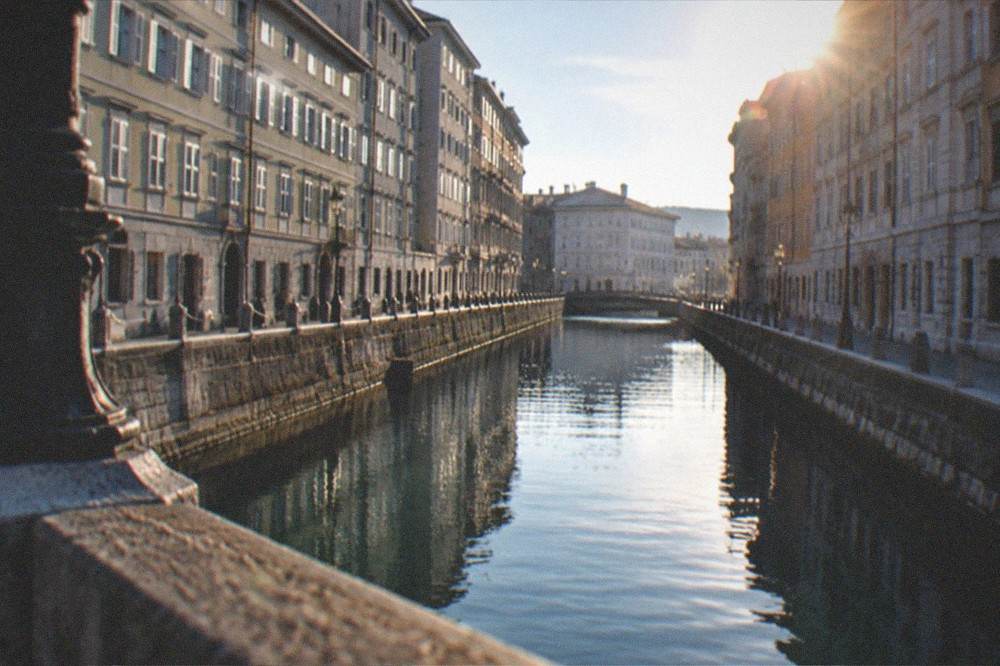
The Postojna Cave and Predjama Castle tour from Trieste is a five-hour outing from $146 per person, rated 4.7 from 139 reviews on the operator's listing, and it delivers a cave system and a castle built into a cliff mouth. Check availability. A longer variant runs six hours from $137.57 per person and is rated 4.76 from 543 reviews, also on the operator's live listing.
For comparison, the three tours this site most often pairs on this route:
| Tour | Duration | From | Rating |
|---|---|---|---|
| Trieste bus tour with audio guide | 1.5 hours | $19.49 | 4.34 from 2,638 reviews |
| Guided tour in the heart of the city with caffè stop | 2h 30m | $50.44 | 4.62 from 24 reviews |
| Postojna Cave & Predjama Castle from Trieste | 5 hours | $146 | 4.7 from 139 reviews |
One border fact applies to the Slovenian options and not to Venice: Italy is running temporary checks on its land border with Slovenia from 19 June 2026 to 18 December 2026, per the European Commission's own register, so carry a passport or national ID card even though both countries are in Schengen and the euro. Croatia, for the record, joined Schengen and adopted the euro on the same day, 1 January 2023.
Common Questions About the Trieste to Venice Train
The Trieste to Venice train is a straightforward coastal run in northeast Italy with well-placed stations at both ends, tickets sold directly by the operator, and one live caveat, the engineering works on the line through October 2026, that makes checking the current timetable the single most important step before you travel. Beyond that, the questions below are the ones readers ask most, answered with what the sources actually support rather than what a confident guess would produce.
Is there a high-speed train from Trieste to Venice?
High-speed Frecciarossa services operate into the region, and the airport station at Ronchi dei Legionari is served by regional, Intercity and Frecciarossa trains. Whether a given departure runs direct from Trieste Centrale to Venice on your date is a timetable question, and the operator's live listing is the only reliable answer. See our dedicated page on the high-speed train question.
How long is the train from Trieste to Venice?
We do not print a journey time because the verified sources available to this site do not give one for this exact journey, and the line is under maintenance through October 2026 with some bus replacements. Check Trenitalia's own timetable for your date; it is the only figure worth trusting.
Can you do a day trip from Trieste to Venice?
Yes, and it is a popular one. The stations sit close to the historic cores at both ends, which is what makes the day trip viable. The trade-off is time in Trieste, a city that most visitors end up wishing they had given more days. Our day trip answer page works through the scheduling.
Is the train ride from Venice to Trieste scenic?
The lagoon causeway approach into Venice is the highlight, and the Gulf of Trieste stretch at the other end is attractive. The middle of the run is ordinary coastal plain. Our scenic ride answer covers it in full.
Do I need a passport for the train from Trieste to Venice?
No. Both cities are in Italy, so this is a domestic rail journey with no border of any kind. The passport question matters only for Trieste's other neighbours: Italy is running temporary checks on its land border with Slovenia from 19 June 2026 to 18 December 2026, so carry ID for trips in that direction.
Which Venice station should I use?
Venezia Santa Lucia for the historic city; it opens onto the Grand Canal. Venezia Mestre is the mainland station and the right choice only if your accommodation is on the shore. Do not alight at Mestre expecting Venice.
The Trieste to Venice train is the easy part of a northeast Italy itinerary: the line exists, the stations behave, and the tickets are one transaction. The decision worth agonising over is not how to get to Venice but how many days Trieste itself deserves, and the answer to that one is usually one more than you planned.