Venice to Trieste as a Day Trip: Italy's Adriatic Port by Train
Trieste, in the Friuli Venezia Giulia region of northeast Italy, sits on the Adriatic close enough to Venice for a day trip, and it could not feel more different from the city you left behind.
Short answer
Yes, a Venice to Trieste day trip works: direct trains link the two cities, the historic centre is compact, headline sights cost from free to €17, and a full day covers Piazza Unità d'Italia, Città Vecchia, San Giusto and a Miramare or Karst add-on.
Trieste, the Adriatic port city in Friuli Venezia Giulia in the far northeast of Italy, is one of the few genuinely under-visited cities within a day trip's reach of Venice, and the contrast is the whole point of going. Venice is lanes, bridges and flood barriers; Trieste is a wide Habsburg seafront, a grid of neoclassical streets, coffee houses that behave like institutions and a Karst plateau dropping straight into the sea behind town. You leave one of Europe's most photographed cities and arrive, roughly two hours down the coast, in one of its least photographed, which is a fair trade for a day.
This page lays out the whole idea: whether the day trip is realistic, what a one-day route through the city looks like, what the sights cost in 2026, which guided tours are worth the money, how to push the day across the border into Slovenia, and when in the year to go. Every price and figure below comes from the operators' and venues' own published pages, and where a number could not be verified it says so rather than guessing.
Is a Venice to Trieste Day Trip Actually Doable?
Yes, a Venice to Trieste day trip is doable, because the two cities are linked by direct rail along the Adriatic coast and Trieste's core sights sit within a compact, walkable centre, so a single long day delivers the seafront, the old town and the castle hill with time to spare for a proper caffè stop, though it is a full day and an early start, not a half-day hop.
The rail connection is the backbone of the plan. Trenitalia runs regional, Intercity and Frecciarossa high-speed services on the Venice-Trieste corridor, and Trieste Centrale station sits at the top of the city centre, a short walk from the grand streets of the Borgo Teresiano. The exact journey time and fare change by service and season, so check Trenitalia's own site for the timetable that applies on your travel date rather than trusting a figure quoted in a blog, including this one. What is stable is the shape of the day: an early train out, a late train back, and a city that rewards arriving before the midday crowds.
The honest caveat is that Trieste is not a "highlights in two hours" city in the way a day-tripper might hope. Piazza Unità d'Italia, the Molo Audace, the Grand Canal and the Città Vecchia can be walked in a morning, but the things that make Trieste distinctive, the Miramare Castle up the coast, the Karst caves at Grotta Gigante or Škocjan, the osmize farm taverns, all sit outside the centre and each eats half a day. So the real decision is not whether to go, it is which Trieste you want: the compact Habsburg city, or the city plus one big excursion. Our one day in Trieste itinerary covers the first option in detail, and the rest of this page covers both.
If you are weighing the trip in the other direction too, or you are staying in Trieste rather than Venice, the mirror-image plan is worth a look, and the rail route itself is covered in full on our Trieste to Venice by train page. Coming the other way, Venice airport is a common landing point for Trieste-bound travellers, and the transfer options are laid out in our Venice airport to Trieste guide.
What Should You See in Trieste in One Day?
The one-day core of Trieste is Piazza Unità d'Italia, the Molo Audace pier, the Grand Canal with the Sant'Antonio church, the Città Vecchia old town, and the Castello di San Giusto with its cathedral on the hill above, all walkable in a loop, with Miramare Castle up the coast as the single best add-on if you have more than six or seven hours in the city.
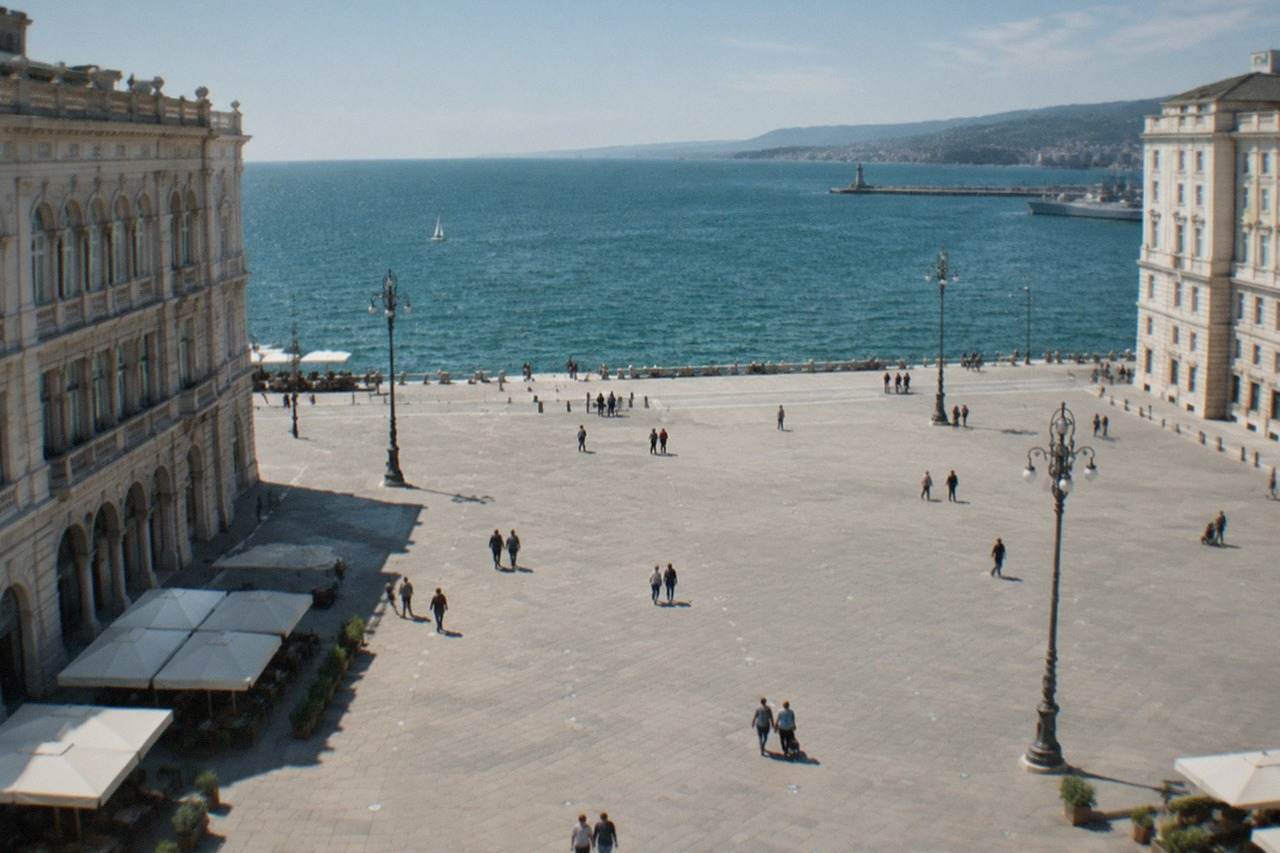
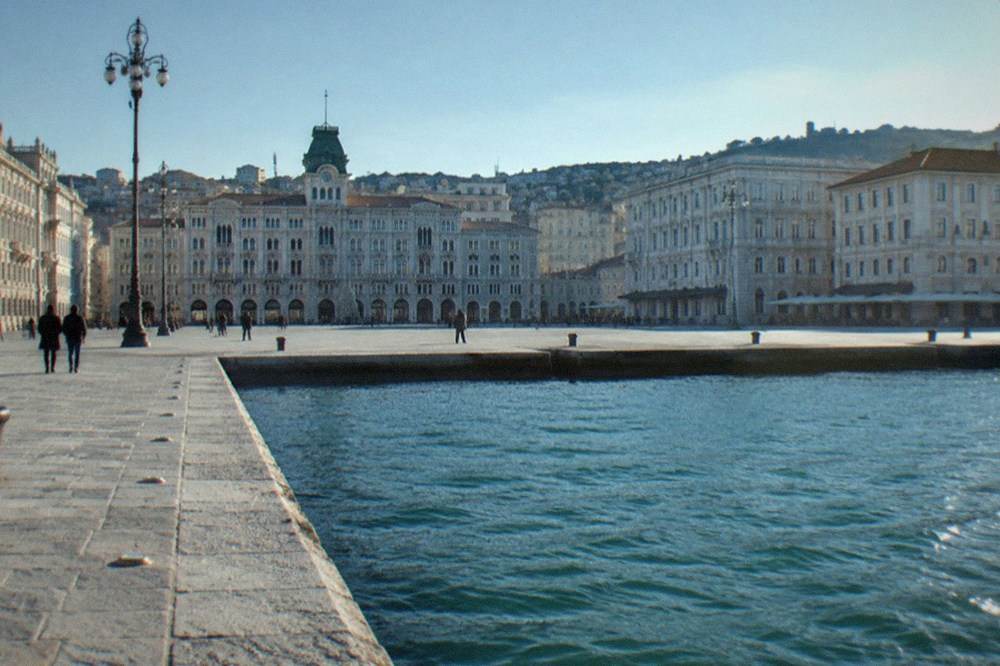
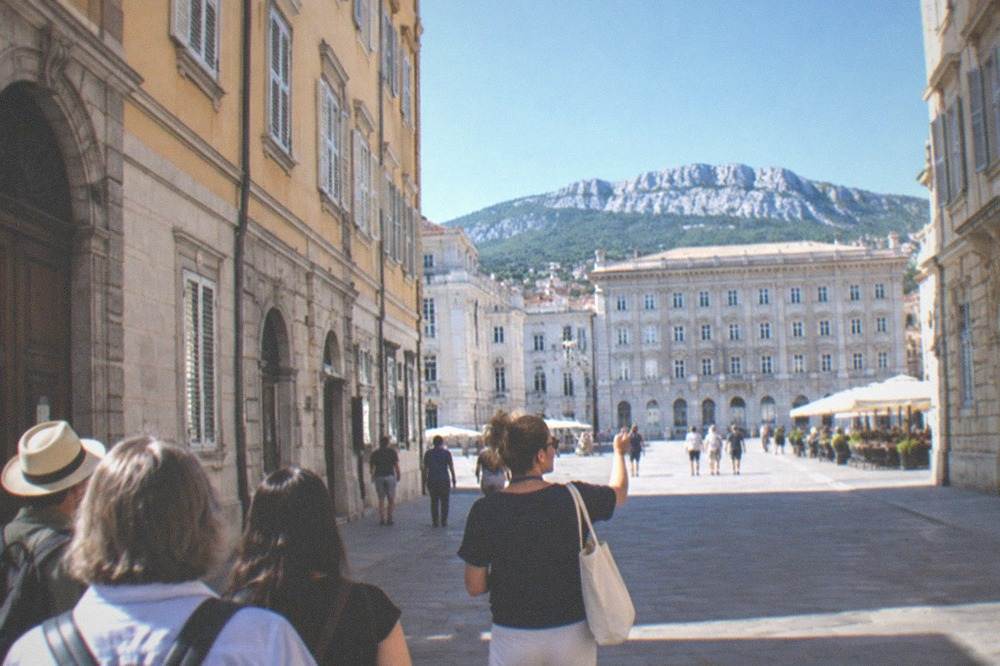
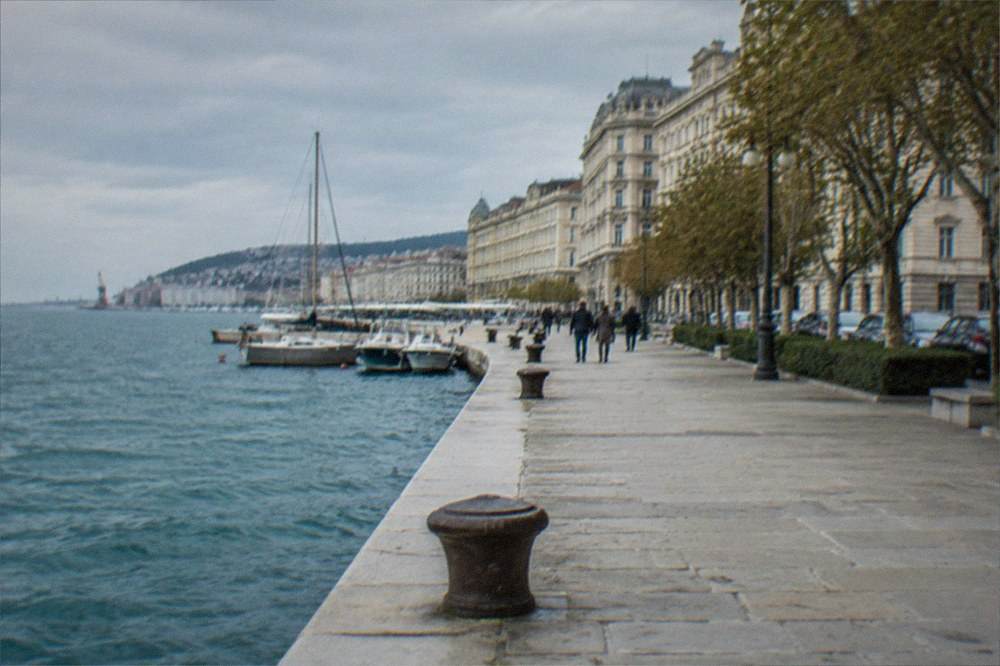
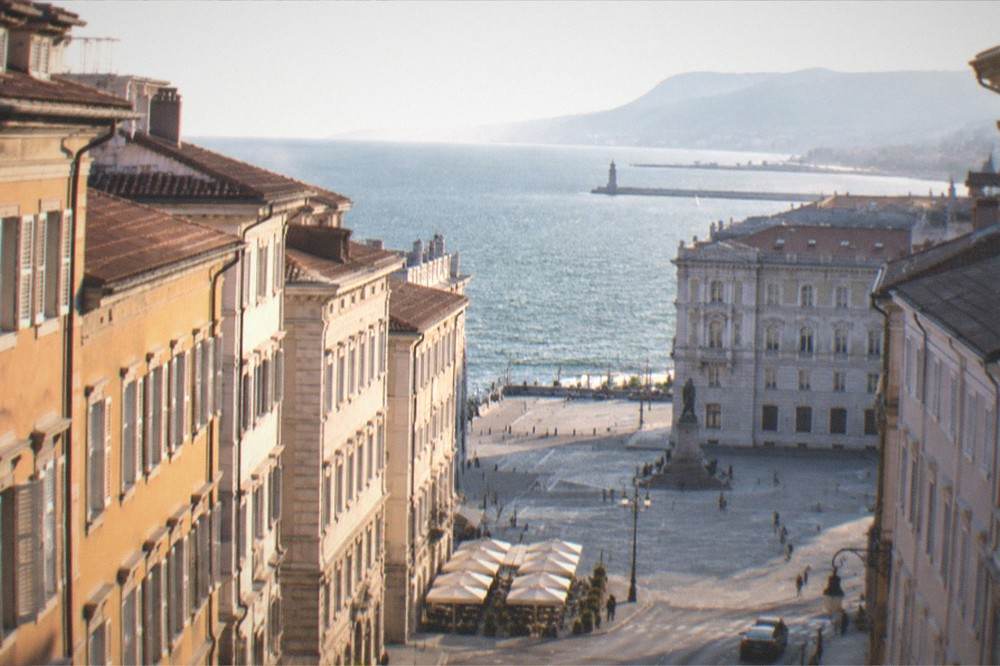
Start on the sea, because Trieste does. Piazza Unità d'Italia is the largest seafront square in Italy, three sides of Habsburg government buildings opening straight onto the gulf, and it is the city's signature view. From its corner you can walk out onto the Molo Audace, the old pier named after a ship, which puts you standing on the water with the whole waterfront behind you.
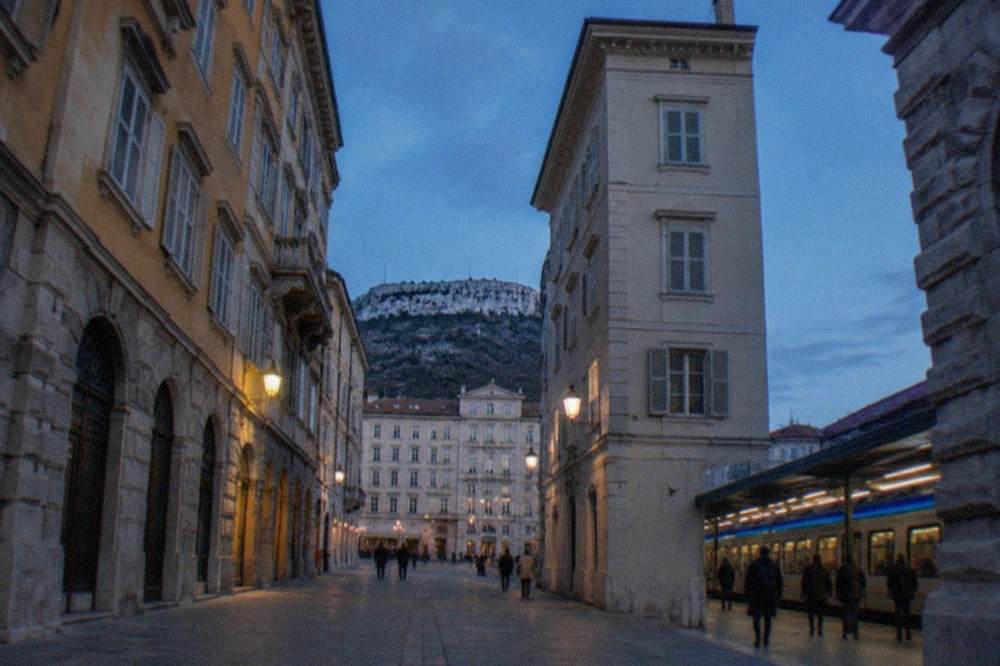
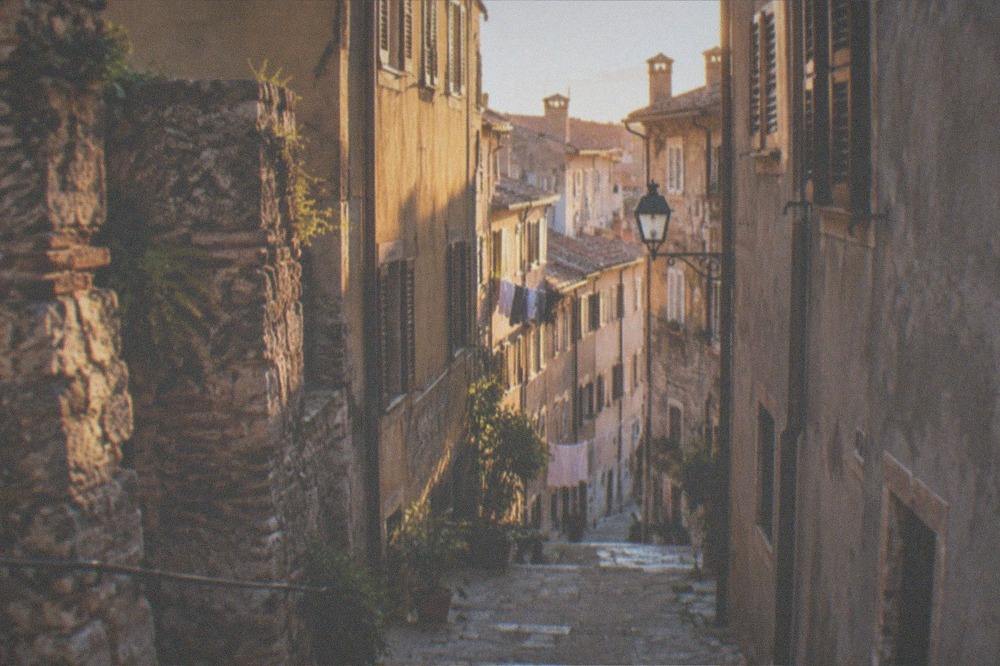
From the square, the Borgo Teresiano grid leads north to the Grand Canal of Trieste, a short straight waterway lined with churches and cafés, and then uphill into the Città Vecchia, the old town of Roman origins that climbs toward the castle hill. The lanes of the old town repay a slow wander, and the Roman theatre sits on the slope below the hill: importantly, you look down into it from the street, it is not routinely open to walk inside, so plan a viewing stop rather than an entry.
The hill is the climax. The Castello di San Giusto, the Civico Museo del Castello, the Lapidario and the Cattedrale di San Giusto sit together above the old town, and the castle ticket covers the walls, the bastions with their view over the gulf, the museum and the temporary exhibitions. Our San Giusto Castle and Hill guide gives the full picture. Entry to the cathedral itself is free; the parish, which runs it, publishes its visiting hours on its own site and asks visitors to avoid Mass times, and no verified price exists for the bell tower, so treat any figure you see elsewhere with suspicion.
Miramare is the add-on that justifies the long day. The white castle built for Archduke Maximilian sits on a promontory up the coast at Grignano, reachable by local transport or a short taxi ride, and the Miramare Castle guide covers tickets, the park and the marine protected area around it. If the weather turns, the indoor alternatives are real: the Revoltella Museum of modern art, the Museo Sartorio, and the plan in our rainy-day itinerary.
How Much Does a Day in Trieste Cost?
A day in Trieste costs very little at entry level: the seafront, the old town, the cathedral, the Risiera di San Sabba national monument and Miramare's park are all free, the Castello di San Giusto is €7, Museo Revoltella is €8, Miramare Castle is €17, and Grotta Gigante is €15 with a guided tour, so a full sightseeing day runs from €0 to roughly €17 per paid sight, plus urban bus tickets at €1.50 to €1.85 each.
The venue-published entry prices for 2026 are below, straight from the operators' own tariff pages.
| Sight | Adult entry | Reduced | Notes from the venue's own page |
|---|---|---|---|
| Castello di Miramare (castle) | €17.00 | €7.00 (EU 18-25, with exhibition) or €2.00 (castle only) | Includes temporary exhibition; open daily 9:00-19:00, last admission 18:30 |
| Miramare park | Free | Free | Open daily, seasonal hours, April-September 8:00-19:00 |
| Castello di San Giusto | €7.00 | €5.00 | Covers walls, museum, Lapidario, exhibitions; free first Sundays and 3 November |
| Cattedrale di San Giusto | Free | Free | Bell tower price not published by the parish |
| Museo Revoltella | €8.00 | €6.00 | Daily 10:00-19:00, closed Tuesdays |
| Risiera di San Sabba | Free | Free | Daily; groups must book March-May |
| Grotta Gigante | €15.00 | €12.00; children 6-18 €8.00 | Guided tours only, booking compulsory |
Getting around inside the city is cheap. Trieste Trasporti's 2026 urban tariff sheet, published on the operator's own site, sets the fares below, and contactless bank cards can be tapped on board with the system applying the cheapest applicable fare.
| Ticket (Trieste urban network, 2026) | Price |
|---|---|
| Single, 60 minutes | €1.50 |
| Single, 75 minutes | €1.85 |
| Day ticket | €3.35 |
| 10 rides | €13.50 |
| 20 rides | €16.65 |
One cost that surprises Venice visitors is the tourist tax, but it only bites if you stay overnight, and a true day trip never pays it. For completeness, the Comune's own 2026 rate table charges €3.80 per person per night in a 5-star hotel, €3.30 in a 4-star, €3.00 in a 3-star, €2.30 in a 2-star, B&B Superior, hostel or short-let, €2.00 in a B&B Comfort, €1.80 in a 1-star or B&B Standard and €1.50 at campsites, for a maximum of five consecutive nights, with everyone under 18 exempt. If the day trip tempts you into an overnight, our where-to-stay and trip-cost guides pick the story up from there.
There is also a free-entry scheme worth knowing about. Italy's culture ministry runs a first-Sunday-of-the-month free-entry initiative at participating state museums through 2026, and Miramare takes part: on those Sundays the castle is free, and the park is free every day anyway. The scheme's rules have changed more than once in recent years, so confirm the specific month on the venue's own event page before you plan the day around it, and never trust a blog that prints an exact free date without pointing at the venue.
Should You Book a Guided Tour or Explore Trieste Solo?
Trieste is walkable enough to explore solo, but the tours that earn their price on a tight day are a private walking tour with a local guide from about $56 per person, a foodie walking tour from $71.08 with 264 reviews, and a pre-booked Miramare entry ticket from about $21 that skips the ticket-office queue, while the free option is a GuruWalk pay-what-you-want city walk that costs nothing up front and is tip-based.
The case for a guide is time. A day-tripper has perhaps eight usable hours, and a two-hour orientation walk with a local compresses the Habsburg history, the coffee culture and the layout of the old town into a single morning block. The roster of verified tours gives you the real options with the numbers the operators publish.
| Tour | Kind | From (per person) | Rating | Length |
|---|---|---|---|---|
| Trieste: Guided Foodie Walking Tour | Food tours | $71.08 | 4.9 from 264 reviews | 3 hours |
| Trieste: City that will definitely surprise you | Guided walking | $68.79 | 4.97 from 106 reviews | 2h 30m |
| Trieste Private Walking Tour with a Local | Guided walking | $56.05 | 4.6 from 94 reviews | 2-6 hours |
| Trieste: 2-Hour Private Walking Tour | Guided walking | $206.36 per group up to 10 | 4.9 from 98 reviews | 2 hours |
| Trieste Historic Cafés Experience | Coffee houses | $74.52 | 4.9 from 19 reviews | 3 hours |
| Trieste Scavenger Hunt Self-Guided Walk | Self-guided | $4.67 | 4.6 from 28 reviews | 2 hours |
| Discover Trieste on a walking tour (GuruWalk) | Free walk | Free, tip based | 4.86 from 50 reviews | Varies |
The free walk deserves a plain word because it is genuinely free, not "free" with an asterisk. GuruWalk runs a pay-what-you-want model: the walk costs nothing up front, you tip the local guru at the end what you think it was worth, and the platform and the individual guru are named here precisely because that is the honest way to describe it. The free walking tours in Trieste page explains the model in detail.
For the castle, the pre-booked ticket is the day-tripper's friend. The Miramare entry ticket with an audio app lists from $20.64 and carries 881 reviews on the operator's live listing, and there is a bare entrance ticket from $29.19 as well; the venue's own page sells the castle at €17 with optional online booking, so compare before you pay. If you would rather have a human being, a private Miramare castle and park tour listing starts at $93.42 per group.
Can You Extend the Day Beyond Trieste, Into Slovenia or the Karst?
Yes, and it is the best reason to pick Trieste over other day trips from Venice, because the Slovenian border sits at the city's edge and organized excursions run from Trieste to Ljubljana and Lake Bled from $108.91, to the Postojna Cave and Predjama Castle from $137.57, and along the Slovenian coast with food and wine from $137.57, though you must carry a passport or ID card because Italy is running temporary checks on that land border until 18 December 2026.
The border facts first, because a confident-sounding blog gets them backwards. Italy, Slovenia and Croatia all use the euro, so there is no money to change anywhere on this route, and all three are in the Schengen area: Croatia joined Schengen and adopted the euro on the same day, 1 January 2023, and Slovenia has been in both since 2007. But Schengen does not currently mean "no checks" on this particular border: the European Commission's register of temporary internal border controls lists Italy running checks on its land borders with Slovenia from 19 June 2026 to 18 December 2026. Carry a passport or national ID card, write the requirement down as temporary and dated, and check the register before you travel.
The organized options from Trieste are the practical way to do a cross-border extension when your time is capped. The Ljubljana and Lake Bled day trip departs Trieste with round-trip transport and a guided tour in Italian and English, lists from $108.91 and carries 544 reviews at 4.69 on the operator's live listing. It is the single most-reviewed cross-border excursion from the city, and the full write-up is on our Trieste to Ljubljana page.
Closer to town, the Karst caves are the other classic extension. Grotta Gigante, in Sgonico on the Italian side of the plateau, runs guided tours only with compulsory booking, at €15 for adults, and it is closed on Mondays from September to February, so a day-tripper landing on the wrong weekday finds it shut. The operator-listed Grotta Gigante guided tour with museum entry starts at $17.20, and the Grotta Gigante guide covers the whole visit. Across the border, the Postojna Cave and Predjama Castle excursion from Trieste lists from $137.57 with 543 reviews.
The coastal option is the quietest and, for many visitors, the best. A Slovenian coast tour with food and wine tasting from Trieste lists from $137.57, runs about five and a half hours and carries a 4.98 rating from 50 reviews, threading the Istrian coast towns that most Venice-based travellers have never heard of. The Trieste to Piran page covers the independent version, and the wider menu of options is in our day trips from Trieste round-up.
When Is the Best Season for a Venice to Trieste Day Trip?
The best months for a Venice to Trieste day trip are May, June, September and early October, when mean daily highs run from about 22 to 28 degrees, the sea is at its warmest late in the summer, and the city's driest months coincide, while July is surprisingly one of the driest months of all at 53.8 mm of rain, and November is the one to avoid, being the wettest at 109.8 mm.
The climate numbers below come from ARPA FVG's own station tables for Trieste molo Fratelli Bandiera, the regional weather agency's waterfront station, series 1995-2024. They contradict the Mediterranean stereotype in two directions at once: Trieste is wetter than visitors expect in autumn, and its summer is drier.
| Month | Mean high °C | Rain mm | Wet days | Mean sea °C |
|---|---|---|---|---|
| March | 13.0 | 52.8 | 6.1 | 11.6 |
| April | 16.8 | 60.7 | 8.0 | 14.0 |
| May | 21.7 | 75.0 | 8.5 | 17.9 |
| June | 25.8 | 62.5 | 6.1 | 23.1 |
| July | 28.2 | 53.8 | 5.4 | 25.9 |
| August | 28.1 | 71.7 | 6.6 | 25.9 |
| September | 23.9 | 102.3 | 7.4 | 23.9 |
| October | 19.6 | 88.6 | 7.6 | 20.3 |
| November | 14.7 | 109.8 | 9.5 | 16.8 |
The wind is the other seasonal factor, and Trieste's bora is famous enough that it deserves accurate treatment. The bora blows from the east-north-east down off the Karst plateau, and ARPA's station tables show 17.6 days a year on average with a gust over 90 km/h and 49 days over 72 km/h, with the all-time peak gust in the series at 168.1 km/h in February 2012. No official wind threshold exists at which the seafront closes or ferries stop, so do not believe any blog that prints one; the practical version is that winter days can be sharp and brilliant, and the seafront in a bora is a spectacle in itself.
One dated reason to pick October: the Barcolana. The 58th edition of the world's largest sailing race, by entry, runs 2-11 October 2026, with the main regatta on Sunday 11 October over a 13-nautical-mile course in the gulf. The record entry stands at 2,689 boats from the 2018 edition, and the regatta finishes off Piazza Unità d'Italia, which means the seafront you came to photograph is ringed with sails. The best time to visit Trieste page weighs season against crowd.
How Does Trieste Compare to Venice as a Day Out?
Trieste beats Venice on cost, space and pace: entry to its headline square, pier, cathedral and seafront is free, a coffee at a historic café costs a fraction of a St Mark's Square cover charge, and the city absorbs visitors without the crowding that defines Venice, while Venice wins decisively on monument density and the sheer uniqueness of its setting, so the two are complements, not competitors.
The comparison is worth making honestly because most people asking about a Venice to Trieste day trip are really asking whether the day is "worth it" against more time in Venice. The head-to-head is argued in full on our Trieste vs Venice page, but the short version for a day-tripper is this: Venice is a city you have already read about a thousand times, and Trieste is a city most first-time visitors arrive knowing almost nothing about. The Habsburg seafront, the coffee houses, the jota soup and the osmize farm taverns of the Karst are not lesser versions of anything Venetian. They are a different country's inheritance, in every sense, given that the border is a bus ride away.
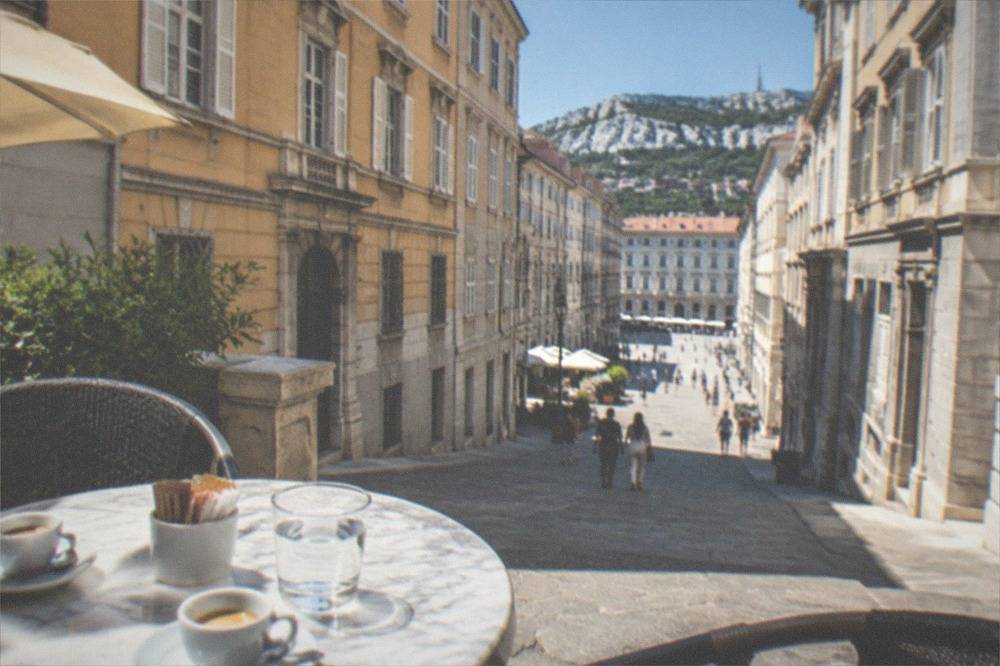
Food is the tiebreaker for a lot of day-trippers, and Trieste's is a genuine hybrid: Mediterranean seafood beside Central European soups, cured meats and strudel. The what to eat in Trieste guide covers the specifics, and a guided foodie walk from $71.08 compresses the tasting into three hours, which matters when your train leaves at eight. Coffee is the city's civic religion, with historic cafés that predate the unification of Italy and a roasting industry headquartered here; the Trieste coffee culture page tells that story without inventing the per-head consumption figures that circulate elsewhere, because no primary source for them exists.
Common Questions About a Venice to Trieste Day Trip
Is a Venice to Trieste day trip worth it?
Yes, if you want contrast rather than more of the same. Trieste is a Habsburg Adriatic port with a free seafront, a compact walkable centre and a food and coffee culture that has nothing to do with Venice, and it is reachable by direct train. It is a long day, so it suits travellers who like an early start.
How do I get from Venice to Trieste for a day trip?
Direct rail services link Venice and Trieste Centrale, including high-speed Frecciarossa trains on the coastal corridor, and the station sits at the edge of the centre. Check Trenitalia's own site for the current timetable and fare on your date, as both vary by service and season.
What are the must-see places in Trieste if I only have one day?
Piazza Unità d'Italia, the Molo Audace pier, the Grand Canal, the Città Vecchia old town, and the Castello di San Giusto with the cathedral on the hill above it. If hours allow, add Miramare Castle up the coast; the park is free and the castle is €17.
Can you visit Slovenia from Trieste on a day trip?
Yes. Slovenia's border is at the city's edge, organized tours run from Trieste to Ljubljana, Lake Bled, Piran and Postojna, and all three countries use the euro. Carry a passport or national ID card, because Italy is running temporary checks on that land border until 18 December 2026.
Is Trieste expensive for a day trip?
No. The seafront, old town, cathedral, Risiera di San Sabba and Miramare's park are free, the big paid sights run from €7 to €17, and a day ticket on the urban bus network is €3.35. A day trip also avoids the tourist tax, which only applies to overnight stays.
What is the best time of year for a Venice to Trieste day trip?
May, June, September and early October, when highs run from about 22 to 28 degrees and rain is moderate. July is one of the driest months at 53.8 mm, and November is the wettest at 109.8 mm, so autumn's end is the one stretch to avoid.
The practical close: leave Venice early, ride the coast, walk the seafront before the cafés fill, spend the afternoon on the hill or up at Miramare, and keep the Slovenian extension in your pocket for the next trip. The full planning menu, from rail routes to overnight options, is on Trieste Travel Guide, and the Trieste itinerary planner turns everything on this page into a day-by-day plan.