What Is the Best Month to Visit Trieste?
The best month to visit Trieste, Italy, judged on ARPA's own station data: rain, sea temperature, wind and events, month by month.
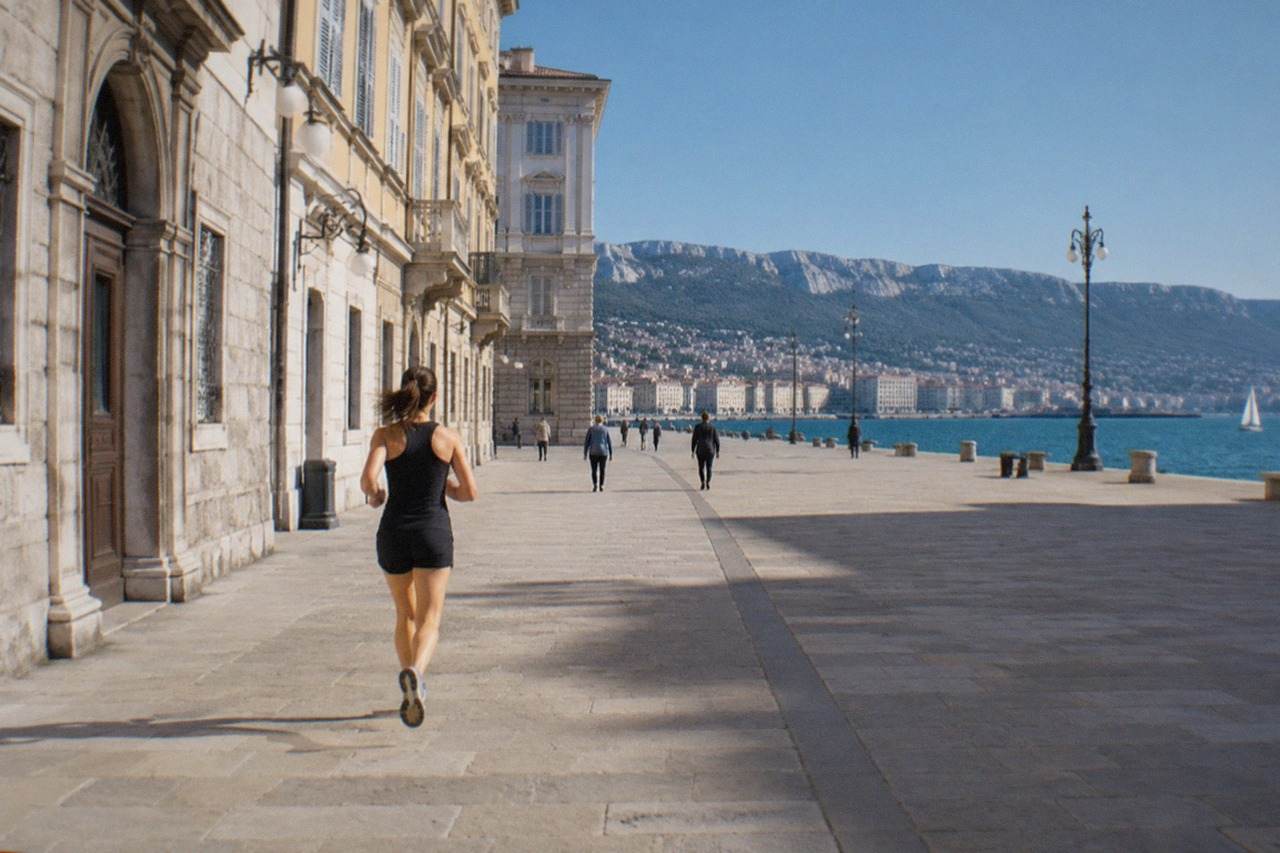
Trieste, the Adriatic port city in Friuli Venezia Giulia in the northeast corner of Italy, rewards a well-timed visit more than most Italian cities, because its two defining conditions, the sea and the bora wind, swing hard between seasons. ARPA FVG's own station tables for the molo Fratelli Bandiera, covering 1995 to 2024, show a city where July is one of the driest months of the year, November is the wettest, and the wind record exceeds 110 km/h in every single month. The best month to visit Trieste is therefore a question with a real answer, and the data points to early autumn, with June the pick of the summer months.
What Is the Best Month to Visit Trieste?
September is the single best month to visit Trieste in Italy, followed closely by October and June. September averages 23.9 C mean air temperature, its sea temperature of 23.9 C matches the late-summer peak, and its 102.3 mm of rain, while second only to November, falls mostly outside the swimming hours. June is the calmest month for wind, with just 0.3 days a year carrying a gust over 90 km/h, and July is the second-driest month at 53.8 mm.
The reasoning behind that ranking comes straight from the station record. Summer in Trieste is drier than almost any month people associate with "rainy northern Italy": July's 53.8 mm sits below January and March at 52.8 mm each, and only the autumn months climb above 88 mm. The wettest month is November at 109.8 mm, with September second at 102.3 mm, so the rain here is an autumn problem, not a summer one, and any guide describing Trieste as rainy in summer is reading the wrong table.
The wind matters as much as the rain. The bora, the cold east-north-easterly that drops off the Carso plateau, averages 49.0 days a year with a gust over 72 km/h and 17.6 days over 90 km/h at the molo station. June is the calmest month on record, July carries more gale days than April, May or June, and the monthly record gust exceeds 110 km/h in every month of the year, with the all-time peak of 168.1 km/h measured in February 2012. There is no published wind threshold at which the seafront closes or ferries stop, so plan around forecasts, not folklore.
For a deeper breakdown of every month, read the month-by-month Trieste weather guide, and for what the city actually offers once you arrive, start with what Trieste is famous for.
How Does Trieste's Weather Change Month by Month?
Trieste's climate runs from a January mean of 7.1 C with 52.8 mm of rain to a July and August mean of 25.2 C, with the wettest months arriving in autumn: September at 102.3 mm and November at 109.8 mm. The annual mean air temperature is 15.9 C across 867.1 mm of rain and 86.1 wet days, and 18.8 days a year reach over 30 C, almost all of them in July and August.
ARPA's waterfront station, at 1 m above sea level on the molo Fratelli Bandiera, is the source for every figure here, and it tells a different story from the generic "northern Adriatic" label. Spring is mild and moderately wet, with March at a 10.4 C mean and April at 14 C. Summer is warm rather than baking: mean highs of 28.2 C in July and 28.1 C in August, cooled by the sea. Then autumn arrives and the rain does too, with October at 88.6 mm before November peaks the year.
| Month | Mean high C | Mean C | Rain mm | Wet days | Days over 30 C |
|---|---|---|---|---|---|
| January | 9.2 | 7.1 | 52.8 | 6.6 | 0 |
| February | 9.8 | 7.4 | 59.7 | 6.6 | 0 |
| March | 13.0 | 10.4 | 52.8 | 6.1 | 0 |
| April | 16.8 | 14.0 | 60.7 | 8.0 | 0 |
| May | 21.7 | 18.8 | 75.0 | 8.5 | 0.1 |
| June | 25.8 | 23.1 | 62.5 | 6.1 | 2.5 |
| July | 28.2 | 25.2 | 53.8 | 5.4 | 7.2 |
| August | 28.1 | 25.2 | 71.7 | 6.6 | 8.5 |
| September | 23.9 | 21.2 | 102.3 | 7.4 | 0.5 |
| October | 19.6 | 17.1 | 88.6 | 7.6 | 0 |
| November | 14.7 | 12.5 | 109.8 | 9.5 | 0 |
| December | 10.7 | 8.5 | 77.4 | 7.7 | 0 |
One point worth fixing in advance: September's high rainfall figure does not make it a bad month. The 102.3 mm falls across 7.4 wet days, the sea is at its warmest after months of summer heating, and the mean air temperature of 21.2 C is close to May's, but with warmer water. The rain in Trieste concentrates into fewer, heavier events than in a truly Atlantic climate.
Whatever month you choose, a private guide makes the first day count. The private guided tour of Trieste runs about 2.5 hours for a group of up to 10 and is rated 5 from 115 reviews on the operator's live listing. Check availability
Which Months Are Best for Swimming in Trieste?
The sea off Trieste is warmest in July and August at 25.9 C, holds 23.9 C through September and still carries 23.1 C in June, so the swimming season runs June to early October with September the sweet spot: water as warm as June but air temperatures falling from the August peak. February is the coldest water month at 10.5 C, and the annual mean sea temperature is 17.9 C.
The sea figures come from a different source than the land ones: an ocean reanalysis series rather than the molo's own instruments, so treat the two sets as complementary rather than one dataset. The pattern, though, is well established and matches what swimmers at Barcola and the Pedocin report year after year: the sea warms fast through spring, peaks in high summer, and then holds its heat into September while the air cools, so late-summer water is warmer than early-summer water even at similar air temperatures.
| Month | Sea temperature C | Days gust over 72 km/h | Days gust over 90 km/h |
|---|---|---|---|
| January | 11.6 | 5.5 | 2.4 |
| February | 10.5 | 6.0 | 2.9 |
| March | 11.6 | 4.9 | 2.1 |
| April | 14.0 | 3.5 | 0.7 |
| May | 17.9 | 2.7 | 0.7 |
| June | 23.1 | 2.2 | 0.3 |
| July | 25.9 | 3.3 | 0.9 |
| August | 25.9 | 2.9 | 0.9 |
| September | 23.9 | 3.5 | 1.1 |
| October | 20.3 | 4.0 | 1.4 |
| November | 16.8 | 5.2 | 1.9 |
| December | 13.6 | 5.3 | 2.3 |
The wind columns explain why June feels calmer than the raw temperature suggests. With only 0.3 days a year carrying a gust over 90 km/h, June is the quietest month in the entire record, and the bora that can flatten the Rive in February is a rarity on a June afternoon. For where to actually get in the water, the city's own seafront and its historic bathing establishment are covered in the guide to swimming in Trieste.
When Is the Bora at Its Strongest in Trieste?
The bora is strongest and most frequent from November to March, peaking in February, which averages 2.9 days a year with a gust over 90 km/h and holds the all-time station record of 168.1 km/h, set in February 2012. Every month of the year has recorded a gust above 110 km/h, and the calmest month is June at 0.3 days over 90 km/h, so winter visitors should pack for wind, not just cold.
The bora is a katabatic wind: cold air pools over the Carso plateau behind the city and then pours down the escarpment onto the gulf, gusting hardest along the waterfront and the exposed stretches of the Rive. ARPA's regional wind sheet describes gusts that largely exceed 100 km/h, with values above 140 km/h recorded in the Trieste coastal zone in the last twenty years. The station table puts the average at 49.0 days a year over 72 km/h and 17.6 days over 90 km/h. The wider set of guides lives on Trieste Travel Guide.
No official threshold exists at which the seafront closes, ferries stop or events are cancelled, and any number claiming to be one is invented. What the record does show is that a winter visit can be glorious between episodes: February's mean high is 9.8 C, and the same wind that clears the sky of cloud is what makes bora days so visibly dramatic. The dedicated bora wind guide covers how the city lives with it.
What About Crowds, Events and Prices by Season?
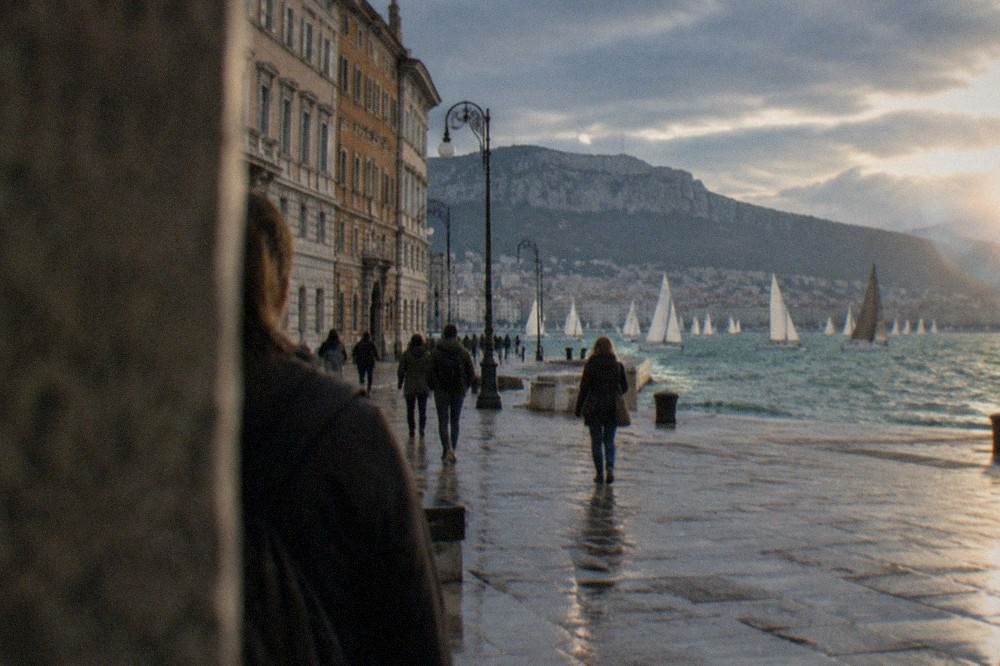
October is the events month in Trieste: Barcolana 58 runs from 2 to 11 October 2026, with the main regatta on Sunday 11 October over a 13-nautical-mile course in the gulf, and the 2018 edition set the record at 2,689 boats. Outside that week, the shoulder months of May, June and September combine the best weather with the fewest crowds, and the free first-Sunday museum scheme runs through 2026 at participating state sites.
Barcolana is the single biggest date on the city's calendar and a genuine reason to visit in October, when the mean air temperature is still 17.1 C. The regatta's record entry of 2,689 yachts in 2018 earned a Guinness World Record as the largest sailing race in the world, and the 2025 edition drew 1,865 boats, the highest since 2019. The whole waterfront becomes a village for the week, and the wind statistics explain why organisers embrace the blustery shoulder season: October averages 1.4 days a year with a gust over 90 km/h.
For budget and crowd planning, the practical pattern is this. July and August bring the warmest sea, 8.5 days over 30 C in August, and the thinnest crowds Trieste ever has, because this is not a mass beach resort. November through February bring rain, wind and the lowest prices, with the Christmas market as the one bright spot. May, June, September and early October sit in the sweet spot on all three measures. The Trieste on a budget guide breaks down costs, and how many days you need in Trieste covers pacing.
Which Month Should You Actually Pick for Trieste, Italy?
Pick September for the best all-round conditions in Trieste: sea at 23.9 C, air at a 21.2 C mean and the summer crowds gone. Pick June if you want the calmest wind of the year, 0.3 days over 90 km/h, pick October if Barcolana is the point of the trip, and pick July or August for the warmest water at 25.9 C. Avoid November if rain matters most to you, at 109.8 mm the wettest month in the station record.
Two practical notes sharpen the choice. First, the border: if your trip includes a day into Slovenia, Italy is running temporary checks on the land border with Slovenia through 18 December 2026 per the European Commission's register, so carry a passport or national ID card even though both countries are in Schengen and the euro. Second, the shoulder seasons are when the city's indoor life, the historic caffè culture and the museums, is at its most alive, because that is when Trieste behaves like the Central European city it was built to be.
Common Questions About Visiting Trieste
What is the best month to visit Trieste?
September is the best month to visit Trieste in Italy: the sea is still at 23.9 C, the mean air temperature is a comfortable 21.2 C, and the summer peak has passed. June is the best early-summer choice, with the calmest wind of the whole station record, and October is best if you want to see the Barcolana regatta.
Is Trieste rainy in summer?
No. July is the second-driest month of the year at 53.8 mm, behind only January and March at 52.8 mm each. The rain in Trieste is an autumn phenomenon: September averages 102.3 mm and November 109.8 mm, the wettest month of the year.
When is the bora strongest in Trieste?
The bora is strongest and most frequent from November to March, peaking in February, which averages 2.9 days a year with a gust over 90 km/h and holds the all-time record of 168.1 km/h from February 2012. June is the calmest month, at 0.3 days over 90 km/h.
What is the warmest month in Trieste?
July and August tie for the warmest, each with a mean air temperature of 25.2 C and mean highs of 28.2 C and 28.1 C. August has the most days over 30 C, at 8.5 on average, against 7.2 in July.
When can you swim in Trieste?
The sea off Trieste is warmest in July and August at 25.9 C and holds 23.9 C through September, with June at 23.1 C. The practical swimming season runs from June to early October, and September offers warm water with fewer people.
Is October a good month to visit Trieste?
Yes. October has a mean air temperature of 17.1 C, the sea is still at 20.3 C, and Barcolana, the world's largest sailing race by entry record, runs its main regatta on Sunday 11 October 2026. It sits inside the windy shoulder season, so pack a layer for the bora.
Whatever month you settle on, Trieste is a city that repays timing: the same seafront that is flat and swimmer-friendly in June is a spectacle of spray in February, and the same piazza that is quiet in November hosts the largest sailing race in the world eleven months of the year later.