Accessible Trieste, Italy: A Practical Guide for Wheelchair Users and Slow Walkers
Trieste, Italy's Adriatic port city, is unusually kind to slow walkers: a compact flat centre, a long level seafront and a transport network that takes contactless cards. Here is what the official sources say about getting around with limited mobility.
Short answer
Trieste's core is compact and largely flat, its seafront is level, urban tickets cost €1.50-€1.85 and can be tapped on board, and the main museums publish step-relevant details on their own pages. The hills of the Carso and the cave attractions are the exceptions, and this guide separates the two.
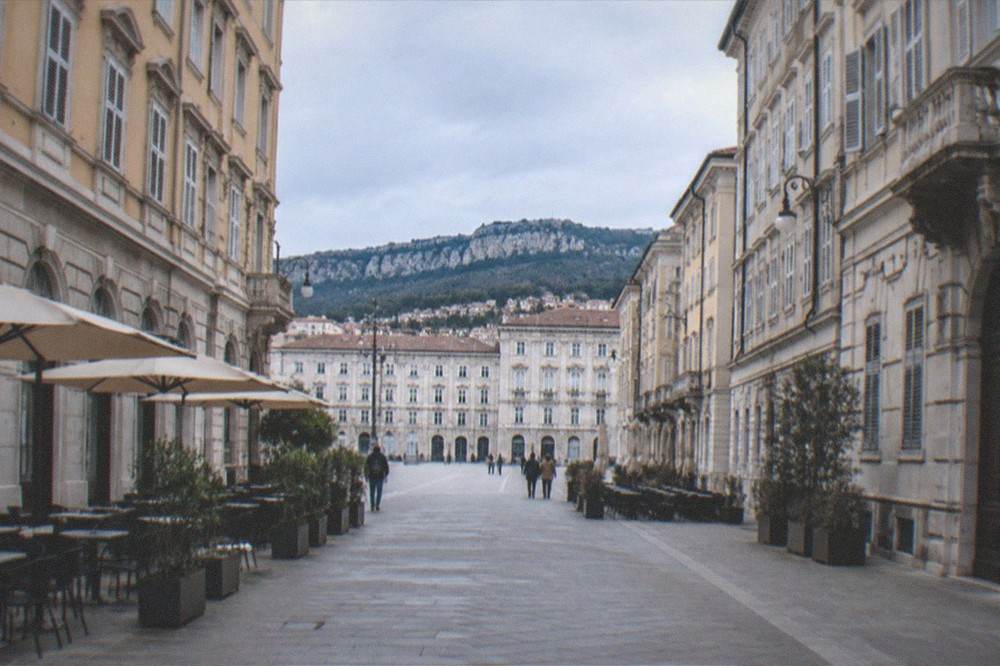
Trieste, the Adriatic port city in Friuli Venezia Giulia in the north-east corner of Italy, is one of the more forgiving mid-sized Italian cities for visitors with limited mobility. The heart of it sits on flat reclaimed land beside the sea, the great Habsburg square of Piazza Unità d'Italia opens straight onto a level waterfront, and the whole borgo Teresiano grid of that era runs on straight, regular streets. The catch is the geography at the edges: the city climbs fast onto the Karst plateau, the historic Città Vecchia is a hill of stepped lanes, and the region's famous cave attractions involve descents no wheelchair can manage. This guide separates what the official sources confirm is workable from what needs a phone call, and it names the numbers that are actually published.
Is Trieste in Italy a Realistic Destination for Wheelchair Users and Slow Walkers?
Yes, with a clear boundary: the flat central districts are genuinely workable, while the hills, the old-town lanes and the Karst caves are not. Trieste's borgo Teresiano and its seafront are built on level reclaimed ground with regular street grids, its main museums publish their own access details, and its urban transport accepts contactless cards on board. The limitations are concentrated and predictable, which is what makes planning possible.
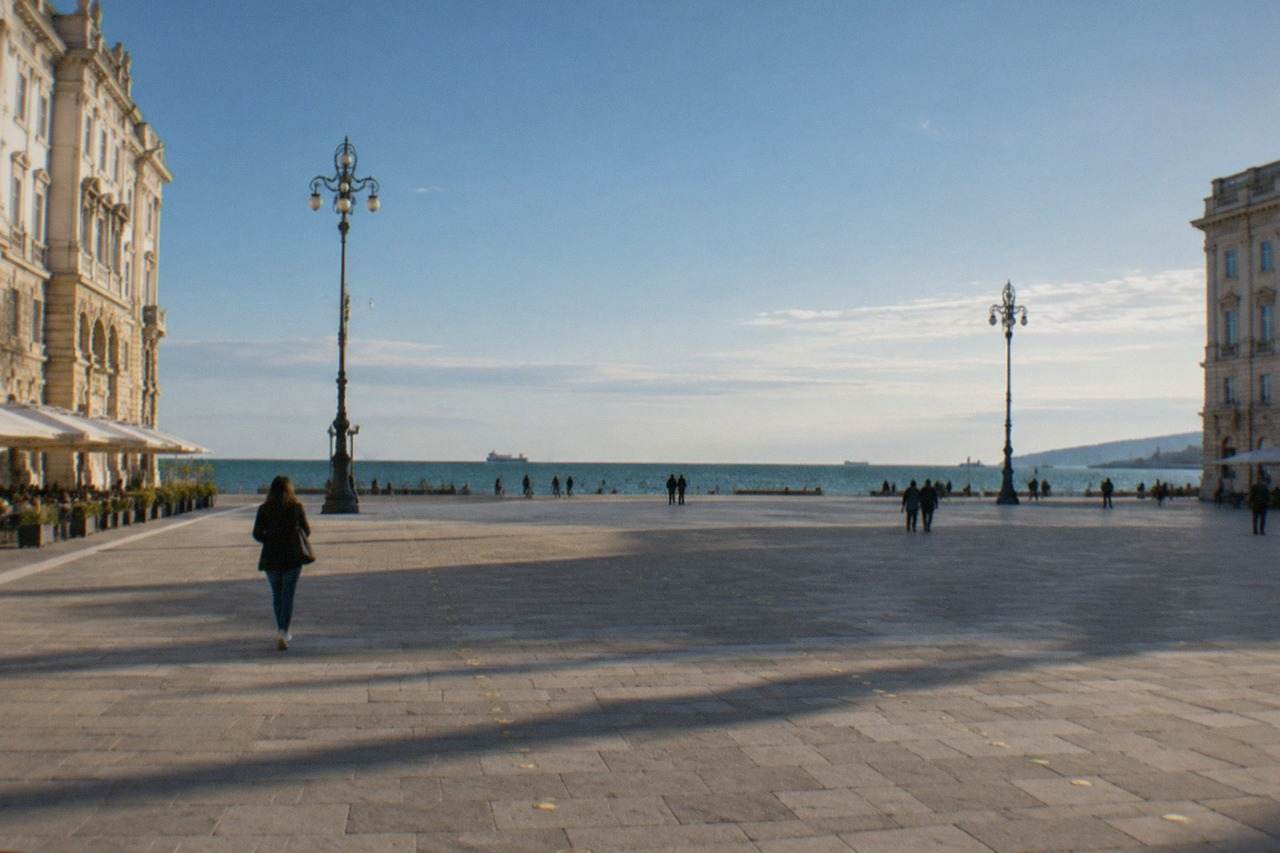
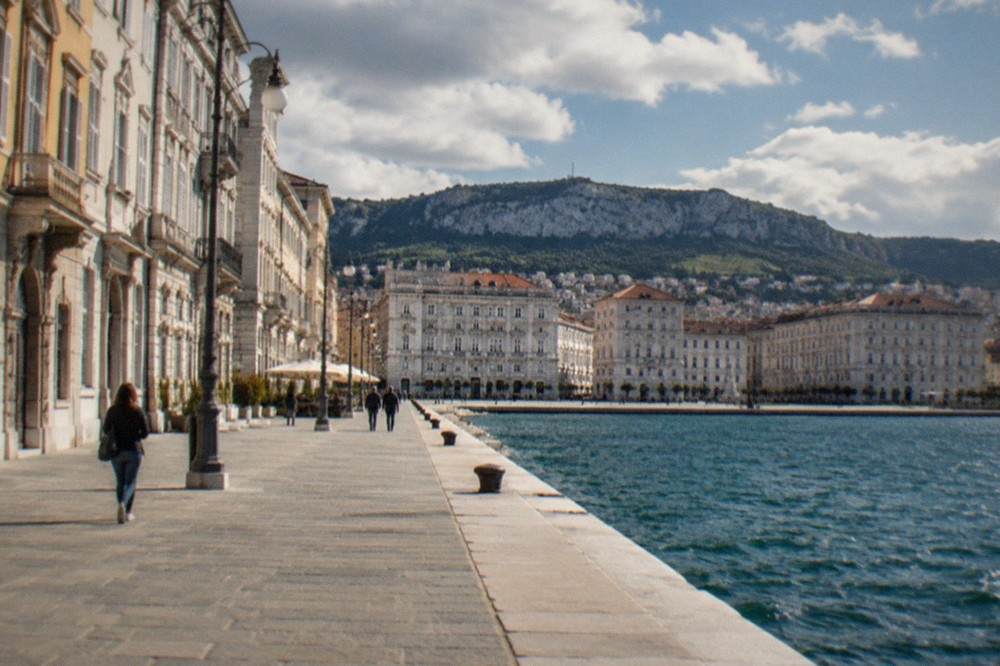
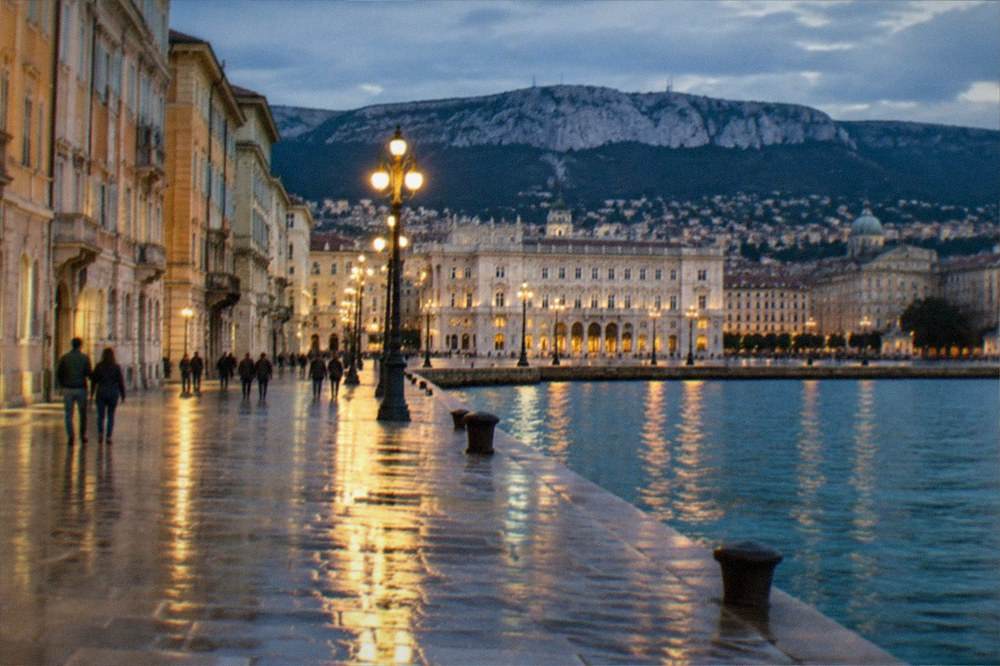
The honest framing is this: Trieste rewards visitors who spend their time on the flat, and it does not pretend otherwise. The seafront promenade along the Rive is long and level, Molo Audace is a straight pier out over the water, and the Grand Canal runs through the middle of the grid with flat quays on both sides. The 2026 urban tariff sheet from Trieste Trasporti lists single tickets at €1.50 for 60 minutes and €1.85 for 75 minutes, with contactless Mastercard, Visa and American Express accepted on the "Eva" readers on board, so there is no ticket-machine fumbling at a stop.
What the city cannot offer is step-free access to everything. Città Vecchia, the old town behind Piazza Unità d'Italia, rises up the hill of San Giusto in a network of lanes and steps. The Roman theatre is viewed from the street above, per the Ministry of Culture's page for the monument, not entered. And the region's headline caves, Grotta Gigante among them, are guided-only visits involving a descent on foot. None of that is hidden; it just needs to be planned around, and the rest of this guide does exactly that.
How Accessible Are Trieste's Main Museums and Sights?
Most of the headline state and civic museums are ground-floor friendly and publish their conditions, but each has a specific quirk: Museo Revoltella closes on Tuesdays, Castello di San Giusto closes on Mondays from 12 October, Miramare's castle and park keep separate hours, and Grotta Gigante requires compulsory booking and a descent on foot. Cathedral entry is free, and the Risiera di San Sabba is free with no booking for individuals.
The published figures below come from each venue's own site, checked in September 2026. Treat them as the planning baseline and confirm anything that matters to your trip on the venue's own page, because hours shift by season.
| Sight | Entry price | Hours (2026) | Access note |
|---|---|---|---|
| Castello di Miramare (castle) | €17 adult, includes exhibition | Daily 9:00-19:00, last entry 18:30 | Park free all year, separate hours |
| Miramare park | Free | April-September 8:00-19:00, January 8:00-16:00 | Free, open daily |
| Castello di San Giusto | €7 adult, €5 reduced | 1 April-11 Oct daily 10:00-19:00; from 12 Oct Tue-Sun 10:00-17:00 | Free first Sundays and 3 November |
| Museo Revoltella | €8 adult, €6 reduced | Daily 10:00-19:00, closed Tuesdays | Free first Sundays and 3 November |
| Risiera di San Sabba | Free | 1 March-11 Oct daily 9:00-19:00; from 12 Oct daily 9:00-17:00 | No booking needed for individuals |
| Cattedrale di San Giusto | Free | Weekdays 8:00-18:30, Sundays 9:00-19:30 | Bell tower hours seasonal, price not published |
| Teatro Romano | Free, viewed from street | On request for groups via the Soprintendenza | Not routinely enterable |
Two structural points matter more than any single ticket line. First, the free-entry pattern: the ministry's first-Sunday-of-the-month scheme runs through 2026 and Miramare, San Giusto and Revoltella all take part, which is a genuine saving if your dates align, but confirm the specific Sunday on the venue's own event page rather than trusting a standing rule. Second, the two castles sit at opposite ends of the effort spectrum. Miramare stands on its own flat coastal site up the shore at Grignano, reachable by transport along the seafront road, while San Giusto occupies the top of the city's hill, and reaching it means either the climb through Città Vecchia or a bus. The castle's own site sells the ticket online in advance, which removes at least the queue question.
For the cathedral, the parish states plainly that visiting the basilica is free, with weekday hours from 8:00 to 18:30 and Sunday hours from 9:00 to 19:30. It also asks that guided groups not come during Sunday services, which is worth knowing if you are travelling with an organised party. The bell tower keeps seasonal hours, April through September daily 9:00-17:30, and no ticket price for it is printed on the parish site, so do not believe any figure you see quoted elsewhere.
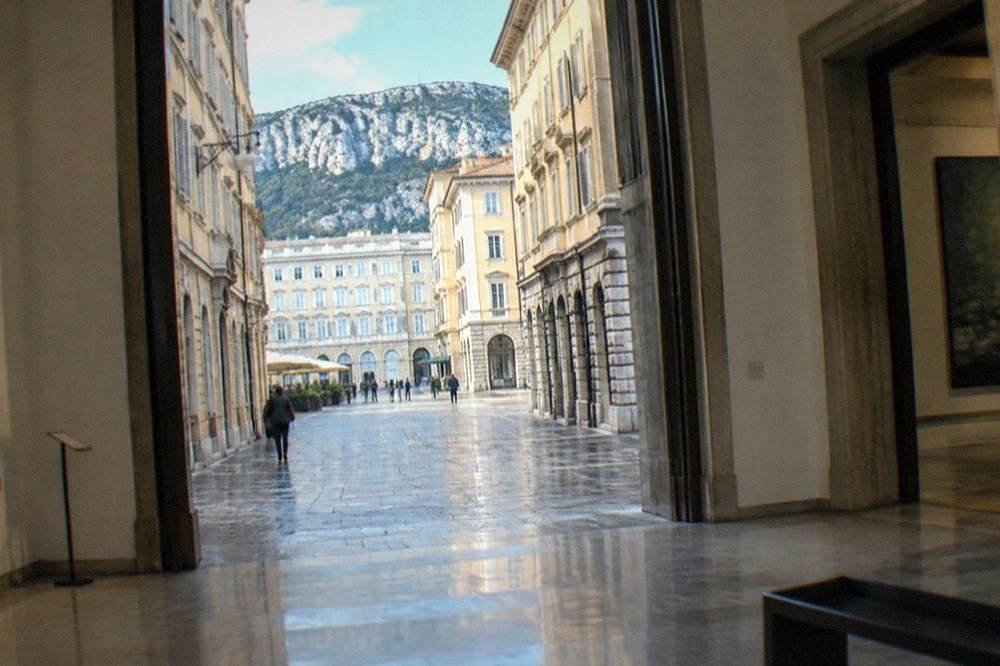
Grotta Gigante deserves its own warning because it appears on every Trieste itinerary. The venue's own price list and schedule pages confirm it is guided-visit only with compulsory booking, at €15 for adults and €8 for children aged 6-18, with departures at 9:00, 10:00, 11:00, 12:00, 14:00, 15:00 and 16:00. It runs Tuesday to Sunday from September to February and every day from March to August, closed on 25 December and 1 January. The visit involves a descent into the cave on foot, so it is not a wheelchair attraction; anyone with stamina or joint concerns should call the venue on the number it publishes and describe their situation before booking. If the cave is off your list, the museum entry on the guided tour product below still gives you the Karst's story without the descent.
Which Parts of the City Centre Are Flat, and Where Do the Hills Start?
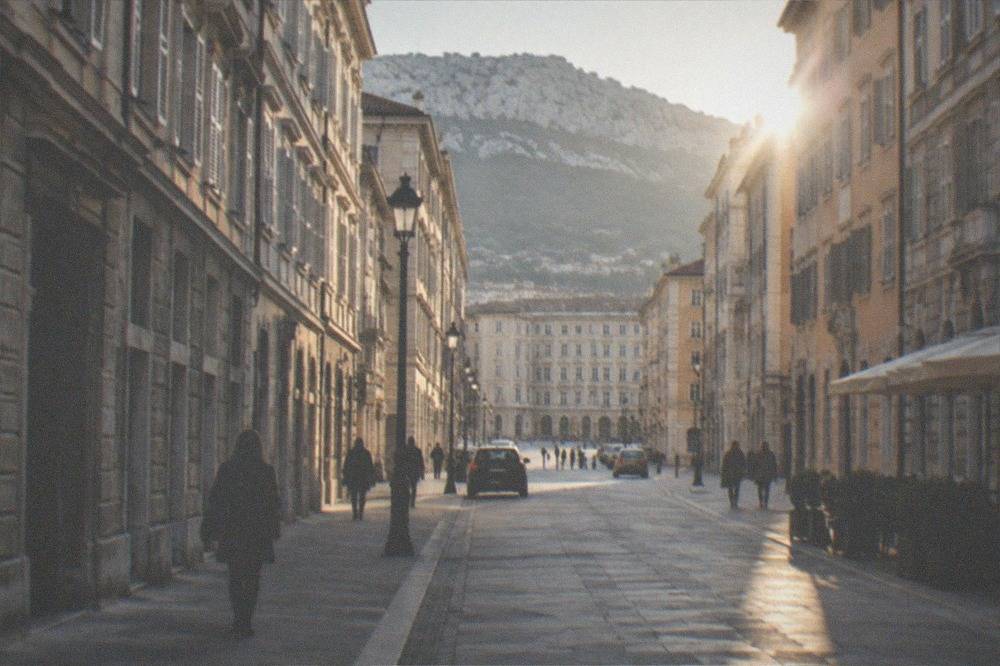
The flat zone is the borgo Teresiano, the seafront and Piazza Unità d'Italia itself, all built on level reclaimed land; the hills start immediately behind it at Città Vecchia and the Colle di San Giusto, and continue up towards Opicina on the plateau. Within the flat zone you can walk from the Grand Canal to Molo Audace and along the Rive without a single serious slope, which is the practical core of an accessible visit.
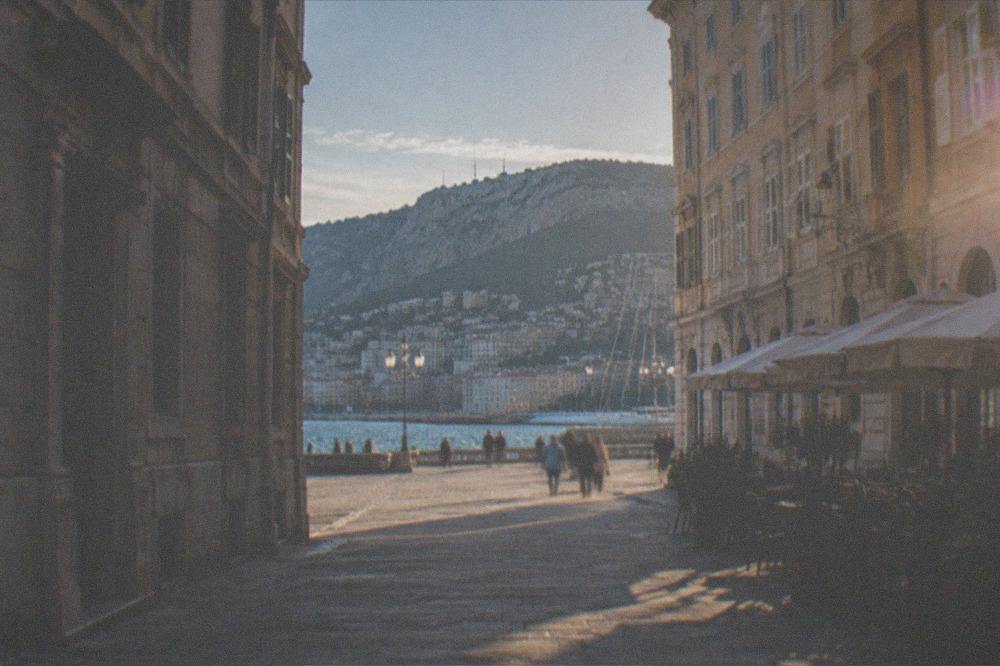
The borgo Teresiano is the eighteenth-century grid the Habsburg administration laid out on reclaimed land, and its regularity is the accessibility story. Straight streets, uniform blocks, a canal cut through the middle: this is the part of the city where a wheelchair or a rollator simply works, and where the pavement furniture, while not perfect, follows a predictable pattern. Piazza Unità d'Italia is the centrepiece, a vast open square that meets the water at the Molo Audace pier, and the whole sequence from square to pier to seafront is level.
The boundary is sharp. Behind the square, the Città Vecchia lanes rise towards the cathedral and castle hill, and the Arco di Riccardo and the Roman theatre sit on that slope. You can see the theatre from the street, which is how the ministry's page describes the visit, and you can reach the lower fringe of the old town, but the upper lanes involve gradients and steps. The trade-off is honest: the hill holds some of the oldest things in the city, and the flat holds most of the everyday pleasure of it. For travellers who want a guide to handle the orientation, the free walking tours in Trieste page explains the tip-based GuruWalk options, which can be scoped to the flat centre.
Which Trieste Tours Suit Visitors with Limited Mobility?
A private guided walking tour is the strongest option because the pace and the route are yours to set, and the flat centre is rich enough to fill two hours without a single climb; the related private tour on this site runs 2.5 hours for a group of up to 10 and is rated 5 from 115 reviews. Self-guided audio formats work on the same flat grid, while the cave and coastal-activity products involve descents, boats or bikes and need individual checks.
The private guided tour of Trieste, listed on this site from $194.89 per group of up to 10, is the natural pick for anyone whose mobility varies from day to day. A private guide means no group pressure, the option to start from your hotel door, and a route you can agree in advance: the seafront, the Grand Canal, Piazza Unità d'Italia, the historic caffè culture, all on the flat. You can check dates and confirm the scope directly with the operator on Check availability, and the tour's own page on this site carries the full details.
For travellers who prefer to move entirely at their own speed, the self-guided formats cost little and impose nothing. The Trieste scavenger hunt and self-guided walking tour is listed from $4.67 per person, rated 4.6 from 28 reviews, and runs with no guide and no schedule, which means you can rest whenever you like and skip any leg that looks steep. The audio-and-written-guide walk by a local, from $7.59 and rated 4.5 from 105 reviews, does the same job with more depth. Both live or die by your route choices, so keep them on the flat grid.
The cave products are the ones to check rather than assume. The Grotta Gigante guided tour with museum entry, rated 4.78 from 151 reviews over a one-hour visit, carries its price on the operator's live listing, and the museum portion is the accessible half. The descent into the cave itself is on foot with a guide, per the venue's own rules, so treat the full product as a maybe and ask before you pay. The kayak and e-bike products on the roster, the Duino coast paddle and the Miramare e-bike ride, are active-coast experiences and simply not mobility products; nobody should book them expecting a gentle option.
| Tour | Format | Price listed | Rating and reviews | Mobility fit |
|---|---|---|---|---|
| Private guided tour of Trieste | Private walk, 2.5 hours | From $194.89 per group up to 10 | 5 from 115 reviews | Route set with the guide |
| Scavenger hunt and self-guided walk | Self-guided, 2 hours | From $4.67 per person | 4.6 from 28 reviews | Your pace, your route |
| Walking tour with audio and written guide | Self-guided | From $7.59 per person | 4.5 from 105 reviews | Your pace, your route |
| Grotta Gigante guided tour and museum | Guided, 1 hour | Price on the operator's listing | 4.78 from 151 reviews | Museum yes, cave descent on foot |
| Bus tour with audio guide | Hop-on bus, 1.5 hours | From $19.49 per person | 4.34 from 2,638 reviews | Seated city overview, boarding depends on the vehicle |
The bus tour deserves a mention precisely because it is seated. Two audio-guide bus products are listed, one from $19.49 rated 4.34 from 2,638 reviews over 1.5 hours and one from $21.02 rated 4.1 from 236 reviews over an hour and a quarter. Whether a given departure can board a wheelchair depends on the vehicle, which the listing does not guarantee, so the question to send the operator is a simple one about the bus on your date. For many slow walkers, though, a seated circuit of the hills is the only realistic way to see Opicina-side views without the climb.
How Accessible Is Getting to Trieste, Italy, and Around Once You Are There?
Trieste Airport has its own railway station joined to the terminal by a covered walkway of roughly 400 m with moving walkways, urban buses take contactless cards on board with singles at €1.50-€1.85, and the Opicina tram runs from piazza Dalmazia as ordinary urban line 2, reactivated on 1 February 2025 after its long suspension. The published tariff sheet, not guesswork, is the source for every fare below.
Arrival first. The airport at Ronchi dei Legionari is the region's gateway, and its own service charter describes a covered pedestrian connection of roughly 400 m with moving walkways between the terminal and the Trieste Airport railway station, served by regional, Intercity and Frecciarossa trains. That covered, level link is a genuine accessibility asset: no shuttle bus, no street crossing. The bus alternative leaves from the intermodal hub beside the terminal. The Trieste airport guide on this site walks through the whole arrival sequence.
| Urban ticket (2026 tariff) | Price | Validity |
|---|---|---|
| Single, 60 minutes | €1.50 | 60 minutes, 240 on Sundays and holidays |
| Single, 75 minutes | €1.85 | 75 minutes, 240 on Sundays and holidays |
| Day ticket | €3.35 | Full day |
| 10 rides | €13.50 | Carnet |
| 20 rides | €16.65 | Carnet |
Within the city, the 2026 tariff sheet dated 29 December 2025 is the authority, and its headline is that contactless payment works on board: tap a Mastercard, Visa or American Express or a digital wallet on the Eva reader and the system applies the cheapest applicable fare. For a visitor who finds ticket machines awkward, that single fact removes most of the friction. Singles run 60 or 75 minutes, extended to 240 minutes on Sundays and public holidays, and the day ticket at €3.35 caps a day of hopping between the flat centre and the castle hill.
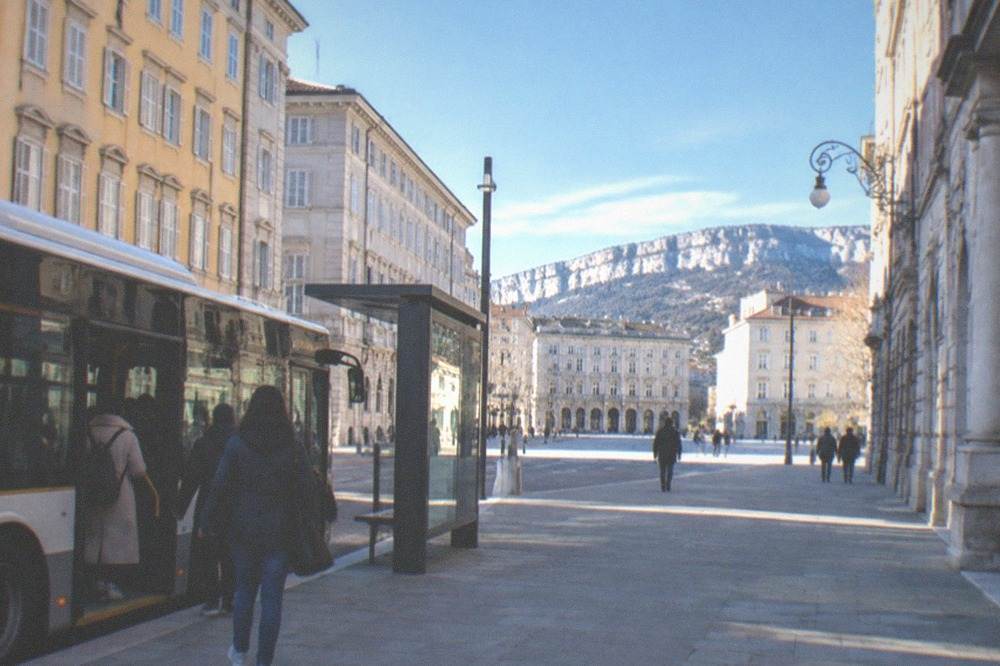
The Opicina tram is the famous one, and the facts have changed. TPL FVG's own page states the line was reactivated on 1 February 2025 after the long stop that followed the August 2016 accident, and Trieste Trasporti's line-2 page carries the current timetable, piazza Dalmazia to Opicina, valid from 20 July 2026. The city terminus is piazza Dalmazia, not piazza Oberdan, and any guide telling you otherwise is out of date. It is part of the ordinary urban network, so a standard urban ticket is valid and contactless works on board. As a mobility matter, be honest with yourself about it: the tram climbs about 5.175 km up to the plateau, and the ride is the point, but boarding is at street level and the vintage vehicles are not low-floor. Check the live status on the operator's site before you build a day around it, because maintenance suspensions are announced there.
Rail arrivals are covered on this site's Trieste train station guide, and the cruise port guide has its own page too, because Trieste's terminal sits close to the centre and the flat zone begins almost at the gangway. If your trip starts from Venice, the Venice to Trieste by train guide covers the connection.
When Is the Best Time to Visit Trieste for Easier Walking?
The calmest and driest walking months are June and July, with June the calmest month for wind in ARPA's own station tables, July the second-driest month at 53.8 mm of rain, and July and August the warmest at a mean of 25.2 C. Avoid November if rain is your enemy, because it is the wettest month at 109.8 mm with 9.5 wet days, and expect the bora wind to be most frequent in the cool season, peaking in February.
The climate table below is from ARPA FVG's OSMER station at Trieste molo Fratelli Bandiera, series 1995-2024, and it is the region's own data rather than a guidebook's memory. For accessibility planning, three columns matter: rain, because wet cobbles and paving are a fall risk; gust days over 90 km/h, because the bora can stop you walking comfortably on the open seafront; and mean temperature, because heat is its own stamina problem.
| Month | Mean temperature C | Rain mm | Wet days | Days with gust over 90 km/h |
|---|---|---|---|---|
| April | 14.0 | 60.7 | 8.0 | 0.7 |
| May | 18.8 | 75.0 | 8.5 | 0.7 |
| June | 23.1 | 62.5 | 6.1 | 0.3 |
| July | 25.2 | 53.8 | 5.4 | 0.9 |
| August | 25.2 | 71.7 | 6.6 | 0.9 |
| September | 21.2 | 102.3 | 7.4 | 1.1 |
| October | 17.1 | 88.6 | 7.6 | 1.4 |
| November | 12.5 | 109.8 | 9.5 | 1.9 |
Read the table against the stereotypes. Trieste is not a rainy-summer city: July gets 53.8 mm across 5.4 wet days, which is drier than spring, and the wettest month in the whole year is November. The bora, the cold north-easterly the city is famous for, blows hardest in the cool season, with February averaging 2.9 days of gusts over 90 km/h against June's 0.3, and the all-time peak in the station series is 168.1 km/h recorded in February 2012. What no official source publishes is a wind threshold at which the seafront closes or ferries stop, so treat any number you see quoted as such with suspicion: the practical rule is that on strong-bora days the exposed Rive are hard going and the sheltered grid of the borgo Teresiano is where you will want to be. The full wind story, including what the bora actually is, is on this site's bora wind guide, and the month-by-month detail sits on the Trieste weather guide.
Where Should You Stay in Trieste for Step-Free Access?
The borgo Teresiano and the seafront streets are the areas to target, because they sit on the flat reclaimed grid within the level walking zone described above; the Città Vecchia hill and anything advertised with a view above the old town will involve gradients, and the city's own 2026 tourist-tax table, which prices every category from campsites to five-star hotels, is a reminder that accommodation here is officially graded and comparable.
No published, verified list of step-free hotels exists in the sources behind this guide, and inventing one would be worse than useless, so treat this as a method rather than a recommendation. Pick a property on the flat grid, then ask two specific questions before booking: whether there is a lift to every floor you will use, and what the entrance threshold looks like. The city's 2026 tourist-tax table, published by the Comune, is a useful cross-check on what you are actually booking, because it grades accommodation by category with a per-night rate for each.
| Accommodation category | Tourist tax per person per night (2026) |
|---|---|
| 5-star hotel | €3.80 |
| 4-star hotel | €3.30 |
| 3-star hotel | €3.00 |
| 2-star hotel, B&B Superior, affittacamere | €2.30 |
| Hostels, residences, short-let properties | €2.30 |
| B&B Comfort | €2.00 |
| 1-star hotel, B&B Standard | €1.80 |
| Campsites and motorhome areas | €1.50 |
The tax is charged for a maximum of five consecutive nights in the same property, and everyone under 18 is exempt, which is worth knowing for family trips. The neighbourhood logic is on this site's where to stay in Trieste guide, and the one-line accessibility version is: the grid is flat, the hill is not, and the seafront is the flattest corridor of all. If your heart is set on waking up above the old town, plan for the climb with transport rather than on foot, because the gradient from the square to the cathedral is real and constant.
What About Day Trips: Which Are Workable with Limited Mobility?
The flat-friendly day trips from Trieste are the town-and-transport ones, Piran and the Slovenian coast and the Ljubljana and Lake Bled tours, because they are coach-based with guided walking you can pace; the cave trips, Postojna, Škocjan and Grotta Gigante, all involve underground walking on guided routes, and Lipica is a farm visit with mixed surfaces. All three neighbouring countries use the euro, and all are in Schengen, with one dated exception on the Slovenian border.
The border facts first, because they get mangled. Slovenia has been in the euro area since 1 January 2007 and in Schengen since December 2007; Croatia joined the euro and Schengen on the same day, 1 January 2023. So no currency exchange is ever needed from Trieste. The exception is that Italy is running temporary internal border checks on its land border with Slovenia, listed by the European Commission's register from 19 June 2026 to 18 December 2026, so carry a passport or national ID card on any Slovenian day trip and check the current status before you travel.
For the tours themselves, the coach-based products are the mobility-friendly end of the roster. The Piran and Slovenia coast tour runs six hours from $114.64, rated 4.57 from 136 reviews, and the small-group panoramic version runs five hours from $125.13, rated 4.9 from 82 reviews; Piran itself is a compact waterfront town where the promenade is the attraction. The Ljubljana and Lake Bled combinations, nine hours from $108.91 rated 4.69 from 544 reviews and seven hours from $137.57 rated 4.51 from 277 reviews, are long days but seated ones, and the guided walking portions can be sat out. The Slovenian coast tour with food and wine tasting, five and a half hours from $137.57 and rated 4.98 from 50 reviews, adds tastings to the same formula. Every one of these is a "tell the operator your needs first" booking, and every operator's live listing carries a contact route for exactly that question.
| Day trip from Trieste | Duration | Price listed | Rating and reviews | Underground or walking load |
|---|---|---|---|---|
| Ljubljana and Lake Bled | 9 hours | From $108.91 | 4.69 from 544 reviews | Coach, guided walking |
| Lake Bled and Ljubljana tour | 7 hours | From $137.57 | 4.51 from 277 reviews | Coach, guided walking |
| Piran and Slovenia coast | 6 hours | From $114.64 | 4.57 from 136 reviews | Coach, waterfront walking |
| Piran, panoramic small group | 5 hours | From $125.13 | 4.9 from 82 reviews | Coach, waterfront walking |
| Postojna Cave and Predjama Castle | 6 hours | From $137.57 | 4.76 from 543 reviews | Underground walking, guided |
| Lipica and Škocjan Caves | 6 hours | From $129.93 | 4.86 from 23 reviews | Farm visit plus cave |
The cave day trips are the honest no for anyone who cannot manage a long underground walk. Postojna, the best-known cave in the world per its own listing, and Škocjan, on UNESCO's list, are guided underground routes, and no listing on the roster promises step-free access. If caves are the reason you came to this region, call the venues directly about their access provisions rather than booking blind, and otherwise let the coast trips carry the day.
Common Questions About Trieste Accessibility
Is Trieste wheelchair accessible?
The flat central districts, the borgo Teresiano grid, Piazza Unità d'Italia and the seafront, are workable for wheelchairs, and urban buses take contactless payment on board. The Città Vecchia hill, the castle approach and the cave attractions are not step-free, so plan around them.
Is Piazza Unità d'Italia flat?
Yes. The square sits on level reclaimed ground and meets the water at Molo Audace, a straight level pier, making the whole sequence from square to seafront one of the flattest walks in the city.
Can you visit Miramare Castle with limited mobility?
The park is free all year with seasonal hours, and the castle is open daily 9:00-19:00 with last admission at 18:30. The site is a separate coastal location up the shore, so plan transport rather than a walk, and contact the venue about interior access before booking the €17 ticket.
Does the Opicina tram help with the hills?
The tram is running again, reactivated on 1 February 2025, as urban line 2 from piazza Dalmazia to Opicina, and a standard €1.50-€1.85 urban ticket or a contactless tap covers it. It climbs to the plateau, but the vehicles are vintage and not low-floor, so check boarding with the operator if that matters.
What is the best month for an accessible visit to Trieste?
June and July, per ARPA's own station tables: June is the calmest month for wind, averaging 0.3 days with gusts over 90 km/h, and July is the second-driest month at 53.8 mm of rain. November is the wettest month and the worst for sure footing.
Do I need ID for a day trip to Slovenia from Trieste?
Yes, carry a passport or national ID card. Italy is running temporary border checks on its land border with Slovenia, listed by the European Commission's register from 19 June to 18 December 2026, and all three neighbouring countries use the euro so no currency change is needed.
The pattern across everything above is consistent: Trieste, Italy gives an accessible visitor a flat, compact, well-served core and concentrates its difficulties at the edges, on the hill, on the plateau and underground. Confirm the two or three details that matter to your own trip on the venue and operator pages, keep your base on the grid, and the city repays the planning. Trieste Travel Guide carries the full set of neighbourhood, transport and day-trip pages to do exactly that.