Ferries from Trieste, Italy: Routes, Terminals and What Actually Sails
Trieste, Italy, is the northernmost port of the Adriatic, and its ferry connections are smaller than most visitors expect: the reliable sailings are the short seasonal runs down the coast, while the big international routes start elsewhere.
Short answer
Ferries from Trieste, Italy, mainly serve the nearby Slovenian coast on short seasonal runs, with Croatia reachable by ferry via routes that change from year to year. There is no scheduled ferry from Trieste to Venice. Sailings are concentrated in the warmer months and are the first thing the bora wind closes when it blows.
Trieste, Italy, sits at the top of the Adriatic where the Italian coast meets Slovenia and, a little further on, Croatia, and its ferry story is more modest than its grand port suggests. This is a city built on sea trade, with a waterfront of Molo Audace and the Rive facing a gulf that is busy with cargo ships, sailing boats and the occasional cruise liner, yet the passenger ferry network out of the city is small and strongly seasonal. If you are planning a trip and want to know what actually sails, from where, and what paperwork and weather to expect, Trieste Travel Guide sets out what is verified and, just as importantly, what is not.
The honest starting point is this: the routes that matter most from Trieste are the short hops along the Slovenian coast, and those run in the warm half of the year. The long-distance international ferries people often imagine, the big overnight boats to Greece or the year-round service to Croatia, either do not exist from this port or have shifted between operators and ports so often that no static list survives contact with the booking season. Everything schedule-shaped on this page comes with the same instruction: confirm on the operator's live listing before you build a day around it. What you can plan around, and what this page gives you in full, is the geography, the terminal situation, the border rules that are genuinely unusual right now, and the wind that has the final say on most sailings.
Where Do Ferries from Trieste Actually Go?
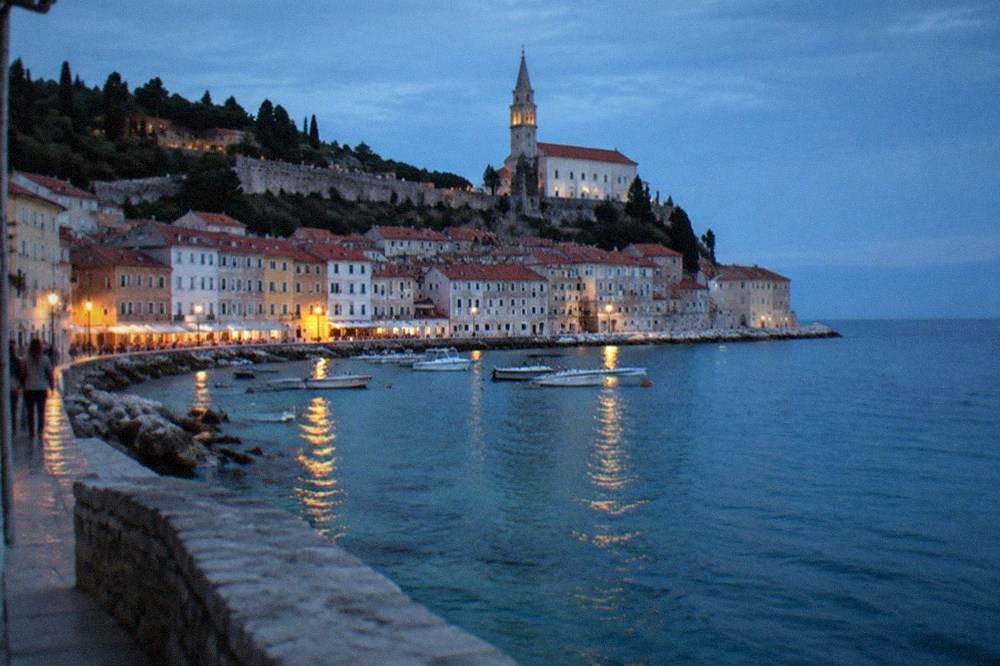
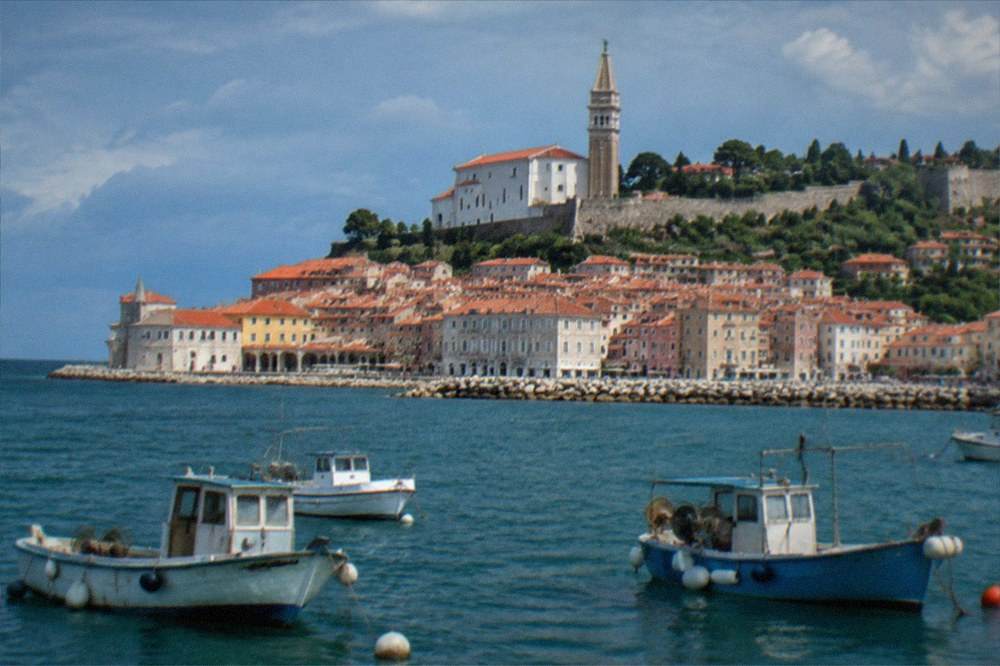
The dependable ferry routes from Trieste, Italy, are the short seasonal sailings along the Slovenian coast to places such as Piran and Portorož, plus occasional summer connections further down the Istrian coast into Croatia. There is no scheduled passenger ferry between Trieste and Venice, and the big international ferry routes to Greece and the southern Adriatic do not start from this port. Sailing days and months change every season, so the operator's current timetable is the only real authority.
That answer surprises people who look at a map and expect a major ferry hub. Trieste's passenger port is real but specialised. The city's maritime muscle is commercial: cargo, coffee, containers and cruise calls, not a web of scheduled passenger lines. The leisure sailings that do run hug the coast south-east, because that is where the interesting water is: the Slovenian shoreline is close, attractive and, in summer, served by small vessels that turn the transfer itself into a sightseeing trip. Our fuller route-by-route breakdown is in Trieste to Croatia by ferry, and the short answer to the most common question is on the page is there a ferry from Trieste to Croatia.
What you should not do is arrive expecting a Greek-style ferry terminal with a dozen departures. The practical reality for most visitors is a choice between a short coastal sailing, if the season and the timetable align, and the excellent road and rail alternatives that serve the same destinations. For the Piran and Portorož runs specifically, the dedicated page Trieste to Portorož and Piran by ferry covers the crossing in detail.
| Destination area | Country | Currency you need | Border status for a day trip | Realistic sailing window |
|---|---|---|---|---|
| Piran and Portorož | Slovenia | Euro (since 1 January 2007) | Schengen, but Italy runs temporary checks until 18 December 2026 | Warm months, small seasonal vessels |
| Istrian coast towns | Croatia | Euro (since 1 January 2023) | Schengen since 1 January 2023, same temporary Italian checks apply on the land border | Summer season only, routes vary by year |
| Venice | Italy | Euro | Domestic, no border at all | No scheduled passenger ferry exists |
| Muggia | Italy | Euro | Domestic | Local connections, seasonal |
Note what the table does not say: exact departure days, journey times or fares. Those are not published in any verified form for the current season, and a confident-sounding number copied from an old forum post is the classic way to miss a boat. The operator's live listing, checked the week you travel, is the only timetable worth trusting.
Which Terminal Do Ferries Leave from in Trieste?
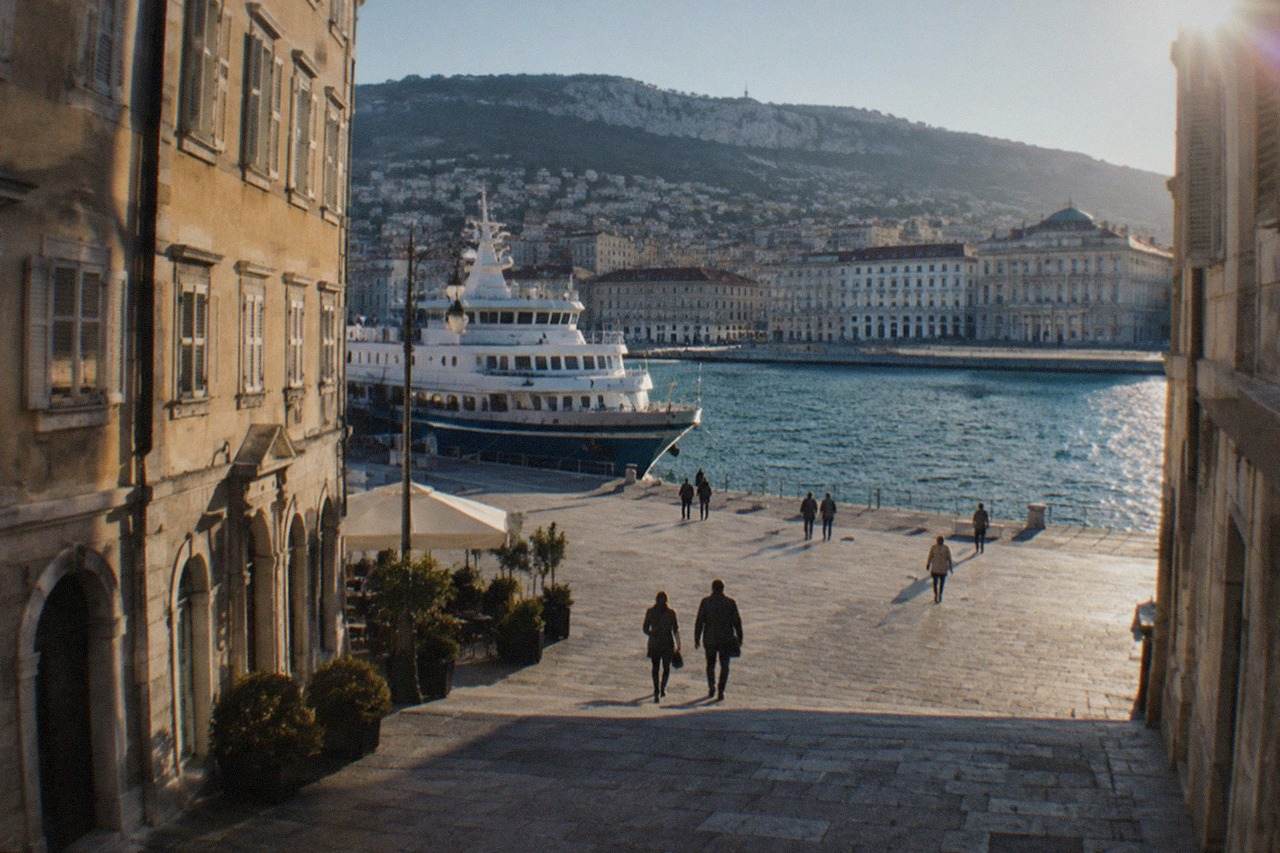
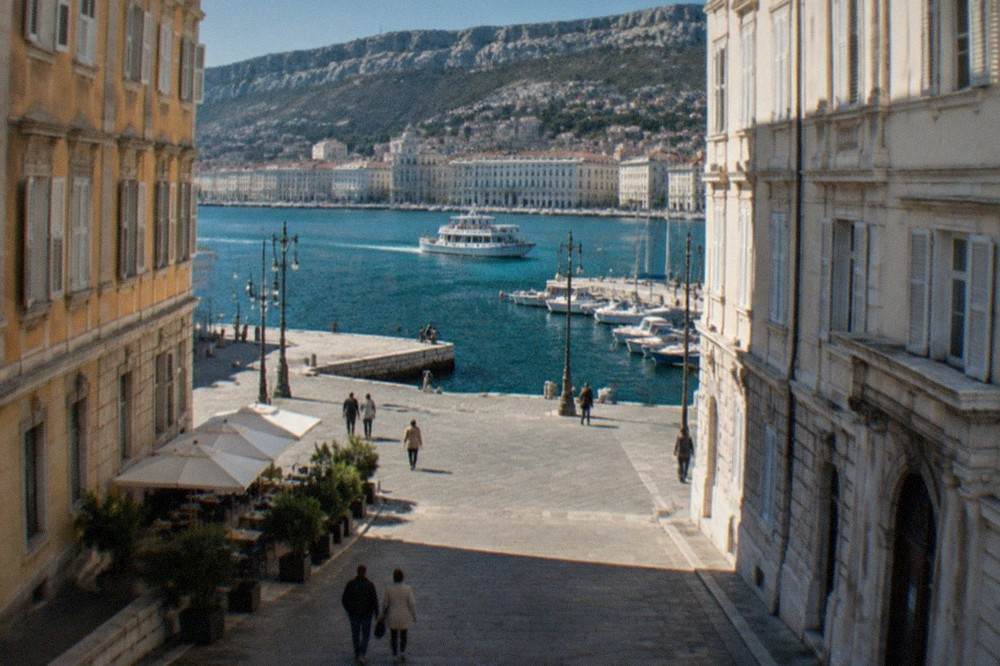
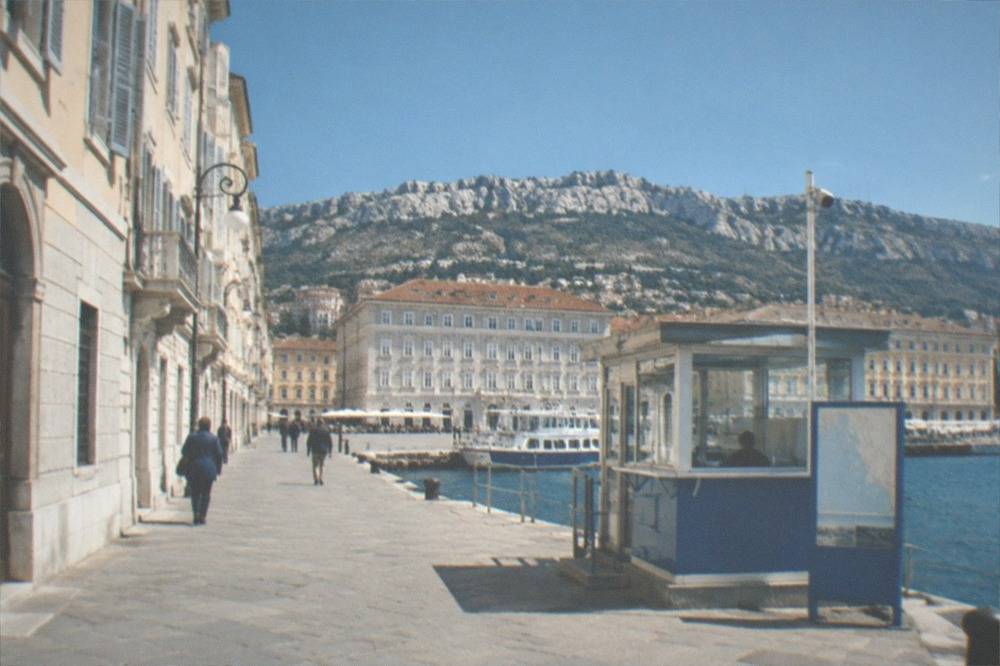
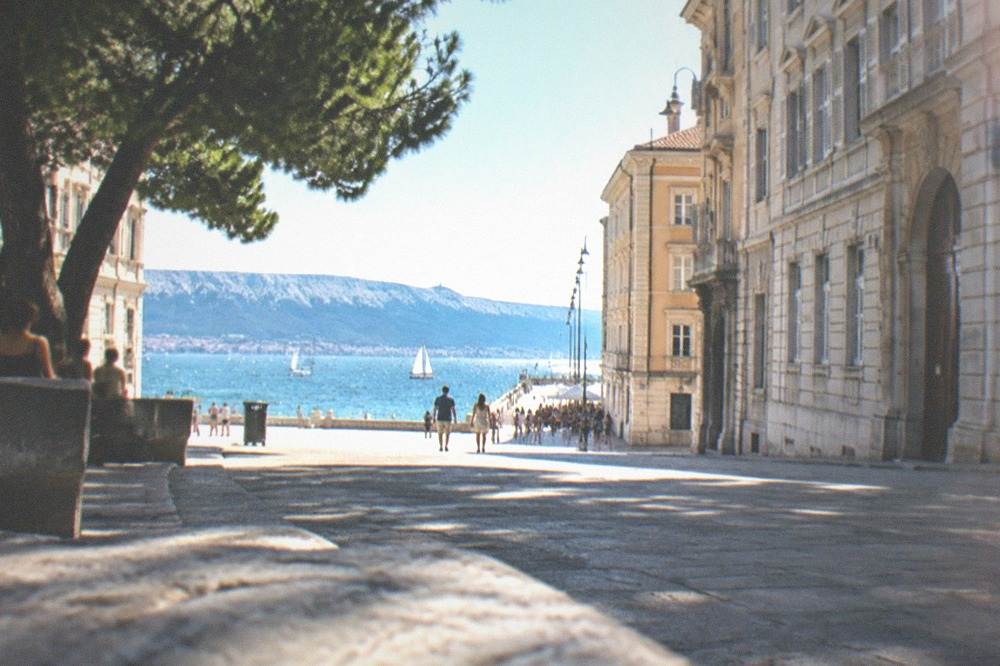
Passenger ferries and leisure sailings from Trieste, Italy, leave from the waterfront around Molo Audace and the adjacent Rive quays, a short flat walk from Piazza Unità d'Italia in the very centre of the city. Cruise ships use the dedicated terminal further along the port. There is no separate remote ferry port: if you can see the sea from the main square, you are already at the right part of the harbour.
This is one of Trieste's genuine conveniences. In many port cities the ferry terminal is a bus ride from anywhere you would want to be; here the passenger quays are part of the city's front room. Molo Audace, the pier that gives the landmark its name, is a walkable promontory with the sea on three sides, and the surrounding Rive is the long quay that has served Trieste's shipping for centuries. When a coastal sailing or an excursion boat departs, this is where you stand with your ticket.
Getting there needs no planning at all if you are staying centrally, but the city's transport authority, Trieste Trasporti, runs the urban network that connects the wider city to the waterfront, and its 2026 fare card is worth knowing. A single ticket valid 60 minutes costs €1.50, a 75-minute single €1.85, a day ticket €3.35, a 10-ride carnet €13.50 and a 20-ride carnet €16.65. Contactless bank cards and digital wallets can be tapped directly on board, and the system applies the cheapest applicable fare, so you do not need to hunt a ticket machine before a sailing.
| Ticket (Trieste Trasporti urban, 2026) | Price | Validity |
|---|---|---|
| Single U01 | €1.50 | 60 minutes |
| Single U02 | €1.85 | 75 minutes |
| Day ticket U24 | €3.35 | Full day |
| 10 rides U10 | €13.50 | Ten 60/75-minute journeys |
| 20 rides U20 | €16.65 | Twenty 60/75-minute journeys |
One quirk of the 2026 fare card: single tickets run 60 or 75 minutes normally, but the validity stretches to 240 minutes on Sundays and public holidays, which is exactly the kind of day a leisurely coastal sailing tends to happen on. If you are also fitting a cruise call into the same trip, the logistics of the cruise side are covered in the Trieste cruise port guide.
If your ferry plan is really a coastal sightseeing plan, there is a shortcut worth considering: a guided coastal excursion does the same water-and-cliffs sightseeing without the timetable dependency. The most popular option is the Piran and Slovenia coast tour, a 6-hour guided trip from Trieste rated 4.57 from 136 reviews, from $114.64 per person, and you can Check availability on the operator's live listing. Its full description is on the page for the Piran and Slovenia coast tour from Trieste.
Do You Need a Passport for a Ferry from Trieste to Slovenia or Croatia?
Yes, carry a passport or national ID card even though Slovenia and Croatia are both in the Schengen area and the euro zone, because Italy is running temporary border checks on its land border with Slovenia from 19 June 2026 to 18 December 2026, and checks can appear on maritime routes too. Croatia joined Schengen and adopted the euro on the same day, 1 January 2023, so no currency exchange is needed anywhere on this coast.
That is the single most misunderstood piece of paperwork on this coastline. The lazy assumption is that Schengen means never showing a document, and most of the time on this border that is true. But the European Commission's own register of temporary reintroduced internal border controls currently lists Italy as running checks on its land borders with Slovenia through 18 December 2026, a measure Italy has extended repeatedly for security and migration reasons. A ferry passenger is not the primary target of these checks, but the practical advice does not change: put your ID in your day bag, not in the hotel safe.
The currency side is simpler and is often got wrong in the other direction. Slovenia has used the euro since 1 January 2007. Croatia adopted the euro and joined Schengen on the same day, 1 January 2023. Every destination a ferry from Trieste could realistically deliver you to, from Piran to Pula, takes the same euro you are already carrying. Anyone who tells you to change money for Kuna is working from a guidebook that expired years ago.
| Country | In the euro since | In Schengen since | Current check situation on the Italian side |
|---|---|---|---|
| Slovenia | 1 January 2007 | December 2007 | Temporary land-border checks, 19 June to 18 December 2026 |
| Croatia | 1 January 2023 | 1 January 2023 | No Italian land border; maritime routes follow Schengen rules |
| Italy | Founding euro member | Founding Schengen participant | N/A, this is your origin country |
Because the border situation is dated and can be extended or lifted, treat the 18 December 2026 end date as a checkpoint rather than a promise, and check the current status before you travel. The wider question of what you can reach from this city, by water and by land, is rounded up on where ferries from Trieste go to.
How Much Does the Trieste Ferry Cost?
No verified fare table exists for the current season's Trieste ferry routes: the coastal sailings to Slovenia and Croatia are run by small seasonal operators whose prices are set per season and per route, and any figure printed in an article today is a guess. The honest answer is that the operator's live listing shows the real price when bookings open, and the crossings are generally priced as short-haul excursions, not as long ferry journeys.
This is a page that could easily have published a neat table of fares, and deliberately does not. The research behind this guide checked the operators and official sources, and the fare situation for Trieste's passenger sailings could not be verified in any stable, citable form. Prices for the Slovenian coastal runs in particular move with the season, the vessel and the operator, and a number that was right one summer is wrong the next. The same caution applies to the oft-asked Venice question, which has a definitive answer: there is no ferry from Trieste to Venice, so there is no such fare either.
What you can budget with confidence is everything around the ferry. The urban bus fare to the quay is €1.50. The tourist tax, if you are staying overnight in Trieste before or after your sailing, is set by the city's 2026 table: €3.80 per person per night in a 5-star hotel, €3.30 in a 4-star, €3.00 in a 3-star, €2.30 in a 2-star, B&B Superior, hostel or short-let apartment, €2.00 in a B&B Comfort, €1.80 in a 1-star property or B&B Standard, and €1.50 at a campsite, charged for a maximum of 5 consecutive nights in the same property and waived for everyone under 18.
| Accommodation category | Tourist tax per person, per night (2026) |
|---|---|
| 5-star hotel | €3.80 |
| 4-star hotel | €3.30 |
| 3-star hotel | €3.00 |
| 2-star hotel, B&B Superior, hostel, short-let | €2.30 |
| B&B Comfort | €2.00 |
| 1-star hotel, B&B Standard | €1.80 |
| Campsite or motorhome area | €1.50 |
If the ferry fare is the one number you cannot pin down in advance, the guided alternatives at least publish theirs. The Piran and Slovenia coast tour runs from $114.64 per person, the comparable small-group excursion Piran and the panoramic Slovenian coast from Trieste from $125.13, and the food-and-wine version of the same coastline, the Slovenian coast tour with food and wine tasting, from $137.57. Those are operator-listed prices, current as listed, and they include what a ferry ticket never does: someone else watching the clock.
When Is the Best Time of Year for a Ferry from Trieste?
The best months for ferry sailing from Trieste, Italy, are June through September, when sea temperatures at the molo run from 23.1 to 25.9 C, rainfall is at its lowest of the year and the wind statistics are the calmest the station records. July and August are the warmest and second-driest months, while November is the wettest month of the whole year and a poor bet for a day on the water.
The climate record behind that comes from ARPA FVG's OSMER station at Trieste molo Fratelli Bandiera, the regional agency's own waterfront instruments, with a series running 1995 to 2024, and it corrects several lazy assumptions about this coast. Trieste is not a rainy-summer city: July is the second driest month of the year at 53.8 mm, behind only June's 62.5 mm among the summer pair, and the sea reaches its peak of 25.9 C in July and August. The wet weather arrives in autumn, with September at 102.3 mm and November the wettest month at 109.8 mm.
| Month | Mean high C | Rain mm | Sea C | Days with a gust over 90 km/h |
|---|---|---|---|---|
| May | 21.7 | 75.0 | 17.9 | 0.7 |
| June | 25.8 | 62.5 | 23.1 | 0.3 |
| July | 28.2 | 53.8 | 25.9 | 0.9 |
| August | 28.1 | 71.7 | 25.9 | 0.9 |
| September | 23.9 | 102.3 | 23.9 | 1.1 |
| October | 19.6 | 88.6 | 20.3 | 1.4 |
| November | 14.7 | 109.8 | 16.8 | 1.9 |
The pattern to notice is that the sea holds its heat into September better than the air does: the water is still 23.9 C in September, warmer than June's 23.1 C, because the gulf's thermal inertia lags the air temperature by weeks. A September crossing can be the best of both worlds, warm water and thinner crowds, provided you accept a rising chance of rain. October is the shoulder where the sailing season thins out, and it is also Barcolana month: the 58th edition of the world's largest sailing race runs 2-11 October 2026, with the main regatta on Sunday 11 October, and the gulf is given over to it. The full picture is in the Barcolana regatta guide, and the month-by-month detail is in Trieste weather month by month.
What If the Bora Is Blowing on Sailing Day?
The bora, Trieste's cold north-easterly wind, is the single factor most likely to disrupt a ferry crossing, with the waterfront station averaging 17.6 days a year with a gust over 90 km/h and a recorded peak of 168.1 km/h in February 2012, but no official wind threshold for cancelling ferries exists. When the bora blows hard, sailings stop at the master's and operator's judgement, so the only reliable plan is a flexible one.
The wind data is worth internalising because it behaves counter-intuitively. The bora is not a winter-only phenomenon: the monthly record gust exceeds 110 km/h in every single month of the year, and July actually averages more days with a gust over 90 km/h than April, May or June do. June is the calmest month on the station tables, which is one more quiet argument for an early-summer crossing. The wind blows from the east-north-east, funnelling down off the Carso plateau and across the gulf, and the same tables show 49 days a year with a gust over 72 km/h. What no official source publishes, and what you must not let anyone tell you, is a fixed cutoff: there is no verified wind speed at which the Rive close or the ferries stop. Decisions are made operationally, episode by episode.
The practical translation is simple. Book the sailing, but do not bolt a train connection or a non-refundable dinner onto its arrival time. Check the forecast the evening before and the morning of, because bora episodes arrive with warning but sharpen fast. And keep a plan B that does not need water at all: the coastal road to Slovenia is short and scenic, and a guided excursion runs whether the whitecaps do or not. The full wind story, including why the city installs ropes to hold onto in strong episodes, is in the bora wind guide.
| Wind fact at Trieste molo Fratelli Bandiera | Figure (ARPA FVG/OSMER, 1995-2024) |
|---|---|
| Days per year with a gust over 90 km/h | 17.6 |
| Days per year with a gust over 72 km/h | 49.0 |
| All-time peak gust in the series | 168.1 km/h, February 2012 |
| Calmest month for strong gusts | June (0.3 days over 90 km/h) |
| Official ferry-cancellation wind threshold | None published |
Is a Ferry Even the Best Way Down This Coast?
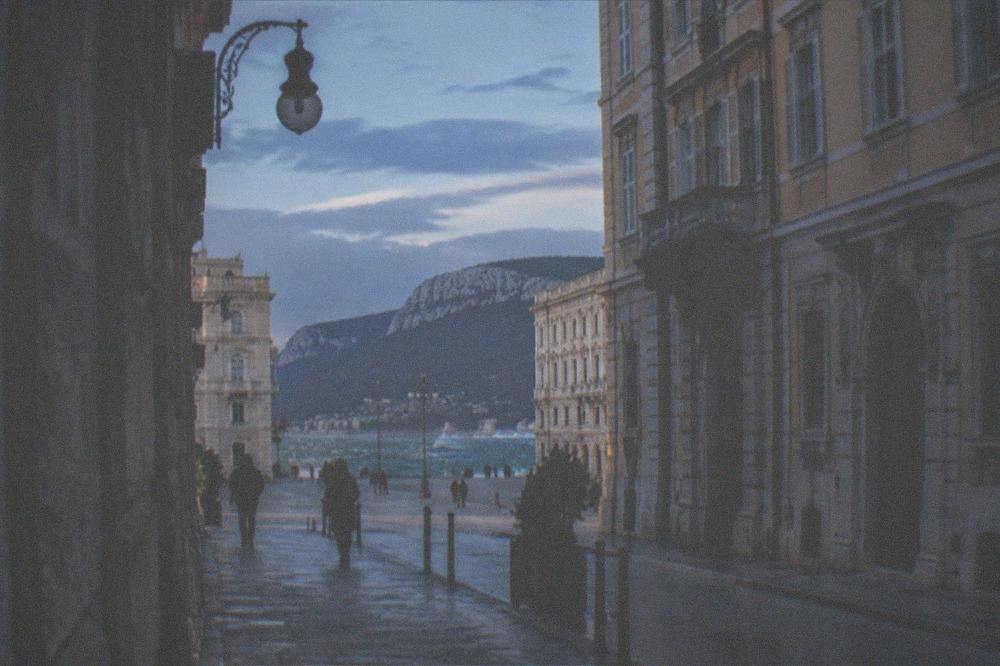
For most visitors to Trieste, Italy, a ferry is the best choice only when the crossing itself is the point, a slow, on-the-water arrival at Piran or the Istrian towns; for everything else, a guided coastal tour, a bus or a rental car reaches the same places with more flexibility and no dependence on a seasonal timetable. The ferry wins on charm, and loses on schedule, season and weather risk.
That is the honest trade-off, and it is why this guide pairs the ferry information with the alternatives rather than pretending the boats are the only option. The crossing down the coast is genuinely lovely: cliffs, castles and the Duino shoreline, then the salt pans and the red rooftops of Piran. But the same view is available from an excursion vessel, a tour minibus or the coastal path, and those run more days of the year than a scheduled ferry does. If your heart is set on arriving by water, do it, and do it in July when the sea is at 25.9 C and the strong-wind risk is at its lowest. If your goal is simply to spend a day on the Slovenian coast, the guided options are the more dependable ones.
The strongest of those, on the reviews at least, is the tour already mentioned above: the 6-hour Piran and Slovenia coast excursion, rated 4.57 from 136 reviews, from $114.64. For a different slice of the neighbourhood, the full-day Ljubljana and Lake Bled tour from Trieste is rated 4.69 from 544 reviews and runs from $108.91 per person, and the same itinerary with a different operator, Lake Bled and Ljubljana, from $137.57. Slovenia by water or by road, the border formalities are the same, and the euro works everywhere.
For the days you spend in the city itself rather than on the water, the eating and drinking pages carry the weight: what to eat in Trieste, the best restaurants in the city, the famous caffè culture, and, if your ferry day happens to coincide with an opening, the osmize of the Carso, the farm cellar outlets of the plateau behind the port.
What Should You Do If the Ferry Does Not Fit Your Plans?
If the seasonal ferry does not run on your dates, the proven substitutes from Trieste are a guided coastal tour to Piran, a full-day guided trip to Ljubljana and Lake Bled, or a private cooking class in the city itself, all bookable in advance with published prices and cancellation terms, and none of them dependent on a timetable or the wind.
The guided tours are the direct substitute because they solve the exact problem a ferry solves, getting you down the coast and back in a day, but with a vehicle and a driver who already knows the border and the parking. Beyond the coast, the Ljubljana and Lake Bled day trip is the region's most-booked excursion from Trieste, and it needs no water at all. And for a day when the weather closes the sea entirely, a cooking class is the indoor option that still delivers the region: the private cooking class at a local's home runs from $166.23 per person with a certified cook, and the small-group pasta and tiramisu class from $157.65.
The wider planning picture, including how many days to give the city and how the seasons compare, is in the best time to visit Trieste and where to stay in Trieste. If you are combining the ferry coast with a longer itinerary, the same region is well served by rail and air, with the airport at Ronchi dei Legionari handling the flights and the region's trains covering the Venice direction.
Common Questions About Ferries from Trieste
Is there a ferry from Trieste to Croatia?
Seasonal connections from Trieste to the Croatian coast have existed in some summers but are not a stable year-round service, and routes change between operators and years. The verified, dependable sailings from Trieste are the short coastal runs to Slovenia. Check the operator's live listing for the current season, and see our full page on Trieste to Croatia by ferry.
Is there a ferry from Trieste to Venice?
No. There is no scheduled passenger ferry between Trieste and Venice, in either direction. The two cities are connected by train and by road.
Do I need a passport for the ferry from Trieste to Slovenia?
Carry one. Slovenia is in Schengen and the euro zone, but Italy is running temporary border checks on its land border with Slovenia from 19 June 2026 to 18 December 2026 per the European Commission's register, and maritime passengers should have ID available too.
Where do ferries from Trieste go to?
The realistic destinations are the nearby Slovenian coast, Piran and Portorož above all, on short seasonal sailings, with occasional summer routes further down the Istrian coast. There is no long-distance international ferry hub at Trieste.
How much does the ferry from Trieste cost?
No verified fare table exists for the current season, because the coastal routes are run by small seasonal operators whose prices change each year. The operator's live listing shows the real price when bookings open, and the crossings are priced as short excursions rather than long ferry journeys.
Can the bora wind cancel my ferry?
Yes. The bora is the main disruption risk for Trieste sailings, with the waterfront station averaging 17.6 days a year with a gust over 90 km/h. No official cancellation threshold is published, so decisions are made case by case, and a flexible plan is the only protection.
Trieste's ferry network rewards the traveller who checks the live timetable, carries ID despite Schengen, and keeps a wind-proof plan B in reserve, and that traveller gets the best of both: a port city that works, and a coast worth crossing water for.