How Much a Trip to Trieste, Italy Costs
Trieste, Italy, is one of the few Italian cities where most of the headline sights are cheap or free, and the costs that remain, tourist tax, buses, castle tickets, are published and stable. Here is what a trip actually costs, figure by figure.
Short answer
Count on a handful of fixed, published costs: an urban day transport ticket at EUR 3.35, tourist tax of EUR 1.50-3.80 per person per night capped at five nights, castle and museum tickets from free to EUR 17, and tours from about $17 to $217.82. Accommodation varies by date, so budget around the figures below.
Trieste, the Adriatic port city in Friuli Venezia Giulia in the northeast corner of Italy, is a destination where the honest answer to "what will this cost?" is unusually knowable in advance. The municipality publishes its tourist tax, the transport operator publishes its fares, and the state and civic museums publish their ticket prices, so a large share of a Trieste budget can be pinned down before you book anything. What cannot be pinned down is the one thing most guides lead with: hotel room rates, which move with the date and are not quoted here for that reason. This page works through every cost that is verifiable, in euros and dollars exactly as the operators publish them, and shows how the pieces fit together for a day, a weekend or a week.
The structure of spending here is lopsided in the visitor's favour. Entry to the cathedral is free, the Risiera di San Sabba national monument is free, Miramare's enormous park is free all year, the Roman theatre costs nothing because you look down into it from the street, and the first Sunday of each month opens the state museums at no charge. The paid layer is thin: a handful of castle and museum tickets, cheap urban transport, a modest tourist tax, and whatever tours you choose to add. The sections below break each layer down with the published 2026 figures.
How Much Does a Trip to Trieste, Italy Cost Overall?
A mid-range visitor can plan around a small set of fixed numbers: an urban day transport ticket at EUR 3.35, tourist tax of EUR 1.50 to EUR 3.80 per person per night for a maximum of five nights, headline tickets from free to EUR 17, and guided tours from about $17 to $217.82 per person. Accommodation is the only large variable and its nightly rate is date-specific, so price the room first and treat everything below as the add-on.
That last point deserves emphasis because almost every cost article published about Italian cities does the opposite. It invents a "typical nightly rate" that was true of some week the writer remembers and false of the week you travel. Trieste's hotel pricing swings around events, above all the Barcolana regatta in October, and any fixed figure would be a guess. What does not swing is everything else on this page.
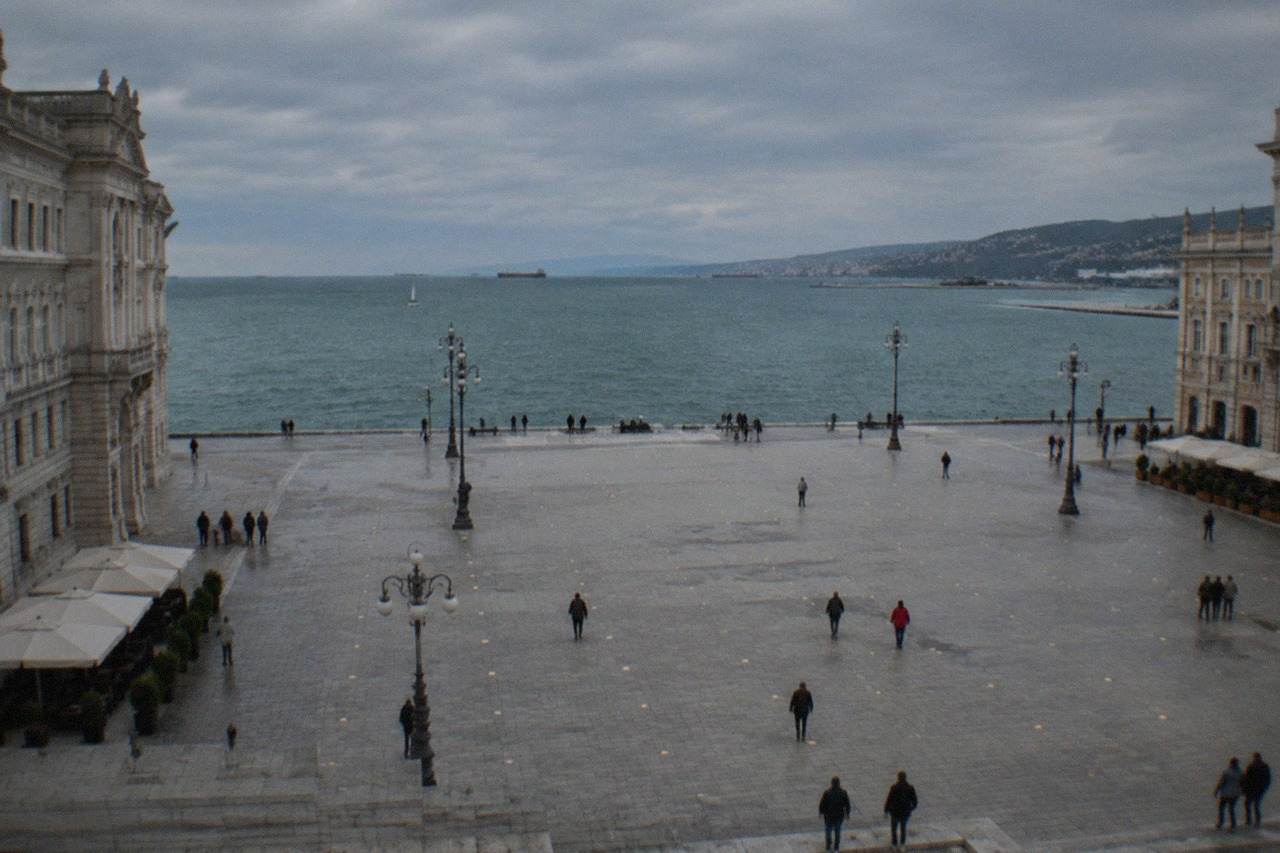
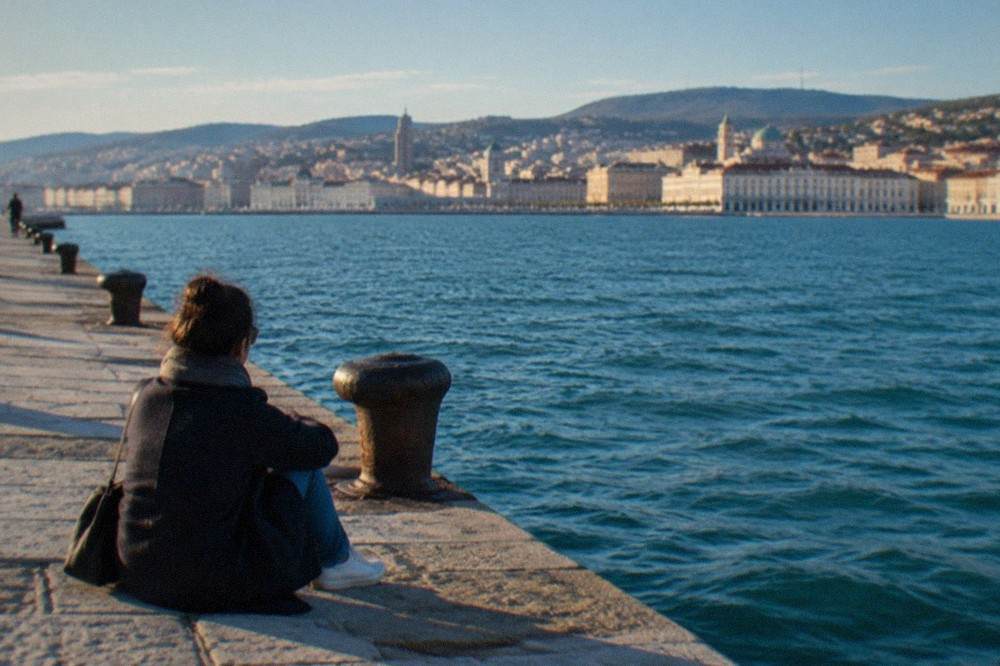
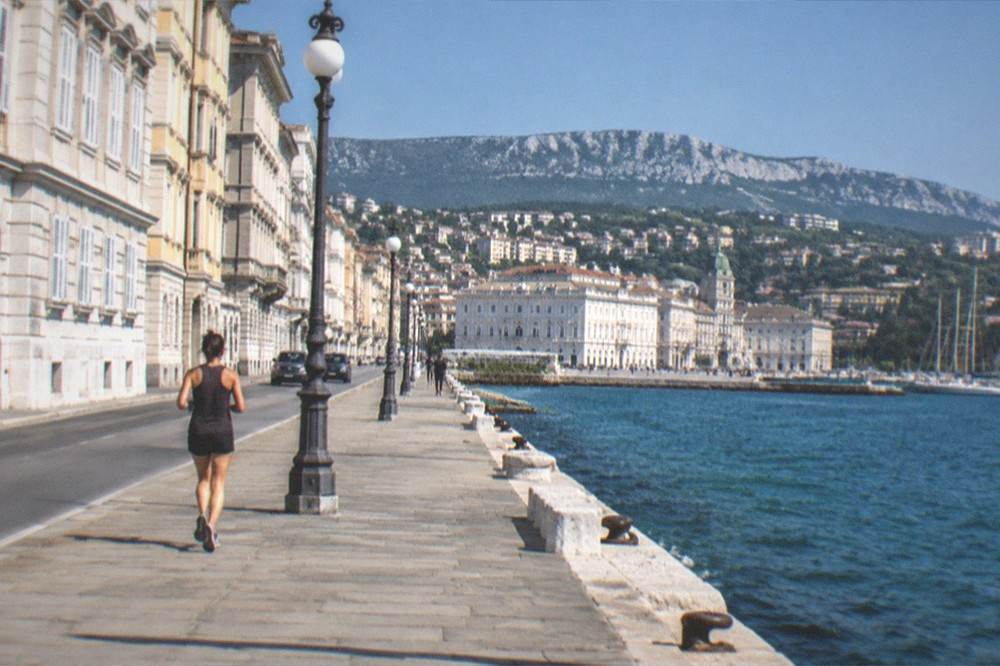
The other overall truth about Trieste is that the free tier is unusually deep. The seafront itself, from Piazza Unità d'Italia to Molo Audace, costs nothing and is the city's main sight. The cathedral is free, the Risiera is free, Miramare's park is free year-round, and the ministry's first-Sunday scheme removes the ticket price at the state museums once a month. A traveller who wanted to could spend two full days in Trieste paying for nothing but transport and coffee.
What Does Accommodation in Trieste Cost?
Nightly room rates in Trieste are date-specific and are not published in any stable official table, so no honest per-night figure can be printed here. What is fixed and verifiable is the tourist tax, which runs EUR 3.80 per person per night in five-star hotels, EUR 3.30 in four-star hotels and self-catering case vacanza, EUR 3.00 in three-star, EUR 2.30 in two-star, B&B Superior, hostels and short-let apartments, and down to EUR 1.50 at campsites.
The tax, the imposta di soggiorno, is charged by the Comune di Trieste and it is capped: it applies for a maximum of five consecutive nights in the same property, so a week-long stay only pays five nights of it. Everyone under 18 is exempt, as are people with a certified disability of 80 percent or more, one companion per hospital inpatient, coach drivers and tour leaders, on-duty armed forces and police in the province, and one group leader per fifteen minors.
For the room itself, the practical advice is to compare dates rather than trust any printed average, and to read the neighbourhood before you book. The where to stay in Trieste guide maps the districts that suit different budgets, from the Borgo Teresiano grid near the station to Città Vecchia's older lanes. Timing matters as much as location: October brings the Barcolana, when the city fills with sailors and spectators, and rates respond accordingly, a point covered in the Barcolana regatta guide.
| Accommodation category | Tourist tax per person, per night |
|---|---|
| Five-star hotel / residenze turistico-alberghiere | EUR 3.80 |
| Four-star hotel / RTA / self-catering case vacanza | EUR 3.30 |
| Three-star hotel / RTA / case vacanza | EUR 3.00 |
| Two-star, affittacamere, B&B Superior, hostels, agriturismi, short-let apartments | EUR 2.30 |
| B&B Comfort | EUR 2.00 |
| One-star hotel / B&B Standard | EUR 1.80 |
| Campsites and equipped motorhome areas | EUR 1.50 |
A useful planning note: the tax is per person, not per room, so a family of four in a three-star property adds EUR 12.00 per night to the bill for the first five nights, EUR 60.00 across a five-night stay, on top of whatever the room costs. Budget for it separately and it will not surprise you at checkout.
What Does Transport in Trieste Cost?
A single urban ticket costs EUR 1.50 for 60 minutes or EUR 1.85 for 75 minutes, a day ticket costs EUR 3.35, a 10-ride carnet EUR 13.50 and a 20-ride carnet EUR 16.65, on Trieste Trasporti's 2026 urban tariff; singles are valid 60 or 75 minutes, extended to 240 minutes on Sundays and public holidays, and contactless bank cards can be tapped directly on board, where the system applies the cheapest applicable fare.
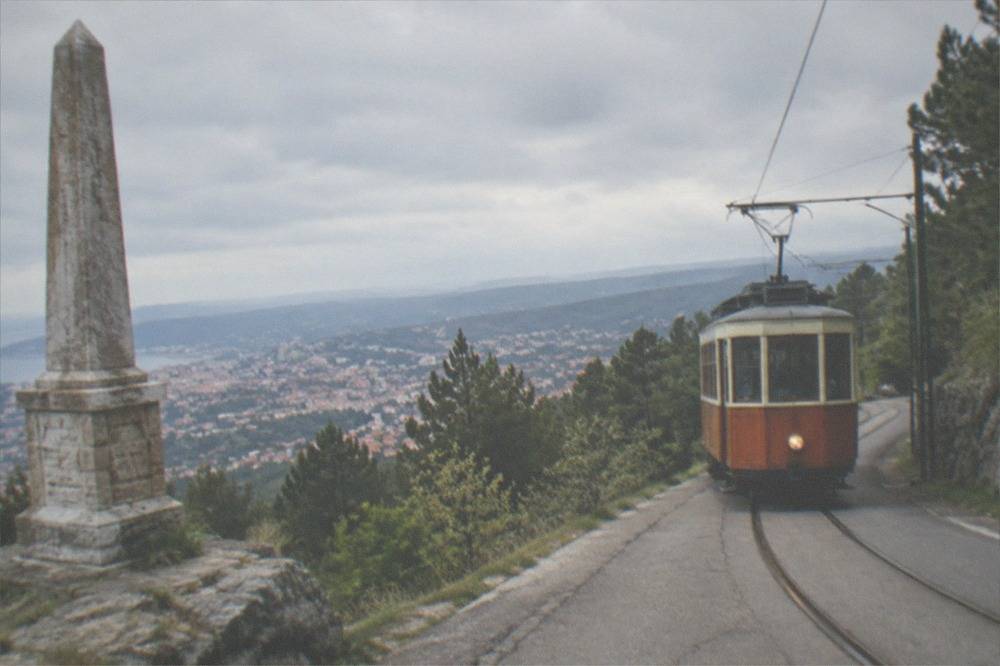
Those fares cover the whole urban network, including the tram de Opicina, line 2, which was reactivated on 1 February 2025 and runs from piazza Dalmazia up to Opicina on the Karst edge. A standard urban ticket is valid on it, which makes the historic tram one of the best value rides in Italy: the fare is the same as any bus. The getting around picture for arriving visitors is covered separately, as are the flights to Trieste and the airport's own rail connection.
Getting to the city in the first place is where transport budgeting gets date-sensitive. Rail fares to and from Venice, and the airport transfer picture, are covered in the dedicated pages on trains from Venice and the airport, and the honest position is the same as with hotels: the operators publish fares per date, so check them rather than trust a printed average. What is stable is the airport's structure, a covered walkway of roughly 400 metres joining the terminal to its own railway station, so the transfer itself involves no taxi obligation.
| Ticket (Trieste Trasporti urban, 2026) | Price | Validity |
|---|---|---|
| U01 single | EUR 1.50 | 60 minutes |
| U02 single | EUR 1.85 | 75 minutes |
| U24 day ticket | EUR 3.35 | One day |
| U10 carnet | EUR 13.50 | 10 rides |
| U20 carnet | EUR 16.65 | 20 rides |
Note the Sunday quirk, because it changes the arithmetic: a single ticket bought on a Sunday or public holiday is valid for 240 minutes, so the EUR 1.50 ticket effectively becomes a half-day pass. On weekdays the day ticket pays for itself on the third ride.
What Do Attractions and Museums Cost in Trieste?
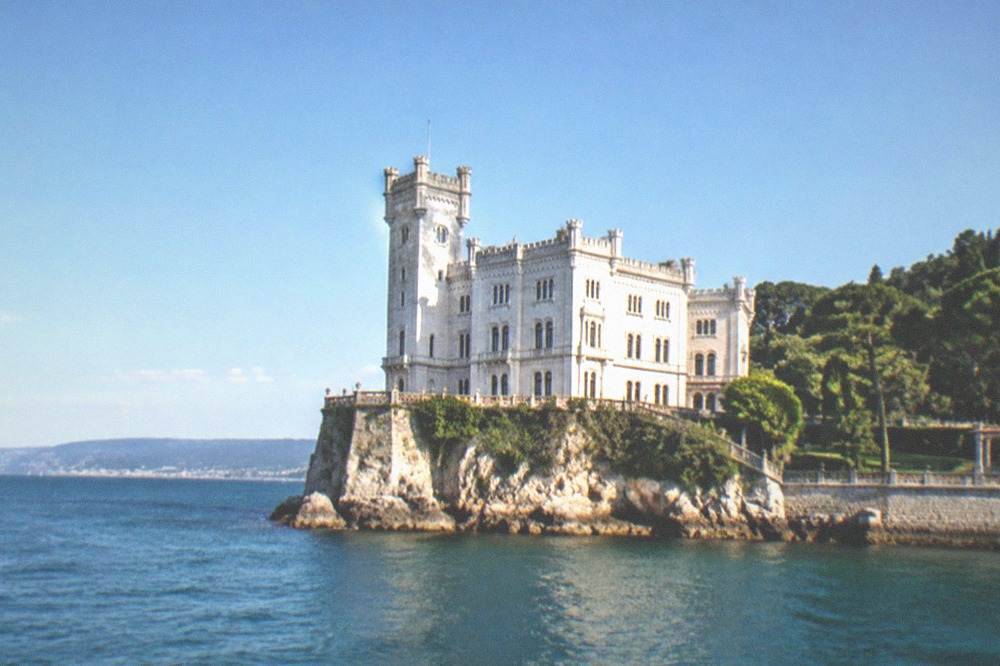
The headline tickets are Castello di Miramare at EUR 17.00 for adults including the temporary exhibition, Castello di San Giusto at EUR 7.00 full and EUR 5.00 reduced, Museo Revoltella at EUR 8.00 full and EUR 6.00 reduced, and Grotta Gigante at EUR 15.00 full, EUR 12.00 reduced and EUR 8.00 for children 6-18, while the cathedral, the Risiera di San Sabba, Miramare's park and the Roman theatre from the street are all free.
Those figures come from the venues' own published price lists and they are the whole paid layer of sightseeing in the city. The reductions matter more than most visitors expect. At Miramare, EU citizens aged 18-25 pay EUR 7.00 with the exhibition or EUR 2.00 for the castle alone, a difference of EUR 15.00 off the adult ticket. At Grotta Gigante, children under 6 are free, and when two or more children aged 6-18 are in the party the family rate drops to EUR 6.00 per child. The wider set of guides lives on Trieste Travel Guide.
Two warnings about tickets people expect to buy but cannot. The bell tower of the Cattedrale di San Giusto has no published price at all, the parish prints no figure, so do not budget one and do not trust any site that quotes it. And the Teatro Romano is not routinely enterable by individuals: you look down into the Roman theatre from the street, free, with guided access arranged for groups and schools on request. There is also no Trieste-only museum card. A regional FVGcard exists and covers Grotta Gigante and Museo Revoltella among other sites, but its prices could not be verified from a primary source, so this page does not quote them.
| Site | Adult | Reduced | Free options |
|---|---|---|---|
| Castello di Miramare (castle, includes exhibition) | EUR 17.00 | EUR 7.00 EU 18-25 with exhibition; EUR 2.00 castle only | Park free all year; first-Sunday scheme |
| Castello di San Giusto | EUR 7.00 | EUR 5.00 | First Sunday monthly; 3 November |
| Museo Revoltella | EUR 8.00 | EUR 6.00 | First Sunday monthly; 3 November |
| Grotta Gigante | EUR 15.00 | EUR 12.00; children 6-18 EUR 8.00 | Under 6 free |
| Cattedrale di San Giusto | Free | - | Entry always free |
| Risiera di San Sabba | Free | - | Entry always free |
| Teatro Romano | Free from the street | - | Not routinely enterable by individuals |
The first-Sunday scheme deserves a line of planning logic. State museums in Italy open free on the first Sunday of each month, and Miramare takes part, but the rule has changed more than once in recent years, so treat it as a bonus to verify on the venue's page rather than a pillar of the budget. Scheduling Miramare, San Giusto or the Revoltella on a first Sunday can remove EUR 17.00, EUR 7.00 or EUR 8.00 respectively from a couple's bill.
For the sights themselves, the Miramare Castle and San Giusto pages carry the full detail, including the hours that matter to the price: San Giusto is closed on Mondays from 12 October, and the Revoltella closes on Tuesdays, so a badly ordered itinerary can cost a wasted trip rather than a wasted ticket.
What Does Food and Coffee Cost in Trieste?
The published food costs in Trieste are the guided food walks: a three-hour street-food tour from $71.08 per person, a local-flavours tasting walk from $85.98 and a premium three-hour food tour from $87.58, while restaurant and caffè prices are set by each venue and are not printed in any official table, so this page gives no invented meal figures. The coffee culture, osmize farm outlets and buffet kitchens are the areas where spending is genuinely up to you.
That may sound like a dodge, but it is the difference between a cost guide you can trust and one you cannot. What can be said with confidence is where the money goes and how to control it. Trieste's buffet tradition, the jota-and-goulash kitchens described in the what to eat in Trieste guide, is historically a workers' lunch format, and the best restaurants page maps the range from those to the formal dining rooms of the Borgo Teresiano.
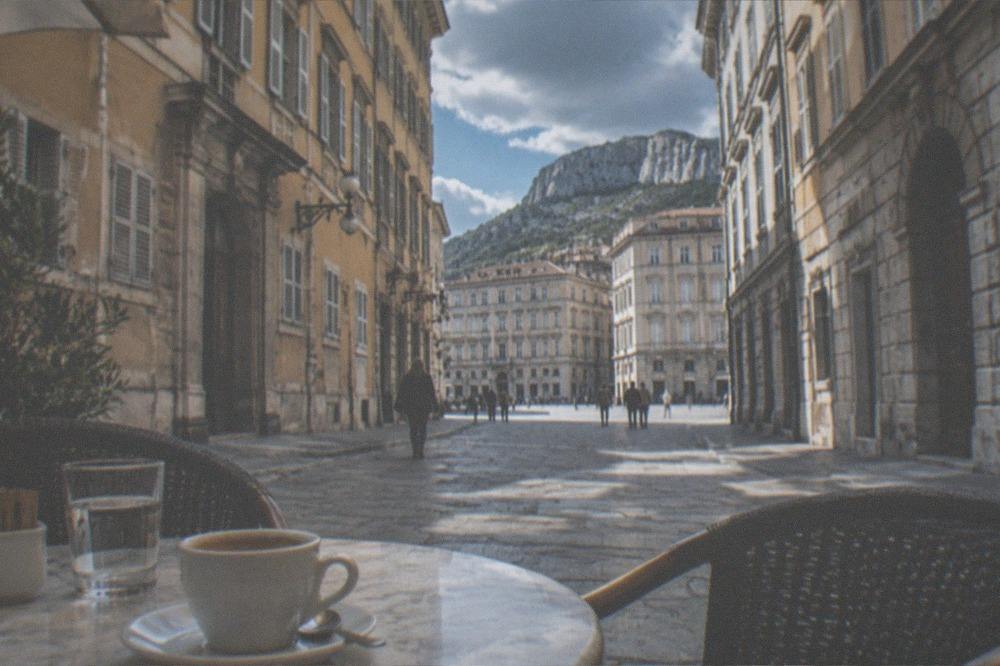
Coffee is the city's signature and the one item where the advice is structural rather than numeric. Trieste's caffè culture, covered in the Trieste coffee culture guide, runs from historic institutions to standing-room counters, and the price gap between the two experiences is wide even though no verifiable tariff exists to quote. The often-repeated claim that Triestini drink more coffee per head than anyone in Italy has no primary source behind it and this site does not print it.
The osmize of the Karst are the budget traveller's secret weapon in kind rather than in price. These farm outlets sell their own wine and home produce direct from the property, signposted by a frasca branch at the turning, and the opening calendar lives at osmize.com. There is no fixed tariff to publish because each farm sets its own prices, but the format, direct from producer, in a cellar, is about as far from tourist pricing as the region offers. The osmize of the Carso guide explains how to read the calendar.
| Food experience | Published price | What it covers |
|---|---|---|
| Trieste Guided Foodie Walking Tour | From $71.08 per person | 3 hours, guided street food |
| Unique Food Tour with Local Flavors and Tastings | From $85.98 per person | 3 hours, tastings walk |
| Premium Unique Food Tour | From $87.58 per person | 3 hours, local flavours |
| Small-Group Pasta and Tiramisu Class | From $157.65 per person | 3 hours, hands-on class |
| Private Cooking Class at a Local's Home | From $166.23 per person | 3 hours, certified cook |
| Osmize farm outlets | Set by each farm | Own wine and produce, direct |
For wine, the same logic applies. The Carso's own bottles, Vitovska, Malvasia and Terrano, are the local story, and the Friuli Venezia Giulia wine guide covers them. A wine tasting in the city centre with food pairings is published at from $56.18 per person for one hour, which is one of the cheapest structured tastings you will find in an Italian city.
What Do Tours and Guided Experiences Cost in Trieste?
Published Trieste tours run from $4.67 per person for a self-guided scavenger hunt to $217.82 for a private group walking tour of up to ten people, with the main tiers at $19.49 for the hop-on audio bus, $68.79 for a coffee-inclusive city walk, $68.79 for the Prosecco origins tour, $71.08 for the foodie walk, $129.93 for the Lipica and Škocjan Caves day trip and $108.91 to $145.97 for the Slovenia lake-and-capital day trips.
The spread is wide because the products are different animals. At the bottom, the self-guided layer, a scavenger hunt at $4.67 and a local-written audio walk at $7.59, buys you structure without a guide. In the middle, the group and small-group walks, $50.44 to $90.57, buy a local guide for a morning. At the top, the private tours, $128.45 to $217.82, buy exclusivity for a group, and the per-group pricing means a party of six on the $206.36 private walk pays less per head than two people on some mid-tier tours.
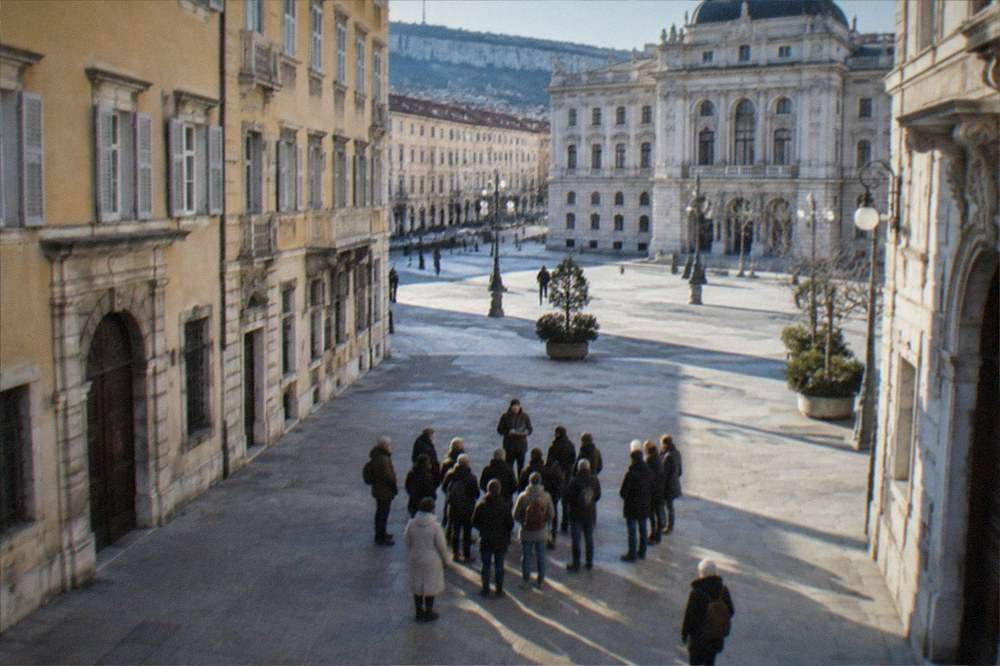
The private Habsburg history walk, at $143.30 per person for two and a half hours, is the one to single out for value, because Trieste's grandest architecture is Habsburg architecture and the walk decodes a city that otherwise reads as a pleasant but mysterious Central European puzzle. Its rating, 4.86 from 21 reviews on the operator's live listing, is on the listing rather than quoted as a promise here. Check availability
There is also a genuinely free tier, and it is honest free, not a funnel. GuruWalk lists a pay-what-you-want city walk in Trieste, free and tip-based, run by a local guru, rated 4.86 from 50 reviews, and a free Old Port industrial-archaeology walk rated 5 from 4 reviews. The free walking tours guide covers how the tip-based model works. You pay what you choose at the end; no price is printed because none exists.
| Tour | Type | Published price | Duration |
|---|---|---|---|
| Scavenger Hunt and Highlights Walk | Self-guided | From $4.67 per person | 2 hours |
| Walking Tour with Audio and Written Guide | Self-guided | From $7.59 per person | About 4.5 hours |
| Bus Tour with Audio Guide | Sightseeing bus | From $19.49 per person | 1.5 hours |
| City That Will Definitely Surprise You | Guided walk with caffè stop | From $68.79 per person | 2h 30m |
| Prosecco Origins Tour and Tastings | Karst wine | From $68.79 per person | 2h 30m |
| Habsburg History Private Walking Tour | Private walk | From $143.30 per person | 2h 30m |
| Best of Trieste Private Walking Tour | Private group | From $217.82 per group up to 10 | 2 hours |
| Lipica Stud Farm and Škocjan Caves | Day trip | From $129.93 per person | 6 hours |
Day trips change the arithmetic because the transport is inside the price. The Ljubljana and Lake Bled tour from $108.91 for nine hours, and the Piran and Slovenia coast tour from $114.64 for six hours, compare well against the cost and hassle of arranging a cross-border journey independently, especially with one border detail covered below.
The private-walk tier is also where a small group saves the most: split the Best of Trieste group rate across ten people and the per-head cost lands below several of the mid-tier group tours. That comparison only works with a full group, of course, so check the operator's live listing for your own party size before committing.
What Extras and Border Costs Should You Budget For?
The extras that catch visitors out in Trieste are the tourist tax cap of five nights, the compulsory booking at Grotta Gigante, the Monday and Tuesday closures that can strand a badly ordered itinerary, and, for day trips into Slovenia, the need to carry a passport or national ID card because Italy is running temporary border checks on its land border with Slovenia through 18 December 2026, even though all three countries use the euro and are in Schengen.
That border point is the one almost every other guide gets wrong, and it has a small real cost if ignored: a trip to Piran, Koper or Ljubljana without ID can end at the checkpoint instead of the coast. The checks are temporary and dated, listed in the European Commission's own register of reintroduced internal border controls, so carry the document and do not change money, because Slovenia and Croatia both take the euro, Croatia having adopted it and joined Schengen on the same day, 1 January 2023.
Weather has a cost dimension too, not through closures but through planning. The bora wind blows hardest in the cool season, with February averaging 6 days a year with gusts over 72 km/h and the all-time station peak at 168.1 km/h in February 2012, while June is the calmest month. No official wind threshold exists at which ferries stop or the seafront closes, so do not budget around one; check the forecast instead. The bora wind and weather month by month pages carry the full tables.
| Cost factor | Figure | Budget consequence |
|---|---|---|
| Tourist tax cap | 5 consecutive nights | A 7-night stay pays 5 nights of tax |
| Grotta Gigante booking | Compulsory, guided only | Book ahead; no walk-up guarantee |
| San Giusto closure | Monday, from 12 October | Reorder the itinerary, no refund risk |
| Revoltella closure | Tuesday | Same |
| Slovenia border checks | Temporary, through 18 December 2026 | Carry ID; no currency change needed |
| Windiest month (gusts over 72 km/h) | February, 6 days average | Fewer outdoor plans; sea trips less certain |
| Calmest month | June | Best odds for sea and kayak plans |
One more seasonal note on value rather than cost: November is Trieste's wettest month at 109.8 mm of rain against July's 53.8 mm, and July is one of the driest. The best time to visit Trieste guide works through the trade-off between weather odds and crowd pricing, and the free things to do page is the single best cost-reduction document on this site.
What Does a Sample Day in Trieste Cost?
A sightseeing day built on the published figures costs EUR 3.35 for transport, EUR 1.50 to EUR 3.80 per person in tourist tax, and then between nothing and EUR 17.00 per paid attraction. A two-adult day visiting Miramare castle and San Giusto on a four-star base adds up from those same rows, and the total falls away sharply when the castle lands on a free first Sunday, or when the free park, cathedral and Risiera fill the afternoon instead.
The point of the table below is that these components are additive and knowable, unlike a hotel rate. Build your own day from the rows and the total is real, not estimated. Food sits outside it because restaurant prices are per-venue, but the structural advice holds: the buffet kitchens and osmize are the cheap end, the historic caffè and formal dining rooms are the expensive end, and the gap between them is wide.
| Day component | Per person | Two adults |
|---|---|---|
| Urban day transport ticket | EUR 3.35 | EUR 6.70 |
| Tourist tax, four-star base | EUR 3.30 | EUR 6.60 |
| Castello di Miramare castle | EUR 17.00 | EUR 34.00 |
| Castello di San Giusto | EUR 7.00 | EUR 14.00 |
| Cathedral and Risiera | Free | Free |
| Miramare park instead of castle | Free | Free |
Stretch the same logic across a week and the fixed layer stays modest: seven day tickets at EUR 3.35, five nights of tourist tax at your category's rate, and one ticket from each major paid site once. Even buying every headline ticket in this guide at full adult price, castle, museum, cave, the sightseeing layer for two people lands well under EUR 100 across a whole trip. The variable layer, rooms, meals, tours, is where budgets actually flex, and the tour table above gives you the exact published prices to choose from.
Common Questions About the Cost of a Trip to Trieste
Is Trieste expensive to visit?
Less than its reputation suggests. The fixed costs are low by Italian standards: a day transport ticket at EUR 3.35, headline tickets from free to EUR 17, and a tourist tax capped at five nights. Accommodation and meals are the flexible parts, and neither has a published tariff, so the honest answer is that the sightseeing layer is cheap and the room is whatever your dates say it is.
How much is the tourist tax in Trieste?
Between EUR 1.50 and EUR 3.80 per person per night in 2026 depending on the accommodation category, charged for a maximum of five consecutive nights in the same property. Everyone under 18 is exempt, along with several other categories including people with a certified disability of 80 percent or more.
Is Miramare Castle free?
The castle is not: the adult ticket is EUR 17.00 including the temporary exhibition, with EU citizens aged 18-25 paying EUR 7.00 with the exhibition or EUR 2.00 for the castle alone. The park, however, is free all year and keeps its own longer hours, so a park-only visit costs nothing.
What is the cheapest way to get around Trieste?
The urban bus and tram network, at EUR 1.50 for a 60-minute single or EUR 3.35 for a day ticket, and singles are valid 240 minutes on Sundays and public holidays. The historic Opicina tram, line 2, runs on the same tickets from piazza Dalmazia, and contactless bank cards can be tapped on board.
Are museums in Trieste free on Sundays?
State museums, including Miramare, take part in the ministry's first-Sunday-of-the-month free-entry scheme, and civic sites such as Castello di San Giusto and Museo Revoltella are free on the first Sunday and on 3 November. The scheme's details have changed more than once, so check the venue's own page for the specific month rather than assuming.
Do I need cash for a day trip to Slovenia or Croatia from Trieste?
No currency exchange: Slovenia, Croatia and Italy all use the euro, and Croatia adopted it and joined Schengen on the same day, 1 January 2023. Do carry a passport or national ID card, because Italy is running temporary checks on its land border with Slovenia through 18 December 2026.
The short version of all of this: Trieste rewards a traveller who books the room with dates in hand and treats everything else as a set of small, published, stable numbers. Price the fixed layer from the tables above, add the tours you actually want from their live listings, and the city's honest cost is knowable to within a few euros before you ever leave home.