Is Trieste Safe? What Travellers Should Know About Italy's Border Port City
Trieste, the Adriatic port city in Friuli Venezia Giulia in Italy's northeast, is one of the country's calmer regional capitals for visitors. This guide covers what that means in practice: which parts of the city centre behave like a big city, what the bora wind actually does, and what to carry when you cross into Slovenia.
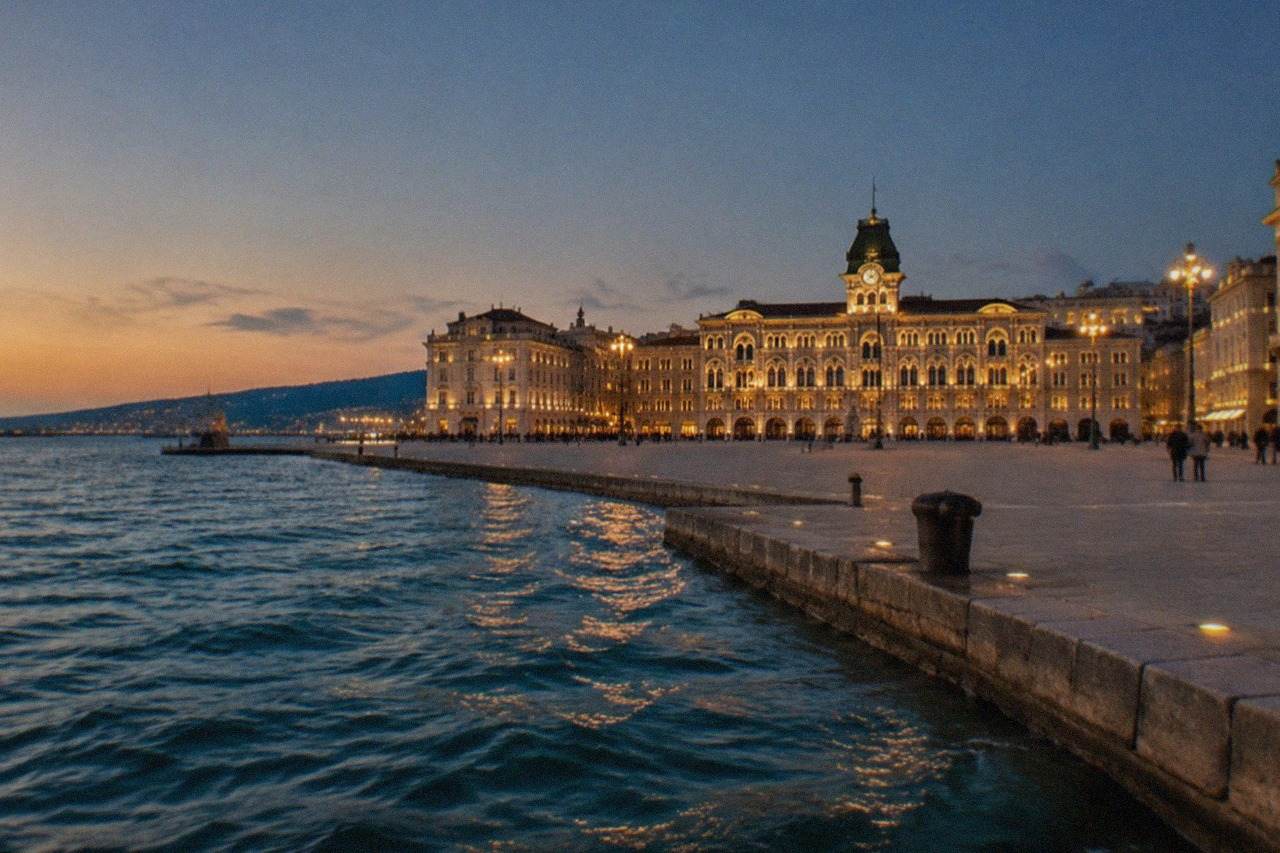
Short answer
Trieste is generally considered a low-risk destination by Italian regional standards, with the main visitor hazards being the bora wind, slippery seafront stone and road traffic rather than crime. Border checks with Slovenia are running temporarily through 18 December 2026, so carry ID on day trips.
Trieste, the Adriatic port city in Friuli Venezia Giulia in the far northeast of Italy, does not behave like the Italy most guidebooks describe. It is a border capital within sight of Slovenia, a former Habsburg port with a coffee-house culture, and a city where the most reliable threat to a pleasant day is meteorological rather than criminal. This guide sets out what a visitor actually needs to know: how the city centre feels after dark, what the bora wind does to a seafront stroll, which documents to carry across the border, and what the official 2026 numbers say about tourist tax and transport fares.
Is Trieste Safe for Tourists?
Trieste is generally regarded as one of Italy's calmer regional capitals, and the risks a visitor is most likely to meet are weather, water and traffic rather than crime. The city has no area that travel advisories tell tourists to avoid, its main squares and seafront stay busy into the evening, and the practical safety tasks are ordinary city common sense: mind the tram tracks, respect the sea in winter, and carry identification because Italy is running temporary border checks with Slovenia through 18 December 2026.
That last point surprises people who read that Italy, Slovenia and Croatia are all in the Schengen area and all use the euro. Both are true: Croatia joined Schengen and adopted the euro on the same day, 1 January 2023, and Slovenia has been in both since 2007. But the European Commission's own register of temporary border controls currently lists Italy running checks on its land borders with Slovenia from 19 June 2026 to 18 December 2026. So the honest answer to "do I need my passport for Piran?" is yes, carry it, because this specific border has active checks right now.
The rest of the safety picture is unglamorous. The seafront stone of the Rive is polished by a century of feet and, when the bora blows or the rain comes down, it is slick. November is the wettest month at the city's official waterfront station, at 109.8 mm, and September is second at 102.3 mm, while July is one of the driest at 53.8 mm. If you are planning around weather rather than crime, the Trieste weather month by month guide carries the full station table.
Which Areas of Trieste Should You Be Careful In?
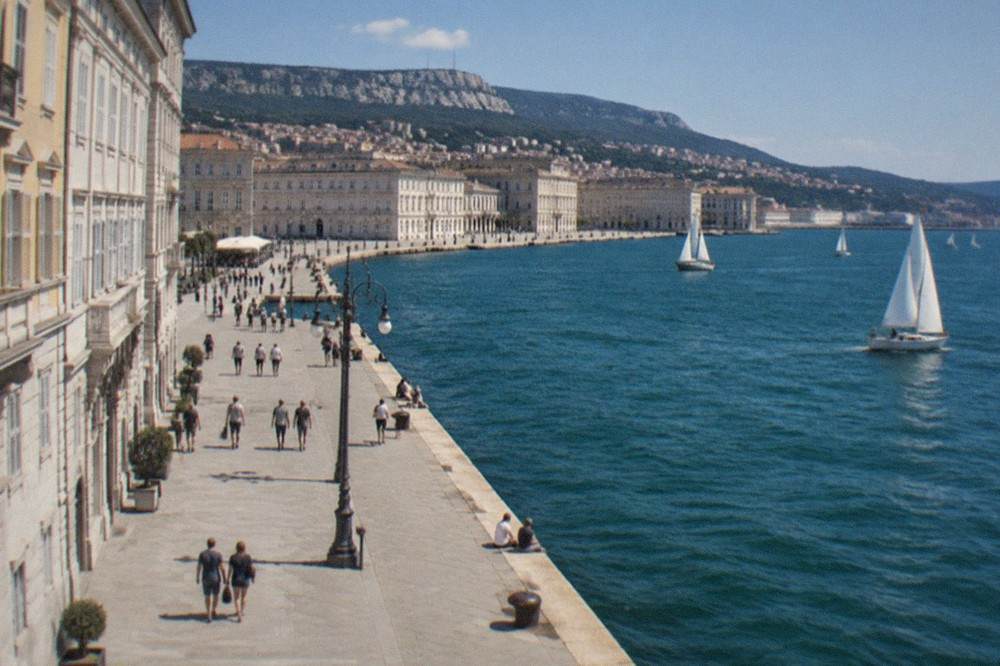
No district of Trieste is flagged as off-limits, and the areas a visitor is warned about are the same ones every Italian city shares: the station square late at night, the port-side streets around Porto Vecchio that are still in transition, and the evening fringe of the nightlife streets where drink, not geography, is the variable. Città Vecchia, the Borgo Teresiano grid and the Colle di San Giusto are all ordinary walking areas day and night.
The station area, around Trieste Centrale, is the classic Italian railway-square situation: perfectly fine by day, less charming at 2 a.m., and worth the usual taxi-after-dark judgement. Porto Vecchio, the old port, has been opening to the public in stages and is genuinely interesting, but it is still a district in conversion, so lighting and street life thin out at its edges. The free walking tours in Trieste guide covers a GuruWalk old-port tour that is a good way to see it with someone who knows which parts are finished.
The Cavana district, once the city's rough quarter and now firmly on the tourist map, has changed so much that warnings about it are decades out of date. The same is true of warnings about the railway port workers' streets: the city a visitor actually walks today is a compact Habsburg grid where the most common street hazard is a bicycle on the canal-side paths.
A guided walk is the fastest way to calibrate a new city, and Trieste has several serious options. The Jewish heritage walking tour, for instance, is a private three-hour route rated 5 from 4 reviews on the operator's live listing, priced from $194.89 per group of up to 3, covering the community that made Trieste a gateway port. The food tours are another good first-day choice, because they put a local between you and the city for three hours.
Is Trieste Safe at Night?
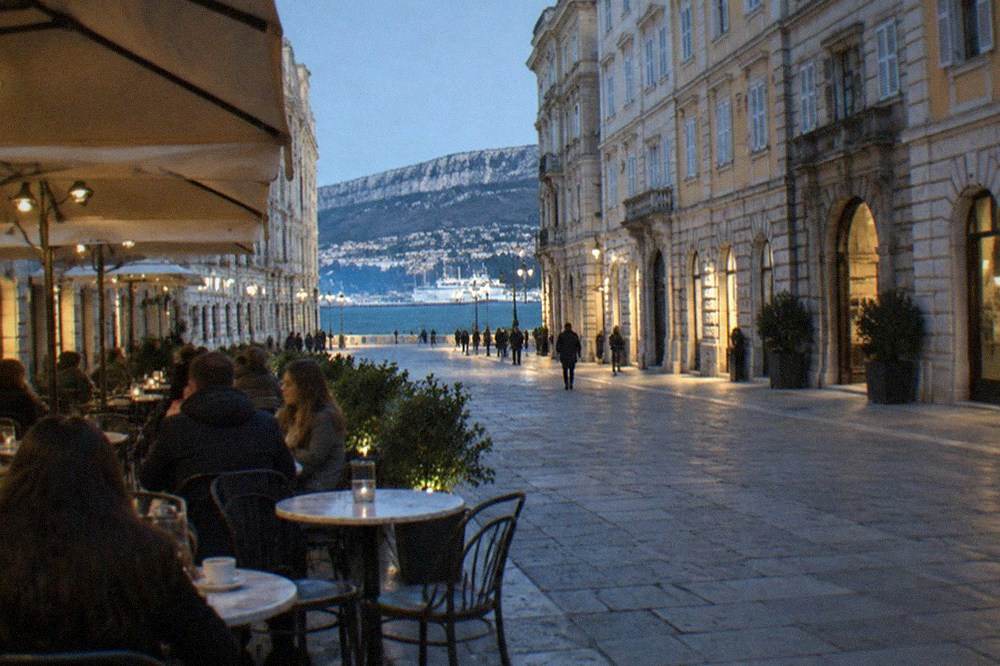
Trieste's centre is a night-time city by Italian standards, because the caffès and bars around Piazza Unità d'Italia and the Canal Grande stay open and busy, and the seafront remains populated by walkers and runners until late. The realistic night risks are the same as any mid-size Italian city: unlit steps on the Colle di San Giusto, the seafront when the bora is blowing, and the usual care with drinks and valuables in crowded bars.
Trieste's evening culture is one of its attractions, and the historic caffè tradition means the centre does not empty at dusk. The streets between the Piazza and the canal are lit and trafficked. The two things to actually plan for: the hill up to the Cathedral of San Giusto involves old stone steps that are unlit in patches, and the Rive seafront has no railing along long stretches, which is a genuinely bad place to be in a strong bora with gusts that average 17.6 days a year over 90 km/h at the official station.
If a bora is forecast, the night plan changes: the wind is the story, not crime. The bora wind guide explains the mechanics, but the short version is that the all-time peak gust in the official 1995-2024 station series is 168.1 km/h, recorded in February 2012, and the monthly record gust exceeds 110 km/h in every single month of the year. No official threshold exists at which the Rive are closed, because authorities judge conditions live rather than against a published cutoff.
| Month | Rain mm | Wet days | Days with gust over 90 km/h | Record gust km/h |
|---|---|---|---|---|
| January | 52.8 | 6.6 | 2.4 | 148 |
| February | 59.7 | 6.6 | 2.9 | 168 |
| March | 52.8 | 6.1 | 2.1 | 163 |
| April | 60.7 | 8 | 0.7 | 123 |
| May | 75 | 8.5 | 0.7 | 120 |
| June | 62.5 | 6.1 | 0.3 | 110 |
| July | 53.8 | 5.4 | 0.9 | 125 |
| August | 71.7 | 6.6 | 0.9 | 124 |
| September | 102.3 | 7.4 | 1.1 | 124 |
| October | 88.6 | 7.6 | 1.4 | 126 |
| November | 109.8 | 9.5 | 1.9 | 147 |
| December | 77.4 | 7.7 | 2.3 | 133 |
The table above is the city's own station data, not a generic Mediterranean average, and it is the reason this guide keeps saying the weather is the real safety story in Trieste. Note that June is the calmest month for wind and November the wettest, which inverts most people's assumptions about an Adriatic summer city.
Is Trieste Safe for Solo Travellers and Women?
Solo travel in Trieste is about as straightforward as Italy gets: the centre is compact and legible, the evening street life is public and caffè-based rather than nightlife-based, and the standard precautions are the ordinary ones for any European city. There is no local pattern of incidents around a specific venue or street that official sources identify, and the practical advice reduces to the bora, the sea wall and the same drink-awareness you would apply in any city.
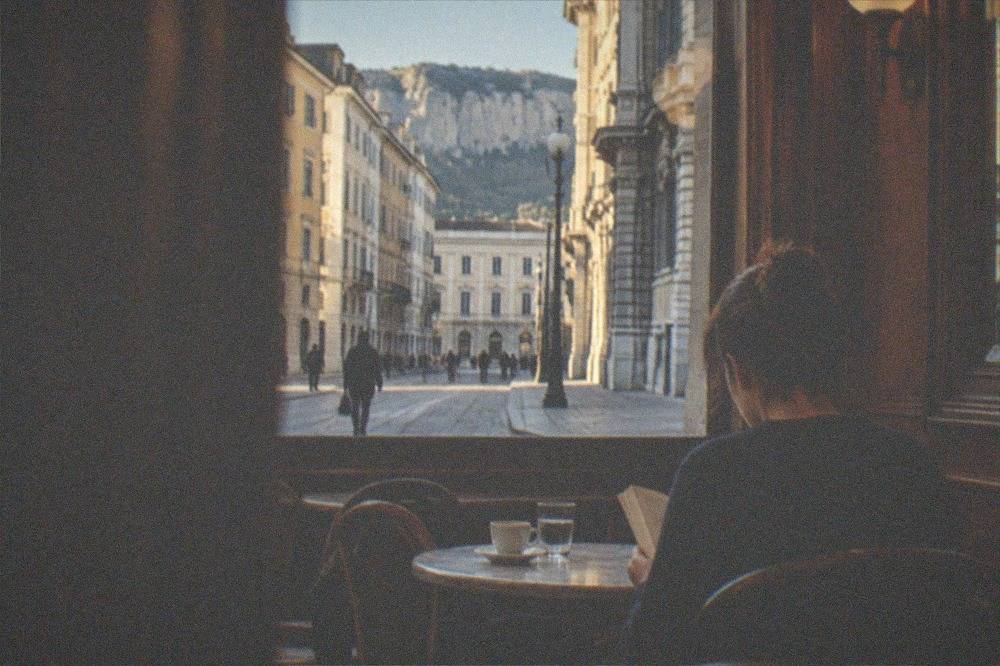
The city rewards the solo traveller precisely because its social life is public. Sitting alone with a coffee in a historic caffè is not just acceptable in Trieste, it is the local institution, and the Trieste coffee culture guide explains why the city treats its caffè as living rooms. A solo visitor is never conspicuously alone in a room full of readers and pensioners.
For women travelling alone, the same applies with the usual European-city caveats. The nightlife streets around the Cavana and the port-side venues get loud late, and the station square at night is the one place most solo travellers would simply not linger in. None of this is Trieste-specific; it is the standard map of any Italian regional capital.
The Jewish heritage walk is a good solo option for exactly this reason: it is private, it is led by a guide who knows the city's story, and it spends three hours in the central streets rather than in late-night venues.
Is Trieste Safe for Families with Children?
Families will find Trieste unusually easy: the pedestrianised centre, the free Miramare park, the seafront promenades at Barcola and the small beaches make it a low-stress city for children, and the main parental watch-points are open water on the Rive, the funicular-style Opicina tram platform gaps and sun exposure on the exposed Carso. There are no family-specific safety warnings in official sources beyond ordinary supervision near the sea.
The sea is the one thing to supervise properly. The Rive is a working waterfront with open edges, and Barcola, the city's own seafront, is a swim-and-splash place where the beaches and swimming guide covers where the water is and what the sea temperature does through the year: the station tables show the sea averaging 25.9 C in July and August against 10.5 C in February, so the swimming season is genuinely summer-only.
The Opicina tram is a novelty children love, and it is running: it was reactivated on 1 February 2025 after the long stop following the August 2016 accident, and Trieste Trasporti's own line-2 page carries a current timetable dated from 20 July 2026. Its city terminus is piazza Dalmazia, not piazza Oberdan, which matters because half the internet still says Oberdan. Children should be kept clear of the platform edge; it is a tram with a funicular section, not a fairground ride. More of these guides are collected on Trieste Travel Guide.
| Ticket | Price | Validity |
|---|---|---|
| Urban single (U01) | €1.50 | 60 minutes |
| Urban single (U02) | €1.85 | 75 minutes |
| Day ticket (U24) | €3.35 | whole day |
| 10 rides (U10) | €13.50 | carnet |
| 20 rides (U20) | €16.65 | carnet |
Those are the official 2026 urban fares from Trieste Trasporti's tariff sheet, and single tickets are valid 240 minutes on Sundays and public holidays. Contactless bank cards can be tapped on board, and the system applies the cheapest applicable fare, which removes one classic family stress: nobody has to find a ticket machine with three children in tow.
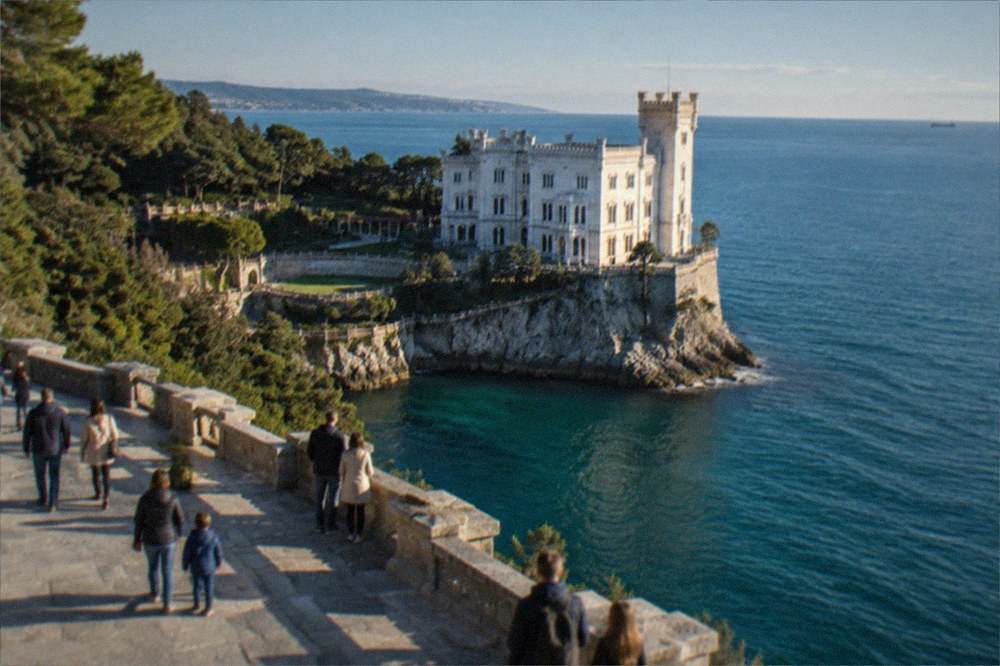
A castle-and-park ticket is the classic family half-day: the park is free anyway, and the combined ticket covers the castle and the current exhibition at EUR 20.50 per person on the operator's live listing.
What About the Bora, the Sea and Trieste's Weather Risks?
The bora is the single most consequential safety factor in Trieste, and it is a wind, not a crime: the east-north-east gusts average 17.6 days a year over 90 km/h at the official waterfront station, they can persist for days, and there is no published official threshold at which ferries stop or the Rive close, because the authorities judge conditions live. The sea adds two more: cold water outside summer and slick seafront stone in the wettest months, September through November.
ARPA FVG, the regional environmental agency, maintains the station at Trieste molo Fratelli Bandiera, and its 1995-2024 series is what every figure in this guide comes from. The bora blows from the east-north-east, gusts largely exceed 100 km/h in strong episodes, and the all-time peak in the series is 168.1 km/h in February 2012. Older figures you will find elsewhere, the 171 km/h of 1954 and the 188 km/h of 2010, are not in the station table and this site does not repeat them.
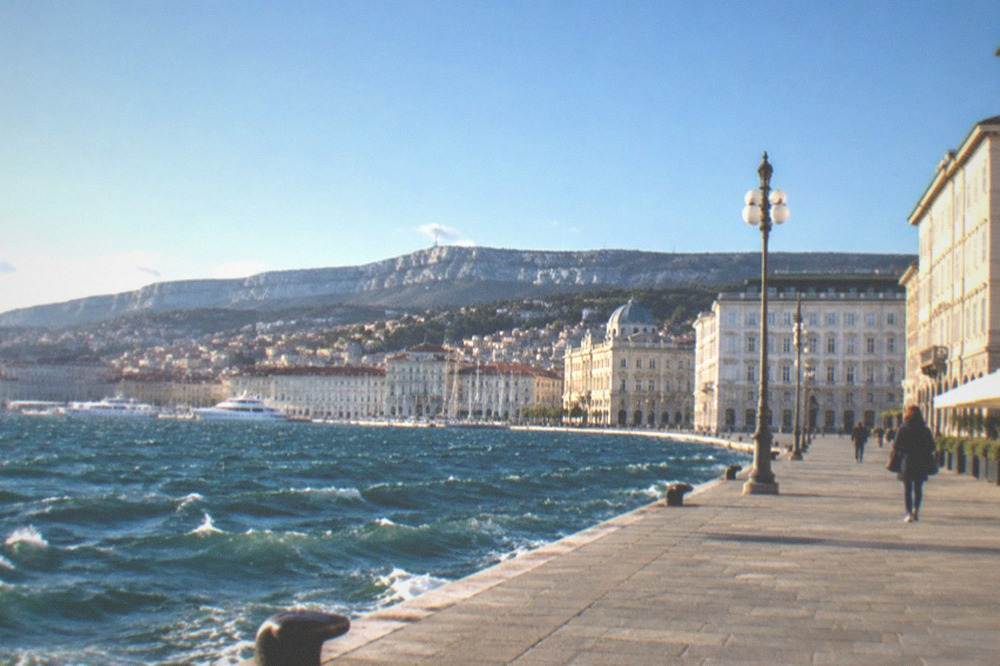
The practical version for a visitor: check the forecast before planning a seafront day, hold small children by the hand on the Rive when it is blowing, and treat the wind with respect rather than fear. Triestines walk to work in it. The best time to visit Trieste guide translates the station data into planning advice if you have flexibility on dates.
Is It Safe to Cross Into Slovenia or Croatia from Trieste?
Yes, and the paperwork is simpler than most travellers expect: Italy, Slovenia and Croatia all use the euro and all are in Schengen, so there is no currency to change and no routine passport control, but Italy is running temporary checks on its land border with Slovenia through 18 December 2026, so carry a passport or national ID card on any day trip across that border. Croatia joined both Schengen and the euro on the same day, 1 January 2023.
That border-check line is the one fact most guides get wrong, in both directions. Some still tell readers to change money for Croatia, which has not been necessary since 1 January 2023. Others say Schengen means no checks at all, which is not true on this particular border right now: the European Commission's register lists Italy's temporary controls on the Slovenia land borders from 19 June 2026 to 18 December 2026. Write that down as "temporary and dated", not as a permanent feature, and check the register before a trip in late 2026.
| Destination country | Currency | Schengen | What to carry from Trieste |
|---|---|---|---|
| Slovenia | Euro | Yes, since December 2007 | Passport or ID card, checks possible through 18 Dec 2026 |
| Croatia | Euro | Yes, since 1 January 2023 | Passport or ID card |
| Austria (via Slovenia) | Euro | Yes | Passport or ID card |
The day trips themselves are among the safest travel in the region: Piran, Ljubljana, Lake Bled, Postojna and the Lipica stud farm are all routine excursions with established operators. The day trips from Trieste routes on this site cover each one, and the cross-border coaches run from the city's coach stations, but this site does not publish their timetables or fares because they change and were not verified at the time of writing.
Are There Scams or Pickpockets in Trieste?
Trieste has no scam scene of the type that defines Rome, Florence or Naples: no restaurant-menu ruses, no rose-and-bracelet routines and no pickpocket teams working the Piazza, because the city simply does not have the tourist volume that pays for them. The realistic petty risks are bicycle and bag snatching in the station area, unattended bags on the beach at Barcola, and the ordinary rule of not leaving valuables in a parked car anywhere in Italy.
That is not a claim that Trieste has no crime; it is a mid-size Italian port city with a university, a port workforce and the full normal range of urban incidents. It is a claim about what a visitor is likely to encounter, which is a city whose tourism is spread thin enough that no scam economy has formed around it. The central squares are wide, policed and full of locals rather than tour groups.
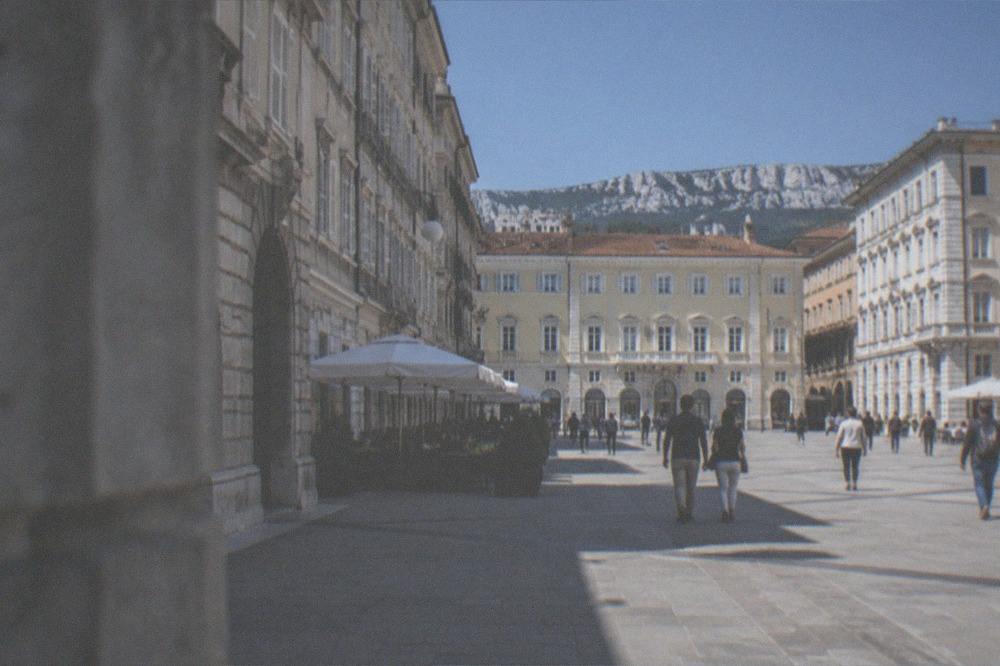
The one place to apply big-city caution is the area around Trieste Centrale station at night, and the one beach rule is never to leave a bag with a phone in it on the rocks at Barcola while you swim. Both are universal, neither is Trieste-specific.
How Much Does a Trip to Trieste Really Cost, and Is the Tourist Tax a Trap?
Trieste is moderately priced by northern Italian standards, and the 2026 tourist tax is fixed and capped: the Comune's own rate table runs from €1.50 per person per night at campsites to €3.80 at five-star hotels, it is charged for a maximum of 5 consecutive nights in the same property, and everyone under 18 is exempt, so it is a small, published cost rather than a surprise.
The full 2026 table, published by the Comune di Trieste under its 2022 regulation as amended in October 2025, is below. The charge is per person, per night, and the cap is the important line: five consecutive nights in the same property, after which it stops.
| Accommodation type | Tourist tax per person per night |
|---|---|
| 5-star hotel / residenze turistico-alberghiere | €3.80 |
| 4-star hotel / RTA / case vacanza | €3.30 |
| 3-star hotel / RTA / case vacanza | €3.00 |
| 2-star hotel / affittacamere / B&B Superior | €2.30 |
| Hostels, agriturismi, short-let properties | €2.30 |
| B&B Comfort | €2.00 |
| 1-star hotel / B&B Standard | €1.80 |
| Campsites and motorhome areas | €1.50 |
Exemptions beyond under-18s include companions of hospital inpatients, people with a certified disability of 80% or more, coach drivers and tour leaders accommodated free, and one group leader per 15 minors. If a hotel quotes you something well above these figures, it is quoting wrong, and the table is the Comune's own. The where to stay in Trieste guide maps the districts against these rate bands.
Beyond the tax, the big ticketed costs are honest and published. The castle at Miramare is €17 for an adult, including the temporary exhibition, with the park free all year; San Giusto Castle is €7 full and €5 reduced; the Museo Revoltella is €8; and Grotta Gigante is €15 for an adult on a compulsory guided tour. Grotta Gigante is closed Tuesdays from September to February, Museo Revoltella closes on Tuesdays year-round, and San Giusto closes on Mondays from 12 October, so a small amount of diary work saves a wasted trip.
| Site | Adult price | Weekly closure | Free days |
|---|---|---|---|
| Miramare Castle | €17 | None stated | First Sunday of the month (castle); park free daily |
| Castello di San Giusto | €7 | Monday, from 12 October | First Sunday of the month and 3 November |
| Museo Revoltella | €8 | Tuesday | First Sunday of the month and 3 November |
| Grotta Gigante | €15, guided only | Tuesday, September to February | None published |
| Risiera di San Sabba | Free | None | Free year-round |
| Cattedrale di San Giusto | Free | None | Entry always free |
What Should You Know Before Arriving by Plane, Train or Cruise Ship?
All three arrival routes into Trieste are low-friction: the airport has its own railway station connected to the terminal by a covered walkway of roughly 400 m, the cruise port is close to the city centre with the main sights reachable on foot, and Trieste Centrale sits at the edge of the walkable Borgo Teresiano grid. The safety-relevant advice at each is mundane: watch bags at the station, and treat the seafront walk from the cruise berths with respect in a bora.
The airport, at Ronchi dei Legionari, is covered in the Trieste airport guide, including the rail link and the bus alternative from the intermodal hub beside the terminal. Cruise passengers get their own Trieste cruise port guide, and rail arrivals are covered in the train station and rail connections page, which also links the Venice line covered in Trieste to Venice by train.
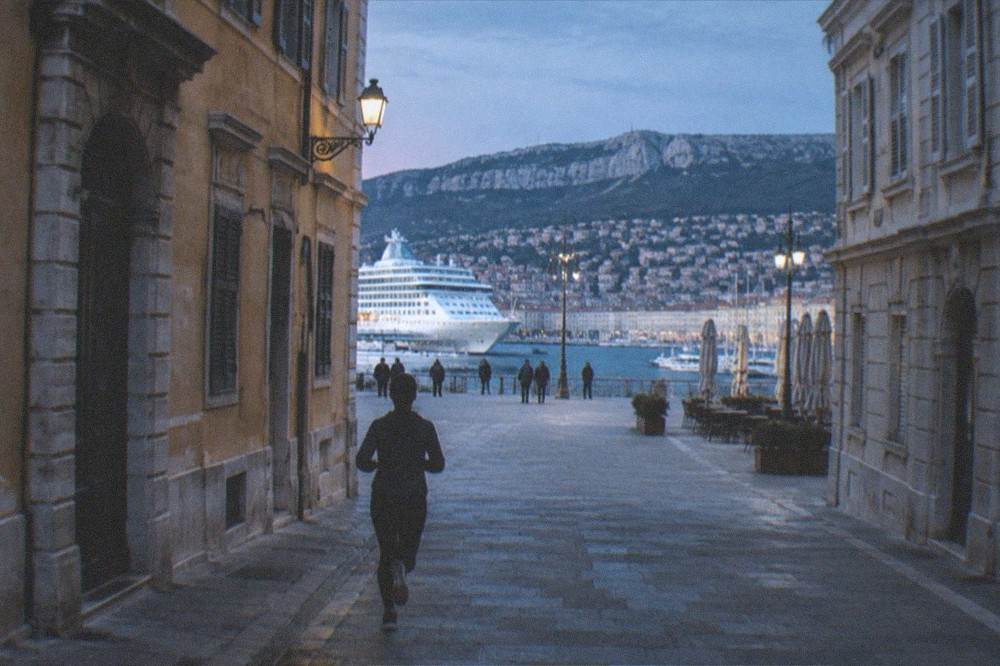
Whichever way you arrive, the same three tours keep coming up for first-time visitors: a private heritage walk, a food tour through the buffet and caffè tradition, and a Miramare ticket. The guided foodie walking tour, rated 4.9 from 264 reviews on the operator's live listing and priced from $71.08 per person for three hours, is the one most often booked by people who want a local between them and the city on their first evening.
Common Questions About Safety in Trieste, Italy
Is Trieste Safe at Night for Tourists?
Yes, in the ordinary European sense. The caffè-based centre stays populated late, the main squares are lit, and the areas needing caution after dark are the station square and the edges of Porto Vecchio, not the tourist streets.
Is Trieste Safe for Solo Female Travellers?
Yes, with standard city precautions. Trieste's evening life is public and caffè-centred rather than nightlife-centred, and no official source identifies a venue or street pattern of concern.
Do I Need a Passport for a Day Trip to Slovenia from Trieste?
Carry one. Slovenia is in Schengen and uses the euro, but Italy is running temporary checks on that land border through 18 December 2026, and the honest advice is to have a passport or national ID card with you.
Is the Water Safe to Drink in Trieste?
Yes, ordinary Italian municipal tap water is potable throughout the city, and caffè tap water is normal.
Is the Bora Dangerous for Visitors?
It is a serious wind, not a danger if respected. Gusts over 90 km/h average 17.6 days a year at the official station, the seafront is exposed, and the sensible rule is to check the forecast and stay off the open Rive in a strong episode, especially with children.
Are There Any Areas of Trieste to Avoid?
No district is off-limits. The station area late at night and the unfinished edges of the old port are the two places where ordinary city caution applies.
The honest summary is that Trieste, Italy, is a city where the safety checklist is short: carry identification for the Slovenian border, respect the bora and the open seafront, keep an eye on bags at the station and the beach, and pay the published, capped tourist tax without worrying about it. Everything else is ordinary good sense in a calm, walkable, thoroughly Central European corner of the Italian coast, as the short history of Trieste explains better than any warning list could.