Trieste Bars and Nightlife
Trieste, Italy, drinks differently from the rest of the country: Habsburg-era cafés, seaside aperitivo, Karst wine and a bar scene spread across Città Vecchia and the Borgo Teresiano.
Short answer
Trieste nightlife centres on Città Vecchia's bars, aperitivo along the Rive and the historic cafés of the Borgo Teresiano. Expect wine and spritz culture rather than clubbing, with the liveliest months from May to October and the Barcolana regatta in October as the year's biggest night out.
Trieste, Italy, is a port city that starts its evenings late and treats drinking as a civilised, seated affair. The Adriatic is on one side, the Karst plateau on the other, and a thousand years of Habsburg, Italian and Slovene influence have produced a bar culture that has more in common with Vienna or Ljubljana than with Rome or Naples. This guide covers the districts where the evening actually happens, what to order once you are there, how the city's famous cafés behave after dark, and the practical details of ending the night in a city that the bora wind keeps honest.
What Is Trieste Nightlife Actually Like?
Trieste nightlife is a slow, wine-led, conversation-first affair built around aperitivo, historic café interiors and bar-lined lanes in Città Vecchia, rather than late-night clubbing. The evening tends to start with a spritz or a glass of Karst wine, moves between bars on foot because the centre is compact, and peaks in the warm months when tables spill onto the seafront. It is Central European in pace and Mediterranean in setting.
That mix is the whole point. The city spent centuries as the Habsburg empire's outlet to the sea, and the café culture that era produced never left: the historic caffè of the Borgo Teresiano still operate as institutions rather than tourist props, and the evening aperitivo tradition runs straight through them. The drinking repertoire is unusual for Italy too. The Carso hills immediately behind the city grow Vitovska, Malvasia and Terrano, grapes most visitors have never heard of, and the sparkling wine of the neighbouring hills has its own story, told in detail on our Friuli Venezia Giulia wine page.
What Trieste does not offer is a heavyweight club scene. The evening is a walking one: a drink in one bar, a short stroll, another bar two lanes away. The compactness is the enabler. If you want the same city in daylight first, our free walking tours page covers the GuruWalk options, and the wider context of how this frontier city ended up Italian at all is on a short history of Trieste.
Where Are the Best Bar Districts in Trieste?
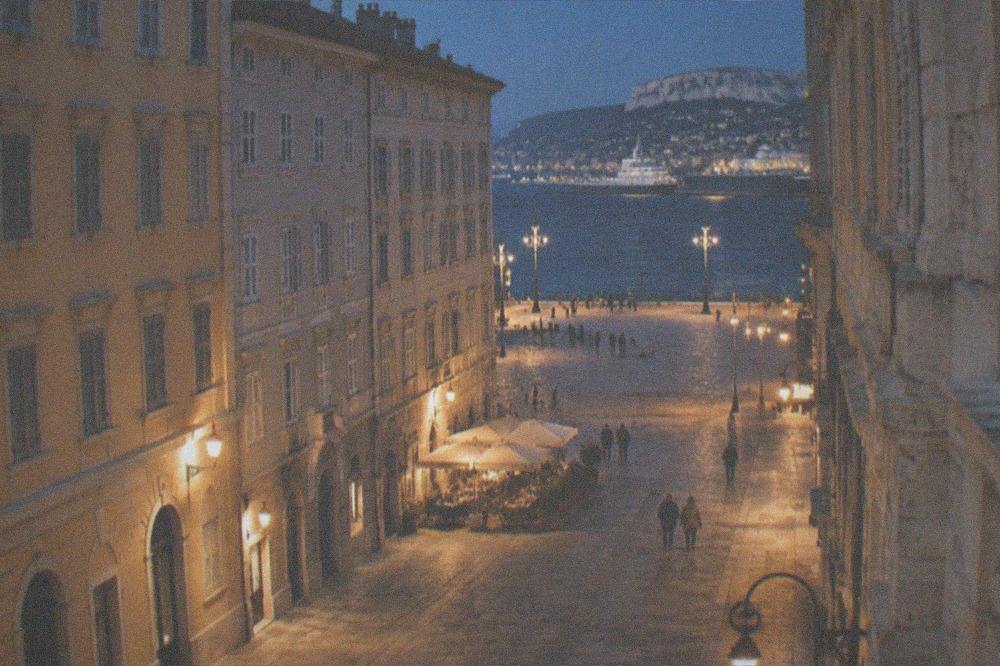
The three districts that matter are Città Vecchia, the old town on the hill behind Piazza Unità d'Italia, where the bar lanes are densest; the Borgo Teresiano, the grid of Habsburg-era streets around the Grand Canal where the historic cafés sit; and the Rive, the long seafront where warm-month aperitivo faces the water. Each has a different register, and a good evening can touch all three on foot.
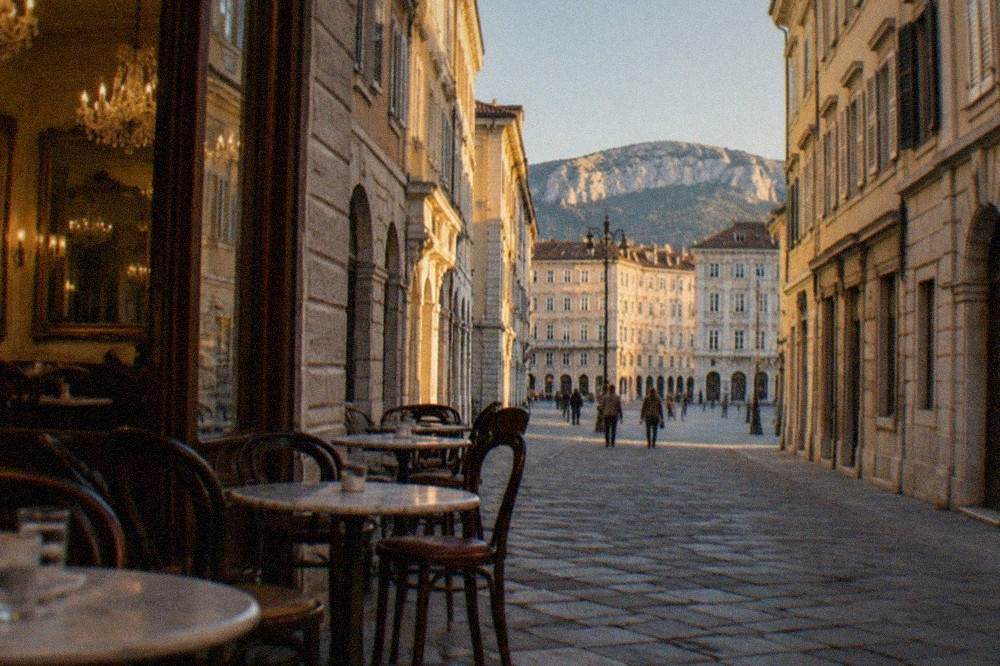
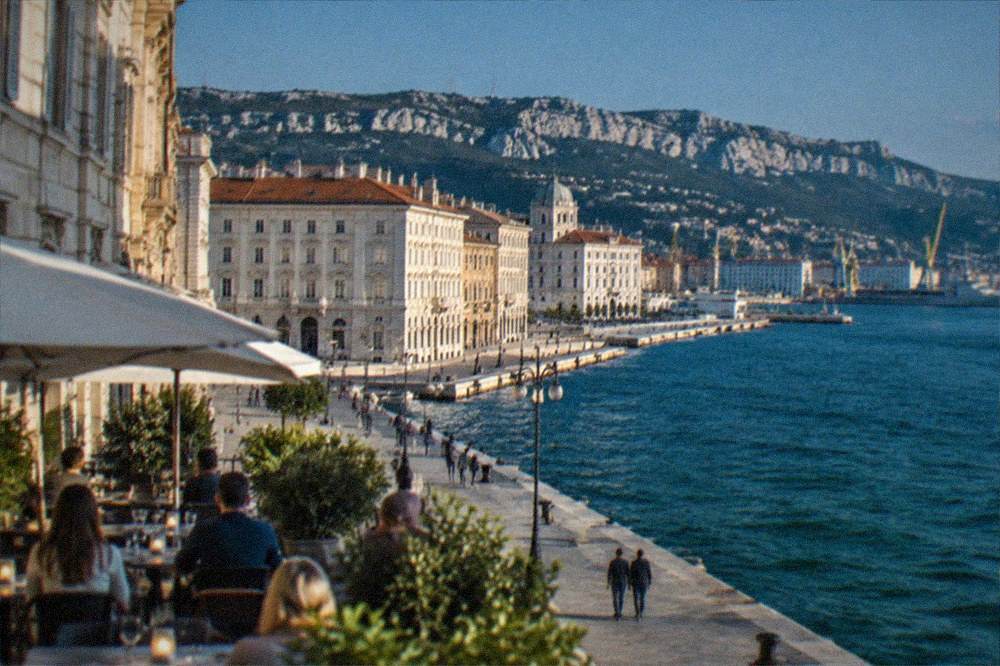
Città Vecchia is the closest thing Trieste has to a classic nightlife quarter: narrow lanes, small bars, students from the university and a crowd that builds later than the tourist tables by the sea. The Borgo Teresiano is grander and earlier. This is where the historic caffè cluster, along with wine bars that lean on the Karst producers up the hill, and the whole district is within a short walk of most hotels listed on our where to stay in Trieste page. The Rive, the seafront promenade, is at its best from late spring to early autumn, when the tables face the sunset over the Adriatic and the bora is statistically at its calmest, June being the quietest month for wind in ARPA's station tables.
A fourth option sits up the hill rather than in the city: the osmize, the farm-cellars of the Carso where producers sell their own wine and home-cured food direct. They are a daytime and early-evening institution rather than a bar scene, and their openings are seasonal and irregular, tracked by a long-established volunteer calendar. Our osmize of the Carso guide explains how the frasca, the leafy branch hung at a turning, tells you one is open.
If an evening of self-navigation sounds like work, a guided food walk does the district-hopping for you, and a private walking tour earlier in the day maps the geography so your first night out is not spent guessing.
What Should You Drink on a Night Out in Trieste?
Order a Karst wine first: Vitovska, a dry white, or Terrano, a red grown on the red soil of the Carso, are the local answers, with Malvasia as the aromatic third option. The spritz is everywhere, as it is across the Veneto-facing north-east, and the city's coffee culture means an evening espresso is entirely normal. Trieste is not in the Prosecco DOC, but the village that gave the wine its name is up the coast.
The Karst wines are the insider's order. Vitovska in particular has become the region's signature white, and a wine bar in the Borgo Teresiano will pour several by the glass. The Prosecco story is a genuinely Triestine one, with a twist: the village of Prosecco itself sits on the Karst above the city, and the sparkling wine that now carries the name worldwide started there before production shifted west. The tasting tours built on that story are among the best-rated experiences leaving the city, and the numbers below come from the operators' live listings.
| Experience | Decision name | From (per person) | Rating | Reviews | Duration |
|---|---|---|---|---|---|
| Trieste: 2.5-Hour Prosecco Origins Tour and Tastings | Prosecco Origins Tour, Tastings | $68.79 | 4.93 | 227 | 2h 30m |
| Prosecco Origins Wine Experience | Prosecco Village Wine Experience | $70.07 | 5 | 91 | 2 to 3 hours |
| Trieste City Center: Wine Tasting with Food Pairings | 1-Hour Wine Tasting, Food Pairings | $56.18 | 4.61 | 22 | 1 hour |
| Trieste: History of Prosecco and the Karst Region | Full-Day Prosecco and Karst | $145.22 | 4.48 | 23 | 7 hours |
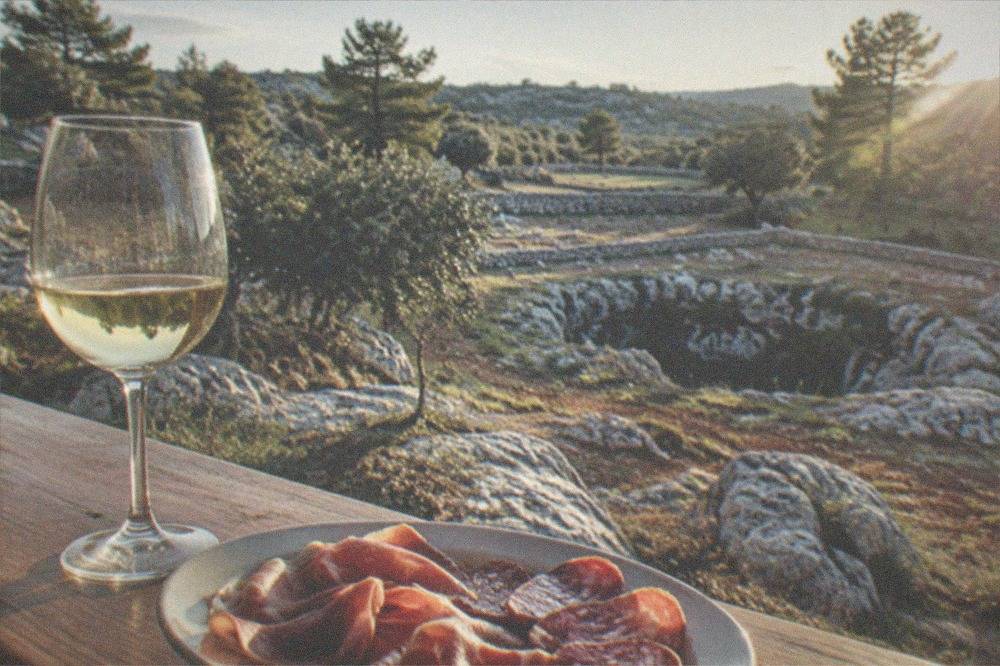
The pairings matter here. Trieste's food identity is Mitteleuropean: jota, the barley-and-bean soup, and the buffet tradition of pork and sauerkraut are the city's own, and the what to eat in Trieste guide covers them properly, with the restaurant shortlist on our best restaurants in Trieste page. A wine bar evening that ends with a plate of local charcuterie is the standard Triestine arc, and the tasting tours above build exactly that structure in.
For a shorter, cheaper commitment, the one-hour city-centre tasting is the entry point; for a full day on the hills it is the seven-hour Karst tour. Either way the operators' live listings carry current availability and the cancellation terms, so check them before committing to a date.
Do the Historic Cafés of Trieste Stay Open in the Evening?
Yes, the grand cafés of Trieste function as evening venues as well as morning ones, and several are at their most atmospheric after dark, when the chandeliers, mirrored walls and newspaper tables fill with an aperitivo crowd. They are working businesses with their own hours rather than museums, so treat them as bars with extraordinary interiors and check the venue's own page for the day's closing time, which the pack does not state.
The café tradition here is the city's single most famous cultural export after coffee itself. Trieste is a historic coffee port and a roasting centre, and the Trieste coffee culture guide tells that story in full, from the sea trade to the historic bar counters. What matters for nightlife planning is that the caffè are not a morning-only institution: an evening coffee, a caffè corretto or a glass of wine in a 19th-century room is a normal Triestine night out, and one of the city's best-rated walks ends with exactly that, coffee in a historic bar.
The guided versions are worth the money if you want the rooms explained, because the interiors carry the Habsburg story better than any plaque. The three strongest options are listed below, all with current availability and cancellation terms on the operator's live listing.
| Café-themed experience | Decision name | From | Rating | Reviews | Duration |
|---|---|---|---|---|---|
| Trieste Historic Cafés Experience | Coffee Culture Walk, 3 Hours | $74.52 per person | 4.9 | 19 | 3 hours |
| Trieste: City that will definitely surprise you | Guided Walk, Coffee in Historic Bar | $68.79 per person | 4.97 | 106 | 2h 30m |
| Trieste: Guided tour in the heart of the city | Historic Cafe Walk, Sea Views | $50.44 per person | 4.62 | 24 | 2h 30m |
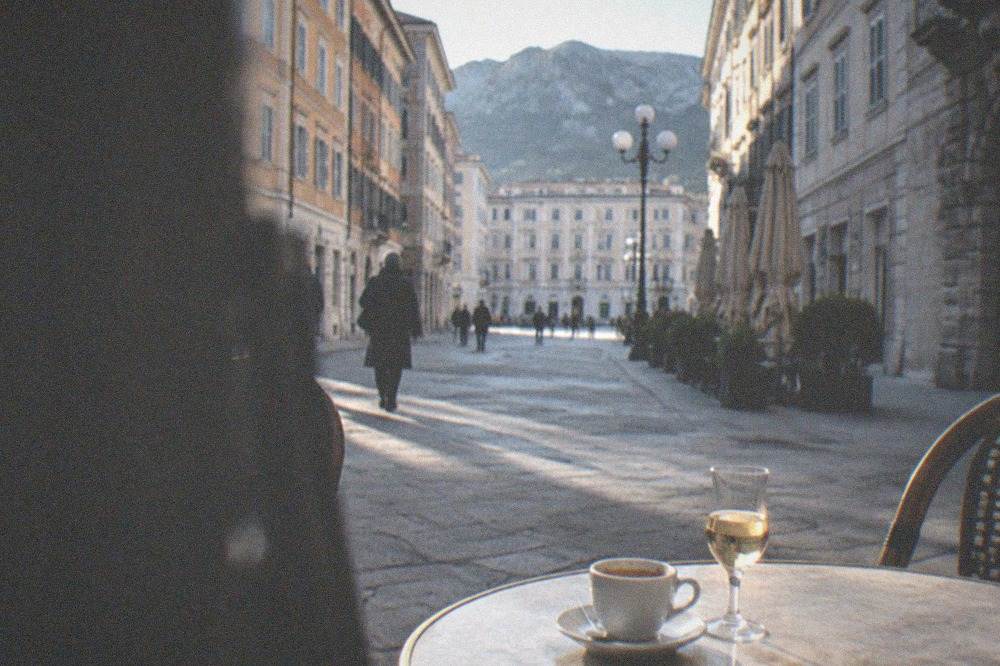
One honest caveat: the endlessly repeated claim that Triestines drink more coffee per head than anyone in Italy, with some multiple of the national average attached, has no primary source behind it. The coffee culture is real and visible on every corner. The number is not, and this site does not print it.
How Do You Get Home After a Night Out in Trieste?
The centre is compact enough that most bar-to-hotel journeys are walks, and for anything longer the urban network runs on a standard ticket: €1.50 for a 60-minute single, €1.85 for 75 minutes, or €3.35 for a day ticket, per the operator's 2026 tariff sheet, with contactless cards accepted on board. The tram-style Opicina line is a daytime sightseeing ride rather than a night service, and its city terminus is piazza Dalmazia.
The fare table below is from Trieste Trasporti's own 2026 urban tariff sheet, and it is the whole cost picture you need inside the city. Singles run 60 or 75 minutes, extended to 240 minutes on Sundays and public holidays, and the on-board readers take Mastercard, Visa and American Express as well as digital wallets, applying the cheapest applicable fare. That last detail matters at the end of an evening: no hunting for a ticket machine.
| Code | Ticket | Price | Validity |
|---|---|---|---|
| U01 | Urban single | €1.50 | 60 minutes |
| U02 | Urban single | €1.85 | 75 minutes |
| U24 | Day ticket | €3.35 | Full day |
| U10 | 10 rides | €13.50 | Carnet |
| U20 | 20 rides | €16.65 | Carnet |
Two Trieste-specific notes for the end of the night. First, the bora: the cold north-easterly wind that funnels down the Karst can turn a seafront stroll into a fight, with gusts over 90 km/h on 17.6 days a year at the waterfront station, and the bora wind guide explains what that means in practice. Second, if your evening runs long and your bed is in the centre, walking is usually the answer; the districts described above sit within a compact triangle of seafront, canal and hill.
What Are Trieste's Big Evening Events?
The Barcolana is the year's defining event, and its 2026 edition runs 2-11 October with the main regatta on Sunday 11 October, when the whole seafront becomes a ten-day festival village. Beyond it, the city's calendar runs on the Christmas market in December and the seasonal osmize openings on the Carso in spring and autumn, all of which reshape the evening scene while they run.
Barcolana deserves its own planning note even on a nightlife page, because the regatta week turns the waterfront into the largest pop-up bar terrace in the region. The 58th edition's dates and the record behind the race are below, from the organisers' own site; the fuller story is on our Barcolana regatta guide.
| Barcolana fact | Figure |
|---|---|
| 2026 edition dates | 2-11 October |
| Main regatta day | Sunday 11 October 2026, start 10:30 |
| Course | 13 nautical miles in the Gulf of Trieste |
| Record entry | 2,689 boats, 2018 (Barcolana 50) |
| 2025 entry | 1,865 boats (Barcolana 57) |
| First edition | 1969, 51 boats |
The osmize are the other calendar-shaper. Openings concentrate in spring and autumn, an open one is signposted by the frasca, and the volunteer-run calendar is the de facto reference for which farms are pouring on which day. Neither the osmize nor the Christmas market has confirmed 2026-27 dates in the official channels this site checks, so plan around the pattern rather than a printed date, and confirm before travelling.
When Is the Best Time of Year for Nights Out in Trieste?
The warm dry stretch from June to September is the best season for evening drinking outdoors, with July the second-driest month of the year at 53.8 mm of rain and sea temperatures at their annual peak, while October trades some rain, 88.6 mm, for the Barcolana festival and the year's biggest nights. November onwards pushes the scene indoors, and winter evenings belong to the historic cafés.
The table below is drawn from ARPA FVG's station normals for the molo Fratelli Bandiera, 1995-2024, and it is the honest basis for planning: mean evening lows, monthly rain, and the days with a gust over 90 km/h, the figure that decides whether a seafront table is a pleasure or an ordeal. The full month-by-month breakdown is on our Trieste weather month by month page, with the seasonal verdicts on the best time to visit Trieste.
| Month | Mean low (C) | Rain (mm) | Days gust over 90 km/h | Sea (C) |
|---|---|---|---|---|
| May | 16.1 | 75.0 | 0.7 | 17.9 |
| June | 20.2 | 62.5 | 0.3 | 23.1 |
| July | 22.4 | 53.8 | 0.9 | 25.9 |
| August | 22.3 | 71.7 | 0.9 | 25.9 |
| September | 18.4 | 102.3 | 1.1 | 23.9 |
| October | 14.8 | 88.6 | 1.4 | 20.3 |
| November | 10.3 | 109.8 | 1.9 | 16.8 |
Read the table honestly and two things jump out. September is wetter than people expect, 102.3 mm, but the sea is still at 23.9 C, the warmest lag of the year relative to the air. And July, the month everyone assumes is dry everywhere in Italy, really is dry here, second only to a different month entirely. The city's rain reputation comes from November, not from summer.
How Do You Plan a Perfect Evening in Trieste?
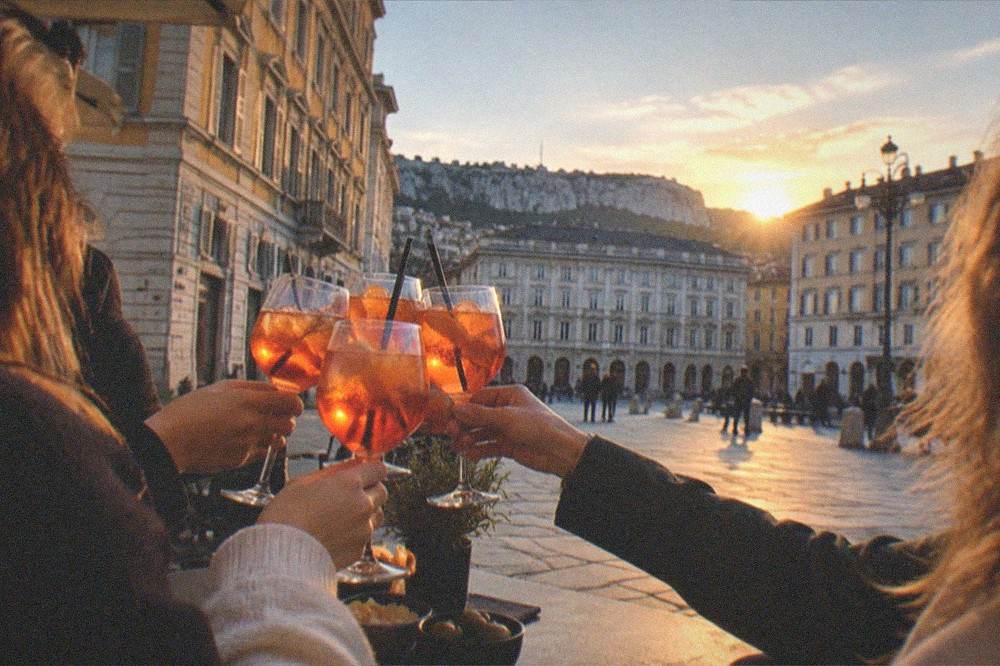
Start with aperitivo on the Rive or in a grand café around 7pm, walk up into Città Vecchia for a second glass as the lanes fill, and finish with either a Karst wine at a bar in the Borgo Teresiano or a late coffee in a historic room, keeping the whole route on foot. Book any guided element in advance, carry ID if the night might cross into Slovenia, and check the wind forecast before committing to a seafront table.
The practical spine of the evening is geography. Everything described in this guide sits inside a triangle you can walk end to end, which is why Trieste rewards a first afternoon spent learning the layout. A private guide does that efficiently, and the options below cover the orientation walk, the food version of the same route and the castle-and-park tour for the day after.
Of the three, the two-hour private walk is the roster's most-reviewed option at that length, priced per group rather than per person, which makes it the natural first-night pick for anyone travelling in company.
For the eating-first version of the evening, the guided foodie walk is the strongest-rated option in the city and covers the street-food canon in three hours, with the current availability and cancellation terms on the operator's live listing.
And if the evening is really a warm-up for the next day's sightseeing, the castle-and-park private tour above pairs the white castle on the sea with the city's best park. Whichever way you build the night, Trieste rewards the slow version: one district, one glass, one walk, repeat. This site's full planning layer, from why Trieste is famous to the honest Trieste vs Venice comparison, is there when you need the wider frame, and Trieste Travel Guide keeps the whole city under one roof.
Common Questions About Trieste Nightlife
Is Trieste nightlife good?
Trieste nightlife is good if you want wine bars, historic cafés and seafront aperitivo rather than big clubs. The scene centres on Città Vecchia's bar lanes, the Borgo Teresiano's café rooms and the Rive, and it is at its best from June to September and during the Barcolana festival in October.
What is the best area for bars in Trieste?
Città Vecchia, the old town behind Piazza Unità d'Italia, has the densest concentration of bars and the latest crowd. The Borgo Teresiano around the Grand Canal holds the historic cafés and wine bars, and the Rive seafront takes the warm-month aperitivo trade.
What should I drink in Trieste?
Order the Karst wines: Vitovska as the local white, Terrano as the red, Malvasia as the aromatic option. The spritz is standard across the region, and an evening coffee in one of the historic cafés is a Triestine institution. Trieste itself is not in the Prosecco DOC, but the village that gave the wine its name is up the coast.
Is Trieste expensive for a night out?
Trieste sits below Italy's headline tourist cities on cost, and the drinking culture is built around a single glass done well rather than rounds. Guided options run from $56.18 for a one-hour city-centre wine tasting to $87.58 for a three-hour food tour, per the operators' live listings. Urban transport home is €1.50 for a 60-minute single per the 2026 tariff sheet.
Do the historic cafés open in the evening?
Yes, several of the grand cafés function as evening venues, and an aperitivo or late coffee in a 19th-century room is a normal night out in the Borgo Teresiano. They are working businesses with their own hours, so check the venue's page for the day's closing time.
When is the best month for evenings out in Trieste?
June to September for warm, dry evenings and seafront tables: July is the second-driest month at 53.8 mm and June is the calmest for wind. October trades some rain for the Barcolana, running 2-11 October in 2026, and from November the scene moves indoors to the cafés.