Trieste Christmas Market: A Winter Guide to Trieste in Italy
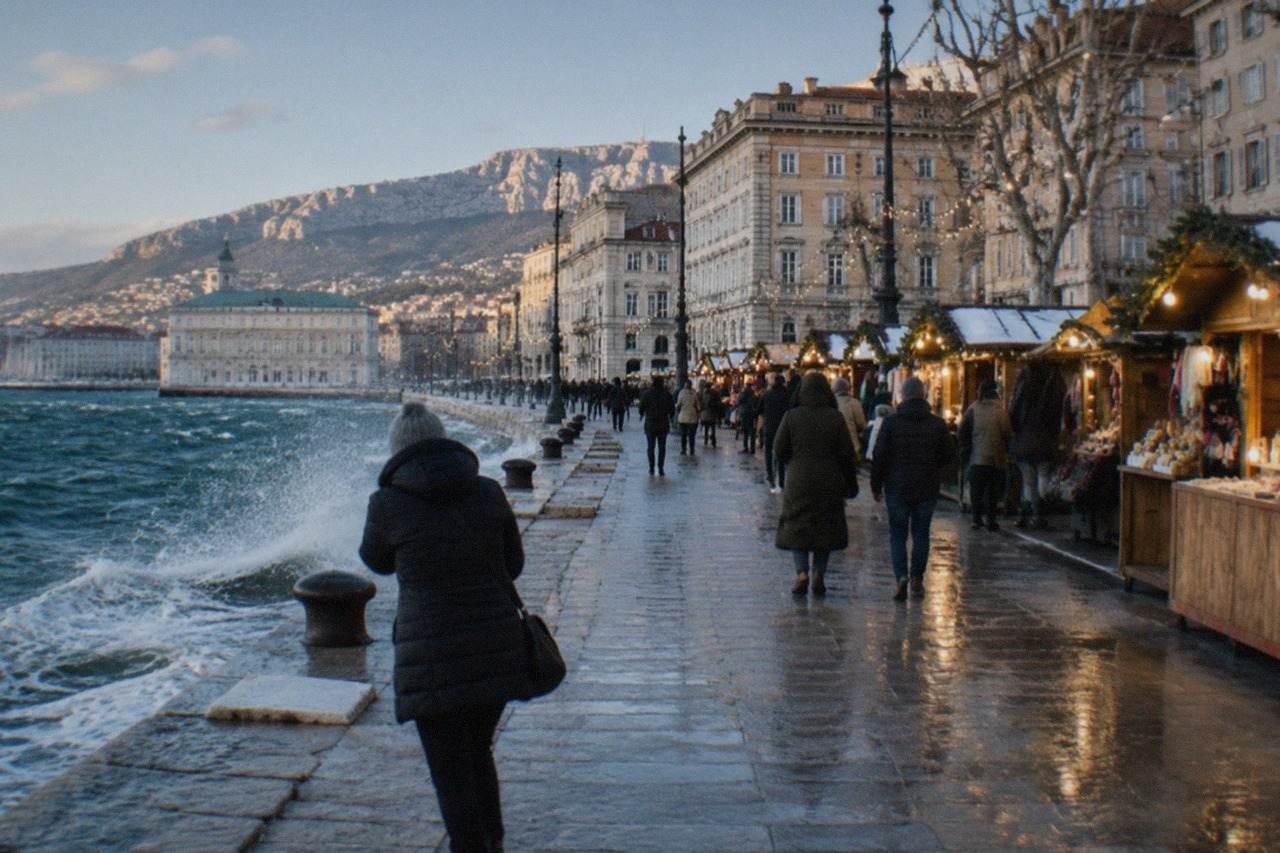
Trieste, the Adriatic port city in Friuli Venezia Giulia in northern Italy, turns its seafront squares and Habsburg-era streets into a Christmas market season each winter, and this guide covers what the verified sources say about timing, weather, sights, food and logistics.
Short answer
The Trieste Christmas market season runs through Advent and the holidays, with exact dates published each year by the city's events calendar. December in Trieste averages 8.5 C with 77.4 mm of rain, the main museums keep winter hours, and a day ticket on the urban transport network costs €3.35.
Trieste, the Adriatic port city in Friuli Venezia Giulia in the far north-east of Italy, is a December destination that surprises people who arrive expecting the Mediterranean postcard version of the country. The sea is still there, the Molo Audace still reaches out into the gulf, and Piazza Unità d'Italia still opens straight onto the water, but in winter the city pulls on its Central European coat. This is, after all, the former Habsburg emporium that Joyce chose over Dublin, the coffee port where the historic caffè pour capo in a glass beside the harbour, and the Italian city closest in spirit to Vienna. When the Christmas market season arrives, that double identity is the whole point: an Italian seafront dressed in Austrian winter.
This guide is written from verified sources rather than memory. Where the city's own pages or the regional agency's station tables give a figure, it is here. Where something could not be confirmed, such as the exact market dates for the season you are planning, the guide says so and points you to the page that will have it. Trieste rewards winter visitors who plan around real data, because the weather numbers and the sight opening hours shift more here than the brochures admit.
When Does the Trieste Christmas Market Take Place?
The Trieste Christmas market runs as a seasonal programme through Advent and the holidays, but the specific opening and closing dates are set and published by the organisers each year, so the reliable move is to check the city's own events listings before you book, because the dates are announced annually rather than fixed in advance.
That is a deliberately careful sentence, and it matters. The research behind this guide checked the official sources for the Trieste Christmas market and the wider festive programme, and the specific dates for the market itself were not confirmed on the required official channels. What is confirmed is the pattern: Trieste runs its festive season as a programme of markets, lights and events concentrated in the weeks around Christmas and into the turn of the year, and the city publishes the details annually. The practical consequence for a planner is that flights and hotels should be booked around the season, not around a specific date pulled from a third-party blog, and the final confirmation should come from the Trieste events calendar, which tracks what the city itself announces.
One thing worth knowing early: the wider winter season in Trieste is not only Christmas. The Barcolana regatta, the city's famous autumn sailing race, closes the sailing season in October, and the festive programme follows it. If your dates are flexible, the shoulder either side of the market weeks is quieter and cheaper, and the city's museums and caffè are open regardless of whether the stalls are up. The best time to visit Trieste is a question with a genuinely non-obvious answer, and winter is part of it.
What Is Christmas in Trieste Actually Like?
Christmas in Trieste is a Central European festive season on an Italian seafront: wooden stalls and lights in the historic streets, hot food and local wine against the cold, the smell of roast chestnuts and coffee from the historic caffè, and a bora wind that can arrive without much warning, all in a walkable city centre where the sea is never more than a few minutes away on foot.
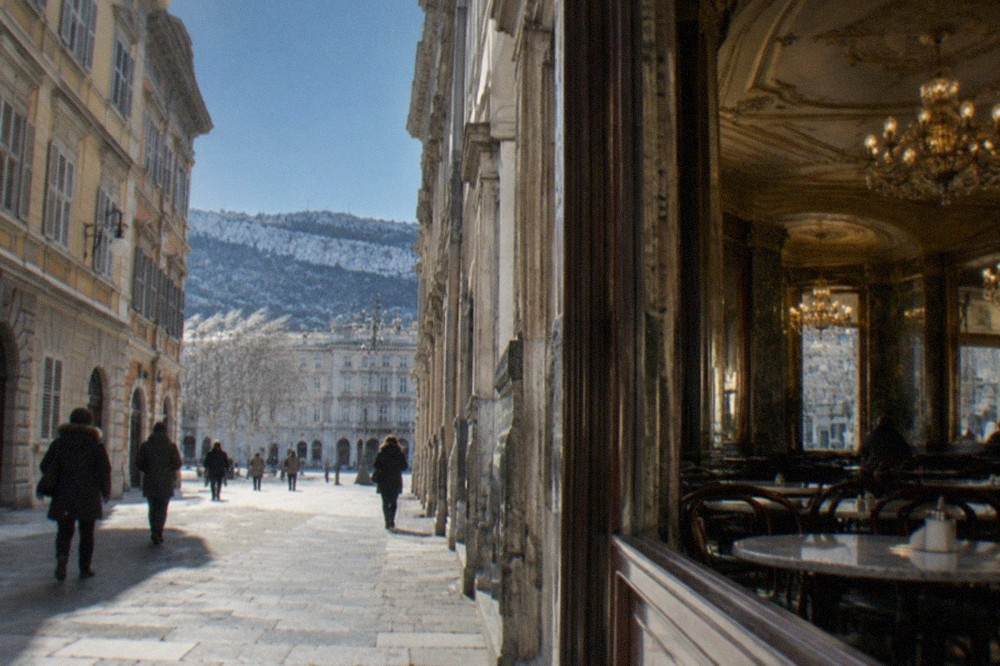
The atmosphere is the draw, and it comes from the city's mixed inheritance. Trieste spent two centuries as the main port of the Habsburg empire, and its Christmas season still feels closer to Vienna or Ljubljana than to Palermo. The historic caffè, which you can read about in the guide to Trieste coffee culture, are at their best in December: marble counters, newspapers on sticks, and a culture of standing at the bar that keeps the whole thing affordable. Around them, the festive programme fills the squares of the Borgo Teresiano and the Città Vecchia, the old town that climbs the hill behind Piazza Unità d'Italia.
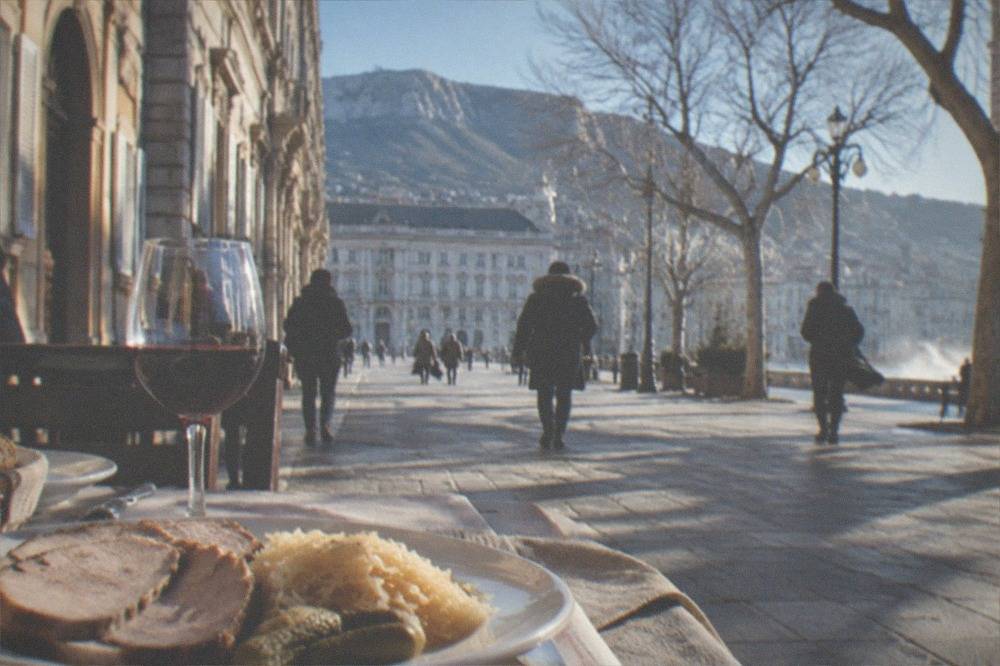
The food at the stalls follows the same logic. This is the city of jota, the sour barley-and-bean soup, and of buffet culture, the Austro-Hungarian snack bars that the guide to what to eat in Trieste covers in detail. Winter is buffet season: pork, sauerkraut, boiled meats and a glass of Terrano or Vitovska, the Carso's own wines. The Carso, the limestone plateau behind the city, is where much of the festive produce comes from, and its farm outlets, the osmize, open in concentrated seasons in spring and autumn; the winter visitor meets their produce in town instead. The guide to the osmize of the Carso explains the system.
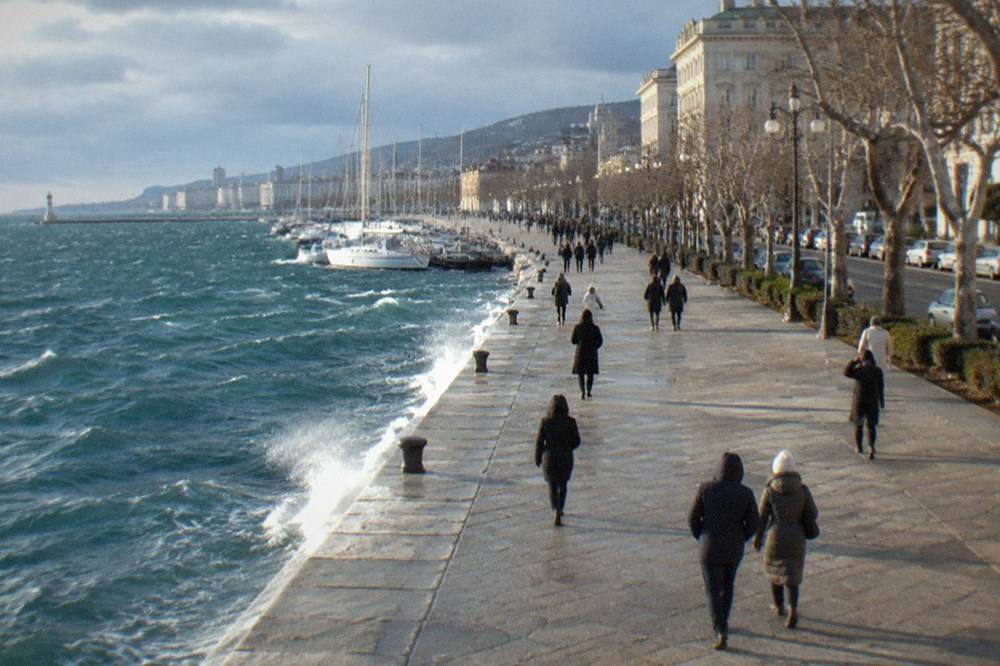
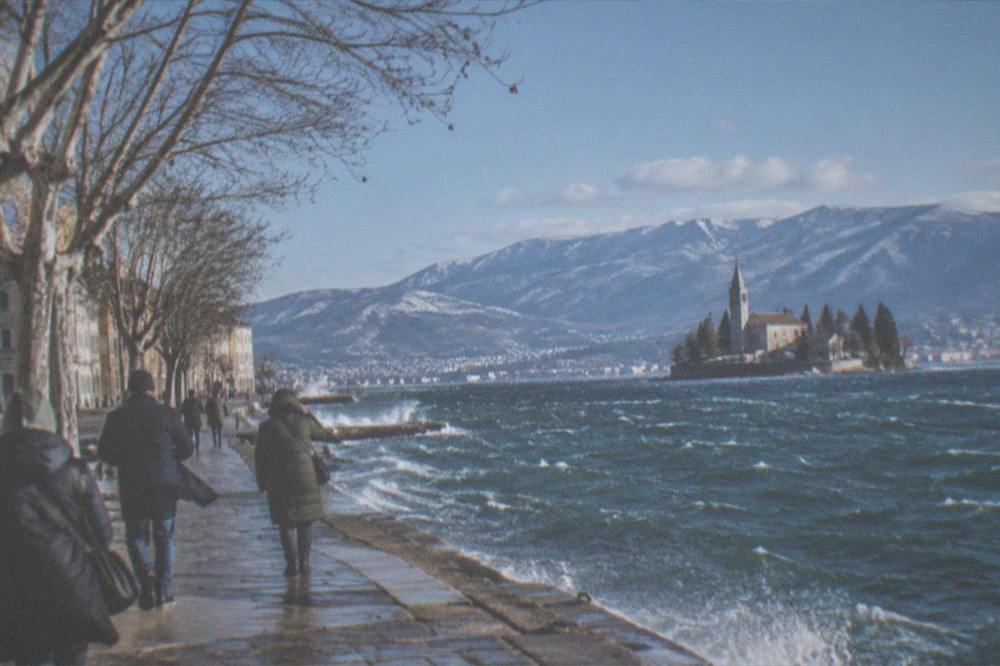
The bora, the cold north-easterly wind that funnels down off the plateau, is the one thing that can rearrange a December day in Trieste. The regional agency's own station tables show that gusts over 90 km/h average 17.6 days a year at the molo, and the monthly record gust exceeds 110 km/h in every single month, including the mild ones. There is no published official wind threshold at which the seafront closes or ferries stop; the authorities judge each episode in real time. The practical version: pack a windproof layer, and if the flags are standing straight out from their poles, expect the Rive to be brisk. The guide to the bora wind has the full picture.
If you want the city's winter flavours explained by someone whose job is to explain them, a guided food walk is the most efficient way in, and these three options cover the festive table from street snacks to a cooking class, with a cross-border day trip for the rest of your week.
What Is Trieste Weather Like in December?
December in Trieste averages 8.5 C, with a mean high of 10.7 C and a mean low of 6.4 C, on ARPA FVG's own 1995-2024 station series for the molo Fratelli Bandiera, with 77.4 mm of rain across 7.7 wet days, and the wind stays a factor with 5.3 days of gusts over 72 km/h in an average December.
Those figures come from the regional agency's station tables, not from a generic climate model, and they matter because Trieste's weather is widely misreported. The city is wetter than the Italian stereotype, with an annual 867.1 mm at the waterfront station, and its wettest month is November, at 109.8 mm, not a summer month. July, at 53.8 mm, is one of the driest. December sits in the wet, windy shoulder: cold enough for coats and mulled wine, mild enough that the market season is comfortable, and damp enough that a waterproof is more useful than an umbrella, because the bora snaps umbrellas.
The month-by-month picture, from the same station series, shows how December compares with the rest of the winter:
| Month | Mean high | Mean | Mean low | Rain mm | Wet days | Days gust over 72 km/h | Daylight hours |
|---|---|---|---|---|---|---|---|
| November | 14.7 C | 12.5 C | 10.3 C | 109.8 | 9.5 | 5.2 | 9.54 |
| December | 10.7 C | 8.5 C | 6.4 C | 77.4 | 7.7 | 5.3 | 8.72 |
| January | 9.2 C | 7.1 C | 5.0 C | 52.8 | 6.6 | 5.5 | 9.06 |
| February | 9.8 C | 7.4 C | 5.2 C | 59.7 | 6.6 | 6.0 | 10.35 |
Two readings of that table are worth flagging. First, daylight is at its annual minimum in December, 8.72 hours, so the lights of the market season are not just decoration, they are infrastructure. Second, the sea moderates everything: the mean low barely drops below 5 C even in midwinter, which is why the city reads as cold-but-liveable in December rather than severe. The full breakdown, including sea temperatures, is in the guide to Trieste weather month by month.
Which Trieste Sights Stay Open Over the Holidays?
The major sights keep winter hours in December: Miramare Castle is open every day 9:00-19:00 with an adult ticket at €17, San Giusto Castle runs 10:00-17:00 Tuesday to Sunday from 12 October at €7, the Museo Revoltella is open daily 10:00-19:00 except Tuesdays at €8, and the Risiera di San Sabba is free and open daily 9:00-17:00, with closures only on 25 December and 1 January at most venues.
Those are the venue's own published figures, and they are the difference between a good winter day and a wasted one. The seasonal switch matters most at San Giusto: from 12 October the castle closes on Mondays and drops to the shorter 10:00-17:00 day, last entry 16:30. Miramare keeps its long hours year-round, but its park, which is free every day of the year, shortens its opening in November and December to 8:00-16:00, so a dusk walk in the park is not on in December. The castle and park also keep different hours from each other, which catches people out.
| Sight | Winter hours | Price | Closed |
|---|---|---|---|
| Miramare Castle | Every day 9:00-19:00, last entry 18:30 | €17 adult, €7 reduced EU 18-25 | No weekly closing day stated |
| Miramare Park | November-December 8:00-16:00 | Free | Open daily |
| San Giusto Castle | From 12 Oct: Tue-Sun 10:00-17:00, last entry 16:30 | €7 adult, €5 reduced | Mondays |
| Museo Revoltella | Daily 10:00-19:00, last entry 18:00 | €8 adult, €6 reduced | Tuesdays |
| Risiera di San Sabba | From 12 Oct: daily 9:00-17:00, last entry 16:30 | Free | 25 Dec, 1 Jan |
| Grotta Gigante | Sep-Feb: Tue-Sun, tours 9:00-16:00 | €15 adult, €12 reduced, children 6-18 €8 | Mondays, 25 Dec, 1 Jan |
| Cathedral of San Giusto | Weekdays 8:00-18:30, Sundays 9:00-19:30 | Free | Open daily |
Three winter details are easy to miss. Grotta Gigante, the giant cave up on the Carso, is guided-only with compulsory booking, and from September to February it opens Tuesday to Sunday, so a Monday visit is off the table. The cathedral is always free, but the parish asks that visitors not come during Sunday Mass, and its bell tower runs reduced split hours in March and October with winter access by arrangement. And the ministry's first-Sunday-of-the-month free-entry scheme is running through 2026 at participating state museums, including Miramare's castle; the scheme's details have changed more than once, so confirm the specific month on the venue's own page rather than assuming.
A sightseeing pass is worth considering if the museum list is long. The regional FVGcard covers Trieste sites including Grotta Gigante and the Museo Revoltella, with 48-hour and one-week versions and discounts for younger and older visitors, though this guide could not independently verify its current prices and recommends checking the regional tourism site before buying. There is no Trieste-only museum card. For the stories behind the stones, the guides to Miramare Castle, San Giusto Castle and hill and the Risiera di San Sabba go deeper.
Should You Book a Guided Tour in Winter?
A guided tour in winter Trieste is worth booking if you want the city's layered history explained rather than just seen, because the best-rated options are the private walking tours and the historic caffè experiences, and December's shorter days make an efficient two or three hours with a local guide a better use of limited daylight than self-guiding a city whose story, Habsburg to Italian, is genuinely hard to read from the streets alone.
The historic caffè experience is the most seasonal of the lot: a walk through the coffee houses that made Trieste's winter reputation, and a natural companion to the market stalls. The listing for the Trieste Historic Cafés Experience shows a three-hour tour from $74.52, rated 4.9 from 19 reviews on the operator's live listing.
What Should You Eat and Drink in Trieste at Christmas?
The winter table in Trieste is buffet food and hot soup: jota, the barley, bean and sauerkraut soup, boiled pork and cotechino from the buffet bars, gnocchi and pasta in the trattorie, strudel and presnitz for dessert, and coffee taken standing at the counter of a historic caffè, with the Carso's Terrano and Vitovska wines and the local grappa doing the warming, exactly the spread the city's food tours walk you through in about three hours.
The Christmas market stalls do their version of this, but the deeper version is in the buffet culture, which the guide to jota, goulash and the Trieste buffet covers dish by dish. December is peak season for it: the buffet bars are warm, cheap and open all day, and the portions are built for cold weather. The restaurant shortlist is in the guide to the best restaurants in Trieste.
The guided versions are worth comparing, because the food walk and the cooking class do very different things. The listings show a three-hour guided foodie walking tour from $71.08, rated 4.9 from 264 reviews, and a small-group pasta and tiramisu class from $157.65, rated 4.4 from 40 reviews.
| Experience | Duration | From | Rating on the listing |
|---|---|---|---|
| Guided foodie walking tour | 3 hours | $71.08 per person | 4.9 from 264 reviews |
| Unique food tour, local flavours | 3 hours | $85.98 per person | 4.7 from 123 reviews |
| Premium food tour, local flavours | 3 hours | $87.58 per person | 4.9 from 88 reviews |
| Historic cafés experience | 3 hours | $74.52 per person | 4.9 from 19 reviews |
| Pasta and tiramisu class with Mamma | 3 hours | $157.65 per person | 4.4 from 40 reviews |
The food walk this site rates first for first-time visitors is the guided foodie tour through the old town, which pairs the buffet stops with the stories behind them.
If you would rather cook than walk, the pasta and tiramisu class runs three hours with a home cook and covers the two dishes most visitors most want to take home.
How Do You Get Around Trieste in Winter?
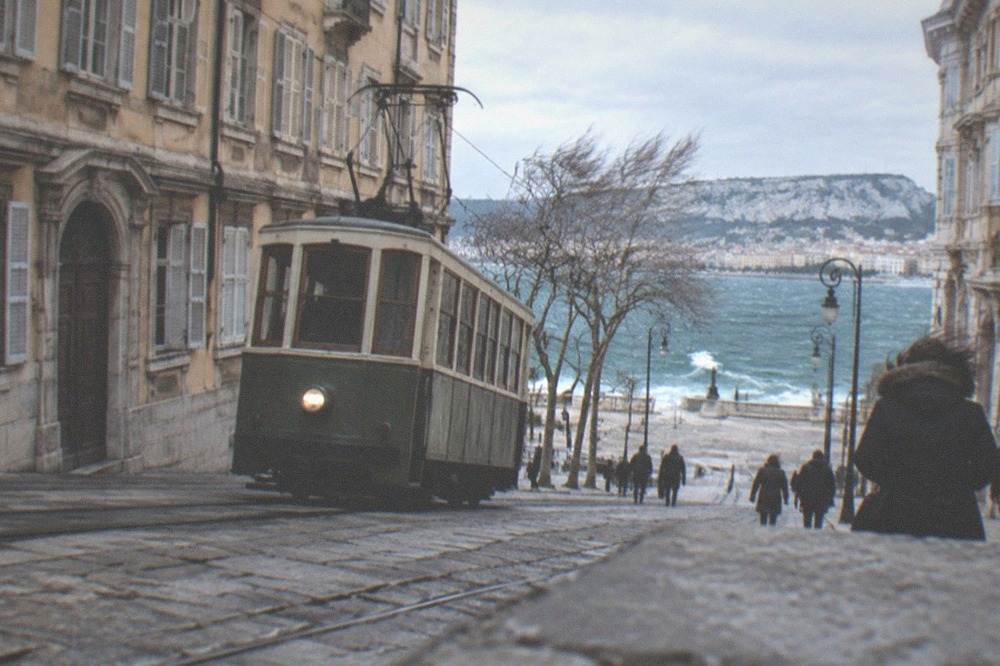
Trieste's urban network runs on a single ticket of €1.50 for 60 minutes or €1.85 for 75 minutes, a day ticket at €3.35 and a 10-ride carnet at €13.50, per the operator's 2026 tariff sheet, with contactless bank cards accepted on board and tickets valid 240 minutes on Sundays and public holidays, and the Opicina tram is running again, from piazza Dalmazia, as an ordinary line-2 service on the same fares.
That last clause is the one that will contradict most of what you have read. The Opicina tram, the hybrid tram-funicular that climbs to the Carso village, was suspended after a 2016 collision and reactivated on 1 February 2025, and its city terminus is piazza Dalmazia, not piazza Oberdan as older guides state. It is part of the ordinary urban network: a standard ticket is valid and you can tap a contactless card on board. For the live status, check the operator's own site, because short maintenance suspensions happen and are announced there first.
| Ticket | Validity | 2026 price |
|---|---|---|
| Urban single | 60 minutes | €1.50 |
| Urban single | 75 minutes | €1.85 |
| Day ticket | One day | €3.35 |
| 10 rides | 10 journeys | €13.50 |
| 20 rides | 20 journeys | €16.65 |
Getting to Trieste in winter is covered in the dedicated guides: the airport guide for flights, the train station and rail connections page for arriving by rail, and the cruise port guide if your December visit is a shore day. The airport has its own railway station connected to the terminal by a covered walkway, served by regional and high-speed trains; the exact journey time to Trieste Centrale varies by service, so check the operator's planner rather than a fixed figure.
One cost that surprises winter visitors is the tourist tax, charged per person per night for a maximum of five consecutive nights in the same property. The Comune's own 2026 rate table sets it as follows:
| Accommodation type | Rate per person, per night |
|---|---|
| 5-star hotel | €3.80 |
| 4-star hotel or self-catering | €3.30 |
| 3-star hotel or self-catering | €3.00 |
| 2-star hotel, B&B Superior, affittacamere | €2.30 |
| Hostels, residences, short-let properties | €2.30 |
| B&B Comfort | €2.00 |
| 1-star hotel or B&B Standard | €1.80 |
| Campsites and motorhome areas | €1.50 |
Everyone under 18 is exempt, along with several other categories the rate table lists. Where to base yourself is a separate question with its own guide: where to stay in Trieste.
Can You Take a Winter Day Trip from Trieste?
Yes, and winter is a good season for the cave and castle day trips, because Postojna Cave and Škocjan Caves run year-round and the summer crowds are gone, while the cross-border trips to Slovenia, to Ljubljana, Lake Bled and Piran, all use the euro and sit inside Schengen, with the one caveat that Italy is running temporary border checks on the Slovenia land border through 18 December 2026, so carry a passport or national ID card.
That border caveat is dated and specific, and it is the single most useful logistical fact in this guide. All three countries, Italy, Slovenia and Croatia, use the euro, so no money-changing is needed in either direction. But the European Commission's own register lists temporary internal border controls on Italy's land borders with Slovenia from 19 June to 18 December 2026, which covers the start of the Christmas season, and the honest instruction is to carry ID and check the register rather than assume. The guides to day trips from Trieste and the individual route pages carry the detail.
| Day trip | Duration | From | Rating on the listing |
|---|---|---|---|
| Postojna Cave & Predjama Castle | 6 hours | $137.57 per person | 4.8 from 543 reviews |
| Postojna Cave, half-day | 5 hours | $146 per person | 4.7 from 139 reviews |
| Lipica Stud Farm and Škocjan Caves | 6 hours | $129.93 per person | 4.9 from 23 reviews |
| Piran and the Slovenian coast | 6 hours | $114.64 per person | 4.6 from 136 reviews |
| Lake Bled and Ljubljana | 7 hours | $145.97 per person | 4.5 from 214 reviews |
| Ljubljana and Lake Bled | 9 hours | $108.91 per person | 4.7 from 544 reviews |
For a Christmas-market trip specifically, the two directions that make most sense are Slovenia and the Carso. The Bled and Ljubljana tour pairs a fairytale alpine lake with a capital whose own festive market is one of Europe's liked ones, in a single guided day from Trieste with transport included. The listing shows a seven-hour tour from $145.97, rated 4.5 from 214 reviews.
The Carso direction needs no border at all: Grotta Gigante is a guided tour only, with compulsory booking, and in winter it runs Tuesday to Sunday with departures through the day. The caves hold a constant temperature year-round, which makes them an all-weather December option; the venue's own pages do not print a temperature figure, so dress for a cool underground space rather than a number. The guide to Grotta Gigante has the booking detail.
For a longer winter week, the three experiences below pair the food walk with the cooking class and the Slovenia day trip, and they book well for the festive weeks.
Common Questions About the Trieste Christmas Market
When does the Trieste Christmas market take place?
The market runs as a seasonal programme through Advent and the holidays, but the specific dates are set and published by the organisers each year. The dates are announced annually rather than fixed in advance, so check the city's events listings before you lock in travel dates.
Is Trieste worth visiting in winter?
Yes. December averages 8.5 C with a mean high of 10.7 C on ARPA's station series, the main sights keep winter hours, the historic caffè are at their best, and the city's Habsburg-inherited festive season is the point. Pack a windproof layer for the bora and a waterproof rather than an umbrella.
Does it rain a lot in Trieste in December?
December averages 77.4 mm of rain across 7.7 wet days at the waterfront station, which is moderate. The wettest month is November at 109.8 mm, and summer is relatively dry, with July at 53.8 mm one of the driest months. Trieste is wetter than the southern Italian stereotype but far from the wettest place in Italy.
Are Trieste's museums open over Christmas?
Mostly yes, with two exceptions: nearly everything closes on 25 December and 1 January, and the weekly closing days still apply, San Giusto Castle on Mondays from 12 October and the Museo Revoltella on Tuesdays. Miramare Castle opens every day 9:00-19:00, and its park is free year-round with shorter winter hours of 8:00-16:00 in November and December.
Do I need ID for a day trip to Slovenia from Trieste?
Yes, carry a passport or national ID card. Italy is running temporary border checks on its land border with Slovenia from 19 June to 18 December 2026 per the European Commission's register, so even inside Schengen a check is possible. No currency is needed: Italy and Slovenia both use the euro, as does Croatia since 1 January 2023.
Is the Opicina tram running in winter?
The tram was reactivated on 1 February 2025 and runs as ordinary line 2 between piazza Dalmazia and Opicina on standard urban fares, with contactless payment on board. Short maintenance suspensions are announced on the operator's site, so check the live status on the day you plan to ride.
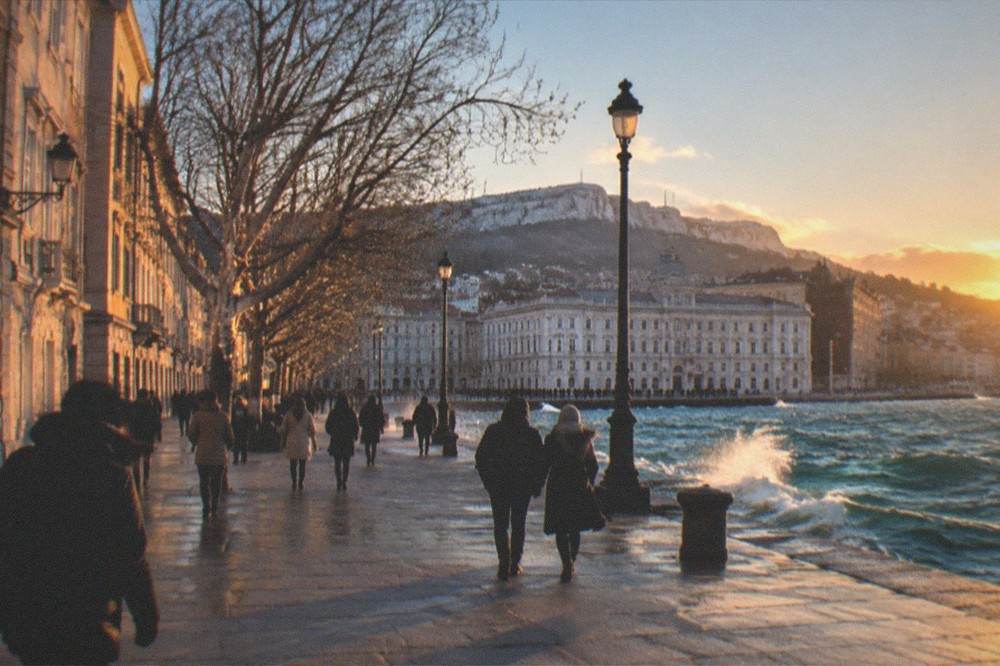
A December trip to Trieste, Italy, is a planning exercise with unusually good data behind it: the weather comes from the agency's own station on the molo, the sight hours come from the venues' own pages, and the one thing nobody can fix in advance, the market dates, is published by the city each year. Book around the season, pack for wind rather than snow, eat the buffet food, and let the Trieste Travel Guide take care of the rest.