A Weekend in Trieste, Italy: A Two-Day Trieste Itinerary That Actually Works
Two days is the right amount of time for Trieste, Italy: one Habsburg port city, one seafront, one hill of castles and one karst plateau, all reachable on a single urban bus ticket.
Short answer
A weekend in Trieste, Italy works as Friday evening on the seafront squares, Saturday through Città Vecchia and the San Giusto hill, and Sunday either at Miramare Castle or on the Karst, with admission running EUR 7.00 at Castello di San Giusto and EUR 17.00 at Miramare and a day transport ticket at EUR 3.35.
Trieste, the Adriatic port city in Friuli Venezia Giulia in the northeast corner of Italy, is one of the few Italian destinations where a weekend genuinely feels like enough: the historic centre is compact, the two castles sit on a single hill, and the seafront unrolls in one continuous line from the cruise berths to Barcola. This itinerary lays out a Friday evening, a full Saturday and a full Sunday, using only opening hours and admission prices verified on the venues' own pages, so you can book the few things that need booking and drift through the rest.
Why Does Trieste, Italy Work So Well for a Weekend?
Trieste works for a weekend because its core sights sit inside a walkable Habsburg grid, admission prices are modest, and the single urban day ticket at EUR 3.35 covers the buses and the Opicina tram. The four headline sights, Castello di San Giusto at EUR 7.00, Miramare Castle at EUR 17.00, Museo Revoltella at EUR 8.00 and Grotta Gigante at EUR 15.00, total under EUR 50 for a pair of days.
The city rewards walking rather than commuting. The centre is a triangle of Piazza Unità d'Italia, the Grand Canal and the San Giusto hill, and everything in it is within an easy stroll of everything else. A useful companion to this page is the self-guided Trieste walking tour, which covers the street-by-street detail, and the Trieste itinerary planner if your dates do not match a standard weekend.
The rhythm that follows assumes you arrive Friday afternoon and leave Sunday evening. If you have three days instead, the three days in Trieste itinerary adds a full day trip; if you only have one, the one day in Trieste page strips this down to the essentials.
| Day | Theme | Anchor sights | Book ahead |
|---|---|---|---|
| Friday evening | Seafront and squares | Piazza Unità d'Italia, Molo Audace, a historic caffè | Nothing |
| Saturday | Old city and the hill | Città Vecchia, Castello di San Giusto, Cathedral, Revoltella | Optional at the castles |
| Sunday | Castle and coast, or the Karst | Miramare Castle and park, Barcola or Grotta Gigante | Grotta Gigante only, compulsory |
How Should You Spend Friday Evening in Trieste?
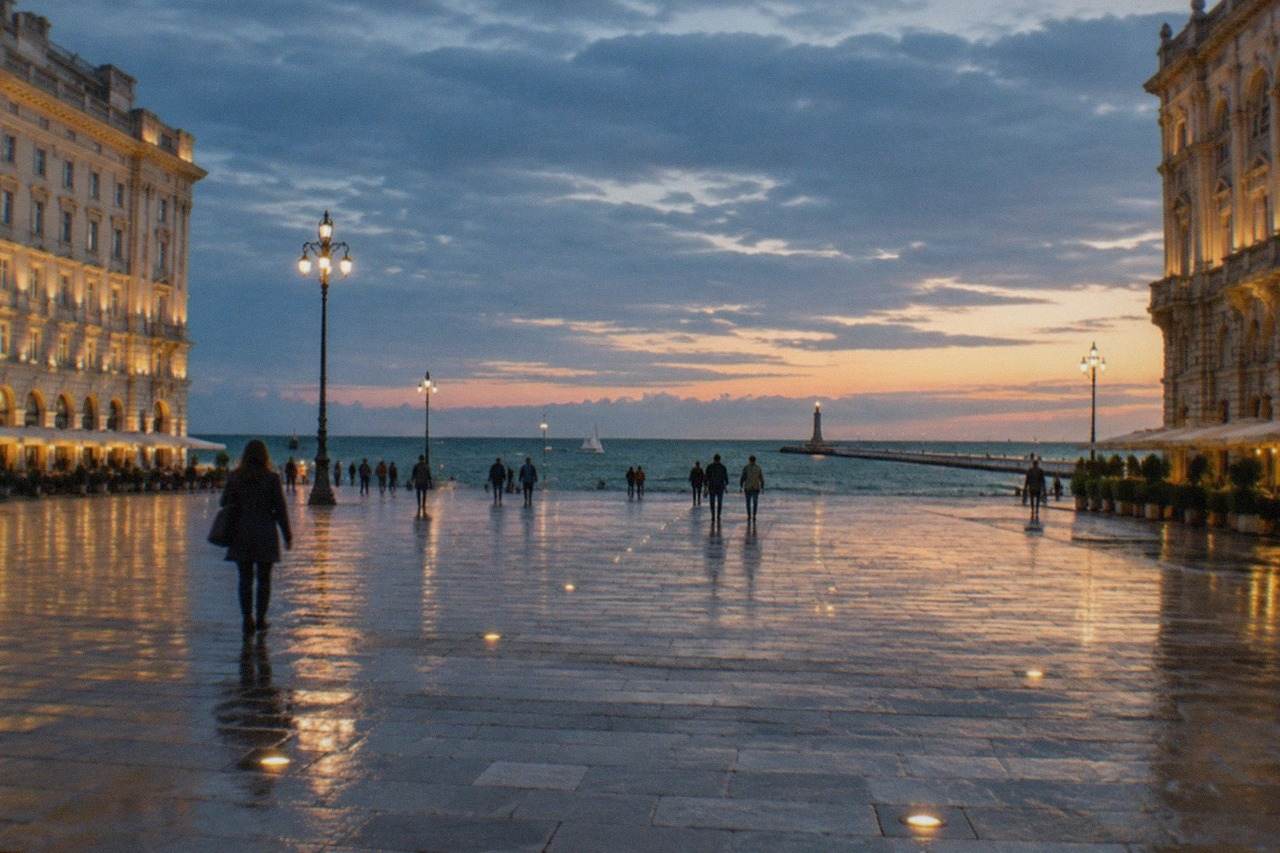
Start on Piazza Unità d'Italia, which is the largest seafront square in Italy and faces open water on one whole side, then walk out onto Molo Audace, the stone pier that puts you standing over the sea, and finish in one of the historic caffès on the nearby streets. All three are free, and the square and the pier are at their best after the day-trippers have gone.
There is no better introduction to what Trieste is: a square built by an empire that treated this as its port, facing a gulf rather than a lagoon. The Austro-Hungarian planner's grid around it, the Borgo Teresiano, is the part of the city where caffès, insurance offices and banks share the same streets, and it is deliberately grand. The square's facades, the Lombardo-Triestino insurance palazzo, the Prefecture and the town hall, all face the water, and the whole ensemble is the single most photographed set piece in the city.
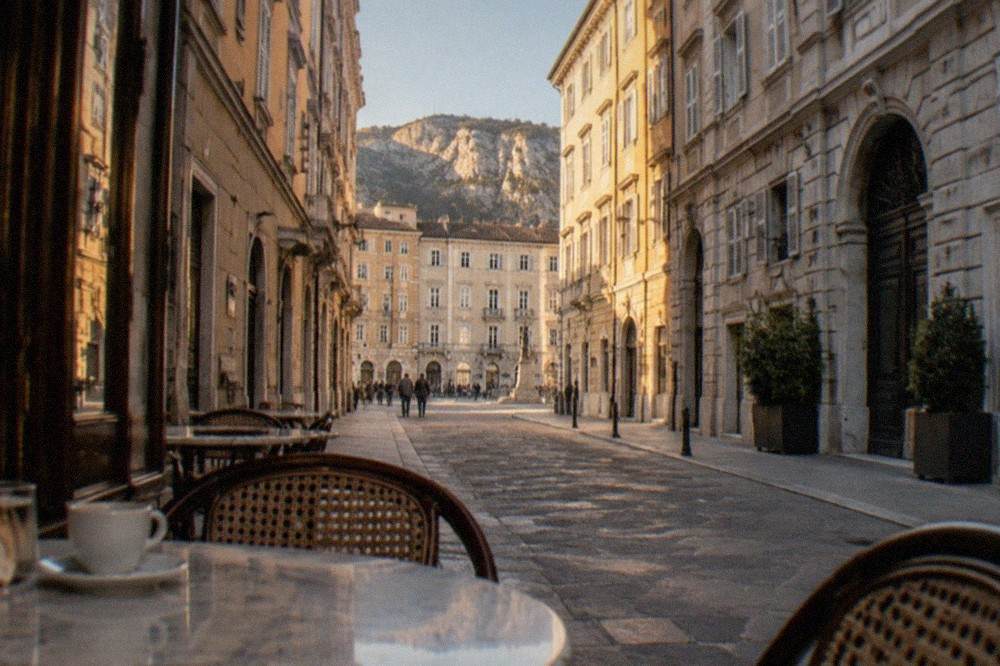
Friday evening is also when the city's coffee culture is easiest to slip into. Trieste is a historic coffee port and roasting centre, and its caffès run on Central European hours, so an evening cup is entirely normal here. The local ordering vocabulary matters, because the names Triestines use for coffees are not the national ones, and a visitor who orders by the standard Italian names will get something slightly different from what they meant.
Dinner afterwards is a buffet stop or a trattoria in Città Vecchia, the old town stacked below the hill, where jota, goulash and the buffet's boiled pork and sausages set the register. The old lanes around the Roman theatre are the part of the city that predates all the Habsburg grandeur, and they are at their most atmospheric once the offices have emptied.
| Friday stop | What it is | Cost | Why it works on arrival |
|---|---|---|---|
| Piazza Unità d'Italia | The seafront square, Habsburg-era buildings on three sides | Free | Orientation, first sight of the gulf |
| Molo Audace | Stone pier straight off the square | Free | Sunset over the water |
| Historic caffè | Marble-table coffee house in the centre | Coffee on the menu | The city's signature evening ritual |
| Città Vecchia dinner | Old-town trattoria or buffet | Food on the menu | Jota, goulash and buffet snacks are the local register |
One note on timing: the caffès in the centre keep long evening hours, and the square is lit and busy late, so there is no need to rush dinner. If your train or plane lands later than planned, this whole evening collapses into the square and the pier alone and still delivers.
What Is the Best Full Day to Have in Trieste on a Saturday?
Saturday is the old-city day: Città Vecchia and the Roman theatre in the morning, the Castello di San Giusto and the Cathedral on the hill above it before lunch, and Museo Revoltella in the afternoon, with admission at EUR 7.00 for the castle, free for the cathedral and EUR 8.00 for the museum, and everything within walking distance of the seafront.
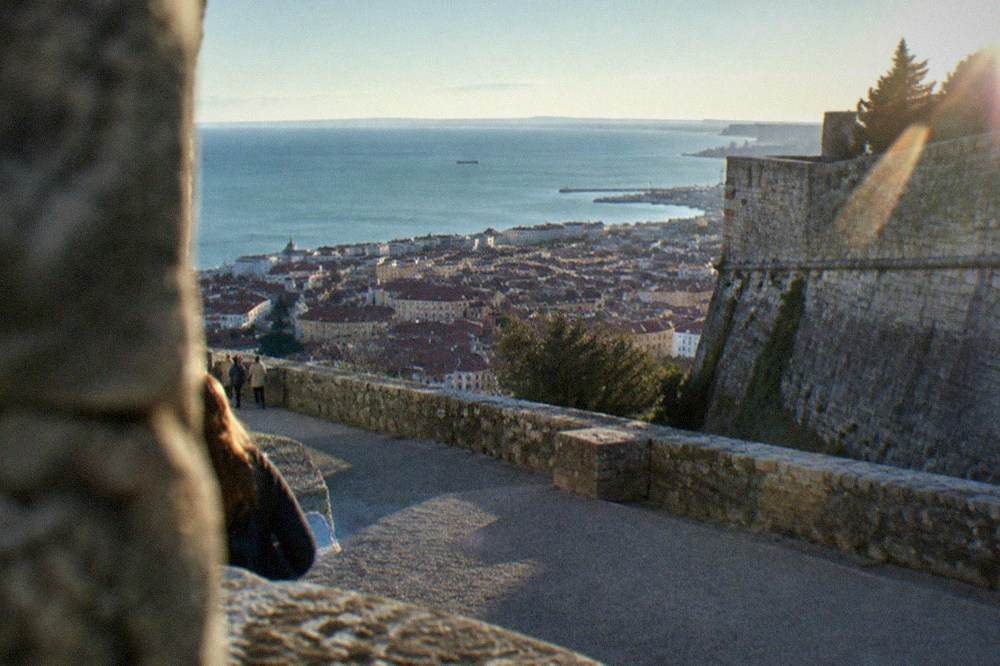
Walk up into the old town first. The Roman theatre, which you look down into from the street rather than enter, is visible from the road, free, and needs no planning; access inside the cavea is by guided arrangement only, which is why no itinerary should promise a walk onto the stage. From there the lanes climb to the hill. The Castello di San Giusto and its hill is the medieval castle and museum complex, open daily 10:00-19:00 with last entry at 18:30 through 11 October, then Tuesday to Sunday 10:00-17:00 from 12 October, and closed Mondays in that winter schedule. The EUR 7.00 ticket covers the walls and bastions, the castle museum and armoury, the Lapidario Tergestino and temporary exhibitions, with a reduced rate of EUR 5.00 and school and university groups at EUR 1.00.
The Cathedral of San Giusto Martire beside it is free, open weekdays 8:00-18:30 and Sundays and holidays 9:00-19:30, and the parish asks visitors to avoid the Sunday Mass times, which is worth respecting since a Saturday visit sidesteps it entirely. The bell tower's price is not published on the parish site, so check there rather than trusting any figure printed elsewhere; the cathedral itself, with its Byzantine-style mosaics and the two merged church naves, needs no ticket at all.
In the afternoon, the Museo Revoltella, the modern-art gallery on the seafront axis, is daily 10:00-19:00 with last entry at 18:00 but closed on Tuesdays, at EUR 8.00 adult and EUR 6.00 reduced. A short walk away, the Risiera di San Sabba, the national monument at the former rice-husking complex, is free, open 9:00-19:00 daily through 11 October, and it is the one sight in the city that asks for silence rather than appetite; give it the context a Saturday itinerary should not skip. If you would rather have a guide for the day's history, the Jewish heritage walking tour, a three-hour private group walk at from $194.89 covering the city's role as a gateway and port for Jewish emigration, is one of the strongest thematic tours on the roster; its listing is at Check availability.
| Time | Where | Admission | Notes |
|---|---|---|---|
| Morning | Città Vecchia lanes and the Roman theatre | Free | Theatre viewed from the street |
| Late morning | Castello di San Giusto | EUR 7.00 adult, EUR 5.00 reduced | Ticket covers walls, museum, lapidarium |
| Before lunch | Cathedral of San Giusto Martire | Free | Weekdays 8:00-18:30 |
| Afternoon | Museo Revoltella | EUR 8.00 adult, EUR 6.00 reduced | Closed Tuesdays, last entry 18:00 |
| Late afternoon | Risiera di San Sabba | Free | Daily 9:00-19:00 to 11 October |
| Evening | Grand Canal and Sant'Antonio Taumaturgo | Free | The canal is the photogenic close of the day |
The one thing to schedule rather than drift into is lunch, because the old city's buffets fill at midday and the jota and goulash register is a sit-down-and-order affair rather than fast food. The bus tour with audio guide, at from $21.02 per person for one hour and 15 minutes, is an alternative morning orientation if you would rather see the whole city first and walk it later; the operator's live listing shows the current departure points.
How Should You Spend Sunday in Trieste?
Sunday belongs to Miramare Castle and its park up the coast at Grignano, where the castle is EUR 17.00 for an adult including the temporary exhibition and the park is free every day, with the castle open every day 9:00-19:00 and last admission at 18:30. Come back along the Barcola seafront and you have the city's most-loved walk waiting for you.
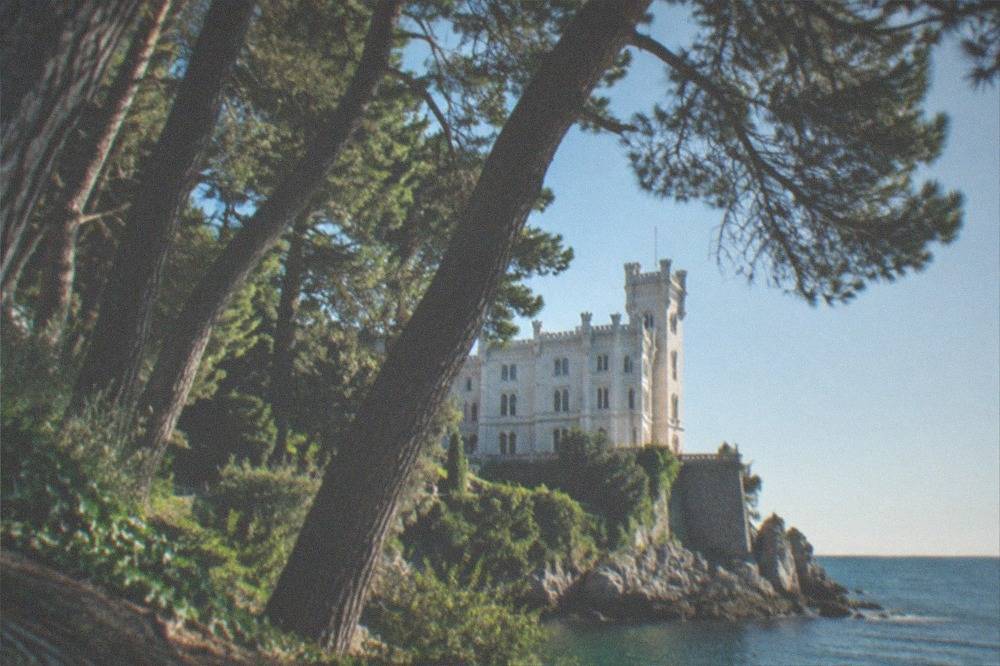
Miramare is the white castle Maximilian of Habsburg built on a promontory above the gulf, and it is the single most popular sight in the province, so booking the castle entry in advance on the venue's own page is sensible on a weekend. The hours are generous, every day 9:00-19:00, and the park around it, free all year, is a destination in its own right. The Miramare Castle page covers the rooms, the park and the marine protected area off the point. The coast road back into town runs along the Barcola seafront, the pine-lined stretch where the city swims, walks and eats ice cream, and it is the correct way to end the weekend rather than a bus straight back.
The alternative Sunday is the Karst. Grotta Gigante, the show cave at Sgonico, is EUR 15.00 for an adult, guided tours only with compulsory booking, departures at 9:00, 10:00, 11:00, 12:00, 14:00, 15:00 and 16:00, open September to February Tuesday to Sunday and March to August every day. The Grotta Gigante page has the booking details. Above the cave, the plateau is osmiza country: seasonal farm outlets selling their own wine and home produce, signposted by a frasca, a leafy branch hung at the turning, and listed on the osmize calendar. The Carso plateau guide ties the cave, the villages and the osmize into one loop.
| Sunday option | Anchor | Admission | Booking |
|---|---|---|---|
| Castle and coast | Miramare Castle, then the Barcola seafront | EUR 17.00 castle, park free | Optional, recommended on weekends |
| Karst loop | Grotta Gigante and an osmiza on the plateau | EUR 15.00 cave, osmiza food and wine on the menu | Cave booking compulsory |
| City Sunday | Free-entry first Sunday at state sights where running | Free on that scheme | Check the venue's own page for that month |
A Sunday note that matters: the ministry's first-Sunday-of-the-month free entry scheme runs at participating state sights, and Miramare takes part, so a first-Sunday weekend makes the castle free while the park is free anyway. The scheme's details have changed more than once, so confirm the specific month on the venue's page rather than treating it as a standing rule.
What Should You Eat and Drink Over a Weekend in Trieste?
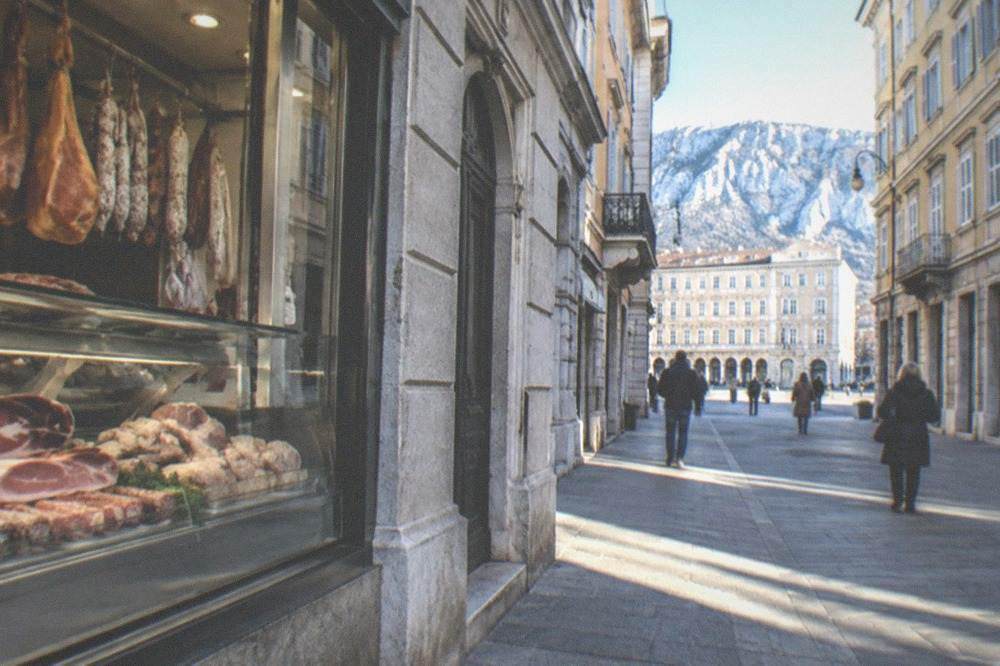
Trieste's food register is Central European cooked in an Italian kitchen: jota, a sour cabbage and bean soup, goulash served with polenta or bread, pork and sausage snacks at the buffets, and pastries in the Viennese tradition in the caffès, with the local prosecco-adjacent story up on the Karst, where the plateau's own wines are Vitovska, Malvasia and Terrano rather than the better-known sparkling name.
The buffets of the old city are the quickest way into this, and they are cheap, informal and entirely local. The weekend trick is to treat the caffè as a meal in itself: the city's coffee houses are working institutions rather than museum pieces, and a mid-afternoon pastry stop is the correct local use of them. For the sit-down end of the weekend, the trattorias of Città Vecchia and the Borgo Teresiano serve the Adriatic fish register alongside the Central European meat dishes, and the two traditions share menus here in a way they do almost nowhere else in Italy.
| Stop | What to order | Where it sits in the weekend |
|---|---|---|
| Buffet lunch | Pork, sausage, sauerkraut, goulash | Saturday, old city |
| Caffè stop | Espresso under the local ordering names, Viennese-style pastry | Friday evening and Saturday afternoon |
| Trattoria dinner | Jota, or Adriatic fish | Saturday evening |
| Osmiza visit | The farm's own wine, salumi, cheese, eggs | Sunday if you take the Karst option |
If you want the eating guided rather than researched, the guided foodie walking tour, three hours at from $71.08 per person and rated 4.91 from 264 reviews on the operator's listing, is the strongest of them: it moves through the street-food and buffet register with a local explaining it. Its page is on this site at the foodie walking tour.
Wine deserves a deliberate slot rather than an accident. The Karst's Vitovska and Terrano are the local pours, and the prosecco story is genuinely interesting here because the village of Prosecco, which gave the wine its name, is on the plateau above the city, even though Trieste itself is not in the Prosecco DOC. The 2.5-hour Prosecco origins tour with tastings, at from $68.79 per person and rated 4.93 from 227 reviews, goes to the village and the land where the name started, and it fits neatly into a Sunday before travel home.
What Does a Weekend in Trieste Actually Cost?
Counting admission at EUR 7.00 for Castello di San Giusto, EUR 17.00 for Miramare, EUR 8.00 for Museo Revoltella and EUR 15.00 for Grotta Gigante, plus a day transport ticket at EUR 3.35 per day, the sight-and-transport core of a two-day weekend in Trieste runs to roughly EUR 50 to EUR 60 per person before food and lodging, with free sights including the cathedral, the Risiera di San Sabba, the Roman theatre from the street and the Miramare park filling the gaps.
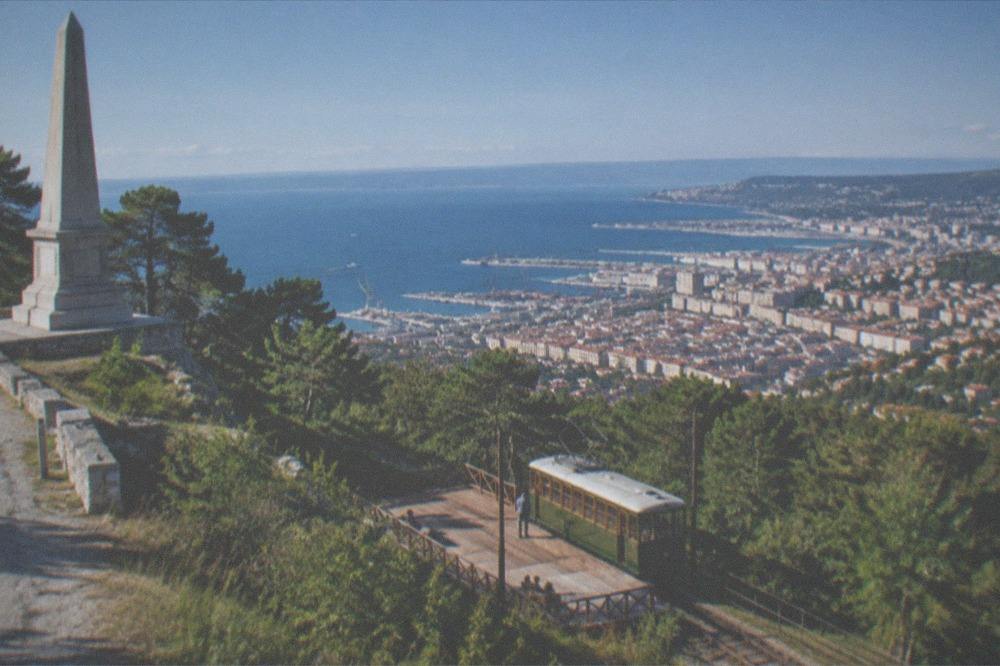
The transport figures come from Trieste Trasporti's urban tariff sheet, dated 29 December 2025. A single ticket is EUR 1.50 for 60 minutes or EUR 1.85 for 75 minutes, extended to 240 minutes on Sundays and public holidays, the day ticket is EUR 3.35, and a 10-ride carnet is EUR 13.50. Contactless bank cards and digital wallets can be tapped directly on board the "Eva" readers and the system applies the cheapest applicable fare, which means a visitor can simply tap and let the arithmetic happen. The same urban ticket covers the Opicina tram, which is the novelty ride as well as the transport, running from piazza Dalmazia up to the plateau village; the Opicina tram and obelisk page has the route and the current timetable source.
| Item | Price | Source note |
|---|---|---|
| Urban single, 60 minutes | EUR 1.50 | Trieste Trasporti tariff, code U01 |
| Urban single, 75 minutes | EUR 1.85 | Code U02, 240 minutes on Sundays and holidays |
| Urban day ticket | EUR 3.35 | Code U24 |
| 10 rides | EUR 13.50 | Code U10 |
| Castello di San Giusto | EUR 7.00 | Covers walls, museum, lapidarium, exhibitions |
| Castello di Miramare | EUR 17.00 | Includes the temporary exhibition, park free |
| Museo Revoltella | EUR 8.00 | Reduced EUR 6.00, closed Tuesdays |
| Grotta Gigante | EUR 15.00 | Guided only, booking compulsory |
There is no Trieste-only museum card. The regional FVGcard exists and covers several of these sights, but its prices could not be verified at the time of writing and this site will not print an unverified figure, so check the regional tourism pages before buying. The fuller cost picture, including how the city sits against other Italian destinations, is worth reading before you commit to a budget, and the free sights listed above pull the daily total down further than most visitors expect.
Should You Swap Sunday for a Day Trip from Trieste?
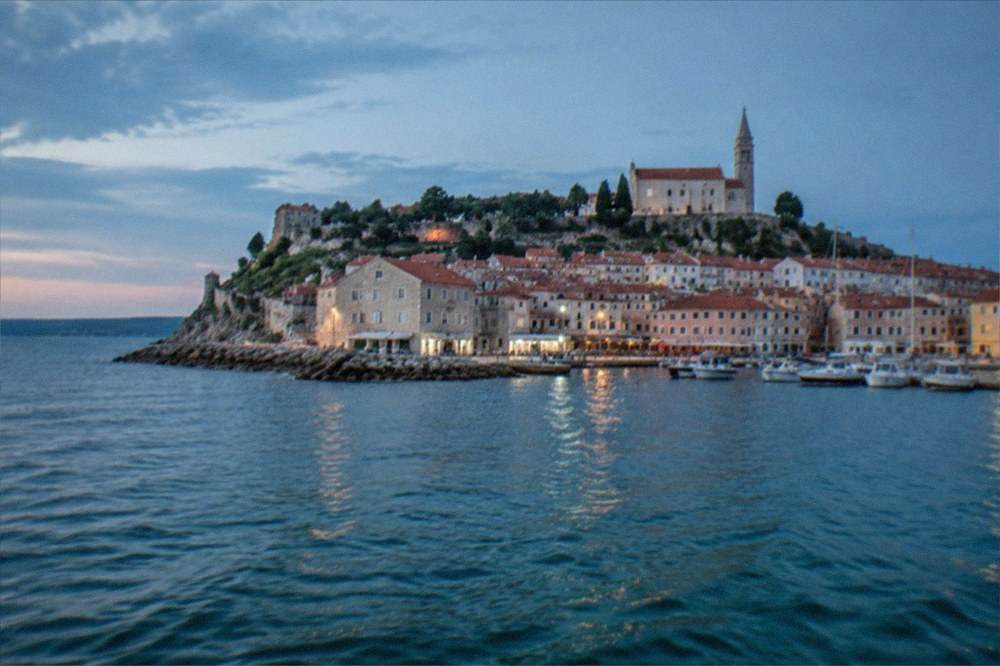
A day trip is the right call if this is your only weekend anywhere near the region: the verified tours from Trieste include Ljubljana and Lake Bled at from $108.91 for a nine-hour tour, Piran and the Slovenian coast at from $114.64 for six hours, and Postojna Cave with Predjama Castle at from $137.57 for six hours, all with round-trip transport from the city and a guide included.
The trade-off is simple: swap Miramare and Barcola for a border crossing, and you see a second country instead of a castle. Slovenia's capital and its lake, the Istrian coast and the great show caves of the Karst are all within a day-trip radius, and the day trips from Trieste hub lays out the full menu, from the Ljubljana and Lake Bled route to the Piran coast and the Postojna caves.
Two cross-border facts matter before you book. All three countries here, Italy, Slovenia and Croatia, use the euro, so there is no money to change. But Italy is running temporary checks on its land border with Slovenia through 18 December 2026, so carry a passport or national ID card even for a half-day hop to Piran; a Schengen assumption is the wrong assumption on this particular border right now.
| Day trip from Trieste | Length | From, per person | Rating on the listing |
|---|---|---|---|
| Ljubljana and Lake Bled | 9 hours | $108.91 | 4.69 from 544 reviews |
| Piran and the Slovenia coast | 6 hours | $114.64 | 4.57 from 136 reviews |
| Postojna Cave and Predjama Castle | 6 hours | $137.57 | 4.76 from 543 reviews |
| Lipica Stud Farm and Škocjan Caves | 6 hours | $129.93 | 4.86 from 23 reviews |
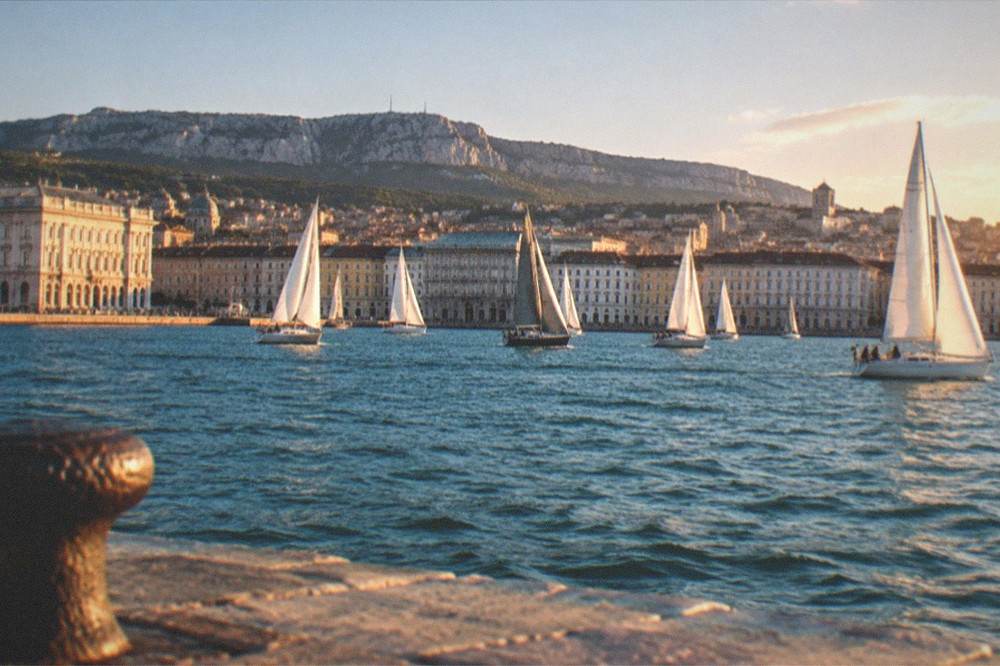
If your weekend is in October, there is a competing argument for staying in the city: Barcolana 58 runs 2 to 11 October 2026, with the regatta itself on Sunday 11 October from 10:30 over 13 nautical miles in the gulf, and the record edition in 2018 put 2,689 boats on the start line as the largest sailing race in the world. A Sunday like that, watching from the Rive or the Molo Audace, is a spectacle no day trip competes with; the Barcolana guide covers it.
Common Questions About a Weekend in Trieste
Is two days enough for Trieste?
Two days is enough for the core city, the San Giusto hill, the seafront and one of Miramare, the Karst caves or a cross-border day trip. Three days lets you keep Miramare and add the Karst, which is the split this site's two days and three days pages make explicit.
Do I need to book anything in advance for a weekend in Trieste?
Only two things genuinely need it: Grotta Gigante, which is guided-only with compulsory booking, and a Miramare castle slot on a busy weekend, which the venue recommends booking online. The city sights, the cathedral, the Risiera di San Sabba and the Roman theatre from the street, need no booking at all.
What is the best month for a weekend in Trieste?
The sea temperature at the waterfront peaks in July and August at 25.9 C and the rain is lowest in July at 53.8 mm, so a summer weekend is the swimming and seafront option, while October brings Barcolana on 2 to 11 October in 2026 at the cost of the autumn's wetter weather. The month-by-month detail is worth checking before you pick your dates.
Can you do Trieste without a car?
Yes. The centre is a walkable grid, the Miramare and Barcola coast is on the urban bus network covered by the EUR 3.35 day ticket, the Opicina tram uses the same ticket, and every cross-border day trip on this page runs with round-trip transport included. A car only earns its keep if you want to hunt osmize on the Karst at your own pace.
Is Trieste expensive for a weekend?
The sight-seeing core is not: admission across a full weekend lands near EUR 50 per person at the most, transport is a few euros a day, and the buffets are among the cheaper lunch formats in northern Italy. What moves the total is lodging and restaurant dinners, which is where the city's cost question really gets decided.
A weekend in Trieste, Italy is really three small trips stacked on one another: a Habsburg port city on Friday evening, a hill of castles and museums on Saturday, and a castle on the sea or a plateau of caves and vineyards on Sunday. Follow the prices and hours above, tap your card on the bus, book the cave, and the city does the rest, as this Trieste Travel Guide has laid it out.