Best Viewpoints in Trieste
Trieste, Italy is a city built on a slope, which means its best viewpoints are mostly free, mostly a short climb from the centre, and mostly facing the same blue rectangle of Adriatic. Here is where to stand, what each spot costs, and when the light is right.
Short answer
The best viewpoints in Trieste are the San Giusto castle walls and cathedral bell tower in the old town, the Faro della Vittoria on the Piazza Venezia mole, Molo Audace and the Rive for the skyline across the water, the Opicina obelisk above the tram line, and the terrace at Miramare Castle up the coast at Grignano. Castle entry costs €7 at San Giusto and €17 at Miramare; the cathedral, the lighthouse surroundings and the whole waterfront are free.
Trieste, the Adriatic port city in Friuli Venezia Giulia in northeast Italy, is stacked like a theatre: the sea at the front, the Borgo Teresiano grid behind it, the Città Vecchia and San Giusto hill climbing above, and the Carso plateau as the back wall. Almost every good viewpoint in the city is a consequence of that slope. You do not need a helicopter or a paid observation deck, because the city hands out its panoramas from a castle rampart, a lighthouse mole, a stone pier and a hilltop obelisk, and most of them cost nothing at all.
This guide walks through each of them in the order you would realistically visit them, with the ticket prices and opening hours the venues themselves publish, the weather and wind numbers from the regional meteorological agency's own station tables, and a note on which tours pair well with which view. The one thing it will not do is invent a walking time or a queue length, because those change and nobody official publishes them.
Where Are the Best Viewpoints in Trieste, Italy?
The best viewpoints in Trieste are the walls of Castello di San Giusto and the cathedral bell tower on San Giusto hill, the Faro della Vittoria at the end of the Piazza Venezia mole, Molo Audace and the Rive waterfront for the skyline seen from sea level, the Opicina obelisk reached by the historic tram, and the terrace and park of Miramare Castle up the coast at Grignano.
Entry costs run from free, at the lighthouse, the pier and the whole waterfront, to €7 at San Giusto castle and €17 at Miramare.
That is the short list, and the table below is the planning version of it. What each spot gives you is different: San Giusto looks down over the rooftops and the port, the lighthouse looks back along the whole curved seafront, Molo Audace frames Piazza Unità d'Italia across the water, and the Carso heights look down on the entire gulf with the Alps visible inland on a clear day.
| Viewpoint | What you see | Cost | Best time of day |
|---|---|---|---|
| Castello di San Giusto walls | Città Vecchia rooftops, the port, the gulf | €7 full, €5 reduced | Morning and late afternoon |
| Cathedral bell tower | San Giusto hill, the sea to the south | Free cathedral; tower price not published | Morning |
| Faro della Vittoria | The full seafront curve, the gulf, Muggia bay | Free to walk the mole | Late afternoon |
| Molo Audace | Piazza Unità d'Italia seen from the water | Free | Sunset |
| The Rive waterfront | The city skyline from sea level | Free | Evening |
| Opicina obelisk | The whole gulf from the Carso edge | Standard tram ticket | Clear days, any hour |
| Miramare Castle terrace and park | The castle above the sea, the gulf | €17 castle, park free | Morning |
Two of these, the castle hill and the waterfront, sit close enough together that you can do both in one loop on foot. The others, the lighthouse, Opicina and Miramare, each want their own outing, and the sections below cover them in that order.
What Do You See from San Giusto Castle and the Cathedral Bell Tower?
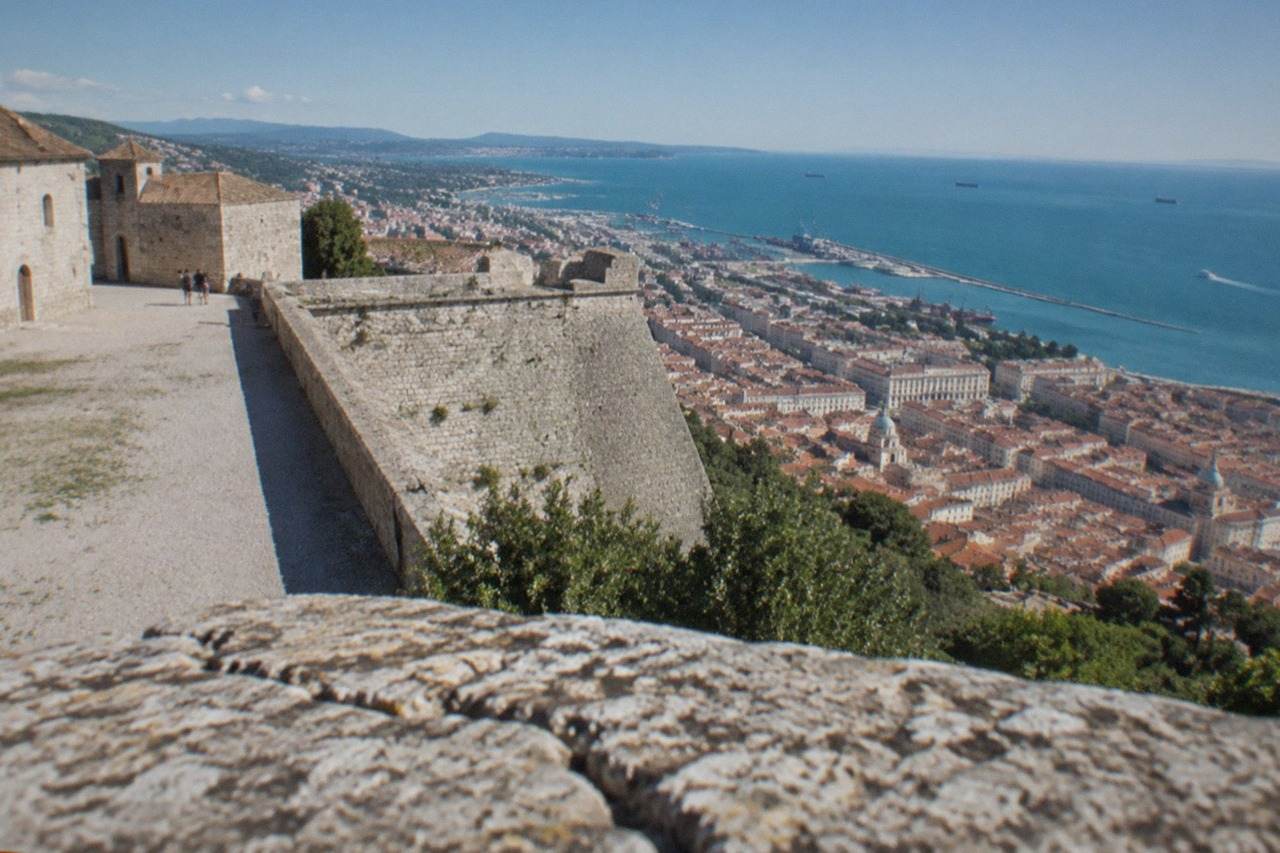
From the walls of Castello di San Giusto you see the whole of Trieste's old town below you, the tiled roofs of the Città Vecchia, the campanile of the Serbian Orthodox church, the port and cruise terminals, and the gulf stretching to the horizon; the cathedral bell tower next door adds a higher look south over the hill itself and down to the sea. Castle entry is €7 full and €5 reduced, the cathedral is free, and the venue publishes no price for the tower.
The castle is the one viewpoint in the city where the panorama and the museum are the same ticket. The €7 covers the walls and bastions, the Civico Museo del Castello-Armeria, the Lapidario Tergestino and the temporary exhibitions at the Bastione Fiorito, so you are not paying €7 for a railing and a view alone. Hours are seasonal: from 1 April to 11 October the castle opens daily 10:00-19:00 with last entry at 18:30, and from 12 October it runs Tuesday to Sunday 10:00-17:00 with last entry at 16:30. Entry is free on the first Sunday of the month and on 3 November, the patron saint's day.
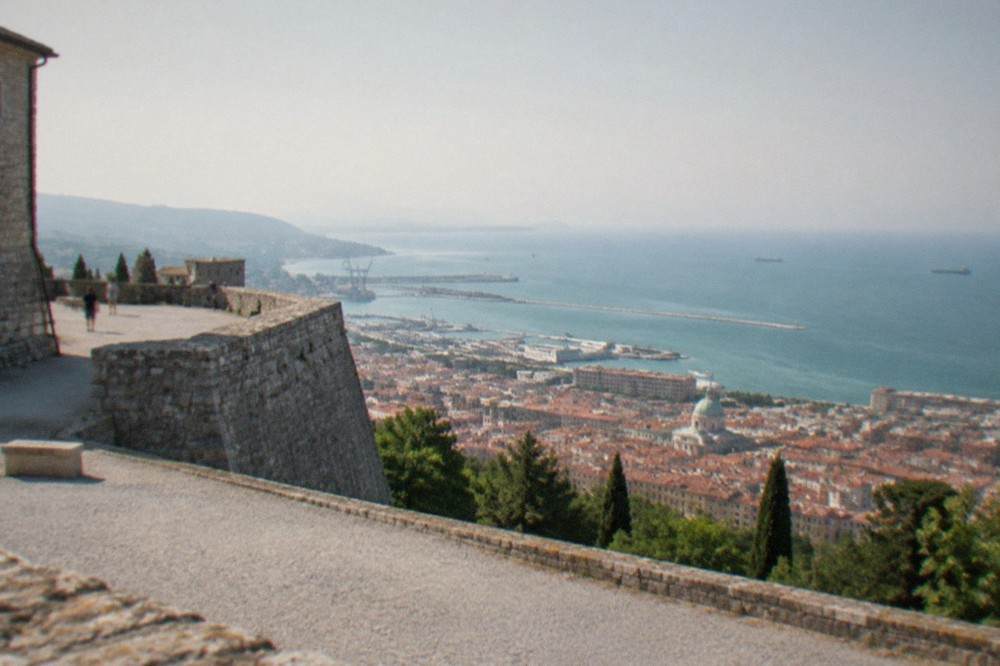
The cathedral beside it keeps its own hours: entry to the basilica is free, weekdays 8:00-18:30 and Sundays and holidays 9:00-19:30. The bell tower is open 1 April to 30 September daily 9:00-17:30, and in March and October from 9:00-12:00 and 14:30-17:00. The parish publishes no ticket price for the tower, so treat climbing it as a matter of turning up in the published window. The parish also asks that visitors avoid the cathedral during Sunday services, which is worth respecting if you are planning a weekend morning.
| Site on San Giusto hill | Full price | Reduced | Hours (main season) |
|---|---|---|---|
| Castello di San Giusto | €7 | €5 | Daily 10:00-19:00, 1 Apr-11 Oct |
| Civico Museo del Castello-Armeria | included in castle ticket | included | Same as castle |
| Lapidario Tergestino | included in castle ticket | included | Same as castle |
| Cattedrale di San Giusto | free | free | Weekdays 8:00-18:30, Sun 9:00-19:30 |
| Bell tower | price not published | price not published | 9:00-17:30, 1 Apr-30 Sep |
The hill itself is the viewpoint, even before you buy anything. The piazza in front of the castle, the facade of the cathedral and the stretch of wall visible from the parking terrace all give the rooftop panorama for free, and the San Giusto castle and hill guide covers the walk up, the museum interiors and the Roman remains scattered on the way. If you want the same panoramas with someone else carrying the history, a private guide pairs well: the private Trieste sightseeing tour runs two and a half hours with your own guide, from $128.45 per person, and the operator's live listing carries the current rating and availability.
Is the View from the Faro Della Vittoria Worth the Trip?
The Faro della Vittoria, the victory lighthouse on the Piazza Venezia mole at the edge of the Barcola seafront, gives Trieste its most complete single panorama: the entire curved seafront from Muggia bay to the city centre, the gulf, and on clear days the coastline of Slovenia and Croatia, all from a free public mole you can walk out onto. It costs nothing to stand there, and the lighthouse building itself is not a paid attraction.
The lighthouse stands on what was the old embankment of the piers, at the point where the city's waterfront stops being promenade and starts being working sea. The victory lighthouse guide covers the monument's history and its dedication to the fallen of the First World War, which is the reason it exists at all. What matters here is the geometry: from the mole you look back at the whole city as a single composition, which is the shot the castle hill cannot give you because the castle is inside the composition.
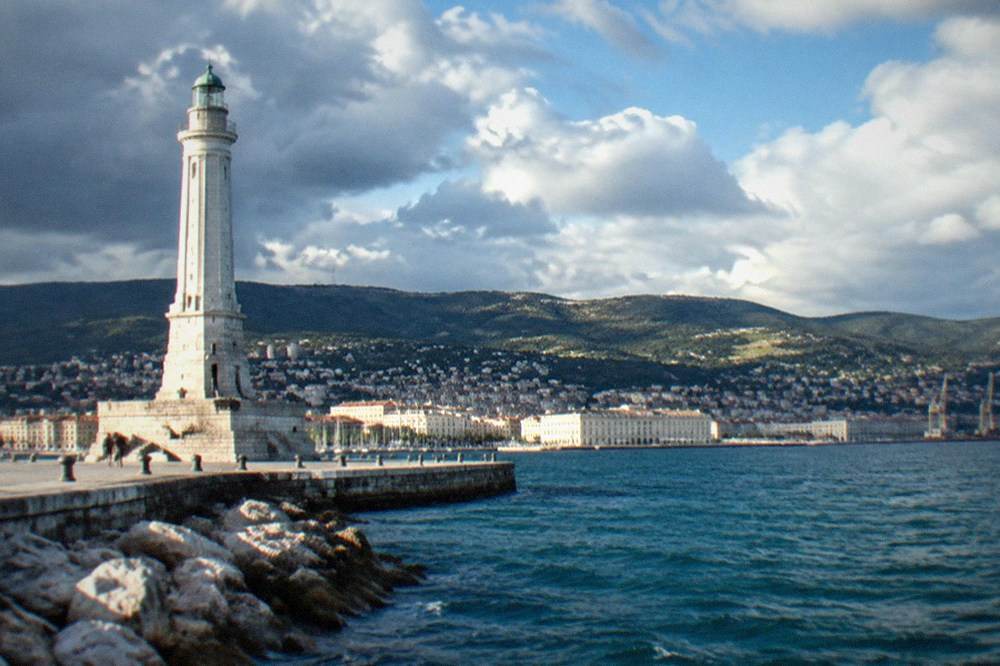
The Barcola seafront beside it is the other half of the outing. The Barcola seafront guide and the beaches and swimming guide cover the long concrete and pebble shore where the city swims; from several points along it, the lighthouse itself becomes the foreground of a panorama back toward the centre. Late afternoon is when the light comes across the gulf and lights the seafront facades, and the whole stretch is free and always open.
Which Waterfront Spots Give the Best Skyline Photos of Trieste?
Molo Audace, the stone pier that points straight at Piazza Unità d'Italia from the water side, is the single best skyline photo spot in Trieste: from its end the great square's facades line up across a short stretch of open sea, with the sunset behind you in summer and the square lit gold in front of you. The pier is free and always open, and the Rive waterfront beside it gives the same skyline in a longer, wider frame.
Molo Audace is the viewpoint that costs nothing and appears in every photograph of the city, for the simple reason that it puts you on the sea without a boat. The Molo Audace guide covers the pier's history as a mooring for the ship that gave it its name; from a viewpoint standpoint the mechanics are easy, you walk out on flat stone as far as the end, and the city arranges itself in front of you. The Piazza Unità d'Italia guide covers what you are looking at from the other side: the square that opens directly onto the water, the historic caffè under the arcades and the government palaces that face it.
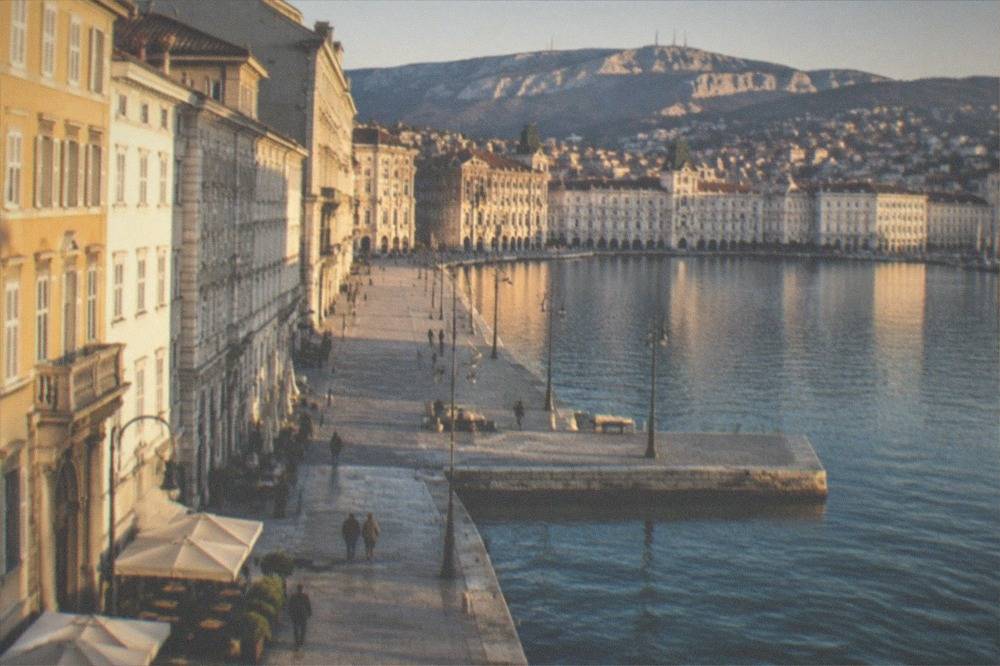
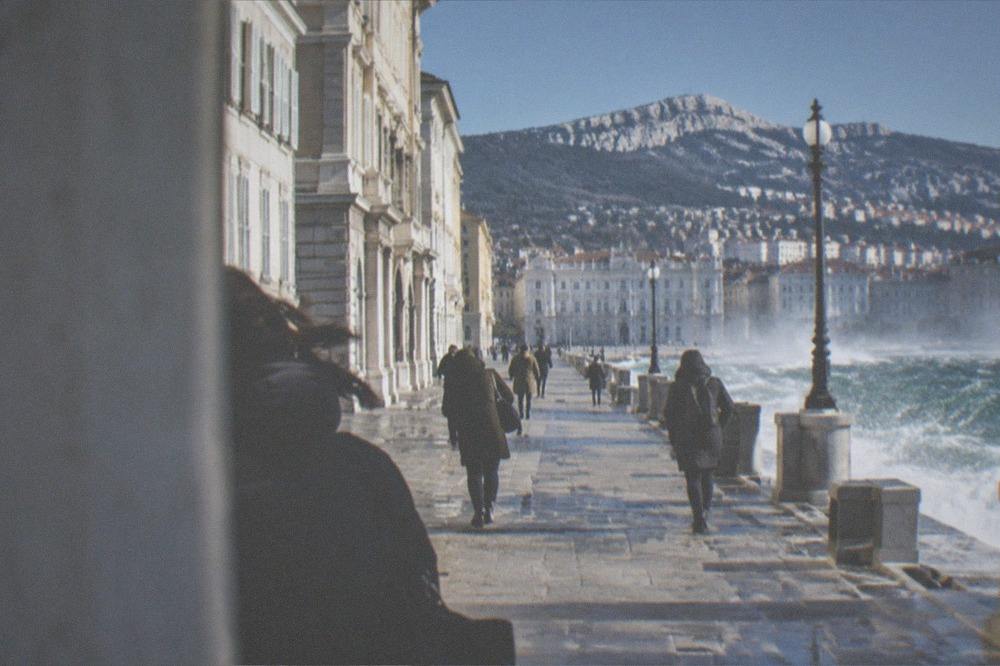
The Rive, the long seafront promenade, is the wide-angle version. The Rive seafront guide walks the whole stretch, and from its middle sections you get the complete skyline in one frame: the Città Vecchia climbing to San Giusto, the bell tower, the dome of the Serbian church and the modern port to one side. This is also where the bora makes itself felt most, because there is nothing between the promenade and the gulf to slow it down; the section on weather below has the actual numbers.
For a guided version of the same walk, the Trieste city highlights walk is not the one; the roster's own description puts the historic squares and the caffè stop in the centre. The food walk below pairs the waterfront with the buffet culture instead.
Where Are the Best Panoramas Outside the Centre of Trieste?
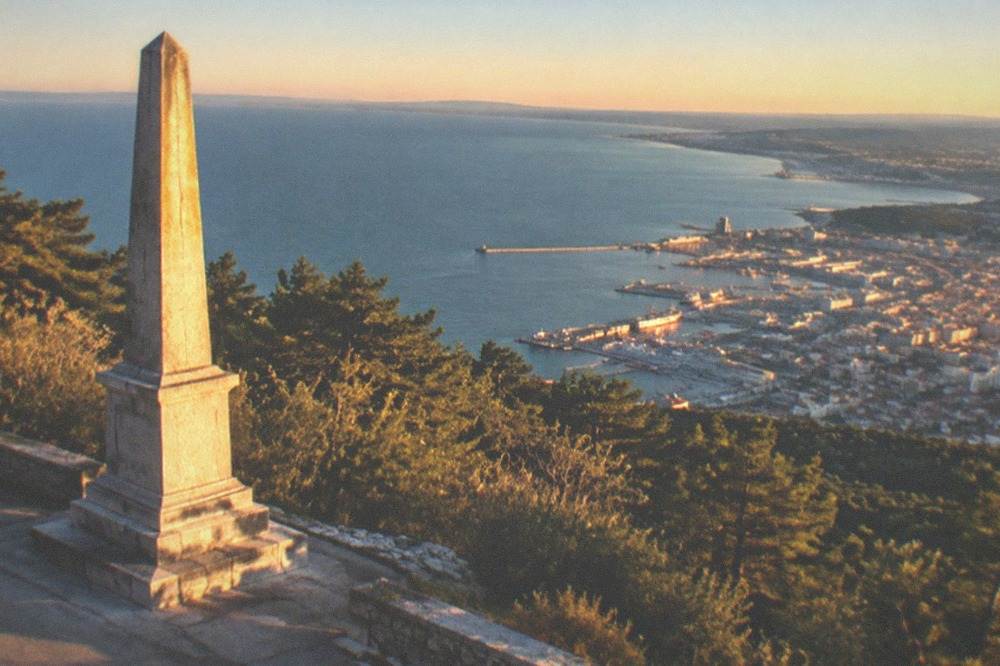
The best panoramas outside Trieste's centre are the Opicina obelisk on the Carso edge, reached by the historic tram de Opicina, and the terrace and park of Miramare Castle at Grignano; the obelisk looks down over the whole gulf from the plateau, while Miramare gives the castle, its free park and the protected marine area below it. Miramare's castle costs €17 and its park is free; the tram is part of the ordinary urban network and takes a standard city ticket.
The tram de Opicina is the unusual one, and it is running: the line was reactivated on 1 February 2025 after the long stop that followed the 2016 accident, and the operator's own line page carries a current timetable dated from 20 July 2026. Its city terminus is piazza Dalmazia, not piazza Oberdan as older guides claim, and the published route runs up through Vetta Scorcola and Conconello to the Obelisco stop and on to Opicina station, a climb of about 5.175 km. From the obelisk the gulf opens underneath you, the whole city in one downward glance with the sea behind it. A standard urban single, €1.50 for 60 minutes or €1.85 for 75, is valid on board, and contactless bank cards can be tapped on the readers. The Opicina tram and obelisk guide covers the line, the timetable and the village at the top.
Miramare is the grand one. The castle's own visit page lists adult entry at €17, which includes the temporary exhibition, with a reduced €7 for EU citizens aged 18-25 including the exhibition or €2 for the castle only, open every day 9:00-19:00 with the ticket office closing at 18:30. The park is free all year, with hours that shift by month, from 8:00-19:00 between April and September down to 8:00-16:00 in January. The panoramas here are of a different kind: the terrace over the sea, the castle seen from the park's paths, and the marine protected area below, which the Miramare Castle guide and the marine protected area guide cover in detail.
| Site | Full price | Reduced | Hours |
|---|---|---|---|
| Miramare Castle | €17 | €7 (EU 18-25, with exhibition) | Daily 9:00-19:00, last entry 18:30 |
| Miramare park | free | free | 8:00-19:00 Apr-Sep, shorter in winter |
| Opicina tram (line 2) | €1.50 urban single, 60 min | standard urban fares | See operator's current timetable |
| Faro della Vittoria mole | free | free | Always open |
| Molo Audace | free | free | Always open |
If you would rather have the coastal panoramas driven and explained, the panoramic city and Miramare tour runs four hours, from $129.94 per person, and the operator's listing describes a guided route through the city and on to the castle. The rest of the planning pages sit on Trieste Travel Guide.
When Is the Best Light and Weather for Trieste Viewpoints?
The best months for clear viewpoints over Trieste are the dry summer ones, because the city's own station tables show July as the second driest month of the year at 53.8 mm of rain against November's 109.8 mm, and June as the calmest month for wind, but October and November give the most dramatic light on the water at the cost of more wet days. In any month, plan the high viewpoints for the morning and the waterfront ones for the evening.
Those figures come from the regional meteorological agency's own normals for the Trieste molo station, the 1995-2024 series, and they overturn the lazy assumption that an Adriatic city is a summer rain trap. The wettest month in Trieste is November, at 109.8 mm, with September second at 102.3 mm; July is one of the driest at 53.8 mm. The same tables give the mean daily high as 28.2 C in July and 9.2 C in January, with sea temperatures peaking at 25.9 C in July and August. The weather month by month guide and the best time to visit guide turn the full table into planning advice.
| Month | Mean high C | Rain mm | Wet days | Sea C |
|---|---|---|---|---|
| January | 9.2 | 52.8 | 6.6 | 11.6 |
| April | 16.8 | 60.7 | 8.0 | 14.0 |
| July | 28.2 | 53.8 | 5.4 | 25.9 |
| September | 23.9 | 102.3 | 7.4 | 23.9 |
| November | 14.7 | 109.8 | 9.5 | 16.8 |
The wind is the other planning input, and in Trieste the wind has a name. The bora blows from the east-north-east down off the Carso, and the station tables count 17.6 days a year on average with a gust over 90 km/h and 49 days over 72 km/h, with the all-time peak gust in the series at 168.1 km/h in February 2012. There is no published wind threshold at which the Rive close or ferries stop, so do not plan around a number that does not exist; plan around the forecast instead. The bora wind guide covers what the wind does to the city and why the seafront has handrails and ropes where it does.
| Wind fact at the Trieste molo station | Figure |
|---|---|
| Average days per year with a gust over 90 km/h | 17.6 |
| Average days per year with a gust over 72 km/h | 49.0 |
| All-time peak gust in the series | 168.1 km/h, February 2012 |
| Calmest month for wind | June |
| Months where the record gust exceeds 110 km/h | every month of the year |
The practical reading of that table is simple: the high viewpoints, the castle and the obelisk, are better in the morning before any afternoon wind builds, and the waterfront ones are at their best in the evening light regardless. In the cool season the bora also does something the postcards do not mention: it scrubs the air to a clarity that makes the long panoramas from the Carso sharper than in the haziest summer weeks.
Can You See Trieste's Best Viewpoints on a Guided Tour?
Yes, several Trieste tours cover the main viewpoints in one booked outing: the private sightseeing walk takes in the castle hill and the centre over two and a half hours, the panoramic city and Miramare tour adds the coastal panoramas over four hours, and an e-bike tour links the old town and Miramare over a longer day. Prices run from $128.45 per person for the private walk to $174.26 for the e-bike day, with the operator's live listing carrying current ratings and availability.
The trade-off is control against context. On your own you can stand on Molo Audace for as long as the light lasts and pay nothing; with a guide you get the history of what you are looking at, which in a city like Trieste, where Habsburg, Roman, Slovenian and maritime stories are stacked in one view, is a real addition rather than a decoration. The free walking tours guide covers the pay-what-you-want alternative, including the GuruWalk free city walk run by a local guru, which is tip based and costs nothing to join.
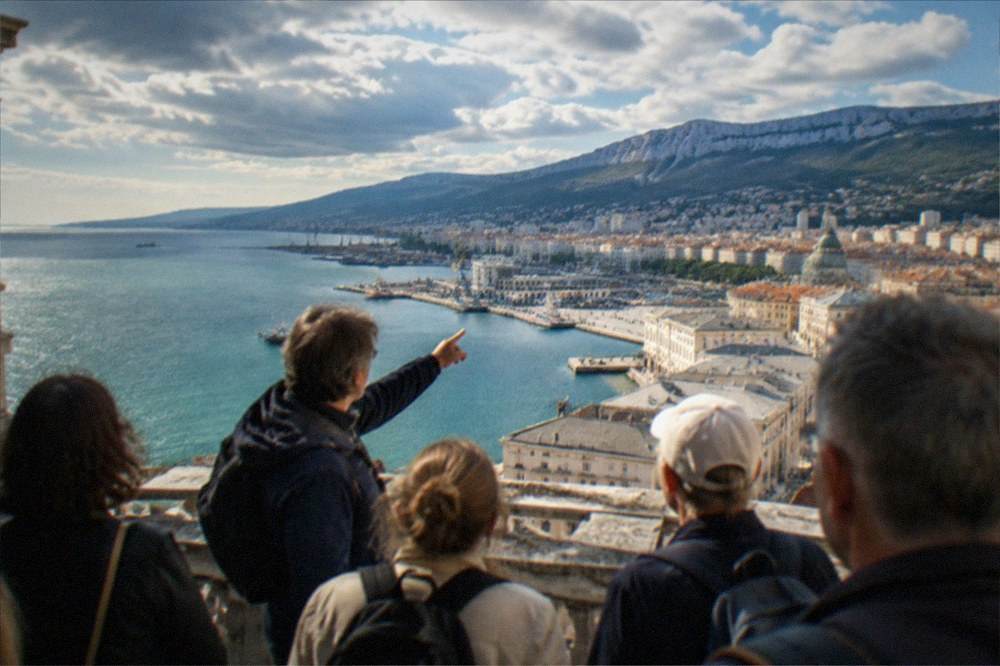
The trio below is the pairing that fits this page best: the private walk for the centre and the hill, the food walk for the Città Vecchia streets between the viewpoints, and the panoramic tour for the castle and the coast.
The e-bike option is the one that covers the most ground in a day, linking the old town, San Giusto and Miramare in a single six-hour loop with a gelato stop, from $174.26 per person, though with a very small review base on the listing so far.
Common Questions About Trieste Viewpoints
Common Questions About Trieste Viewpoints
What is the best free viewpoint in Trieste?
Molo Audace and the Rive seafront are the best free ones for the skyline, and the piazza and terraces around the cathedral on San Giusto hill give the rooftop panorama without a castle ticket. The Faro della Vittoria mole is also free to walk out onto.
How much does it cost to go up San Giusto castle for the view?
Entry to Castello di San Giusto is €7 full price and €5 reduced, and the ticket also covers the castle museum, the armoury, the Lapidario Tergestino and the temporary exhibitions. The cathedral next to it is free, and the parish publishes no price for the bell tower.
Is Miramare Castle a good viewpoint?
Yes, both from the terrace over the sea and from the free park around it, where the castle itself is the thing you photograph. The castle ticket is €17, the park costs nothing, and the park keeps its own monthly hours.
Can you see Slovenia and Croatia from Trieste's viewpoints?
On clear days the high viewpoints on the Carso edge, such as the Opicina obelisk, take in the gulf and the far shores of Slovenia and Croatia across the water. Remember that Italy is running temporary border checks on its land border with Slovenia through 18 December 2026, so carry ID on any trip that crosses it.
When is the best time of day for photographs in Trieste?
Morning for the high viewpoints on San Giusto hill and the Carso, evening for the waterfront ones at Molo Audace and along the Rive, when the sun is behind you and lights the facades of Piazza Unità d'Italia across the water.
Does the bora affect the viewpoints?
It can. The station tables average 17.6 days a year with a gust over 90 km/h, and the seafront is the most exposed stretch. There is no published wind threshold for closures, so check the forecast on the day and prefer the sheltered hill viewpoints when it blows.
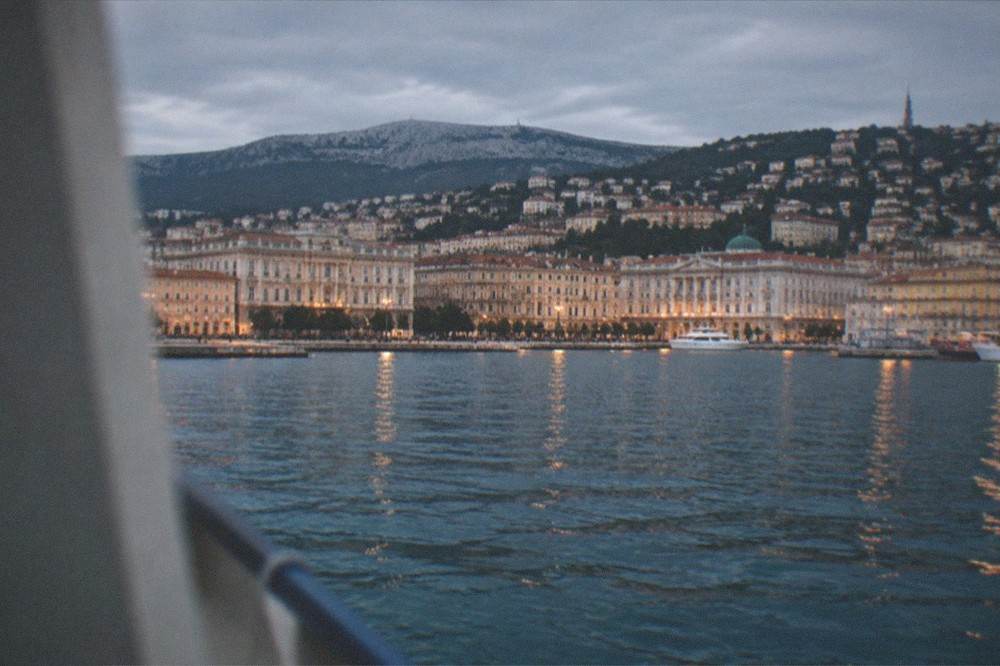
Trieste's viewpoints are unusual among Italian city panoramas in how little they ask of you: two of the best cost nothing, one of the paid ones includes three museums, and the strangest of all arrives on a century-old tram that most of the internet still believes is closed. Start on the pier at sunset, climb the hill the next morning, and take the tram to the obelisk on the third day, and you will have seen the city from every height it offers.