Trieste Hidden Gems: The Quiet Corners of Trieste, Italy, Most Visitors Miss
Trieste, Italy, hides its best corners in plain sight: a Roman theatre you look down into from the pavement, a free national monument, farm cellars on the Carso and a century-old tram that most guides still get wrong.
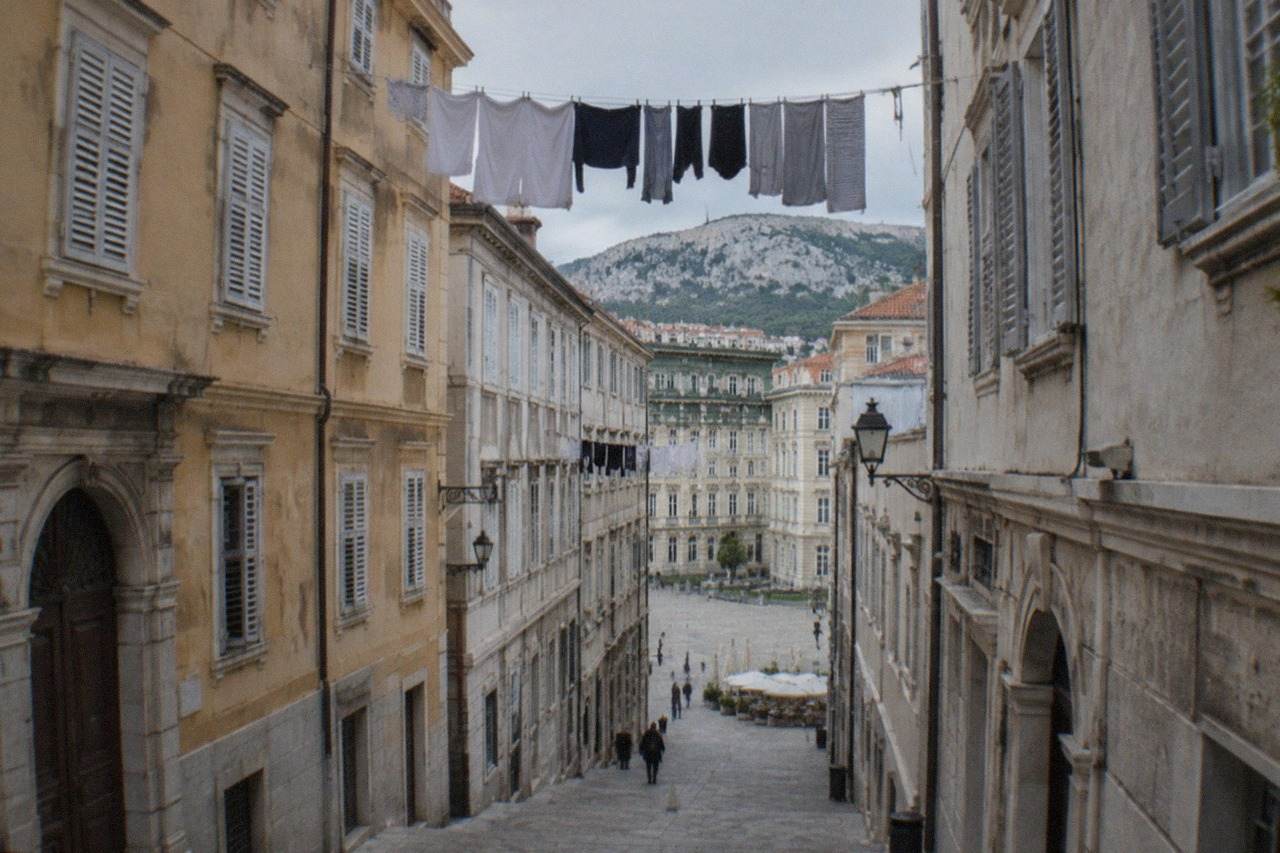
Short answer
The best Trieste hidden gems are the Arco di Riccardo and Teatro Romano in Città Vecchia, the free Risiera di San Sabba, the seafront at Molo Audace, the Opicina tram from piazza Dalmazia, the osmize farm outlets on the Carso and the quiet rooms of the Museo Revoltella.
Trieste, the Adriatic port city in Friuli Venezia Giulia in the far northeast of Italy, keeps its best material off the main square. Piazza Unità d'Italia is magnificent and everyone photographs it, then leaves. The visitors who linger find a Roman arch in a back street, a theatre you view from the pavement, a national monument that costs nothing to enter, and a tram that a decade of careless guidebooks has written off as closed when it is running. This guide walks through the corners of Trieste that reward the second day, with verified prices and hours throughout, and it pairs well with our wider unusual things to do in Trieste roundup.
What Are the Best Hidden Gems in Trieste, Italy?
The best hidden gems in Trieste, Italy, are the Arco di Riccardo and the Teatro Romano in Città Vecchia, the free Risiera di San Sabba national monument, the seafront promenade at Molo Audace, the Opicina tram leaving from piazza Dalmazia, the osmize farm outlets on the Carso, and the Museo Revoltella, which charges €8 and closes on Tuesdays. Each sits within easy reach of the centre and none requires a booked tour to enjoy.
That list is deliberately mixed: some are free, some cost a few euros, and one, the osmize, is not even in the city but on the plateau above it. What they share is that the average visitor walks past or never hears of them. The table below pulls together the verified entry costs and opening rules for the ones with published figures, all taken from the venues' own pages.
| Hidden gem | What it is | Entry cost | Key rule |
|---|---|---|---|
| Teatro Romano | Roman theatre, viewed from the street | Free | Not routinely enterable by individuals |
| Cattedrale di San Giusto Martire | Cathedral on the hill | Free | Weekdays 8:00-18:30, Sundays 9:00-19:30 |
| Museo Revoltella | Modern art museum | €8 adult, €6 reduced | Closed Tuesdays, daily 10:00-19:00 |
| Risiera di San Sabba | National monument, former rice-husk mill | Free | Daily 9:00-19:00 to 11 October |
| Castello di San Giusto | Castle, museum and walls | €7 adult, €5 reduced | Daily 10:00-19:00 to 11 October |
| Grotta Gigante | Giant cave at Sgonico, on the Carso | €15 adult, €12 reduced, €8 ages 6-18 | Guided visits only, booking compulsory |
A couple of notes on those figures. The San Giusto castle ticket also covers the Civico Museo del Castello-Armeria, the Lapidario Tergestino and temporary exhibitions, which makes it better value than a single-site ticket looks. And the Risiera is one of the very few national monuments in Italy with free individual entry and no booking requirement outside the March-to-May group season, which is remarkable given what it commemorates.
Which Quiet Corners of Città Vecchia Do Most Visitors Walk Past?
The quiet corners of Città Vecchia that most visitors miss are the Arco di Riccardo, a Roman gate arch standing in a small side street, the Teatro Romano, which you look down into from the pavement rather than enter, and the Cavana district just north of the old town, a working neighbourhood of restored houses and small bars that guidebooks rarely route through. All three are free to see and sit within a short walk of Piazza Unità d'Italia.
The Arco di Riccardo is Trieste's oldest visible structure, a Roman gate in the old city walls, and it survives not in a museum but in the middle of an ordinary street, hemmed in by later buildings. There is no ticket, no barrier and usually nobody there. The Teatro Romano is the opposite surprise: an actual Roman theatre, sitting below street level, and the ministry's own page for the monument describes it as a site you view rather than one you wander into. Individual access is not routinely offered; guided visits exist for groups and schools on request. So do not plan an itinerary around walking across its stage. Plan a few minutes at the railing instead.
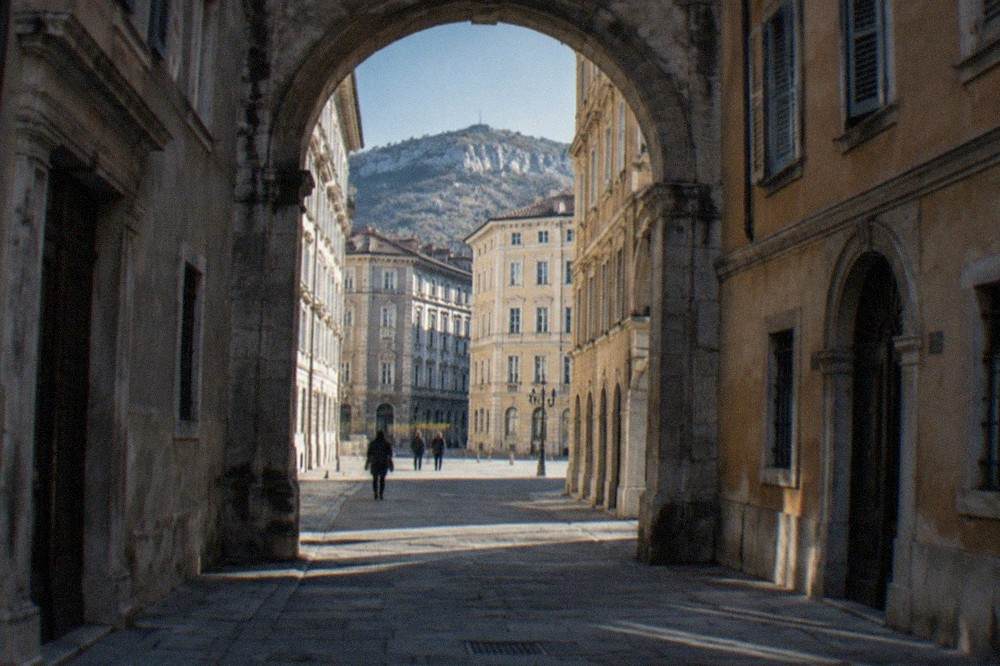
Cavana, the district between the old town and the station side of the city, spent decades as the rough quarter and is now a lattice of narrow lanes with painted facades. It is where the city's daily life actually happens, and it connects naturally to the Città Vecchia walk most visitors do anyway. If you want someone to route you through these lanes with the stories attached, the Trieste: City Hidden Gems Private Walking Tour is built exactly for this, a 2h 30m private walk with a local guide, from $143.30 per person on the operator's live listing, rated 4.95 from 62 reviews. Check availability if a private guide suits your group.
Is the Risiera Di San Sabba Worth the Detour?
Yes, the Risiera di San Sabba is worth the detour, and it is one of the most under-visited sites in the city: a free national monument housed in the buildings of a former rice-husk mill that was used as a Nazi detention and extermination site during the Second World War. Entry costs nothing, individuals do not need to book, and from 1 March to 11 October it opens daily 9:00-19:00 with last entry at 18:30.
From 12 October the hours shorten to 9:00-17:00 with last entry at 16:30. It closes only on 25 December and 1 January, and closes early, at 14:00, on 24 and 31 December. Groups must book a slot between 1 March and 31 May, but independent visitors never do. The site is a short ride or a brisk walk north of the centre, and it belongs on any honest list of the city's hidden gems precisely because most leisure itineraries skip it.
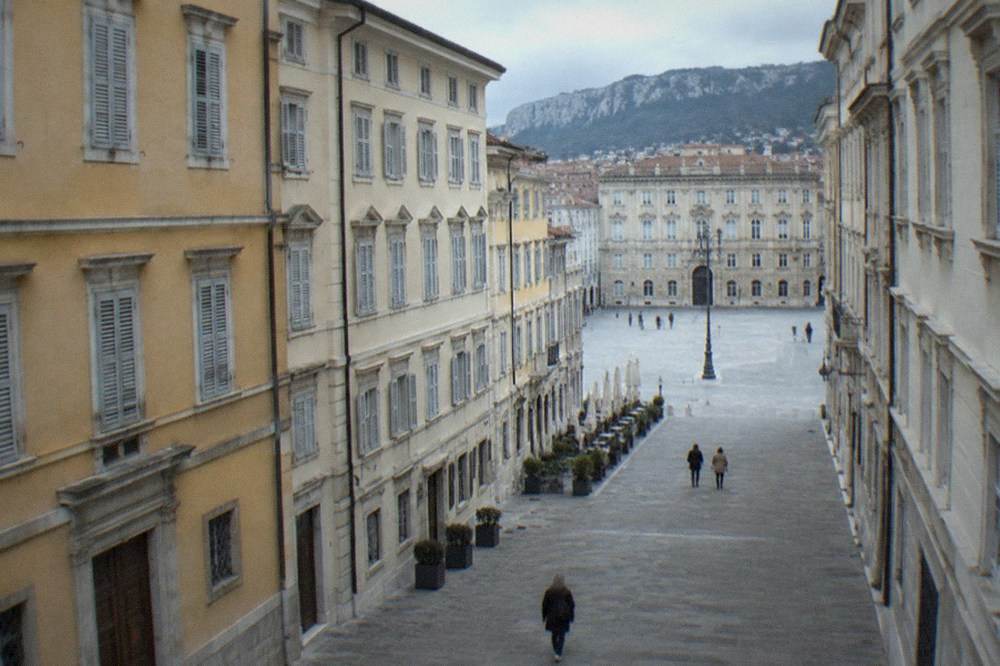
Pair it with the Museo Revoltella for a half-day of the city's quieter culture. The Revoltella charges €8 for adults and €6 reduced, opens daily 10:00-19:00 with last entry at 18:00, and closes on Tuesdays, a detail that catches out a surprising number of visitors who turn up midweek. It is one of the stops on our museums of Trieste overview, and its free-entry days follow the national first-Sunday scheme, which we come back to below. The table below lines up the seasonal hours so you can plan around the October switch, which catches even careful planners.
| Site | Summer hours (to 11 Oct) | From 12 October | Weekly closure | Free days |
|---|---|---|---|---|
| Risiera di San Sabba | Daily 9:00-19:00 | Daily 9:00-17:00 | None | Always free |
| Museo Revoltella | Daily 10:00-19:00 | Daily 10:00-19:00 | Tuesday | First Sundays, 3 November |
| Castello di San Giusto | Daily 10:00-19:00 | Tue-Sun 10:00-17:00 | Monday (winter) | First Sundays, 3 November |
| Cattedrale di San Giusto | Weekdays 8:00-18:30 | Weekdays 8:00-18:30 | None | Always free |
The first-Sunday scheme deserves its own sentence rather than a date in a table: the Ministry of Culture runs free entry at participating state museums on the first Sunday of each month, and Miramare takes part, but the rules have changed more than once in recent years, so check the venue's own page for the month you are visiting rather than trusting a date printed anywhere, including here.
Where Do You Find the Waterfront Spots Locals Keep to Themselves?
The waterfront spots locals keep to themselves are Molo Audace, the short stone pier you can walk to the end of for free at the edge of Piazza Unità d'Italia, the Bagno Marino La Lanterna, the historic sea-bathing platform at Pedocin, the Barcola seafront where the city actually swims, and the Victory Lighthouse, which stands above the shoreline walk. Every one of them is free to visit, and none appears on a standard tour-bus circuit.
Molo Audace is the easiest hidden gem in the city to reach and the easiest to underestimate: a paved pier ending in open water, with the whole gulf in front of you and the city behind. It costs nothing and takes minutes. Pedocin is stranger and more local, a sea-bathing establishment with a famously simple layout, and Barcola is the long seafront promenade where the city's swimming really happens; our Trieste beaches and swimming guide covers the practical side. The lighthouse, the Faro della Vittoria, sits above the water on the way out to Barcola and is one of the best best viewpoints in Trieste.
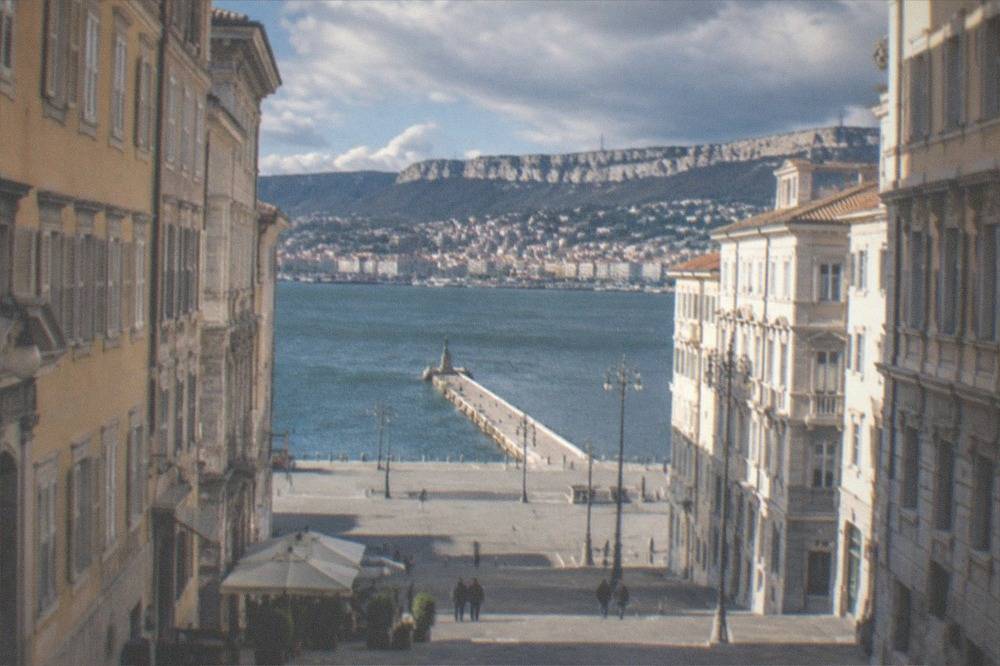
The sea itself is warmer than most visitors expect. ARPA FVG's oceanographic bulletins put typical August sea temperatures in the gulf around 25°C or higher, with swimmable conditions generally running from June into early October. The monitoring station at the molo has measured continuously since 1996, and the series shows a long-term warming trend, which is why September swims are a genuine local habit rather than a hardy one.
| Waterfront spot | What it is | Cost | Why it is a hidden gem |
|---|---|---|---|
| Molo Audace | Walk-on stone pier at the old harbour mouth | Free | No ticket, no queue, open water views |
| Bagno Marino La Lanterna | Historic bathing platform at Pedocin | Small entry fee on site | Almost entirely local clientele |
| Barcola seafront | Long free promenade and rocky shore | Free | The city's real swimming spot |
| Faro della Vittoria | Lighthouse above the shoreline | Free to view from outside | Rarely on tourist routes |
| Porto Vecchio | The old port district, recently opened to the public | Free to wander | A city within the city, new to locals too |
If you would rather have a local route these for you, the GuruWalk free walk "Discover Trieste on a walking tour", a pay-what-you-want city walk run by a local guru, rated 4.86 from 50 reviews, is a low-commitment way to get oriented before striking out along the shore. It is free and tip based, so nothing is booked or lost if your plans shift. There is also a second GuruWalk free walk covering the Old Port, which the listing describes as a district only opened to the public in recent years. Both are listed in our free walking tours in Trieste guide.
What Is the Opicina Tram and Why Is It a Local Secret?
The Opicina tram is a century-old hybrid tram-funicular, line 2 of the city's urban network, that climbs from piazza Dalmazia up the escarpment to the village of Opicina on the Carso plateau, a route of about 5.175 km. It was reactivated on 1 February 2025 after a long stop, it runs on a timetable dated 20 July 2026, and a standard urban ticket covers it, so the ride costs the same as a city bus.
Why is it a secret? Because for years after its 2016 accident, almost every guidebook and half the internet described it as suspended, and much of that copy is still live. The tram runs. The other detail the old copy gets wrong is the departure point: the city terminus is piazza Dalmazia, not piazza Oberdan, which is a redevelopment in progress. The route as published runs piazza Dalmazia, piazza Casali, Sant'Anastasio, via Romagna, Vetta Scorcola, Cologna, Conconello, the Obelisco and up to Opicina station. Trieste Trasporti's own line-2 page carries the current timetable, and that is the page to check on the day, because short maintenance suspensions do happen and are announced there first. The rest of the planning pages sit on Trieste Travel Guide.
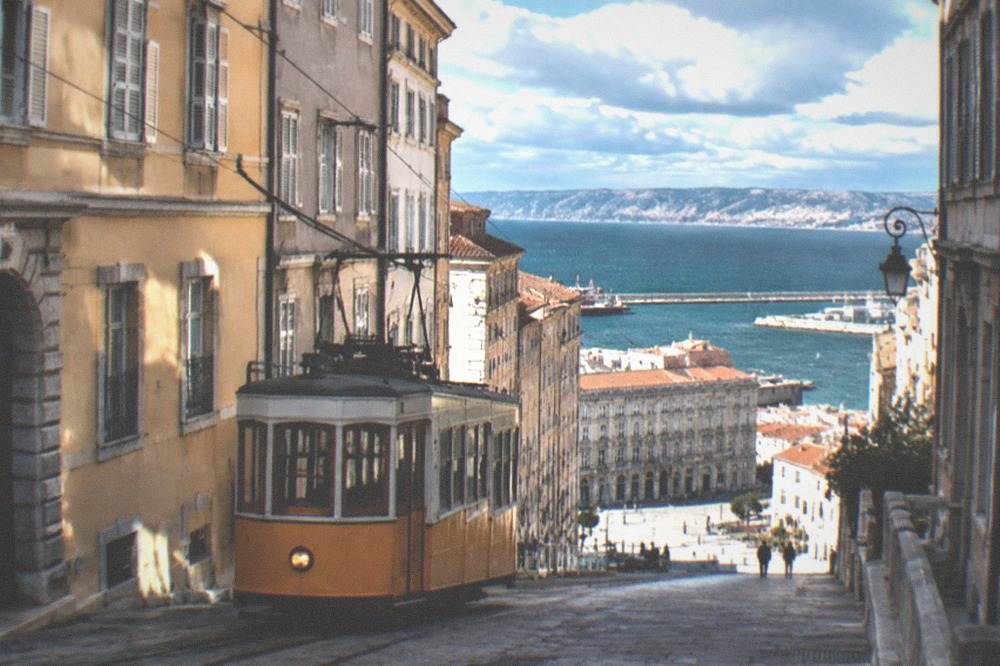
The fare side is simple and cheap, which is part of the charm. The 2026 urban tariff sheet, dated 29 December 2025, sets the prices below, and contactless bank cards can be tapped on board, with the system applying the cheapest applicable fare.
| Ticket | Validity | Price |
|---|---|---|
| Urban single U01 | 60 minutes | €1.50 |
| Urban single U02 | 75 minutes | €1.85 |
| Day ticket U24 | One day | €3.35 |
| 10 rides U10 | 10 urban journeys | €13.50 |
| 20 rides U20 | 20 urban journeys | €16.65 |
Singles run 60 or 75 minutes, extended to 240 minutes on Sundays and public holidays, so a Sunday round trip on the tram is unusually good value. At the top, Opicina and the Obelisco put you on the edge of the plateau, with the whole gulf below; our Opicina tram and Obelisk page covers the ride in detail, and it pairs with the the Carso plateau for a full day.
Where Can You Eat and Drink Away from the Crowds in Trieste?
The best eating and drinking away from the crowds in Trieste is at the osmize, seasonal farm outlets on the Carso where producers sell their own wine and home produce direct from the property, signposted by a frasca, a leafy branch hung at the turning, plus the historic caffè of the centre and the buffet serving jota and goulash. The osmize calendar lives at osmize.com, and the custom itself is centuries old and unique to this corner of Italy and Slovenia.
An osmiza is not a restaurant and it is not a winery tasting room. It is a farmhouse or cellar that opens for a limited period each year to sell its own wine by the glass or bottle alongside salumi, cheese and eggs, under an old Habsburg-era right that let farmers sell their own production for limited periods. The name comes from the Slovene word for eight, for the days originally allowed, though today each operator sets its own openings and the days are notified to the local authority rather than fixed by law. The frasca is the signal: no branch, no opening. The calendar at osmize.com lists who is open when, with addresses and a map, and it is the de facto reference because there is no municipal equivalent.
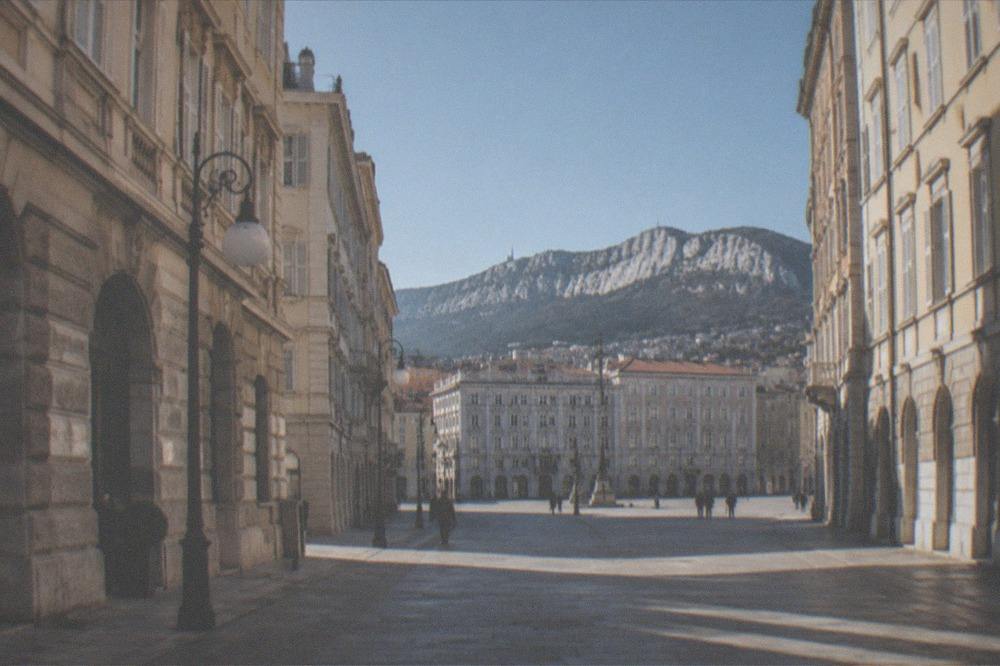
Back in the city, the coffee culture is the quiet constant. Trieste is a historic coffee port and a roasting centre, the home of Illy, and the historic caffè of the centre are where that history is consumed daily. One thing this site will not do is print a per-head consumption figure for the city's coffee habit: the widely repeated numbers have no primary source, and the culture is real enough not to need them. Our Trieste coffee culture guide covers the caffè properly, and the what to eat in Trieste guide handles jota, goulash and the buffet tradition.
| Food and drink experience | What it is | Cost | Where |
|---|---|---|---|
| Osmiza visit | Farm wine and home produce, seasonal | Pay per glass and plate, set on site | The Carso, signposted by frasca |
| Historic caffè stop | Coffee in a grand Central European interior | Coffee price on the menu | City centre |
| Buffet lunch | Jota, goulash and pork, standing or seated | Dishes priced on the counter | City centre and Cavana |
| Guided foodie walking tour | Street food walk with a local guide | From $71.08 per person on the listing | City centre, 3 hours |
The guided option is worth a mention because it solves a real problem: the buffet and osmiza traditions have etiquette and vocabulary that a first-time visitor will not know. The Trieste: Guided Foodie Walking Tour runs 3 hours from $71.08 per person, rated 4.91 from 264 reviews on the operator's listing, and it is one of the most-reviewed food walks in the city. Check availability if that suits your dates.
What Hidden Day Trips Start from Trieste?
The hidden day trips from Trieste are the Slovenian coast at Piran, the Lipica stud farm and the Škocjan Caves, the Prosecco village that gave the sparkling wine its name, and the osmize of the Carso, all reachable without changing currency because Italy, Slovenia and Croatia all use the euro. One caveat for 2026: Italy is running temporary border checks on its land border with Slovenia from 19 June to 18 December 2026, so carry a passport or national ID card.
That border detail matters and most guides miss it entirely. All three countries are in the Schengen area and all three use the euro, so there is no money to change, but the European Commission's own register currently lists Italy as running temporary internal checks on the Slovenia land border through 18 December 2026. Write that into your plans as a dated, temporary measure, not a permanent one, and keep your ID in your pocket for the Piran run.
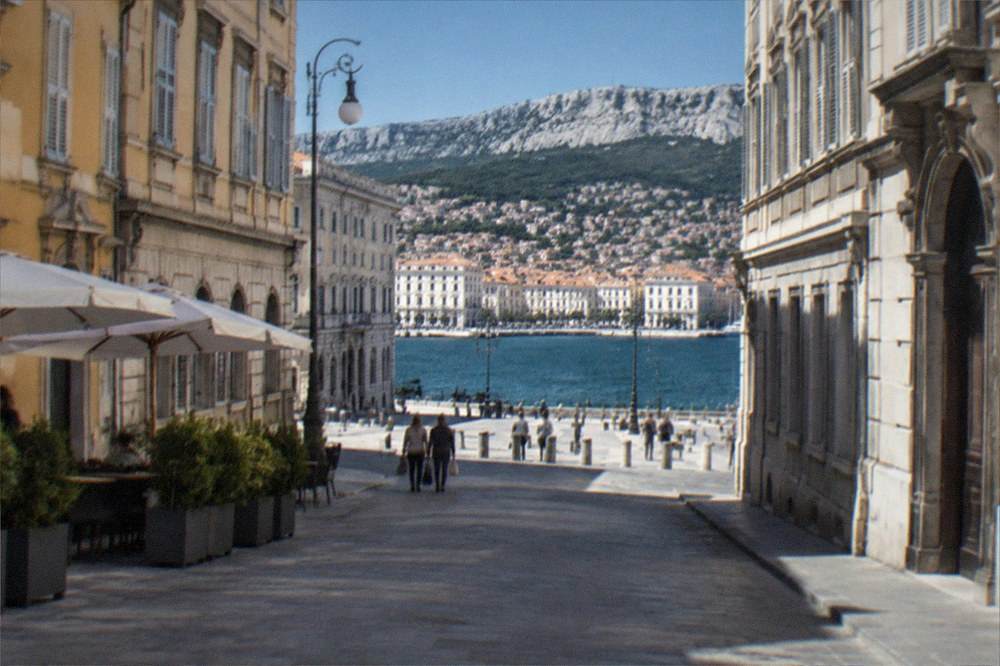
The tours below are the ones that fit the hidden-gems brief: small-group, cross-border or otherwise off the standard circuit, with prices and ratings from the operators' live listings.
| Day trip tour | Duration | From (per person) | Rating on the listing |
|---|---|---|---|
| Piran and Slovenia Coast Tour | 6 hours | $114.64 | 4.57 from 136 reviews |
| Piran and Panoramic Slovenian Coast, small group | 5 hours | $125.13 | 4.9 from 82 reviews |
| Lipica Stud Farm and Škocjan Caves | 6 hours | $129.93 | 4.86 from 23 reviews |
| Slovenian Coast with Food and Wine Tasting | 5h 30m | $137.57 | 4.98 from 50 reviews |
| Prosecco Origins Tour and Tastings | 2h 30m | $68.79 | 4.93 from 227 reviews |
The Prosecco tour deserves a clarifying note, because it is the most misunderstood product on the list. Trieste is not in the Prosecco DOC. The tour visits the village of Prosecco itself, the place that gave the wine its name, on the Carso side of the gulf, and the plateau's own wines, Vitovska, Malvasia and Terrano, are a separate story told in our Friuli Venezia Giulia wine guide. The osmize of the Carso page covers the farm outlets if you would rather go independently.
How Do You Plan a Hidden-Gems Day in Trieste?
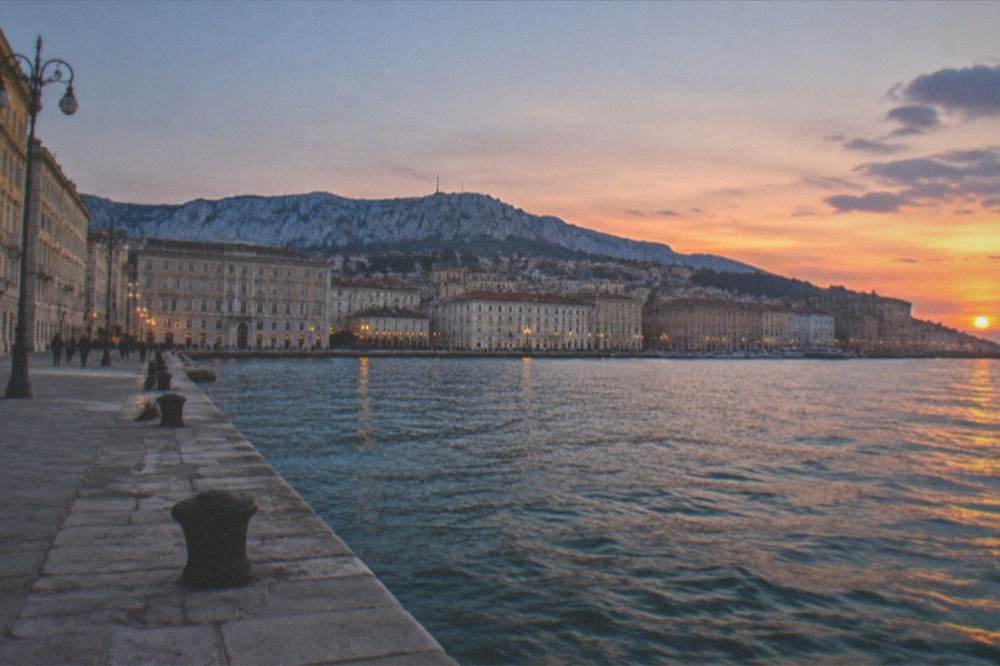
Plan a hidden-gems day in Trieste by starting at the Arco di Riccardo and Teatro Romano in Città Vecchia before the lanes fill, walking up to the free cathedral and the €7 castle on San Giusto hill, spending the afternoon on the Opicina tram to the plateau or at the Risiera di San Sabba, and ending on Molo Audace at sunset. A day ticket at €3.35 covers all the urban transport the plan needs.
The shape of the day matters more than the exact order. The old-town gems are morning material because the lanes are narrow and the light is better before the crowds arrive from the square. The hill is a natural second act, since the cathedral is free and the castle ticket covers four sites in one. Then split your afternoon by mood: the tram for air and views, the Risiera for gravity and history. The evening belongs to the water, and Molo Audace asks nothing of you but the walk out and back.
Budget the day against the verified figures and it comes out cheap, which is part of why these corners stay quiet. The table below prices a realistic day using the published entry costs and fares above.
| Day item | Cost per adult |
|---|---|
| Day transport ticket U24 | €3.35 |
| Arco di Riccardo and Teatro Romano | Free |
| Cattedrale di San Giusto | Free |
| Castello di San Giusto | €7.00 |
| Risiera di San Sabba | Free |
| Opicina tram return (2 singles U02) | €3.70 |
| Coffee in a historic caffè | Menu price on the counter |
| Total before food | €14.05 |
Two planning notes round it off. First, the bora: this is a windy city, with gusts over 72 km/h on 49 days a year on average at the molo station, and the monthly record gust exceeds 110 km/h in every single month, so pack a layer and check the forecast rather than the season; our the bora wind and best time to visit Trieste pages give the full picture. Second, the rain: Trieste's wettest month is November at 109.8 mm and July is one of its driest at 53.8 mm, which is the opposite of the Mediterranean stereotype, and a reason an autumn or winter visit is quieter and greener than most visitors expect. The month-by-month weather guide has the full table.
For everything that costs nothing at all, the free things to do in Trieste guide is the companion page to this one, and the a short history of Trieste guide explains why a city this far east looks and feels the way it does. Trieste Travel Guide keeps all of these pages on the same verified footing, so the prices and hours above are the ones the venues themselves publish.
Common Questions About Trieste Hidden Gems
What are the best hidden gems in Trieste, Italy?
The Arco di Riccardo, the Teatro Romano viewed from the street, the Cavana district, the free Risiera di San Sabba, Molo Audace, the Bagno Marino La Lanterna at Pedocin, the Opicina tram from piazza Dalmazia and the osmize farm outlets on the Carso. All are free or cost a few euros, and none needs a booked tour.
Is the Opicina tram running in 2026?
Yes. It was reactivated on 1 February 2025 and runs on a timetable dated 20 July 2026, from piazza Dalmazia to Opicina. A standard urban ticket covers it. Short maintenance suspensions are announced on the operator's own line-2 page, so check there on the day.
What is free to visit in Trieste?
The Risiera di San Sabba, the Cattedrale di San Giusto, the Teatro Romano from the street, Molo Audace, the Barcola seafront and Miramare's park are all free. State museums including Miramare also take part in the ministry's first-Sunday free-entry scheme, though the rules have changed before, so confirm on the venue's page.
What are the osmize on the Carso?
Seasonal farm outlets where producers sell their own wine and home produce direct from the property for a limited period each year, signposted by a frasca, a leafy branch hung at the turning. The current calendar of openings lives at osmize.com.
Do I need a passport for a day trip to Slovenia or Croatia from Trieste?
Yes, carry one. Italy, Slovenia and Croatia all use the euro and are all in Schengen, but Italy is running temporary border checks on its land border with Slovenia from 19 June to 18 December 2026, per the European Commission's register, so checks are possible on the road.
When is the best time to find Trieste's quiet corners empty?
November through February, outside the Christmas market window, is the quietest period, and it is also the wettest, with November at 109.8 mm of rain. July is one of the driest months at 53.8 mm but the busiest. Spring weekdays are the best compromise of weather and calm.